
Our readers keep the lights on and my morning glass full of iced black tea. As an Amazon Associate, I earn from qualifying purchases.
Specs are compiled from manufacturer listings and verified buyer reviews and can change over time — please confirm the key details on the product page before buying.
You put out bird seed to enjoy the visitors, but if you live in the Pacific Northwest you know what happens next: sprouting seeds, moldy hulls, and weeds taking over your flowerbeds under the feeder. The right blend changes that completely, so you get finches, juncos, and chickadees without the mess.
I’m Min — the founder and writer behind Gadgets Feed. This guide is built by comparing the manufacturers’ published specifications and the patterns across verified customer reviews, so you get each pick’s real strengths and trade-offs instead of marketing spin.
Which bag wins depends on the birds in your yard and how clean you need your feeding station to stay. Below, I break down the top contenders for the best bird seed for pacific northwest yards and feeders.
Our Picks at a Glance

How To Choose The Best Bird Seed For Pacific Northwest
The Pacific Northwest has a unique year-round mix of wet winters, mild summers, and a specific cast of birds — finches, juncos, chickadees, towhees, and the occasional Steller’s Jay. Your seed choice needs to match who shows up in your yard and how much cleanup you want to do.
No-Mess vs. Traditional Shell-On Seed
A “no-mess” blend means the hulls (the hard outer shells) have already been removed. That stops seeds from sprouting into weeds under your feeder and keeps patios and lawns clean. The trade-off is cost — shell-free seed typically runs more per pound than standard blends, but you lose almost nothing to waste.
Regional Bird Species and Ingredient Match
Finches and goldfinches love Nyjer (a small black seed from the African daisy) and sunflower chips. Juncos, sparrows, and towhees prefer millet and cracked corn. Cardinals and jays want whole sunflower seeds and peanuts. The best Pacific Northwest blend matches your local flock, not a national generic mix. Check the ingredient list for fillers like red milo — many PNW birds ignore it entirely.
Squirrel Deterrence
If squirrels raid your feeders, look for a seed infused with chili pepper oil (capsaicin — the compound that makes peppers hot). Birds cannot taste it, but squirrels and rodents find it irritating and leave the food alone. The catch is that the spice can lose effectiveness over time if the bag sits exposed to rain or if critters get accustomed to it.
Quick Comparison
| Model | Best For | Weight | Type | Key Ingredient | Amazon |
|---|---|---|---|---|---|
| Kaytee No Mess Finch Seed★ Best Overall | Mess-Free Feeding | 8 lb | Shell-Free | Nyjer & Sunflower Chips | Amazon |
| Scott Pet Deluxe BlendBudget Champion | Budget Variety | 11 lb | Shell-On | Milo, Millet, Sunflower | Amazon |
| Blue Seal Neat FeastPremium Pick | Premium Variety | 8 lb | Shell-Free | Sunflower Chips, Peanuts, Nuts | Amazon |
| Cool Birds Hearts on Fire | Squirrel Deterrent | 10 lb | Spicy Shell-Free | Hulled Sunflower Hearts | Amazon |
| Armstrong All Season Blend | Large Budget Bag | 40 lb | Shell-On | Corn, Wheat, Millet, Sunflower | Amazon |
| Pennington Critter-Proof Bucket | Storage Convenience | 22.5 lb | Shell-On | Sunflower Seeds, Millet | Amazon |
| Backyard Seeds Value Blend | Economical Bulk | 40 lb | Shell-On | Sunflower, Cracked Corn, Millet | Amazon |
| Red River Valley Splendor | Year-Round General | 40 lb | Shell-On | Millet, Milo, Sunflower | Amazon |
| CountryMax Songbird Blend | Heavy Winter Feeding | 50 lb | Shell-On | Sunflower, Safflower, Peanuts | Amazon |
In‑Depth Reviews
1. Kaytee No Mess Finch Seed and Nyjer Blend
Our pick — over 4.5★ from 600+ verified ratings; the strongest balance of quality and price.
The Kaytee No Mess is the one blend that stops sprouting weeds and keeps finches coming back — without any cleanup.
This is an 8-pound bag of shell-free Nyjer (a tiny black seed from the African daisy that finches love) and sunflower chips. Because the hulls are gone, nothing sprouts under your feeder, and you never sweep up debris. One buyer says their goldfinches and chickadees go through about two bags per month on a single tube feeder — that is how eagerly the local flock clears it.
Unlike the Scott Pet Deluxe Blend (which is shell-on and leaves hulls), this mix vanishes completely because there is no millet filler to get kicked onto the ground. A reviewer in Washington State specifically calls it a magnet for the American Goldfinch. The only real catch: this is a finch specialty mix. If you want jays or woodpeckers, you will need a separate blend alongside it.
Mess-Free Nyjer Blend: No shells, no weeds, no cleanup — and the finches clear the feeder fast enough that you will refill twice a month.
Finch Lovers: you want a completely mess-free feeder that goldfinches, chickadees, and juncos devour without leaving a trace.
Mixed Flocks: your yard attracts jays, woodpeckers, or cardinals — they prefer whole seeds and peanuts not in this blend.
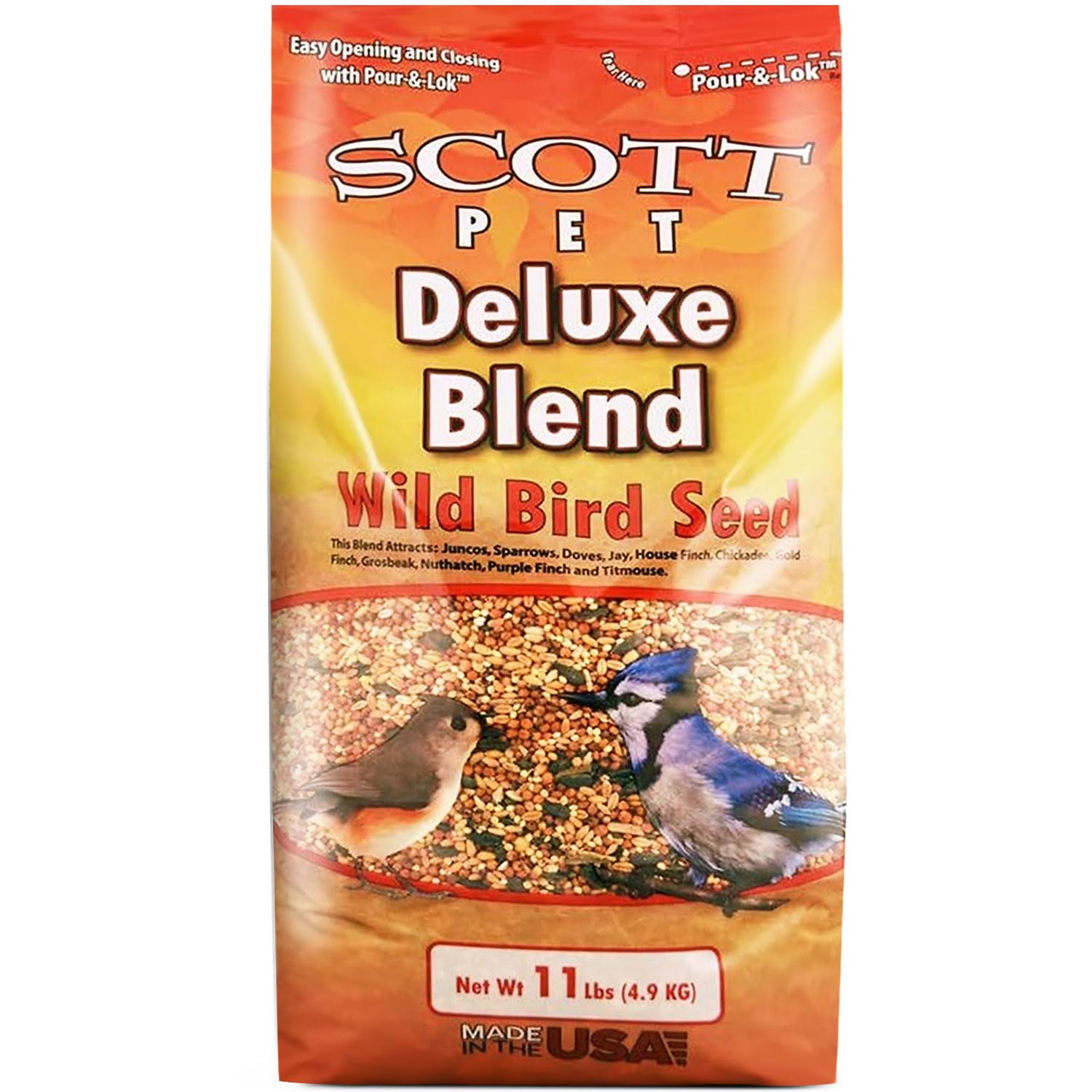
2. Scott Pet Wild Bird Seed, Deluxe Blend
A no-dust, no-corn blend at an 11-pound price point that attracts a huge range of PNW birds.
This 11-pound bag skips the corn filler and goes with milo, wheat, millet, and black oil sunflower seeds — a combination that draws blue jays, cardinals, house finches, towhees, siskins, nuthatches, doves, grosbeaks, juncos, and sparrows. One coastal owner in Northern California reports it works great for songbirds from Bodega Bay up to Fort Bragg, which matches the Pacific Northwest cast of birds well.
The big trade-off compared to the Kaytee pick above is that this is a shell-on blend — you will get hulls under the feeder. The birds absolutely clear it, though: owners say they fill feeders twice a week because the flock devours it that fast. The mix is labeled “no dust / no corn” and is made in the USA out of Rockville, Indiana.
Budget-Friendly Mix
- Attracts a wide range of birds — from jays and cardinals down to juncos and sparrows
- 11 pounds is a solid middle-ground size for most feeders
High Millet Content
- Shell-on means hulls and weeds will gather under the feeder
- Some pickier birds may leave the milo behind
Value Seekers: the budget-conscious feeder who wants a wide variety of species at the feeder without paying for a shell-free premium blend.
Picky Eaters: you want zero cleanup underneath — hulls will accumulate with this mix.
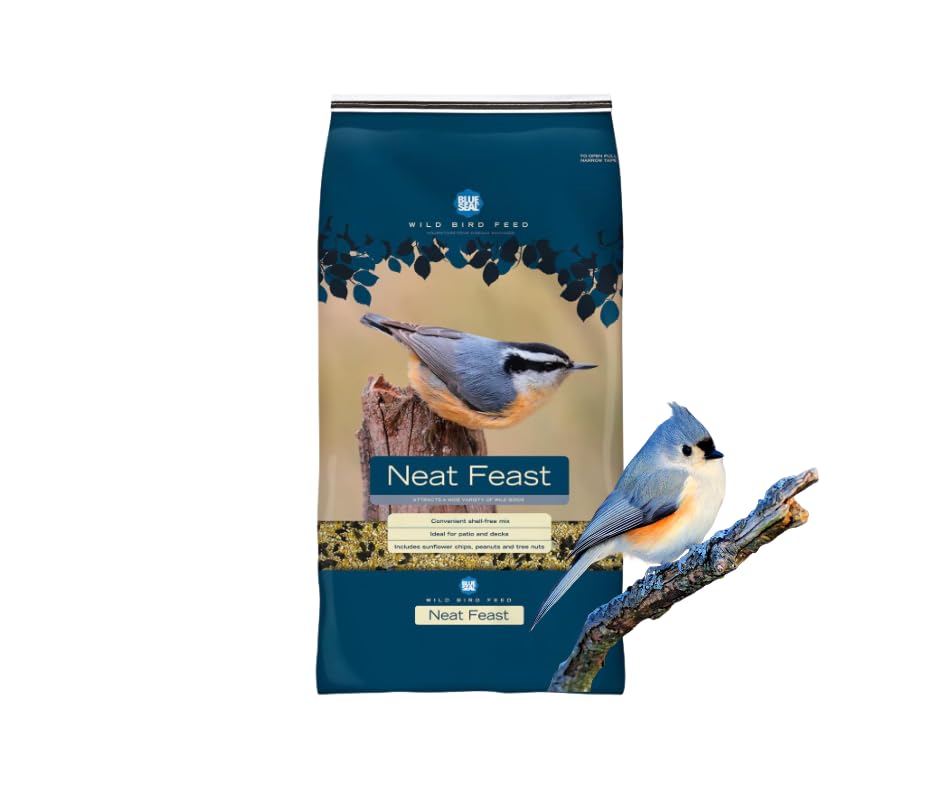
3. Blue Seal Neat Feast Wild Bird Seed
A shell-free gourmet mix with sunflower chips, peanuts, and tree nuts for picky eaters.
This 8-pound bag is a step up in ingredient quality: sunflower chips, shelled peanuts, coarse cracked corn, pistachio nuts, walnuts, pecans, and pumpkin seeds. It is a no-shell blend so there is no mess or waste, and owners say it attracts even finicky birds like Carolina wrens and blue jays quickly.
One practical point — the oats and grains in this mix can clog a standard cylinder feeder (a tube feeder with small ports), so it works best on a tray or platform feeder. The birds absolutely go for it, though the premium ingredient list comes at a higher price per pound than most of the other picks here. Still, for someone who wants to watch woodpeckers, grosbeaks, and jays pick through a nut-and-seed buffet, this is a standout.
Clean Patios: birders who want to attract woodpeckers, blue jays, and grosbeaks with a premium, shell-free seed and nut mix.
Tight Budgets: you are on a strict budget — this is the priciest pick per pound here and the 8-pound bag goes fast with a hungry flock.
4. Cool Birds Hearts on Fire Hot Bird Seed

100% hulled sunflower hearts coated in chili pepper oil that birds love and squirrels avoid.
This 10-pound bag is pure hulled sunflower hearts — no shells, no fillers, no waste — infused with an all-natural chili pepper oil formula. The capsaicin (the compound that makes peppers hot) is undetectable to birds but irritating to squirrels and rodents. Owners confirm that squirrels initially visit, then leave, and the birds accept the spicy coating within about 30 minutes.
The catch is that the squirrel deterrence is not absolute — some buyers report that squirrels eventually return, and a 10-pound bag can contain around a pound of dust and broken bits. The bird attraction here is massive, with juncos, sparrows, finches, wrens, titmice, and blue jays all showing up. Just be careful handling the seed: the chili oil can irritate eyes and lungs if you touch your face after filling the feeder.
Hot Peppers: a squirrel-plagued yard where you want a clean, protein-rich, no-mess seed that keeps the birds coming and the rodents moving on.
Mild Birds: you need guaranteed squirrel-proofing — the effect can fade, and some determined squirrels learn to tolerate the spice.
5. Armstrong Wild Bird Food All Season Blend
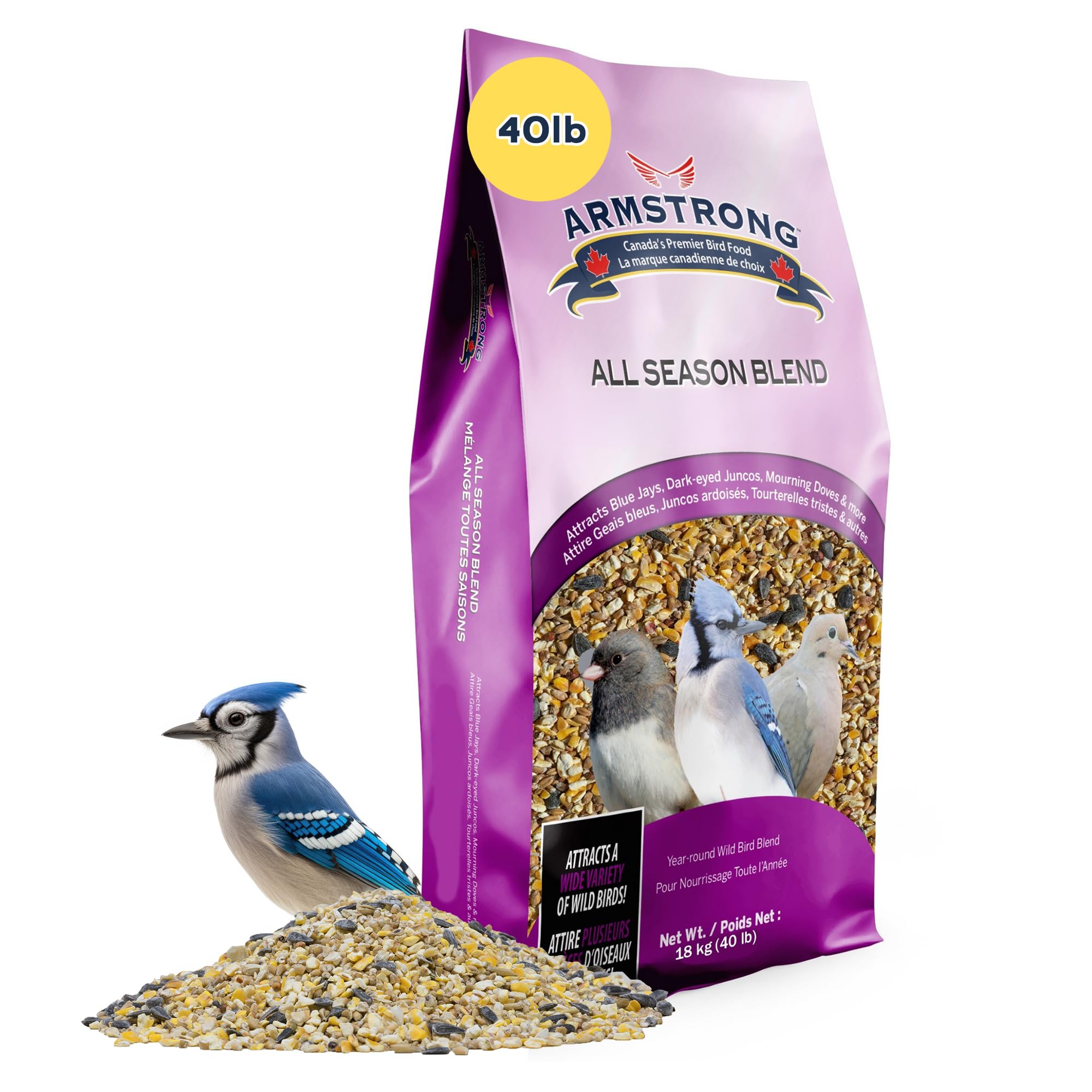
A 40-pound all-season general blend that attracts jays, juncos, chickadees, and Steller’s Jays.
This is an economical, large-bag blend made with cut corn, wheat, red milo, white millet, red millet, and black oil sunflower seeds. It targets the exact birds a Pacific Northwest yard sees daily — blue jays, dark-eyed juncos, black-capped chickadees, northern cardinals, house sparrows, tree sparrows, and Steller’s Jays. The bag is CO2-flushed (a process using carbon dioxide to remove oxygen) and sealed airtight for freshness, which helps in the damp PNW climate.
The honest caveat: the mix is heavy on corn and milo, and some owners mention it is mostly ground corn with limited sunflower content. Birds that prefer sunflower (like finches and chickadees) may pick around the filler. The 40-pound size is a strong value if you have a big flock and multiple feeders, but check your local birds’ preferences first — this is a generalist blend, not a specialist one.
Year-Round Use: large-volume feeding that draws jays, juncos, and sparrows while staying affordable per pound.
Premium Diets: your feeder is finch-heavy — they will leave the corn and milo behind for ground feeders.
6. Pennington Wild Bird Food Critter-Proof Bucket

A premium blend in a resealable bucket that stores fresh and draws cardinals and titmice reliably.
This 22.5-pound bucket uses Pennington’s Bird-Kote technology — a vitamin-and-nutrient coating on the seeds for added bird health. The big selling point is the critter-proof lid: the bucket seals tight to keep out moisture, raccoons, and rodents, which is a real advantage in the Pacific Northwest’s damp climate. Owners say it attracts an assortment of birds and that the seed stays fresh in the enclosed container.
The honest feedback from the reviews: the lid can be extremely difficult to open, especially for anyone with arthritis or limited hand strength — one 84-year-old owner reported spending 30 minutes wrestling it off. The blend itself is strong on millet and sunflower but lighter on premium ingredients like fruit or nuts. If you value airtight storage over premium ingredients, this is a solid pick.
Squirrel Defense: you need a critter-proof, resealable storage container that keeps damp PNW air out of your seed.
Easy Access: you struggle with hand strength — the bucket lid is notably hard to open, and bags are much easier.
7. Backyard Seeds Value Blend Economy Mix

A straightforward, 40-pound value mix of sunflower, cracked corn, and millet that birds clear with enthusiasm.
This is a no-frills blend: black oil sunflower seeds, cracked corn, and white millet in a 40-pound bag made and processed in the USA. It works in tube, hopper, platform, and ground feeders, and owners say the birds — and even some ingenious squirrels — love it. The millet content is high enough that mourning doves specifically flock to it.
The honest catch is that the corn kernels can be too large for smaller birds to handle, and some of that gets dumped onto the ground where it attracts squirrels and gophers. The value-for-money feedback is strong, with owners calling it a great value for everyday feeding. If you just want a big bag that keeps a wide variety of birds and a few squirrels happy, this works.
Large Flocks: birders with multiple feeders and a large, hungry flock — the 40-pound bag offers unbeatable value per pound.
Nutritious Feed: you want to avoid attracting squirrels — the cracked corn draws them in.
8. Red River Valley Splendor Wild Bird Food
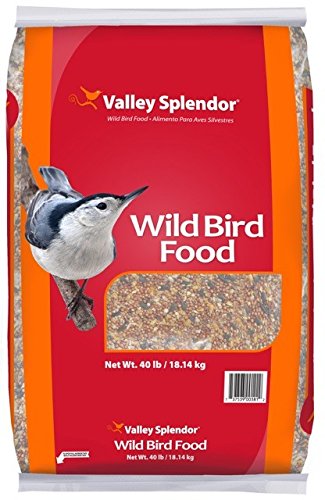
A general-purpose 40-pound blend in a damage-resistant bag for year-round feeding on a budget.
This is Red River Commodities’ year-round mix, sold in a 40-pound polywoven bag that resists tearing and moisture better than paper sacks. It is formulated for hopper, ranch-style, and tube feeders and is designed to attract the widest variety of wild birds. Owners say birds empty their feeders in two days with not much waste, and the mix is not overloaded with corn chunks compared to other budget blends.
The mixed feedback here is real: some customers note high red milo and corn content that birds leave as filler, along with gray dust and plant debris. It is a classic economy blend — you get large volume at a low per-pound price, but the ingredient quality is not consistent across batches. If your birds are picky eaters, this may generate more waste than you want.
Local Birds: the price-conscious feeder with a big yard who goes through seed fast and values the sturdy polywoven bag for storage.
Exotic Species: your local birds are finicky about milo and corn — some reviewers point out a lot of untouched filler.
9. CountryMax Backyard Seeds Songbird Blend
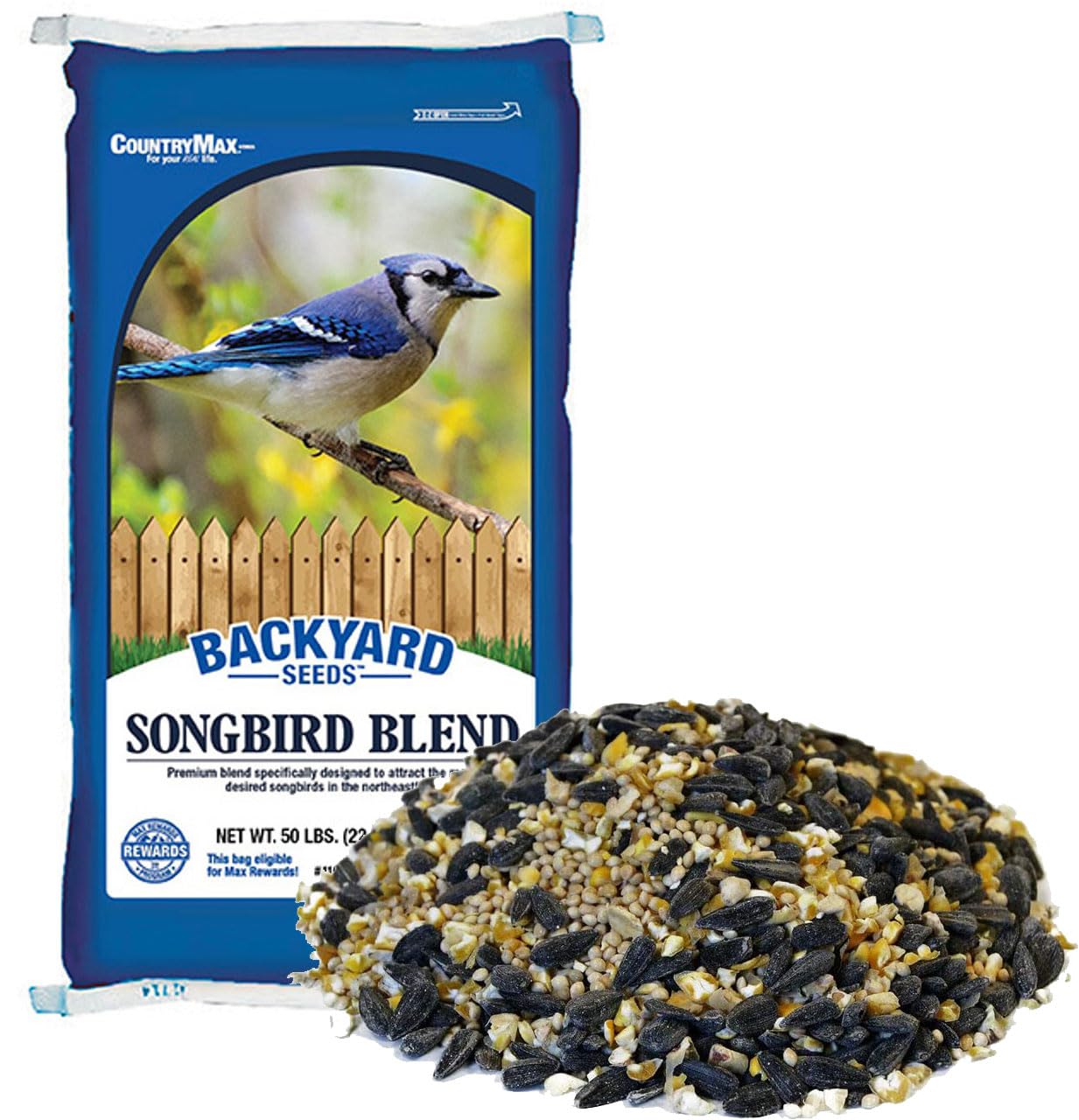
A 50-pound premium songbird blend with sunflower, safflower, peanuts, and millet for a heavy winter flock.
This is the biggest bag in the lineup at 50 pounds, and it is formulated specifically to attract cardinals, finches, chickadees, and a long list of other songbirds — nuthatches, grosbeaks, woodpeckers, jays, juncos, sparrows, titmice, and doves. The ingredient list includes black oil sunflower seeds, safflower seeds, white millet, red millet, and peanut pieces. It is made in the USA and works in tube, hopper, and platform feeders.
The recurring feedback is that the mix has more corn than some owners would like, but the birds still come for it. The sheer 50-pound size means fewer trips to the store or fewer Amazon reorders, and the variety of seeds and peanuts keeps the feeder interesting for a broad cast of PNW birds all year. If you have a large property or feed multiple stations, this bag lasts.
Backyard Birds: large-scale feeding that needs a single, heavy bag of diverse seeds to satisfy cardinals, chickadees, jays, and woodpeckers.
Finch Only: those who want a corn-free, shell-free mix — this has both corn filler and shell-on seeds.
Understanding the Specs
Shell-Free vs. Shell-On
A shell-free (or “no-mess”) seed has had the hard outer hull removed, leaving only the edible kernel. This stops seeds from sprouting weeds under your feeder and eliminates hull accumulation on your patio or lawn. Shell-on seed is cheaper per pound but creates debris. For wet PNW winters, shell-free also cuts down on moldy hull piles that can harbor bacteria.
Filler Ingredients (Milo, Corn, Wheat)
Fillers like red milo, cracked corn, and wheat are cheap ways to bulk up a bag, but many Pacific Northwest songbirds — especially finches and chickadees — ignore them or knock them to the ground. A blend heavy on filler means more waste per dollar. Higher-value blends use sunflower chips, Nyjer, safflower, and peanut pieces that a wider range of birds actually eat.
Capsaicin Infusion
Some seeds are coated in chili pepper oil, which adds capsaicin — the compound that makes peppers hot. Birds lack the receptor that detects capsaicin, so they eat it without irritation. Squirrels, raccoons, and deer do feel the burn and tend to avoid the feeder. The effect can fade if the seed gets wet or if animals become accustomed over time.
Bag Size and Freshness
Pacific Northwest humidity can cause seed to mold or spoil if stored too long. Larger bags (40-50 pounds) offer better value per pound but require a dry, cool storage area. Smaller bags (8-11 pounds) turn over quickly, so the seed stays fresher. Look for sealed, airtight packaging or resealable buckets if you live in a damp area.
FAQ
Will the Kaytee No Mess blend keep my yard completely free of weeds?
Which bird seed works best for finches and goldfinches in the Pacific Northwest?
Does the chili pepper oil in hot bird seed hurt the birds?
How should I store a 40-pound bag of bird seed in the damp Pacific Northwest climate?
Will the Scott Pet Deluxe Blend attract jays and cardinals in my yard?
Is the CountryMax Songbird Blend good for winter feeding?
Why do my birds leave the red milo in the feeder?
Can I use the Cool Birds Hearts on Fire seed in a tube feeder?
How long does an 8-pound bag of Blue Seal Neat Feast last for a single feeder?
What is the difference between the Armstrong All Season Blend and the Backyard Seeds Value Blend?
Final Thoughts: The Verdict
For most people, the best bird seed for pacific northwest winner is the Kaytee No Mess Finch Seed because it kills the two biggest headaches — hull waste and sprouting weeds — while attracting the exact finches, chickadees, and juncos that dominate PNW yards. If you want a spicy seed that keeps squirrels out of your feeder, grab the Cool Birds Hearts on Fire. And for a massive 50-pound bag that feeds cardinals, woodpeckers, and jays through heavy winter months, the CountryMax Songbird Blend is the one to reach for.
How We Picked
We do not accept paid placement. Every pick is matched to a real buyer and a real use-case; we do not hands-on test units.
Sources & Methodology
Specifications: manufacturer listings and product documentation. Review insights: verified customer reviews, as of July 2026. Pricing: not shown on this page (it changes often); check the current price via the retailer link.
As an Amazon Associate, Gadgets Feed earns from qualifying purchases. This does not affect which products we feature.