
Our readers keep the lights on and my morning glass full of iced black tea. As an Amazon Associate, I earn from qualifying purchases.
Specs are compiled from manufacturer listings and verified buyer reviews and can change over time — please confirm the key details on the product page before buying.
You want a wood bat that feels balanced in your hands and won’t break the bank, but you need one that actually performs, not just one that looks like wood. This guide compares published specs and verified buyer feedback to separate real value from hype.
I’m Min — the founder and writer behind Gadgets Feed. This guide is built by comparing the manufacturers’ published specifications and the patterns across verified customer reviews, so you get each pick’s real strengths and trade-offs instead of marketing spin.
Whether you coach a youth league, need a training bat, or want a backyard option, these picks deliver real value. Here is our breakdown of the best budget wood bats, with each choice explained in plain terms.
Our Picks at a Glance

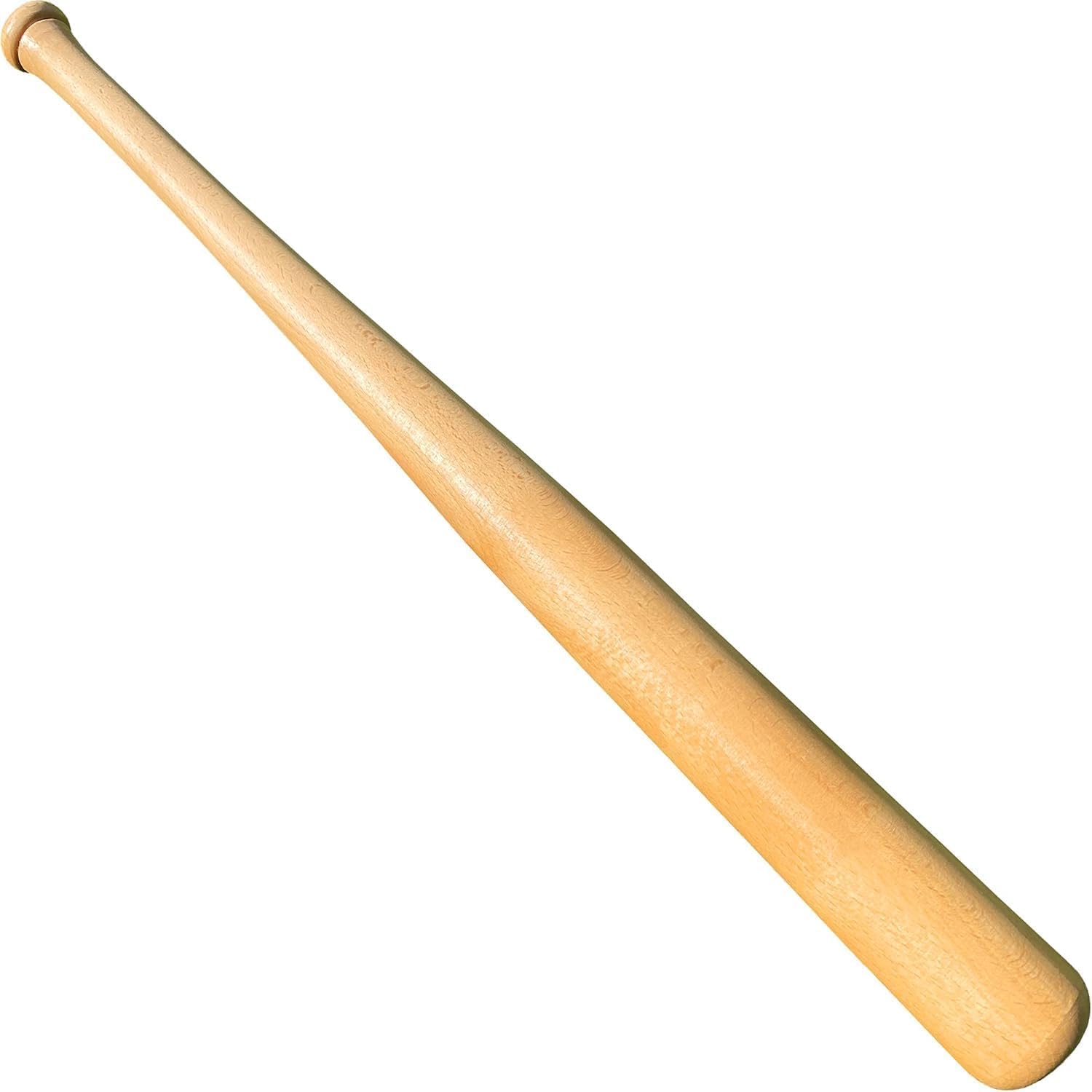
How To Choose The Best Budget Wood Bats
Buying a wood bat on a budget depends on a few key decisions. You are not chasing the same technology you find in an expensive alloy or composite barrel, so the focus shifts to the wood itself, the size, and the build quality. Here is what matters most.
Wood Type: Ash, Beech, or Bamboo
The wood grain tells you how the bat will perform. Ash is known for being light and flexible, which means it has a softer feel on contact but can be more forgiving on off-center hits. Beech is denser and harder, offering a stiffer barrel and a firmer feel. Bamboo (technically a grass) is often layered and pressed, making it very durable and a common choice for batting practice cages. Each type swings a bit differently, so your choice depends on what kind of feedback you want in your hands.
Length, Weight, and the Drop
The “drop” is the difference between the bat’s length in inches and its weight in ounces. A lower drop number (like -3) means a heavier bat, while a higher drop (like -10) is much lighter. Wood bats are typically heavier than metal bats of the same length, so players switching from an aluminum bat should expect to feel the difference. A heavier bat builds swing strength but may slow bat speed for unaccustomed players. Entry-level players find a slightly shorter, lighter wood bat easier to control while building mechanics.
What “Budget” Really Gets You
In this price range, you are paying for a functional piece of solid wood — not for a precisely balanced, multi-piece handle or a specialized pro-grade finish. A budget wood bat should feel comfortable, have a clean grip, and be free of visible cracks. Less consistent grain can reduce long-term durability. A well-made budget bat holds its own in practice, casual games, and tee work, often lasting a full season.
Quick Comparison
| Model | Best For | Length | Material | Weight | Amazon |
|---|---|---|---|---|---|
| Barnett BB-W Wooden Baseball bat★ Best Overall | Youth / T-Ball Starters | 24 inches | Wood | 14.88 ounces | Amazon |
| KOTIONOK Genuine Solid Beech Wood Baseball BatBest Value | Youth Practice / Self-Defense | 27 inches | Solid Beech Wood | 19 ounces | Amazon |
| Wood Baseball Training Bat (SECOTAN) | Training / Multi-Purpose Use | 28 inches | Sustainably Sourced Wood | Lightweight (spec not provided) | Amazon |
| Louisville Slugger Natural Youth Teeball Bat | Youth League / Tee Ball | 26 inches | Maple | 0.5 kg (approx. 17.6 oz) | Amazon |
| Louisville Slugger Youth Genuine Y125 Baseball Bat | Developing Youth Players | 30 inches | Youth 125 Mix | Heavier swing weight (spec not provided) | Amazon |
| Rawlings Adirondack Wood Baseball Bat | Adult Practice / Adult League | 34 inches | Ash Wood | 1.2 pounds | Amazon |
| Mizuno Bamboo Classic MZB 62 | Training / Contact Hitting | 33 inches | Bamboo | 1.9 pounds | Amazon |
In‑Depth Reviews
1. Barnett BB-W Wooden Baseball bat
Our pick — over 4.5★ from 400+ verified ratings; the strongest balance of quality and price.
This 24-inch wooden bat is built for the smallest hands just starting T-ball, and it delivers the highest satisfaction rate among buyers in its category.
The Barnett BB-W earns its spot because it gets the size right for the very youngest players. At 24 inches long and 14.88 ounces, it is light enough for a 4 or 5 year old to swing with proper form. This is 17% shorter than the KOTIONOK’s 27-inch model, which makes a huge difference for a beginner who is still learning to connect with the ball. Reviewers report that their leagues actually recommend this model as the example of what to buy for kids moving from plastic to wood. The smooth finish and a grip described as “very resistant” hold up well.
It comes in four sizes (25″, 28″, 30″, and 32″), so if your player outgrows the 24-inch version, you can move up without switching brands. Keep in mind this bat is designed for use with softer balls only, not hard baseballs. That makes it a dedicated training and league bat for the entry level, not a hardball bat for competitive older kids.
What the swingers love
- Perfectly sized and weighted for 4-5 year old T-ball players
- Smooth finish with a grip that holds up well
- Available in several lengths for growing kids
A fair heads-up
- Not built for hard baseballs — softer balls only
- Heavier than it looks, so proper form matters
Reach for this if: you need a first wood bat for a T-ball beginner who needs a light, controllable swing.
A different choice: if your player is over 6 or already using a 27-inch bat, size up to the KOTIONOK or a Louisville Slugger youth model.
2. KOTIONOK Genuine Solid Beech Wood Baseball Bat
This solid beech bat gives you a dense, one-piece feel that bridges the gap between kid practice and grown-up use, all for a price that stays low.
The one-piece beech construction wins praise for its sturdy feel. The one-piece beech wood design (the whole bat is cut from a single piece of wood) gives it a sturdy feel that owners consistently praise. At 27 inches long and 19 ounces, it sits right between the tiny 24-inch Barnett and the adult 30-inch models. The specs list it as a fit for boys 8-12, but buyers report it works well for any player who wants a classic swing weight for batting cages or pickup games. The handle is a traditional tapered design with a comfortable pommel knob, which gives you a secure grip without needing extra tape.
Owners mention that this bat doubles effectively as a defensive option — the phrase “perfect size and weight for a protection bat” comes up repeatedly. The grip is bare wood, which is authentic but can get slippery in humid conditions. Some buyers find the size perfect, while a few wish it were a touch longer.
Strong points
- One-piece beech wood construction feels sturdy and well-balanced
- Clear wood grain finish looks great for display or game use
- Works with soft-core balls, machine balls, and hard balls
Things to check
- Size runs on the shorter side — measure before buying for a taller player
- Bare wood grip may need aftermarket tape for sweaty hands
Grab this for: a youth player or adult who wants a solid, classic beech bat for practice and general use without spending more.
skip it if: your player is over 12 and needs a longer barrel and a heavier swing weight — the 27-inch length will feel too short.
3. Wood Baseball Training Bat (SECOTAN)

SECOTAN specifically tweaked the weight distribution on this 28-inch training bat so it balances in a spot that helps you control your swing — a detail that matters more for technique work than raw power.
The standout spec is the scientific weight distribution, which puts the balance point in an ideal spot for a controlled swing. For a training bat, that makes a real difference. It is built with sustainably sourced natural wood and is kept deliberately light and ergonomic to help you focus on swing mechanics without fighting a heavy barrel. Customers note it packs “a big punch for a small bat” and call the solid wood construction and the overall value for money as the main draws.
The manufacturer explicitly states this bat is not for use with hard baseballs. It is meant for training softballs (tee work and soft-toss drills), which keeps the bat safe and the player focused on technique. The 28-inch length sits between a youth-format bat and an adult training tool, making it a flexible option that multiple members of a household can pick up. The handle is a standard wood grip, and the wood itself is unfinished (“Clear Wood”), giving it a natural, raw look.
Training-first design: the balanced weight distribution and lighter build make this a good choice for batting practice technique drills where feel matters more than power.
The honest limit: do not buy this for live pitching with hard baseballs — it will not hold up to that, and the maker warns against it.
Best as: a dedicated soft-ball training bat or a compact multi-purpose tool for the garage or car.
Look elsewhere if: you need a bat for competitive games where hardballs are in play.
4. Louisville Slugger Natural Youth Teeball Bat

This 26-inch maple youth bat from a household name brings a stiff, powerful feel to the T-ball diamond without costing what a pro-model does.
Louisville Slugger brings its reputation to the budget tier without cutting corners on the wood. The barrel is a “Youth 125 Mix” (their standard youth turning model), and the topcoat is a regular finish with a cupped end for a balanced swing weight — meaning the end of the barrel is hollowed out slightly to reduce weight without shortening the bat. The spec sheet confirms it is made from maple, a dense hardwood that gives a stiff, powerful feel on contact.
What owners come back to is the quality relative to the price. For a maple youth bat, it performs well for kids aged 7-10. The balanced feel is one of the main talking points, though the grip is skinnier than a metal bat, which some parents note requires an aftermarket grip to prevent the bat from spinning in a young player’s hands. The size is the biggest variable: at 26 inches, it works great for smaller 7-year-olds, but several buyers found it too short for their 10-year-old, who had to return it.
Great for the 7-9 crowd: the balanced feel and quality construction make it a strong choice for a kid moving from plastic to wood, especially if they are on the smaller side.
Watch the length: if your player is closer to 10 years old and already using a longer bat, measure carefully, because the 26-inch size is the common reason for returns.
Pick this if: you want a trusted brand name and a maple barrel for a younger T-ball player who is not ready for a longer bat.
Consider a different size: if your child is already using a 28-inch or longer bat, this will feel too short.
5. Louisville Slugger Youth Genuine Y125 Baseball Bat

At 30 inches with a heavier swing weight, this Louisville Slugger helps a growing player build strength through the harder swing mechanics it demands.
This is the bigger sibling to the Natural Youth T-ball bat above. Using the Y125 turning model, it is designed for older youth players (around 8-12 years old) who are ready for a proper wood bat’s weight. The “cupped balanced swing weight” keeps the handle manageable while the barrel stays dense. It is noticeably heavier than an aluminum bat of the same length — buyers point out that this difference actually helps kids strengthen their swing mechanics and hit with more pop once they adjust.
The fit and finish are where Louisville Slugger’s reputation shows. The black finish is sleek, and the wood feels solid in the hands. Durability is a mixed point: many owners say the bat holds up well over time, while a few report it cracking after a handful of sessions. That is a normal trade-off with hardwood bats in this price bracket — you get a real wooden barrel for a low price, but the grain consistency can vary. It is a good call for a focused player who is transitioning from metal and needs a bat to develop a better swing, not just to hit dingers.
Why it earns its spot
- Classic Louisville Slugger quality with a sleek black finish
- Heavier swing weight develops strength and proper mechanics
- Great fit for older youth players in Little League Majors
The trade-off
- Durability is inconsistent — some get many sessions, others see a crack early
- Heavier than aluminum means a slow bat speed at first
Reach for this if: you have a stronger youth player who needs a wood bat to build arm and swing strength for competitive play.
Think twice if: your player is young or on the smaller side, where a 30-inch wood bat will feel too heavy to swing properly.
6. Rawlings Adirondack Wood Baseball Bat

This 34-inch ash bat from Rawlings brings a classic MLB-grade wood feel to the adult player, with ash’s natural flexibility that gives you a bit more forgiveness on off-center hits.
This is the first bat on the list built for adult players ages 13 and up. Ash is naturally lighter and slightly more flexible than maple, which means it offers a bit more forgiveness when you hit the ball off the end of the barrel. The barrel itself is a larger design to pack in more power without adding dead weight.
The handle is a 31/32-inch diameter, which fits comfortably in an adult hand. The grip is smooth and the bat has a “regular finish” topcoat. The biggest open question is durability — a lot of owners praise it as a solid training bat that survives multiple seasons, but a notable number say it can break relatively quickly, especially with hard contact on a cold day. This is typical for an ash bat at this price point. The bat also vibrates more on mishits than a maple bat, which is a physical property of ash, not a defect.
For the adult player: the 34-inch length and ash construction make it a suitable pick for adult recreational leagues, batting practice, and pickup games.
What to expect: the ash wood offers good pop and feel when you square it up, but durability varies, and the handle can feel slick during a sweaty game if you do not add some pine tar.
Best for: an adult player who wants an affordable, classic ash bat for batting practice or casual league use.
pass on it if: you need a bat that can withstand daily hard use against high-velocity pitching — a composite or more expensive maple bat would be a better long-term investment.
7. Mizuno Bamboo Classic MZB 62 Baseball Bat

Bamboo is not a wood — it is a compressed grass — and that process makes this 33-inch Mizuno a tough bat for cage work, with a unique feel and sound on contact.
Bamboo is different from ash or beech. It is not a hardwood but a grass that is shredded and compressed under pressure into a dense bat blank. This process makes bamboo bats very tough and resistant to flaking, which is why they are a popular choice for batting cages where a metal bat is not allowed. The Mizuno MZB 62 features a matte “furniture-grade finish” (so it looks clean on the shelf) and a cupped end to keep the swing weight a bit lighter than the 1.9-pound raw weight suggests.
It is a contact hitter’s bat. The bamboo construction produces a different sound and feel on contact compared to maple or ash — it is less of a solid “crack” and more of a dense thwack. Owners like it for a 15-year-old transitioning from metal to wood, and note it is legal for school and travel ball. The downsides: the standard grip is bare and may need tape; one owner reported permanent sticker damage from the factory packaging, which matters if you plan to display the bat. Durability is the split in the room — half say it is very durable, half say it breaks easily (which is true of any wood bat used against hard balls, but bamboo can be more brittle across the grain).
For the cage and contact work: the bamboo material gives you a dense barrel that stands up well to repeated contact in batting practice settings.
Worth noting: this is a heavier bat (1.9 pounds at 33 inches), so it is best for a player who has some strength built up and is focusing on line drives, not home runs.
Pick this if: you want a cage bat with a distinct feel that might outlast a standard hardwood bat in practice use.
Look elsewhere if: you need a lightweight bat for a smaller youth player — this one is built for bigger hands and a heavier swing.
Understanding the Specs
Wood Types and Feel
The type of wood determines how a bat feels in your hands and how it performs. Ash is light and flexible, giving a bigger “balance” and a softer feel on mishits. Maple is much harder and denser, producing a sharp “crack” and maximum pop on solid contact, but it is more likely to crack if you hit the ball off the handle. Beech sits between the two — it is hard like maple but often more durable because of its interlocking grain. Bamboo is not actually wood but compressed grass layers, making it very tough and consistent. For a budget bat, the wood choice matters because lower-grade ash or inconsistent maple grain can break faster.
The Drop and Swing Weight
The “drop” is the difference between the bat’s length in inches and its weight in ounces. A lighter drop (closer to -3) means a heavier bat that builds strength but slows swing speed. A higher drop (closer to -10) is much easier to whip through the zone but loses power potential on contact. If you are used to a metal bat, a wood bat of the same length will feel at least 2-3 ounces heavier, so many players size down half an inch when switching.
FAQ
Which wood bat is best for a 7 year old starting T-ball?
Will a budget wood bat crack faster than an expensive one?
Can I use a wood bat for home defense?
What is the difference between ash, beech, and maple bats?
How do I choose the right length wood bat for my child?
Are wood bats legal in Little League and travel ball?
Can I use a training wood bat with hard baseballs?
Why is my wood bat heavier than my aluminum bat?
Final Thoughts: The Verdict
For most buyers, the best budget wood bats winner is the Barnett BB-W because it nails the size and weight for the youngest players just starting out, backed by the highest satisfaction rate in its category. If you want a solid beech bat that works for practice and display, grab the KOTIONOK. And for a proven name and a maple barrel for the youth league, the Louisville Slugger Natural Youth is the one to reach for. Each bat delivers real wood performance at a fraction of a pro model’s price.
How We Picked
We do not accept paid placement. Every pick is matched to a real buyer and a real use-case; we do not hands-on test units.
Sources & Methodology
Specifications: manufacturer listings and product documentation. Review insights: verified customer reviews, as of July 2026. Pricing: not shown on this page (it changes often); check the current price via the retailer link.
As an Amazon Associate, Gadgets Feed earns from qualifying purchases. This does not affect which products we feature.