
Our readers keep the lights on and my morning glass full of iced black tea. As an Amazon Associate, I earn from qualifying purchases.
Specs are compiled from manufacturer listings and verified buyer reviews and can change over time — please confirm the key details on the product page before buying.
Finding a boot that keeps your feet warm, dry, and planted on slick trails is the real challenge of winter hiking. A boot that fails on traction turns a pleasant trek into a risky shuffle, and one that can’t shed water leaves you miserable miles from the car. The picks here are judged on the three things that actually matter in snow: insulation that holds heat, a waterproof barrier that keeps moisture out, and an outsole that bites into ice and packed powder.
I’m Min — the founder and writer behind Gadgets Feed. This guide is built by comparing the manufacturers’ published specifications and the patterns across verified customer reviews, so you get each pick’s real strengths and trade-offs instead of marketing spin.
From deep-powder sloggers to studded ice walkers, these are the boots for hiking in snow that earn their place on your feet when the temperature drops.
Our Picks at a Glance

How To Choose The Best Boots For Hiking In Snow
Choosing a winter hiking boot is a balance of warmth, weight, and grip, and getting that balance wrong means cold toes or a heavy stride. Your activity level matters more than the outdoor temperature: a brisk hike generates body heat, so a heavily insulated boot can make your feet sweat, which then chills them. Think about how long you’ll be out, how hard you’ll work, and whether you’ll be breaking trail or following a packed path.
Match insulation to your activity level
Insulation is measured in grams, and that number tells you how much heat the boot traps. A 200g boot is a versatile all-rounder for active hiking where your body generates warmth. A 400g boot is built for standing around in extreme cold, like ice fishing or snowshoeing, where you’re not generating much heat. If you run hot or hike vigorously, heavier insulation can become a liability.
Waterproofing is non-negotiable for snow
Snow is just water in solid form, so a boot that isn’t truly waterproof will soak your socks the moment you step in a drift. Look for a sealed membrane like Gore-Tex, KEEN.DRY, or B-DRY, which lets moisture vapor escape while keeping liquid water out. Seam-sealed construction and a high shaft also stop snow from sneaking in over the top of the boot.
Traction is what keeps you upright
Ice and packed snow are slippery, so the outsole is where winter boots win or lose. Deep, aggressive lugs give you purchase in soft snow, while specialized rubber compounds like Vibram Arctic Grip or KEEN.FREEZE are designed to grip on wet ice. For the iciest conditions, some boots even come with built-in carbide studs embedded in the sole.
Quick Comparison
| Model | Best For | Insulation | Waterproofing | Traction | Amazon |
|---|---|---|---|---|---|
| Sorel Tivoli V Tall★ Best Overall | Cold-weather style & warmth | — | Waterproof | — | Amazon |
| KEEN Revel IV High PolarIce Grip Pick | Wide-toe ice traction | — | KEEN.DRY membrane | KEEN.FREEZE rubber | Amazon |
| Kamik Fargo 2Budget Champion | Budget-friendly warmth | 145g HEAT-MX | Waterproof suede | Synthetic rubber shell | Amazon |
| Columbia Bugaboot III | Value cold-weather workhorse | 200g | Waterproof leather | Omni-Grip tread | Amazon |
| KEEN Revel III Mid | Comfortable all-day hikes | 200g | Waterproof | — | Amazon |
| North Face Bergen | Premium leather comfort | — | Waterproof leather | 4.5mm lugs | Amazon |
| North Face Chilkat V 400 | Extreme cold & glaciers | 400g | Waterproof | — | Amazon |
| Merrell Coldpack 3 Thermo | Ice grip & true-to-size fit | 200g | Waterproof | Vibram Arctic Grip | Amazon |
| Icebug Adak BUGrip | Built-in ice studs | Primaloft Bio | BUGdr membrane | Carbide studded | Amazon |
| Oboz Bridger 8″ | Ankle support on trail | 200g Freeze Guard | B-DRY membrane | Granite Peak outsole | Amazon |
| Baffin Control Max | Extreme arctic cold | Removable liner | Waterproof | Polar Rubber outsole | Amazon |
In-Depth Reviews
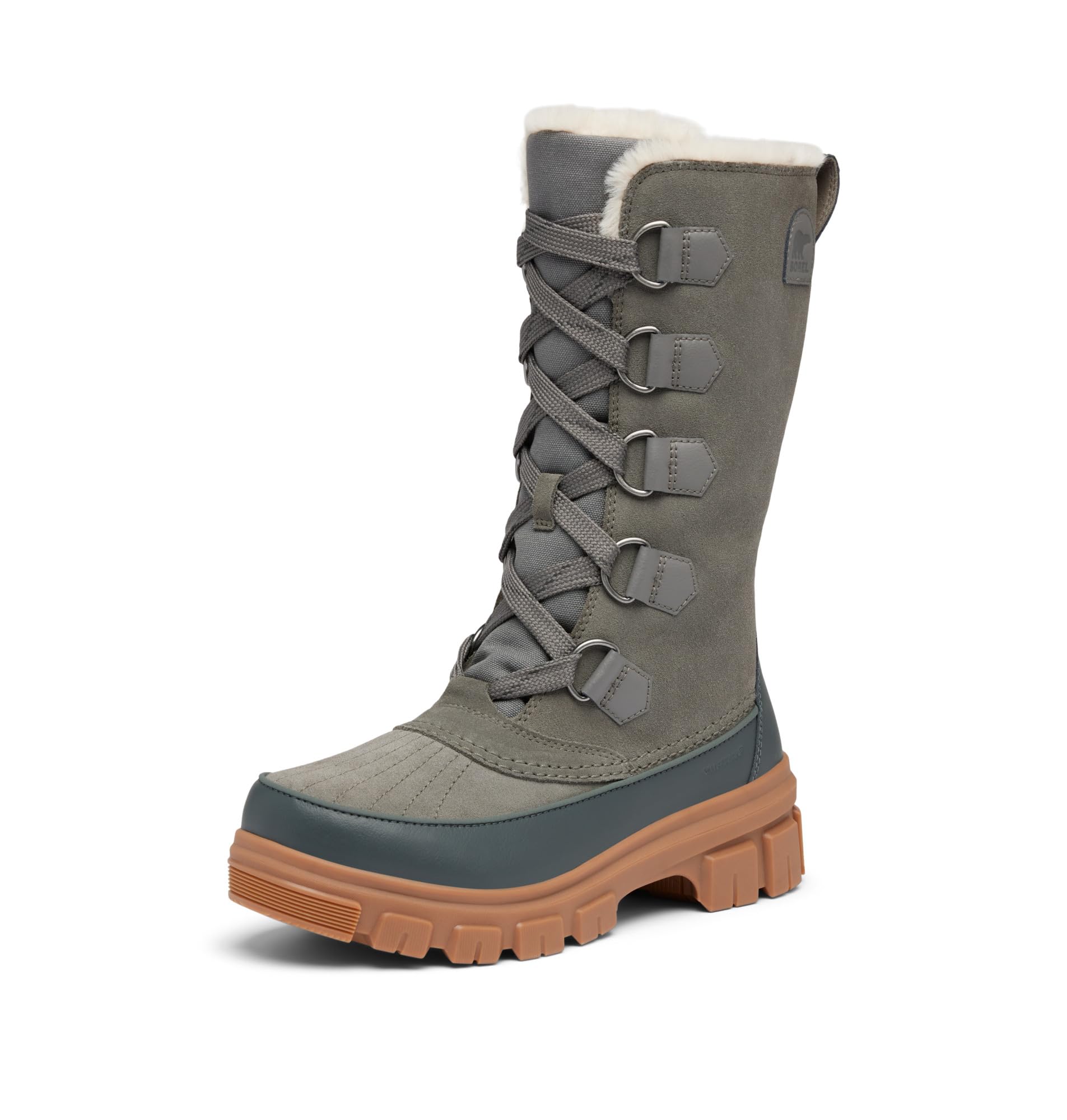
1. SOREL Women’s Tivoli V Tall Waterproof Boot
Our pick — over 4.5★ from 550+ verified ratings; the strongest balance of quality and price.
Tall, warm, and polished enough for dinner after the trail.
The Sorel Tivoli V is the crowd favorite for a reason — it holds 4.7 stars across a large pool of owners, and the thing everyone raves about is warmth. The data backs that up: warmth is the most-discussed feature by a wide margin, with over 120 owners singling it out, and quality and comfort trail close behind as the next most-praised traits.
Buyers report keeping feet and ankles warm and dry in 2 feet of snow at teens-degree temperatures, with one noting a prior Sorel pair lasted over 10 years. The reviews sum it up: thick laces that don’t freeze in the cold, a soft interior that needs no break-in, and a fit that runs true to size. The taller shaft means you can step into deeper drifts without snow sneaking over the top.
The trade-off is the mixed weight feedback — it’s a substantial boot, not a featherweight trail runner. If you’re logging fast miles and want something light, this leans more toward cold-weather comfort and style. For winter walks, errands, and snowy commutes where warmth is the priority, it’s a standout.
tall shaft warmth
- Exceptional warmth in deep snow and sub-zero temps
- Durable enough that owners mention years of use
- Stylish enough for dressing up after outdoor time
heavy on feet
- Heavier than some winter hikers, which a few note
- Ankle can rub when laced very snugly
snowy commutes: you want a warm, waterproof, good-looking boot for snowy days and cold commutes.
warm climates: you need a lightweight boot for high-output trail miles.
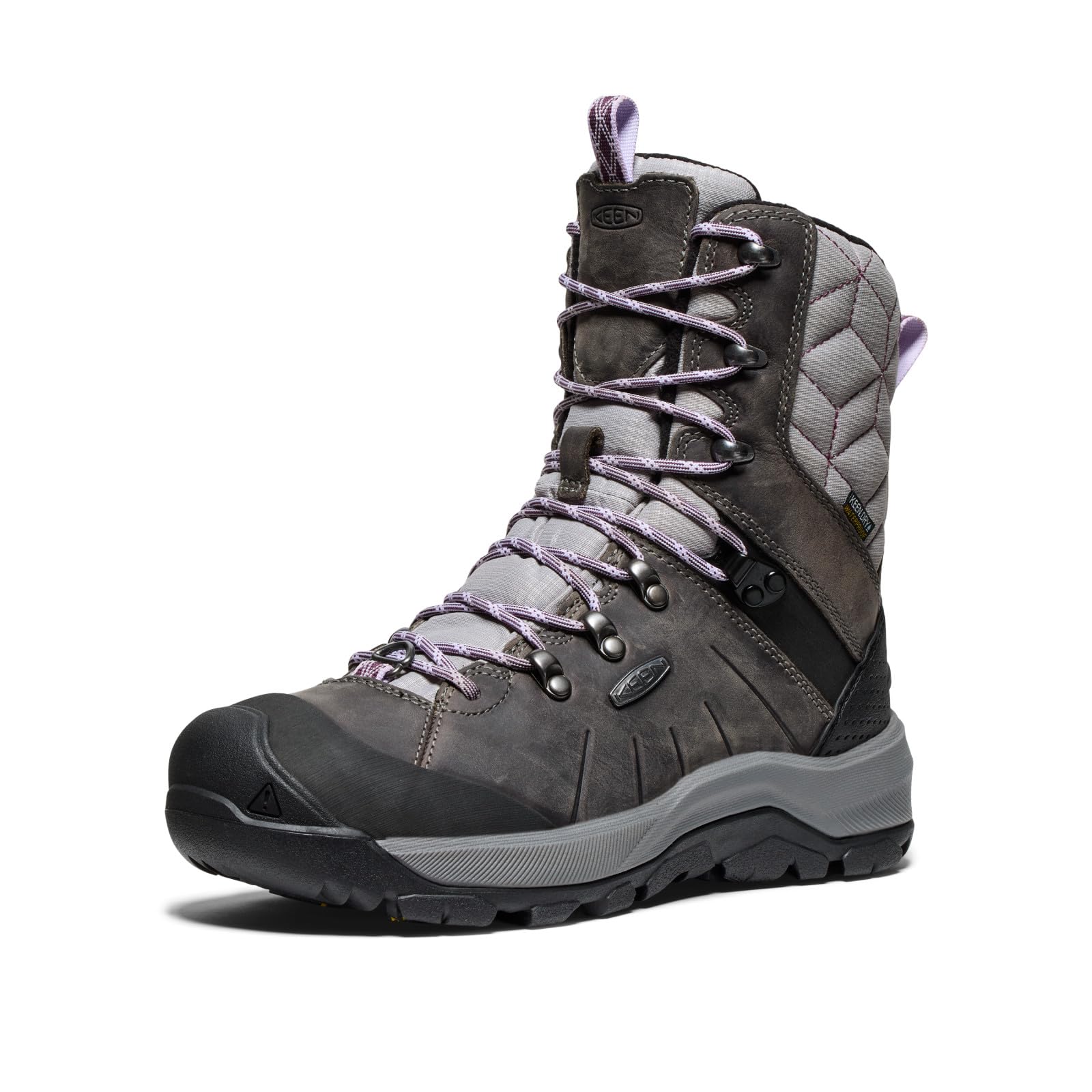
2. KEEN Revel IV High Polar
A calf-high cold-weather boot that grips ice like few others.
The Revel IV High Polar lives up to its name with a KEEN.FREEZE rubber outsole and 5mm multi-directional lugs designed specifically for cold environments and rocky surfaces. Customers note perfect traction on ice — one even walked daily 3-mile routes with their dog on slippery Michigan winter paths and never swapped to cleats.
Your feet stay dry from both directions thanks to a KEEN.DRY breathable membrane (a waterproof layer that still lets sweat escape). Buyers most often praise the warmth, and the wide toe box is a close second — it lets you wear thick socks without cramping, and many reviewers point out they no longer need to buy wide sizes.
The honest downsides: it’s a bulky boot, and durability gets mixed feedback. Warmth is still strong at -2°F with thin socks, per owners, but the top hook can be a weak point — one buyer had it break on day one and had to rig a tie-off.
arctic cold: you want serious ice grip and a roomy toe box for thick winter socks.
mild days: you need a slim, lightweight boot or plan to stress the lacing system hard.
3. Kamik Men’s Fargo 2 W Winter Boots
A wide-fit winter boot that buyers keep coming back to for over a decade.
The Fargo 2 pairs a waterproof genuine suede upper with 145g HEAT-MX sustainable thermal insulation and a moisture-wicking fleece lining, so your feet stay dry from sweat and snow alike. One long-term owner is on their second pair, with the first lasting 14 years — a durability vote that’s hard to argue with at this price tier.
Owners praise the warmth and the wide fit design, which offers extra room for all-day comfort. It’s rated by the brand for extreme cold, and buyers confirm it keeps feet dry in cold and snow conditions. One buyer wears them for mountain life at 7,800 feet and calls the sole beefy and perfect for the terrain.
The recurring gripe is sizing: it consistently runs small in width, with multiple owners advising to go up at least one full size. Another notes the top metal hooks are hard to thread and can break when pried. It’s a warmth-first boot with a fit quirk that makes trying before you buy a smart move.
icy trails: budget-minded buyers who want proven warmth and don’t mind sizing up for the wide fit.
city wear: you need a precise, narrow fit or plan to stress the top lacing hooks.
4. Columbia Men’s Bugaboot III
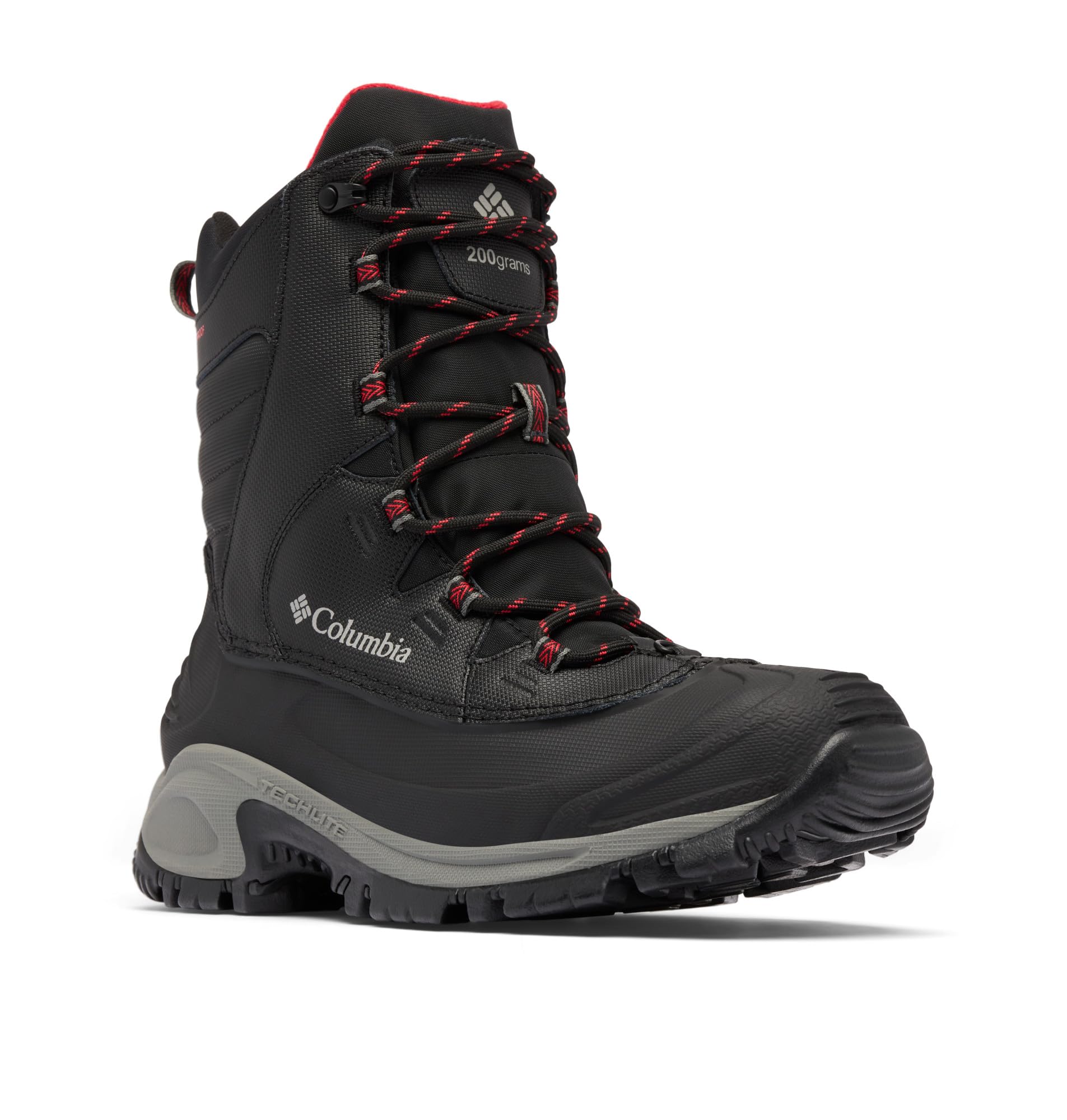
A dependable snow boot that keeps feet warm and dry through the season.
The Bugaboot III is Columbia’s proven winter formula: a waterproof leather upper, 200g insulation, and cold-tune Omni-Grip tread wrapped in an injection-molded rubber shell. Warmth is the most-cited strength, trailed closely by quality and comfort, making it a value pick that punches well above its price tier.
Owners in the Northeast near Canada call it their go-to winter boot, always warm and dry through the season. The cushioned Techlite midsole and seam-sealed waterproofing keep feet happy across trails and plowed sidewalks. It’s notably lightweight for a boot with this much insulation, which buyers repeatedly flag as a pleasant surprise.
The fit is the recurring catch: it runs small and narrow, with many owners advising to size up. One buyer described a US 11W fitting more like a 9.5-10, and a few note the lack of lace hooks makes it harder to snug the top. Order a half to full size up unless you have narrow feet.
classic grip
- Excellent warmth-to-weight ratio
- Strong waterproofing for snow and puddles
- Reliable Omni-Grip traction in winter conditions
narrow toe
- Runs small and narrow in the toe box
- No lace hooks on the upper
wet hikes: a budget-friendly, warm, and durable daily winter boot.
wide feet: you have wide feet or plan to wear thick socks.
5. KEEN Men’s Revel III Mid Height Waterproof Insulated Hiking Boot
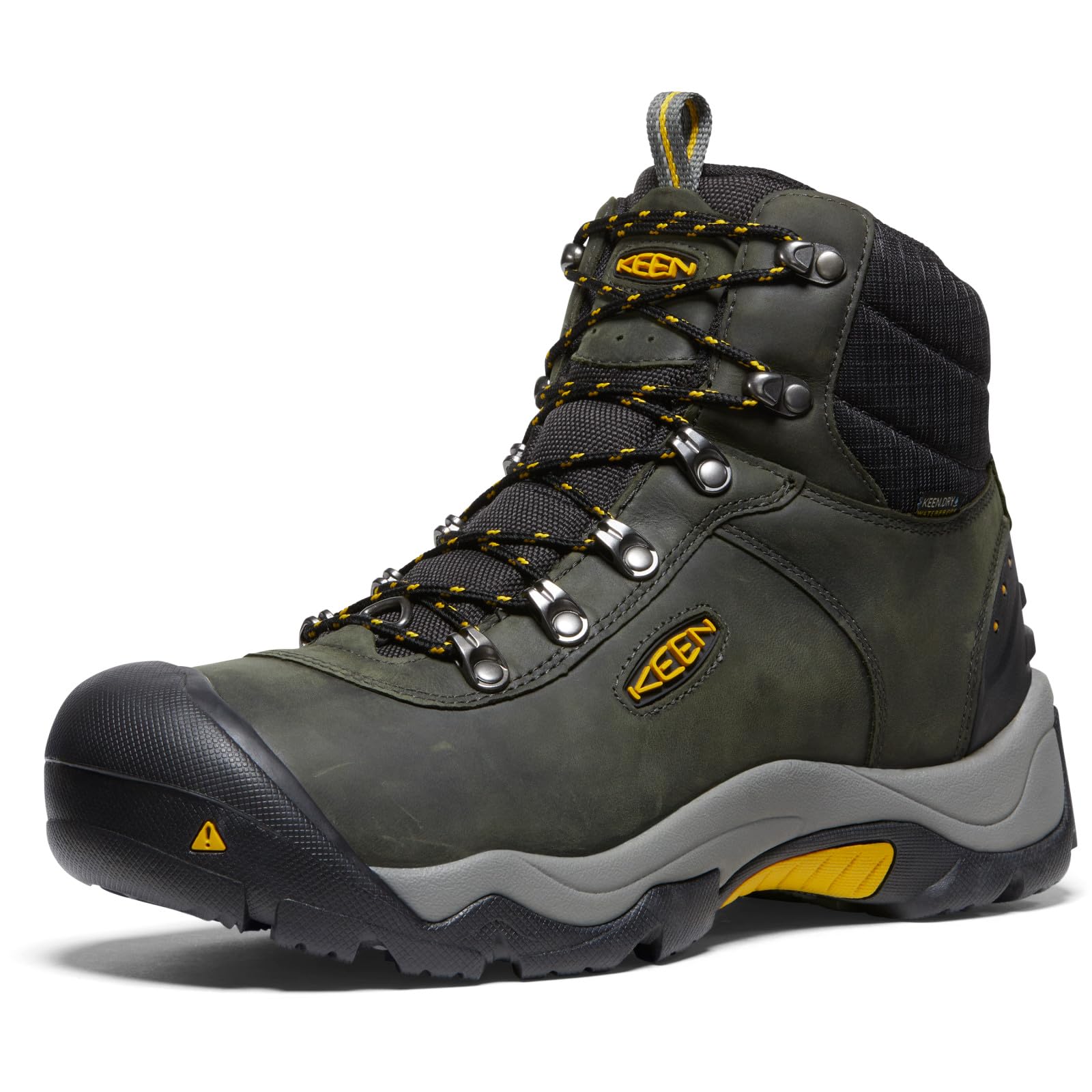
The all-day hiker with a thermal heat shield and a famously wide toe box.
The Revel III is a genuine hiking boot first and a winter boot second, built on KEEN’s traditional wider foot form with a thermal heat shield inside to capture warmth. It’s the most-reviewed boot in this lineup, and the thing owners praise most across the board is the appearance, with comfort and fit running close behind.
It carries 200g of insulation, and one owner who tried 13 brands before landing here cites the arch and heel support as the decisive factor, with no break-in period needed. The speed lace webbing system is a noted upgrade from earlier versions, and the waterproofing holds up to wet snow and spring melts. Shoppers say it works well with Stabilicers and gaiters for deeper snow.
The mixed durability feedback is the honest caveat — some buyers report shorter lifespans than they’d hope, while others have gotten years of hard use. The soft sole grips ice and snow well but offers less ankle support than a stiffer boot, and the fit runs a bit large. If you want a true hiker that handles winter, this is a versatile middle ground.
light treks: hikers who want a comfortable, wide-toe boot that works across seasons.
long miles: you need maximum ankle rigidity on technical terrain.
6. THE NORTH FACE Men’s Bergen Leather Waterproof Hiking Boot
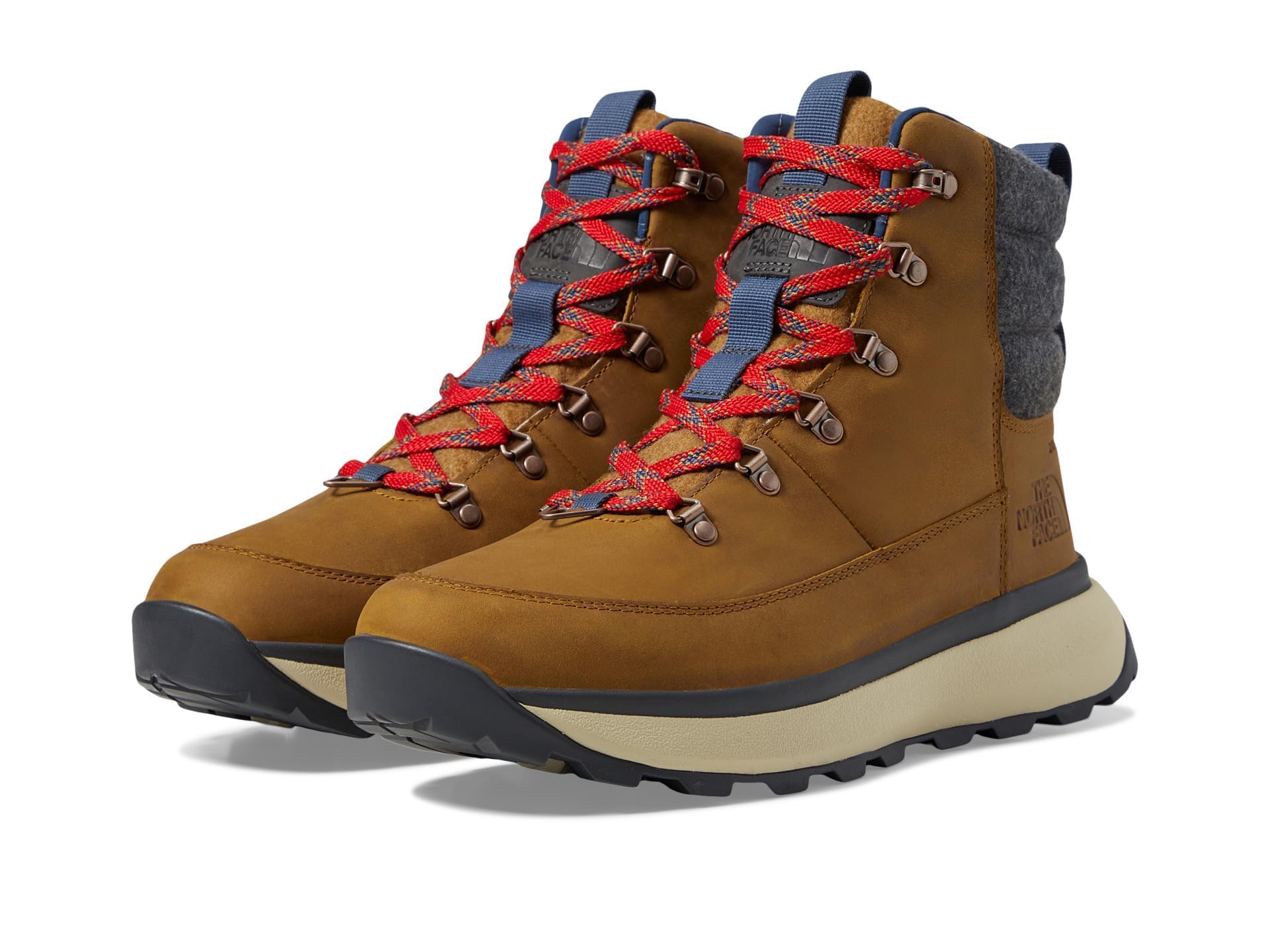
A leather insulated boot with 4.5mm lugs that looks as good as it performs.
The Bergen is North Face’s answer to the winter hiker who wants a boot that transitions from trail to table without missing a beat. It pairs a fully waterproof leather upper with 4.5mm lugs for solid bite on snow, and the feedback is uniformly positive on comfort — which owners cite most — with warmth close behind.
One buyer’s adult son liked them so much he wore them instead of his work boots, calling them extremely comfortable. Another notes they’re warm and a solid value for what you get, while a wide-size owner found them roomy enough to avoid cramping even with wool socks. The quality comes from a brand that’s been innovating in cold-weather gear since 1966.
The one thread of feedback to note: a wide-size buyer still found toes getting cold with wool socks, suggesting this leans toward moderately cold days rather than extreme sub-zero work. If you’re a hiker who runs warm and wants a versatile leather boot, this is a refined pick with fewer reviews behind it than the household names above.
rough terrain: you want a handsome leather boot that handles snow and looks great off-trail.
casual use: this suits moderate to cold winter days, not extreme arctic exposure.
7. THE NORTH FACE Women’s Chilkat V 400 Waterproof Snow Boot

Heavyweight insulation for the coldest hikes and snowshoe treks.
For serious winter walking, the Chilkat V 400 packs 400g of premium insulation (the fill weight that traps heat), so it ranks among the warmest boots here. Owners mention solid grip on snow and glaciers with no slipping, and warmth is the top praise by a wide margin, with build quality coming in second.
A mail carrier who spends 8-12 hour days on their feet found it comfortable, warm, and waterproof after testing puddles, and another owner has used it for 5 years in the Rockies with soles still intact. It’s a boot that owners describe as sturdy enough for snowshoeing, dog walks, and work alike. The waterproofing holds up to snow and rain, though one noted it’s not fully waterproof in deep puddles.
The fit is the recurring challenge: it runs small and narrow, with many owners advising to size up a half to full size, and it’s on the heavy, bulky side. If you have wide feet or want a light boot, look elsewhere — but if warmth is the priority, this delivers.
400g warmth
- Serious 400g insulation for extreme cold
- Proven traction on snow, ice, and glaciers
- Long-term durability reported by multi-year owners
clunky sole
- Runs small — plan to size up
- Heavy and bulky for casual wear
deep snow: snowshoeing, glacier walks, and bitter-cold days where warmth is everything.
slushy walks: buyers who want a light, nimble boot or have wide feet.
8. Merrell Men’s Coldpack 3 Thermo Mid Waterproof

A winter boot whose Vibram sole is renowned for gripping wet ice.
The Coldpack 3 Thermo is built around Vibram Arctic Grip, a rubber compound specifically engineered to bite into wet ice, and owners confirm it’s exceptional on packed snow and rink-like surfaces. One ice rink worker found it ideal for the job, with superior grip and insulation that keeps feet comfortable through a full shift — enough to buy a second pair.
The waterproof construction pairs with 200g of insulation and a fleece lining, and owners rate quality as the top feature, with warmth close behind. A hunter wears them for cold early-season hunts and owns two pairs, and another stayed warm and dry through 7 hours of shoveling 12 inches of snow in teens-degree temperatures. The fit runs true to size with a slightly wide feel.
The honest caveats: snow can enter over the top in deep drifts, the laces run a bit short, and a few note the toe tops get slightly chilly. For icy conditions where falling is the real risk, this traction-first boot is a standout.
cold hikes: ice-covered trails, rink work, and any winter day where grip matters most.
wet rocks: deep-snow overtopping and slightly short laces.
9. Icebug Mens Adak BUGrip Winter Hiking Boot
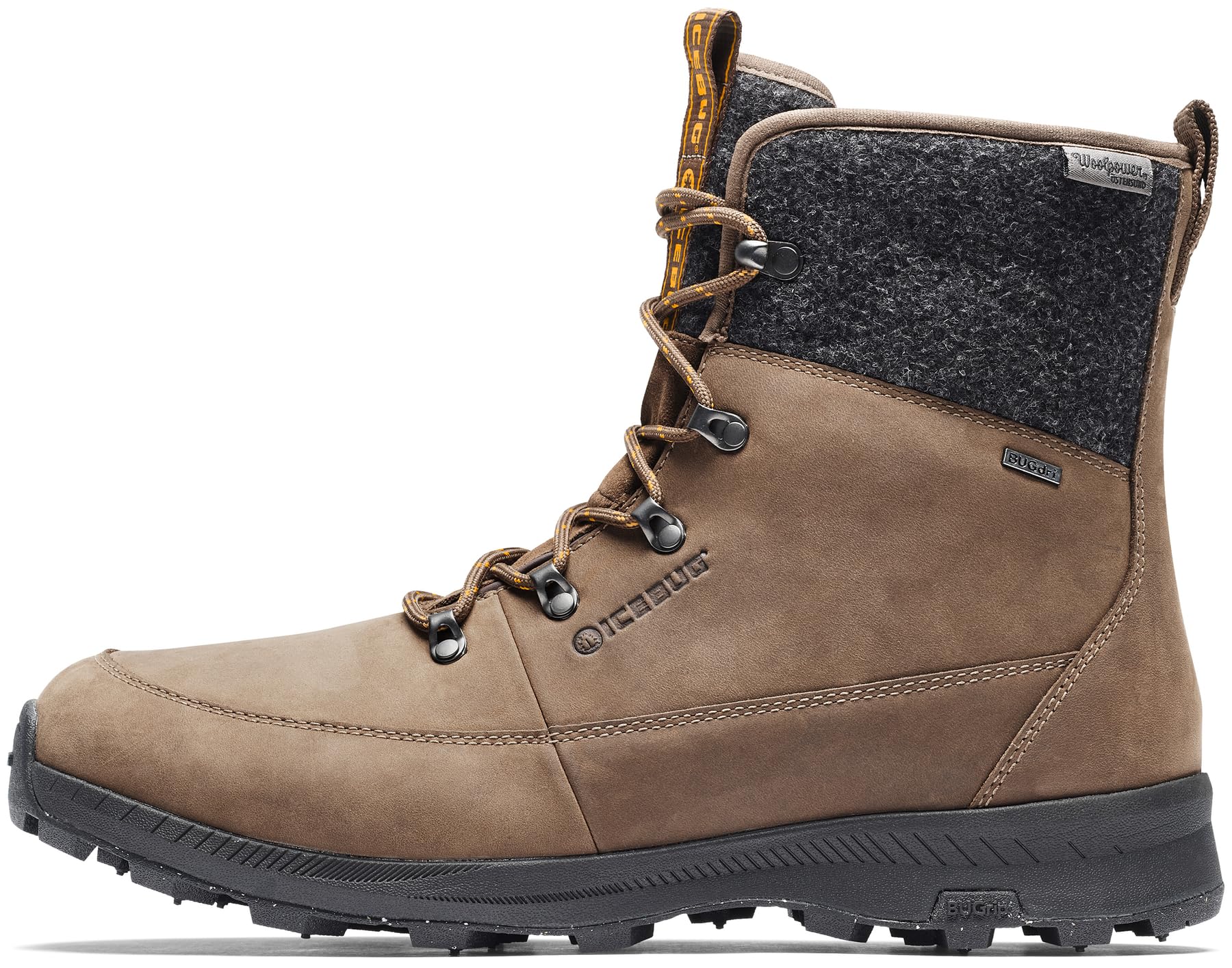
A Scandinavian winter boot with carbide studs built into the sole.
The Icebug Adak is the answer for anyone who’s ever slipped on ice — because it has carbide studs embedded directly in the outsole, giving you bite where rubber alone fails. Customers note walking on ice like it’s bare ground, with one buying them specifically after breaking a wrist in a fall and never slipping since. It’s a traction-first boot for the iciest conditions.
Comfort is a top praise point, with a high shaft in felted wool and Oily Nubuck leather, plus a wide last for a roomy fit. The BUGdr membrane keeps feet dry, and Primaloft Bio insulation with a Terry fleece lining adds warmth. Fit is the most-discussed feature, with owners finding it snug and stable, perfect with wool socks.
The trade-offs: fresh snow can build up on the sole and reduce grip, and the construction is on the lighter side for a boot, so it may not suit full-time outdoor workers. It’s also not meant for concrete or hardwood floors, where the studs are a poor match. For recreational winter hikes on ice, the built-in studs deliver class-leading grip.
black ice: you walk on ice regularly and want built-in stud traction without adding crampons.
dry paths: you need a boot for mixed walking on hard indoor surfaces.
10. Oboz Men’s Bridger 8″ Insulated B-DRY Hiking Boot

A tall, stable hiker with a heat-trap insole and winterized outsoles.
The Bridger 8-inch is built for winter hikes and snowshoeing with 200g of Freeze Guard insulation, a B-DRY waterproof membrane, and a molded heel kick designed to bite into snow. It’s a proper hiking boot first — the high ankle collar and TPU chassis offer real support on uneven terrain, which owners cite as a top strength alongside comfort and construction.
The O FIT Insole Thermal uses thermal layers to trap and reflect heat, and owners confirm feet stay warm and toasty in bitter Northeast cold. One buyer used them for bear, deer, and elk hunts, calling them 100% waterproof even across river crossings. A 20-year Marine Corps veteran with flat feet calls it the best boot he’s ever purchased for orthotic room.
The downsides: the fit runs narrower than Salomon or Merrell, needing a break-in period of roughly 12-15 miles, and durability gets mixed feedback with a rare report of seam splitting. The 12mm heel drop is higher than many hikers. For winter trail work with real ankle support, this is a serious contender.
backpacking: hikers, hunters, and snowshoers who need top-tier ankle support and waterproofing.
quick errands: you have wide feet or dislike a break-in period.
11. Baffin Men’s Control Max Snow Boot
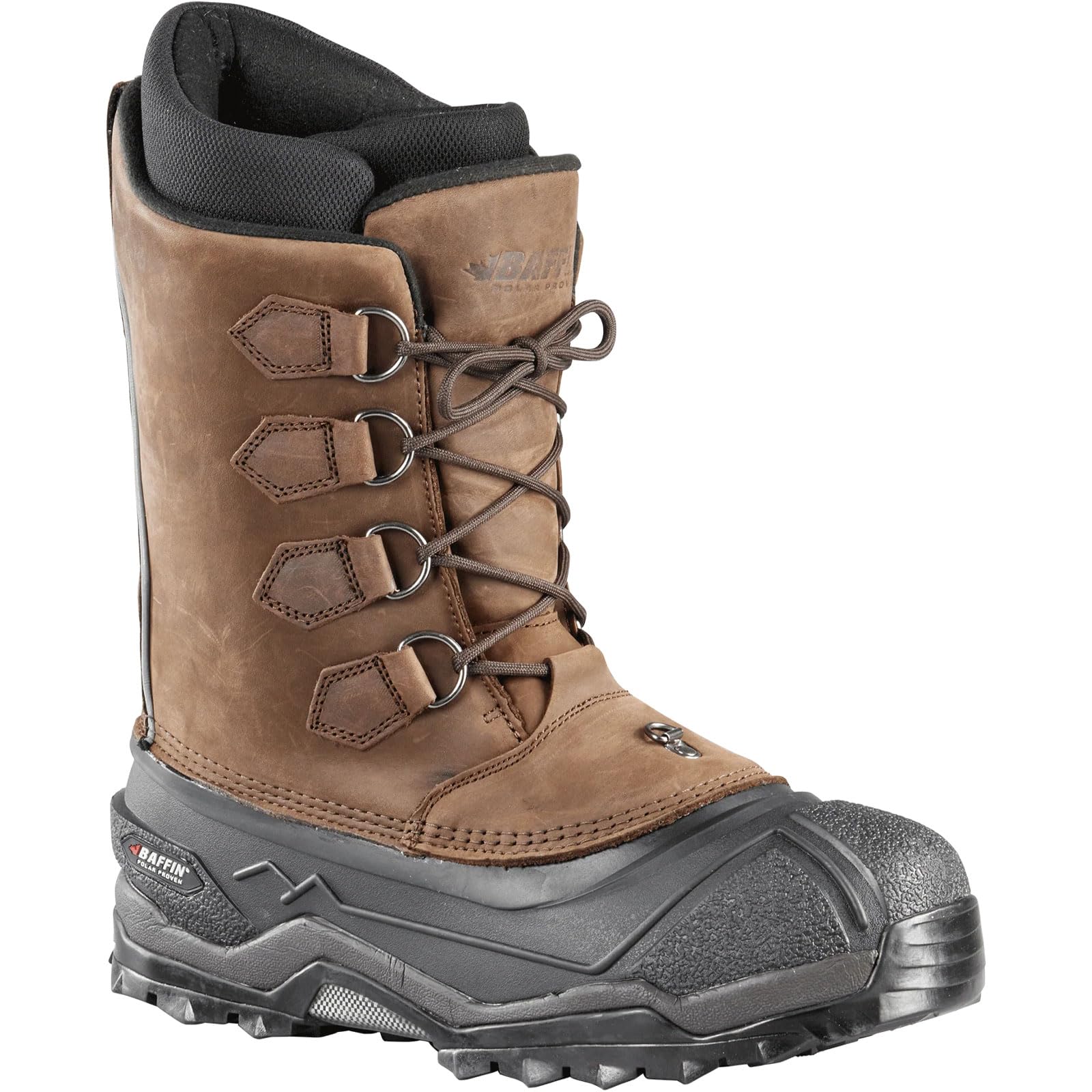
An arctic-rated snow boot with a removable liner and serious below-zero credentials.
The Control Max is Baffin’s answer to extreme cold, rated for arctic conditions with a removable inner liner and a Polar Rubber outsole that stays flexible in deep freezes. Warmth is the overwhelming top praise point — over a hundred owners single it out — and reviewers point out holding -16°F for hours with feet never getting cold. It’s the warmest boot in this lineup, with a tall full-grain insulated leather upper and nylon locking snow collar.
Owners call it the best winter boot they’ve ever owned, with one noting the fit feels like walking on pillows and another finding it more supportive than the Sorel Caribou. It’s built for snow-blowing, ice fishing, and outdoor work in brutal conditions, and the durability earns praise with owners expecting several more winters of use.
The trade-offs are real: it’s bulky and astronaut-like, runs tight (so size up half a size), and the oversized calf can be hard to fit over pants. It’s a specialist tool for extreme cold and heavy outdoor work, not a casual stroll boot. If you need serious cold-weather capability, this is the top-tier choice.
extreme cold: you face extreme arctic temperatures and need a boot that won’t quit.
active use: casual walkers who want a lighter, sleeker boot.
Understanding the Specs
Insulation weight in grams
This number tells you how much heat the boot traps for your body weight and activity level. A 200g boot is a versatile all-rounder that works for active hiking where you generate body heat. A 400g boot like the North Face Chilkat is built for standing around in extreme cold or snowshoeing, where you’re not moving fast enough to warm yourself. If you run hot, heavier insulation can make your feet sweat, which then chills them.
Waterproofing and breathability
Snow is water, so a sealed membrane is what keeps your socks dry. Technologies like KEEN.DRY, B-DRY, and BUGdr work the same way: they let sweat vapor escape while blocking liquid water from getting in. Seam-sealed construction closes the gaps where water can sneak in, and a taller shaft stops snow from entering over the top of the boot on deep days.
FAQ
Should I size up for winter hiking boots?
What is the difference between 200g and 400g insulation?
Do I need studded boots for icy trails?
Are waterproof boots also breathable?
What is the best boot for snowshoeing?
Why do my feet get cold even in insulated boots?
Can I wear winter hiking boots for everyday cold-weather use?
How do I make my winter boots last longer?
What is the warmth rating on winter boots?
Final Thoughts: The Verdict
For most buyers, the boots for hiking in snow winner is the Sorel Tivoli V Tall because it pairs proven warmth and waterproofing with a fit that owners praise as true to size and comfortable for hours. The crowd favorite — 4.7 stars across 500+ owners — the warmth is the most-discussed feature, and quality and comfort follow close behind. If you want built-in ice studs for the iciest conditions, grab the Icebug Adak. And for extreme arctic cold with a removable liner, the Baffin Control Max is the one to reach for.
How We Picked
We do not accept paid placement. Every pick is matched to a real buyer and a real use-case; we do not hands-on test units.
Sources & Methodology
Specifications: manufacturer listings and product documentation. Review insights: verified customer reviews, as of August 2026. Pricing: not shown on this page (it changes often); check the current price via the retailer link.
As an Amazon Associate, Gadgets Feed earns from qualifying purchases. This does not affect which products we feature.