
Our readers keep the lights on and my morning glass full of iced black tea. As an Amazon Associate, I earn from qualifying purchases.
Specs are compiled from manufacturer listings and verified buyer reviews and can change over time — please confirm the key details on the product page before buying.
Finding a laptop that won’t embarrass you in front of your professors—or your wallet—is the real challenge of student life. A bargain machine should still boot fast, handle a dozen browser tabs, and survive a full day of lectures without sounding like a jet engine. The picks below focus on what actually matters for coursework, streaming, and light gaming.
I’m Min — the founder and writer behind Gadgets Feed. This guide is built by comparing the manufacturers’ published specifications and the patterns across verified customer reviews, so you get each pick’s real strengths and trade-offs instead of marketing spin.
Be wary of seductive specs that look good on paper but choke under real student workloads. This roundup of bargain laptops for students separates the daily drivers from the doorstops, so you can buy with confidence and skip the restocking fee.
Our Picks at a Glance

How To Choose The Best Bargain Laptops For Students
Shopping for a student laptop on a tight budget means prioritizing the components that directly affect your daily workflow. You want a machine that starts up quickly, lets you switch between a research paper and a lecture video without stuttering, and stays reliable for a few years of heavy use.
The Processor is the Heart of the Deal
Don’t get hypnotized by big brand names or flashy marketing terms. The processor (CPU) determines how smoothly your laptop handles everyday tasks like web browsing, video calls, and office software. For a budget student machine, look for a recent, efficient chip that offers smooth performance for everyday tasks like web browsing, video calls, and office software.
RAM and Storage: The Multitasking Duo
RAM (Random Access Memory) is your laptop’s short-term memory for running apps. More RAM means you can have many tabs and programs open at once without lag. Storage (an SSD or Solid State Drive) is your long-term space for files. An SSD (Solid State Drive) is crucial for fast boot times and quick app launches—avoid older, slower hard drives at all costs.
Quick Comparison
| Model | Best For | CPU Speed | RAM | Storage | Amazon |
|---|---|---|---|---|---|
| Dell 15★ Best Overall | Light gaming & name-brand reliability | 4.7 GHz | 8 GB | 512 GB SSD | Amazon |
| 16″ ExilapsireBig Screen Value | Big screen multitasking | 3.2 GHz | 8 GB | 256 GB SSD | Amazon |
| ASUS Vivobook GoBudget Champion | Basic web & streaming | 2.8 GHz | 4 GB | 128 GB SSD | Amazon |
| KINOBUC 16GB | Multitasking on a budget | 3.4 GHz | 16 GB | 256 GB SSD | Amazon |
| HP N4120 14″ | Office 365 users on a budget | 2.6 GHz | 16 GB | 64 GB eMMC | Amazon |
| HP N150 14″ | All-day battery & portability | 3.6 GHz | 8 GB | 128 GB UFS | Amazon |
| WISESWAN i3 12GB | A backlit keyboard & 2TB expansion | 3.4 GHz | 12 GB | 256 GB SSD | Amazon |
| Acer Aspire 3 | Sturdy, proven all-rounder | 4.1 GHz | 8 GB | 128 GB NVMe SSD | Amazon |
| Lenovo 15.6″ | Security features & extra ports | 3.4 GHz | 8 GB | 256 GB SSD | Amazon |
In‑Depth Reviews
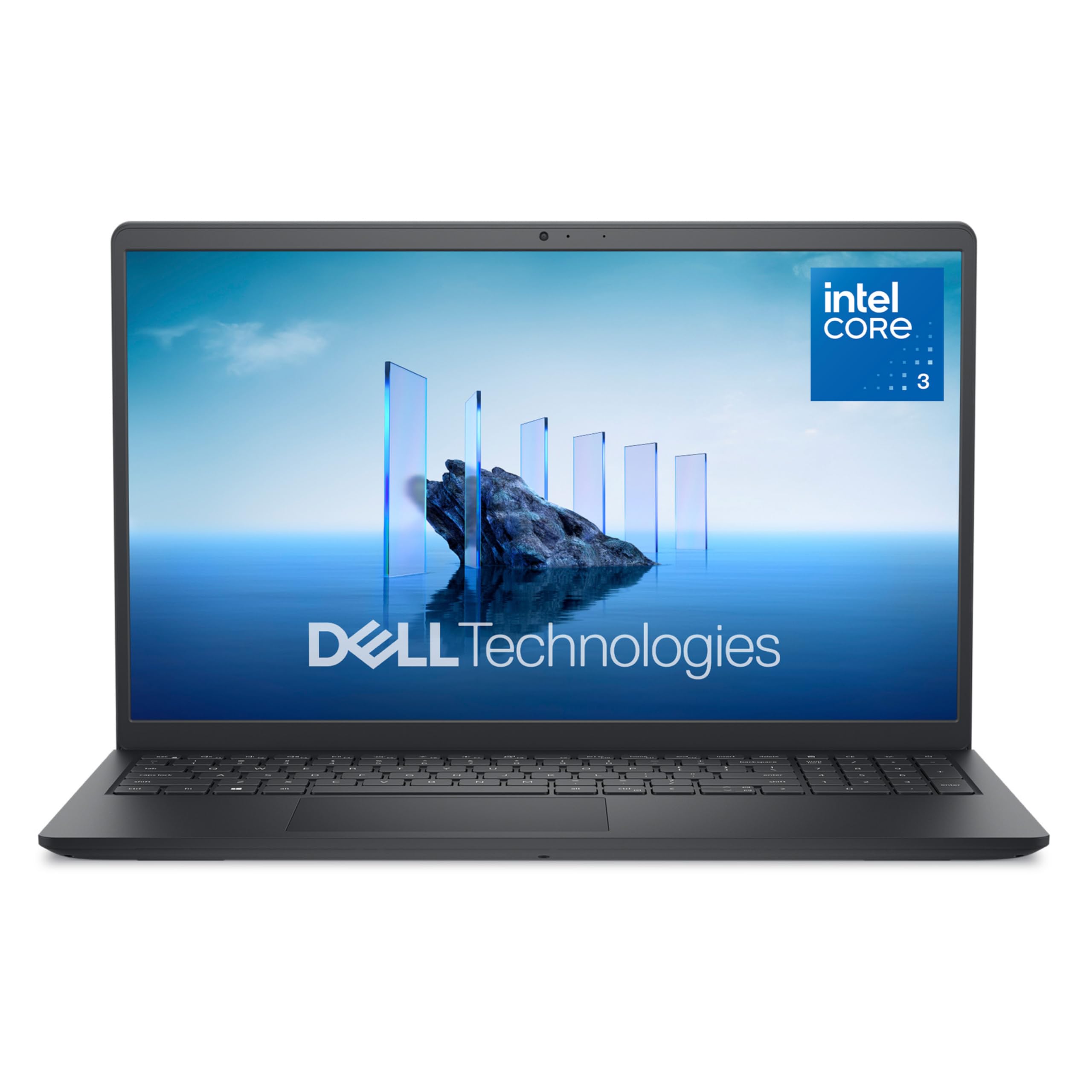
1. Dell 15.6 Laptop (Intel Core 3 100U)
Our pick — over 4★ from 700+ verified ratings; the strongest balance of quality and price.
The name-brand pick that can still run Fallout New Vegas at high settings.
This Dell is the crowd favorite for a reason, scoring 4.3 stars from hundreds of owners. The build quality is what wins people over, and it feels like a true Dell machine, not a flimsy knock-off. Setup is a breeze with Windows 11 Home pre-installed, and the 8 GB of DDR4 RAM keeps everyday tasks like essay writing and video calls running smoothly.
The standout spec here is the processor speed, which tops out at 4.7 GHz. That raw speed is why it handles a classic like Fallout New Vegas at high quality with a steady 60 FPS, something buyers report with genuine surprise. Paired with a spacious 512GB SSD, you have room for your coursework, media, and a few older games without constantly managing storage.
The honest trade-off is battery life, which owners find poor, and the fan noise, which is a common complaint. It also lacks an Ethernet port, so you’ll need a USB adapter for a wired connection. For the price, the combination of a trusted brand, a powerful CPU, and double the storage of most rivals makes it the smartest choice for a student who wants a bit of everything.
What wins students over
- Blazing 4.7 GHz CPU for smooth everyday performance
- Generous 512GB SSD for plenty of storage
- High-quality build with easy setup
- Surprisingly capable for light, older gaming
What to keep in mind
- Battery life doesn’t last a full day
- Fan can get loud under load
- No built-in Ethernet port
Reach for this if: you want a reliable name-brand laptop that’s fast enough for light gaming and heavy multitasking.
Look elsewhere if: your top priority is all-day battery life away from an outlet.
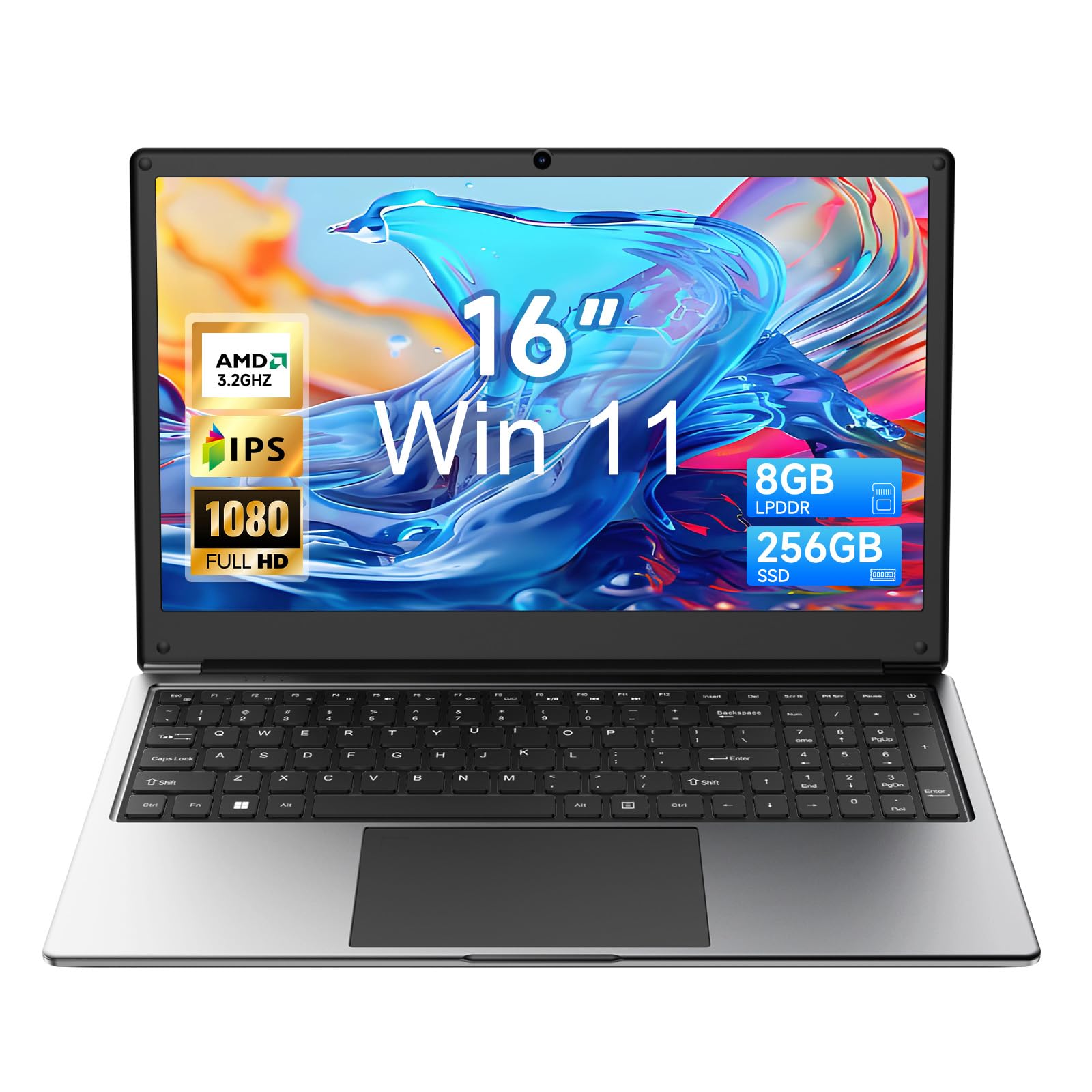
2. 16″ Laptop (AMD A9 Processor)
A huge 16-inch screen and a long-lasting battery for less than most 14-inchers.
This Exilapsire machine is a haven for students who juggle multiple windows. The expansive 16-inch IPS FHD display (1920×1080) is its defining feature, making it a breeze to have a research paper open next to a lecture video. Owners describe the multitasking experience as smooth, with quick switching between email, documents, and video meetings, all while keeping a premium feel.
Under the hood, the AMD A9-9400 processor boosts up to 3.2 GHz, which handles productivity software without stuttering. You also get a substantial 9000mAh battery, which is the key spec for anyone who spends long days on campus. The port selection is generous too, with dual-band Wi-Fi 5, Bluetooth 5.0, two USB 3.0 ports, a Type-C port, and HDMI out.
The catch is a reliability concern: owners mention that the CPU can idle at 80-100% at startup, and one unit froze during an antivirus install. This is a newer model with fewer reviews, so it carries a bit more risk. However, for the price, the large screen real estate and battery capacity make it a compelling choice for a student focused on productivity over portability.
The bottom line: A feature-packed 16-inch laptop that prioritizes screen size and battery life, but check the unit’s performance right away due to early reliability reports.
3. ASUS Vivobook Go Slim
Priced like a Chromebook, but a fully functional Windows 11 PC.
If your budget is extremely tight, this ASUS Vivobook Go is a fantastic entry point. It’s the pick for a student who just needs reliable basics: web browsing, email, and streaming. The selling point is the value; it offers the full Windows experience at a Chromebook price point, and owners praise its ease of use, even for those who aren’t tech-savvy.
However, you must be realistic about its power. The Intel Celeron N4500 processor, with a max speed of 2.8 GHz, is the slowest in this lineup, and the 4GB of RAM is minimal. Speed is the most-discussed negative aspect, and some users say it’s slow. The 42WH battery is rated for around 8 hours, and the Fast-Charge tech gets you to 60% in just 49 minutes via USB-C, which is a genuine plus for quick top-ups between classes.
The other trade-offs include a dimmer display at 220 nits and a potential for reliability issues, with some owners reporting freezing. For a student whose needs are purely basic and whose budget is absolute, the ASUS works, but expect to manage your expectations on speed and keep your browser tabs in check. Its usability is a clear positive, but its speed is a persistent negative.
Why it’s a bargain
- Easiest on the wallet of the group
- Fast-Charge to 60% in 49 minutes
- Very user-friendly for basic tasks
Who should skip it
- Slow performance for serious multitasking
- Only 4GB RAM is limiting
- Dimmer screen at 220 nits
Ideal for: students who need a cheap, functional PC for browsing and streaming, and nothing more demanding.
Not for: anyone planning to run heavy software, keep dozens of tabs open, or expect lighting-fast speed.
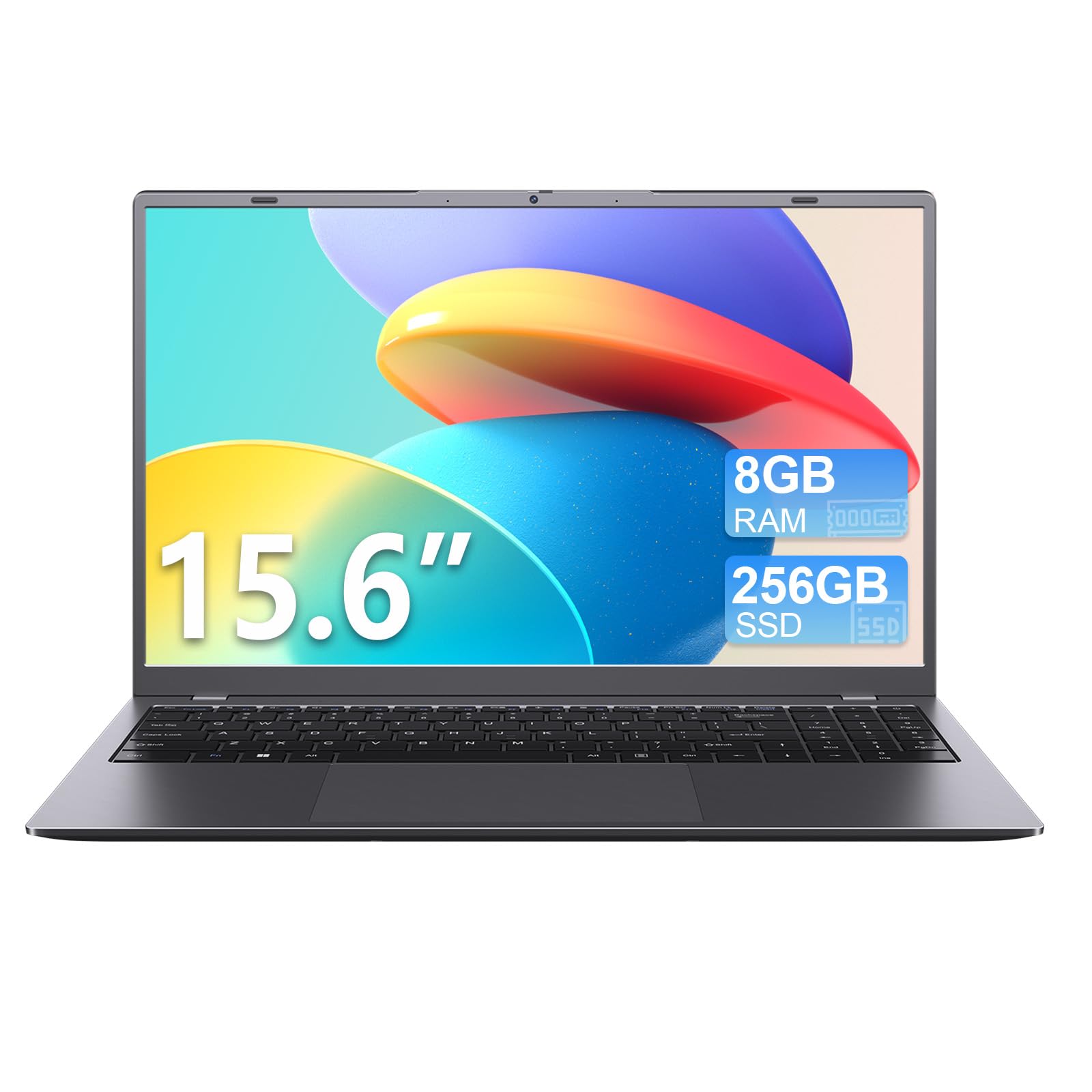
4. KINOBUC 16GB RAM Laptop
Doubles the RAM of most budget rivals for a truly smooth multitasking experience.
The KINOBUC stands out with a spec that most student laptops at this level skip: a full 16GB of RAM. Owners say the build quality is impressive for the price, and it handles multitasking with ease. This is the laptop for students who have 20 browser tabs open for research while running a music stream and a word processor simultaneously without a hiccup.
It’s powered by a Pentium Gold 6500Y processor that boosts up to 3.4 GHz, and it operates fanless, which means it runs in complete silence. The 15.6-inch FHD IPS display is crisp, and the 170° hinge lays the screen nearly flat for easy sharing. At just 3.4 lbs, it’s light enough for the trek between classes.
The trade-offs are few but important. The battery is rated at up to 6 hours for document work, but a buyer found the real-world figure closer to 3 hours, which is short. Also, the USB-C port is not compatible with an iPhone charger, which is a bit of a letdown. But if multitasking and a quiet, rugged build are your priorities on a tight budget, this is a strong contender.
Our take: Stellar build quality and generous 16GB RAM make this a multitasking champ, just keep a charger in your bag for long days.
5. HP 14″ Laptop (Intel N4120)

A featherlight HP with a full year of Office 365 thrown in.
This HP is an intriguing option for students who live in Word, Excel, and PowerPoint. The included 1-year Office 365 subscription is a genuine money-saver, removing a recurring cost that catches many students off guard. It’s a very portable 14-inch machine, and owners appreciate its lightweight design and value for money.
On the inside, you get a quad-core Intel Celeron N4120 processor that turbo boosts up to 2.6 GHz, paired with a generous 16GB of DDR4 RAM. The RAM is the story here, allowing you to switch between open applications easily. Storage is the bottleneck, though, with a 64GB eMMC (a type of flash storage) that is small and slower than an SSD. This will fill up quickly with Windows updates and software.
The screen is just HD (1366 x 768), so it’s not as sharp as a Full HD panel. Reliability is also a mixed bag in the reviews, with some units reportedly stopping working, and the small storage is a frequent criticism. This is a great pick for a very specific user: one who needs MS Office and values extreme portability over screen quality and storage space.
Best for: students who primarily need Microsoft Office and want a light, cheap machine, but be ready to manage the limited 64GB storage carefully.
6. HP 14″ Laptop (Intel N150)
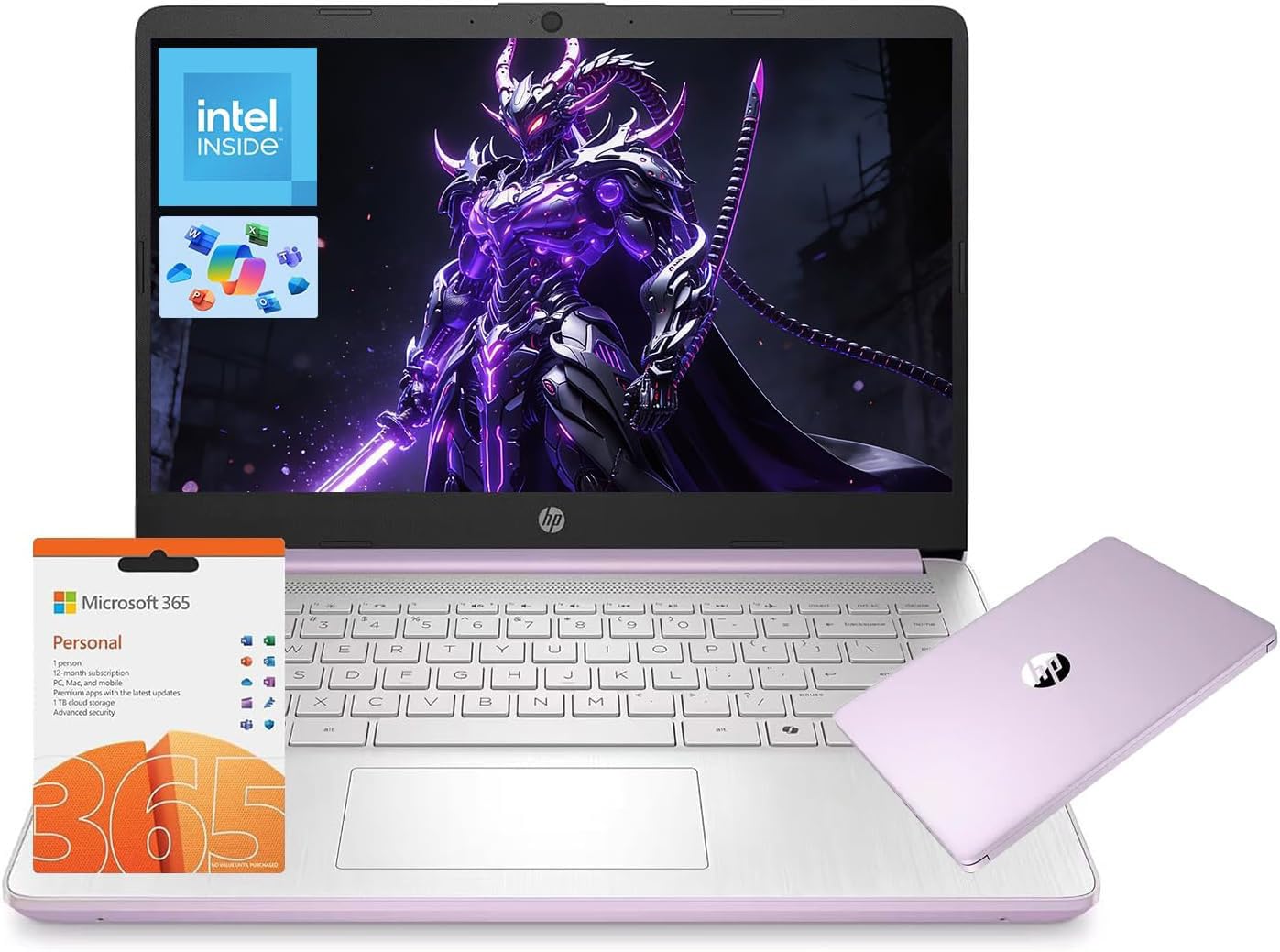
All-day battery life in a light, Honey Lavender chassis.
This HP is the mobility king of the list, with a battery rated for up to 11 hours. That’s a full day of back-to-back lectures and library sessions without hunting for a power outlet. It’s also one of the lightest at 3.24 lbs, designed for slipping into a backpack and forgetting it’s there, much like its sibling.
The Intel Processor N150 reaches up to 3.6 GHz with 4 cores, delivering speed that owners describe as good and fast for everyday tasks. It comes with 8GB of RAM and 128GB of UFS storage (a fast type of flash storage). A major bonus is the included 1-year Microsoft 365 subscription, giving you instant access to Word, Excel, and PowerPoint for all your projects.
The main drawback is the storage capacity; 128GB will get tight if you have a large media library, and some users found the keyboard is not backlit, making it hard to type in the dark. It also runs Windows 11 in S mode, which can be restrictive until you switch it off. If battery life is your absolute top priority, this is the one to beat, and its positive reviews reflect that.
The highlights
- Up to 11 hours of battery life
- Fast 3.6 GHz processor for daily tasks
- Includes a 1-year Microsoft 365 subscription
- Lightweight 3.24 lb frame
The drawbacks
- 128GB storage may be limiting
- No keyboard backlighting
Grab it for: marathon study days and commuter students who refuse to bring a charger.
Pass on it if: you need more than 128GB of storage or do a lot of late-night typing without a lamp.
7. WISESWAN i3 12GB Laptop
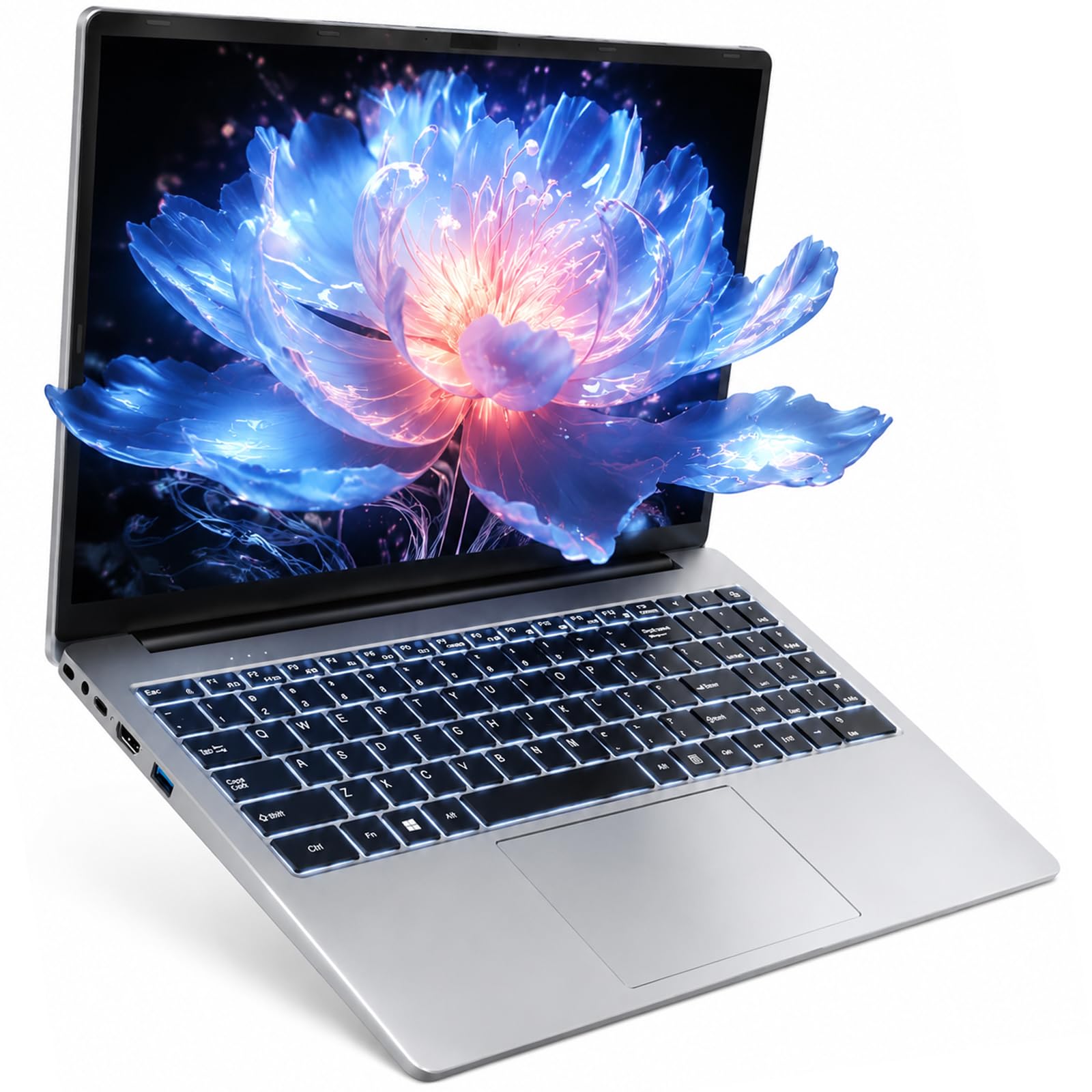
The rare budget laptop with a backlit keyboard and a perfect rating.
This WISESWAN laptop is a student-focused gem, and its perfect 5.0 rating shows it. It’s one of the few budget machines that includes a backlit keyboard, which owners love for late-night studying, avoiding the common “no keyboard backlight” complaint found on rivals. Beyond that, it’s simply fast, with reports that it doesn’t overheat like other laptops.
It’s powered by an Intel Core i3 processor (2 cores, 4 threads, up to 3.4GHz) with 12GB of RAM and a 256GB SSD. The 15.6-inch Full HD anti-glare screen delivers crisp images. A standout feature is the TF card slot that can expand storage by up to 2TB, giving you incredible flexibility to grow your space without spending a fortune upfront.
The battery is a built-in 57.75Wh unit that provides roughly 7 hours of mixed-use, enough for a full day of classes. It also supports WiFi 6 (802.11ax) and Bluetooth 5.2 for fast, stable connections. The only nitpick is the bulky plug head on the charger, which owners wish was smaller, but with this feature set and flawless reviews, it’s a top-tier value proposition.
Why it stands out
- Backlit keyboard for late-night typing
- Perfect 5.0 rating from owners
- TF card slot expands storage to 2TB
- Fast i3 processor and 12GB RAM
Minor complaints
- Charger plug head is bulky
- Battery is good, but not class-leading at 7 hours
Pick this if: a backlit keyboard, a growing storage capacity, and a flawless track record are your must-haves.
Think twice if: you need more than 7 hours of battery to get through your day without a charger.
8. Acer Aspire 3 (Ryzen 3 7320U)

A massively popular, family-tested Acer that’s quick and dependable for school.
The Acer Aspire 3 is the volume king here, with thousands of owners and a solid 4.2-star rating. It’s built on the proven AMD Ryzen 3 7320U Quad-Core processor, which boosts up to 4.1 GHz — the highest clock speed in this lineup. This makes it a responsive performer for basic tasks, fast boot-ups, and even some light gaming, delivering high quality for a budget price.
You get a 15.6-inch Full HD (1920×1080) IPS screen with narrow bezels, so text and images look sharp and colors stay true from wide angles. The built-in webcam uses Acer’s TNR (Temporal Noise Reduction) technology to brighten your image in dim rooms, and PurifiedVoice with AI noise reduction filters out background chatter during online classes. Buyers consistently call it a balanced, reliable pick because it delivers solid everyday performance without a premium price tag.
The trade-offs are long-term concerns. The RAM is soldered (8GB LPDDR5) and not upgradable, and the 128GB NVMe SSD is on the smaller side, with one buyer already upgrading to 1TB. While quality and value are praised most, reliability has mixed feedback, with some reporting battery issues and touchpad failures after a couple of years. However, its massive user base and strong performance make it a safe, sensible bet.
Acer’s strengths
- Fast 4.1 GHz AMD Ryzen processor
- Sharp Full HD IPS display
- Proven popularity with thousands of owners
- AI-enhanced webcam for clearer video calls
Acer’s trade-offs
- RAM is soldered and cannot be upgraded later
- 128GB storage is on the smaller side
- Some long-term durability concerns reported
The verdict: Choose the Acer for a widely-reviewed, dependable daily driver with a fast processor and great screen, over the Lenovo with its security features.
Just remember: you’re locked into 8GB of RAM and a 128GB drive, so plan your storage around it.
9. Lenovo 15.6″ Business Laptop
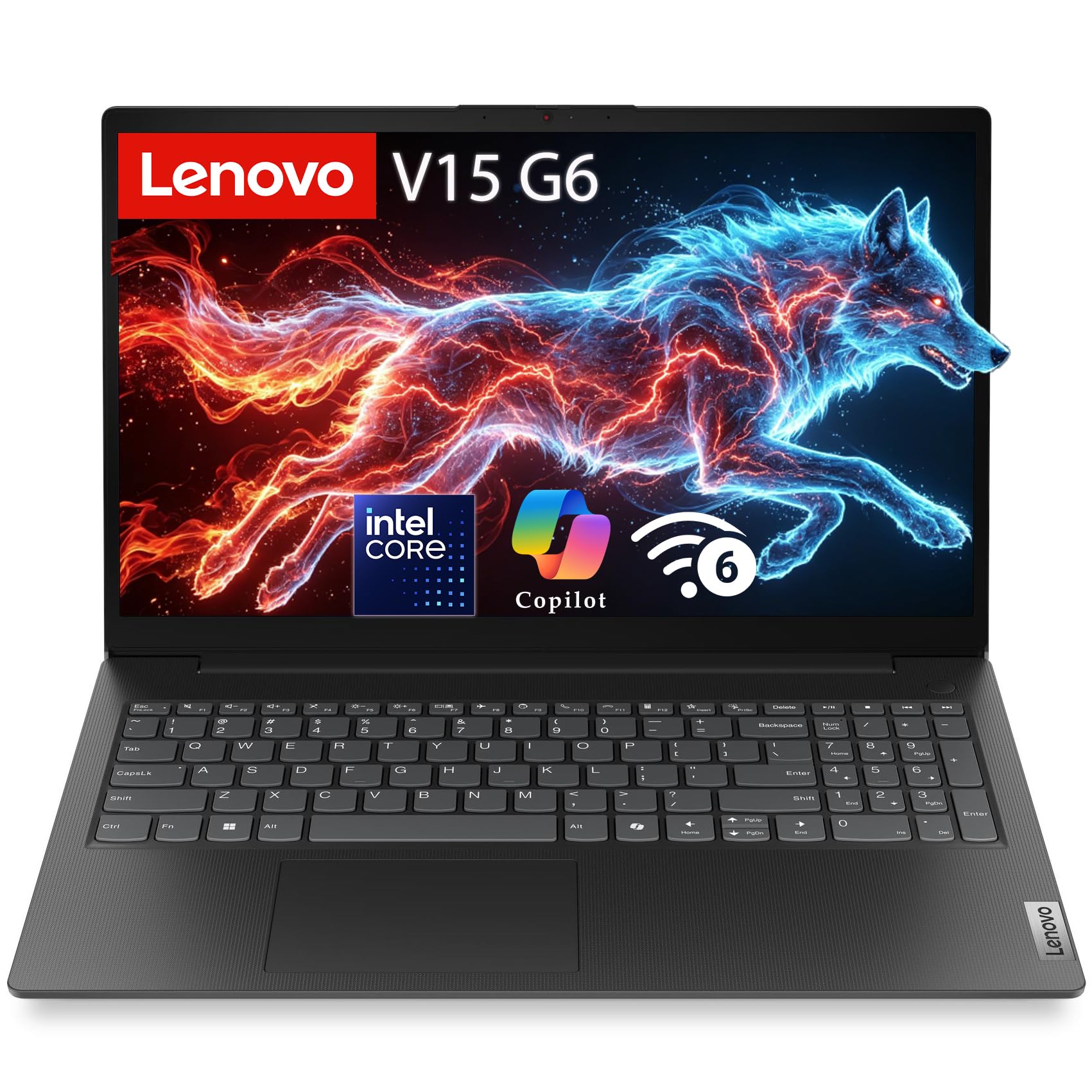
A business-grade build with a physical webcam shutter for privacy-focused students.
This Lenovo is built for daily campus use, and the sturdy chassis reflects its business-line heritage. One owner says it’s “soooo much better quality” than a previous laptop that “always runs hot,” so you can expect a cooler, more durable machine. Inside, the Intel N100 Quad-Core processor (up to 3.4GHz) handles everyday tasks, paired with 8GB of DDR5 RAM and a 256GB PCIe 4.0 NVMe SSD, so booting up and switching between apps feels snappy.
It’s packed with security features that are perfect for safeguarding your thesis research: an HD 720p webcam with a physical privacy shutter, a firmware TPM 2.0 encryption chip, and a Kensington lock slot. You also get a complete connectivity suite with WiFi 6, Bluetooth 5.2, Gigabit Ethernet, two USB-A 3.2 ports, and two USB-C ports with Power Delivery and DisplayPort support for multiple monitors.
The main risk is its short track record with few reviews, and there is a negative review about a unit failing after 3 months and a mismatch in specs. The 15.6″ Full HD display is bright at 250 nits, which is good for extended work. If you want a well-built machine with top-tier security and port options for a growing desk setup, this Lenovo is a solid, forward-thinking choice.
Why it stands out: The combination of a physical privacy shutter, TPM 2.0 chip, and dual USB-C ports gives it a professional edge rivals at this price lack.
Who it isn’t for: Shoppers wary of newer models with a limited number of owner reviews.
Understanding the Specs
CPU Speed (GHz)
This is the brain of the laptop. A higher number, like 4.7 GHz, means it can process instructions faster, which makes apps feel snappier. For students, this translates to quicker boot times and less waiting for applications to load.
RAM (GB)
RAM (random access memory) is your laptop’s short-term memory for running multiple apps at once. 8GB (gigabytes) is enough for most students, but 16GB is the better fit if you keep dozens of browser tabs open while running software like Photoshop at the same time.
SSD vs. eMMC Storage
An SSD (Solid State Drive) is a fast, modern storage drive that makes your laptop feel quick to start and responsive. eMMC is a slower, cheaper alternative often found in budget Windows laptops. For a better experience, an SSD is strongly preferred over eMMC.
Battery Life (Hours)
The manufacturer’s estimate for how long the laptop lasts on a charge, usually under light use like web browsing. Real-world usage with screen brightness and heavy tasks will often reduce this. Aim for around 8 hours or more to safely get through a day of classes.
FAQ
How much RAM does a student laptop really need?
Is an Intel Celeron or Pentium processor fast enough for college?
What is the difference between an SSD and a 64GB eMMC hard drive?
Should I spend extra for a backlit keyboard on a budget laptop?
Can these bargain laptops handle gaming?
What is Windows 11 S Mode and should I worry about it?
What does a 250 nits brightness rating mean for the screen?
How important is a WiFi 6 connection on a budget student laptop?
Which is better for a student, a 14-inch or a 15.6-inch laptop?
Final Thoughts: The Verdict
For most students, the bargain laptops for students winner is the Dell 15 because it pairs a trusted brand with a 4.7 GHz processor and a roomy 512GB SSD, all at a price that still feels like a deal. If you need to last through back-to-back lectures without a charger, the HP N150 offers the longest battery life here. And if you juggle heavy multitasking, the KINOBUC with 16GB of RAM is your best bet.
How We Picked
We do not accept paid placement. Every pick is matched to a real buyer and a real use-case; we do not hands-on test units.
Sources & Methodology
Specifications: manufacturer listings and product documentation. Review insights: verified customer reviews, as of August 2026. Pricing: not shown on this page (it changes often); check the current price via the retailer link.
As an Amazon Associate, Gadgets Feed earns from qualifying purchases. This does not affect which products we feature.