
Finding a pair of wired in-ear monitors that deliver genuine audiophile detail without crossing into triple-digit territory is a hunt that separates casual listeners from the initiated. The $100 IEM market is a unique battleground where driver configurations, tuning philosophies, and build quality collide with aggressive pricing — and knowing which compromise is worth making can save you from a purchase you’ll regret by track three.
I’m Min — the co-founder and writer behind Gadgets Feed. I’ve spent years analyzing market trends, dissecting technical specifications, and reading thousands of customer reviews to identify the models that truly outperform their price bracket in this specific category. (And Homer 🐱 supervised from his spot on the box of ear tips, unimpressed by the lack of crinkle sounds).
This guide cuts through the noise to help you choose the right pair for your ears, your gear, and your listening habits. Whether you prioritize balanced-armature precision, planar driver impact, or the trusted pedigree of a pro audio brand, these are the best $100 iems you can buy right now.
How To Choose The Best $100 IEMs
The $100 price cap is a magnet for internal competition — manufacturers cram more drivers, exotic materials, and fancier cables into this bracket than almost any other. But a higher driver count does not guarantee a better sound. You need to match the IEM’s strengths to your own listening priorities, from genre preferences to source hardware.
Driver Configuration and Tuning Philosophy
At this level, you will encounter single dynamic driver (DD), multiple balanced armature (BA), and hybrid (DD+BA or DD+Planar or DD+Planar+PZT) setups. A well-tuned single DD, like the one in the Sennheiser IE 200, can deliver a cohesive, natural sound that multi-driver hybrids struggle to achieve without phase issues. Hybrids, like the Linsoul SIMGOT EW300, offer impressive technicality and versatility but require careful crossover design to sound coherent. Always audition the tuning signature (V-shaped, U-shaped, neutral) against your preferred genres before fixating on driver count.
Comfort, Fit, and Isolation
An IEM that sounds incredible in a review but falls out of your ears during a commute is useless. The shell shape, nozzle diameter, and weight of the earpiece are critical. Models with over-ear cable routing (like most on this list) provide a more secure fit than straight-down cables. Pay close attention to whether the earpiece is ergonomic for your specific ear anatomy — some all-metal shells (SIMGOT EW300) are heavier than resin-bodied alternatives (KZ AS10). Passive noise isolation is also determined by the eartip seal; memory foam tips generally block more ambient noise than silicone, though they can alter the bass response.
Cable Quality and Connector Type
Detachable cables are non-negotiable at this price — they extend the lifespan of your IEMs significantly. The connector standard (2-pin 0.78mm vs. MMCX) determines your upgrade path. MMCX connectors are more common on premium aftermarket cables but can become loose over time, while 2-pin connectors offer a more rigid and durable connection. The stock cable’s material (oxygen-free copper, silver-plated OFC) and construction (braided vs. rubber) affect handling noise and long-term durability, not just aesthetics.
Quick Comparison
On smaller screens, swipe sideways to see the full table.
| Model | Category | Best For | Key Spec | Amazon |
|---|---|---|---|---|
| Sennheiser IE 200 | Premium | Neutral sound purists | 7mm TrueResponse dynamic driver | Amazon |
| Sennheiser IE 100 Pro | Premium | Stage monitoring | 10mm dynamic broadband transducer | Amazon |
| BASN Triple Driver | Mid-Range | Versatile listening with bass | 2DD+1BA hybrid configuration | Amazon |
| Linsoul SIMGOT EW300 | Mid-Range | Gaming and detail retrieval | 1DD+1Planar+1PZT hybrid | Amazon |
| KZ ZS10 Pro | Mid-Range | Budget audiophile entry point | 4BA+1DD 5-hybrid drivers | Amazon |
| KZ AS10 | Mid-Range | Full-BA sound on a budget | 5x balanced armature drivers | Amazon |
| JOYO JW-07 | Budget | Wireless practice IEM system | 2.4GHz wireless with <5ms latency | Amazon |
In‑Depth Reviews
1. Sennheiser IE 200

The Sennheiser IE 200 is the benchmark for neutral, detailed sound in this category. Its 7mm TrueResponse transducer is precision-matched to minimize unit-to-unit variation, delivering expressive mids, smooth treble, and controlled bass without the artificial elevation common in budget hybrids. The dual bass-tuning design, achieved by adjusting the eartip mounting position on the nozzle, lets you shift between a tighter, more analytical low-end and a fuller, warmer presentation without any tools or filters.
The build is compact and lightweight, with a low-profile shell that sits securely in the ear. The braided MMCX cable reduces handling noise effectively, though some users note the cable length can be awkward for desktop use. The included set of silicone and memory foam tips in three sizes provides a solid foundation for achieving a good seal. Out of the box, the IE 200 sounds slightly flat to some listeners — running it through a parametric EQ on a capable source like a desktop DAC unlocks its full resolving ability.
The primary trade-off is the proprietary design of the MMCX connector housing, which is recessed and prevents using most third-party cables without modification. Additionally, the flexible earhooks, while comfortable, can lose their shape over time. Despite these quirks, the IE 200 remains the reference for natural tonality and comfort at this price — a versatile choice for daily listening and critical monitoring alike.
Why it’s great
- Exceptional neutral tuning with dual bass options
- Compact, lightweight shell for all-day comfort
- Precision-matched drivers for consistent sound
Good to know
- Recessed MMCX limits cable upgrades
- Out-of-box sound benefits from EQ
- Flexible earhooks may lose fit over time
2. Sennheiser IE 100 Pro
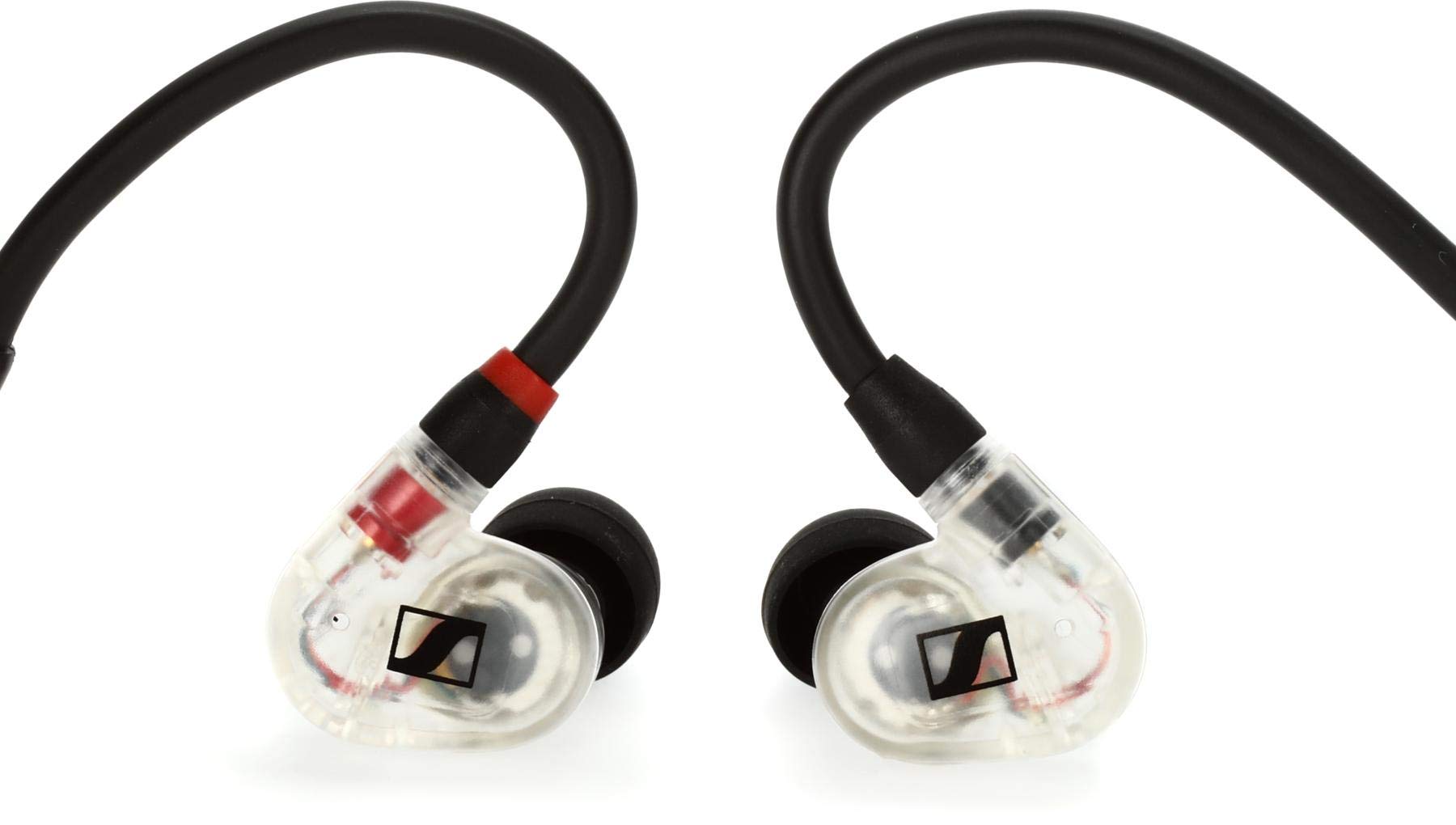
The Sennheiser IE 100 Pro prioritizes reliability and a secure fit for live performance use. Its 10mm dynamic broadband transducer delivers a powerful, distortion-free sound that is designed to reduce acoustic stress factors during long stage sessions. The sound signature is slightly V-shaped, with a noticeable treble boost that helps cut through a loud stage mix, though some vocalists find this can introduce sibilance on certain consonant sounds.
The housing is slim and ergonomic, making it one of the most comfortable wired IEMs for extended wear. The included foam and silicone tips provide excellent passive isolation, and the stage-proof cable with an internal duct resists tangling and physical damage. The carrying case is basic but functional, and a cleaning tool is included to maintain the nozzle tips — a thoughtful addition for gigging musicians who encounter earwax buildup.
One limitation is the stiff over-ear cable hook, which some users report is less comfortable after several hours compared to more flexible memory wire designs. The sound quality also scales noticeably with the source — plugging into a high-quality interface or headphone amp reveals significantly more clarity than a phone’s headphone jack. For musicians needing a dependable, affordable stage monitor, the IE 100 Pro is a proven workhorse.
Why it’s great
- Durable, stage-ready build and cable
- Comfortable slim fit for long wear
- Clear, powerful sound with good isolation
Good to know
- Treble boost can cause sibilance
- Stiff earhook can be less comfortable
- Sound quality highly dependent on source
3. BASN Triple Driver (2DD+1BA)

The BASN Triple Driver IEM offers an impressive 2DD+1BA hybrid configuration for a price that undercuts most competitors with similar driver counts. The dual dynamic drivers handle the low end with authority, producing a bass response that is rich and punchy without overwhelming the mids — though some tracks can exhibit slight muddiness. The single balanced armature driver extends the highs with decent clarity, striking a balance that works well across most modern genres.
The package is unusually generous: two detachable cables (one with an inline microphone and volume control, one a pure silver-plated cable for improved audio fidelity) and twelve pairs of tips, including memory foam and silicone in various sizes. The shell design is flat and comfortable for side-sleeping or long studio sessions. The unique marble aesthetic of the Golden Obsidian finish also adds visual appeal.
Durability is the main concern reported by long-term users. Some units have experienced driver failure or sound loss in one earpiece after a few months, though the seller’s customer service is responsive with replacements. The MMCX connectors are standard depth, so aftermarket cable upgrades are easy to swap in. For a versatile, bass-forward listening experience with excellent accessory value, the BASN Triple Driver is a strong contender.
Why it’s great
- Excellent bass punch and presence
- Generous accessory kit with two cables
- Comfortable low-profile fit
Good to know
- Potential durability issues over time
- Bass can be slightly muddy on complex tracks
- Over-packaged retail box
4. Linsoul SIMGOT EW300 (Standard Edition)

The Linsoul SIMGOT EW300 is a technical marvel at its price point, packing a 1DD+1Planar+1PZT triple-driver hybrid into a CNC-machined aluminum alloy shell. The most distinctive feature is the detachable nozzle system — swapping the gold-copper nozzle (tuned for gaming via the H-2019 target curve) with the standard nozzle (tuned for music via the SIMGOT-Golden2023 curve) genuinely changes the frequency response, giving two IEMs in one. The planar driver adds an airy, fast transient response that helps detail retrieval, while the piezoelectric driver extends the treble to a degree that may sound tizzy before a 50-hour burn-in period.
Build quality is outstanding for the price range. The high-density alloy shell feels premium and durable, though its weight is noticeable compared to resin-bodied competitors. The included 0.78mm 2-pin silver-plated OFC cable is thick, low-noise, and terminated with a straight plug that works well with most dongle DACs. The carrying case is a hard-shell unit that fits the IEMs, cable, and a small USB-C dongle — a rare inclusion at this tier.
The main concern is longevity of the nozzle threading. A small number of users report the metal threading wearing down after about a year, making nozzle swaps difficult. The stock tuning with the gold nozzle also emphasizes upper treble, which can be fatiguing for the first few hours. Despite these issues, the EW300 offers the widest tonal versatility and highest technical performance of any model in this roundup.
Why it’s great
- Revolutionary dual-tuning nozzle system
- Excellent detail retrieval and soundstage
- Premium build and hard case included
Good to know
- Nozzle threading may wear over time
- Heavier than resin competitors
- Treble can sound harsh before burn-in
5. KZ ZS10 Pro
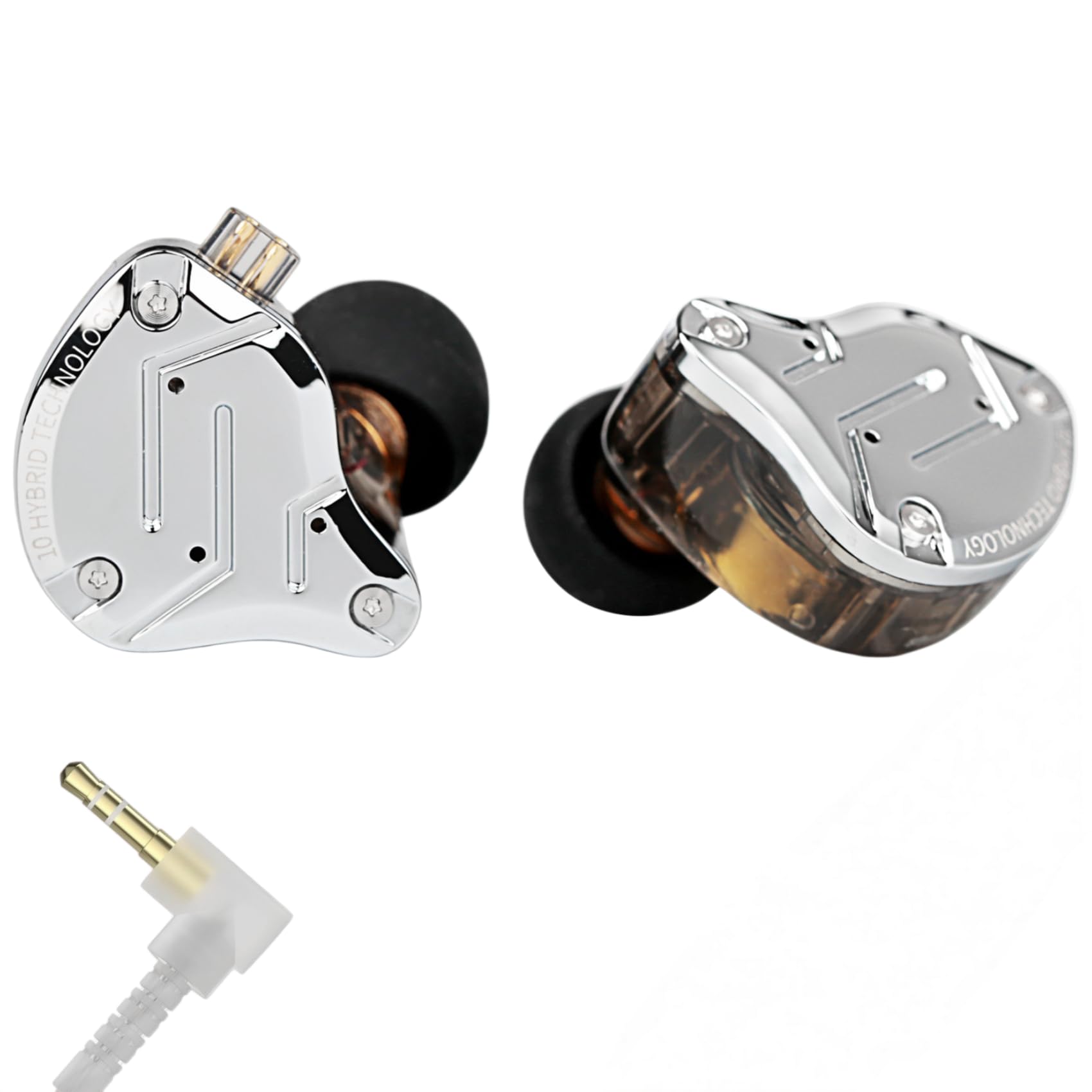
The KZ ZS10 Pro is a well-established entry point into the world of budget audiophile IEMs, and its popularity on forums like Reddit is well earned. The 4BA+1DD hybrid configuration delivers a sound signature that is slightly elevated in the bass and treble but remains impressively coherent. The stainless steel faceplate and resin cavity feel more premium than the price suggests, and the 26dB passive noise isolation is effective for commutes or gaming.
The included 0.75mm 2-pin cable features a slot protection design that secures the pins, reducing the risk of breakage during removal. The earhooks are pre-formed and comfortable for most ear shapes. Many users report that the ZS10 Pro rivals IEMs costing significantly more — the soundstage is wide for a closed-back design, and the bass is punchy and tight without bleeding into the mids. This makes it a strong choice for competitive gaming, where footstep separation is critical.
The cable is the weakest link; it can be stiff and develops memory kinks over time. Upgrading to a pure copper or silver-plated cable is recommended to match the ZS10 Pro’s true potential. The 2-pin connection also uses a recessed socket, which limits compatibility with some aftermarket cables. For a first audiophile IEM that punches far above its weight, the ZS10 Pro remains a reliable classic.
Why it’s great
- Impressive soundstage and detail for the price
- Solid build with metal faceplate
- Effective passive noise isolation
Good to know
- Stock cable is stiff and low quality
- Recessed 2-pin limits cable upgrades
- Slightly elevated treble can be fatiguing
6. KZ AS10 (5BA)

The KZ AS10 takes a different approach by using five balanced armature drivers across the frequency spectrum, omitting a dynamic driver entirely. The result is a clean, fast sound with excellent detail retrieval — particularly in the mids and highs, which are crisp and non-fatiguing. The low end is tighter and more controlled than many BA-only IEMs at this price, thanks to the inclusion of a large low-frequency BA driver that delivers surprising texture.
The housing is a fully transparent plastic shell that shows off the internal driver array, a feature some enthusiasts appreciate. The fit is generally good, but the preformed silicone earhook on the stock cable has a specific curve that can cause the left earpiece to sit awkwardly in certain ear shapes — an upgrade cable is a common solution. The sound signature is U-shaped, with recessed mids that make vocals feel slightly distant compared to the AS10’s peers.
Passive isolation is adequate with the stock tips, but upgrading to memory foam tips dramatically improves both seal and bass presence. The 2-pin 0.75mm connector is standard, making cable replacement straightforward. For listeners who value speed and clarity over bass slam, and who prefer the articulation of armature drivers, the AS10 is a compelling all-BA option.
Why it’s great
- Detailed, fast sound with clean highs
- Surprisingly good bass from BA drivers
- Transparent shell shows driver configuration
Good to know
- Recessed mids affect vocal presence
- Stock earhook fit can be problematic
- Best performance requires tip upgrade
7. JOYO JW-07 Wireless IEM System

The JOYO JW-07 is a different kind of product — not a pure listening IEM, but a complete 2.4GHz wireless monitoring system designed for guitarists, drummers, and DJs who need a cable-free practice or monitoring solution. The system includes a transmitter (with a 1/4″ input jack) and a receiver clip that attaches to any standard 3.5mm wired earbuds. The 48kHz/16-bit audio quality is clean for non-critical practice, and the sub-5ms latency is low enough for real-time playing without noticeable delay.
Battery life is rated at over 8 hours on a full charge, and the operating range is about 40 to 60 feet in open space. The frequency-hopping anti-interference technology helps avoid dropouts in mixed wireless environments, though some users report intermittent choppy signals at the edge of the range. The transmitter supports 12 channel banks divided into 4 groups, allowing multiple systems to operate simultaneously for band practice — though one transmitter connects to only one receiver.
The biggest limitation is the 1/4″ input: it only works with monitor outputs that use a TS instrument cable, not balanced XLR connections commonly found on pro mixing consoles. The receiver also tends to run a hot signal, which can cause clipping even at low volume if the source output is high. For its intended purpose — affordable, wireless practice freedom for one musician — the JW-07 delivers solid value, but it is not a replacement for a wired audiophile IEM.
Why it’s great
- Low latency suitable for live playing
- Long battery life for extended practice
- Good anti-interference for home use
Good to know
- Only accepts 1/4″ TS input, not XLR
- Receiver runs hot, can cause clipping
- Single receiver per transmitter
FAQ
What does the driver count actually mean for sound quality in $100 IEMs?
Can I use these IEMs with my smartphone without an external DAC?
What is nozzle tuning and why does it matter for these IEMs?
Final Thoughts: The Verdict
For most users, the $100 iems winner is the Sennheiser IE 200 because it offers the most natural, fatigue-free sound signature and supremely comfortable fit out of the box — a benchmark that few competitors in this price tier can match. If you want the most versatility in a single driver, grab the Linsoul SIMGOT EW300; its dual-tuning nozzle system gives you two distinct sound signatures for gaming and music. And for the budget-conscious first-timer who wants a taste of audiophile detail without breaking the bank, nothing beats the KZ ZS10 Pro.