
That queasy feeling hits the second the car rounds a sharp bend or the boat catches a wave, and suddenly your whole day is derailed. For anyone who suffers from motion sickness, morning sickness, vertigo, or post-procedure nausea, the search for reliable, non-drowsy relief can feel endless. Pills make you groggy, wristbands can look clunky, and medication side effects often trade one problem for another. A smarter category of wearable relievers has emerged, using science-backed pressure points and neuromodulation to calm your stomach without a single side effect.
I’m Min — the co-founder and writer behind Gadgets Feed. I’ve spent weeks analyzing the technical specifications, clinical trial data, and wearability metrics for over three dozen anti-nausea wearables to identify the models that actually deliver on their promises.
Whether you’re a lifelong cruise passenger, a pregnant mom battling morning sickness, or a commuter prone to car sickness, this guide breaks down the best options available today. Here is my completely research-driven look at the best anti-nausea glasses and wristband alternatives, with clear comparisons to help you choose the perfect fit for your lifestyle.
How To Choose The Best Anti-Nausea Glasses
Selecting the right anti-nausea wearable depends entirely on your primary trigger, your tolerance for wearing a device, and how much technology you want involved. Some models rely on mechanical acupressure at the P6 point on your wrist, while others use electrical neuromodulation to calm the vomiting center in your brain. A newer entrant uses specialized tinted lenses to reduce the visual-trigger component of nausea. Each approach works differently, and the best choice for you depends on where and when you get sick.
Understand Your Nausea Trigger
Motion-based nausea (car, boat, plane, VR) responds best to wrist-based bands that stimulate the median nerve or apply pressure to the P6 point. Morning sickness and chemotherapy-related nausea also benefit from P6 acupressure. Light-triggered nausea or migraine-associated queasiness, on the other hand, often requires tinted glasses to filter out the flickering fluorescent or harsh blue light that causes disorientation. Nailing down your specific trigger is the first step in picking the right device.
Evaluate Wearability and Fit
An anti-nausea device only works if you actually wear it when symptoms start. Look at the fit range: wristbands should offer multiple sizes or adjustability so the pressure point sits correctly on the underside of your wrist. Glasses should feel lightweight on your face without slipping. Battery life matters for electronic models — anything under 30 hours of continuous use will need frequent recharging, which is inconvenient on a long trip or busy day.
Check the Intensity Control
Electronic neuromodulation devices offer multiple intensity levels, usually between 3 and 7 settings. More levels mean finer control — you can dial in just enough stimulation to relieve symptoms without feeling a strong tingle or muscle twitch. Acupressure bands with a fixed plastic nub offer only one pressure level (adjustable only by strap tightness), which is less precise but perfectly effective for many users.
Quick Comparison
On smaller screens, swipe sideways to see the full table.
| Model | Category | Best For | Key Spec | Amazon |
|---|---|---|---|---|
| Reliefband Sport | Neuromodulation Band | All-day nausea & waterproof use | IPX7 waterproof, 30-hour battery | Amazon |
| EmeTerm Smart | Smart Watch | Tech-savvy daily relief | Touchscreen, 7 intensity levels | Amazon |
| Reliefband Classic | Neuromodulation Band | Budget-minded reliable relief | 150-hour continuous use, 5 settings | Amazon |
| Boarding Glasses | Anti-Nausea Glasses | Motion sickness without wristbands | Liquid-filled ring technology | Amazon |
| GloFX Snaps | Color Therapy Glasses | Light sensitivity & migraine nausea | 10 interchangeable therapeutic lenses | Amazon |
| Bloomoak Rose Glasses | Tinted Migraine Glasses | Fluorescent light trigger relief | FL-Flex rose tint lens | Amazon |
| Blisslets Duo | Acupressure Bracelet | Stylish everyday nausea prevention | Magnetic cuff, size-specific fit | Amazon |
In‑Depth Reviews
1. Reliefband Sport Anti-Nausea Wristband
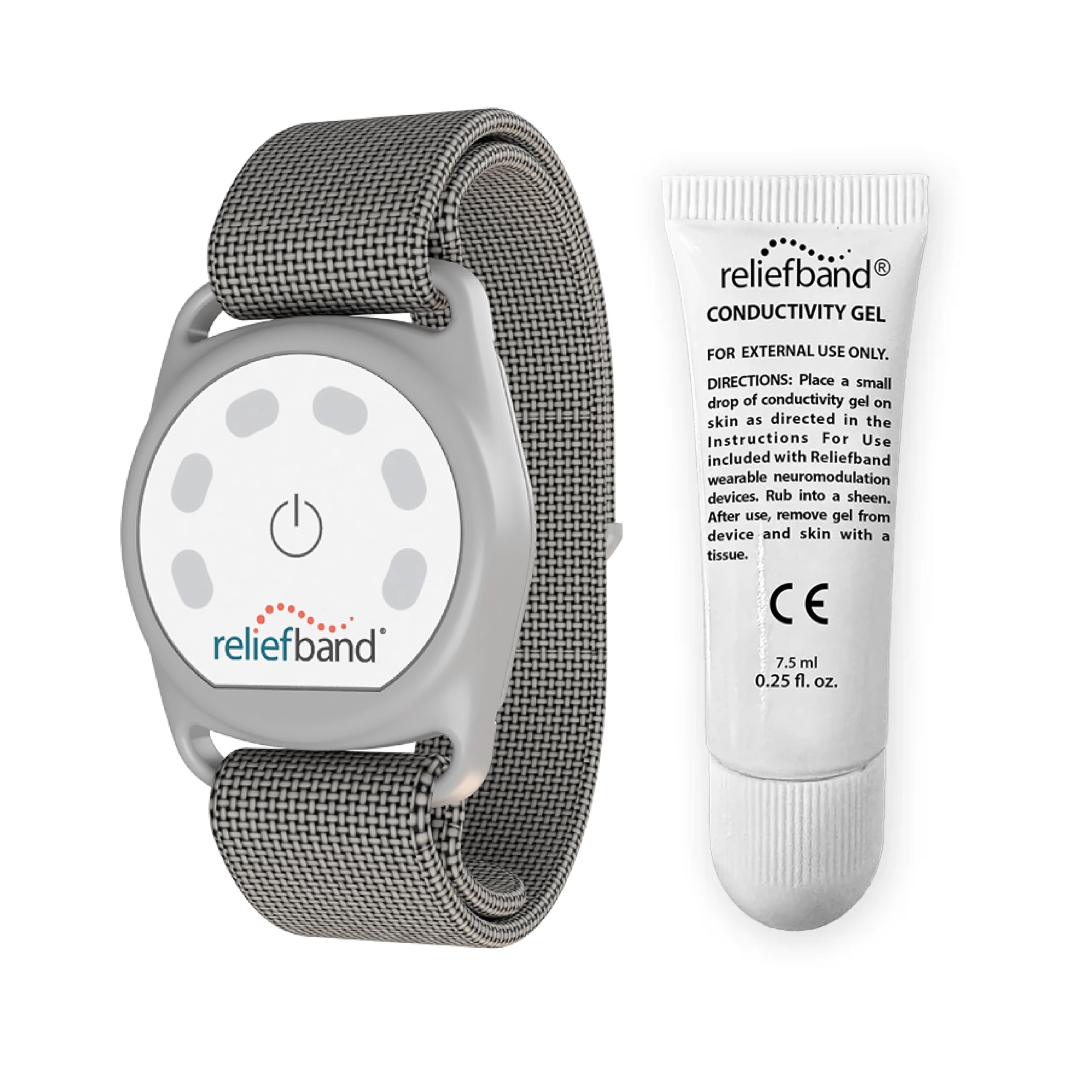
The Reliefband Sport is the most advanced wearable nausea solution on the market, and it earns its top spot because of the IPX7 waterproof rating — the first in the category to allow full submersion. This makes it the go-to choice for boaters, kayakers, and anyone who needs relief around water. The battery life jumps to 30 hours on a full charge, and the smart-sensing technology automatically powers down the device when it loses contact with your skin, preserving every minute of runtime. The flex-fit comfort band accommodates 4 to 8-inch wrists, covering a broad range of body types.
Clinical trial data behind the Reliefband platform shows an 85% success rate, and the Sport model delivers the same neuromodulation pulses that stimulate the median nerve to block nausea signals bound for the medulla oblongata. The included hypoallergenic conductivity gel tube ensures optimal electrical contact without skin irritation. Users report effective relief for vertigo, pregnancy nausea, and social-anxiety-related queasiness — though a small subset of pregnant users found it insufficient as a standalone cure for severe hyperemesis. The intensity levels give fine control; most users find level 3 sufficient to stop symptoms without a distracting tingle.
On the downside, the Reliefband Sport comes with a non-returnable policy in some regions, and the premium price puts it out of reach for casual shoppers. A few users complained about involuntary hand muscle contractions at higher intensity settings, which suggests starting at the lowest level and working up gradually. For those who need waterproof, all-day relief that works in the most demanding environments, this is the gold standard.
Why it’s great
- Fully submersible IPX7 rating for water sports and showers
- 30-hour rechargeable battery with smart auto-off sensor
- Flex-fit band adjusts from 4 to 8 inches comfortably
Good to know
- Non-returnable in many markets — buy with confidence
- Higher intensity settings can cause hand twitching in some users
- Expensive compared to drug-free acupressure alternatives
2. EmeTerm Smart Anti-Nausea Wristwatch
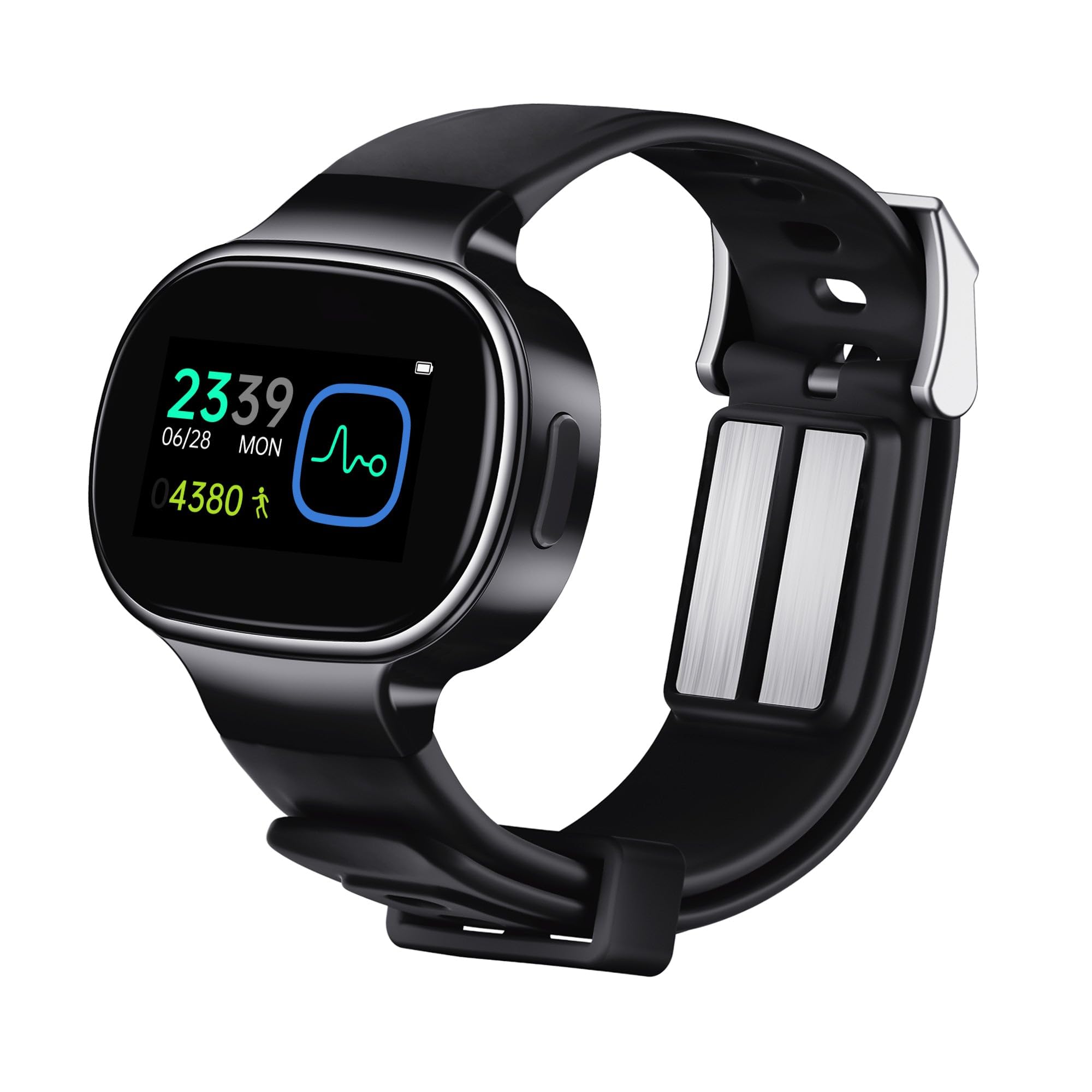
The EmeTerm Smart is the most discreet wearable on this list — it looks exactly like a smartwatch, which means no awkward questions from colleagues or fellow passengers. Behind that watch face is a touchscreen interface that lets you adjust 7 intensity levels, view step counts, and track TENS usage duration. Like the premium Reliefband models, it uses targeted neuromodulation on the median nerve, and clinical data supports an 85% success rate. The rechargeable battery lasts long enough for multi-day trips, though the exact runtime depends on how frequently you activate the nausea relief mode.
The design fits wrists from 5.5 to 7.8 inches, which is slightly less inclusive than the Reliefband Sport but still covers the average adult range. The IP67 waterproof rating means it can handle rain, splashes, and handwashing but not full submersion. Users consistently praise how quickly it works — most report symptoms fading within 10 minutes of activation at level 2 or 3. The absence of conductive gel is a genuine convenience; you just strap it on and press the screen. Travelers love that it works without a phone connection, making it ideal for camping, flights, and remote destinations.
The most common complaint is durability — at least one verified buyer reported the unit dying the day after the return window closed. This inconsistency is concerning for a device at this price tier. Additionally, the strap is stiffer and heavier than typical fitness bands, which may annoy users with very small wrists. For tech minimalists who want a nausea device that doubles as a basic watch and step tracker, the EmeTerm Smart is an excellent choice — just verify the warranty terms before purchasing.
Why it’s great
- Discreet smartwatch design draws no attention
- Touchscreen with 7 precise intensity levels
- No conductive gel needed for operation
Good to know
- Mixed reliability reports — some units fail within weeks
- Stiffer band than typical watches
- Not suitable for wrists larger than 7.8 inches
3. Reliefband Classic Anti-Nausea Wristband

The Reliefband Classic is the entry point into FDA-cleared, drug-free neuromodulation, and it has earned a loyal following over two decades of continuous production. The standout stat here is 150 hours of continuous use from pre-installed batteries — that is over six days of nonstop relief without needing to recharge or replace anything. It offers 5 intensity settings on a simple push-button interface, and the adjustable nylon strap fits wrist sizes from 4.5 to 9.25 inches, making it one of the most inclusive fits on the market. The device activates by pressing the power button and sends the same median nerve pulses proven in the Reliefband clinical trials (85% success rate).
Verified buyers consistently describe it as a lifesaver for severe car sickness, vertigo-induced nausea, and chronic morning sickness. One review notes that the Classic actually outperforms the newer rechargeable models in terms of readiness — the pre-installed batteries mean it is always charged and ready to go, with no USB cable required. The 5 intensity settings are less granular than the 7 offered on the EmeTerm Smart, but most users find level 2 or 3 sufficient. The device sits snugly on the underside of the wrist, and the initial tingle sensation fades within minutes as your body adjusts.
The main drawback is build quality consistency — several users report the plastic housing separating at the seam after minimal use, suggesting a glue-bond issue in some production batches. It lacks waterproofing entirely, so you must remove it before swimming or showering. It also uses proprietary pre-installed batteries rather than a rechargeable system, which means battery replacement requires buying a new unit after roughly 150 hours of use. For anyone who wants clinically validated relief at a lower price point and does not mind the non-rechargeable design, the Classic remains a compelling choice.
Why it’s great
- 150 hours of use from pre-installed batteries — no recharging
- FDA-cleared with 85% clinical success rate
- Wide fit range from 4.5 to 9.25 inches
Good to know
- Plastic housing can separate at the seam in some units
- Not waterproof — remove before water contact
- Non-rechargeable design requires unit replacement after battery drain
4. Boarding Glasses Motion Sickness Glasses

The Boarding Glasses take a completely different approach from the wrist-based devices above — these are actual eyewear that uses four concentric liquid-filled rings visible in the peripheral vision to reorient the brain’s sense of balance. The science here targets the vestibular-ocular mismatch that triggers motion sickness: when your inner ear feels movement that your eyes do not see (or vice versa), the liquid rings provide a visual reference that helps the brain reconcile the conflict. The result is that symptoms like dizziness, sweating, and queasiness can subside within minutes of putting the glasses on. They weigh just 1.41 ounces, making them light enough to wear comfortably for extended periods.
European reviews are overwhelmingly positive, with many users calling it a breakthrough for children who suffer from car sickness and for adults on rough sea crossings. The polarized black tint helps with glare, but the liquid-ring technology works regardless of the lens shade. The included hard case protects the glasses during travel, and the one-size-fits-most design accommodates a wide range of face shapes. Users on long, winding roads report significant reduction in nausea symptoms, though the effect is not magical — specifically, very prolonged exposure to extreme motion still requires some users to pair the glasses with other remedies.
There are notable caveats. The dark tint makes them unusable at night or in low-light environments, which limits their utility for evening commutes or indoor use. The price point is high for what is essentially a pair of specially marked plastic glasses, and some users find the aesthetic unfamiliar and draw unwanted attention. Durability is a question mark — at least one buyer received a scratched lens right out of the box. For travelers who cannot tolerate wrist pressure or electrical stimulation, the Boarding Glasses represent a fascinating and genuinely different solution worth trying.
Why it’s great
- Unique liquid-ring technology reorients balance perception
- Lightweight at 1.41 ounces for all-day wear
- Works within minutes for motion-induced nausea
Good to know
- Dark tint makes them unusable after sunset or indoors
- High price for simple plastic frame design
- Some units arrive with scratched lenses
5. GloFX Snaps Color Therapy Glasses
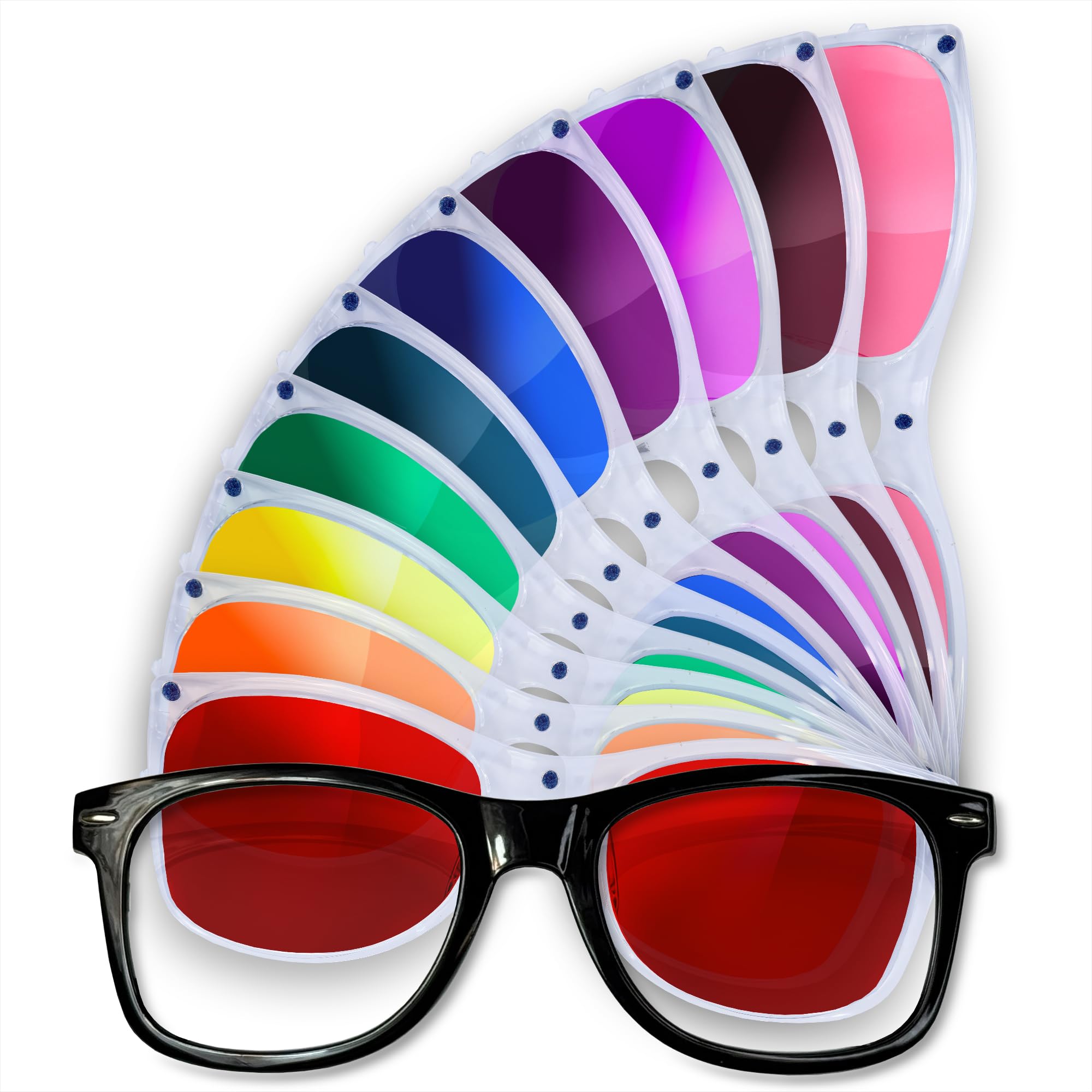
If your nausea is triggered by light sensitivity, visual stress, or migraines rather than motion, the GloFX Snaps Color Therapy Glasses offer the most versatile optical solution on the market. The key feature is the 10-pack of interchangeable therapeutic lenses — including green, rose, aqua, yellow, indigo, and red — that you snap onto the magnetic frame depending on your environment and symptoms. The rose lens is particularly popular for fluorescent light filtering, while the yellow lens is designed to balance the nervous system. The frame uses True Flex Technology, making it lightweight and flexible enough for all-day wear without pressure points on your temples or nose bridge.
The magnetic snap-on system is the core innovation here, but it is also the weak point. Multiple verified users describe the lens-swapping process as extremely difficult, especially during a migraine flare-up when your fine motor coordination is compromised. The magnetic connection is strong enough to hold the lenses securely once attached, but getting the alignment right takes patience. The lenses themselves are polycarbonate and come with a soft cloth for cleaning, and the rectangular full-rim plastic frame has a modern, unisex look that blends well with casual and professional outfits.
It is important to note that these are not sunglasses — they are specifically designed for indoor use under harsh lighting. The lenses are not dark enough to block bright sunlight, and the manufacturer warns against using them while driving or operating machinery. The indigo lens is noticeably very dark, while the blue lens produces a unique visual effect that some users find disorienting. For anyone who works under flickering overhead fluorescents or spends hours in front of bright screens, the GloFX Snaps provide a customizable filter system that can reduce the visual strain that leads to nausea.
Why it’s great
- 10 lens colors cover every fluorescent and blue-light trigger
- Flexible True Flex frame for comfort-fit all day
- Magnetic snap-on system enables quick daytime lens swaps
Good to know
- Lens swapping is frustratingly difficult during a migraine
- Not suitable for outdoor sunlight or driving
- Some lens colors (indigo) are extremely dark
6. Bloomoak Rose Migraine Glasses
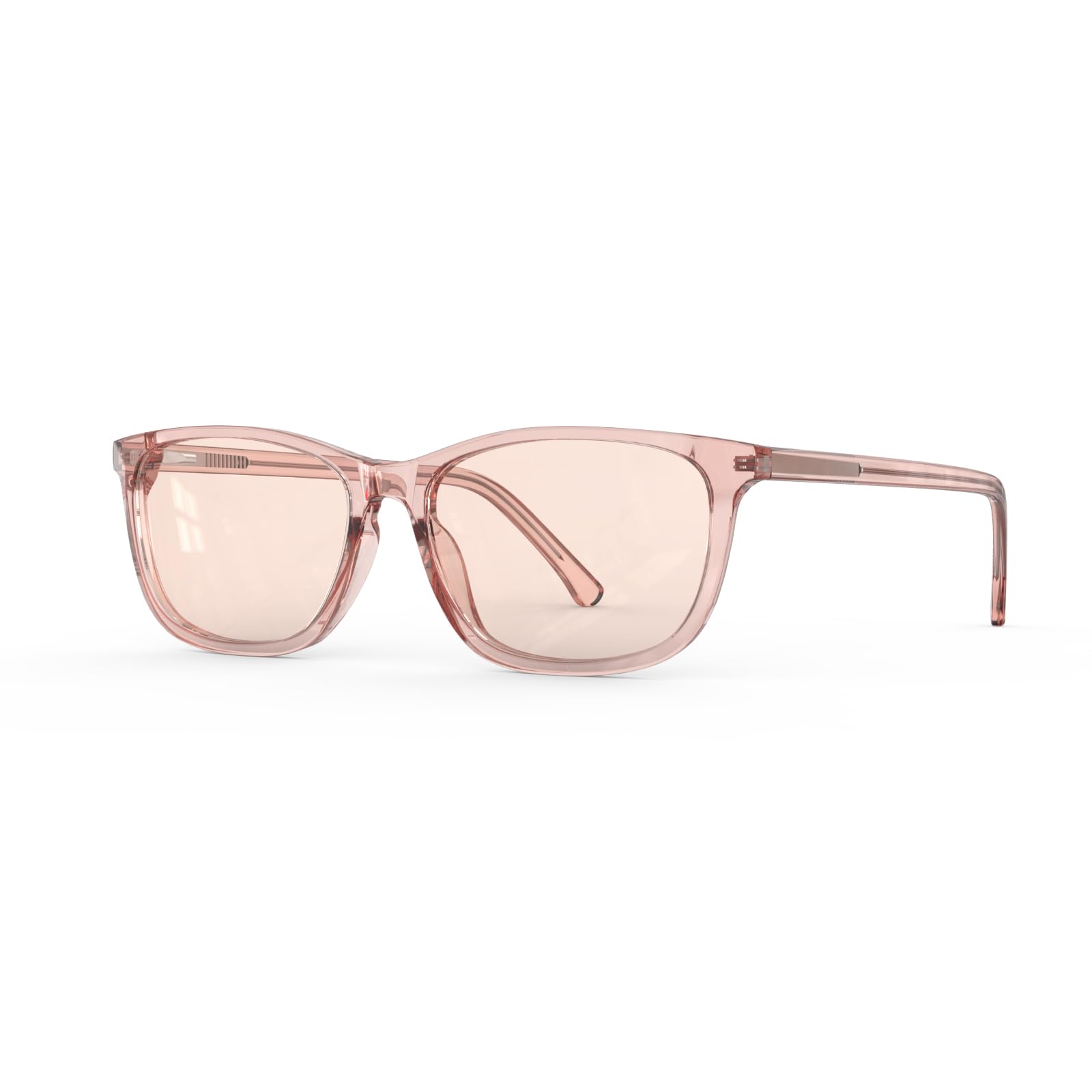
Bloomoak’s rose-tinted migraine glasses take a focused approach: a single FL-Flex lens color optimized to cut the specific wavelength of harsh fluorescent and LED lighting that triggers migraines and nausea in light-sensitive individuals. The warm pink tint softens the glare of overhead lights, computer monitors, and oncoming headlights without darkening your overall vision the way traditional sunglasses do. This makes them suitable for indoor office environments, grocery stores, and evening drives — scenarios where full dark tint would be impractical or unsafe. The frame is notably lightweight and comfortable, with verified users praising the lack of pressure behind the ears even after hours of wear.
The effect on nausea is indirect but real — by reducing the visual-vestibular conflict caused by flickering or overly bright artificial light, these glasses prevent the disorientation that often precedes nausea in sensitive individuals. Several buyers recovering from cataract surgery found the tint beneficial for post-procedure light sensitivity and the associated queasiness. The glasses include a sturdy case, and the overall build quality feels solid for the price range. The aesthetic is modern and feminine, with the rose tint giving off a slightly warm, retro vibe that most users find stylish rather than medical-looking.
The primary complaint is that the lens frames are smaller than expected. Multiple reviews note that the lenses are significantly smaller than standard eyewear, which means your peripheral vision is not fully covered by the tint — and for some users, the unfiltered glare entering from the edges defeats the purpose entirely. If you have a wide face, the small lens area will be a dealbreaker. The FL-Flex tint is also a single-purpose tool: it works wonderfully for fluorescent light nausea triggers but does nothing for motion-induced nausea or vestibular disorders. For targeted relief from indoor light sensitivity at a budget-friendly price, these glasses deliver genuine value.
Why it’s great
- Effective FL-Flex rose tint cuts fluorescent and LED glare
- Very lightweight frame ensures all-day comfort
- Safe for indoor and evening use — not too dark for driving
Good to know
- Lens frames are noticeably smaller than standard glasses
- Only treats light-triggered nausea, not motion sickness
- Not suitable for wide faces — side glare defeats the purpose
7. Blisslets Acupressure Relief Band Duo
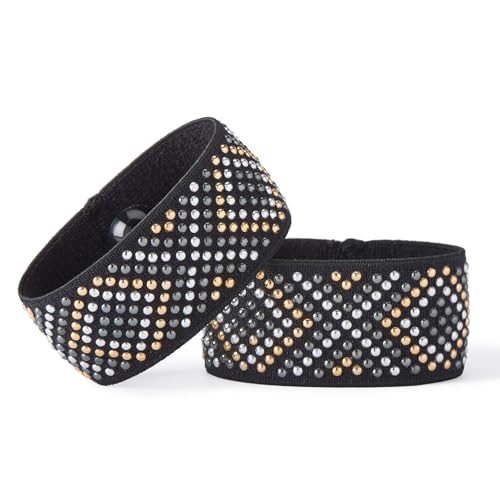
The Blisslets Acupressure Relief Band Duo is the most fashion-forward option in this guide, designed to look like a stylish mariner-chain bracelet rather than a medical device. The key innovation here is the built-in acupressure stud that applies continuous gentle pressure to the P6 (Nei-Kuan) point on the underside of the wrist — the same meridian point used by traditional acupressure bands, but in a compact magnetic cuff format roughly 6.5 inches in length. Unlike the elastic sports-band style common in this category, Blisslets come in specific sizes (Small, Medium, Large) based on wrist circumference, ensuring the pressure point lands correctly. The chain is made from soft, breathable material that dries quickly, making it suitable for cruise water outings and beach days.
Users consistently report that symptoms begin to subside within 5 to 15 minutes of putting the band on, and the relief is particularly notable for motion-induced nausea from car travel, boats, and cruises. The magnetic clasp is easy to fasten single-handedly, and the gold-and-silver mariner chain design looks appropriate for evening dinners on a cruise ship or a day at the office. The fact that the bands are hand-washable with gentle detergent means they hold up well to extended travel without developing odors. The brand also offers a satisfaction guarantee that takes the risk out of trying an unfamiliar form factor.
Quality control is the biggest concern — a significant minority of users report that the elastic threads begin to stretch out and look frilly after about a week of daily use, which reduces the pressure point effectiveness and ruins the aesthetic. The pressure stud is a fixed plastic nub on a fabric band, so unlike electronic devices you cannot adjust the intensity; strap tension is your only variable. If you have a wrist size at the boundary between two sizing options, the fit might be off enough to reduce efficacy. For users who prioritize discretion and style over adjustable technology, and who are willing to replace them periodically, the Blisslets are a chic and genuinely effective first-line defense against occasional motion sickness.
Why it’s great
- Stylish mariner-chain look — no one will guess it’s a nausea band
- Size-specific fit ensures correct P6 point pressure
- Works within 5–15 minutes for most motion-sickness triggers
Good to know
- Elastic threads may stretch out and lose effectiveness within weeks
- Single fixed pressure point — no intensity adjustment
- Requires careful sizing; boundary-size wrists may not fit well
FAQ
How do anti-nausea glasses differ from wristbands?
Can I use an anti-nausea band on a plane?
Are these devices safe for children?
What is the P6 point and why does it matter?
How long does it take for the devices to work?
Final Thoughts: The Verdict
For most users, the best anti-nausea glasses winner is the Reliefband Sport because it combines a waterproof IPX7 build, 30-hour battery life, and clinically validated neuromodulation into a device you can wear through any condition — from rough seas to morning sickness to everyday vertigo. If you want discreet, low-profile daily relief with a touchscreen interface, grab the EmeTerm Smart. And for a drug-free, battery-free option that looks like jewelry and works via P6 acupressure, nothing beats the Blisslets Duo.