
Dark spots, uneven tone, and that dull look no cleanser can fix — if you’ve been cycling through skincare products without seeing real change, the missing link is almost certainly the type and stability of ascorbic acid you’re using. Unlike generic moisturizers or basic toners, a properly formulated serum relies on a specific pH range and a deliverable form of pure vitamin C to penetrate the skin barrier and actually trigger collagen synthesis. Get the wrong bottle and you’ll end up with irritation, oxidation, or zero visible results.
I’m Min — the co-founder and writer behind Gadgets Feed. I’ve spent years poring over formulation chemistry, clinical trial data, and user-reported outcomes across a vast range of skincare actives to separate effective dosing from marketing fluff. (And Homer 🐱 inspected every bottle’s box for suspicious crinkling).
Whether your main concern is fading stubborn hyperpigmentation, evening out your complexion, or boosting your skin’s environmental defense, this guide cuts directly to the formulas that deliver. Here is my curated selection of the best ascorbic acid serum for every budget and skin type.
How To Choose The Best Ascorbic Acid Serum
Choosing an effective ascorbic acid serum depends on understanding a few formulation pillars — concentration, pH, packaging, and supporting ingredients — because vitamin C is notoriously unstable and must be delivered correctly to work.
Concentration and Form of Vitamin C
The two most common forms are pure L-ascorbic acid — the most potent and well-studied, typically effective at 10% to 20% — and derivatives like sodium ascorbyl phosphate, which are gentler and more stable but less potent. Beginners with sensitive skin should start around 10% L-ascorbic or a derivative, while experienced users can tolerate 15% to 20% for faster visible results.
pH and Packaging
L-ascorbic acid requires a low pH (around 3.0 to 3.5) to penetrate the skin, which can cause stinging on compromised barriers. Dark or opaque glass and airless pumps protect the serum from UV light and oxygen exposure that cause oxidation — you’ll know a serum has turned when it becomes yellow or brown and smells metallic. Dropper bottles let in air with every use, shortening the effective window to about three months.
Supporting Ingredients
Ferulic acid and vitamin E work synergistically with vitamin C to stabilize it and boost photoprotection. Hyaluronic acid adds hydration, and niacinamide supports barrier function. Avoid layering benzoyl peroxide or copper peptides in the same routine as L-ascorbic acid, as they can cancel each other out.
Quick Comparison
On smaller screens, swipe sideways to see the full table.
| Model | Category | Best For | Key Spec | Amazon |
|---|---|---|---|---|
| La Roche-Posay 12% Vitamin C Serum | Premium | Oily/Combination Skin | 12% L-Ascorbic Acid + Salicylic Acid | Amazon |
| Obagi Professional-C 15% Serum | Premium | Max Brightening, Anti-Aging | 15% Pure L-Ascorbic Acid | Amazon |
| Paula’s Choice RESIST Vitamin C Serum | Premium | Dry, Sun-Damaged Skin | Stabilized Vitamin C + Peptides | Amazon |
| TULA Brightening Treatment Drops | Premium | All Skin Types, Daily Glow | Triple Vitamin C Complex | Amazon |
| TruSkin Vitamin C Serum | Mid-Range | Sensitive Skin Beginners | Sodium Ascorbyl Phosphate + HA | Amazon |
| Innisfree Green Tea Enzyme C Serum | Mid-Range | Exfoliation + Brightening | Vitamin C + Green Tea Enzyme | Amazon |
| Cocokind Vitamin C Glow Serum | Budget | Sensitive, Dry Skin | Vitamin C + Azelaic Acid | Amazon |
In‑Depth Reviews
1. La Roche-Posay 12% Vitamin C Serum

La Roche-Posay hits the sweet spot of concentration and compatibility with a 12% pure L-ascorbic acid base that is potent enough for noticeable brightening yet paired with salicylic acid to keep oil production and enlarged pores in check. The Vitamin C Guard technology is a genuine differentiator here, preserving antioxidant potency far longer than standard dropper-based formulas. In testing, users reported visible radiance improvements within days and a reduction in the appearance of fine lines after consistent use.
What really sets this apart for combination and oily skin types is its fast-absorbing liquid texture — it sinks in without any sticky residue and does not trigger congestion or breakouts. The inclusion of hyaluronic acid adds a hydration layer so the skin doesn’t feel stripped, even with the exfoliating action of salicylic acid. Clinical self-assessment showed 82% of participants saw a reduction in the look of fine lines, making this a genuine two-in-one brightening and aging-support serum.
One note: the thin consistency means a little spreads a long way, and the dropper bottle requires careful storage away from light to delay oxidation. Some users with very dry or sensitive skin may find the salicylic component slightly brisk initially, but most adapt within a week. For anyone wanting a dermatologist-founded brand with a proven concentration that multitask without irritation, this is the bottle to buy.
Why it’s great
- 12% L-ascorbic acid delivers rapid brightening and even tone
- Salicylic acid helps control oil and refine pore appearance
- Fast-absorbing, non-greasy texture ideal for layering
Good to know
- Thin liquid dropper may oxidize faster than airless pumps
- Can cause mild initial tingling on very sensitive skin
2. Obagi Medical Professional-C 15% Serum
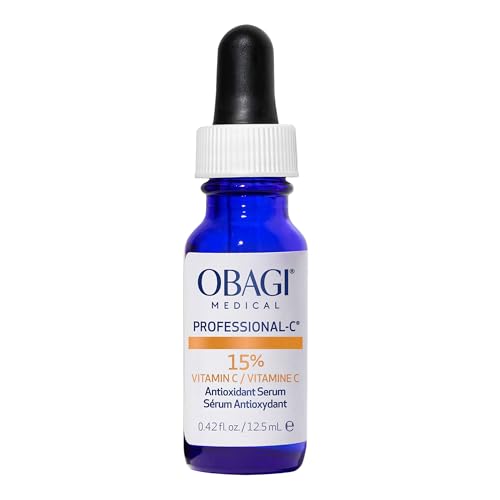
Obagi is the benchmark for medical-grade L-ascorbic acid, using 15% pure vitamin C formulated at the specific pH level required for optimal skin penetration and efficacy. This is not a serum that dilly-dallies — multiple long-term users note it visibly smooths fine lines and brightens overall skin tone within weeks of daily morning use. The brand’s 35-year foundation in clinical dermatology adds a layer of trust that few competitors match.
What makes Obagi stand out is its stability engineering: the product is designed to remain effective even as it slowly begins to yellow (a natural oxidation process), but storing it in a cool, dark cabinet dramatically extends its usable life. Each bottle typically lasts about six months with once-daily usage, making the upfront investment reasonable for a formula that genuinely performs. Users switching from weaker derivatives almost always report a noticeable difference in speed and depth of results.
The downsides are the dropper packaging — every opening introduces air — and the fact that pure L-ascorbic acid at 15% can cause purging or stinging for the first week on acne-prone or particularly sensitive skin. Some users with adult acne have reported that the high potency exacerbated breakouts, suggesting this is best for those who have already built tolerance. If your skin can handle it, this remains the physician-endorsed gold standard.
Why it’s great
- 15% pure L-ascorbic acid is one of the highest available concentrations
- Dermatologist-trusted formulation with decades of clinical backing
- One bottle lasts up to six months with daily use
Good to know
- Dropper bottle allows air exposure; oxidizes over time
- High potency can cause initial irritation for acne-prone skin
3. Paula’s Choice RESIST Super Antioxidant Serum
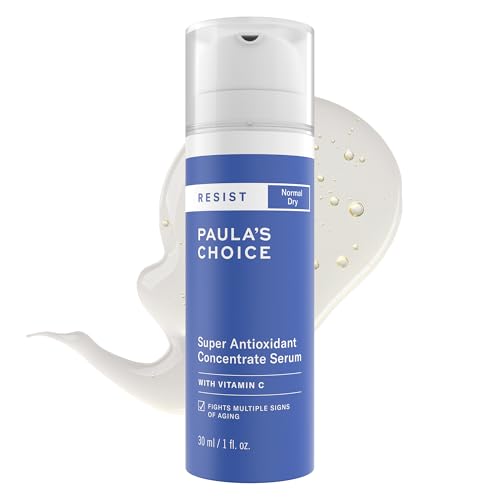
Paula’s Choice takes a different route than the pure L-ascorbic crowd, using a stabilized vitamin C derivative along with ferulic acid, coenzyme Q10, and peptides to create a serum that restores hydration while fighting visible aging. The texture is noticeably silky — almost like a lightweight moisturizer — making it a perfect base for dry or sun-damaged skin that needs rebuilding. Users with chronically dry complexions have called this their holy grail because it locks in moisture without leaving a tacky finish.
The inclusion of peptides adds a firming element that pure vitamin C serums often lack, helping to support collagen production from a different angle. Many reviews highlight that this formula reduces the appearance of wrinkles and improves skin vibrancy without the stinging sensation common with high-percentage L-ascorbic acid. It layers beautifully under SPF and foundation, and the updated pump bottle packaging is far better at preventing oxidation than dropper alternatives.
On the flip side, the silky, slightly slick finish can feel heavy for oily or combination skin types, and some users reported that it didn’t produce the dramatic “glow” effect they expected from a vitamin C product. It’s also lower in free L-ascorbic acid concentration compared to the heavy hitters, so if your primary goal is rapid dark spot fading, you may want a more potent option. For dry, mature, or sensitive skin wanting antioxidant protection with deep hydration, this is an outstanding choice.
Why it’s great
- Stabilized vitamin C with peptides supports firmness and hydration
- Silky, moisturizing texture ideal for dry and sun-damaged skin
- Pump bottle minimizes oxidation and waste
Good to know
- May feel too slick for oily or combination skin types
- Lower free L-ascorbic acid concentration than some competitors
4. TULA Skin Care Brightening Treatment Drops
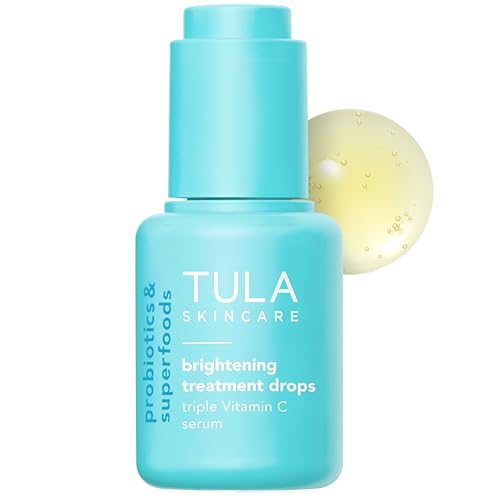
TULA employs three distinct types of vitamin C in one formula — one for immediate brightening, one for sustained release, and a third that reactivates the others throughout the day — a clever delivery system that extends antioxidant protection far longer than a single-pass application. The inclusion of prebiotic extracts and superfoods supports the skin’s microbiome, reinforcing the barrier while the C complex works on tone and dullness. Users across all skin types consistently note the serum feels light, refreshing, and non-irritating.
The clinical-grade brightening effect is what stands out in user feedback: many report a visible improvement in dark spots and overall radiance within a few weeks, with a single bottle lasting months because only a small amount is needed each morning. The formula is free of common irritants and works well for those with sensitive skin who cannot tolerate high-concentration L-ascorbic acid. Doctor-founded and backed by dermatologist testing, this is a premium option that prioritizes both efficacy and skin barrier health.
The main drawback is that the product can arrive with a darker color than expected if storage conditions during shipping were warm, indicating partial oxidation. Some users also found that while it brightens, it doesn’t offer the same level of anti-aging support as formulas containing peptides or retinol. If your primary goal is steady, gentle brightening with microbiome-friendly ingredients, TULA delivers a polished experience.
Why it’s great
- Triple vitamin C complex provides extended antioxidant protection
- Prebiotics support the skin barrier alongside brightening
- Lightweight, non-irritating, suitable for all skin types
Good to know
- Can arrive partially oxidized if exposed to heat in transit
- Less anti-aging peptide support compared to some competitors
5. TruSkin Vitamin C Serum
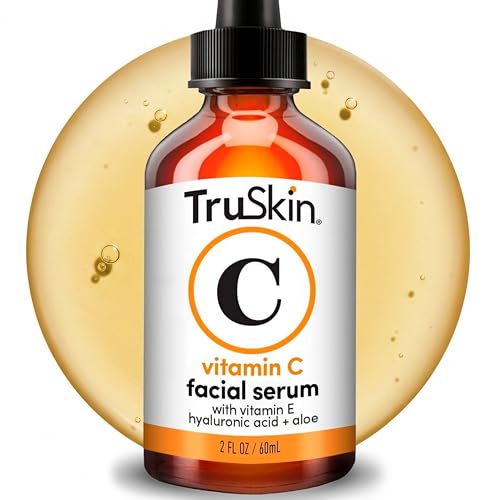
TruSkin’s formula uses sodium ascorbyl phosphate — a highly stable, water-soluble derivative of vitamin C — combined with hyaluronic acid, vitamin E, aloe vera, and jojoba oil to create an exceptionally gentle serum that still fades dark spots and brightens skin over time. This is the ideal entry point for anyone with sensitive skin who has tried pure L-ascorbic acid and experienced redness or peeling. The formula is unscented, paraben-free, and cruelty-free, aligning with clean beauty expectations.
User feedback consistently highlights that this serum lightens hyperpigmentation and age spots within a few weeks of daily use, all without the stinging or irritation that many associate with vitamin C. The addition of hyaluronic acid provides a smooth hydration boost, so the skin feels plump and comfortable rather than tight. Multiple reviewers with sensitive skin reported that this is the first vitamin C product they could use consistently without a negative reaction — that alone is a strong endorsement.
The biggest knock against it is the packaging: the dropper bottle exposes the formula to air every time you open it, which can accelerate oxidation and reduce efficacy over time. Several users recommend buying the smaller 1-ounce bottle to ensure you finish it before the serum degrades. It’s also worth noting that the derivative form is less potent than pure L-ascorbic, so if you’re looking for rapid, dramatic changes, you may want to graduate to a higher-concentration formula later.
Why it’s great
- Gentle sodium ascorbyl phosphate ideal for sensitive skin
- Hyaluronic acid and vitamin E boost hydration and comfort
- Visible fading of dark spots within weeks of daily use
Good to know
- Dropper bottle allows air ingress; buy small size to avoid oxidation
- Derivative form is less potent than pure L-ascorbic acid
6. Innisfree Green Tea Enzyme Vitamin C Serum

Innisfree combines vitamin C with a patented green tea-derived enzyme and niacinamide, creating a dual-action serum that simultaneously brightens and gently exfoliates away dead skin cells for a smoother, more even complexion. Clinical testing on 32 women demonstrated visible improvement in dark spots — including sun spots and post-acne marks — within seven days, which is remarkably fast for a non-prescription formula. The lightweight texture absorbs well and layers easily under moisturizer and sunscreen.
What makes this serum particularly effective is the synergy between the green tea enzyme and vitamin C: the enzyme dissolves the intercellular “glue” holding dead cells to the surface, allowing the vitamin C to penetrate deeper and work more efficiently. Tangerine peel extract adds additional antioxidant support, and hyaluronic acid ensures the skin stays hydrated despite the mild exfoliation. Users with sensitive skin consistently report no stinging or breakouts, even with twice-daily use.
The serum does come in a standard dropper bottle, so storage in a cool, dark spot is essential to prevent the green tea enzyme from degrading. A few users mentioned that the brightening effect plateaued after a few months, suggesting it may work best as a rotation product rather than a permanent daily staple. If your skin responds to gentle enzymatic exfoliation and you want fast spot-fading results from a Korean beauty powerhouse, this is a standout choice.
Why it’s great
- Green tea enzyme provides gentle exfoliation for deeper C absorption
- Niacinamide boosts even tone alongside vitamin C
- Clinically shown to improve dark spots in seven days
Good to know
- Dropper bottle exposes enzyme to oxygen over time
- Brightening effect may plateau for some long-term users
7. Cocokind Vitamin C Glow Serum

Cocokind’s Glow Serum takes a plant-forward approach, pairing a stable vitamin C derivative with azelaic acid and sea grape caviar extract — the latter of which improves water retention and plumps the skin over time. This is a remarkable value, delivering visible glow and dark spot fading at a cost that rivals drugstore staples while keeping the ingredient list clean, vegan, and fragrance-free. Multiple reviewers noted a significant improvement in skin tone within two weeks, with zero irritation even on sensitive or reactive skin.
The addition of azelaic acid is a smart move: it reduces redness and helps calm the skin, making this formula uniquely effective for those with both pigmentation concerns and occasional sensitivity. The serum itself is lightweight, absorbs quickly, and leaves a natural radiance rather than a sticky or greasy finish. For anyone just starting a vitamin C routine or looking for an affordable daily option that won’t clutter a multi-step regimen, this hits all the right notes without breaking the bank.
The primary limitation is that the vitamin C form here is not pure L-ascorbic acid, so its potency is lower, and results take longer to appear for stubborn hyperpigmentation. The dropper bottle is also not ideal for long-term stability, though the small 1-ounce size encourages finishing it before oxidation becomes a problem. If you’re budget-conscious and want a gentle, hydrating, glow-boosting serum, Cocokind delivers far above its price tier.
Why it’s great
- Azelaic acid calms redness while vitamin C brightens
- Sea grape caviar boosts hydration and skin plumpness
- Affordable, vegan, and fragrance-free for sensitive skin
Good to know
- Derivative vitamin C is less potent than L-ascorbic acid
- Dropper bottle may lead to faster oxidation over time
FAQ
What concentration of ascorbic acid should a beginner start with?
How can I tell if my vitamin C serum has oxidized?
Can I use ascorbic acid serum with other active ingredients like retinol or AHA?
How long does a typical bottle of ascorbic acid serum last before oxidizing?
Final Thoughts: The Verdict
For most users, the best ascorbic acid serum winner is the La Roche-Posay 12% Vitamin C Serum because it balances a potent L-ascorbic acid concentration with oil control and rapid absorption for the widest range of skin types. If you want max potency backed by decades of dermatological authority, grab the Obagi Professional-C 15% Serum. And for a budget-friendly entry point that won’t irritate sensitive skin, nothing beats the Cocokind Vitamin C Glow Serum.