
Our readers keep the lights on and my morning glass full of iced black tea. As an Amazon Associate, I earn from qualifying purchases.
Specs are compiled from manufacturer listings and verified buyer reviews and can change over time — please confirm the key details on the product page before buying.
That cold draft pooling at the bottom of your basement stairs usually traces back to one culprit: an old, single-pane hopper window that rattles in its frame. Replacing it with a modern insulated unit is one of the highest-impact upgrades you can make for comfort, and the good news is you do not need a contractor to get it done.
I’m Min — the founder and writer behind Gadgets Feed. This guide is built by comparing the manufacturers’ published specifications and the patterns across verified customer reviews, so you get each pick’s real strengths and trade-offs instead of marketing spin.
You will see which Basement Casement Windows actually fight drafts, fit old rough openings, and survive damp below-grade air.
Our Picks at a Glance
How To Choose The Best Basement Casement Windows
Your basement window faces the toughest conditions in your house: damp soil outside, humid air inside, and temperature swings that wreck cheap materials. To pick the right one, you need to match three things: the exact size, the frame material, and whether the glass handles the insulation work.
Measure the rough opening before anything else
Most basement windows are sold by the glass size, like 32″ x 14″, not the frame size. Measure the hole in your foundation, then compare it to the window’s stated dimensions. The data shows buyers repeatedly praising windows that “measure exactly what it says” and only wishing for an 1/8″ undersize for retrofit work — so a tape measure is your first tool.
Vinyl vs aluminum frames
Vinyl (PVC) frames resist moisture, rust, and corrosion, making them the natural pick for damp below-grade installs. Aluminum frames are lighter and often sold in multi-packs, but they transfer cold more readily unless they carry insulated glass. Match the material to how wet your basement gets.
Look for double-pane glass as the baseline
Insulated double-pane glass is the single biggest upgrade over an old single-pane window. It cuts heat loss and keeps the room steadier in winter, a key win for below-grade spaces. A built-in screen is also worth confirming so you can crack the window without inviting insects inside.
Quick Comparison
| Model | Best For | Frame Material | Item Weight | Glass Type | Amazon |
|---|---|---|---|---|---|
| Vinyl Basement Hopper Window★ Best Overall | Drafty below-grade replacements | Vinyl (PVC) | 17.86 pounds | Double-pane insulated | Amazon |
| Duo-corp 3214COMP | Retrofit into old house frames | Fiberglass | 15.15 pounds | Not specified | Amazon |
| CroBlissful 2 Pcs | Sheds, coops and small openings | Aluminum Alloy | 12.35 pounds | Double-layer frosted | Amazon |
In‑Depth Reviews
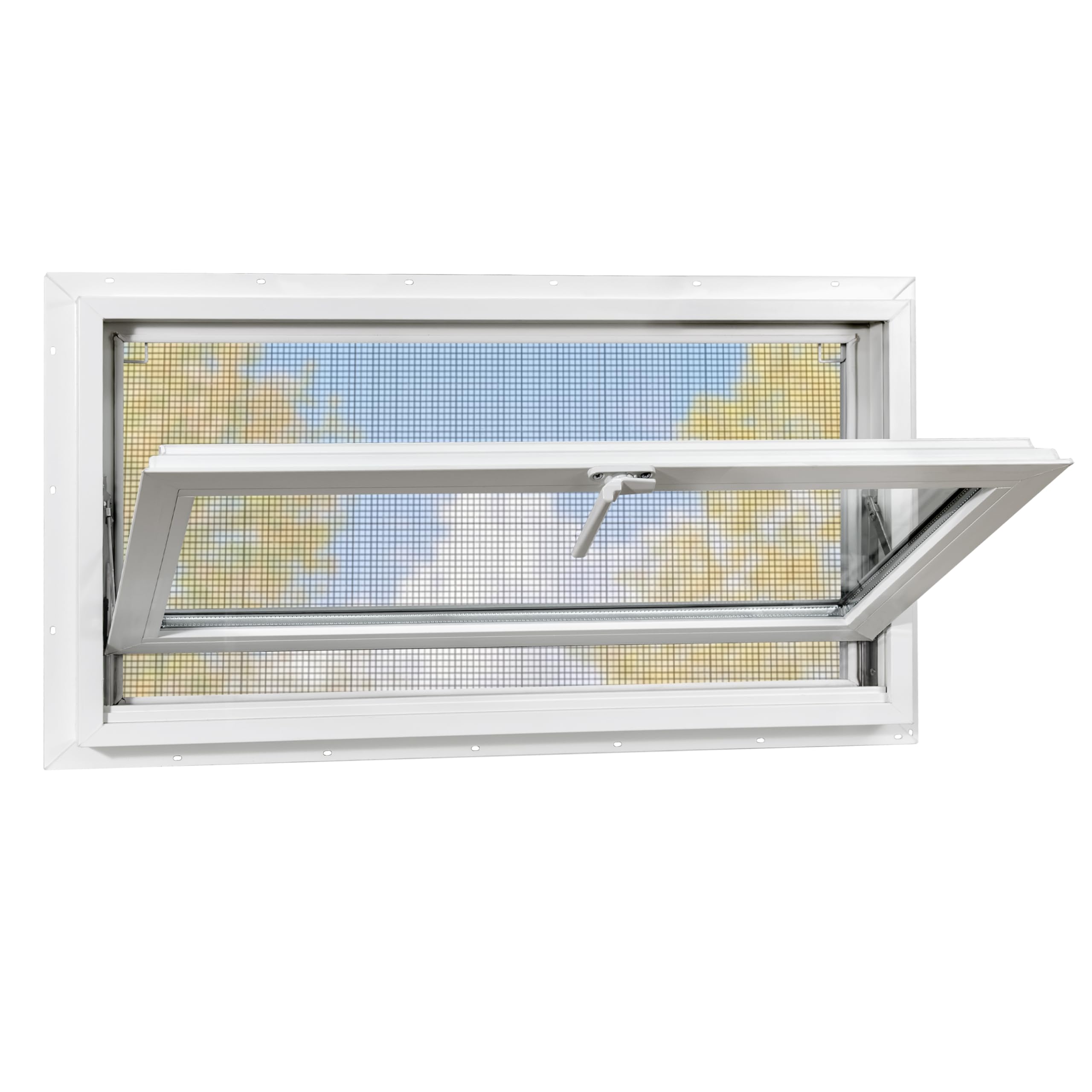
1. Vinyl Basement Hopper Window 32″ x 14″
Our pick — over 4★ from 20+ verified ratings; the strongest balance of quality and price.
This window stops drafts by pairing insulated glass with a moisture-proof vinyl frame, so your below-grade room stays dry and comfortable.
This is the window that answers the cold-air problem directly. Its double-pane insulated glass is built to cut heat loss and hold indoor comfort, and the PVC frame shrugs off the rust and corrosion that eat steel in damp basements. At 17.86 pounds, it carries real substance — this is not a flimsy screen holder. Buyers report the quality “can’t be beat,” praising the stainless steel hinges and noting it “measures exactly what it says.”
The tilt-in hopper design opens inward for ventilation while helping keep rain out, and the built-in fiberglass screen blocks insects and rodents when you crack it open. The locking mechanism adds security, and because the vinyl never needs painting and will not warp, peel, or rot, this is a low-maintenance install that should outlast the season you put it in.
Weighing the whole package, the vinyl pick comes in at 17.86 pounds, the fiberglass Duo-corp at 15.15 pounds, and the premium aluminum set below at 12.35 pounds — that extra mass is the double glazing doing its job. The only note from the field: mounted lower, it “could be a head bumper,” so plan the height if anyone tall walks that corner of the basement.
What wins people over
- Double-pane insulated glass fights heat loss through the rough opening
- Vinyl frame resists moisture, rust, and corrosion below grade
- Stainless steel hinges and a secure lock for smooth, safe operation
Fit notes
- Mounted low it can become a head bumper for taller people
- Exact sizing means retrofit installs may need minor trim work
Reach for this if: your priority is stopping cold seepage in a damp, below-grade space where rust would ruin a cheaper frame.
Look elsewhere if: you need a window to sit higher in the wall where headroom is tight.
2. Duo-corp 3214COMP Basement Window Hopper 32″x14″

The veteran replacement unit that trades polish for proven fit in old-house rough openings.
If your basement still has the original windows from the 1950s, this is the hopper owners reach for. It is built for exactly that job — consumers report swapping out 1951-era windows, with one install taking three hours solo and transforming the look of the space. The fiberglass construction keeps the weight at 15.15 pounds, and the dimensions come in at 34 x 4 x 15 inches, holding the rare 32″ x 14″ sizing that older frames often demand.
Unlike the vinyl pick that leads with insulated glass, this is a simpler unit, and buyers openly note the cold-air performance is “untested” after install. Its strength is fit and function: three of these were used to cover window wells while still allowing airflow when needed, and multiple owners call it “well made” and easy to install. The visual upgrade over rotting wood frames is described as “significant.”
The catch is shipping, not the window itself. One unit arrived with its handle exposed and paint scuffed from poor padding, and one owner waited a month for a lost shipment to be resent. Order it early and inspect the box on arrival — the product tends to outshine its packaging.
Old-frame specialist: this is the unit for retrofit work in vintage homes where the exact 32″ x 14″ sizing is half the battle.
The trade-off: bare-bones single-pane glass means you are fixing looks and airflow, not chasing energy ratings — and packaging has let some units arrive scuffed.
3. CroBlissful 2 Pcs 16″ x 8″ Small Basement Windows
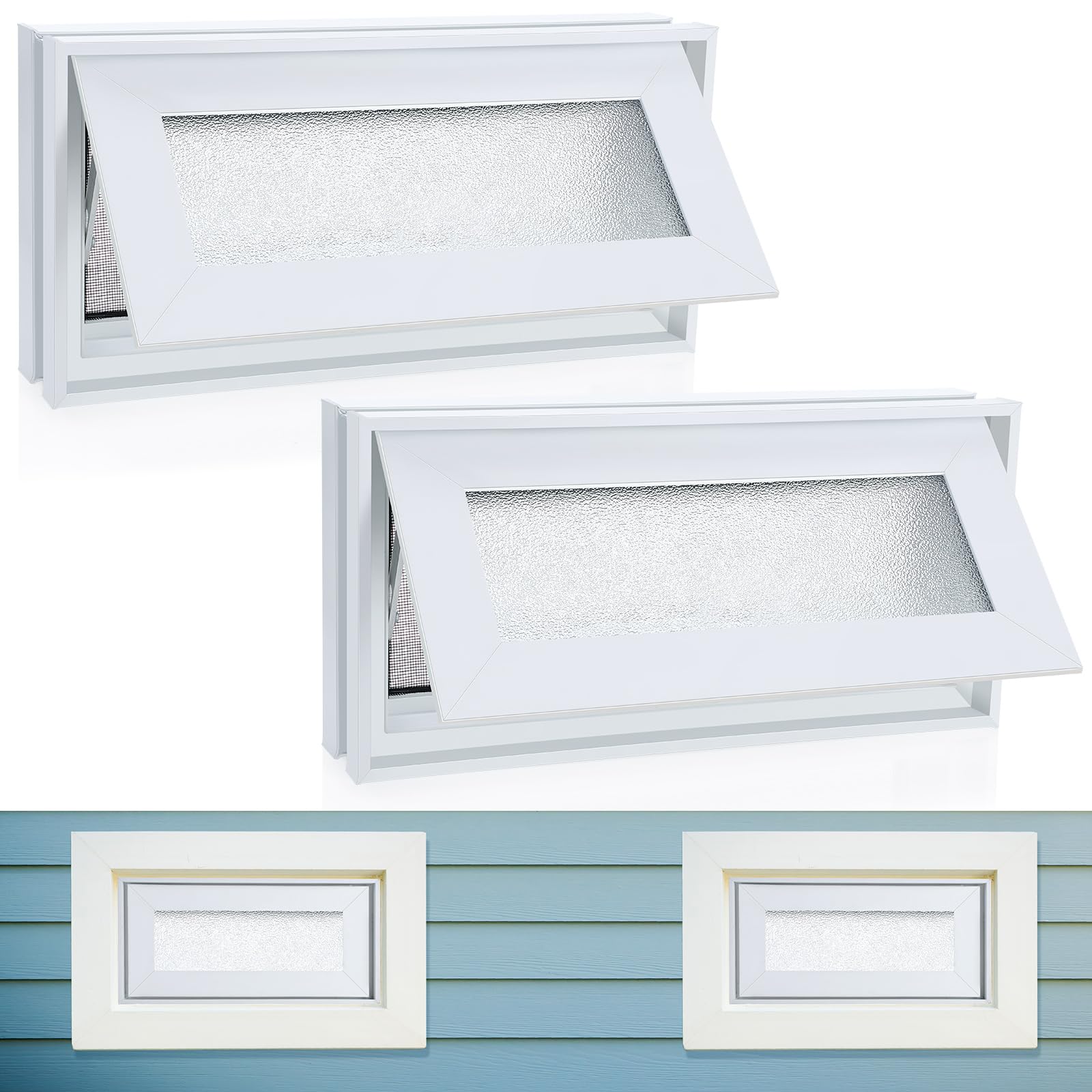
The privacy-first two-pack that brings light and airflow to sheds, coops, and tiny bath nooks.
This aluminum alloy set weighs just 12.35 pounds for a pair, making it the lightest option here — the vinyl pick above outweighs this whole two-pack by about 5.5 pounds. The package measures 16.93 x 9.45 x 7.48 inches, so it fits small openings. The double-layer frosted glass blocks cold air and keeps outsiders from seeing in, which is why buyers install these over showers and in small bathrooms for ventilation without giving up privacy.
This is the budget pick for outbuildings first, homes second. Buyers have fitted these into sheds and small buildings where fixing old broken windows was not worth the effort, and multiple owners mention they “fit perfectly and easy to install.” A contractor-level buyer called it “very well built,” saying they would use it again for clients. The sliding sash interlocks with the main frame, and the included screen keeps airflow usable.
The literal small print: at 16″ x 8″ each, this is a compact window, and there is a fair warning from the field that some found it “to small” for their opening. Measure the hole twice before ordering, and know this is not the pick if you need a full-size egress opening — its strength is bringing light and air to tight, awkward spaces.
Where it shines
- Two windows for the price of one premium single unit
- Frosted double-layer glass blocks cold and adds privacy
- Quick install that buyers repeatedly call “easy”
Know before you buy
- Compact 16″ x 8″ size rules it out for larger openings
- Aluminum frame transfers cold more than vinyl unless insulated
Grab this pair if: you are upgrading a shed, coop, or garage cutout where two small windows beat one big project.
skip it if: your basement needs a full-size replacement that a framed opening demands.
Understanding the Specs
Double-pane vs single-pane glass
Double-pane insulated glass traps air or gas between two panes, slowing heat transfer and keeping the room side warmer. Single-pane glass is cheaper and lighter but conducts cold directly through. For a basement, double-pane is the upgrade that pays off every winter.
Vinyl vs aluminum frames
Vinyl (PVC) frames resist moisture, rust, and corrosion because the material simply does not oxidize, making them the low-maintenance pick for damp below-grade walls. Aluminum frames are lighter and easier to lift into place, but metal conducts temperature more readily. If your basement gets wet, vinyl usually wins; if you are installing into a dry shed or garage, aluminum is fine and often cheaper per window.
FAQ
What is the difference between a hopper and a casement window?
How do I measure my basement window opening?
Will a 32″ x 14″ window fit my existing basement frame?
Is vinyl or aluminum better for a damp basement?
Can I install a basement hopper window myself?
Do these windows come with screens?
What does double-pane insulated glass actually do for me?
Are these windows suitable for sheds and outbuildings?
Final Thoughts: The Verdict
If you want one dependable pick, the best basement casement windows choice is the Vinyl 32″ x 14″ Hopper because its double-pane insulated glass and rust-proof frame attack the two biggest basement problems at once: cold seepage and moisture damage. If you are restoring an older home with a rare 32″ x 14″ opening, the Duo-corp 3214COMP is the retrofit workhorse buyers trust for vintage frames. And for sheds, coops, or tight bath nooks, the CroBlissful 2-Pack delivers two frosted, privacy-friendly windows as a two-pack — just confirm the hole is small enough first.
How We Picked
We do not accept paid placement. Every pick is matched to a real buyer and a real use-case; we do not hands-on test units.
Sources & Methodology
Specifications: manufacturer listings and product documentation. Review insights: verified customer reviews, as of August 2026. Pricing: not shown on this page (it changes often); check the current price via the retailer link.
As an Amazon Associate, Gadgets Feed earns from qualifying purchases. This does not affect which products we feature.