
The difference between a great solo trek and a miserable one often comes down to the single shelter strapped to your pack. A tent that feels spacious on a showroom floor can turn into a cramped, condensation-filled coffin after a 20-mile day in the rain. The weight of your shelter dictates how far you can push, and its weather resistance determines how well you recover for the next day’s climb.
I’m Min — the co-founder and writer behind Gadgets Feed. I spend my days buried in spec sheets and research reports, analyzing how materials like 15D ripstop nylon and silicone coatings perform in the field versus the lab, and comparing floor areas, vestibule volumes, and pole geometries to find the real standouts. (And Homer 🐱 inspected each stuff sack for napping potential and approved exactly one).
This guide breaks down the key features that separate a well-designed shelter from a regrettable one, and ranks nine of the top options on the market. Read on for the definitive best 1 man tent for backpacking to match your trail style and budget.
How To Choose The Best 1 Man Tent For Backpacking
Selecting a solo tent is a balancing act between weight, livability, and durability. A few grams saved on fabric can make a big difference over a long traverse, but a tent that’s too tight will leave you restless. Here are the critical factors to weigh before you buy.
Weight: The Trail Currency
Every ounce you carry uphill is an ounce you pay for. For a 1-person tent, “ultralight” generally means a minimum trail weight under 3 lbs. Trekking-pole-supported shelters can drop below 2 lbs, while freestanding domes with two full poles often sit between 3.5 and 4.5 lbs. Decide how much pack weight you’re willing to trade for convenience and durability.
Livability: Floor Space and Headroom
A solo tent’s floor length and interior peak height determine whether you can stretch out and sit up. Look for a floor length of at least 80 inches if you’re over 5’8″, and a peak height above 36 inches for comfortable in-tent changing. The vestibule area — the covered storage outside the inner mesh — is equally important for keeping your pack and boots dry.
Weather Protection: Fly and Floor Ratings
The waterproof rating, measured in millimeters of hydrostatic head (HH), tells you how much rain the fabric can hold back. Ratings above 1500mm are considered functional for moderate rain, but serious storms demand 3000mm or more for the fly and at least 3000mm for the bathtub floor. Seam-taped construction and a full-coverage rainfly that reaches the ground are non-negotiable for wet-weather reliability.
Quick Comparison
On smaller screens, swipe sideways to see the full table.
| Model | Category | Best For | Key Spec | Amazon |
|---|---|---|---|---|
| MSR Freelite 1 | Premium | Ultralight Minimalists | 1 lb 10 oz minimum weight | Amazon |
| Six Moon Designs Lunar Solo | Premium | Long Thru-Hikes | 105-inch floor length | Amazon |
| Featherstone Backbone | Mid-Range | Trekking Pole Users | 2 lb 6 oz trail weight | Amazon |
| LANSHAN 1-Person | Mid-Range | Weight-Conscious Hikers | 2.1 lbs total weight | Amazon |
| Night Cat Ultralight | Mid-Range | Budget Ultralight | 2 lbs packed weight | Amazon |
| OneTigris Backwoods Bungalow | Mid-Range | Bushcraft & Stove Use | 3.2 lbs, A-frame design | Amazon |
| ALPS Mountaineering Lynx 1 | Mid-Range | Durability & Comfort | 4 lb 1 oz total weight | Amazon |
| Naturehike Backpacking Tent | Budget | Value & Included Footprint | 3.63 lbs, 7001 aluminum | Amazon |
| KAZOO Waterproof Tent | Budget | Eco-Conscious Campers | 3.3 lbs, GRS recycled | Amazon |
In‑Depth Reviews
1. MSR Freelite 1-Person Ultralight Backpacking Tent
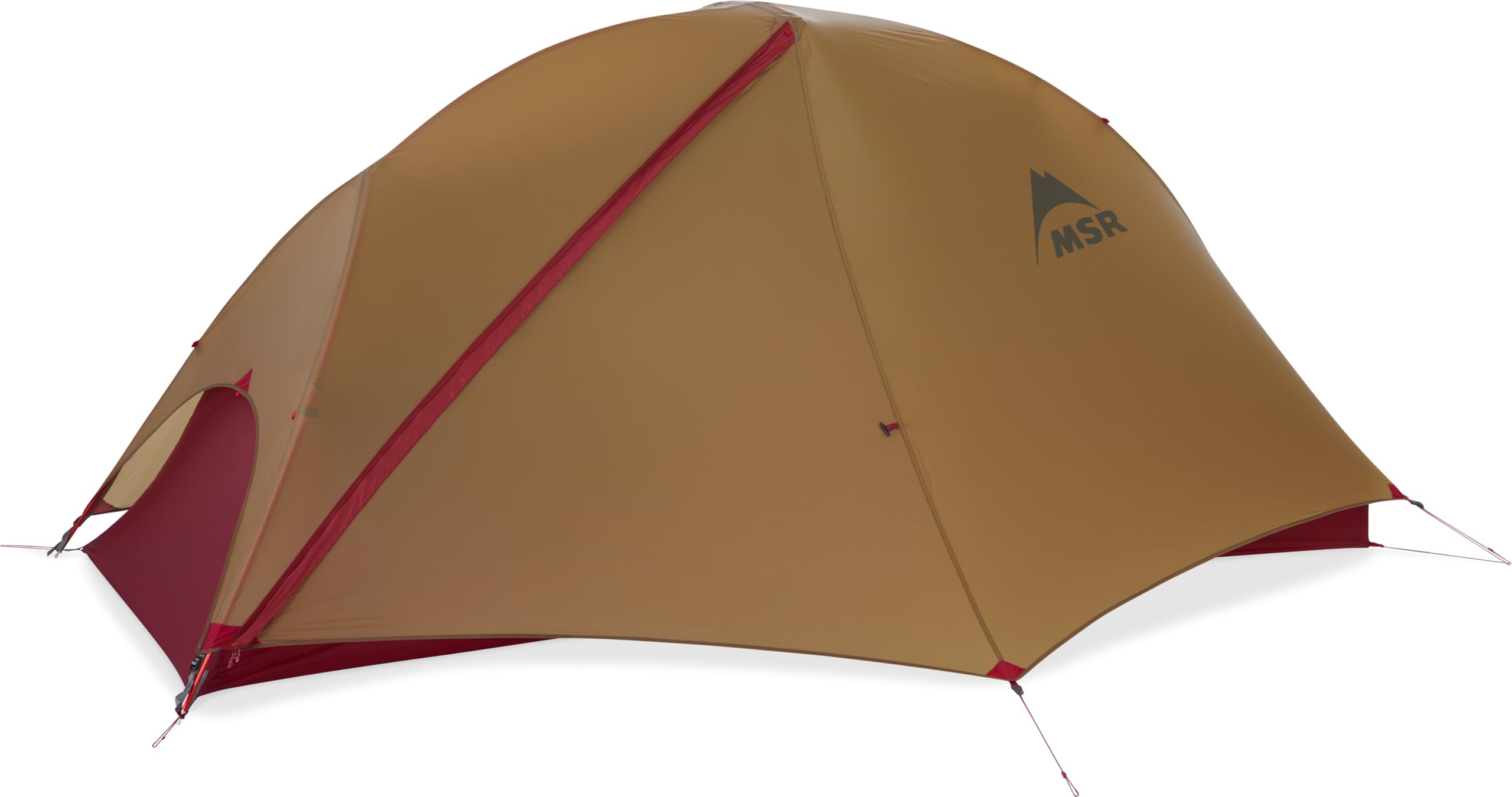
The MSR Freelite 1 is the benchmark for hikers who refuse to carry extra grams. Its minimum trail weight of just 1 lb 10 oz is achieved through a semi-freestanding design with DAC NFL aluminum poles, a 15D ripstop nylon rainfly with DuraShield coating, and a 15D ripstop nylon floor. The rectangular floorplan measures 87 inches long by 33 inches wide, with a peak height of 39 inches, offering enough space for a tall soloist and their sleep system.
Ventilation comes from the full 10D polyester mesh canopy, which keeps condensation at bay in three-season conditions while allowing for excellent stargazing on clear nights. The single large side-entry vestibule provides covered gear storage, and interior mesh pockets with cable ports give you a place for electronics. Setup is fast thanks to the unified hub-and-pole system, and the ultra-compact stuff sack makes packing effortless.
While the Freelite is the lightest semi-freestanding option without requiring trekking poles, some users have noted that the nylon rainfly can sag when wet and may need re-tensioning. The included stakes are on the smaller side, so swapping them for MSR Groundhogs in exposed terrain is a smart upgrade. For ounce-counters who want true go-anywhere performance, this tent is a top-tier choice.
Why it’s great
- Incredibly light for a semi-freestanding tent.
- Roomier interior than most sub-2 lb shelters.
- Fast, intuitive setup with hub-and-pole system.
Good to know
- Nylon fly can sag and needs re-tensioning in rain.
- Stakes are small; consider upgrading for high winds.
- Premium price reflects the weight savings.
2. Six Moon Designs Lunar Solo Backpacking Tent

The Lunar Solo from Six Moon Designs is a cult favorite among thru-hikers for one simple reason: it fits tall people without sacrificing weight. The floor measures a whopping 105 inches long by 48 inches wide, providing 26 square feet of living space, and the peak height reaches a generous 52 inches, allowing even a 6’2″ user to sit up without brushing the ceiling. Its 100% silicone-coated polyester fabric is inherently UV- and water-resistant, and the single-wall design keeps the packed weight to just over 26 ounces.
Setup requires a single trekking pole (not included) and six stakes, making it one of the fastest shelters to pitch once you have the technique down. The large front vestibule offers ample space for a full backpack and muddy boots, while the adjustable vent at the top provides excellent airflow in humid conditions. Users consistently report that the Lunar Solo handles wind and rain well, with the sturdy silicone-polyester fabric showing no signs of sag when wet.
The main trade-off is condensation management: in high-humidity environments, the single-wall construction can lead to moisture buildup inside, which requires careful venting. Some users also find the front zipper difficult to operate with the guyline tensioned. For tall backpackers who prioritize floor length and a lightweight pack, the Lunar Solo remains a top-tier, long-mileage companion.
Why it’s great
- Exceptional 105-inch floor fits tall hikers.
- Very lightweight at just over 26 oz.
- Durable silicone-coated polyester fabric.
Good to know
- Requires a trekking pole and separate stakes.
- Condensation can be an issue in humid weather.
- Front zipper can snag near the guyline.
3. Featherstone Backbone Ultralight Tent for Backpacking

The Featherstone Backbone is a purpose-built trekking-pole shelter that punches well above its price point. With a minimum trail weight of 2 lb 6 oz, it shaves significant ounces off comparably priced freestanding tents. The clever 40/60 pole placement creates a tapered floor that measures 85 inches long by 20 inches at the foot and widens to 40 inches at the head, giving you generous shoulder room while keeping the overall footprint compact.
Dual doors and dual vestibules are a rare find in the sub-3 lb solo category, and the Backbone delivers on both. The wide mesh panels and large vents provide excellent cross-ventilation, which helps mitigate condensation even in damp conditions. The sil-nylon fabric is seam-taped and backed by a TPU waterproof zipper, ensuring the interior stays dry during heavy downpours. Setup is straightforward: stake the four corners, insert your trekking poles, and tension the guyout loops.
Some users have noted that condensation can still be a challenge in sustained rain and sleet, and the mesh zippers can feel a bit finicky at first. The tent also does not come with a groundsheet, so you will need to buy or cut one separately. For the price, the Featherstone Backbone offers an incredible combination of low weight, dual-vestibule convenience, and storm-readiness that is hard to beat.
Why it’s great
- Very low weight for a trekking-pole tent.
- Dual doors and vestibules for easy access.
- Seam-taped and TPU zippered for weather protection.
Good to know
- Condensation can occur in wet, cold weather.
- Mesh zippers may feel cumbersome initially.
- No included groundsheet or trekking poles.
4. LANSHAN Ultralight Tent 1-Person
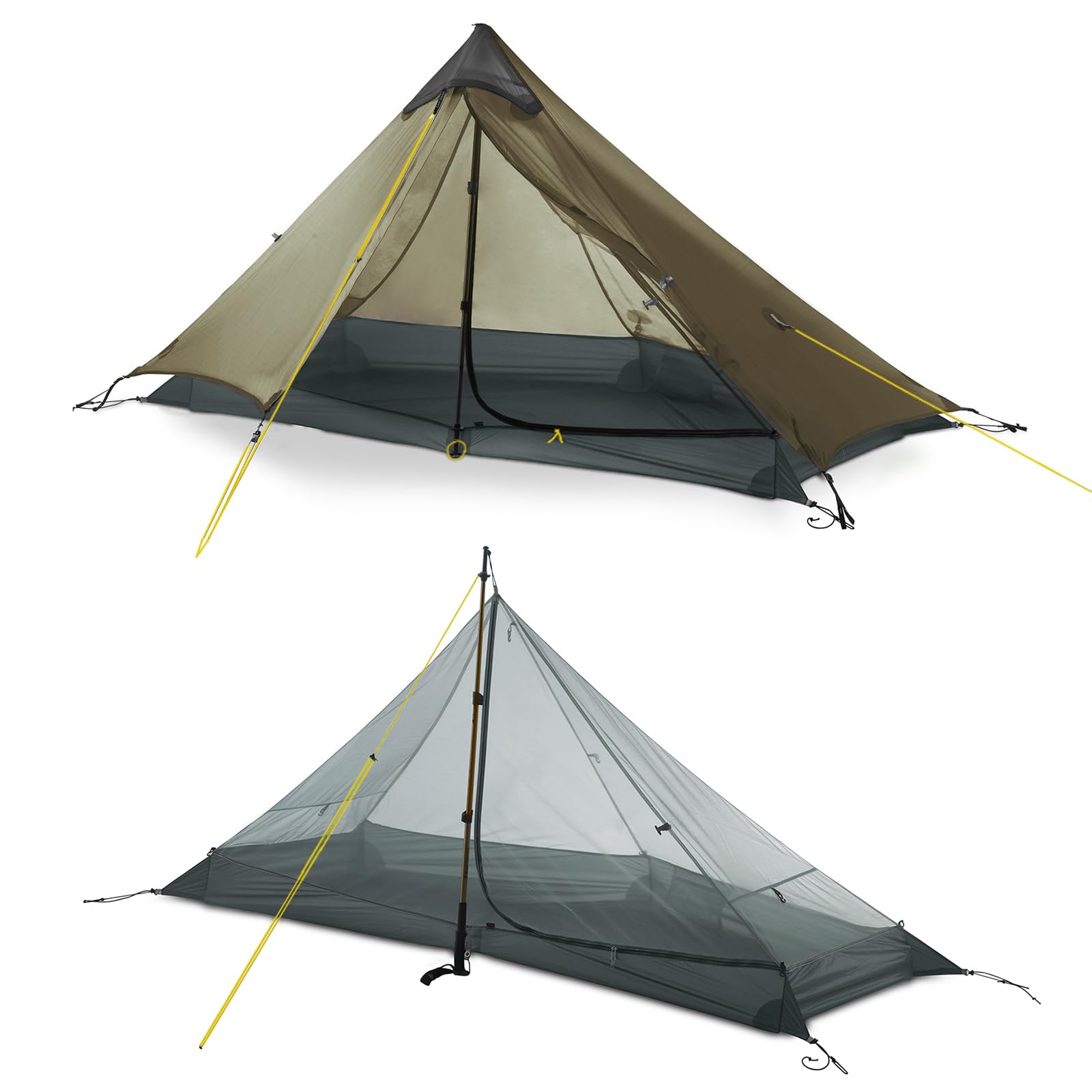
The LANSHAN has become a household name in the ultralight community for its incredible balance of weight, price, and features. At just 2.1 lbs for the 1-person version, it is built around a trekking-pole design that requires one pole for setup. The 15D nylon rainfly boasts a 5000mm HH waterproof rating, while the bathtub floor is rated at 6000mm HH — numbers that rival shelters costing three times as much. The floor dimensions are 90.6 inches by 39.4 inches, with a peak height of 49.2 inches, offering impressive headroom for a tent of this weight class.
The full mesh inner tent provides excellent ventilation and bug protection, and the single vestibule offers enough space for a backpack. The tent can also be configured as a tarp-only shelter or an inner mesh tent for warm, clear nights. The double-wall design is highly effective at preventing condensation, and the included stakes and reflective guy lines are of surprisingly good quality for the price point.
A common issue across multiple user reports is that the seam sealing on the tie-out points can be insufficient, leading to leaks at the corners if not treated before a trip. The vestibule edge also sits fairly high off the ground, which can allow rain to blow in during heavy sideways storms. For budget-conscious backpackers who are comfortable with a little DIY seam sealing, the LANSHAN remains one of the best value ultralight shelters available.
Why it’s great
- Very light at 2.1 lbs with high waterproof ratings.
- Double-wall design prevents condensation effectively.
- Excellent headroom for a trekking-pole tent.
Good to know
- Seam sealing on tie-outs may need DIY reinforcement.
- Vestibule edge is high, allowing rain blow-in.
- Setup requires a trekking pole (not included).
5. Night Cat Ultralight Tent 1 Person

The Night Cat Ultralight Tent is a no-frills shelter designed for hikers who want to break the 2 lb barrier without spending a small fortune. Its packed weight hovers around 2 lbs, and the floor measures a generous 90.55 inches long by 39.37 inches wide, providing ample stretch room for most solo campers. The nylon and mesh construction is simple, and the included rainfly provides basic weather protection for three-season use. Setup is fast using a trekking pole and the included aluminum stakes and reflective ropes.
Despite the low weight, the Night Cat has proven resilient in field conditions. Users have reported keeping it dry through rain and below-freezing temperatures, with the single-wall design requiring careful site selection and venting to manage condensation. The tent’s compact pack size makes it ideal for bikepacking and long-distance hikes where every cubic inch of pack space is precious.
The rainfly provides only partial coverage with a single vent window, which means it is less suitable for prolonged heavy rain compared to full-coverage designs. Taller users, particularly those over 6 feet, may find the length tight when combined with a thick sleeping pad. For the price-conscious ultralighter who prioritizes weight savings over luxury, the Night Cat is a solid, functional shell.
Why it’s great
- Extremely lightweight at around 2 lbs.
- Large floor area fits tall sleepers.
- Compact packed size for bikepacking.
Good to know
- Rainfly coverage is partial; not ideal for heavy rain.
- Condensation management requires careful venting.
- Tight for users over 6’0″.
6. OneTigris Backwoods Bungalow Bushcraft Shelter 2.0

The OneTigris Backwoods Bungalow 2.0 is a unique take on solo shelter that appeals to bushcrafters and winter campers who use a wood stove. Its classic A-frame design is made from 75D ripstop nylon with a 1500mm waterproof rating on the floor, and the full “baker tent” canopy can be left open as a porch or zipped closed for complete storm protection. The tent measures 7 feet long by 4 feet wide, with a peak height of 3.8 feet, providing enough room for one person and their gear. It weighs 3.2 lbs.
The double-layered front entrance features a mesh door that lets in the breeze while keeping insects out, and the rear mesh vent with an adjustable flap creates excellent cross-ventilation — critical when running a stove. The tent includes 10 aluminum stakes, 6 guy lines, and a compression stuff sack, but no poles: it is designed to be pitched with trekking poles, sticks, or a ridgeline between two trees. The YKK zippers are snag-free, and the reinforced grommets and tie-out points provide long-term durability.
Users over 6 feet tall may find that their head and toes touch the end walls, which can cause moisture wicking from the fabric. The tent also requires a minimum of 14 stakes for a fully tensioned pitch, which adds setup time and requires more hardware. For campers who value versatility, stove compatibility, and a wide porch for cooking or gear storage, the Backwoods Bungalow is a unique and capable shelter.
Why it’s great
- Unique baker-tent design with porch for a wood stove.
- Excellent ventilation for condensation control.
- Durable 75D nylon with quality YKK zippers.
Good to know
- Requires many stakes for a fully pitched setup.
- Short length can be tight for users over 6 feet.
- No poles included; requires trekking poles or trees.
7. ALPS Mountaineering Lynx 1

The ALPS Mountaineering Lynx 1 is the go-to tent for solo campers who prioritize durability and ease of use over absolute weight savings. Its freestanding two-pole aluminum construction sets up in under a minute, and the full-coverage rainfly with a 1500mm coating provides reliable three-season protection. The 75D 185T poly taffeta floor has a 2000mm coating, and the half-mesh walls offer good ventilation while keeping bugs out. The base size measures 7’6″ long by 2’8″ wide, with a center height of 3 feet.
The Lynx 1 includes a single vestibule for gear storage, plus interior mesh pockets and a gear loft for organizing essentials. The factory-sealed seams save you the hassle of DIY seam sealing, and the 70D floor material is noticeably thicker and more puncture-resistant than what you’ll find on most sub-3 lb tents. Users consistently praise its bombproof feel, especially compared to premium brands that cost five times as much.
The total weight of 4 lb 1 oz is the biggest trade-off: it is heavy for a solo tent, particularly for long-distance backpackers. The included stakes are notoriously weak and should be replaced with MSR Groundhogs for any serious trip. For section hikers, car campers, or anyone who values a sturdy, freestanding shelter that can take a beating, the Lynx 1 delivers incredible value and reliability.
Why it’s great
- Very durable 70D floor and 75D fly fabric.
- Freestanding setup is fast and easy.
- Excellent value for a rugged, reliable tent.
Good to know
- Heavy at 4 lbs for a solo tent.
- Factory stakes are low quality; plan to upgrade.
- Rainfly can have condensation issues in humid weather.
8. Naturehike Backpacking Tent for 1 Person

The Naturehike Backpacking Tent is a budget-conscious design that manages to deliver a surprising number of premium features. Weighing 3.63 lbs, it uses 7001 aluminum alloy poles for a freestanding dome structure that pops up in under five minutes. The 20D silicone-coated nylon rainfly has a 4000mm HH waterproof rating, and the 150D ripstop oxford floor boasts a 3000mm rating — numbers that comfortably exceed many tents at twice the price. The interior dimensions are 80.7 inches long by 37.4 inches wide at the center, with a 43.3-inch peak height.
The double-wall design provides excellent condensation management, and the D-shaped mesh door allows for plenty of airflow. One of the standout features is the included footprint, which saves you a separate purchase. The tent has been field-tested by users in heavy rain and wind, with most reporting a dry interior and stable shelter even in thunderstorms. The packed size of 15.7 x 5.9 x 5.9 inches makes it easy to stow in a backpack or strap to a bike.
The main drawbacks are the length and width: at 80.7 inches, it is snug for anyone over 5’10”, and the tapering at the foot can make it difficult to fit a thick sleeping pad. Some users have reported that the included stakes are on the lighter side, and the vestibule space is adequate but not generous. For shorter solo hikers on a tight budget, the Naturehike offers an unbeatable combination of weather protection, included accessories, and low cost.
Why it’s great
- Excellent waterproof ratings (4000mm fly, 3000mm floor).
- Freestanding design with included footprint.
- Durable 7001 aluminum poles.
Good to know
- Short length of 80.7 inches limits tall users.
- Vestibule is on the smaller side.
- Stakes could be stronger for exposed sites.
9. KAZOO Waterproof Backpacking Tent Ultralight 1 Person

The KAZOO tent stands out for its commitment to sustainability without sacrificing performance. All fabrics used in this tent are GRS-certified recycled materials, produced through the ECO CIRCLE recycling system — a genuine differentiator in the outdoor gear market. The tent weighs 3.3 lbs and packs down to 20 x 6 inches. Its freestanding design uses a single integrated aluminum pole with clip attachments, making setup fast and intuitive. The floor measures 83 inches long by 36 inches wide, with a peak height of 40 inches.
The double-wall construction features a B3 mesh and 190T breathable polyester inner tent, paired with a 210T ripstop polyester rainfly that has passed waterproof tests above 3000mm. All joints are factory-coated with waterproof sealant, and the full-coverage rainfly includes vents and reflective guy lines for visibility. Users have reported that the tent performed well in thunderstorms, frozen rain, and snow, staying dry and stable even in exposed alpine conditions.
The floor length of 83 inches may feel slightly short for users taller than 5’8″, and the vestibule is on the compact side, making it tight for storing a large backpack. Some users have noted that the included groundsheet is slightly oversized, which can cause water to run under the fly if not folded properly. For eco-conscious backpackers who want a responsibly made shelter that does not compromise on weather resistance, the KAZOO is a refreshing and capable choice.
Why it’s great
- 100% GRS-certified recycled fabrics.
- Good weather resistance with 3000mm+ ratings.
- Freestanding and quick to set up.
Good to know
- Short floor length for taller campers.
- Vestibule is relatively small.
- Groundsheet may need folding to avoid water pooling.
FAQ
Can I use a trekking-pole tent if I don’t hike with poles?
How do I prevent condensation in a single-wall tent?
Final Thoughts: The Verdict
For most users, the best 1 man tent for backpacking winner is the MSR Freelite 1 because it delivers an unmatched combination of low weight, semi-freestanding convenience, and livable interior space for serious solo trekkers. If you want the ultimate in floor length and packability, grab the Six Moon Designs Lunar Solo. And for the best value in an ultralight shelter, nothing beats the Featherstone Backbone.