
A baseball training bat is not a toy. It is a precision tool designed to hack a swing by isolating one hand at a time, building muscle memory that forces a level barrel path through the zone. Buying the wrong length, weight, or material sets a hitter back by reinforcing the same two-handed casting flaw every coach despises.
I’m Min — the co-founder and writer behind Gadgets Feed. I have spent years breaking down swing mechanics and comparing the measurable specs of every training bat in the market, analyzing barrel diameter, weight distribution, and handle ergonomics to separate real drill tools from gimmicks..
Whether you are a coach building a youth hitting progression, a high school player tightening your top-hand path, or a parent looking for a drill bat that actually corrects bad habits, this guide breaks down the seven best models currently available. The baseball training bat you choose will either accelerate your hand strength and bat speed or simply clutter your equipment bag — understanding the difference comes down to three things: length, weight, and material fidelity.
How To Choose The Best Baseball Training Bat
A training bat is not a game bat. It is a specialized drill instrument, and three specifications dictate whether it actually improves a hitter’s mechanics or becomes dead weight in the dugout.
Length and Age Appropriateness
An 18-inch one-hand trainer fits T-ball and 8U players perfectly — short enough that a five-year-old can swing it one-handed without dragging the barrel. A 22-inch model suits youth players through 12U, while a 30-inch overload bat (typically weighing 30 oz) is designed for high school and collegiate hitters who need resistance training to improve bat speed. The 36-inch fungo bat occupies its own lane: it is a defensive practice bat for coaches, not a swing-development tool for hitters.
Weight and Barrel Feel
One-hand trainers should weigh between 8 oz and 19 oz depending on the hitter’s strength. An ultra-light bat (10 oz) lets a young player focus on staying connected through the zone without fighting the weight. A heavier one-hand bat (20–23 oz) teaches a disciplined top hand that resists casting. Overload bats like the SKLZ Power Stick weigh 30 oz — this deliberate heft forces the forearms and wrists to work harder, creating a speed-overload effect when the hitter switches back to a regulation bat.
Material: Wood vs. Aluminum vs. Bamboo
Wood bats (ash, maple, or bamboo) offer a smaller sweet spot and stiffer feedback, helping hitters develop precise barrel control. Bamboo is denser and more durable than standard ash, making it a long-lasting option for heavy cage use. Aluminum bats are heavier per inch and nearly indestructible, suited for team environments where multiple players rotate through drills. The Axe Bat’s alloy construction, for example, survives repeated tee and soft-toss sessions without denting — something wood bats cannot claim.
Quick Comparison
On smaller screens, swipe sideways to see the full table.
| Model | Category | Best For | Key Spec | Amazon |
|---|---|---|---|---|
| Axe Bat One-Hand Trainer | Alloy | Top/bottom hand path drills | 18 in, 19 oz alloy | Amazon |
| Camwood One Hand Trainer | Wood | Youth one-hand strength training | 20 in, 23 oz wood | Amazon |
| SKLZ Power Stick | Overload | Bat speed resistance training | 30 in, 30 oz steel | Amazon |
| Rawlings BIG STICK | Pro Ash | Wood feel one-hand drills | 22 in, 8 oz ash | Amazon |
| BamBooBat Pinnacle | Bamboo | Durable one-hand trainer | 21 in, 15 oz bamboo | Amazon |
| Markwort Aluminum Trainer | Entry-level | Young hitters first drill bat | 18 in, 10.5 oz aluminum | Amazon |
| Louisville Slugger K100 Fungo | Fungo | Coaches defensive practice | 36 in, wood bat | Amazon |
In‑Depth Reviews
1. Axe Bat One-Hand Training Bat

The Axe One-Hand Trainer stands apart because of its patented handle geometry. Unlike standard round handles that let the bottom hand slip or rotate independently, the Axe handle indexes the palm in a fixed power position, reducing fatigue and forcing the wrist to stay connected through extension. The 19-ounce alloy construction makes it the heaviest one-hand trainer in this segment by a significant margin — this deliberate weight teaches the hands to stay back and resist casting, a flaw that a lighter bat would mask.
At 18 inches, the barrel is compact enough for soft toss and tee work without interfering with the hitter’s body. The HyperWhip endcap shifts weight into the barrel, so even though the bat is heavy overall, the swing feel is balanced rather than handle-dominant. Reviewers report that D1 college players and 10U hitters alike find value in it, which is rare for a training bat that is this specialized.
Durability is the strongest argument against wood one-hand trainers: this alloy bat will not crack, splinter, or develop dead spots after hundreds of cage reps. Coaches running team drills with multiple hitters rotating through will see this bat outlast a wood alternative by several seasons.
Why it’s great
- Axe handle eliminates hand fatigue and improves barrel control
- 19-oz alloy weight forces connected swing path
- Indestructible for heavy team cage use
Good to know
- Heavier than most one-hand trainers; not ideal for very young/small hitters
- Premium price point reflects specialized design
2. Camwood One Hand Trainer
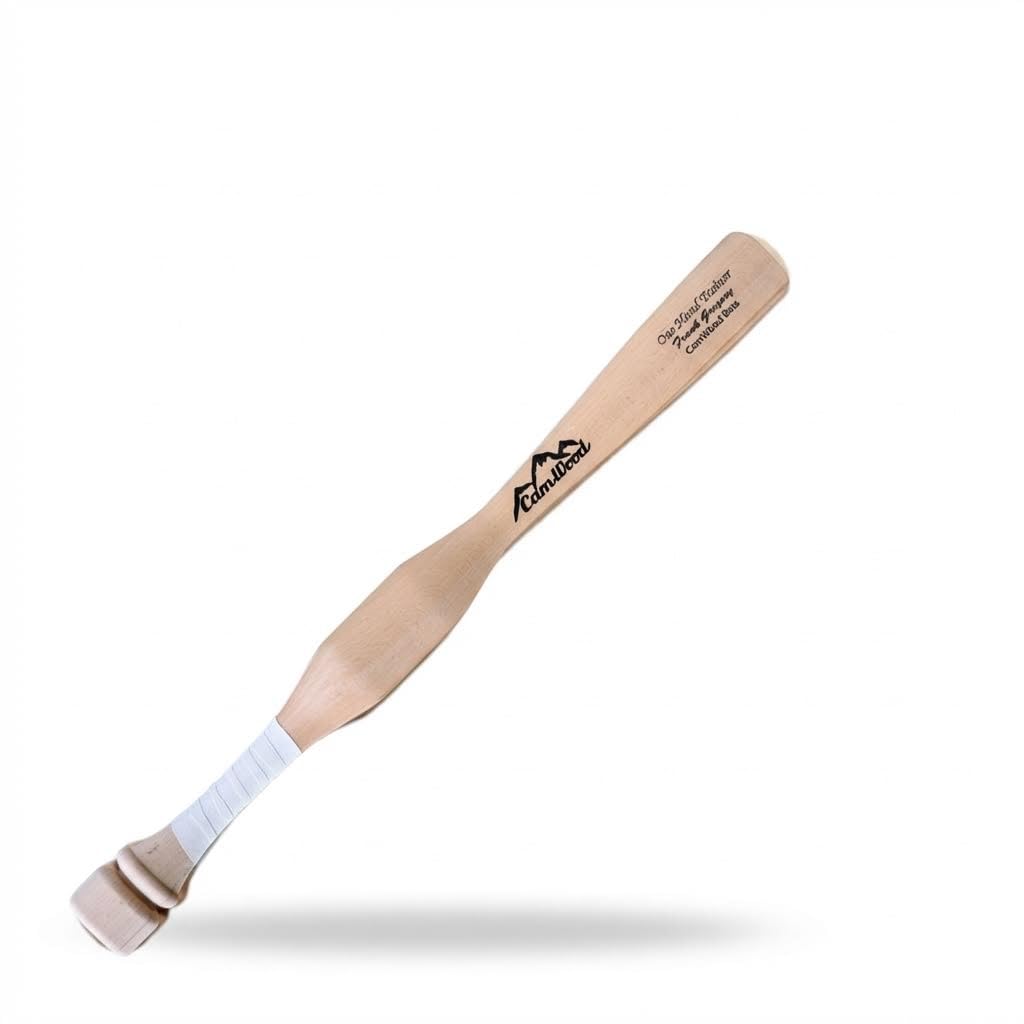
Camwood has built a strong reputation among travel-ball coaches, and the Youth One Hander justifies that following with a simple spec: 20 inches and 23 ounces. That weight-to-length ratio makes this the densest training bat in this review — it is shorter than an Axe but heavier, which means the hitter must engage the forearms and wrists aggressively to control the barrel. Casting the hands forward with this bat results in immediate feedback because the barrel drags and feels impossibly heavy.
The wood construction provides a crisp, responsive feel at contact. Softball and baseball teams alike use this bat for top-hand and bottom-hand isolation drills, and multiple verified reviews note that it forces hitters to stay “connected” through the zone — a direct fix for one of the most common swing faults in youth baseball. One reviewer calls it “the best available” for one-hand training.
Some 10U players may find 23 ounces challenging initially, and the wood barrel will develop wear marks over time — that is normal for a drill bat, not a defect. Camwood also offers an adult version for older hitters who need a heavier resistance stimulus.
Why it’s great
- Dense 23-oz weight punishes casting and trains top-hand control
- Ideal for youth travel ball and fastpitch drills
- Crisp wood feel provides immediate feedback on off-center contact
Good to know
- Requires some arm strength; not suitable for T-ball or first-year players
- Wood barrel shows natural wear with heavy use
3. SKLZ Power Stick

The SKLZ Power Stick is not a one-hand trainer — it is an overload bat. At 30 inches and 30 ounces, it matches the length of a typical adult game bat while exceeding the weight by roughly 40 percent. The concept is simple: swinging a heavier bat forces the muscles to recruit more fast-twitch fibers, and when the hitter switches back to a regulation bat, the game bat feels lighter and the arms move faster through the zone. This is the same principle used by wood-bat overload/underload training systems at the professional level.
The durable steel barrel and synthetic grip hold up to repeated use. SKLZ includes three practice balls with the bat, which is a helpful bonus for setting up a soft-toss station. Reviewers consistently report measurable gains in bat speed, particularly for players aged 12 and older who have the strength to handle 30 ounces without developing bad habits.
This is not a bat for young or developing hitters who are still learning proper swing mechanics — the extra weight can encourage dragging the barrel if the hitter does not already have a fundamentally sound swing path. It is best used as a warm-up tool before games or as the final phase of a resistance training program.
Why it’s great
- 30-oz overload design measurably improves bat speed
- Steel construction endures heavy cage and field use
- Includes three practice balls for immediate setup
Good to know
- Too heavy for beginners and players under 12U
- Small barrel reduces sweet spot relative to game bats
4. Rawlings BIG STICK One Hand Training Bat

The Rawlings BIG STICK is a pro-grade ash wood one-hand trainer measuring 22 inches and weighing only 8 ounces. That ultra-light weight is intentional: the bat is designed to let hitters focus exclusively on hand path and barrel control without worrying about overcoming mass. Ash wood provides a traditional feel with a bit of flex, and the single-piece construction ensures consistent feedback on every contact.
Verified reviews from coaches and players highlight how the straight grain of this bat improves durability compared to lower-grade wood bats, though the uncoated ash barrel can feel slick out of the box — several users recommend adding grip tape. The bat works across age groups from youth to professional, and its weight makes it especially suitable for young hitters who need to develop a level swing before adding resistance.
At this price point, the BIG STING delivers genuine wood feel without the cost of a pro-model lumber bat. The 22-inch length also gives older hitters a slightly longer one-hand trainer for drills that simulate full extension without requiring a full-length overload bat.
Why it’s great
- Pro-grade ash wood offers authentic barrel feedback
- Ultra-light 8-oz weight allows pure focus on hand path
- Suitable across a broad age range
Good to know
- Uncoated barrel is slick; grip tape recommended
- Wood may show wear faster than alloy alternatives
5. BamBooBat by PINNACLE SPORTS 21-Inch Trainer
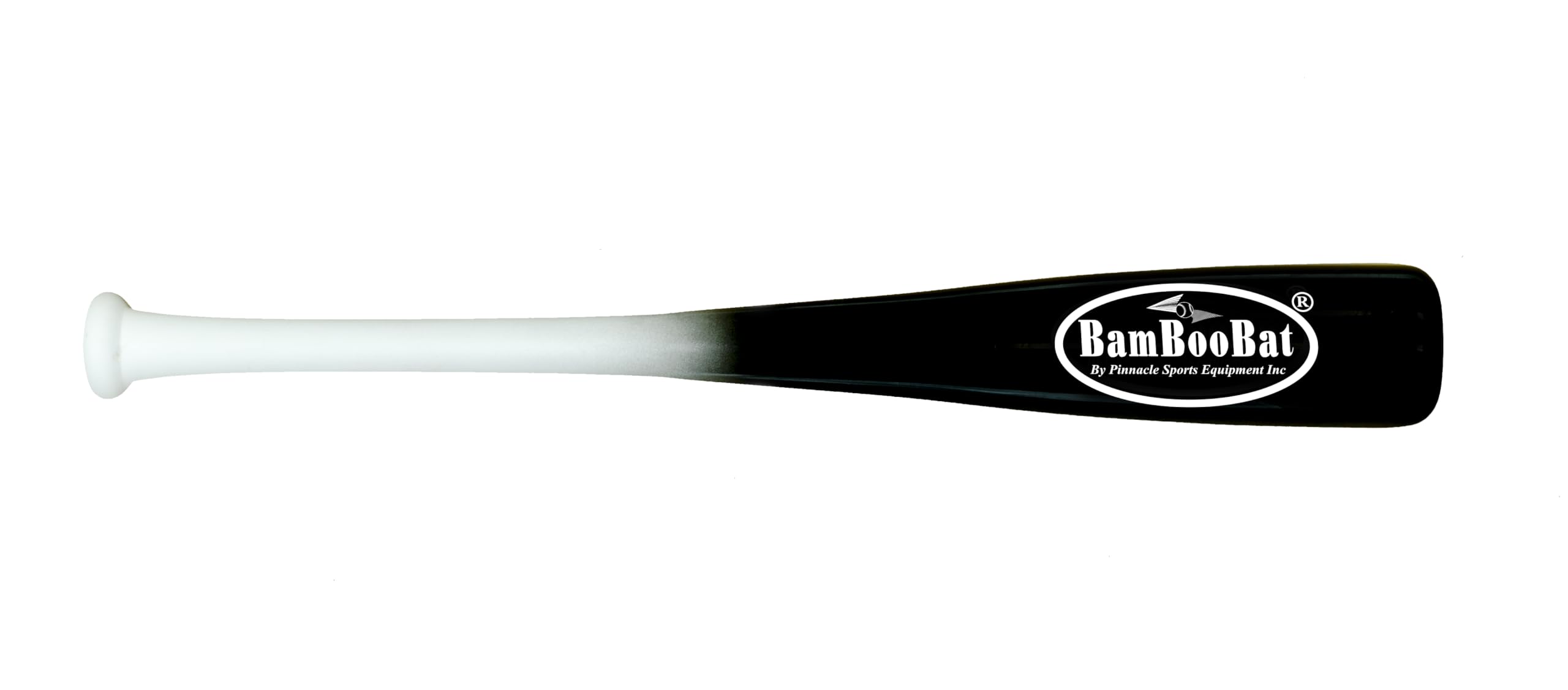
The BamBooBat from PINNACLE SPORTS (model HWBB-21T) fills a specific gap in the training-bat market: it is a one-hand trainer made from laminated bamboo, which is denser and more durable than standard ash wood. At 21 inches, it splits the difference between the shorter 18-inch trainers and the longer 22–24 inch options, making it a versatile choice for youth hitters aged 9–12. The white handle and black barrel finish give it a clean, distinctive look that players tend to enjoy.
Bamboo construction offers a noticeably stiffer feel at contact compared to ash. This stiffness translates to less vibration in the hands and a slightly harder barrel surface that resists denting from standard cage balls. The manufacturer explicitly notes that coaches who break wood bats frequently will find bamboo a more forgiving alternative. The bat works well for soft toss drills, tee work, and as a pre-game warm-up tool.
Verified customer reviews consistently rate the quality and finish highly, with several noting that the bat has held up well over extended use. The 21-inch length is also a practical sweet spot for players who have outgrown 18-inch trainers but are not yet ready for a full-length overload bat.
Why it’s great
- Bamboo construction is denser and more durable than ash
- 21-inch length suits growing youth hitters
- Clean finish holds up well to daily cage use
Good to know
- Not suitable for adult heavy hitters due to length
- Bamboo feel is stiffer than traditional wood; preference varies
6. Markwort Aluminum One Hand 18-Inch Training Bat

The Markwort Aluminum 18-inch bat is the lightest trainer in this roundup at just 10.5 ounces, and it is tailored specifically for the youngest hitters. Verified reviewers mention using it successfully with five-year-old T-ball players who cannot swing a regulation bat. The ultra-light weight means a small child can control the barrel through the zone without compensation — no dumping the barrel or dragging the hands. That alone makes it a valuable entry point for introducing one-hand drills.
The durable aluminum construction handles soft practice balls without issue, though some reviewers note that standard hard baseballs can dent the barrel. At 18 inches, the bat is also short enough that a young player can perform bottom-hand drills without the barrel hitting the ground during the follow-through. The rubber grip provides adequate traction for small hands.
This bat is deliberately basic — it has no specialized handle technology or weight distribution. For a coach working with 5U through 8U players who need to learn a level swing path without the complication of a heavy bat, the Markwort delivers exactly what the price suggests: a simple, effective tool that does not get in the way.
Why it’s great
- Ultra-light 10.5 oz is ideal for T-ball and first-year hitters
- Aluminum construction survives repeated use with soft balls
- Low cost makes it a no-risk entry to one-hand drills
Good to know
- Hard baseballs can dent the aluminum barrel
- Too light for any meaningful resistance training
7. Louisville Slugger K100 Fungo 36” Training Bat

The Louisville Slugger K100 Fungo occupies a different lane than the other six products in this review. It is not a one-hand trainer — it is a 36-inch fungo bat designed for coaches to hit infield and outfield practice. The longer barrel and lighter swing weight allow a coach to deliver consistent, accurate fungos to fielders without tiring after fifty reps. Series 3 wood provides a balance of durability and feel that has held up for multiple seasons in verified reviewer accounts.
At 36 inches, this bat is far longer than any training bat a player would use for swing drills. The natural wood finish with black logos is classic Louisville Slugger, and the vinyl decals hold up reasonably well to regular field use. Several reviewers note that wrapping the sweet spot with tape extends the life of the barrel, a common practice with wood fungo bats.
This bat belongs in a coach’s equipment bag, not a player’s hitting station. If you are a coach looking for a dependable fungo that can send balls 200–300 feet without wearing out your arms, the K100 delivers solid performance at a mid-range price. Players looking for a one-hand trainer should look at the other six options in this guide.
Why it’s great
- Light swing weight allows coaches to hit consistent reps without fatigue
- Series 3 wood construction holds up across multiple seasons
- Classic Louisville Slugger build quality
Good to know
- Not a one-hand or swing trainer; it is a coach’s fungo bat
- Wood barrel benefits from tape at the sweet spot for longevity
FAQ
Can a one-hand training bat fix a casting problem?
Should I buy a wood or aluminum training bat for my 10U player?
What is the difference between a fungo bat and a training bat?
Final Thoughts: The Verdict
For most players, the baseball training bat winner is the Axe Bat One-Hand Trainer because its patented handle, 19-ounce alloy weight, and indestructible construction deliver the most reliable one-hand training experience across all age groups. If you want a dense, wood-based trainer that punishes casting for youth travel-ball players, grab the Camwood One Hand Trainer. And for high school or collegiate hitters looking to increase bat speed through resistance training, nothing beats the SKLZ Power Stick.