
Switching to barefoot hiking shoes isn’t just about going minimalist—it’s about reconnecting the sensory feedback loop between your feet and the trail. A wide toe box and a zero-drop platform force your foot to engage its natural suspension system, converting ankle instability into active balance.
I’m Min — the co-founder and writer behind Gadgets Feed. I’ve spent years analyzing the technical specs that separate genuine foot-health tools from marketing fluff, focusing on ground feel, stack height, and outsole rubber compound data. (And Homer 🐱 gave the Tracker leather his paw of approval from on top of the boot box).
Every pair on this list was measured against the same criteria: a truly wide anatomical toe box, a flexible sole that allows natural foot bending, and an outsole that clutches wet rock without resorting to aggressive lugs. This is the definitive guide to choosing the barefoot hiking shoes that will transform your trail experience.
How To Choose The Best Barefoot Hiking Shoes
Making the switch means your foot’s intrinsic muscles finally do the stabilizing work modern midsoles have been stealing for decades. You need to know exactly what to look for.
Stack Height and Ground Feel
The sole thickness—stack height—directly dictates how much trail texture reaches your foot. Barefoot enthusiasts typically want between 12mm and 20mm of total stack. Go thicker and you lose the proprioceptive feedback that makes this category worth buying. Go thinner than 10mm and sharp rocks become painful on long carries.
The Toe Box: Anatomical vs. Pointed
A true barefoot shoe uses a foot-shaped toe box—wider at the toes than the ball of the foot—allowing splaying under load. Many shoes labeled “wide” just add volume without changing the taper. Look for brand silhouettes that match the natural shape of a relaxed foot, with at least 100mm of width across the toe splay zone in a men’s size 10.
Outsole Rubber and Tread Pattern
Aggressive lugs work on mud but reduce surface area on smooth rock, hurting grip. Siped rubber—thin slits cut into the sole—excel on wet, mossy stone. Vibram Megagrip and Stealth rubber compounds offer the best coefficient of friction on slick surfaces common on stream crossings and granite slabs.
Quick Comparison
On smaller screens, swipe sideways to see the full table.
| Model | Category | Best For | Key Spec | Amazon |
|---|---|---|---|---|
| Vivobarefoot Tracker Leather | Premium Boot | Technical All-Terrain | Waterproof leather, 14mm stack | Amazon |
| ALTRA Lone Peak 9 (Men’s) | Mid-Range Trail | Long-Distance Comfort | MaxTrac outsole, 25mm stack | Amazon |
| Xero Shoes Mesa Trail II | Mid-Range Trail | Lightweight Day Hikes | 11.5mm FeelTrue® sole | Amazon |
| Vibram FiveFingers V-Trek | Specialty | Barefoot Experience | Individual toe pockets, 5oz | Amazon |
| Astral Loyak | Hybrid | Water Sports & Travel | Siped sole, drainage holes | Amazon |
| JIM GREEN African Ranger | Premium Boot | Rugged Terrain & Durability | Full-grain leather, resoleable | Amazon |
| ALTRA Lone Peak 8 (Women’s) | Mid-Range Trail | Wide Toe Box Fit | FootShape™ toe box, Velcro gaiter | Amazon |
| New Balance Minimus MT10v1 | Entry Level | Smooth Trail Running | 6.6oz, flexible Vibram sole | Amazon |
| Xero Shoes HFS Original | Entry Level | Road-to-Trail Transition | Barefoot flexible sole, mesh upper | Amazon |
In‑Depth Reviews
1. Vivobarefoot Men’s Tracker Leather All Terrain Hiking Shoe
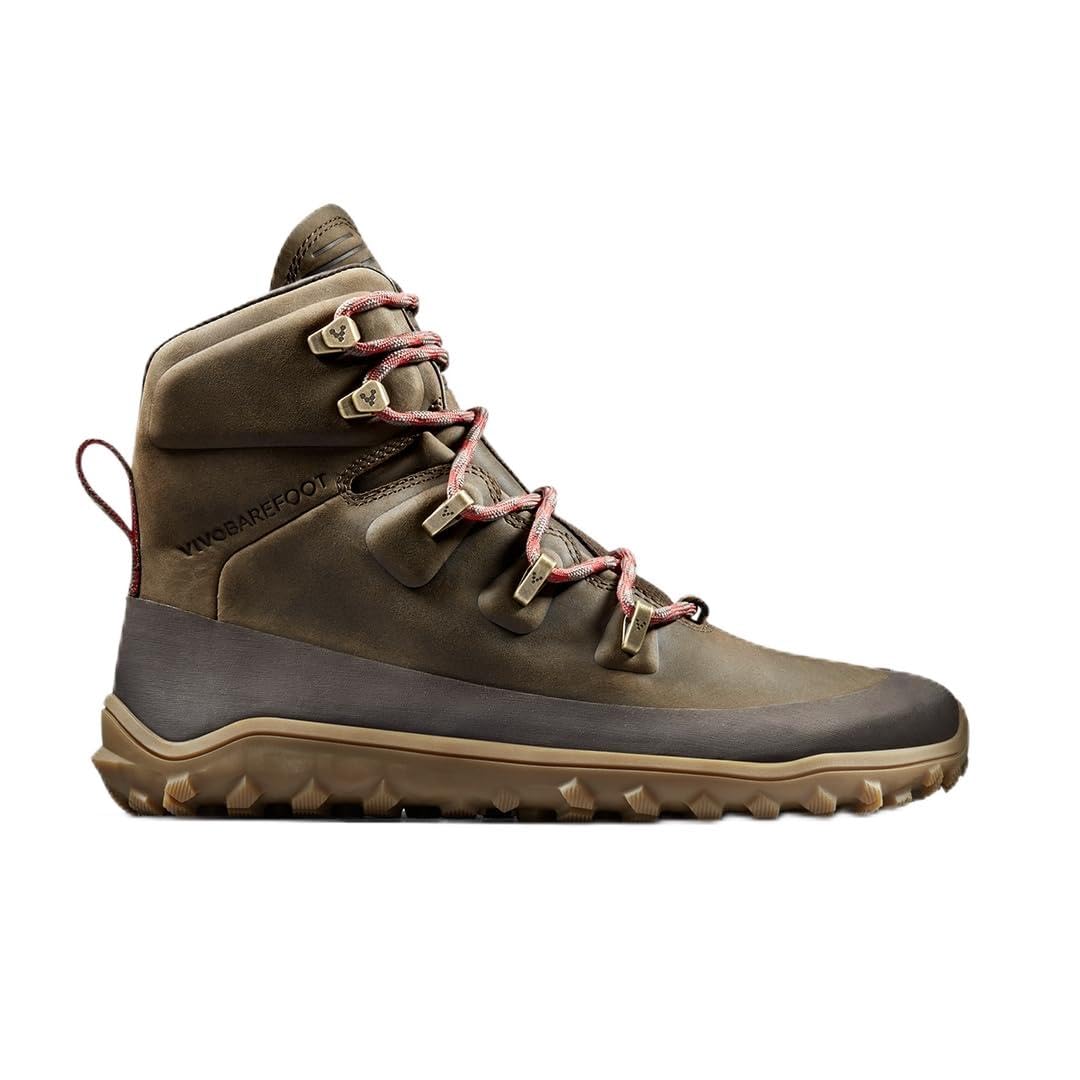
The Vivobarefoot Tracker Leather is the boot that convinced me leather uppers belong in the barefoot category. The 14mm stack height delivers sharp ground feel while the full-grain leather and sealed seams provide genuine waterproofing—not just DWR spray. Owners report excellent grip on wet rock and loose terrain thanks to the proprietary outsole compound that uses thin, flexible lugs rather than chunky blocks.
Multiple verified buyers noted zero break-in time and immediate comfort for 5-6 mile hikes straight out of the box. The wide anatomical toe box allows full splay while the heel pocket locks down securely, eliminating the heel slip that plagues minimalist boots. Users with previous knee pain reported complete relief on descents because the zero-drop platform engages the posterior chain.
One reviewer did report an eyelet ripping after a week and experienced inconsistent customer service response. However, the overwhelming majority of users—including desert hikers using them in multiple national parks—praise the construction quality, lightweight feel, and balanced protection-to-ground-feel ratio. This is the boot for technical terrain where you need both sensory feedback and weather defense.
Why it’s great
- Genuine waterproofing without a membrane that restricts breatheability
- Excellent traction on wet rock and steep, loose slopes
- Responsive ground feel with sufficient protection for rocky trails
Good to know
- Eyelet durability may be an issue for some units
- Requires an adjustment period if you’re used to heavily cushioned boots
2. ALTRA Men’s Lone Peak 9 Trail Running Shoe

The Lone Peak 9 is the rare shoe that balances a wide toe box with moderate cushioning, making it an ideal entry point for those transitioning from traditional hiking shoes to zero-drop footwear. The 25mm stack is considerably thicker than the rest of this list, but ALTRA’s FootShape toe box is genuinely anatomical, measuring over 100mm across the splay zone in a size 10—enough space for your toes to spread naturally.
MaxTrac rubber provides excellent grip across mud, gravel, and rock, and users consistently report stable footing on snow and ice. Multiple long-term owners have called it their best trail shoe ever, noting improved durability over previous versions after hundreds of kilometers. The wide fit accommodates orthotic arch supports easily, and zero-drop geometry eliminates the ramp effect that compresses toes in traditional shoes.
One common caution: the shoe runs slightly large. Several verified buyers recommend sizing down half a size, especially if you plan to wear it without thick socks. The 10.5 Wide variant reportedly feels oversized, so standard width or a half-size down is the safer choice. For long-distance hikers or all-day standing, this is the most forgiving barefoot-adjacent option on the market.
Why it’s great
- Generous anatomical toe box for natural splay without cramping
- MaxTrac outsole delivers reliable traction on varied terrain
- Moderate cushioning provides a smoother transition for newcomers
Good to know
- Runs large; consider sizing down half a size
- Stack height is high for purists seeking maximum ground feel
3. Xero Shoes Men’s Mesa Trail II Barefoot Trail Run Shoes

The Mesa Trail II exemplifies what a dedicated barefoot trail shoe should be: a thin, flexible platform that lets you feel the trail without punishing your feet. The 11.5mm FeelTrue® sole (including a 3.5mm removable insole) is extremely flexible—you can roll it into a tube—allowing your foot’s intrinsic muscles to activate naturally. Owners report walking 2,500 miles per year in these and forgetting they’re wearing shoes.
One dedicated reviewer logged 178 miles over two months and noted minimal wear: only one lug had worn down by 1/8 inch. The wide toe box fits well for most, though sizing can be inconsistent between colorways and models—a verified buyer found the size 13 in Sunset too small while the size 14 Mesa II was long in the toe box. The outsole grips well on dry trail and rock but is slippery on greasy indoor surfaces.
On the durability front, one multi-year Xero customer reported a quality decline, with tread wearing through to holes in the Vibram layer and lacing strap breakage under 1,000 miles. This suggests batch variability. For day hikes and smooth-to-moderate single track, the Mesa II delivers exceptional ground feel at a mid-range entry point, but heavy users may want to monitor the outsole wear pattern.
Why it’s great
- Extremely flexible sole for maximum proprioceptive feedback
- Lightweight construction for fatigue-free long days
- Excellent trail traction on dry conditions
Good to know
- Sizing varies between models; order carefully and be ready to return
- Durability may be inconsistent across recent production batches
4. Vibram Women’s FiveFingers V-Trek
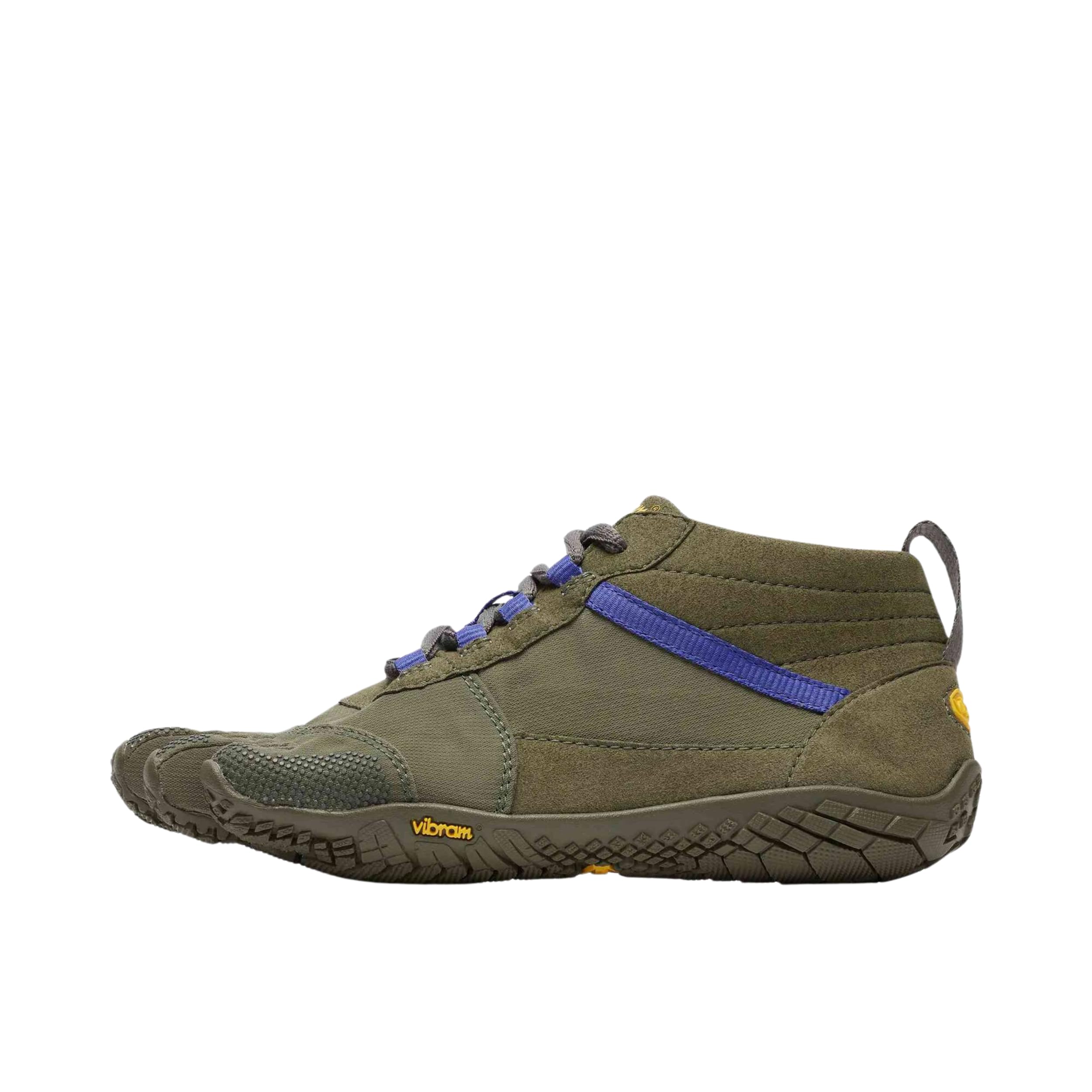
The V-Trek represents the purest barefoot experience on this list because individual toe pockets allow each digit to move independently, directly engaging the proprioceptive nerves in the toe pads. At only 5 ounces per shoe, they’re the lightest option here, and the 4mm sole (with a 3mm insole) delivers the lowest stack height of any product reviewed. Verified hikers report that the ground feel eliminated their downhill knee pain and noticeably improved balance on uneven terrain.
Multiple long-term owners have used their V-Treks weekly for two years with excellent durability. The rubber outsole uses Vibram’s proprietary tread pattern that provides grip on muddy, slippery trails. The open design means feet get wet crossing streams, but they dry quickly—a feature rather than a flaw for warm-weather hiking. One reviewer found the seam thread snagged on bramble but confirmed it was repairable with a simple stitch.
The main drawback is sizing: the V-Trek runs small, and several buyers found the ankle opening too snug, causing blisters on the Achilles. Toe socks are strongly recommended to prevent friction between the toe pockets and skin. A small number of users reported stitches failing on the lacing packet after the second hike. For those who want the closest possible sensory connection to the trail, the V-Trek is unmatched, but it demands a committed transition period.
Why it’s great
- Individual toe pockets enable maximum sensory feedback and mobility
- Ultra-lightweight at 5oz per shoe reduces fatigue
- Proven to eliminate downhill knee pain and improve balance
Good to know
- Sizing runs small; order up and pair with toe socks to prevent blisters
- Stitching on lacing packet may fail early for some units
5. Astral Men’s Loyak Shoes
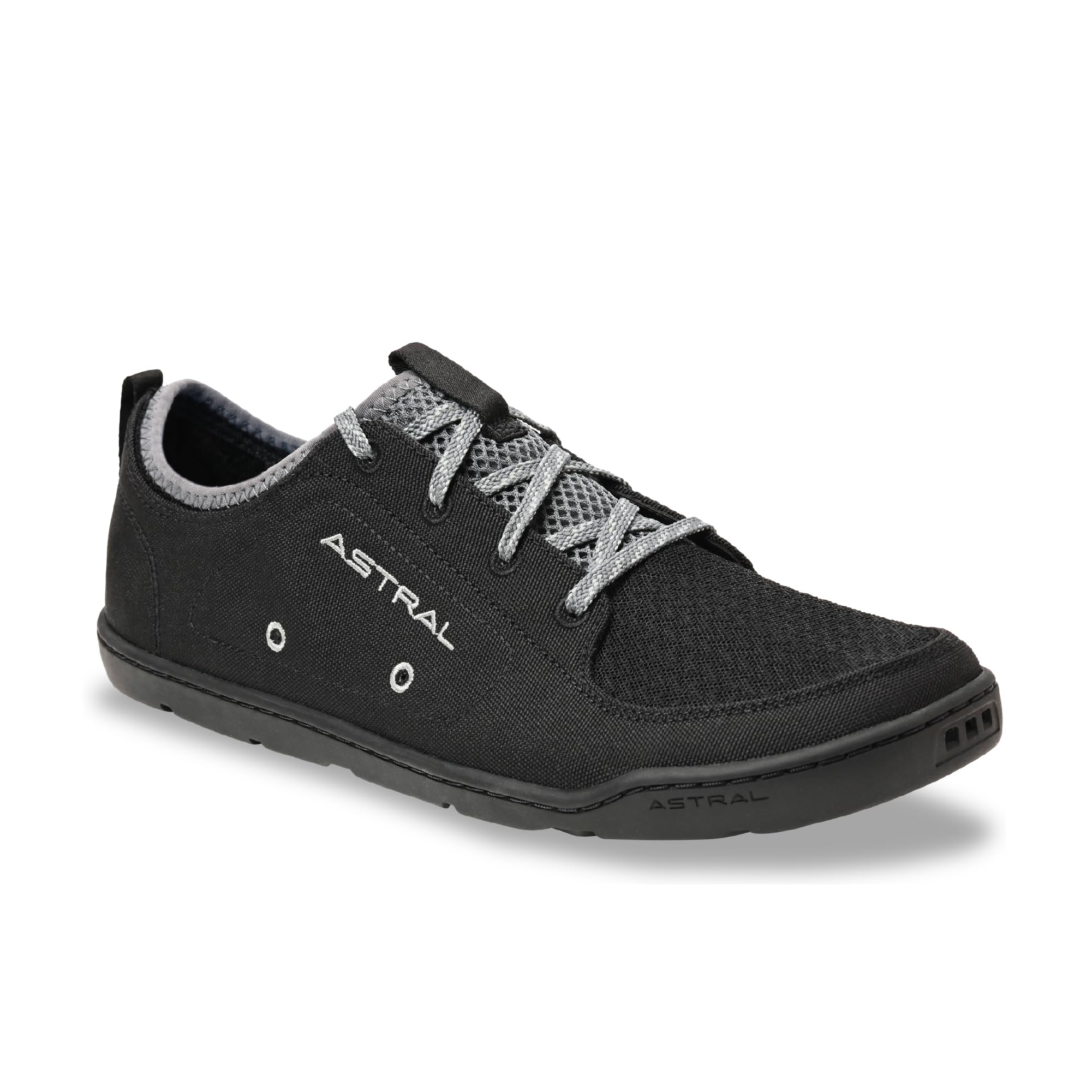
The Astral Loyak breaks the mold by designing specifically for water contact: siped rubber (thin slits cut across the sole) provides ice-tire-like grip on slick, mossy rock, while drainage holes let water exit immediately after submersion. Paddleboarders report that this shoe extended their stability angle from 30° to 45° on wet boards. The wide toe box accommodates larger feet, with one size 12 user calling the fit perfect for sailing.
The construction uses a mesh upper that dries quickly but does collect seeds and sand, and some users found that wearing them wet for 11+ hours could rub toes raw. The removable insoles make cleaning straightforward. Multiple kayakers praised the grip on river rocks and the secure lace system that stays tied. One long-term river user reported the shoes survived significant abuse but had to kick them off once when a foot got entrapped—a testament to how well they stay on.
The Loyak runs large; most buyers recommend ordering a full size down. While the quick-drying mesh is a strength for amphibious use, it means the shoe can take days to fully dry if saturated to the core, which can lead to dampness blisters on multi-day water trips. For hybrid use—travel, water sports, casual hiking—the Loyak is the most functional crossover on the list, but its niche is wet, not dry, terrain.
Why it’s great
- Exceptional wet-surface grip from siped rubber sole
- Drainage holes and quick-drying mesh for amphibious use
- Removable insoles for easy cleaning after sandy hikes
Good to know
- Runs large; order a full size down
- Can take days to fully dry if saturated to the core
6. JIM GREEN Men’s Barefoot African Ranger Boots

The JIM GREEN African Ranger is a stitch-down constructed boot made from full-grain leather, offering a barefoot experience with work-boot durability. The wide toe box is genuinely round—not anatomical but spacious—allowing your toes to spread freely. The outsole is soft and grippy, and the stitch-down construction means it can be resoled, making this a multi-year investment rather than a disposable purchase. Verified owners praise the high-quality leather and clean stitching.
The boot is designed for no insoles; adding them causes ankle pain and squeezing. One experienced buyer removed the insoles and reported perfect barefoot comfort, foot muscle exercise, and proper ankle fit. The leather-lined interior prevents odor buildup. However, the break-in period is long—one owner reported significant blisters before the leather softened to match their foot shape.
The volume is high, and the round toe box isn’t as foot-shaped as anatomical lasts from Vivobarefoot or ALTRA. The laces are tricky to adjust, and the heel can feel loose for narrow-ankled users. For rugged terrain where you need leather protection, resoleability, and a true zero-drop platform, the African Ranger delivers unmatched value for the build quality. Just plan for a break-in process and skip the insoles.
Why it’s great
- Stitch-down construction allows resoling for extended lifespan
- Full-grain leather provides excellent durability and weather resistance
- Removing insoles delivers genuine barefoot experience without ankle pain
Good to know
- Long break-in period; expect blisters before leather softens
- Round toe box is spacious but not foot-shaped like anatomical lasts
7. ALTRA Women’s Lone Peak 8 Trail Running Shoe
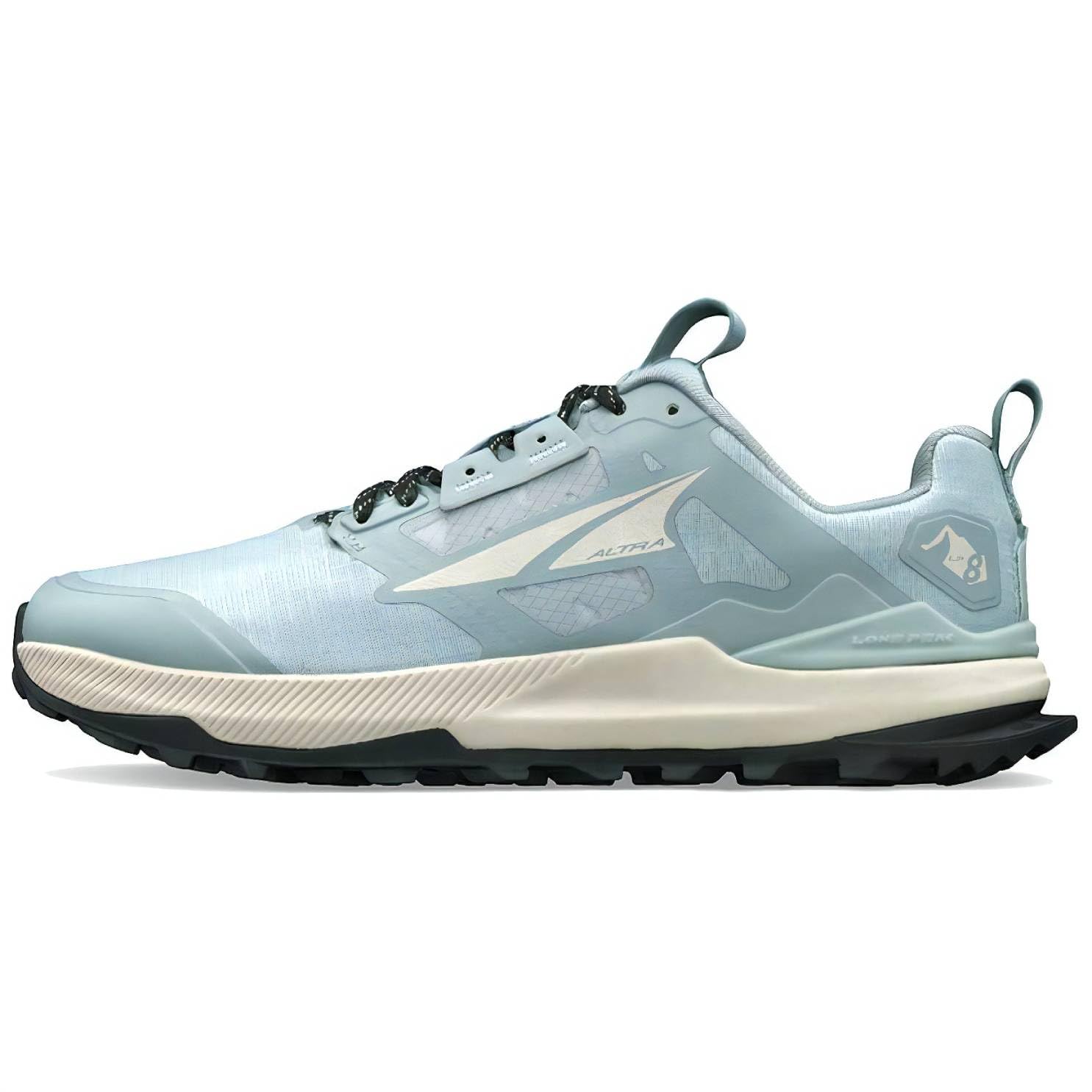
The Lone Peak 8 has developed a cult following among female hikers because the FootShape toe box eliminates the hiker’s toe—the chronic jamming of toes against the front of the shoe on steep descents. Multiple users report this shoe completely resolved foot pain on rocky, technical hikes, and several have bought six or more pairs over the years, attesting to the consistency of the fit. The MaxTrac outsole grips loose dirt and rock with confidence.
The shoe comes straight out of the box comfortable, with zero break-in required. Verified buyers have used them for five-week cruise excursions without any discomfort. The toe guard protects against stubs, and the Velcro tab at the heel accommodates gaiters for scree or snow. The slate denim color option hides trail stains well, which is a practical benefit for frequent users.
One minor drawback: the durable mesh upper can wear through at the flex points over very high mileage, and the midsole compresses faster than heavier boots. A small number of users found the standard width still narrow for truly wide feet, though the wide variant is available. For women seeking a zero-drop, wide-toe-box trail shoe that works out of the box for everything from day hikes to multi-pitch scrambles, the Lone Peak 8 remains a benchmark.
Why it’s great
- FootShape toe box eliminates hiker’s toe on steep descents
- Excellent out-of-box comfort—no break-in required
- Velcro gaiter attachment adds versatility for alpine conditions
Good to know
- Mesh upper may wear through at flex points under high mileage
- Standard width may still be too narrow for extra-wide feet
8. New Balance Men’s MT10V1 Minimus Trail Running Shoe
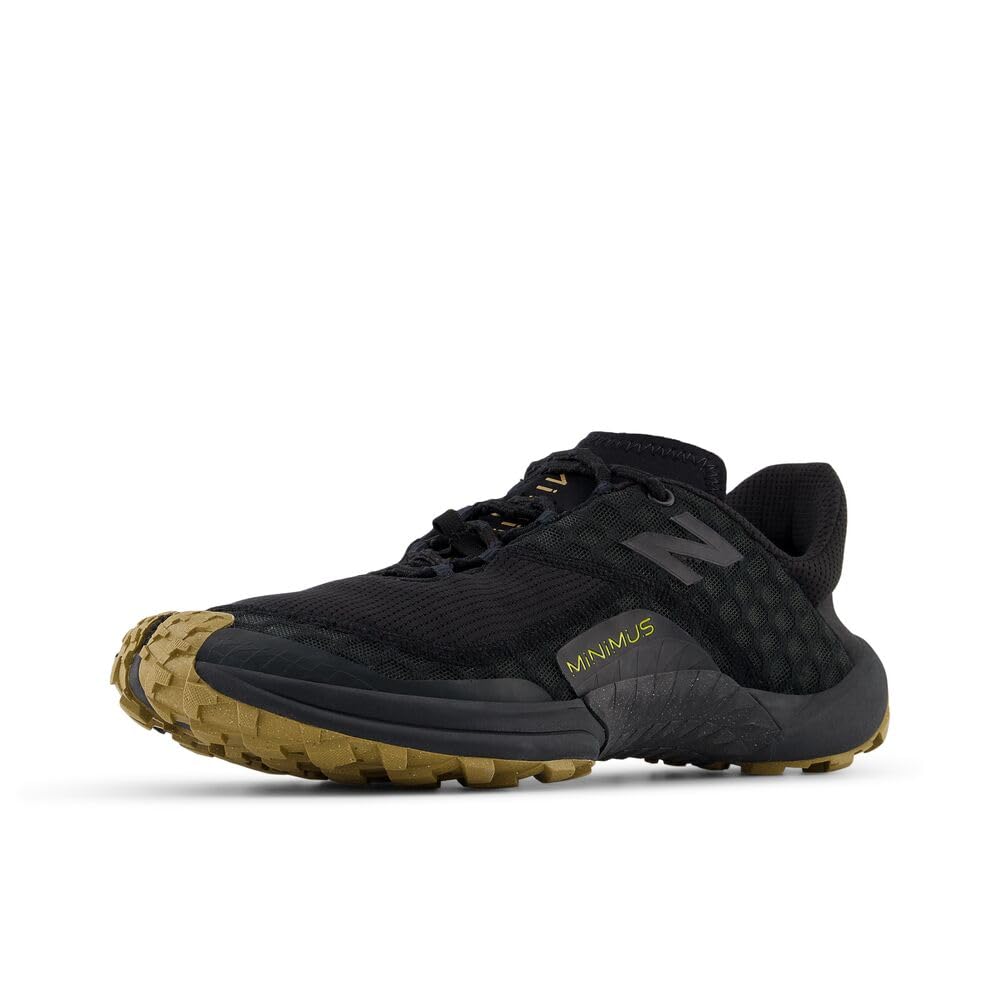
The Minimus MT10v1 is a legendary entry point into barefoot hiking—an extremely lightweight trail shoe (6.6 ounces) with a flexible Vibram sole that provides ground feel without being completely flat. Multiple verified buyers praise its comfort, durability, and excellent traction on smooth trails. The shoe feels almost barefoot, with minimal padding that transmits trail texture clearly while offering enough protection for summer and rain conditions.
One long-term user noted that the shoe is very narrow inside—unsuitable for wide feet—and that pointy rocks are felt through the sole. This is a shoe for smooth, non-technical trails where the priority is ground feel and weight savings. The breathable upper sheds water and heat quickly, making it a warm-weather specialist. The low arch support forces your foot to self-arch, which is the whole point for barefoot converts.
The main concern: this model has been discontinued in certain sizes, and availability is inconsistent. The design looks similar across New Balance’s trail lineup, which some users considered a minor quibble. For budget-conscious buyers who want to dip their toes into barefoot hiking without a large investment, the MT10v1 offers a proven platform—but only if your foot is on the narrow side and you stick to groomed trails.
Why it’s great
- Extremely lightweight at 6.6oz reduces fatigue on long days
- Flexible Vibram sole provides excellent ground feel
- Breathable upper dries quickly after wet conditions
Good to know
- Very narrow fit; unsuitable for medium or wide feet
- Discontinued in some sizes, making availability spotty
9. Xero Shoes Women’s HFS Original Barefoot Running Shoes
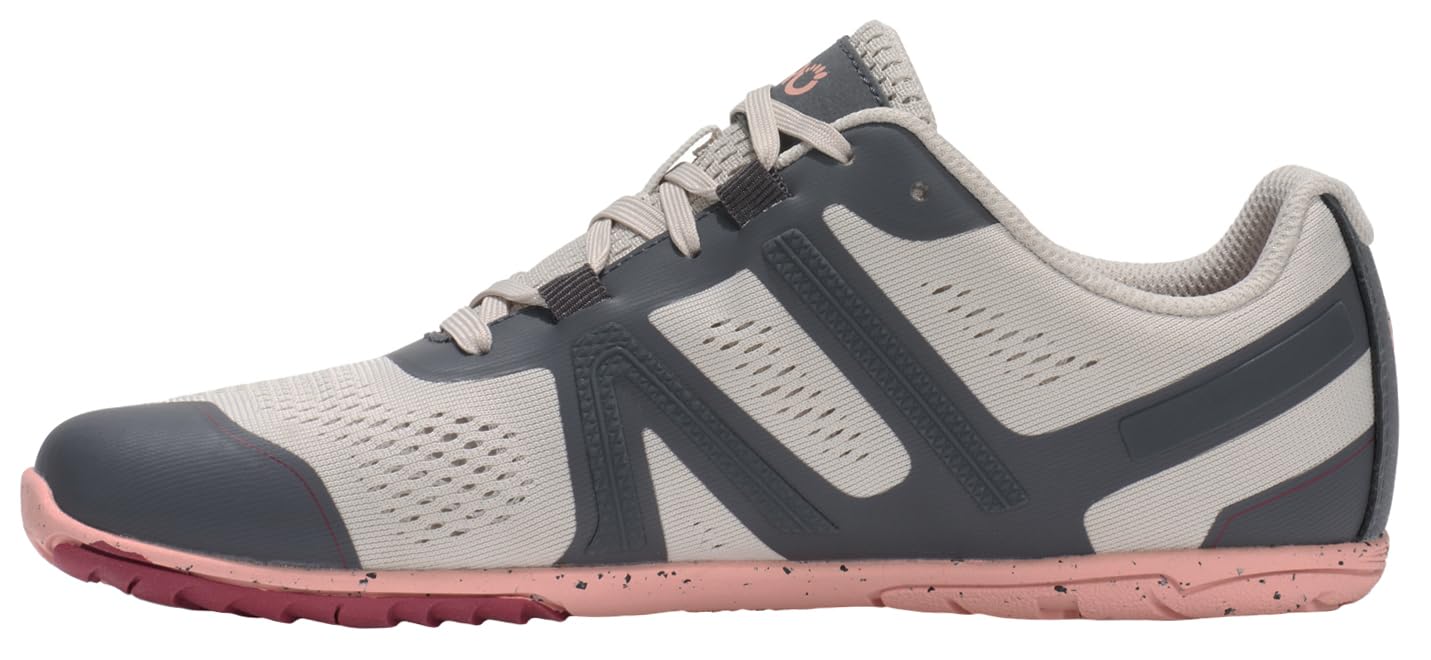
The HFS Original is Xero’s road-to-trail crossover, designed with an extremely flexible sole that allows natural foot bending. One dedicated user logged 720 miles in 100 days and reported that the shoe eliminated all foot pain after a decade of chronic discomfort. The wide toe box has no seams, which resolves bunion irritation and supination issues by allowing even weight distribution across the forefoot.
Multiple buyers found the shoe comfortable for all-day wear, including nine-mile days at theme parks with zero blisters—thanks to the flexible mesh upper that doesn’t rub. The wide toe box also reportedly accelerates muscle recovery after long hiking days. However, the thin sole offers zero cushioning on concrete, which caused knee and Achilles pain for one runner doing daily training of half-marathon distance. The letters on the upper wore off after day one, which is cosmetic but notable.
This is not a shoe for technical rubble or long-distance road running. It shines as a lightweight, flexible barefoot shoe for daily wear, 5K runs, and smooth trail hiking. The sizing runs small—most buyers recommend ordering half a size larger (size 10 for a usual 9.5). For those transitioning from conventional shoes to barefoot, the HFS Original provides enough sole flexibility to force proper foot mechanics without the extreme minimalism of FiveFingers.
Why it’s great
- Extremely flexible sole allows natural foot bending and muscle engagement
- Seamless wide toe box alleviates bunion pain and supination issues
- Reportedly eliminates blisters even on 9-mile walking days
Good to know
- Zero cushioning causes knee pain on concrete for long-distance runs
- Runs small; order half a size larger for proper fit
FAQ
How long does it take to transition to barefoot hiking shoes?
Can I wear barefoot hiking shoes on rocky, technical trails?
Do barefoot hiking shoes wear out faster than traditional boots?
Final Thoughts: The Verdict
For most users, the barefoot hiking shoes winner is the Vivobarefoot Tracker Leather because it balances waterproof leather protection with genuine 14mm ground feel and excellent wet-rock traction. If you prioritize a wide toe box and forgiving cushioning for long miles, grab the ALTRA Lone Peak 9. And for amphibious use where you need siped rubber grip on wet rock, nothing beats the Astral Loyak.