
Our readers keep the lights on and my morning glass full of iced black tea. As an Amazon Associate, I earn from qualifying purchases.
Specs are compiled from manufacturer listings and verified buyer reviews and can change over time — please confirm the key details on the product page before buying.
Living with an irregular heartbeat means constantly asking the same question: is this palpitation normal, or something to call the doctor about? A personal cardiac monitor answers that in about half a minute, right from your living room, and turns a vague worry into a clear yes or no you can share with your cardiologist.
I’m Min — the founder and writer behind Gadgets Feed. This guide is built by comparing the manufacturers’ published specifications and the patterns across verified customer reviews, so you get each pick’s real strengths and trade-offs instead of marketing spin.
if you need a chest strap for serious training or a pocket EKG for confidence, the right choice depends on your goal. We break down the top choices for a cardiac monitor by accuracy, ease of use, and real-world reliability.
Our Picks at a Glance


How To Choose The Best Cardiac Monitor
The first fork in the road is deciding whether you’re a patient or an athlete — the right device for one is often wrong for the other. A chest strap tracks your pulse during a run; a hand-held EKG captures an actual electrical snapshot of your heart rhythm on demand.
Training strap vs. medical EKG
Training straps read your heart rate continuously and stream it to a watch or phone — perfect for zone training, but they don’t record a rhythm strip. Personal EKG monitors record a real electrocardiogram trace you can email to a doctor, which is what matters if you’re chasing palpitations or AFib.
Lead count decides the detail
A 1-lead EKG gives a single electrical view — enough to spot AFib. A 3-lead or 6-lead device captures more angles of the heart’s electrical activity, which helps your doctor tell apart conditions like tachycardia from bradycardia with more confidence. More leads mean more diagnostic detail, but also a higher price.
Compatibility and battery realities
Check that the monitor pairs with your phone’s operating system, not just the brand’s own app. Battery life varies wildly — a strap might run off a button cell for up to a year, while an armband with a rechargeable pack needs topping up every few weeks. Match the maintenance to your tolerance.
Quick Comparison
| Model | Best For | Type | Battery Life | Weight | Amazon |
|---|---|---|---|---|---|
| Garmin HRM Pro Plus★ Best Overall | Garmin ecosystem athletes | Chest Strap | Up to 1 year | 1.8 oz | Amazon |
| OVIIN Portable HR MonitorBudget Champion | Budget home spot-checks | Hand-held EKG | 500 uses per charge | 27.22 g | Amazon |
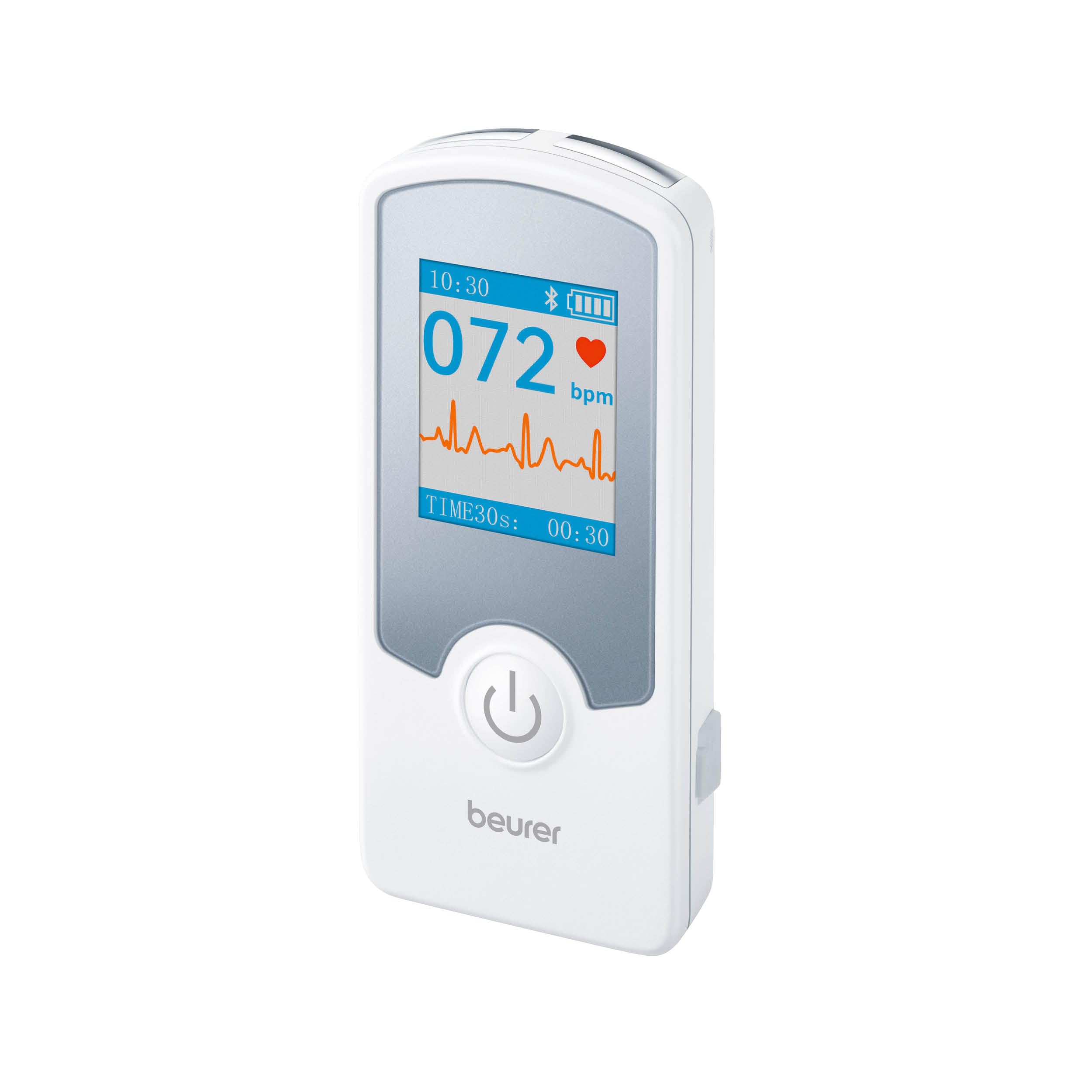
| Beurer Cardio CompanionEasy 3-Lead Pick | FDA-cleared 3-lead checks | Hand-held EKG | Rechargeable | 2.08 oz | Amazon |
| Polar H9 | Budget chest-strap reliability | Chest Strap | 400 hours | 60 g | Amazon |
| KardiaMobile 1-Lead | Pocket-sized AFib checks | Hand-held EKG | Up to 2 years | Less than 1 oz | Amazon |
| COROS HR Monitor | Chest-strap haters | Armband | 38 hours | 50 g | Amazon |
| EMAY Portable ECG | No-subscription EKG detail | Hand-held EKG | Rechargeable | 80 g | Amazon |
| Polar H10 | Maximum strap accuracy | Chest Strap | 400 hours | 60 g | Amazon |
| KardiaMobile 6-Lead | Doctor-grade home detail | Hand-held EKG | 200 hours | 24 g | Amazon |
In‑Depth Reviews
1. Garmin HRM Pro Plus
Our pick — over 4.5★ from 7,500+ verified ratings; the strongest balance of quality and price.
The training strap that finally outlasts the rust — and reads your heart through a kettlebell swing.
The defining feature here is reliability, with owners praising the strap’s dependable quick connection and easy battery swap via a tool-free quarter-turn door. That door solves the old Garmin complaint of rusted screws, which a former HRM Tri user highlighted after the older model broke — this one held up through 1.5 years of daily use, including accurate heart-rate reads during weights and kettlebell work that wrist sensors miss.
Beyond raw accuracy, the strap captures running dynamics like vertical oscillation, ground contact time, and stride length, then computes pace and distance for treadmill or indoor track workouts. It stores heart-rate data during swimming or other activities out of range of your watch, then automatically sends it to your compatible Garmin device when the session ends — a lifesaver for pool training.
Battery life stretches up to 1 year on the CR2032 cell, and the module is no wider than the soft strap itself, which is 1.8 ounces and 23.62 inches long. The catch is ecosystem lock-in: it’s built for Garmin devices and the Tacx Training app, so it’s the wrong pick if you live outside that world. The crowd favorite for serious athletes — with nearly 8,000 owners behind it, the consensus is clear.
Why buyers rave
- Reliability stands out — over 130 owners single it out as the top trait
- Accurate during weights and kettlebell where wrist sensors fail
- Easy CR2032 battery swap with no rusted screws
- Onboard storage for swim heart-rate data
Two honest watch-outs
- Best value only inside the Garmin ecosystem
- Running dynamics may not record on all watches like Venu 3s
Reach for this if: you train hard in the Garmin world and want heart-rate data a wrist sensor can’t deliver.
Look elsewhere if: you don’t own a Garmin watch — the advanced features won’t open up.
2. OVIIN Portable Heart Rate Monitor
A 27-gram pocket EKG that gives cardio-level confidence without the cardio-level price tag.
For those who want an affordable second opinion at home, this monitor captures high-accuracy heart-rate data in just 30 seconds using your hand, ankle, or chest — whatever’s most convenient at the moment. The compact 1-inch OLED screen shows rhythms instantly, so you don’t even need your phone nearby for a quick check.
The smartphone app records results, lets you track trends, and shares reports with your doctor — a workflow that saved several buyers multiple medical visits. At 27.22 g, it’s genuinely pocket-sized, and one charge supports 500 uses, which translates to months of daily spot-checks. Accuracy gets the most praise here, with owners calling it on par with far more expensive brands.
The honest caveat is quality control: one unit failed to hold a charge for 24 hours while a sibling’s identical unit worked flawlessly, and the customer service response was lacking. That inconsistency means it’s a cautious recommendation rather than a slam dunk — but for the price, it’s a legitimate way to start tracking heart rhythm at home.
Solid value: Accurate 30-second reads and app-based tracking make it a genuine budget entry point — just know a rare lemon slips through.
Best for: first-time buyers who want an affordable, app-connected way to check heart rhythm at home.
Think twice if: you need dependable long-term daily use — the battery consistency is a known weak spot.
3. Beurer Cardio Companion EKG Monitor
A 2.08-ounce, German-engineered EKG that slips into a bag and reads your rhythm in 30 seconds.
With FDA clearance backing its accuracy, the Beurer ME75 measures heart rhythm in under 30 seconds and shows real-time results on a bright color display. It offers four measuring methods — hand-to-hand is recommended, but hand-to-wrist, hand-to-leg, and hand-to-chest all work, giving flexibility for different body types and situations.
The device stores up to 100 readings locally and unlimited readings through the free mini ECG app via Bluetooth — and the app is optional, so you can use it standalone without any subscription. Caregivers especially rave about it: one flagged a symptom-free AFib friend with a quick, accurate read, calling it “extremely convenient and fast.” Ease of use is the trait buyers mention most, and the rechargeable battery tops up via USB-B.
Two caveats keep it from perfection. The rhythm analysis can take a while to lock a clean reading, and managing saved EKGs is clunky — you can’t delete a single record or rename a lead, which makes it awkward for two people to share. It’s also not suitable for anyone with pacemakers or metal implants, so those users must look elsewhere.
Genuinely portable: FDA-cleared 3-lead accuracy in a package light enough to carry anywhere — just don’t plan on sharing it with a partner.
Choose this if: you want an FDA-cleared 3-lead EKG that’s genuinely travel-friendly and app-free.
skip it if: two people need to use the same device, or you have a pacemaker.
4. Polar H9 Heart Rate Sensor

The budget-friendly Polar strap that brings gold-standard tracking to any HRM-compatible device.
Polar H9 delivers the brand’s high-accuracy sensing at a friendlier price point, and it works with ALL HRM-compatible equipment — so it pairs just as happily with third-party apps as with Polar’s own. The soft strap, built from 38% polyamide, 29% polyurethane, 20% elastane, and 13% polyester, is the trait owners praise most for daily comfort.
Battery life hits 400 hours on a CR2025 button cell, and the sensor weighs just 60 g, keeping it unobtrusive during workouts. Owners who switched from a Garmin HRM Dual report no corrosion, a more sturdy build, and faster pairing without needing to wet the strap — a meaningful upgrade in day-to-day convenience.
The reliability story is genuinely mixed, though. A large share of long-term feedback points to disconnects developing after a couple of months, with one unit failing just past the return window. The strap also tends to slide down on buyers with larger lats, and some have resorted to DIY silicone grip mods or a premium Polar Pro strap to fix it. It’s a great budget entry into Polar’s ecosystem, but you’re gambling on longevity.
Soft and smart: The comfort and cross-device compatibility win people over — but the disconnect reports mean it’s not the durability king.
Reach for it if: you want a budget Polar strap with the gold-standard accuracy reputation.
Look elsewhere if: you need rock-solid long-term reliability — the mixed connectivity history says otherwise.
5. KardiaMobile 1-Lead EKG Monitor
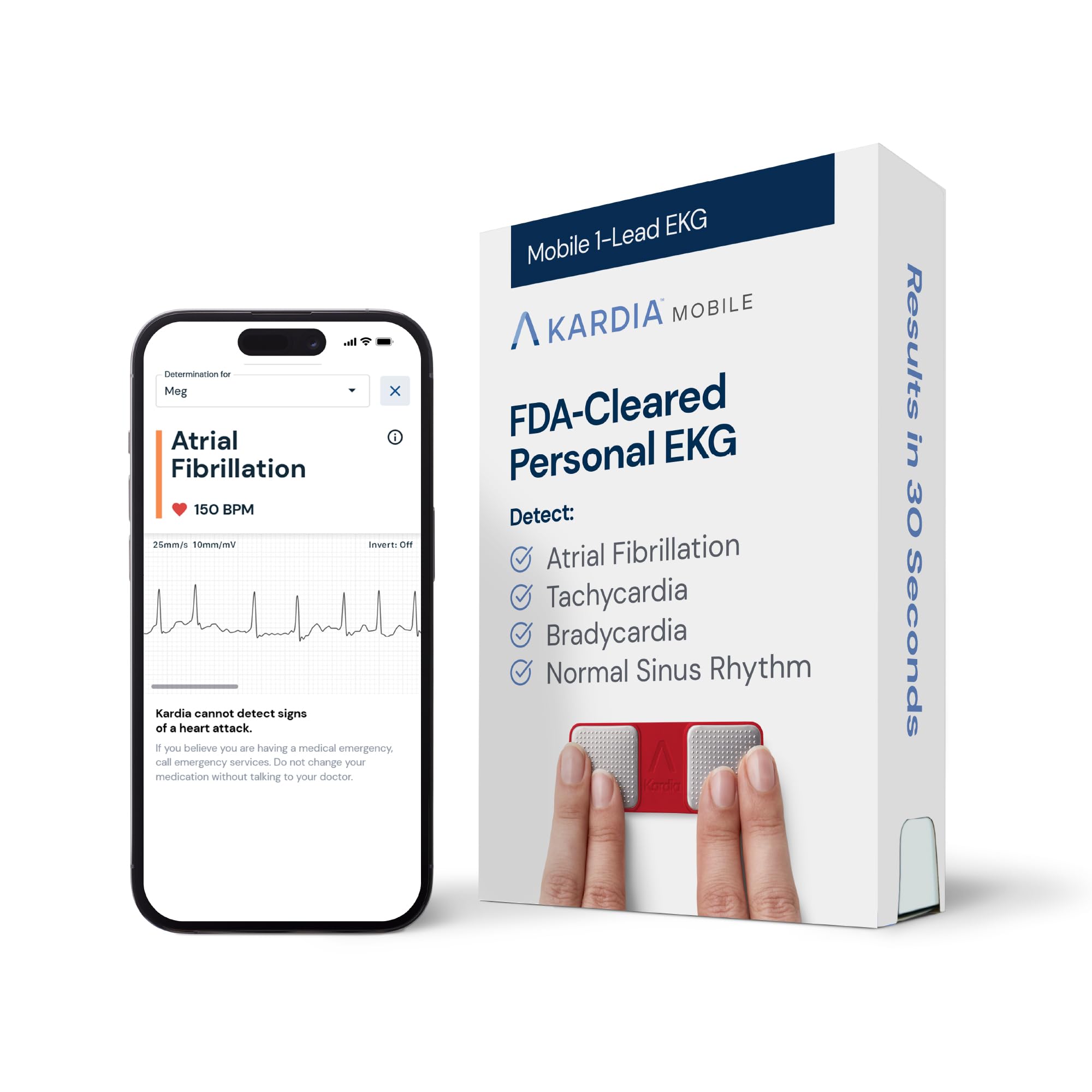
The cardiologist-favorite, sub-ounce EKG that detects AFib with zero subscriptions required.
This is the most recommended personal EKG brand on the market, and the 1-lead model captures a medical-grade electrocardiogram in 30 seconds flat. It detects Atrial Fibrillation, Tachycardia, Bradycardia, and Normal Sinus Rhythm, then displays easy-to-read results you can email straight to your doctor — and there’s no subscription needed for those core detections.
The setup is dead simple: no Bluetooth, no Wi-Fi, no cords. You rest your fingers or thumbs on the silver sensors near your phone, and the CR2016 battery lasts up to two years with 2-3 EKGs per day. Weighing less than 1 ounce, it’s small enough to keep on a keychain or in a pocket, which is exactly why owners buy it — one bought it for frequent heart flutters and found real confidence after it accurately detected AFib in a parent.
Owners overwhelmingly praise functionality and ease of use, but the catch is optional add-ons: detecting extra rhythms like PVCs costs extra via a KardiaCare subscription, and some buyers find the frequency of subscription prompts annoying. It’s a stellar entry point for AFib screening, but the deeper analysis comes at a price.
The strengths
- Functionality is the top praise — over 60 owners highlight it
- Weighs under 1 ounce; genuinely pocket-sized
- 30-second detection of AFib, tachycardia, and bradycardia
- No subscription needed for core heart rhythm checks
The trade-offs
- Extra arrhythmia detection requires a paid KardiaCare add-on
- Phone connectivity is hit-or-miss for some users
Not for: those who need detailed arrhythmia analysis without paying for the premium tier.
6. COROS Heart Rate Monitor
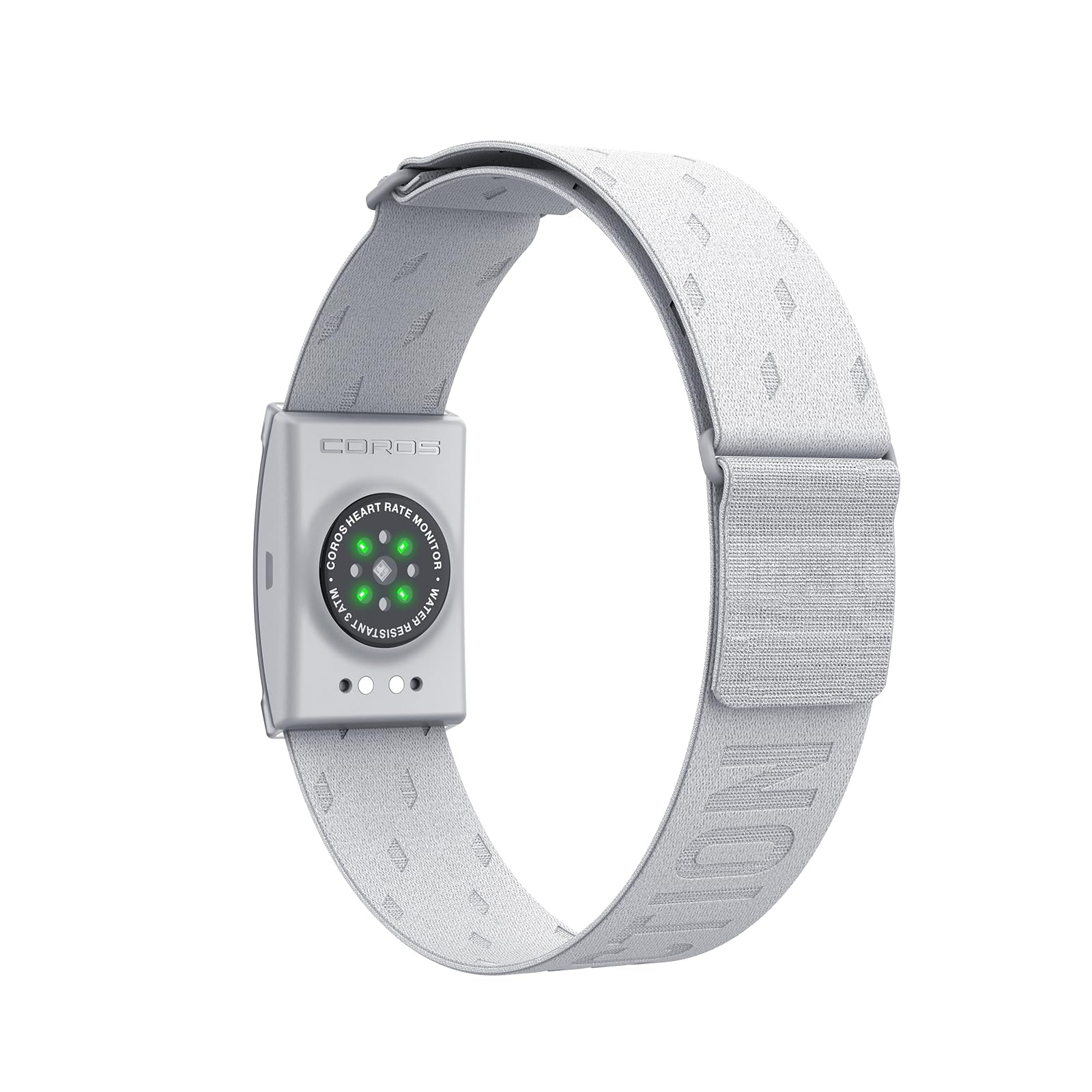
The armband that made chest straps obsolete for runners, with 38 hours of battery per charge.
If you hate the feeling of a strap around your ribs, this armband lays flat around your arm with a textured surface that locks in place via a sliding buckle. The advanced sensor delivers reliable, accurate heart-rate data, and owners say it matches a Polar chest strap’s precision — some even call it “super accurate” against an Apple Watch. Accuracy is the most-praised trait here, with over a hundred owners confirming it.
Battery life is a standout: 38 hours of full operation or 80 days of standby on a single charge, refilled in 2 hours via a magnetic cable. Built-in wear detection powers the device on and off automatically when you put it on, and it connects to up to 3 devices at once — so it pairs with a COROS watch, Strava on a phone, and a gym bike simultaneously.
The trade-off is the app. While accuracy and comfort earn five-star praise, the COROS companion app is limited to live heart-rate display and firmware updates, which frustrates some users. For full workout data, you’ll need third-party apps like ZonePoints, and one buyer returned the unit over this limitation. It’s a phenomenal sensor wrapped in a limited app experience.
Comfort champion: Armband convenience with chest-strap accuracy — just be ready to use third-party apps for real workout analysis.
Reach for this if: you want chest-strap accuracy without the chest strap, and you’re already comfortable with third-party fitness apps.
pass on it if: you want a single app to handle all your training data — the COROS app alone won’t do it.
7. EMAY Portable ECG Monitor

An 80-gram, Lead I ECG with a built-in display that needs no subscription to show clear tracings.
Where most pocket EKGs force you to read results on your phone, the EMAY has its own 1.8-inch display that shows the trace immediately — and it connects to both a PC via USB and a smartphone via Bluetooth for deeper analysis. Owners, including a physician and a 30-year medical device expert, call the trace quality excellent and the app easy, with multi-profile support for the whole household.
Accuracy is the trait buyers mention most, and the device detects rate and rhythm issues like arrhythmia, tachycardia, bradycardia, and PVCs, then exports high-resolution PDF reports you can send to your doctor. A built-in large-capacity rechargeable lithium battery keeps it running, and the PC software handles sample mode, time setting, case upload, and case review. There’s no subscription anywhere in the workflow.
Two flaws keep it from perfection. The micro-USB charging port feels dated, and the flush electrodes make connection tricky — owners found only 2 of 4 grip methods work reliably, with chest placement giving the cleanest results. The metal body at 80 g is heftier than the competition, but it’s a fair price for the standalone-screen convenience.
Doctor-friendly detail: Built-in display, PDF exports, and zero subscription costs make it a top value for home ECG screening.
Best for: households that want clear, shareable ECG reports on a built-in screen without paying a monthly fee.
Consider others if: you’re put off by micro-USB charging or need electrodes that grip easily on the first try.
8. Polar H10 Heart Rate Monitor
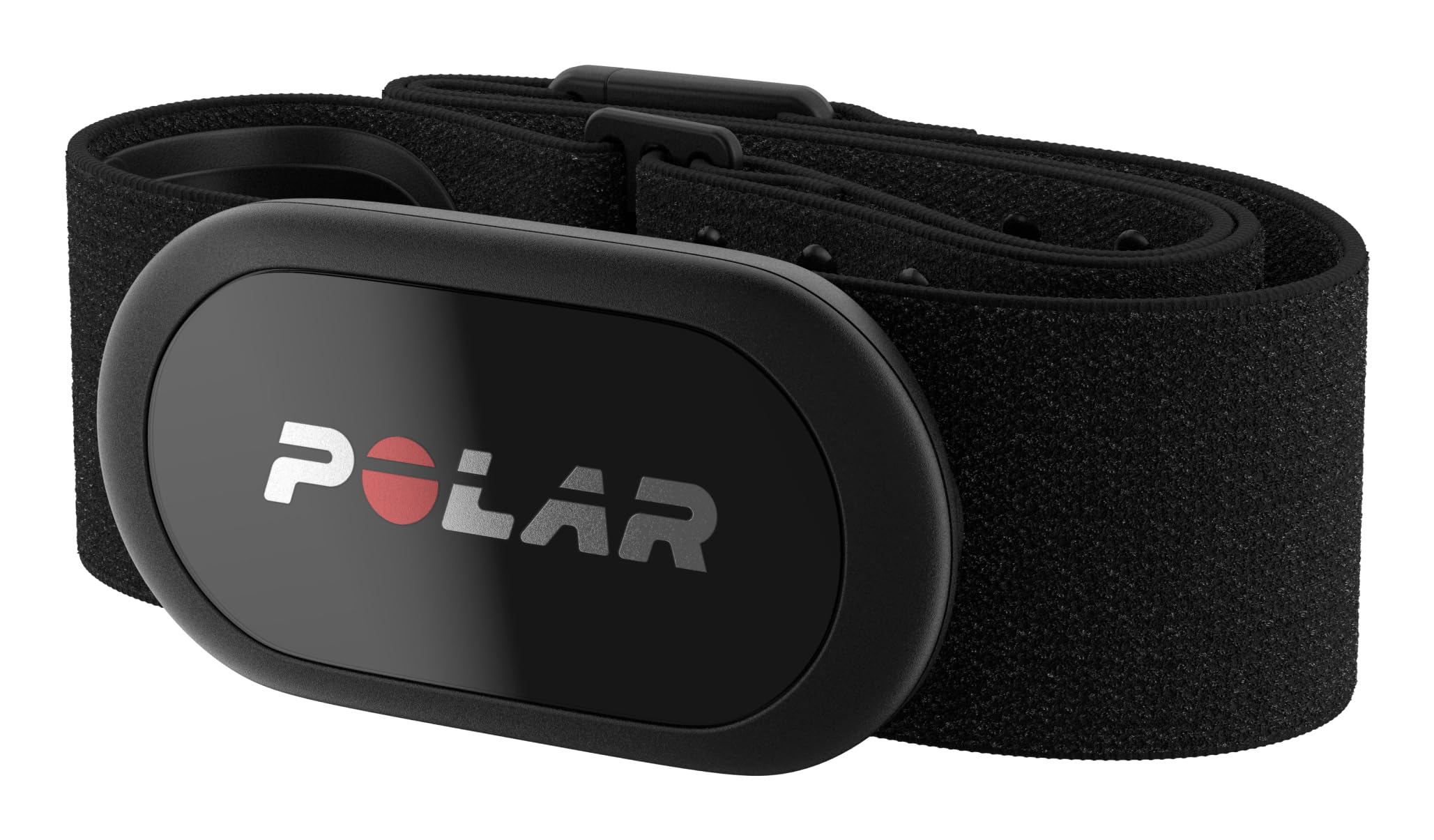
The gold-standard chest strap for accuracy obsessives, with dual Bluetooth plus ANT+ and 5 kHz.
Widely recognized as the most accurate heart-rate sensor in Polar’s history, the H10 delivers supreme precision across running, cycling, and weight training — owners measured 92.9% accuracy running, 99.3% cycling, and 95.3% lifting. It’s the strap researchers and serious athletes reach for when a wrist sensor’s margin of error won’t cut it. Accuracy is the top praised trait, with nearly 500 owners singling it out.
Connectivity is its superpower: Bluetooth, ANT+, and 5 kHz give an excellent variety of connection options, and you can run Bluetooth and ANT+ simultaneously, or two Bluetooth connections at once — perfect for broadcasting to a watch, a bike computer, and a phone simultaneously. The Polar Pro chest strap uses improved electrodes, an easy-to-use buckle, and silicone dots to stay comfortable and interference-free, while the sensor is waterproof to 30 meters with internal memory for one session.
The honest reality is a durability split. While thousands of owners adore the accuracy, a notable share report the strap failing after 8 months to 2 years, and connectivity issues cropping up over time — one called it “best accuracy but unreliable.” The CR2025 battery lasts 400 hours, but some report faster drain and recommend removing the battery between uses. It’s the accuracy king, but treat the strap as a consumable.
Why it’s the benchmark
- Accuracy is the top praise — nearly 500 owners highlight it
- Dual Bluetooth plus ANT+ and 5 kHz for multi-device broadcasting
- Waterproof to 30 meters with internal memory
- Silicone-dot Pro strap stays put and comfortable
The honest trade-offs
- Strap durability is the recurring gripe — failures reported between 8 months and 2 years
- Connectivity can degrade over time for some owners
Reach for it if: your training demands the most accurate heart-rate data money can buy.
Look elsewhere if: you want a set-and-forget strap — the H10 may need a replacement strap down the road.
9. KardiaMobile 6-Lead Personal EKG Monitor
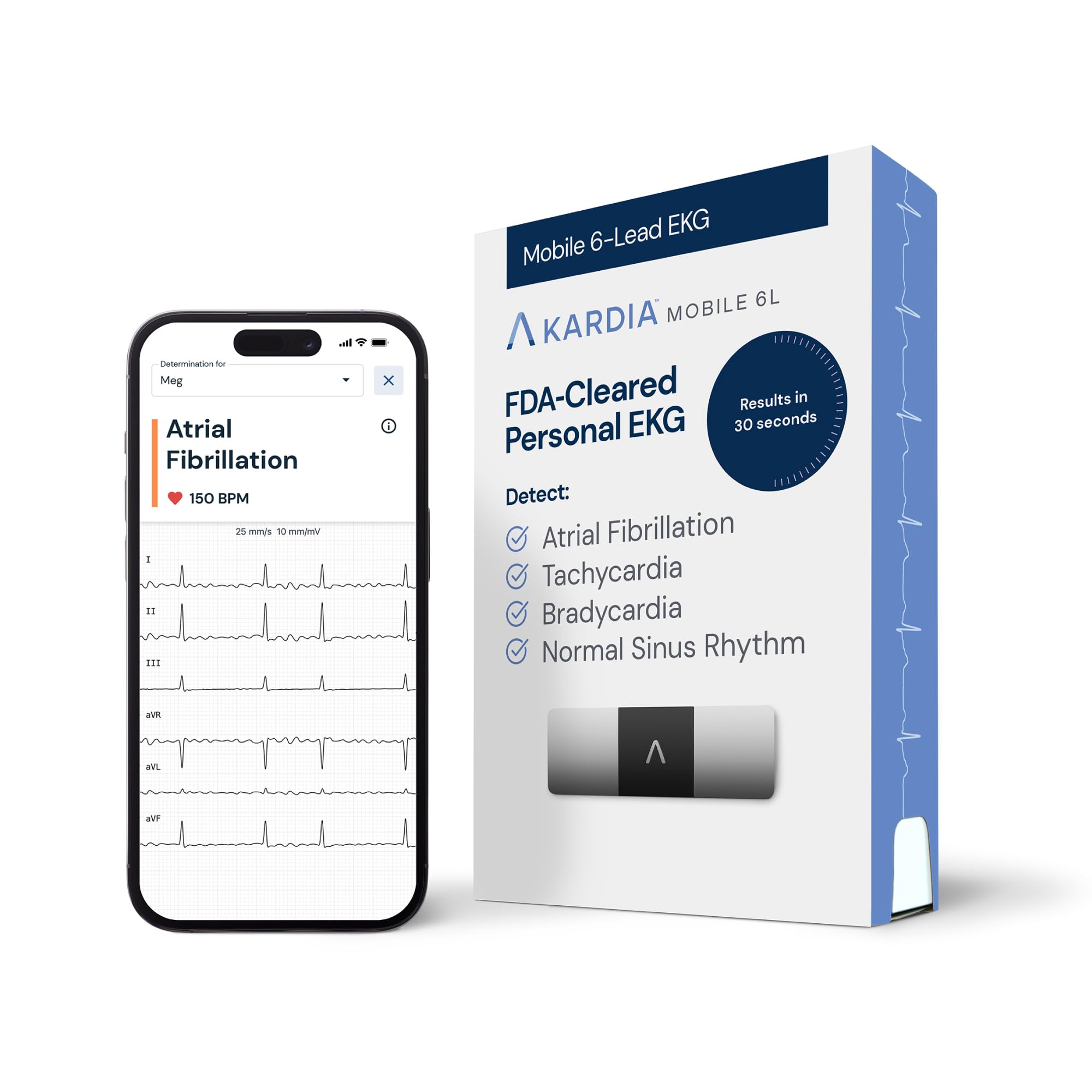
Six leads of data — a credit-card-sized EKG that finds arrhythmias a 1-lead misses.
This is the world’s first FDA-cleared six-lead personal EKG, and that extra data is the whole story. A 6-lead gives your doctor a more detailed electrical view of your heart, detecting AFib, Bradycardia, Tachycardia, and Normal Sinus Rhythm — and it can distinguish between atrial and ventricular rates in a way a 1-lead or a smartwatch simply can’t. Owners say it’s “clinically accepted” and easy enough for an 80-year-old to use unassisted.
At just 24 g and credit-card-sized, it records a 30-second EKG, exports it as a PDF with notes, and emails it to your cardiologist within minutes. Ease of use is the most-praised trait, with well over a thousand owners highlighting it — one bought it for an elderly mother and it helped her cardiologist identify an arrhythmia that had gone undetected until then. No subscription is required for the core four detections.
The frustration point is the paywall. While the basic readings are free, a KardiaCare subscription locks extra arrhythmia interpretation like PVCs and AV blocks, and owners find the constant subscription prompts annoying. A paramedic with 20+ years noted it lacks urgent warnings for serious conditions like third-degree heart block or V-tach — you won’t get a “call 911” alert. It’s a phenomenal screening tool when used with your doctor, not as a self-diagnosis device.
Why doctors love it
- Ease of use tops the praise — 1,300+ owners highlight it
- Six leads distinguish atrial vs. ventricular rate
- PDF exports with dictation notes email to a cardiologist
- Weighs just 24 g; truly pocket-sized
The honest limits
- Subscription needed for deeper arrhythmia interpretation
- No urgent warnings for dangerous rhythms like V-tach
- Requires practice to avoid muscle artifacts
Best for: anyone already under cardiologist care who wants clinically useful six-lead data at home.
Not for: self-diagnosis seekers — this is a collaboration tool, not a replacement for medical advice.
Understanding the Specs
Lead Count Matters
A “lead” is one electrical view of your heart. A 1-lead EKG captures a single angle — enough to spot AFib. A 3-lead adds more perspectives, and a 6-lead gives your doctor six views to distinguish conditions like tachycardia from bradycardia. More leads mean more data to share, but also a higher price tag. For serious home monitoring, a 6-lead is the balance.
Battery Type and Life
Chest straps often run on replaceable button cells like the CR2025, lasting 400 hours or up to a year of use. Hand-held EKG devices typically use rechargeable lithium packs that need weekly or monthly charging depending on usage. If you hate hunting for batteries, a rechargeable model is simpler; if you hate remembering to charge, a button-cell strap wins.
FAQ
What is the difference between a cardiac monitor and an EKG monitor?
Will a personal EKG monitor detect a heart attack?
Can I use a cardiac monitor if I have a pacemaker?
How long does a chest strap battery last?
Are these cardiac monitors FDA-cleared?
What is the difference between a 1-lead and a 6-lead EKG?
Do I need a subscription to use these monitors?
What does ANT+ mean and why does it matter?
Final Thoughts: The Verdict
For most buyers, the cardiac monitor winner is the Garmin HRM Pro Plus because it pairs class-leading reliability with running dynamics and a full year of battery life — the crowd favorite among serious athletes. If you want a doctor-grade EKG to catch AFib at home, grab the KardiaMobile 6-Lead for six views of your heart in a 24-gram package. And for the budget-conscious who want a no-subscription, pocket-sized ECG with a built-in screen, the EMAY Portable ECG is the one to reach for.
How We Picked
We do not accept paid placement. Every pick is matched to a real buyer and a real use-case; we do not hands-on test units.
Sources & Methodology
Specifications: manufacturer listings and product documentation. Review insights: verified customer reviews, as of August 2026. Pricing: not shown on this page (it changes often); check the current price via the retailer link.
As an Amazon Associate, Gadgets Feed earns from qualifying purchases. This does not affect which products we feature.