
Our readers keep the lights on and my morning glass full of iced black tea. As an Amazon Associate, I earn from qualifying purchases.
Specs are compiled from manufacturer listings and verified buyer reviews and can change over time — please confirm the key details on the product page before buying.
Finding a women’s boot that keeps your feet warm in sleet but still lets your toes splay out naturally feels like a hunt for a unicorn. Most winter boots cram your foot into a narrow, raised-heel coffin that numbs your toes and throws off your stride. This guide focuses on the opposite: boots with a zero-drop heel (your heel sits level with your toes), a wide toe box, and a flexible sole that lets your foot move the way it was designed to.
I’m Min — the founder and writer behind Gadgets Feed. This guide is built by comparing the manufacturers’ published specifications and the patterns across verified customer reviews, so you get each pick’s real strengths and trade-offs instead of marketing spin.
Whether you are facing icy commutes or muddy trails, the right pair of barefoot boots for women will keep your feet warm and your natural gait intact, but only if you choose the correct size and sole.
Our Picks at a Glance
How To Choose The Best Barefoot Boots For Women
Barefoot boots are different from regular winter footwear because they remove the cushioning and heel lift your foot is usually forced into. The trade-off is that you need to pay closer attention to fit and ground feel, since the sole is thinner and more flexible.
Zero Drop and Toe Box Width
Your heel and forefoot sit at the same height (called zero drop), which keeps your spine aligned and encourages a more natural stride. A wide toe box lets your toes spread for balance, but be aware that some “barefoot” boots still run narrow — several reviews across different brands mention that the toe box feels tighter than expected, especially with thick winter socks.
Sole Flexibility and Traction
A flexible sole allows your foot to bend and grip the ground, but in winter you also need tread that can handle ice and snow. Look for deep lugs or aggressive rubber patterns, but don’t assume all “non-slip” soles work on ice — one pair in this list had buyers slipping on icy patches despite good wet-ground grip. If you walk on frozen surfaces daily, prioritize models with proven winter tread.
Sizing Is Everything
The single most repeated piece of advice in the data is to size up 0.5 to 1.5 sizes. This is because you need room for thicker wool socks and because many barefoot boots run small or narrow. Read the sizing notes on each pick below, as the exact recommendation changes from brand to brand.
Quick Comparison
| Model | Best For | Heel Drop | Waterproofing | Weight | Amazon |
|---|---|---|---|---|---|
| Xero Mika Boots★ Best Overall | Exceptional Warmth | Zero Drop | Yes | Lightweight | Amazon |
| Hike Comforto MaxBudget Champion | Budget Summer Wear | Zero Drop | No | Very Light | Amazon |
| Hike Caspar Pro HF | Winter Value | Zero Drop | Mixed | Lightweight | Amazon |
| Xero Alpine Boots | Snow Sledding | Zero Drop | Yes | Sneaker-like | Amazon |
| Merrell Wrapt Mid | Trail Hiking | Zero Drop | Yes | 1 lb 5 oz | Amazon |
| Vivobarefoot Magna Forest | Eco Materials | Zero Drop | Yes | 2.13 lb | Amazon |
| Vivobarefoot Tracker FG | Rugged Terrains | Zero Drop | Yes | 15.4 oz | Amazon |
In-Depth Reviews
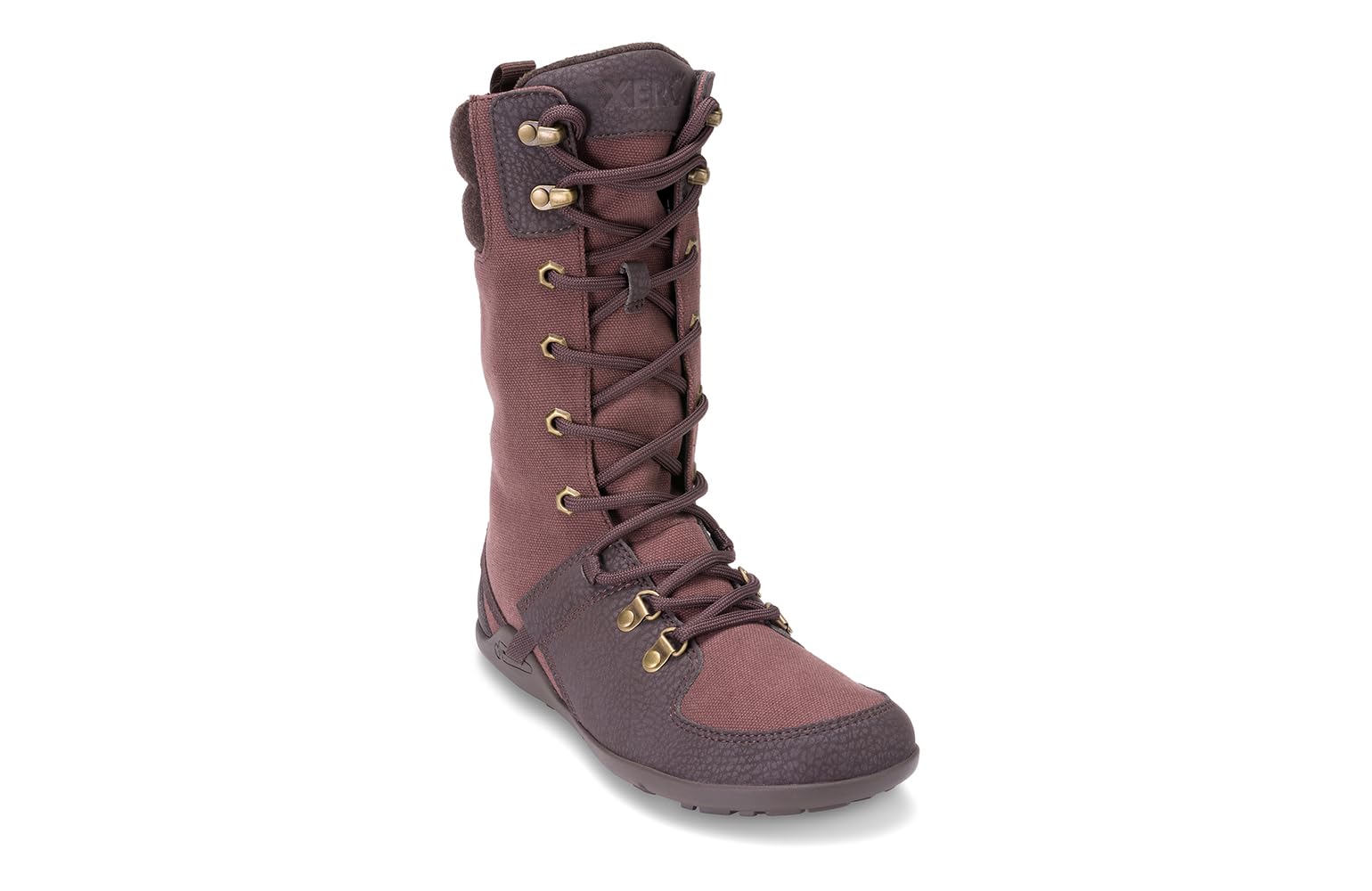
1. Xero Shoes Women’s Mika Boots
Our pick — 4.5★ from 150+ verified ratings; the strongest balance of quality and price.
The cozy winter boot that keeps toes dry and warm on icy commutes.
This pick wins the overall crown because it nails the three things winter barefoot buyers actually need: warmth, grip, and water resistance. Owners consistently praise the warmth, reporting comfortable wear during full workdays and 30-minute dog walks in 20-30°F weather without cold feet. One hiker wore them to the Pacific Northwest and confirmed: “They did get wet on the outside, but my toes were dry.”
The fit is where you need to pay attention. Multiple buyers report the boot runs narrow and small, so the majority recommendation is to order 0.5 to 1 full size up. A size 11 fit someone who normally wears 10-10.5, and going from a 9 to a 9.5 worked for another buyer. The canvas starts stiff but loosens after about a day of wear.
It does have a weakness on pure ice. While the grip works well on wet ground and packed snow, at least one buyer found the soles slippery on solid ice patches, so this is not the boot for skating rinks or sheer frozen hills. The wool cuff and tartan lining keep things toasty without overheating, and the faux leather upper resists wet snow during normal walks.
Wide-foot fans: you want a genuinely warm, waterproof barefoot boot for daily winter walks and commutes where you size up half a step.
Narrow-foot fans: your daily route involves sheer ice, since the sole can lose its grip on frozen surfaces.
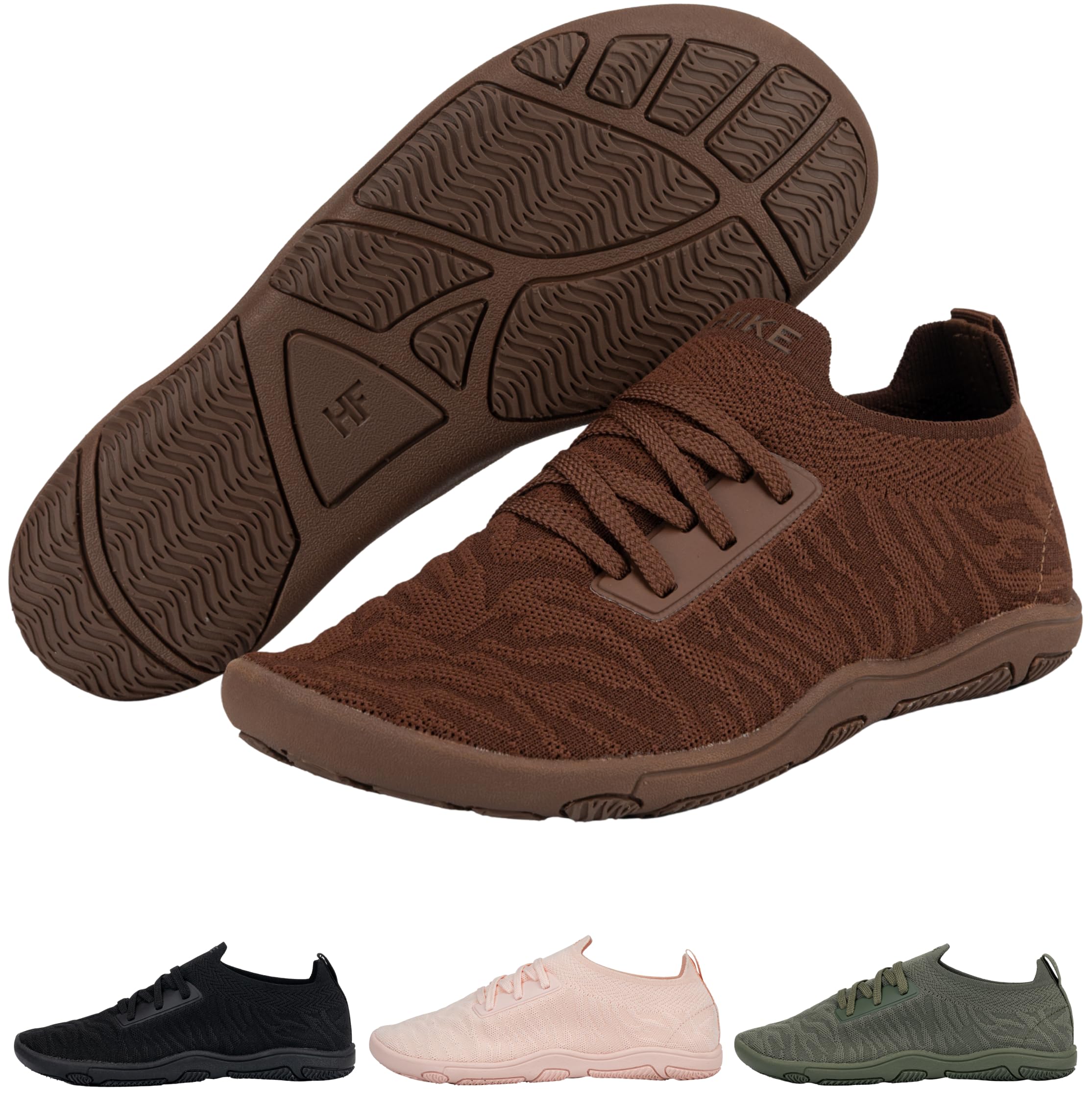
2. Hike Footwear Comforto Max
The stretchy, feather-light boot that disappears on your foot.
This is the budget entry point that still delivers a real barefoot experience, and the stretchy fabric upper makes it the easiest boot on this list to slip on and wear all day. The lightweight build and soft sole let you sense the ground beneath your feet, and the toe box gives your toes plenty of room to spread. A size 12 owner bought twelve pairs, citing it as the only flexible shoe that fits her and works with her walker.
The catch is clear: this is a summer or indoor-weather boot, not a winter one. There’s no waterproofing and the stretch material is thin, so it won’t hold up to snow or sleet. The value debate is real — a few buyers felt the material didn’t justify the price point, and durability over years of use is still unproven. Some owners also found the toe box narrower than expected, so wide-foot buyers should approach with caution.
What wins people over is the pain relief. Owners mention backaches disappearing and longer walks without discomfort, making it a strong budget pick for barefoot transitions. Balance benefits receive mixed feedback, so treat them as a bonus, not a guarantee.
Cushion seekers: warm-weather daily wear, errands, and anyone wanting a flexible, low-cost entry into barefoot shoes with lots of toe room.
Minimalist fans: you need winter warmth or waterproofing, or you have very wide feet that need a roomier barefoot shape.
3. Hike Footwear Caspar Pro HF
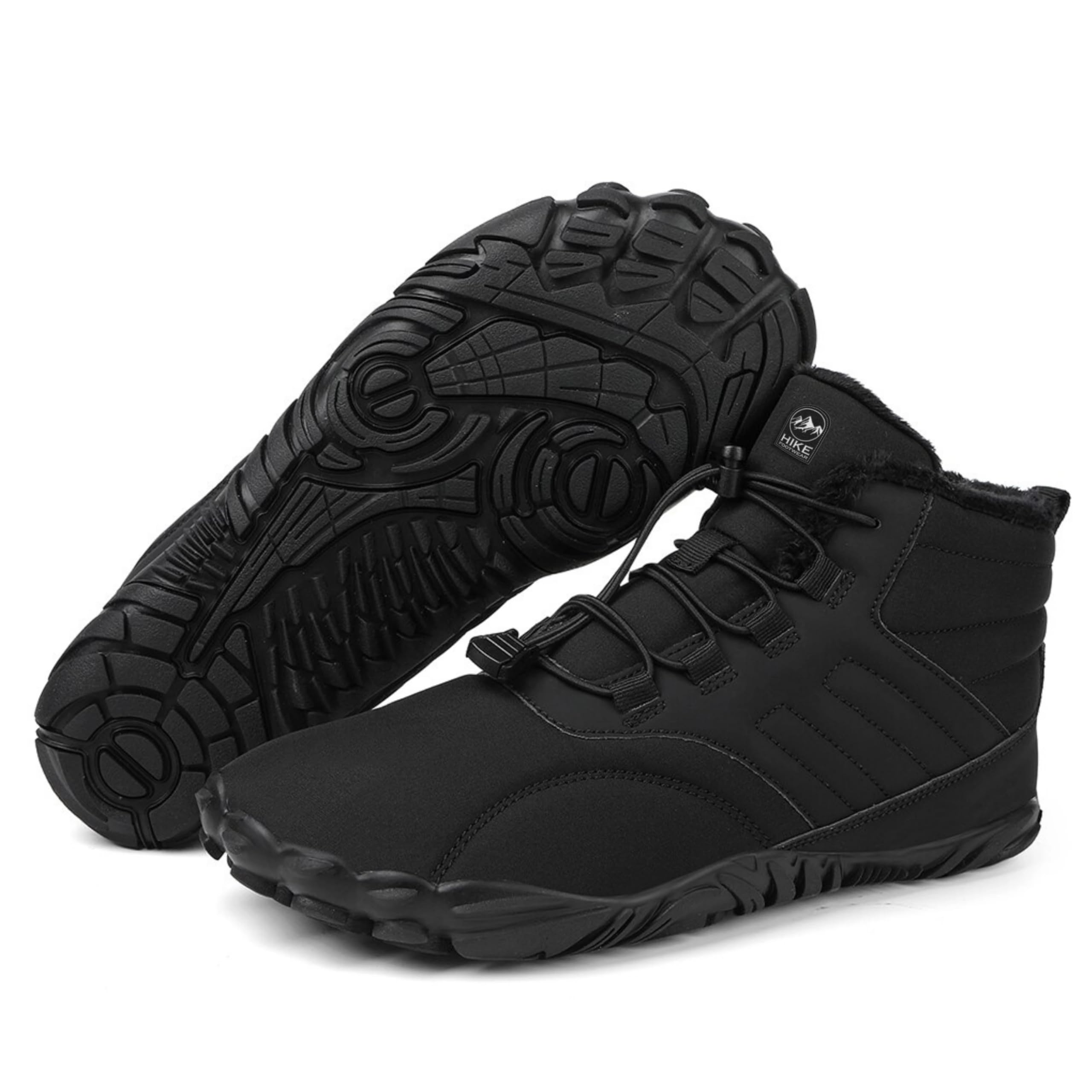
A fleece-lined winter boot that delivers warmth and ground feel for less.
This mid-range boot is the most-discussed winter option in the lineup, with a soft fleece lining that keeps feet warm without socks — a feature owners with neuropathy specifically call out as a lifesaver. The zero heel drop and extra wide toe box make it comfortable for all-day wear, and the bungee laces mean no fussing with knots. The quality is what owners praise most, noting the boot looks and feels higher-end than its price suggests.
Sizing here is the major decision point, and the feedback is split. The boot runs snug, and the majority advice is to size up one full size — with some owners going up two sizes to fit thick socks comfortably. The fleece takes up internal space, so buyers with wide feet or high-volume toes should size up more aggressively, since half sizes aren’t available.
The caveats are honest ones: the insoles can slip toward the heel during walking, which some owners fixed by gluing them in, and the thin rubber tread can degrade on rough gravel. Extreme-cold activity is not its strength — it’s a great commuter boot, but feet can get cold during long outdoor sessions in very low temperatures. The waterproofing also gets mixed reports, so treat it as water-resistant rather than fully sealed.
Rugged trails: commuters and casual winter walkers who want fleece warmth, a wide toe box, and solid value without paying premium prices.
Casual walks: you plan extended outdoor activity in extreme cold or hike on abrasive gravel regularly, and always order a size up.
4. Xero Shoes Women’s Alpine Barefoot Lace-Up Snow Boots
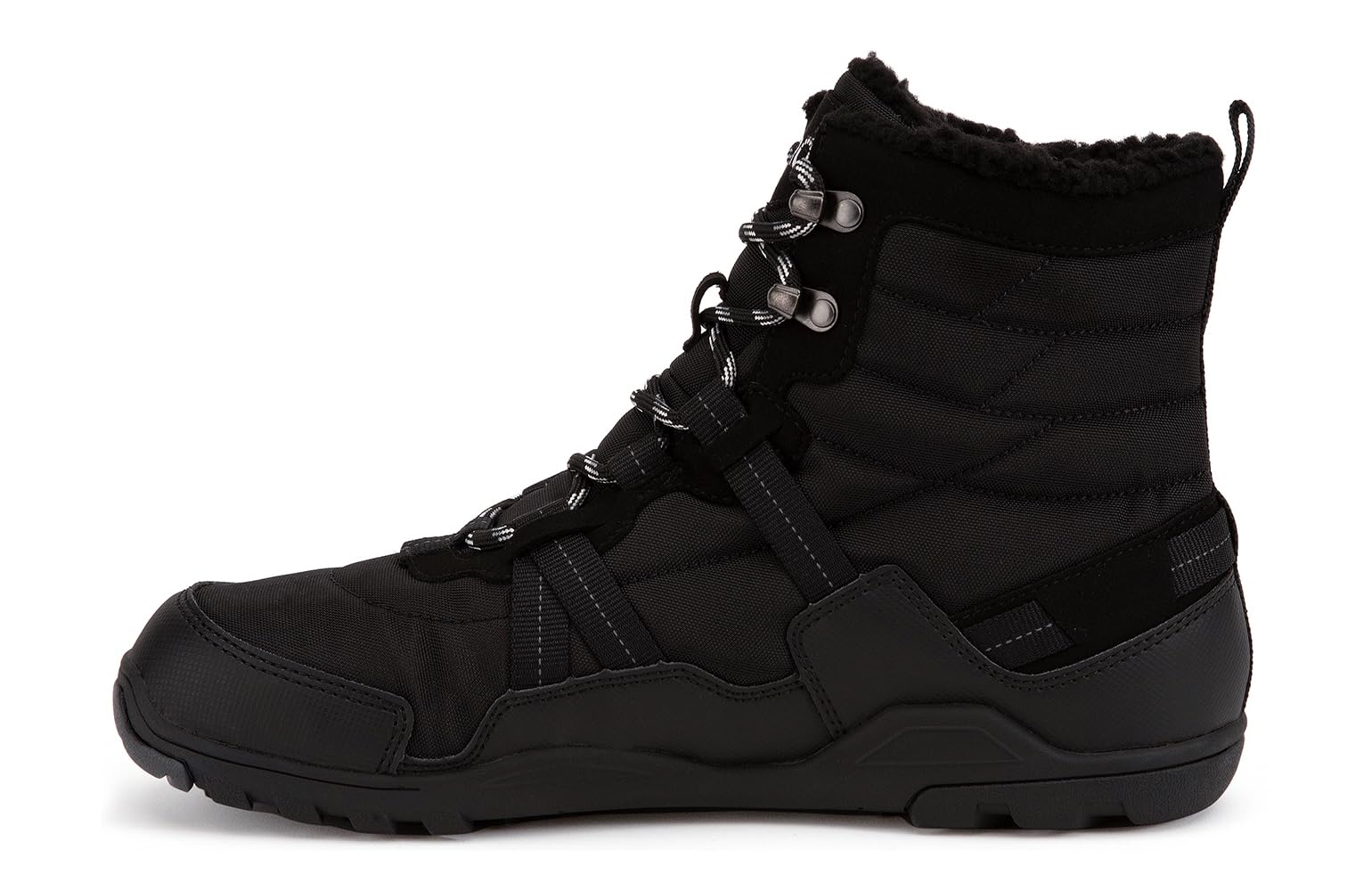
A snow-ready boot that moves like a sneaker and shrugs off slush.
If your winter involves actual snow, sledding, and long parking-lot treks, this is the boot that handles it. Owners describe it as “completely waterproof” and warm enough for temperatures in the teens when paired with wool socks, and the wide toe box accommodates bunions comfortably. It’s lightweight like a sneaker despite being a proper snow boot, which makes it the go-to for winter walks.
The traction gets solid marks for snow and decent marks on ice, though it’s not a dedicated ice-climbing boot. The biggest issue is sizing — the boot runs small and narrow, and the most common advice is to size up 1.5 sizes. One owner went from a usual 9.5 to an 11, and another from 9.5 to 10.5, so this is not a boot you order in your normal size. A few buyers found it too warm for indoor wear, which is a compliment for its insulation.
You’ll want a decent insole for maximum comfort — one owner swapped in Sherpa insoles for extra warmth and fit, which bumped it from 4.5 to 5 stars for them. The style gets plenty of compliments, and it’s a crowd-pleaser with teenagers who need to walk across campus in snow.
Cold dry snow: snowy commutes, sledding days, and anyone who wants a truly warm, wide-toe snow boot that feels as light as a sneaker.
Icy conditions: you must size up 1.5 sizes, and dense ice traction is good but not the strongest in this list.
5. Merrell Women’s Wrapt Mid Waterproof Hiking Boots
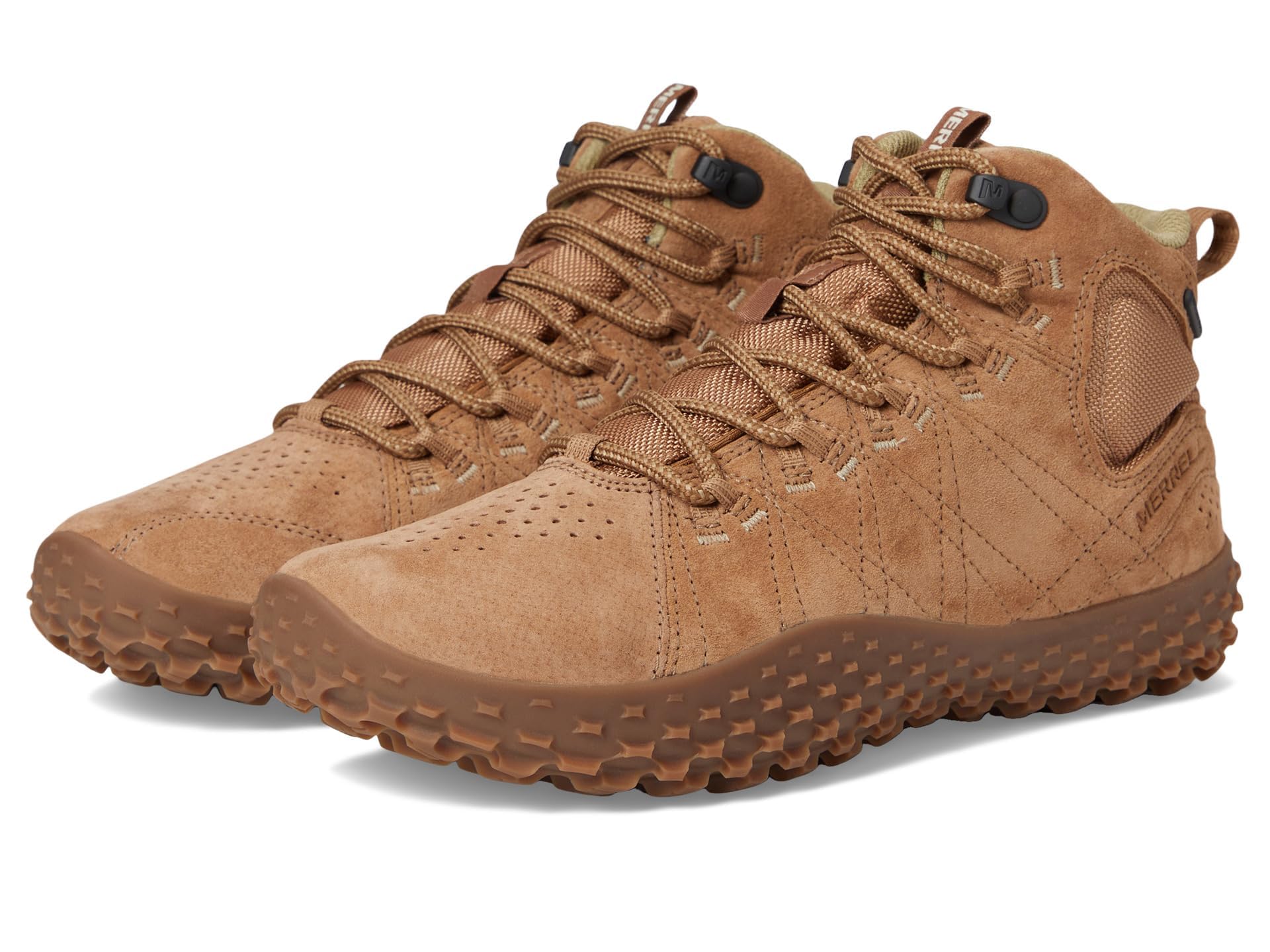
The barefoot-style hiker with real ankle support for rocky trails.
This is the hybrid for hikers who want the barefoot toe box and zero drop but don’t want to give up ankle support on rocky terrain. The aggressive rubber sole gives excellent traction on ice, snow, and wet surfaces, and the fit is what owners praise most. At 1 lb 5 oz, it’s light enough for daily wear yet sturdy enough for waterfall trails and Haystack Rock hikes. One owner put in almost 50 miles on very rocky terrain and reported the support was perfect.
The main tension here is the arch support. Some buyers love it for the support it provides — one post-surgery owner found the ankle support excellent — but purists looking for a true flat barefoot boot were disappointed to find an arch support built in. This makes it a great choice if you’re transitioning from regular boots, but not the purest barefoot experience on this list. The toe box is wide, but the boot runs slightly narrow, so thick winter socks can feel tight.
Comfort is immediate with no break-in time and no blisters, which is rare for a hiking boot. The waterproofing hasn’t been fully tested by most owners, though the brand positions it as a waterproof hybrid. If you want more of the Merrell Glove feel, note that this one sits a step away from pure barefoot because of that arch support.
Mixed terrain: you hike rocky trails and want zero drop with real ankle support, exceptional traction, and no break-in period.
Muddy slopes: you want a strictly flat barefoot sole with zero arch support — this hybrid adds a small arch.
6. Vivobarefoot Magna Forest ESG

A leather-and-wool hiker with a Michelin sole for soft-ground grip.
This premium boot stands out for its materials and the Michelin sole — an upgrade owners in the Pacific Northwest call a huge plus for soft, muddy ground. The leather and wool combination looks fantastic, and the appearance is what owners praise most, with several noting the boot performs like heavy footwear but feels light and flexible like trail runners. The deep sole grooves provide excellent grip on long hikes, and the leather breaks in beautifully over time.
The fit is genuinely controversial, and it’s the main reason to read this carefully. The boot runs small, and about half the owners recommend sizing down while the other half say size up — the honest take is that the toe box is narrower than most true barefoot shoes. Multiple buyers with wide feet found it cramped, with one describing toes going numb within 20 minutes. If you have wide feet, this is likely not the boot for you despite the “wide” label.
Owners who got the fit right report all-day comfort and noticeable foot strength gains with daily use. The ankle hook can rub, which is solved with high socks, and the color can fade after a single hike. For the eco-conscious, the brand is B-Corp Certified, which adds to the appeal if sustainability matters to you.
Green buyers: narrow-to-average feet who want a premium leather-and-wool hiker with exceptional soft-ground grip and eco credentials.
Budget hikers: wide-foot buyers — the toe box is narrower than true barefoot shapes, and sizing feedback is genuinely split.
7. Vivobarefoot Women’s Tracker FG L
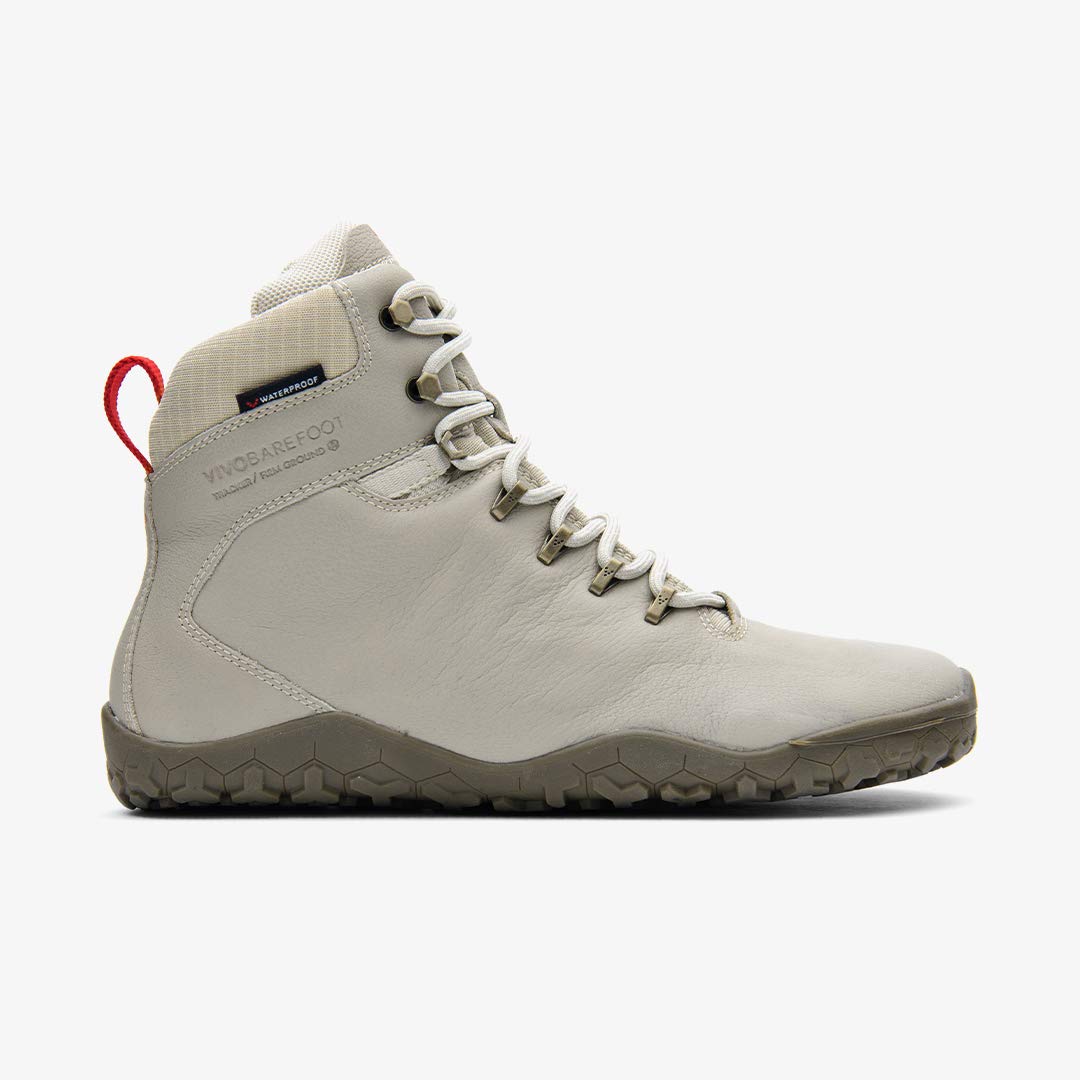
The rugged leather boot built for off-road lugs and cold-weather treks.
This is the serious outdoor boot in the lineup, built with a Hydrogard lining (a waterproof membrane) and firm-ground off-road lugs for rugged, rocky terrains. The tough leather, thermal insole, and outlast heat regulator (a material that stores and releases heat) are designed to keep feet dry and warm on long nature explorations. Owners praise the quality most, calling it well-made and worth the money for day hikes, and One owner credits the boot with helping heal ankle tendonitis through better foot support.
This boot is an investment piece that requires a transition period. The sole is thin and flexible enough to feel every rock, which improves balance but can be tough on unconditioned feet — owners advise starting with short walks and building up. The leather is stiff initially and runs narrow, so sizing is critical. The most common advice is to size up at least half a size, with some going up 1.5 sizes for thick winter socks, and the leather does stretch with wear.
There are two honest trade-offs. Ice grip is poor, so this is not the boot for icy sidewalks, and the sole has a durability concern — a few owners reported the sole separating from the boot after heavy use, though the build quality is otherwise praised as excellent. It’s a commuter’s winter boot that works for day hikes, but prolonged extreme-cold exposure needs the right socks and a size up for room.
Ankle protection: rugged day hikes and daily winter wear where you want tough leather, thermal warmth, and genuine ground feel — size up at least half a size.
Agile movements: your terrain is mostly ice, which this boot handles poorly, or you’re new to barefoot shoes and need to build up foot strength first.
Understanding the Specs
Zero Drop vs Raised Heel
Zero drop means your heel and forefoot sit at the same height, mimicking how your foot rests on flat ground. This keeps your spine aligned and your stride more natural. Raised-heel boots tilt your weight forward, which can compress your toes and throw off your posture. Most barefoot winter boots on this list are zero drop, but the Merrell Wrapt adds a small arch support even though it keeps the zero-drop heel.
Sole Flexibility and Lugs
A flexible sole lets your foot bend and grip the ground, giving you sensory feedback. But in winter, the tread pattern matters just as much — deep lugs (the raised rubber teeth on the sole) provide traction on soft ground like mud and snow. The Vivobarefoot Magna Forest uses a Michelin sole with deep grooves, which owners love for soft PNW ground, while the Xero Mika handles wet ground well but struggled on sheer ice for one buyer.
FAQ
How much should I size up for barefoot winter boots?
Are barefoot boots actually warm enough for winter?
What does zero drop mean in simple terms?
Can I wear barefoot boots on ice?
Are these boots good for wide feet?
What’s the difference between a barefoot boot and a minimalist boot?
How long does it take to break in barefoot leather boots?
Are barefoot boots good for people with foot pain or bunions?
Final Thoughts: The Verdict
The crowd favorite for barefoot boots for women is the Xero Mika Boots because it combines genuine winter warmth with waterproofing and the comfort that owners praise most. If you want rugged trail performance with real ankle support, grab the Merrell Wrapt Mid. And if you’re on a budget and prioritizing warm-weather comfort, the Hike Comforto Max is the value pick to reach for. Whichever you choose, size up and let your toes breathe.
How We Picked
We do not accept paid placement. Every pick is matched to a real buyer and a real use-case; we do not hands-on test units.
Sources & Methodology
Specifications: manufacturer listings and product documentation. Review insights: verified customer reviews, as of August 2026. Pricing: not shown on this page (it changes often); check the current price via the retailer link.
As an Amazon Associate, Gadgets Feed earns from qualifying purchases. This does not affect which products we feature.