
Our readers keep the lights on and my morning glass full of iced black tea. As an Amazon Associate, I earn from qualifying purchases.
Specs are compiled from manufacturer listings and verified buyer reviews and can change over time — please confirm the key details on the product page before buying.
Barefoot shoes strip away the cushioning and heel lift that most sneakers build in, forcing your feet to work the way nature intended. The real question isn’t whether to try them — it’s which pair gets the fit right, because a toe box that’s too narrow or a sole that’s too stiff defeats the entire purpose. This guide breaks down the nine strongest options by what actually matters: toe-box width, sole flexibility, and the honest trade-offs buyers report after real miles.
I’m Min — the founder and writer behind Gadgets Feed. This guide is built by comparing the manufacturers’ published specifications and the patterns across verified customer reviews, so you get each pick’s real strengths and trade-offs instead of marketing spin.
You’ll see exactly which barefoot shoes handle pavement, trails, and gym floors, and how to read sizing warnings before you order. Here is the honest breakdown of the best barefoot shoes for every kind of foot and every kind of day.
Our Picks at a Glance

How To Choose The Best Barefoot Shoes
Your feet will feel two things on every step: toe room and ground feel. Nail those, and the rest is about where you walk — trails, gym, or the office.
Start with the toe box, not the brand
The whole point of a barefoot shoe is letting your toes spread out like they do when you’re actually barefoot. A wide toe box is non-negotiable; if your big toe presses against the side, you’re back to wearing a regular shoe with a fancy name. Look for brands that talk about anatomical or rounded toe shapes, and always check whether reviewers with wide feet describe it as roomy.
Zero drop and sole thickness set the feel
Zero-drop means the heel and toe sit at the same height, so your foot rests flat instead of tilted forward. That flat platform, combined with a thin flexible sole, gives you the ground feel that defines the category. But there’s a spectrum — some shoes are nearly paper-thin for maximum sensation, while others add a little cushion so pavement doesn’t punish you. Decide where you land on that spectrum before you buy.
Plan for a transition period
Your foot muscles have been lazy inside cushioned shoes for years. Switching to barefoot shoes often brings sore calves and a few weeks of adjustment as those muscles wake up. The smart move is to alternate with your regular shoes at first, then build up wear time. Sizing matters more here than in any other shoe category — and most brands in this list run small, so read the fit notes carefully.
Quick Comparison
| Model | Best For | Sole Flex | Toe Box | Weight | Amazon |
|---|---|---|---|---|---|
| Jim Green African Ranger★ Best Overall | Rugged trails & wide feet | Thin, bendy | Very wide | — | Amazon |
| Hike Comforto MaxBest Value | Budget-friendly everyday | Soft, flexible | Roomy | Light | Amazon |
| Xero Prio NeoGym Favorite | Gym & kettlebell work | Very bendy | Moderate | Lightweight | Amazon |
| Merrell Vapor Glove 6 | Casual & light trail | Thin 6mm stack | Wide, low ceiling | 9.17 oz (M) | Amazon |
| Xero HFS II | Pavement running | Supportive | Wide, snug fit | Super light | Amazon |
| Vibram V-Trail 2.0 | Off-road grip | Sturdy, flexible | Individual toes | — | Amazon |
| Vivobarefoot Primus Lite III | Training versatility | Thin, flexible | Very wide | 2.13 lb | Amazon |
| Flux Adapt Runners | All-day wear | Cushioned | Wide | Lightweight | Amazon |
| Flux Adapt Graphene XT | CrossFit & lifting | Firm, responsive | Wide | 10.2 oz | Amazon |
In‑Depth Reviews
1. Jim Green Men’s Barefoot African Ranger Boots
Our pick — over 4.5★ from 300+ verified ratings; the strongest balance of quality and price.
The rugged leather boot that gives wide feet real room without the duck-foot look
This is the pair that wins over people who thought barefoot shoes had to look strange. The full-grain leather upper looks like a classic work boot, yet the design lets your big toe and pinkie toe spread out properly instead of squeezing them together. Owners are genuinely obsessed — One owner reports a bunion was relieved by the wide toe box., while another logs 50 miles before the boot finally felt “now comfortable and flexible.”
The build quality is the most-praised feature by a wide margin, with owners highlighting thick leather and solid stitching that hold up. There’s a real caveat though: this is not a true anatomical barefoot shoe. The toe is rounded rather than foot-shaped, and the break-in is real — some say it takes about two weeks, and a few recommend thick socks for the stiff ankle padding. It’s also not built for standing on hard concrete all day; it shines on grass and dirt.
One strong piece of advice surfaces repeatedly: don’t add insoles. The boot is designed to be worn without them, and owners mention that insoles ruin the fit, squeeze the foot, and interfere with the ground feel. Run it barefoot-style as intended and you get relaxed feet, a strengthening foot, and that satisfying sensation of feeling the trail beneath a thin sole.
What wins people over
- Build quality is the standout — the most-praised feature by far
- Generous toe box that fits wide feet without pinching
- Thin, flexible sole gives real ground feel
- Beautiful leather that earns compliments
The honest trade-offs
- Break-in takes patience — expect about two weeks
- Rounded toe isn’t a true anatomical shape
- Not meant for all-day hard concrete
Grab these for: wide-footed hikers and walkers who want real leather durability with barefoot flexibility.
Think twice if: you need a shoe for standing on pavement all day — the thin sole and boot styling suit trails and grass instead.
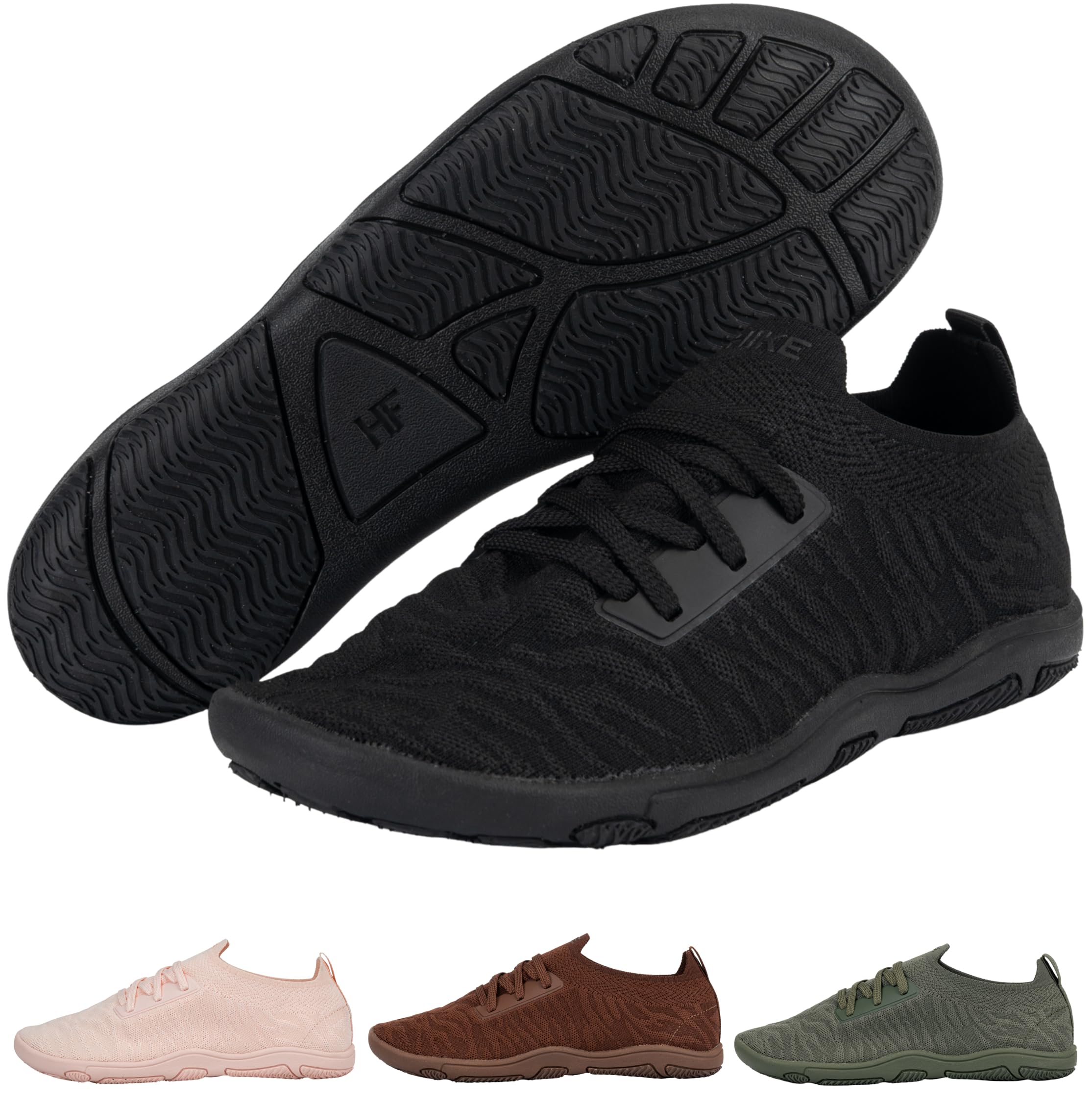
2. Hike Footwear Comforto Max
The featherlight slip-on that makes recovery walking feel easy
This is Hike’s lightest and softest barefoot shoe, made for recovery walking, indoor wear, and low-impact daily movement. The brand markets it as restoring natural movement, and buyers agree., and buyers agree — comfort is the top praise, with walkers reporting no pressure on toes or bunions and even full-side body pain easing up.
The sole offers just enough protection while still letting you sense the ground beneath your feet, as one owner put it. That balance makes it ideal for daily use in good weather, though it won’t support your ankle on the trail — this is a flat, flexible shoe, not a hiker. A walker who uses a mobility aid found the flexibility exactly right and now prefers them over slippers.
There’s a genuine fit warning to respect: sizing varies by model within the same brand, and some customers note the fit runs large. The stretchy fabric upper also draws mixed durability opinions, with one voice noting the thin material feels like it won’t last forever. For the price, though, you’re getting a legitimate entry into barefoot comfort without the premium markup.
Easiest first step: soft, flexible, and light enough for all-day casual wear, with comfort as the clear consensus winner among owners.
The fit caveat: check reviews for your size — this model runs large for some, and the stretchy upper won’t suit everyone.
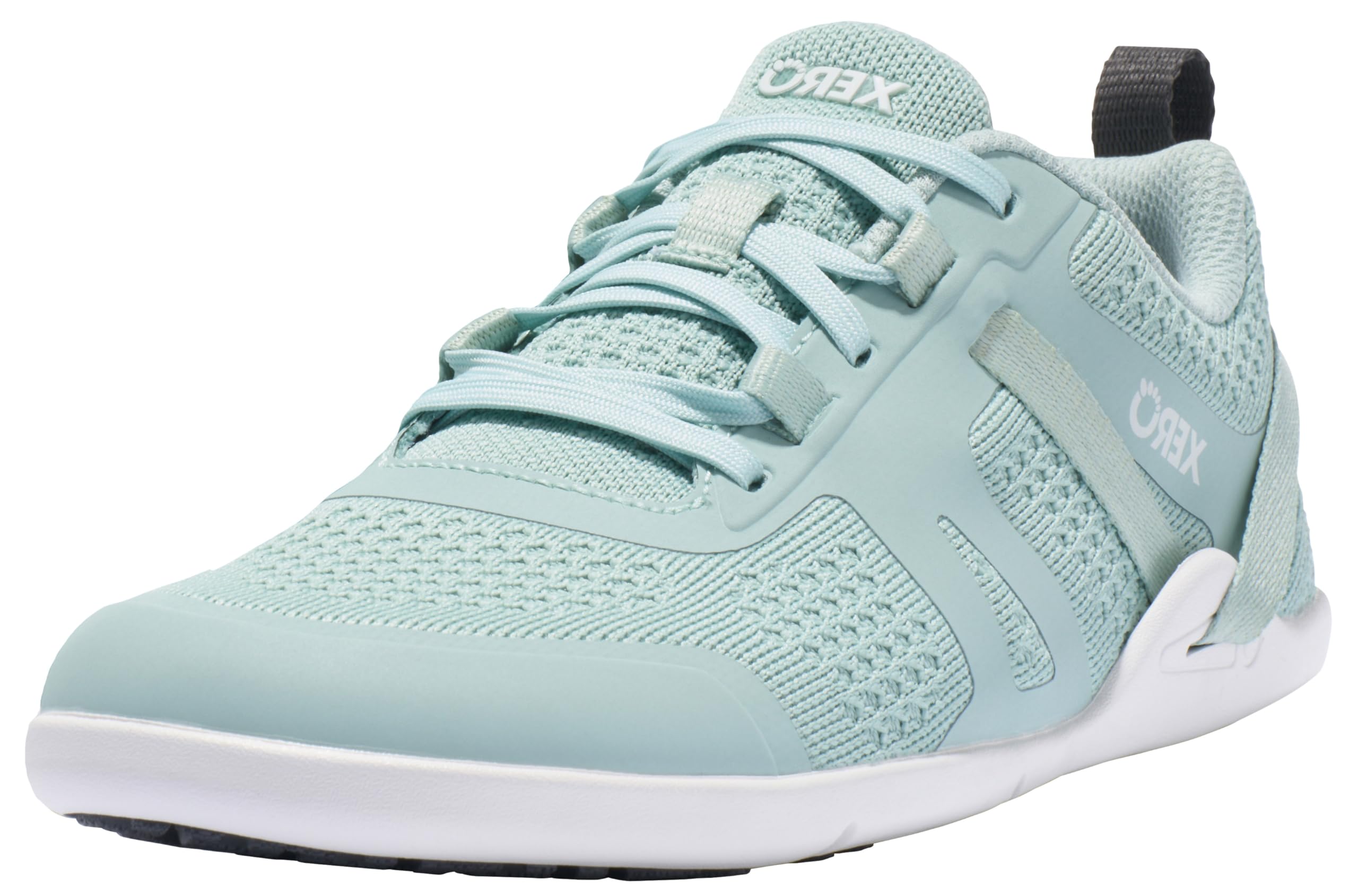
3. Xero Shoes Women’s Prio Neo
The training shoe that loves kettlebell workouts and evening walks alike
Comfort leads the conversation here, and it’s the overwhelming theme across owner experiences. This is a go-to for walking and kettlebell training, with people noting how the soft, cozy texture feels great straight from the start. One weightlifter praises it as a great shoe for lifting that’s also comfortable for two-mile evening walks, liking that the sole is “very bendy but not in a cheap unstable kinda way.”
Style and value get real love too — buyers mention receiving compliments on the look, and the color options, including one described as super bright blue, are a draw. But the fit is where you need to pay attention, and the reviews split hard on sizing. Some say it runs small: one owner wears an 8.5 but orders a 9 for tennis shoes and still found them too small, advising to go a full size larger, not half.
The narrower toe box is a recurring theme you should weigh. One owner loved everything but found the toe box too narrow and pinching, returning them while hoping for a wide version. And if you’re coming from heavily cushioned shoes, expect an adjustment period — one transition from Brooks caused calf and knee pain until an orthotic insole was added.
Loved for
- Comfort is the clear highlight, especially for gym and walking
- Very flexible sole that stays stable
- Value for money and compliments-worthy style
Watch out for
- Sizing runs small — order up, possibly a full size
- Toe box is narrower than some barefoot fans want
- Transition from cushioned shoes needs patience
Best suited to: gym-goers and walkers who want a flexible, good-looking barefoot shoe and don’t have extra-wide feet.
Look elsewhere if: you need serious toe splay — the narrower fit will disappoint, and sizing is genuinely inconsistent.
4. Merrell Men’s Vapor Glove 6 Leather
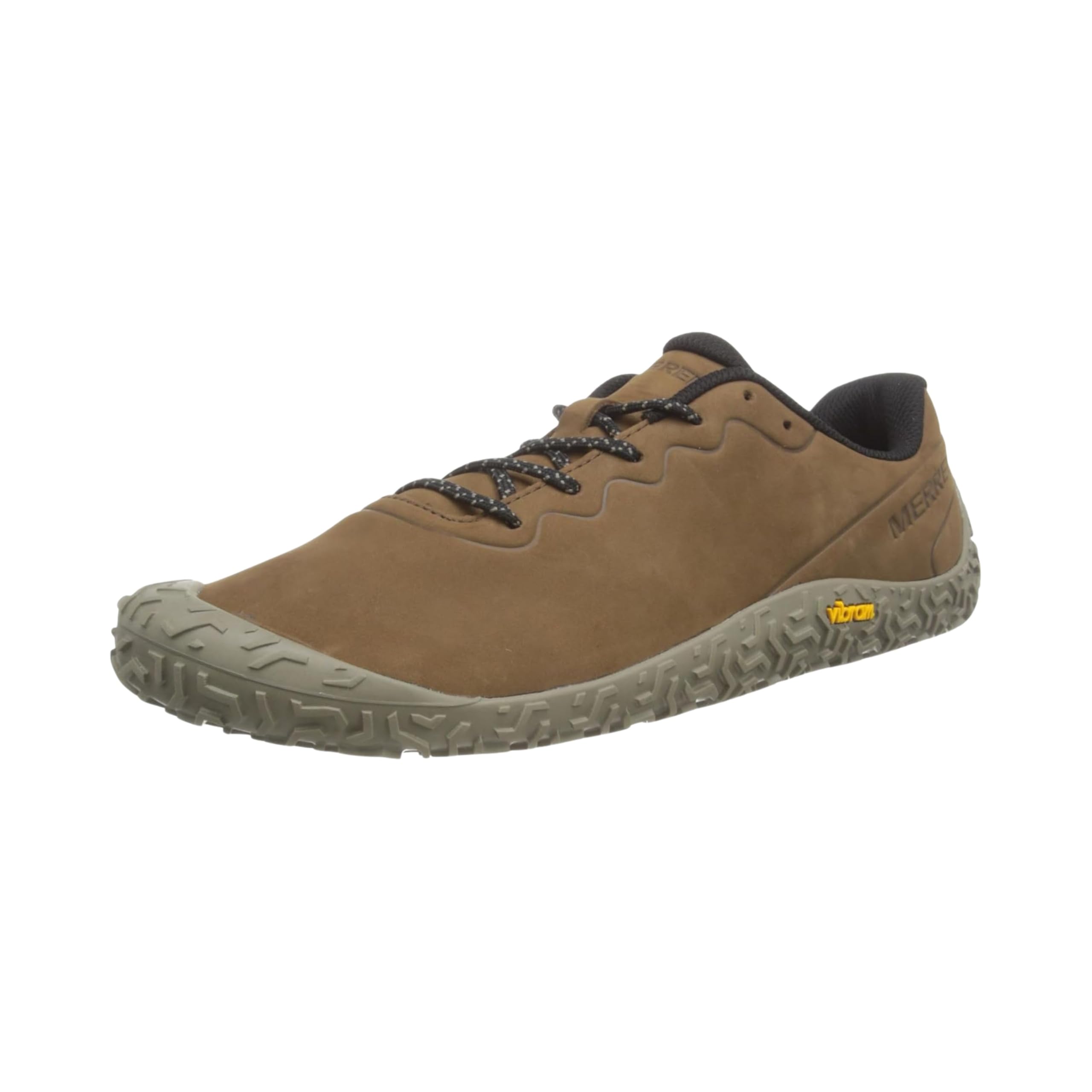
The minimalist leather shoe that looks sharp at the office and on the trail
Merrell calls this the most minimal shoe they make, and the numbers back it up — a total stack height of just 6mm puts your foot remarkably close to the ground. The 100% leather upper dresses it up enough for the office and data center, as one owner notes, while the Vibram EcoStep outsole wraps the foot for grip. Owners describe the fit as great and the durability as solid, with one noting it “wears like slippers.”
The ground feel is the headline feature. A thin sole with 2.5mm lug depth gives excellent sensation of the terrain, and the shoe is genuinely light — the men’s half pair weighs 9.17 ounces. Quality is the most-praised aspect, with buyers calling it well-made and comfortable, and one long-time barefoot shoe enthusiast says this version is tougher and doesn’t break down as easily as sportier pairs.
The honest catches are about the toe area and the trail. The toe box is wide but has a low ceiling that can rub a big toe, and the rubber cap doesn’t stretch. Trail runners should note that the soles can wear out fast on rough terrain, with one owner shifting back to Xero for serious trail work. This is more of a versatile casual shoe than a hardcore trail weapon.
Sharp and minimal: the rare barefoot shoe that crosses over from trail to office without looking out of place, at a feathery 9.17 oz.
Keep it on pavement: soles wear quickly on rough trails, and the low toe ceiling can bother big toes.
5. Xero Shoes Men’s HFS II

The runner that adds just enough cushion to make pavement enjoyable
This second-generation HFS keeps the barefoot appeal while adding a touch more support where it counts. Owners note the thicker upper, ankle cushioning, and a more supportive sole that makes running on pavement more enjoyable than a truly barefoot shoe. The comfort and quality are the two most-praised aspects, with one returning customer calling it his “favorite shoes” after years in the category.
The design forces a toe-strike running form, which is exactly what barefoot training is about, and the breathable upper keeps feet from getting sweaty and smelly like most shoes. It’s super lightweight, lets toes splay out, and holds up well. One owner, on his second pair in four years, plans to buy several more plus the boots — a strong vote of confidence in durability.
Sizing is the recurring warning, and it’s worth heeding. The fit is snug, with multiple owners reporting the shoe runs small — one 9.5 EE wearer bought a 10 and still found it tight width-wise despite the advertised wide toe box. If you’re between sizes, go up. The lugged tread is great for grip but may trade some treadmill longevity compared to the original tire-style sole.
Why runners pick it
- Comfort and quality lead owner feedback
- More cushion than true barefoot — better for roads
- Forces healthy toe-strike form
- Breathable, non-smelly, featherlight
Size up first
- Runs small — some advise a full size up
- Tight width-wise for wider feet
- Lugged tread may wear faster on treadmills
Reach for these if: you want a road-running barefoot shoe with a touch more cushion and don’t mind sizing up.
Pass them by if: you have genuinely wide feet — even the wide toe box fits snug for some EE wearers.
6. Vibram Women’s FiveFingers V-Trail 2.0

The five-toe gripper that gives each toe its own pocket on rough ground
This is the most literal interpretation of barefoot on the list — each toe gets its own individual pocket inside a water-repellent upper. The Vibram Megagrip outsole delivers the multi-directional grip owners rave about on downhill descents and slick surfaces, making it a genuine off-road specialist. The grip is the top positive aspect, with buyers calling the soles impressively grippy and noting the shoes look great too.
The 3D Cocoon technology disperses pressure from sharp rocks, giving impact protection without losing the sensory feedback you need on technical paths. A fast-lacing system with 3D-printed overlays keeps debris out and the fit secure. For some, this is transformative — One owner reports plantar fasciitis and bunions improving as toes straightened out..
But this is a polarizing shoe, and the fit demands respect. Sizing runs small, with one owner needing an 8.5 up to a 9-10, and others finding the toe pockets long or the back raised panel uncomfortable. The quality gets mixed feedback — while some say it’s excellent and survives machine washing, others report rough inside seams and a bulky feel. The fast-lacing tongue edges can also flip over and dig into the top of your foot.
class-leading grip: the Megagrip outsole (a sticky rubber compound) stands out, giving serious traction on slick trails and steep descents.
A finicky fit: sizing is genuinely inconsistent, toe pockets can feel awkward, and inside seams bother some — order up and expect a break-in.
7. Vivobarefoot Primus Lite III

The vegan trainer that feels like a sock while building real foot strength
Vivobarefoot built its name on minimalist, sustainable design, and the Primus Lite III delivers that ethos in a flexible, wide-fit trainer. Owners describe the feeling as “like comfortable socks,” with the thin flexible sole giving strong sensory feedback and a natural range of motion. One medical student credits them with resolving lower back pain., and A high-mileage runner reports 750+ miles a year with a durable sole..
The quality is the most-praised feature, and the flexibility stands out for training — One owner notes doubled squat range and improved ankle mobility.. The wide toe box lives up to the billing, giving feet room to spread. It’s a versatile shoe for running, hiking, gym training, and everyday wear, and the vegan materials appeal to sustainability-minded buyers.
The honest downside is durability and value. Some reviewers point out the sole wearing slick by month three and the mesh upper ripping easily, which feels disappointing at a premium price. Sizing runs large for some, so consider sizing down, and the recycled materials, while featherweight, can feel thin. If you’re hard on shoes, this might not be your longest-lasting pair.
The high points
- Quality and flexibility earn consistent praise
- Very wide toe box with real room to splay
- Featherweight feel with strong ground connection
- Vegan, eco-conscious construction
Where it stumbles
- Durability is the recurring complaint — soles and mesh wear fast
- Runs large for many; size down
- Premium price for thin materials
Choose this for: flexible training and everyday wear where wide toe room and barefoot feel matter more than rugged longevity.
Avoid if: you need a shoe that survives heavy trail miles — durability concerns are real at this price.
8. Flux Footwear Adapt Runners
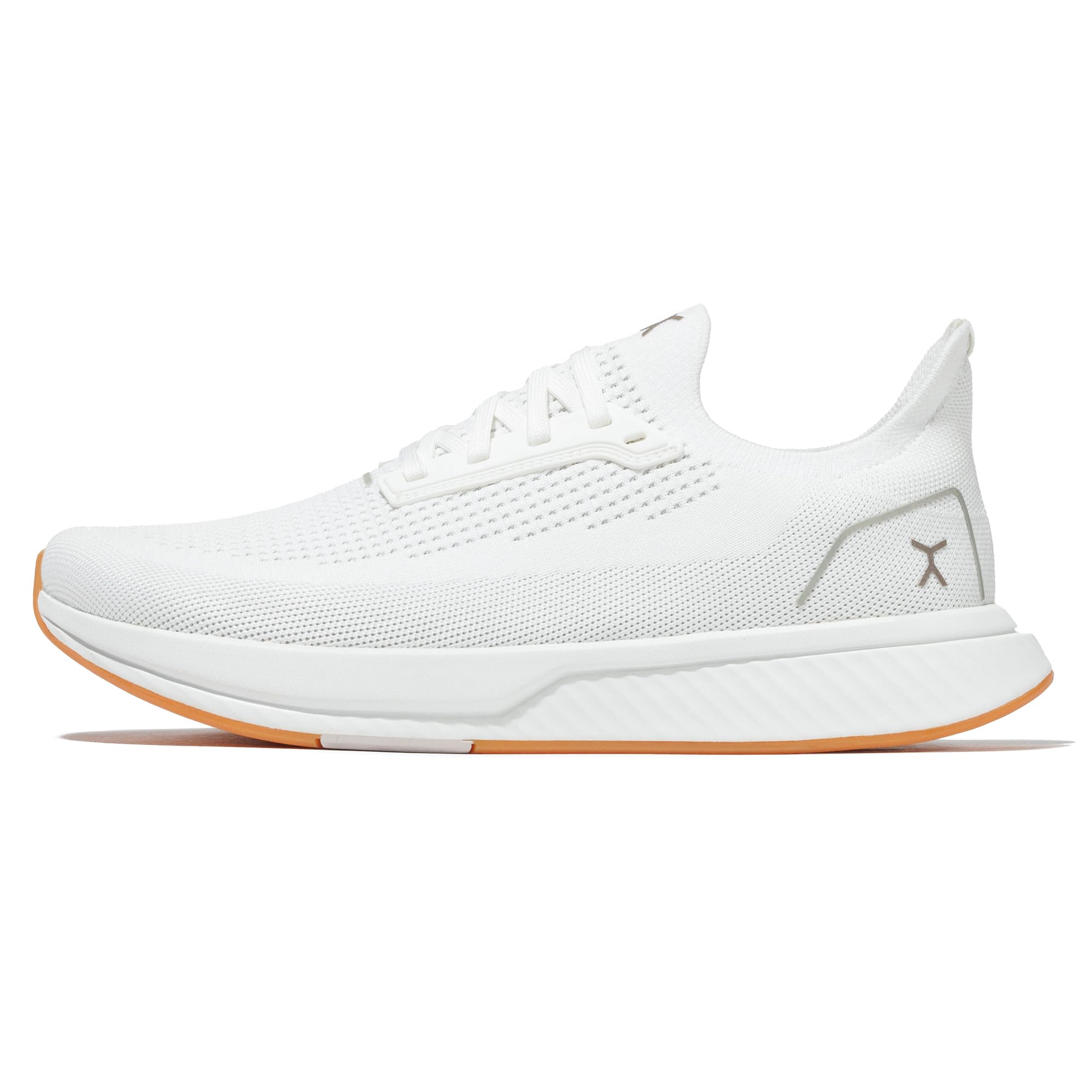
The cushioned barefoot shoe that nurses and Disney-walkers swear by
This is the barefoot shoe for people who stand all day. Comfort is the runaway theme — it’s the most-praised aspect by a landslide, with nurses reporting no foot pain after full shifts and walkers logging five-plus miles at Disney or backpacking through Europe without discomfort. The soft insoles and good cushioning make it more forgiving than a true ground-feel shoe, while keeping the wide toe box and zero-drop design.
The slip-on style is easy, breathable, and looks sharp, with owners noting the shoes look like new even after washing. It’s genuinely versatile — one user wears it for running, lifting, and work, calling it the shoe that beats Hokas and other minimalist options. The airflow from the top mesh keeps feet from feeling sweaty, a detail that wins frequent praise.
The sizing is the loudest warning in the reviews. The brand itself says the shoes fit small and recommends sizing up a half size, and owner experiences confirm it — one 9.5 went to a 10, another 8 needed an 8.5. There’s also a durability note: one owner wore through the heel backing under a year of daily use, and the toe box isn’t as wide as some claim. High arches and very wide feet may find it tight over the arch.
Why it’s beloved
- Comfort dominates — ideal for all-day standing and walking
- More cushion than typical barefoot shoes
- Breathable, slip-on, and easy to clean
- Versatile for running, lifting, and work
Before you order
- Size up a half size — the brand says so and owners confirm
- Not the widest toe box in the category
- Heel backing can wear through with daily use
Grab these for: long days on your feet — nursing shifts, theme parks, travel — where cushioning matters.
Skip if: you want maximum ground feel or have high arches and very wide feet that need more room.
9. Flux Footwear Adapt Graphene XT
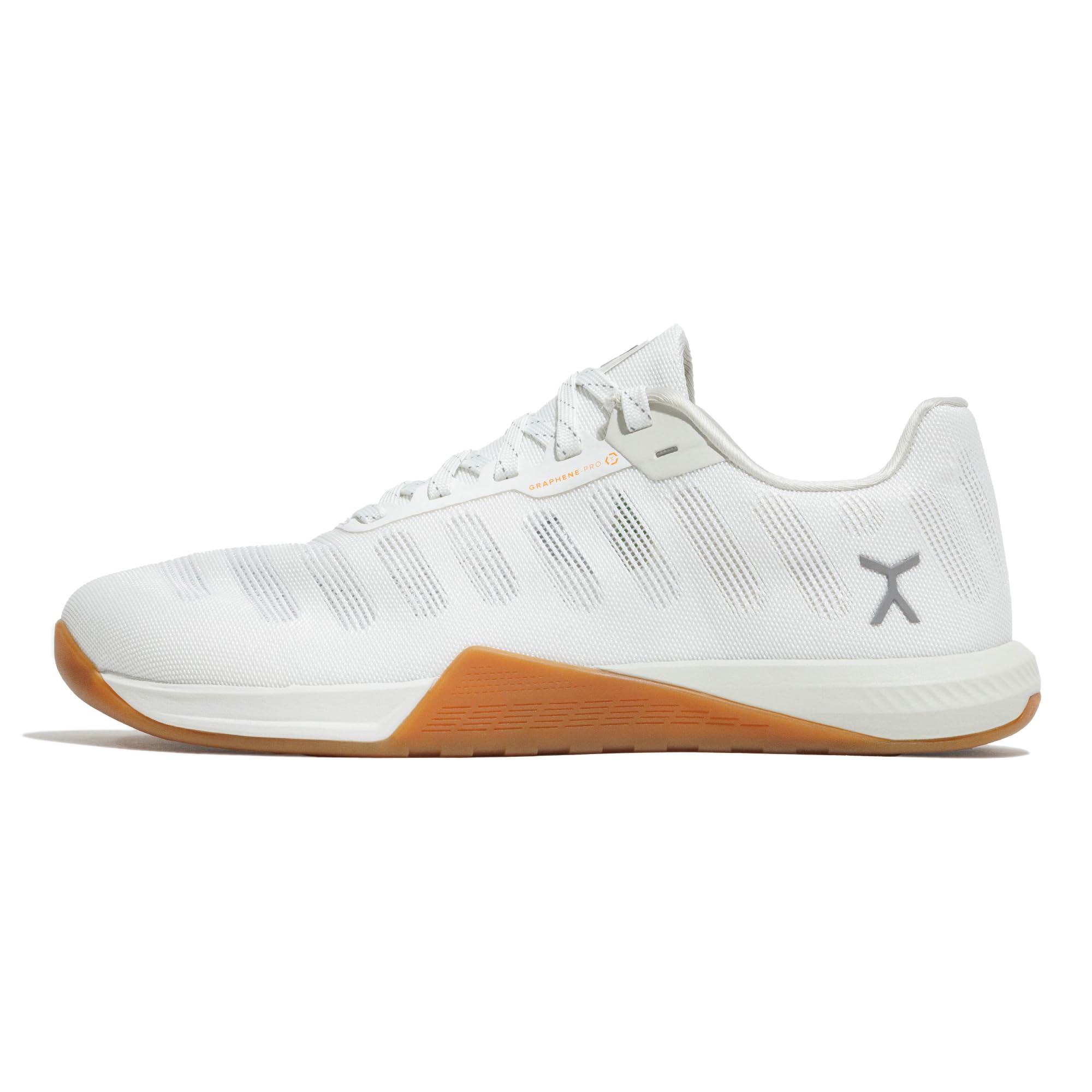
The sturdy cross-trainer that locks your foot in for heavy lifts
Built for CrossFit and general fitness, the Graphene XT earns its name from graphene — a material the brand claims is 200x stronger than steel yet thin and flexible., yet thin and flexible. The payoff is a shoe that’s sturdy and responsive without the bulk. One owner calls it the best gym shoe he’s ever had, praising the “perfect base” for leg day and saying he’d never go back to barefoot squatting.
Quality is the most-praised aspect, and versatility follows close behind — owners use it for CrossFit, travel, and sports, noting it doesn’t squeeze the feet and even looks good in pictures. The wide toe box and zero-drop design support natural movement, while the stable base keeps you locked in for lifting. It’s a legit hybrid of barefoot principles and gym performance.
Two warnings matter here. First, sizing runs small — the brand recommends a half size up, and owners confirm it, with some saying it runs a full 1 to 1.5 sizes smaller than other brands. Second, it’s a training shoe, not a walking shoe: one owner notes the graphene sole lacks the impact absorption of the Adapt Runners and wouldn’t wear them outside. The ankle support also runs high, which can bother some.
Lift-ready stability: the graphene construction and locked-in fit make this a standout for CrossFit and leg day.
Know the limits: size up a half to full size, and don’t expect all-day walking cushion — this is a gym tool.
Understanding the Specs
Zero-Drop Platform
Zero-drop means the heel and toe sit at the exact same height, so your foot rests flat rather than tilted forward like in a traditional running shoe. This levels your posture and encourages a more natural stride, but it changes how your calf muscles work — which is why a gradual transition period is so important.
Wide Toe Box
The toe box is the space at the front of the shoe where your toes sit. In a barefoot shoe, this should be wide enough for your toes to align and spread naturally, reducing pressure and improving foot function. A narrow toe box defeats the purpose, so check owner reviews from people with wide feet before committing.
Ground Feel and Sole Flexibility
Ground feel is how much you sense the terrain through the sole. Thin, flexible soles boost sensation but can be harsh on pavement, while slightly cushioned soles trade a little feel for all-day comfort. Decide if you want maximum sensory feedback or a touch more padding for city walking.
Stack Height and Lug Depth
Stack height is the total thickness of the sole between your foot and the ground — 6mm is extremely minimal. Lug depth is the height of the tread pattern; deeper lugs (like 2.5mm) give better grip on trails but can feel less stable on flat gym floors. Match these to the surfaces you’ll most often walk on.
FAQ
How long does it take to adjust to barefoot shoes?
Do barefoot shoes run small?
What is the difference between zero-drop and a wide toe box?
Can I run on pavement in barefoot shoes?
Are barefoot shoes good for wide feet?
What does ground feel mean in barefoot shoes?
Can I use barefoot shoes for weightlifting?
How do I clean barefoot shoes?
Why do my calves hurt after switching to barefoot shoes?
Are there barefoot shoes for hiking?
Final Thoughts: The Verdict
For most people, the best barefoot shoes pick is the Jim Green African Ranger — it leads on build quality and fits wide feet beautifully, all in a leather boot that doesn’t look like a gimmick. If you want cushioned all-day comfort for standing or walking long distances, grab the Flux Adapt Runners. And for CrossFit and heavy lifting, the Flux Adapt Graphene XT gives you a stable, locked-in base. Whichever you choose, size up when in doubt and give your feet time to adapt — the payoff is stronger, happier feet.
How We Picked
We do not accept paid placement. Every pick is matched to a real buyer and a real use-case; we do not hands-on test units.
Sources & Methodology
Specifications: manufacturer listings and product documentation. Review insights: verified customer reviews, as of August 2026. Pricing: not shown on this page (it changes often); check the current price via the retailer link.
As an Amazon Associate, Gadgets Feed earns from qualifying purchases. This does not affect which products we feature.