
Our readers keep the lights on and my morning glass full of iced black tea. As an Amazon Associate, I earn from qualifying purchases.
Specs are compiled from manufacturer listings and verified buyer reviews and can change over time — please confirm the key details on the product page before buying.
Choosing a 10% VLT ceramic film means you want serious privacy and heat rejection, but you also need to see out at night. A 10% visible light transmission film is one of the darkest legal-ish options, and it is a different beast from a 35% or 50% film. This guide compares two very different ceramic rolls so you can pick the one that matches your car, your skills, and your tolerance for a DIY install.
I’m Min — the founder and writer behind Gadgets Feed. This guide is built by comparing the manufacturers’ published specifications and the patterns across verified customer reviews, so you get each pick’s real strengths and trade-offs instead of marketing spin.
We break down the two contenders for the 10 ceramic tint on heat rejection, installation ease, and sheer coverage so you order the right roll the first time.
Quick Picks
- Vepagoo Ceramic Car Window Tint Film 10% VLT — Entry Pick
- IAQWE 15% VLT Ceramic Car Window Tint Film — Coverage King
How To Choose The Best 10 Ceramic Tint
Before you unbox a roll, you need to know what the numbers actually mean. The VLT (visible light transmission) percentage tells you how much light passes through the film. A 10% VLT film lets only a tenth of the light in, which gives you that deep, dark look and strong daytime privacy.
Understanding VLT for Legal and Night Driving
Darker films like 10% VLT cut night visibility significantly, making backing out of unlit driveways harder. A 10% film can make backing out of a driveway feel like a guessing game in unlit areas. Many states have legal limits on how dark front-side windows can be, so a 15% VLT film is often the safer balance between privacy and visibility.
Ceramic vs Metal-Based Film
Ceramic films use nano-ceramic particles to block infrared heat without metal. That means your GPS, phone, and toll transponder keep working after installation. Metal-based films can block GPS, phone, and toll transponder signals.
Scratch Resistance and Adhesive Quality
The adhesive is what separates a clean install from a bubbled mess. Peel-and-stick films need a tacky surface that grabs the glass on the first pass. A scratch-resistant surface prevents permanent marks from squeegees and car washes.
Quick Comparison
In-Depth Reviews
1. Vepagoo Ceramic Car Window Tint Film 10% VLT
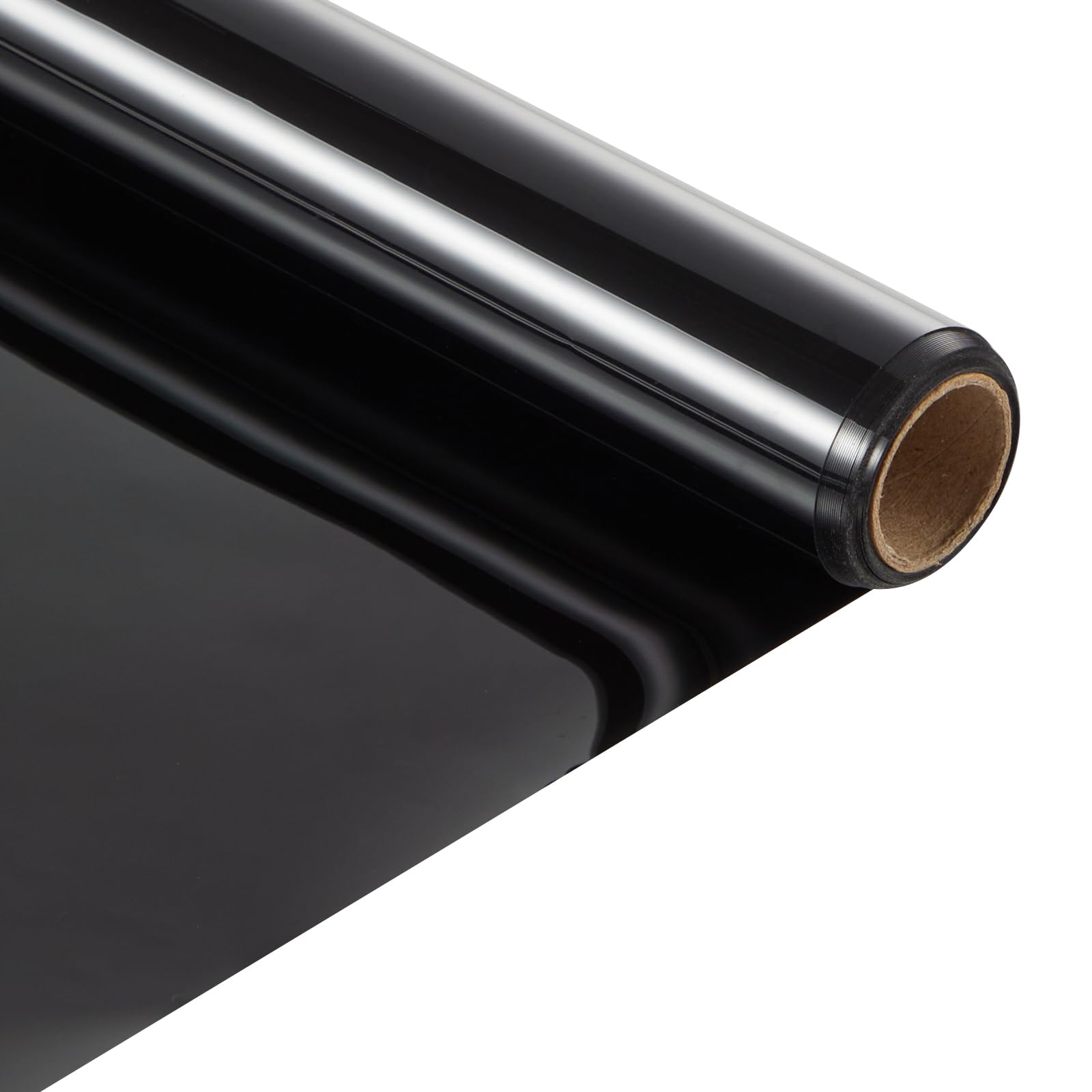
The budget 10% roll that promises one-way daytime privacy without killing your GPS signal.
This peel-and-stick film is built around a simple daytime promise: you see out clearly while the outside world gets a one-way mirror effect. It blocks 99% of UV rays, which is what keeps your dashboard and steering wheel from cracking and fading over the years. Because it is ceramic and not metal-based, your phone and GPS keep a clear signal even after the film is on the glass.
Installation is the most-discussed part of the experience, and it cuts both ways. The film is thinner than some competitors, which makes it easier to manipulate but also easier to crease if you are heavy-handed. Buyers report it resists scratches and bubbles, but the adhesive grabs best on a perfectly clean surface — dirt sticks to it easily during a DIY job.
The biggest honest caveat here is darkness. Owners mention the 20% tint looks much lighter than advertised; before/after photos show almost no difference. If you need guaranteed near-black privacy, treat the stated 10% as a starting point rather than a promise, and double-check what the film actually looks like on your glass. For heat and glare reduction, the feedback is solid — the cab stays cooler and the finish looks smooth.
What to expect: The appearance wins people over, but the tint quality itself is a mixed bag by owner accounts — some find it great, others say it is not as dark as expected.
DIY reality check: Some owners struggle with application, so budget time for a careful install on a clean, soapy surface.
Reach for this if: you want a low-cost 10% ceramic roll for daytime privacy and heat relief, and you are comfortable with a film that may run lighter than the label suggests.
Look elsewhere if: the exact darkness of the film is non-negotiable for you, since the lighter-than-advertised look is a recurring owner complaint.
2. IAQWE 15% VLT Ceramic Car Window Tint Film
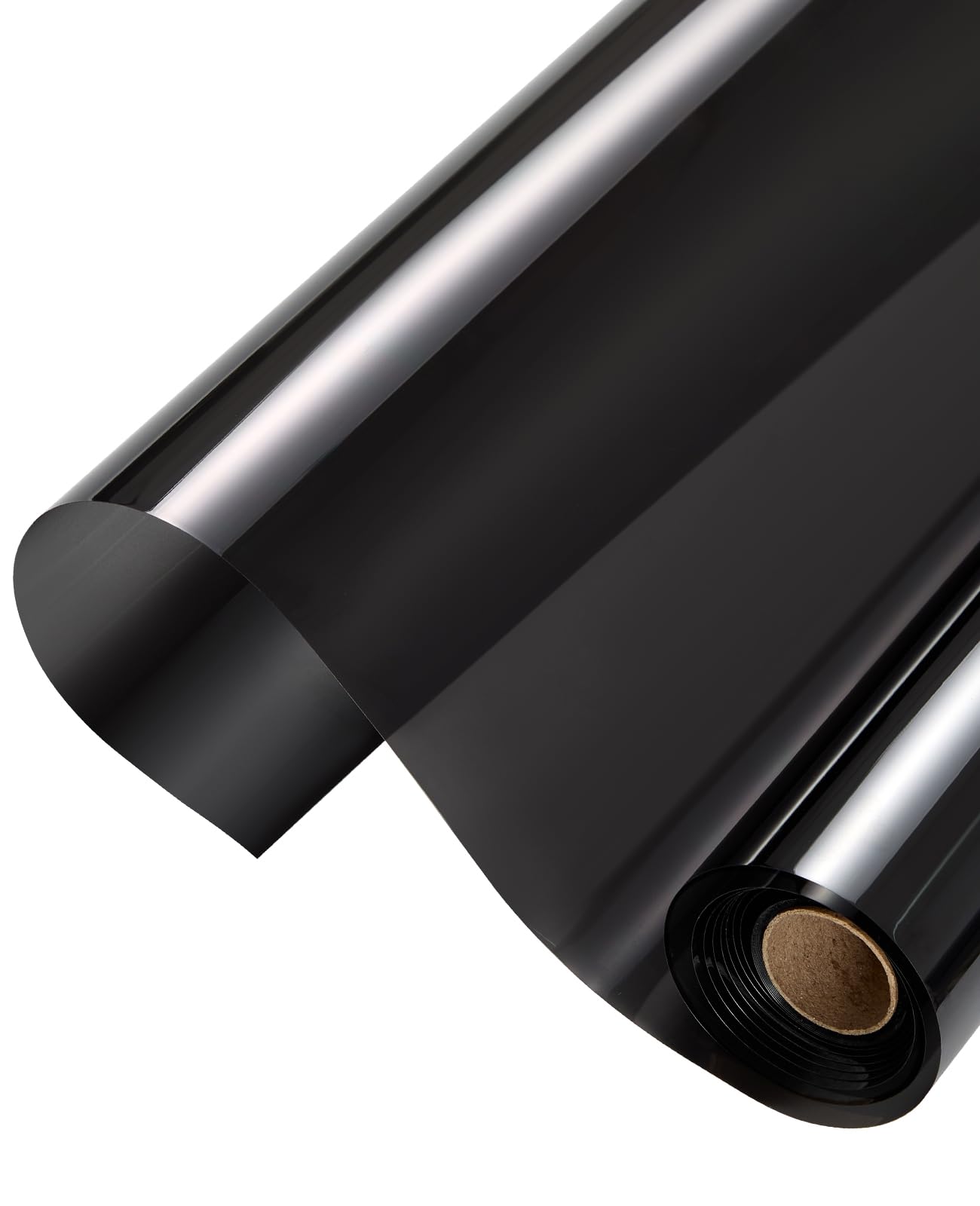
A 100-foot roll that covers an entire fleet and still balances privacy with night clarity.
You can cover every window on a sedan, an SUV, a truck, and even a van with this single roll, so you avoid buying a second product. The 1200-inch length is more than triple the Vepagoo’s 360 inches, and the 36-inch width is 80% wider than the Vepagoo’s 20 inches — a 3.3x gap in total length that makes it the obvious pick for big jobs or multiple vehicles.
The film is rated at 15% VLT, which is a meaningful step toward lighter-than-10%. That extra light transmission helps a lot at night, giving you better visibility while still offering strong daytime privacy. The maker touts a 5-layer safety film that holds glass together on impact, and the scratch-resistant surface keeps a glossy look through washes.
Owners say it applies and cuts easily and looks great on rear windows, so you save time during installation. But like any thin budget film, it tears easily with a dull blade, and the adhesive is weaker than a premium roll, so edges must be perfect or you will be redoing them. One buyer who runs a fleet reported that a 5-hour van install needed a heat gun, soapy water, and a scraper. The quality and tint draw mixed owner feedback, so treat the heat-rejection claims as unverified until you feel the difference yourself.
Owners Rave About
- Easy to apply and cut with a clean, glossy finish
- Good day and night visibility at 15% VLT
- Massive 1200″ length for multi-car or full-fleet jobs
Treat With Care
- Adhesive runs weaker than premium film — edges demand precision
- Thin material tears with dull blades
- Quality and tint draw split reviews; heat rejection is unverified by some owners
Get it for: the coverage — at 1200 inches long and 36 inches wide, no other roll here comes close for whole-fleet or SUV-sized projects.
skip it if: you expect a pro-grade, high-end ceramic adhesive, because this film is more DIY-friendly than premium-grade.
Understanding the Specs
VLT (Visible Light Transmission)
VLT tells you the percentage of light that passes through the film. A 10% film lets in very little light, giving you deep privacy and a dark look, but it also makes night driving harder. A 15% film is a step lighter, offering a better balance of privacy and night visibility.
Signal Transparency
Ceramic films use nano-ceramic particles instead of metal, which means GPS, phone, and toll transponder signals pass through cleanly. Metal-based films can block those signals, creating a frustrating cage around your car.
FAQ
What does 10% VLT mean for night driving?
Is ceramic tint legal on front side windows?
How much tint do I need for a sedan?
Will ceramic tint block my GPS or phone signal?
How long does ceramic window tint last?
Can I install ceramic tint myself?
Does darker tint mean more heat rejection?
How much UV protection does ceramic tint offer?
Final Thoughts: The Verdict
Across the board, the 10 ceramic tint decision depends on coverage versus darkness. If you need the deepest possible privacy and want a budget entry point, the Vepagoo is your pick, but expect it to run lighter than advertised. If you have an SUV, a van, or several cars to cover and want better night visibility, the IAQWE at 15% VLT (visible light transmission, meaning 15% of light passes through) is the coverage king with triple the length, even if its adhesive demands a careful hand.
How We Picked
We do not accept paid placement. Every pick is matched to a real buyer and a real use-case; we do not hands-on test units.
Sources & Methodology
Specifications: manufacturer listings and product documentation. Review insights: verified customer reviews, as of August 2026. Pricing: not shown on this page (it changes often); check the current price via the retailer link.
As an Amazon Associate, Gadgets Feed earns from qualifying purchases. This does not affect which products we feature.