
A 10K isn’t a sprint, but it’s not a marathon either. It’s that punishing middle distance where the wrong shoe turns a PR attempt into a battle against fatigue, blisters, and dead legs. You need a shoe that balances enough cushioning to handle 6.2 miles of pounding with a responsive midsole that doesn’t feel like you’re running through sand. Every gram of extra weight and every millimeter of overly soft foam works against your split time, so the choice of shoe becomes a core part of your race-day strategy rather than just an accessory.
I’m Min — the co-founder and writer behind Gadgets Feed. I’ve spent hundreds of hours dissecting the technical specifications of running shoe midsoles, comparing drop heights, and analyzing carbon-plate and PEBA-blend foam data to identify which models genuinely deliver for the 10K distance. My focus is on the measurable metrics that matter: stack height, foam composition, weight, energy return, and outsole durability across the 10K racing spectrum.
Whether your goal is to break 40 minutes or just finish strong, the right pair of 10k racing shoes will make the difference between a comfortable push and a painful grind.
How To Choose The Best 10K Racing Shoes
Selecting a shoe for 10K racing involves a specific balance that differs from what you would look for in a marathon shoe or a daily trainer. The 10K demands a shoe that is light enough to turn over quickly but still offers enough foam to protect your legs from the cumulative impact of 6.2 miles at a hard effort. You need to focus on three core areas: the midsole foam’s energy return, the presence and type of a plate, and the weight-to-cushioning ratio.
Foam Composition and Energy Return
The midsole is the heart of a race shoe. High-end foams like PEBA (used in many ASICS Superblast and Saucony Endorphin models) provide superior energy return, meaning more of the energy you put into each stride is returned to you rather than being absorbed as heat. EVA-based foams are heavier and less responsive but more durable. For a 10K, where you are pushing a hard pace for around 30-60 minutes, prioritize a shoe with a high-rebound foam blend to reduce fatigue over the final miles.
Plates: Carbon vs. Nylon vs. None
A rigid plate in the midsole acts as a lever, increasing the stiffness of the shoe and helping to propel you forward. Carbon-fiber plates are the stiffest and offer the most pronounced snap, ideal for racers with a strong, efficient stride. Nylon plates are softer and more forgiving, offering some propulsion without the aggressive stiffness that can cause discomfort for slower cadences. Shoes without plates rely entirely on foam geometry and rocker shapes to aid forward motion, which can be a better choice for runners who prefer a more natural foot feel.
Weight and Stack Height Trade-Off
A 10K racing shoe should ideally weigh under 8.5 ounces (240 grams) for a men’s size 9. Every half-ounce of weight forces your legs to work harder to maintain turnover. However, a lighter shoe usually means a lower stack height, which translates to less cushioning. You have to decide if you prefer a low-to-the-ground, snappy feel or a higher-stack super-shoe that provides more protection but might feel less stable. Finding the sweet spot for your personal comfort at 10K pace is the critical trade-off.
Quick Comparison
On smaller screens, swipe sideways to see the full table.
| Model | Category | Best For | Key Spec | Amazon |
|---|---|---|---|---|
| ASICS SUPERBLAST 2 | Premium | Versatile high-stack performance | PEBA + EVA blend / 45mm stack | Amazon |
| Saucony Endorphin Pro 4 | Premium | Aggressive carbon-plate racing | PWRRUN HG PEBA / Carbon plate | Amazon |
| Mizuno Wave Rider 29 | Premium | Stability with a smooth ride | Mizuno Enerzy / Wave plate | Amazon |
| New Balance FuelCell Rebel V5 | Mid-Range | Lightweight daily speed trainer | FuelCell foam / 36mm stack | Amazon |
| ALTRA Torin 8 | Mid-Range | Zero-drop and wide toe box | Ego Max foam / 28mm stack | Amazon |
| Mizuno Neo Vista | Mid-Range | Soft, cushioned long runs | Mizuno Enerzy NXT / Smooth ride | Amazon |
| Adidas Adizero Evo SL M | Mid-Range | Lightweight training and racing | Lightstrike Pro / 39mm stack | Amazon |
| ASICS Gel-Cumulus 27 | Value | Daily training with good cushioning | PureGEL / FlyteFoam Blast | Amazon |
| Brooks Launch 10 | Value | Affordable neutral trainer | DNA Flash foam / 10mm drop | Amazon |
In‑Depth Reviews
1. ASICS SUPERBLAST 2
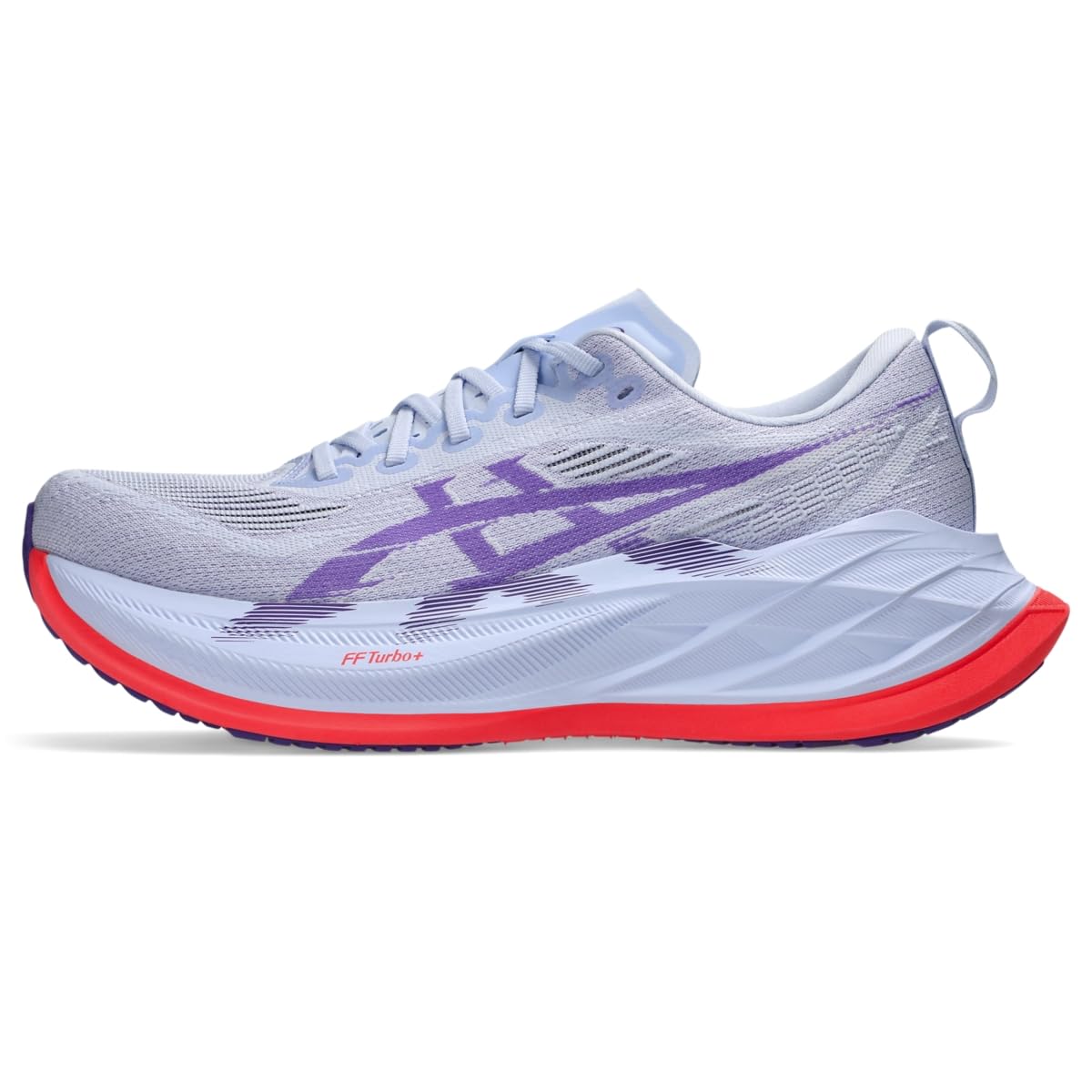
The ASICS SUPERBLAST 2 earns the top spot for the 10K distance because it is the Swiss Army knife of running shoes—it handles slow recovery jogs and threshold-paced 10K efforts with equal composure. The midsole uses a dual-layer construction with a top-sheet of PEBA foam (the same ultra-responsive material used in the Metaspeed line) over a more resilient EVA base. This combination delivers a soft landing that does not bottom out, followed by a snappy rebound that feels positively springy at faster paces. At 45mm of stack height, it provides substantial protection against pavement shock without the instability you might expect from such a tall platform.
Fit is true to size with generous toe box room that accommodates foot swelling over the distance. Several reviewers noted the shoe required zero break-in time and felt race-ready out of the box, which is a massive advantage when you want to lace up and PR on race day. The outsole rubber coverage is robust for a performance trainer, with durability that holds up to 300-400 miles before noticeable wear sets in. The weight is remarkably controlled given the stack height, staying under 9 ounces for a men’s size 9, making it competitive with lighter racers.
For a 10K race, the SUPERBLAST 2 offers a rare combination of top-tier energy return and generous cushioning that suits a wide range of runners, from front-pack racers to those aiming for a strong finish. It does not have a carbon plate, but the foam geometry and rocker shape provide a smooth toe-off without the aggressive stiffness that can fatigue your calves over 6.2 miles. If you want a single shoe that can do it all—tempo runs, long runs, and race day—this is the one.
Why it’s great
- Exceptional PEBA foam energy return
- Zero break-in period required
- Roomy toe box accommodates foot swell
- High stack offers great impact protection
Good to know
- Heavier than dedicated super-shoes
- Expensive for a non-plated racer
2. Saucony Endorphin Pro 4
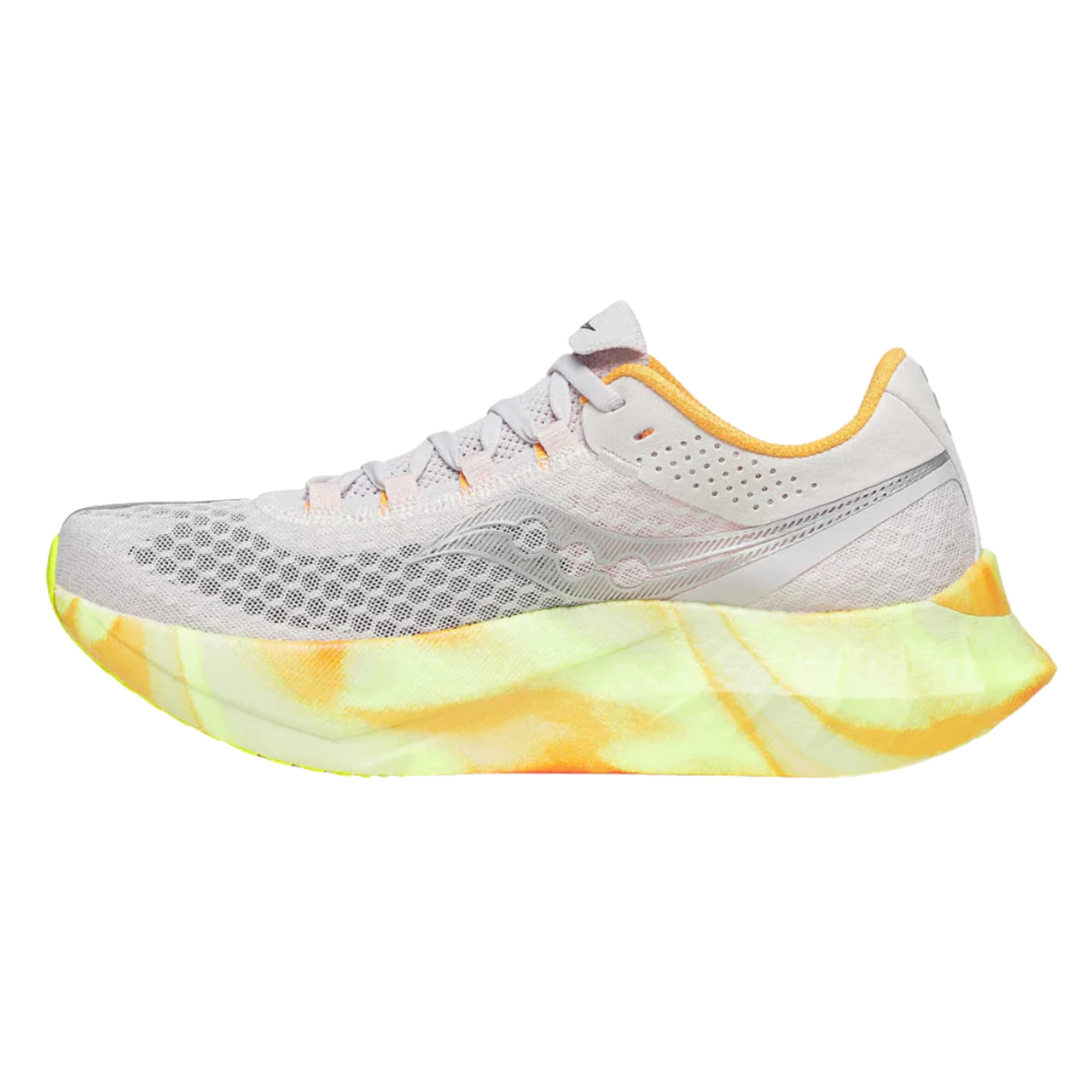
The Saucony Endorphin Pro 4 is designed for one thing: going fast. It features a full-length carbon-fiber plate embedded in a PWRRUN HG PEBA midsole that delivers an aggressive, propulsive feel. For a 10K race where you are holding a hard tempo for over 30 minutes, the combination of a stiff plate and responsive foam reduces energy loss and encourages a faster turnover. The SpeedRoll rocker geometry works with the plate to create a seamless transition from heel to toe, which feels especially effective at the higher cadences of a 10K effort.
The fit is true to size and secure, with a slim heel lock that prevents slippage even during fast cornering. Reviewers consistently praise the lightness—the shoe weighs around 7.5 ounces—making it one of the lighter options in this category. The outsole rubber is thin but strategically placed to save weight while providing enough grip for dry road conditions. Durability is reasonable for a race shoe, with the midsole foam retaining its bounce for well over 150 miles.
One trade-off is that the aggressive carbon plate can feel harsh if your pace drops significantly below race effort. For easy runs, the stiffness becomes noticeable. This shoe is strictly for race day and high-quality interval sessions targeting 10K pace. If you are a striding runner with a solid foot strike, the Endorphin Pro 4 will give you the maximum mechanical advantage for a PR attempt over 6.2 miles.
Why it’s great
- Extremely lightweight at ~7.5 oz
- Aggressive carbon plate for maximum propulsion
- Excellent heel lock and fit
Good to know
- Stiff and harsh at slower paces
- Thin outsole reduces long-term durability
3. New Balance FuelCell Rebel V5
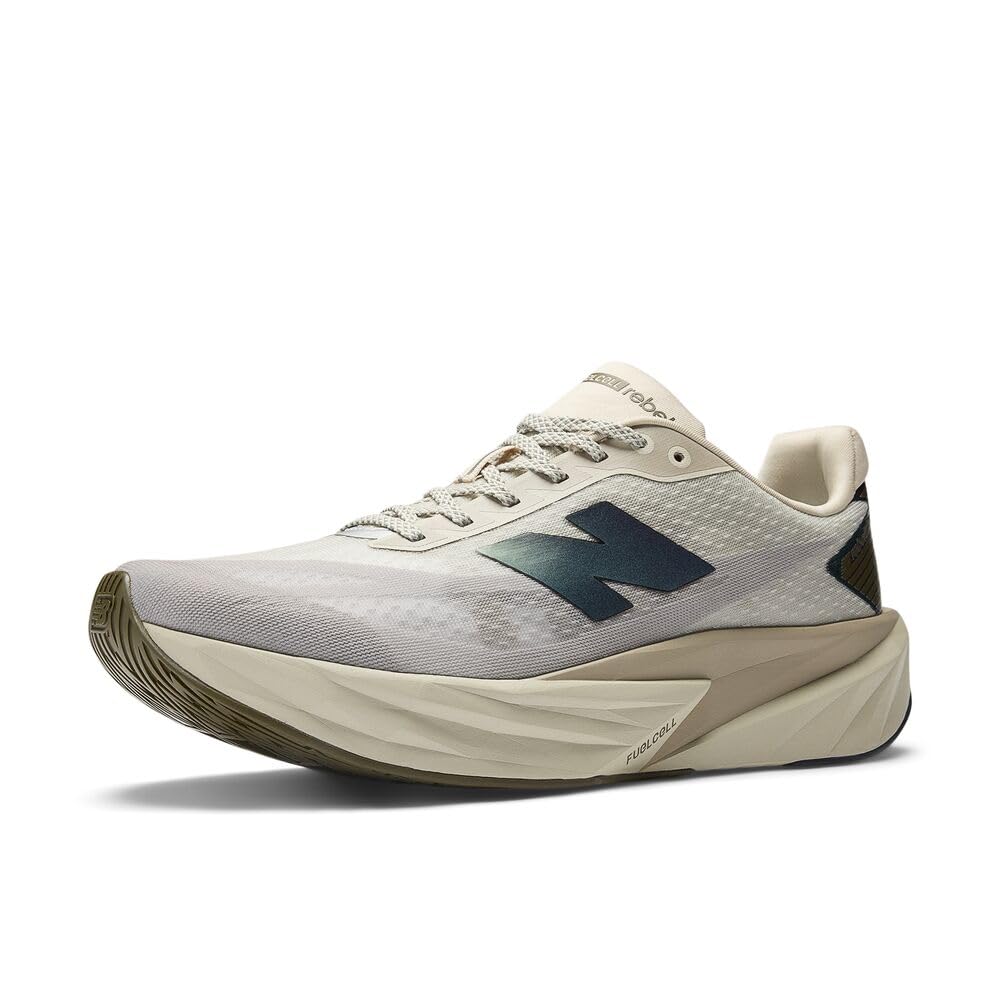
The New Balance FuelCell Rebel V5 is the perfect answer for runners who want a race-day experience without breaking the bank. Its FuelCell midsole is a PEBA-based foam that delivers a lively, bouncy ride that rivals many premium models. The 36mm stack height puts it in the moderately cushioned category, providing enough protection for a 10K without the weight penalty of a high-stack super-shoe. It weighs just under 8 ounces, making it one of the lightest trainers that can double as a race shoe for the 10K distance.
Fit runs true to size with a snug, race-oriented upper that holds the foot securely without feeling restrictive. The breathable mesh upper keeps feet cool even during hard efforts. Reviewers noted that the cushioning feels soft and responsive, with a noticeable rocker shape that encourages forward momentum. The outsole is a thin rubber layer that provides adequate grip on dry pavement, though it will show wear sooner than heavier trainers.
The Rebel V5’s versatility is its biggest selling point for 10K runners. It handles everything from easy recovery runs to 10K race pace with ease. While it lacks a carbon plate, the foam’s natural rebound is sufficient for runners who prefer a more natural feel. For the price, you get a performance that punches well above its weight class, making it an excellent budget-conscious race-day option.
Why it’s great
- Exceptionally light for a performance trainer
- Bouncy PEBA foam at an affordable price
- Versatile for multiple paces
Good to know
- Outsole rubber wears quickly
- Snug fit may not suit wide feet
4. Mizuno Wave Rider 29
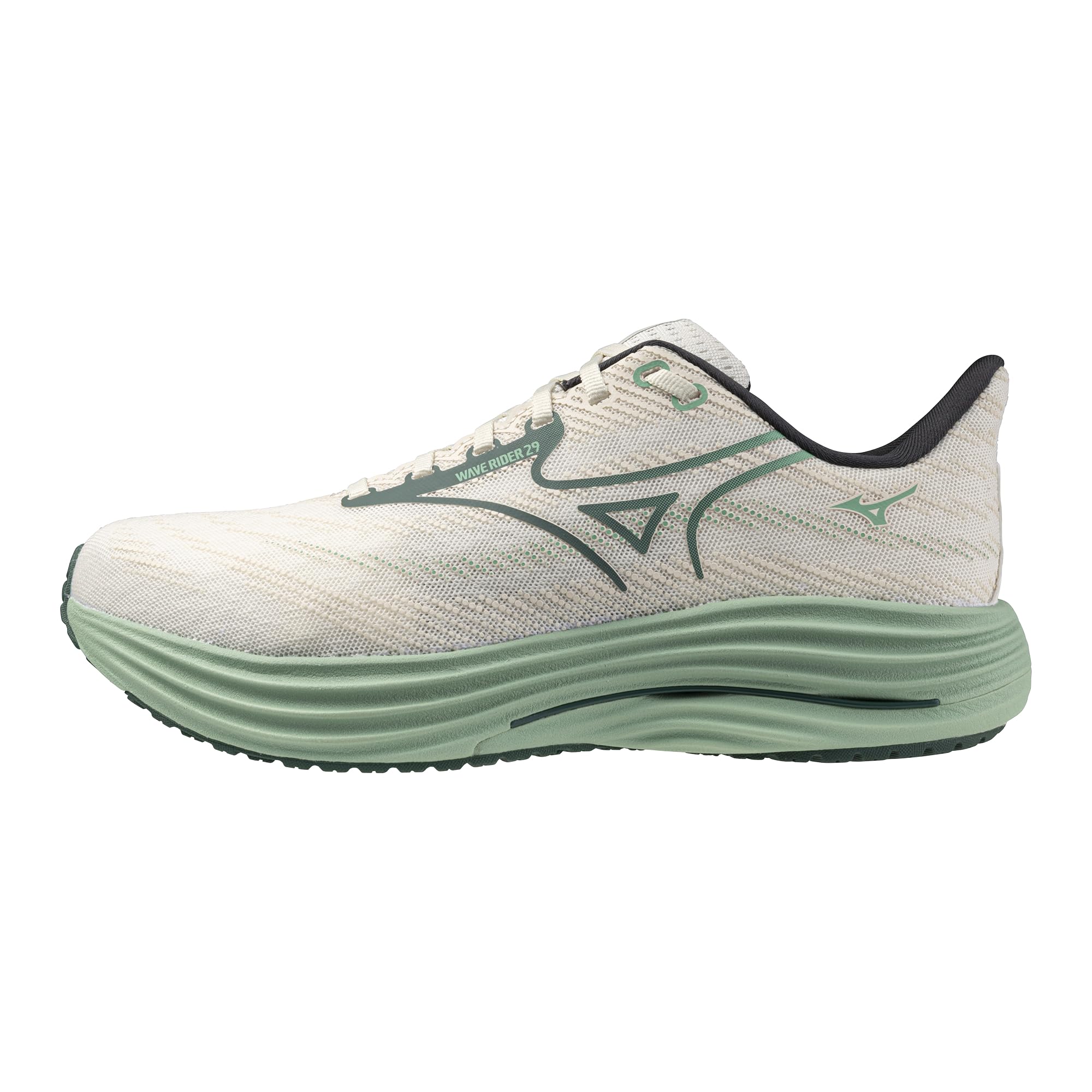
The Mizuno Wave Rider 29 is a premium daily trainer that excels for runners who need a stable, smooth ride for 10K racing. It uses Mizuno’s Enerzy foam, which provides a plush yet responsive cushioning that absorbs impact without feeling mushy. The signature Wave plate—a nylon-based corrugated structure embedded in the midsole—adds a subtle stiffness that helps guide the foot through the gait cycle without the aggressive snap of a carbon plate. This makes the shoe incredibly stable, particularly for overpronators or runners with a midfoot strike.
Fit is true to size with a comfortable toe box that offers enough room for toe splay. The heel support is solid, providing a secure lockdown that prevents heel slip. The outsole rubber coverage is generous, offering excellent durability that holds up to 500+ miles. Reviewers consistently report that the Wave Rider is one of the most comfortable shoes for both walking and running, with many noting it resolved knee and foot pain issues.
For the 10K, the Wave Rider 29 is a great choice if you prioritize stability and a smooth transition over pure speed. It does not have the explosive rebound of a super-shoe, but its consistent ride and excellent support make it ideal for runners who want a reliable, comfortable shoe for race day. It is slightly heavier than dedicated racers, but the durability and comfort make up for the added weight.
Why it’s great
- Excellent stability for overpronators
- Very durable outsole with long lifespan
- Plush yet responsive Enerzy foam
Good to know
- Heavier than typical 10K racers
- Wave plate can feel stiff for supinators
5. Adidas Adizero Evo SL M
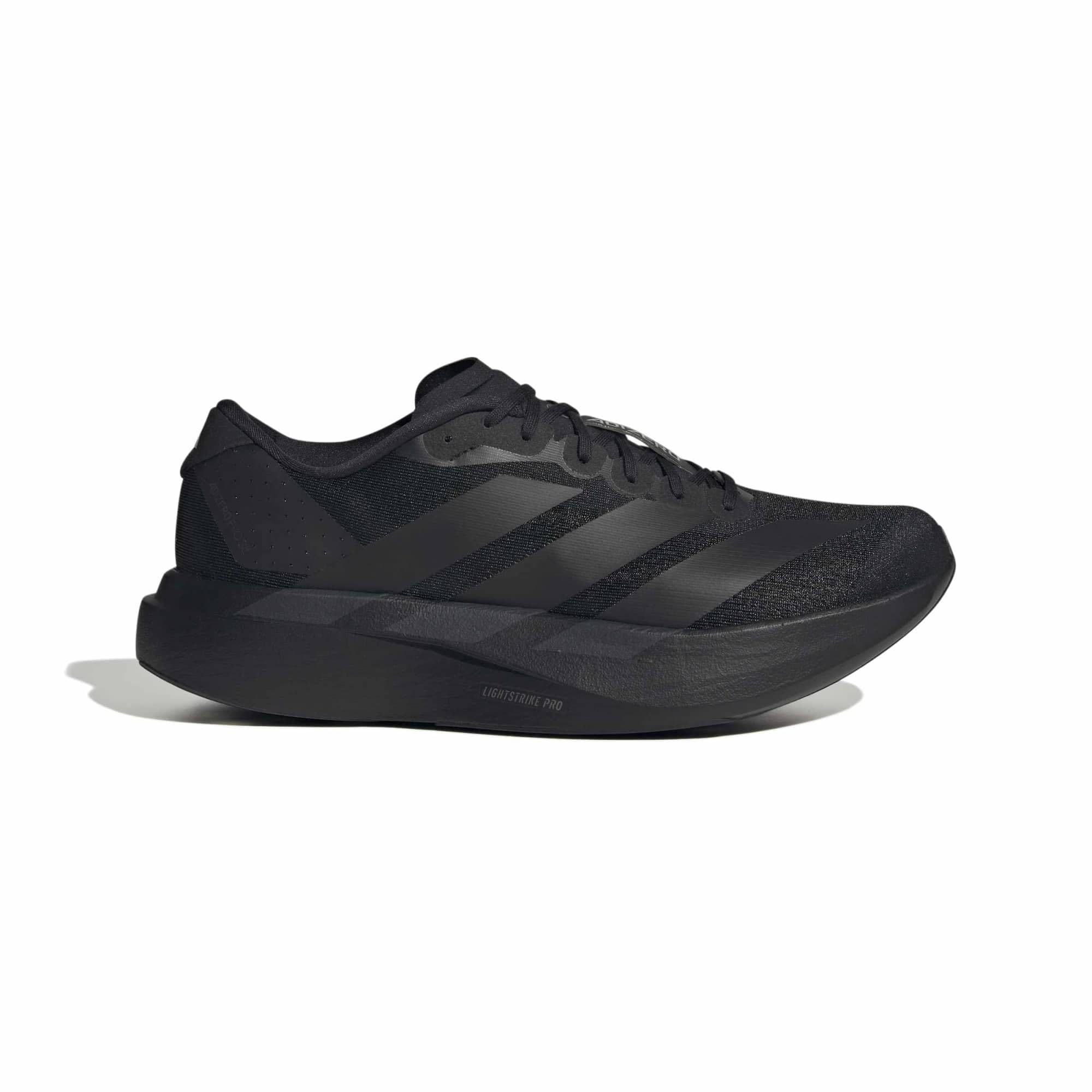
The Adidas Adizero Evo SL M is a performance trainer that bridges the gap between a daily trainer and a race-day super-shoe. It uses the same Lightstrike Pro foam found in Adidas’s top-tier marathon racers, but in a more accessible package that is lighter and more flexible. The 39mm stack height provides ample cushioning for a 10K, while the foam itself offers a snappy, responsive feel that rewards faster paces. It does not use a carbon plate, relying instead on the foam’s natural energy return and a rocker geometry to propel you forward.
The fit is a potential issue for some runners. The toe box height is low, which can cause discomfort for those with bunions or high-volume feet. Reviewers with narrow to medium feet found the fit to be secure and comfortable, while wider-footed runners reported pinching. The upper is very thin and breathable, which makes it ideal for warm-weather racing. The outsole is minimal, contributing to its light weight (~7.8 oz), but this means durability is not its strong suit.
For a 10K, the Evo SL M excels if you are a mid- to forefoot striker who wants a light, responsive feel without the stiffness of a carbon plate. It feels best at tempo and threshold paces, where the foam’s snap really comes alive. If you have narrow feet and want a budget-friendly alternative to the Adios Pro, this is a strong candidate for race day.
Why it’s great
- Very lightweight with a responsive ride
- Thin, breathable upper for hot runs
- Accessible price for Lightstrike Pro foam
Good to know
- Low toe box height can cause rubbing
- Thin outsole limits long-term wear
6. ALTRA Torin 8
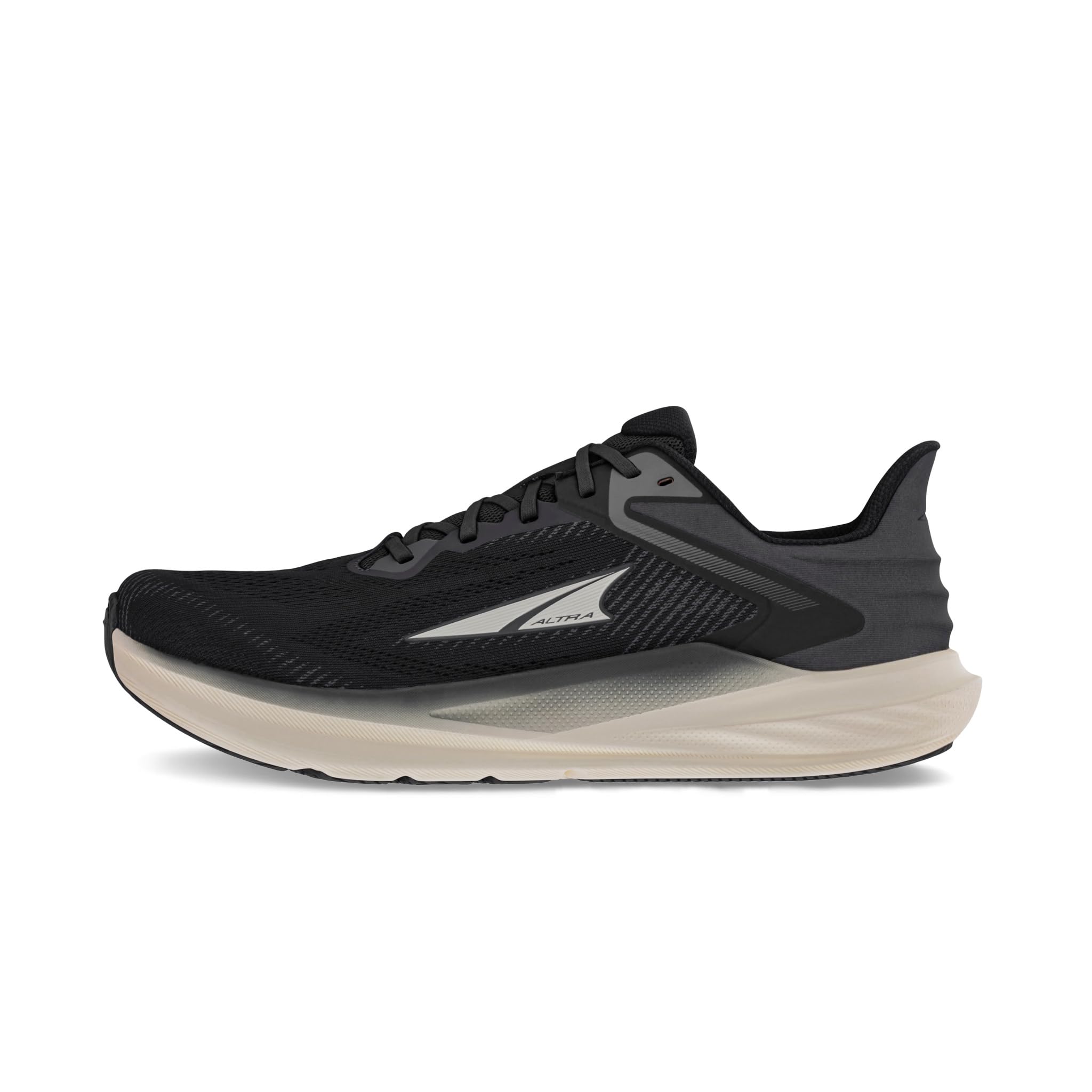
The ALTRA Torin 8 is the go-to choice for runners committed to a zero-drop platform and a wide toe box. It uses ALTRA’s Ego Max foam, which is a nitrogen-infused EVA blend that provides a soft, responsive ride without the mushy feel of standard EVA. The 28mm stack height is lower than most modern trainers, giving you excellent ground feel and stability. For a 10K, this shoe rewards a natural running form and a midfoot or forefoot strike, as the zero-drop design encourages a more balanced gait.
The standout feature is the FootShape toe box, which allows your toes to splay naturally. This is a game-changer for runners who experience blisters or toe crowding in traditional shoes. The upper is airy and breathable, with a redesigned heel counter that improves lockdown. Reviewers noted that the shoe requires a longer break-in period—about 20-30 miles—for the foam to soften and the upper to conform to the foot. Once broken in, the ride is smooth and comfortable for distances up to 10K.
The Torin 8 is not a speed shoe per se, but it offers enough cushioning and responsiveness for a comfortable 10K race, especially for runners who prioritize foot health and natural movement. The outsole rubber is durable, with many reviewers reporting 500+ miles of use. If you want a zero-drop shoe that does not sacrifice comfort for speed, the Torin 8 is the best option for the 10K.
Why it’s great
- Roomy toe box for natural toe splay
- Stable zero-drop platform
- Durable outsole with long lifespan
Good to know
- Requires a longer break-in period
- Lower stack provides less impact protection
7. Mizuno Neo Vista

The Mizuno Neo Vista is a max-cushioned trainer that offers an ultra-smooth ride perfect for longer efforts and recovery runs that double as 10K race preparation. It uses Mizuno’s Enerzy NXT foam, which is a supercritical EVA blend that delivers a soft, pillowy feel without being dead or heavy. The sock-style fit and elastic laces provide a secure, foot-hugging feel that many runners find extremely comfortable. The stack height is generous, making it one of the most cushioned options for the 10K distance.
Fit is true to size but the sock-like construction means less tongue padding, which can cause lace pressure on the top of the foot for some runners. The shoe is lightweight for its cushioning level, making it easy to maintain turnover even at 10K pace. Reviewers noted that it is especially good for runners who need maximum impact absorption to protect their knees and achilles tendons. The outsole is smooth and durable, providing consistent traction.
For a 10K, the Neo Vista excels if you want to minimize fatigue and protect your legs without sacrificing all responsiveness. It is not as snappy as a carbon-plated racer, but the smooth transition and plush ride make it a fantastic choice for runners who prioritize comfort over raw speed. It is a great training companion that can serve as a race-day shoe for a comfortable, steady effort.
Why it’s great
- Ultra-smooth and cushioned ride
- Lightweight for a max-cushion shoe
- Excellent impact absorption for joints
Good to know
- Sock fit can cause lace pressure
- Less responsive than plate-based racers
8. ASICS Gel-Cumulus 27
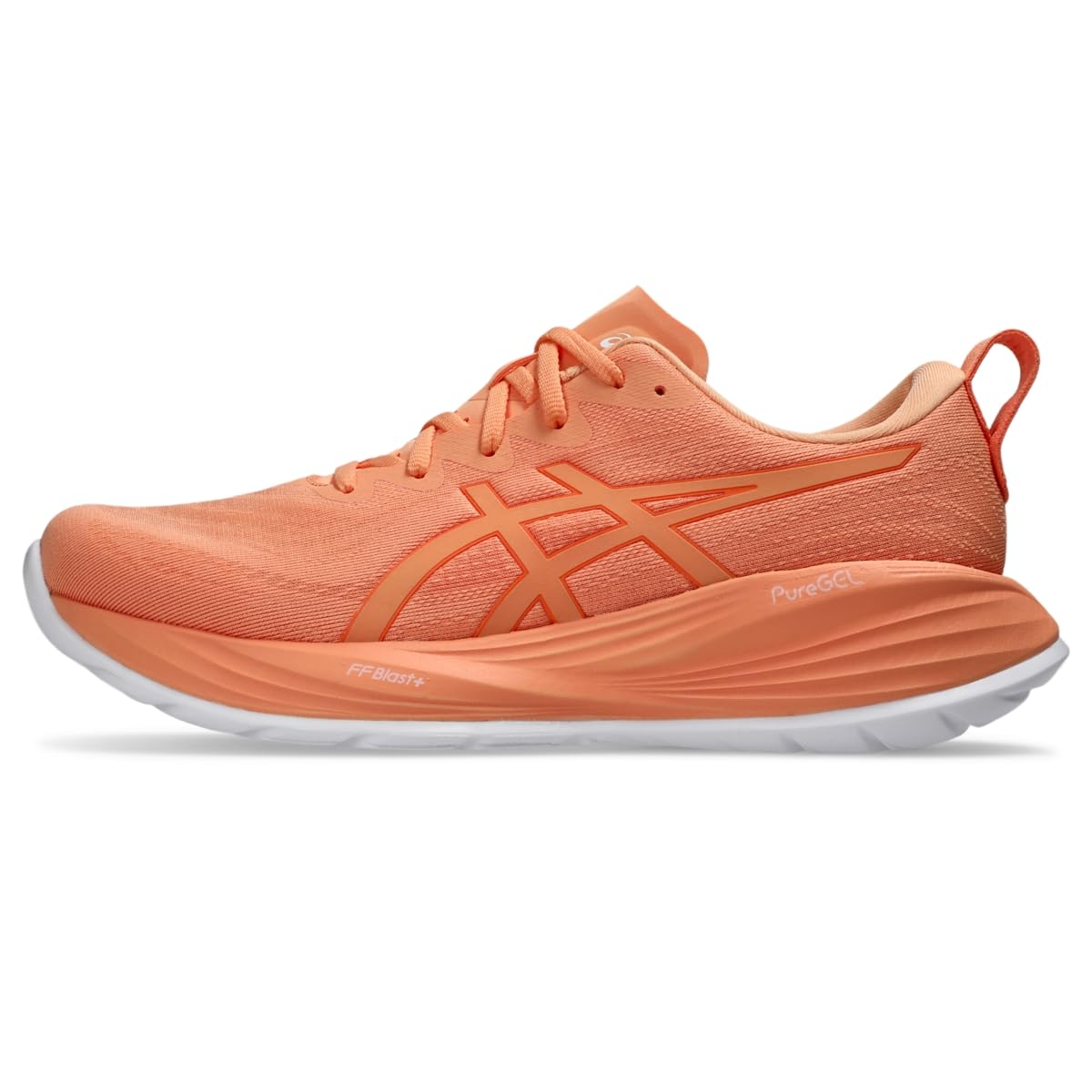
The ASICS Gel-Cumulus 27 is a budget-friendly daily trainer that offers solid cushioning and support for the 10K distance. It uses ASICS’s FlyteFoam Blast foam combined with PureGEL technology in the heel for impact-attenuation. The ride is neutral and comfortable, with a generous amount of cushioning that absorbs road shock effectively. It is not a dedicated race shoe, but it provides a reliable, comfortable platform for runners who want a good all-around shoe for training and casual racing.
Fit is true to size, with a slightly generous toe box that prevents toe pinching. The upper is breathable and durable, making it suitable for everyday use. Reviewers consistently praise the comfort, noting that it eliminates foot pain and is great for both running and walking. The outsole is durable, holding up well over many miles. The weight is on the higher side compared to dedicated racers, but it is reasonable for a daily trainer in this price range.
For a 10K, the Gel-Cumulus 27 is best suited for newer runners or those who want a cushioned, forgiving shoe for a comfortable finish rather than a PR. It lacks the snap and energy return of premium racing shoes, but it offers a consistent, stable ride that will get you through the distance without discomfort. It is a fantastic value pick for runners on a budget.
Why it’s great
- Affordable price with good cushioning
- Durable outsole for daily training
- Comfortable fit with generous toe box
Good to know
- Heavier than performance racers
- Lacks the snap of race-day shoes
9. Brooks Launch 10
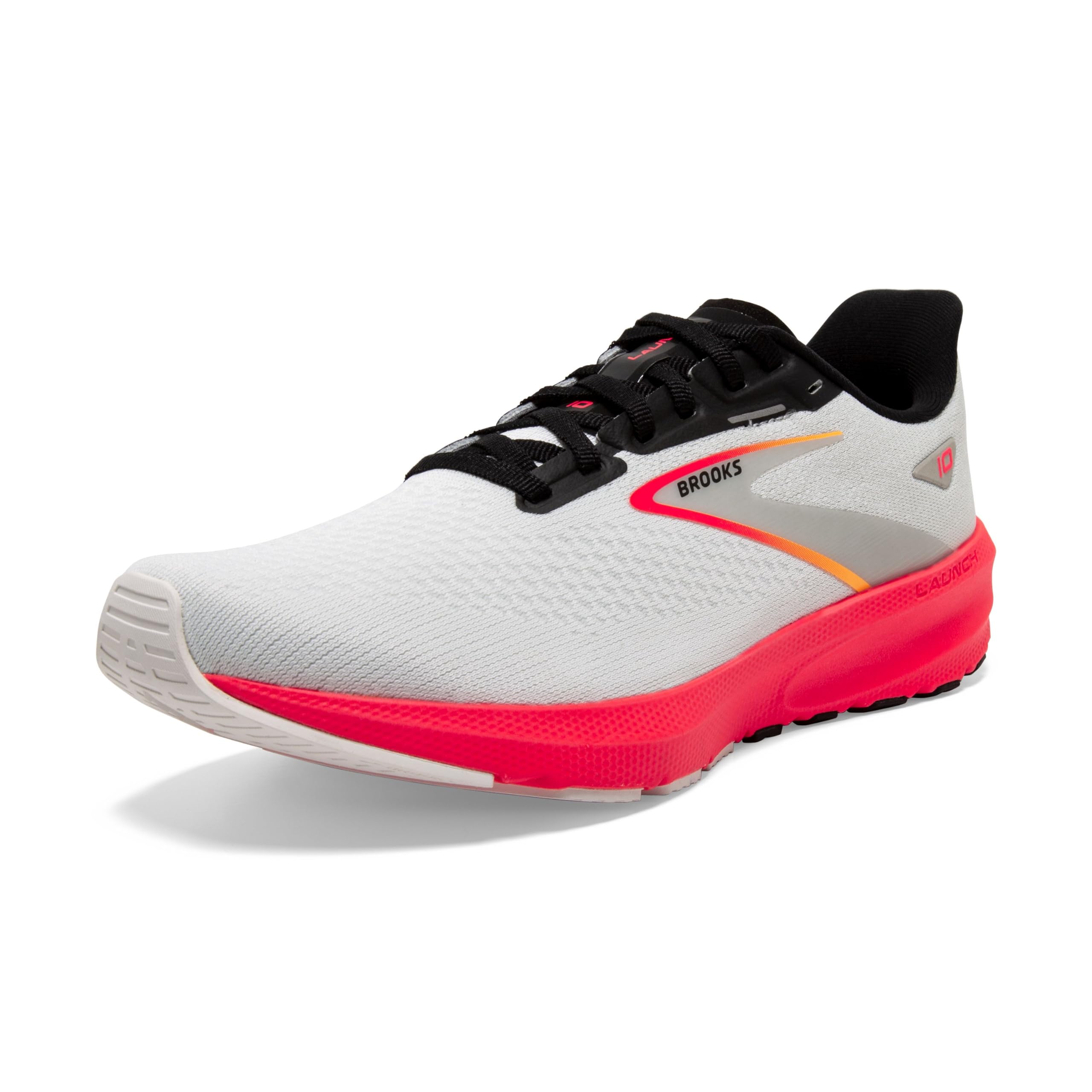
The Brooks Launch 10 is the most affordable option on this list, offering a reliable neutral ride for runners who need a no-frills 10K shoe. It uses Brooks’s DNA Flash foam, which is a lightweight EVA blend that provides a snappy, responsive feel. The 10mm drop makes it a good choice for heel-strikers, offering a smooth transition from heel to toe. It is a straightforward, comfortable shoe that gets the job done without any fancy plates or exotic foams.
Fit is true to size and accommodates a variety of foot shapes. The upper is breathable and durable, making it suitable for everyday use. Reviewers note that the shoe is comfortable right out of the box and provides good support for both walking and running. However, some reviewers reported that the foam wears out faster than premium options, with noticeable breakdown after a year of moderate use. The outsole is adequate for dry pavement but may lack traction on wet surfaces.
For a 10K, the Launch 10 is a solid entry-level option for runners who want a reliable, affordable shoe. It does not offer the energy return or weight savings of higher-end models, but it provides a comfortable, consistent ride that is perfect for building confidence in the distance. If you are on a tight budget, this is a dependable choice that will still serve you well on race day.
Why it’s great
- Very affordable price point
- Comfortable out of the box
- Good for heel-strikers with 10mm drop
Good to know
- Foam breaks down faster than premium options
- Limited traction on wet roads
FAQ
What is the ideal drop for a 10K racing shoe?
Do I need a carbon plate for a 10K race?
How much should a 10K racing shoe weigh?
Can I use a daily trainer for a 10K race?
What is the best way to break in a new pair of 10K racing shoes?
Final Thoughts: The Verdict
For most runners seeking the best 10k racing shoes, the easy winner is the ASICS SUPERBLAST 2 because it combines premium PEBA foam with a versatile high-stack platform that suits a wide range of paces and foot strikes without requiring any break-in. If you want a carbon-plated rocket for chasing a PR, grab the Saucony Endorphin Pro 4. And for a budget-friendly option that still delivers a snappy, lightweight ride, nothing beats the New Balance FuelCell Rebel V5.