
Every mile you log in zone 3 or higher amplifies the effect of every ounce of extra shoe weight, every millimeter of stack height, and every gram of cushioning foam. For the 10K distance — roughly 40 to 75 minutes of sustained effort — your shoe choice directly impacts your cadence, your landing angle, and whether that final 5K feels like a push or a survival shuffle. The right pair balances enough impact protection to preserve your knees on pavement with enough ground feel to keep turnover quick.
I’m Min — the co-founder and writer behind Gadgets Feed. For this guide, I spent dozens of hours cross-referencing real user data, analyzing foam compounds, midsole geometry, and outsole rubber placement across the latest releases from Brooks, ASICS, Saucony, New Balance, and On to isolate the models that actually perform when the distance demands consistency.
The goal is simple: cut through the marketing noise and identify which pairs deliver measurable performance for 10k running shoes, separating the daily trainers that just feel soft from the race-capable platforms that reward your effort at every stride.
How To Choose The Best 10K Running Shoes
Selecting a 10K-specific shoe sits in a unique sweet spot. You need enough cushion to handle repeated ground impact over 10,000 meters, but not so much stack that you lose proprioception and feel unstable at faster cadences. Beginners often over-cushion and end up fighting the foam; experienced runners sometimes under-cushion and pay for it in joint fatigue on race day. Understanding a few key variables makes the decision straightforward.
Midsole Foam and Energy Return
Polyurethane-based foams like PWRRUN+ or DNA Loft v2 offer a balanced blend of softness and resilience that works well for the 10K effort range. Supercritical foams (PEBA-based) found in premium trainers like the Superblast 2 deliver bouncier energy return, which reduces perceived effort at lactate threshold pace. The trade-off is cost and sometimes stability — lighter foams can feel less planted on uneven pavement. For a 10K, look for a foam that compresses noticeably on heel strike but springs back quickly; dead foams cost you seconds per mile.
Outsole Rubber Coverage and Tread Pattern
A genuine category-specific spec that separates 300-mile shoes from 150-mile curiosities is outsole rubber. Full-length blown rubber in high-wear zones (heel strike lateral edge, forefoot push-off area) is essential for 10K training volume. Some lightweight models reduce rubber to save ounces, but the exposed midsole foam wears down rapidly. Examine photos of the outsole before buying — you want continuous rubber strips, not isolated pads.
Fit and Toe Box Shape
Foot swelling is real during a hard 10K effort. Shoes that fit perfectly in the store can feel restrictive at mile 5. Look for a toe box that allows natural splay of the metatarsals without pinching the little toe. Many runners in this category benefit from ordering half a size up from their casual shoe size. The Brooks Revel 8 and ASICS Gel-Cumulus 27 are known for accommodating this need well.
Quick Comparison
On smaller screens, swipe sideways to see the full table.
| Model | Category | Best For | Key Spec | Amazon |
|---|---|---|---|---|
| ASICS SUPERBLAST 2 | Premium | Versatile training & race | 45mm stack / 9.5oz | Amazon |
| Saucony Endorphin Pro 4 | Premium | Race day / speed work | Carbon plate / 7.2oz | Amazon |
| NB Fresh Foam X More V6 | Premium | Max cushion recovery | 34mm stack / 10.8oz | Amazon |
| On Cloudrunner 2 | Premium | All-day comfort / lifestyle | CloudTec pods / 10.2oz | Amazon |
| NB FuelCell Rebel V5 | Mid-Range | Fast daily training | FuelCell foam / 7.8oz | Amazon |
| Saucony Ride 18 | Mid-Range | Neutral daily trainer | PWRRUN+ / 9.4oz | Amazon |
| ASICS GT-1000 14 | Mid-Range | Stability / overpronation | LITETRUSS / 10.1oz | Amazon |
| ASICS Gel-Cumulus 27 | Mid-Range | Soft neutral daily run | PureGEL / 9.6oz | Amazon |
| Brooks Revel 8 | Budget | Entry-level / walking | DNA Loft v2 / 9.8oz | Amazon |
In‑Depth Reviews
1. ASICS Unisex SUPERBLAST 2 Running Shoes
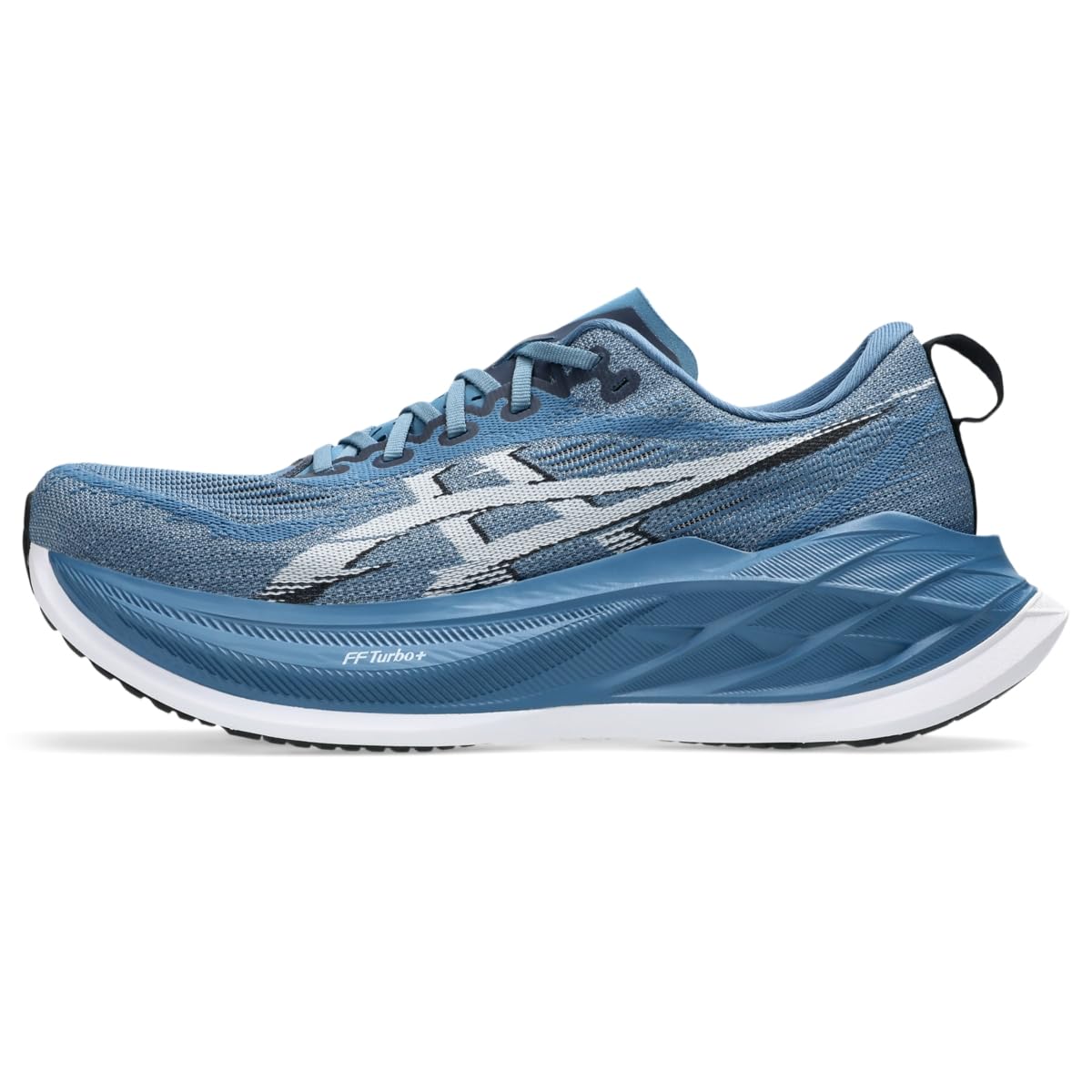
The SUPERBLAST 2 occupies a rare position — it combines the energy return of a super-shoe with the stability of a everyday trainer. The midsole uses a dual-layer construction with a bouncy PEBA-based top layer and a firmer EVA base layer, giving you a springy toe-off without the ankle instability that plagues high-stack racers. Runners consistently report that it handles both recovery jogs and threshold pace work without feeling dead at either end.
The outsole features full-coverage AHAR rubber that wears gradually, and the upper breathes well even in summer heat. The toe box has enough volume for slight toe splay, and the heel counter is minimal but holds the foot securely. For the 10K distance, this shoe rewards efficient form with noticeable propulsion while still protecting the joints on concrete.
Some users note that the fit runs slightly long — about a half size — and the price sits at the premium end of the spectrum. But considering you can use it for both race day and your hardest training sessions, the value per mile is excellent compared to buying separate daily and race shoes.
Why it’s great
- Exceptional energy return from PEBA-based foam
- Stable at high stack height — no ankle roll
- Versatile enough for every 10K workout type
Good to know
- Runs half size long for some foot shapes
- Premium price bracket
2. Saucony Men’s Endorphin Pro 4 Sneaker
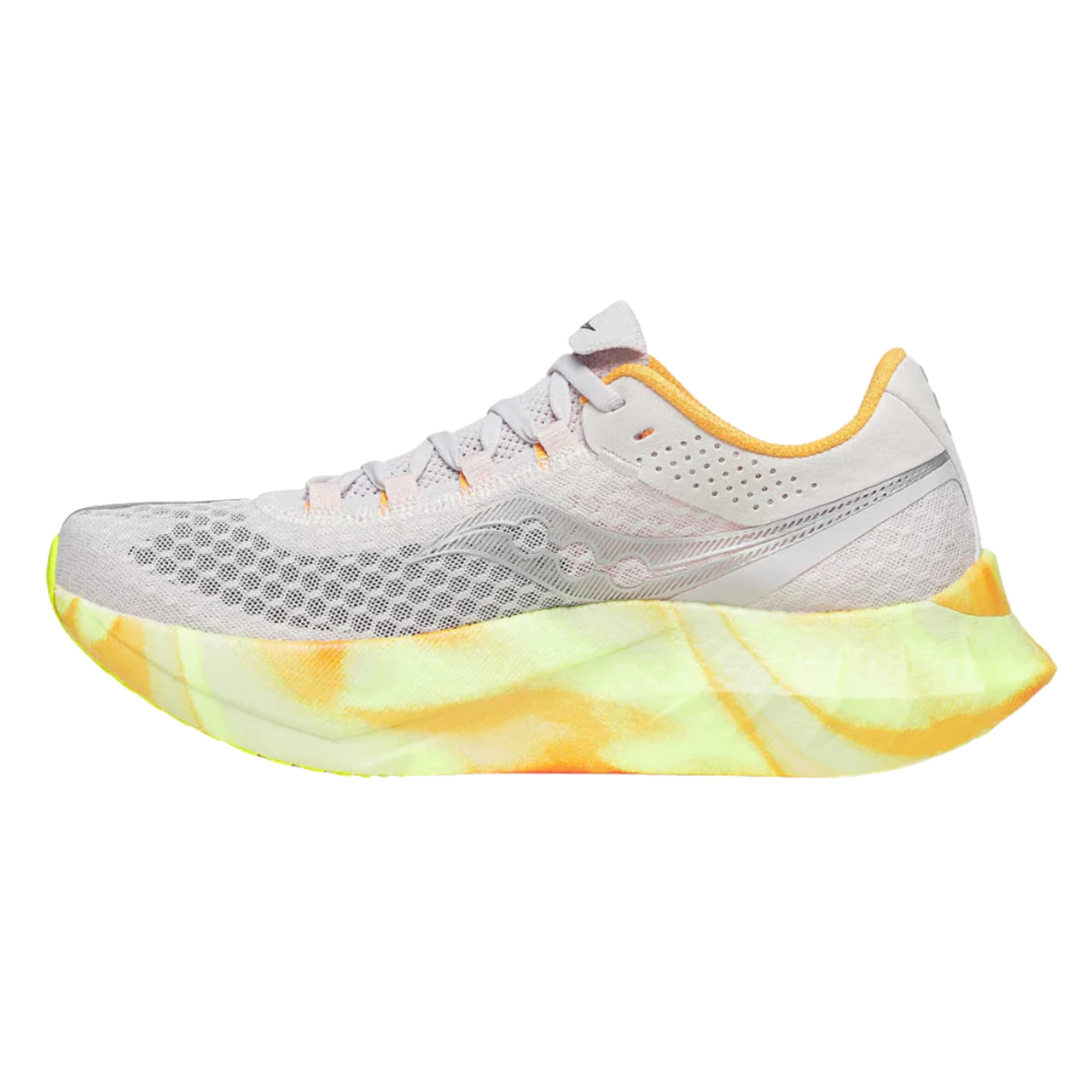
The Endorphin Pro 4 is a true carbon-plated racer designed to hold sub-6:00/mile pace for the full 10K distance. The plate geometry creates a noticeable forward roll that encourages a midfoot strike and reduces ankle range of motion, translating to faster turnover at lower perceived effort. The PWRRUN HG foam is dense and snappy, not mushy — it rewards aggressive runners who can maintain form.
Build quality is excellent: the upper is a lightweight mesh that holds the foot without hot spots, and the outsole includes carbon rubber in high-wear zones to extend race-day life beyond a single event. Many users report swapping these at 300-400 miles, which is solid for a performance racer. The weight, at 7.2oz for a men’s 9, is among the lightest in this category.
The main consideration is that the Pro 4 runs slightly narrow, so wide-footed runners should size up half to a full size. The high price also means it is best reserved for race days and key tempo sessions, not daily grinding. For a 10K PR attempt, this shoe delivers measurable seconds.
Why it’s great
- Aggressive carbon plate geometry for fast 10K pace
- Very lightweight at 7.2oz
- Durable outsole for a racer
Good to know
- Narrow fit — size up for wider feet
- Premium price for race-only use
3. New Balance Men’s Fresh Foam X More V6
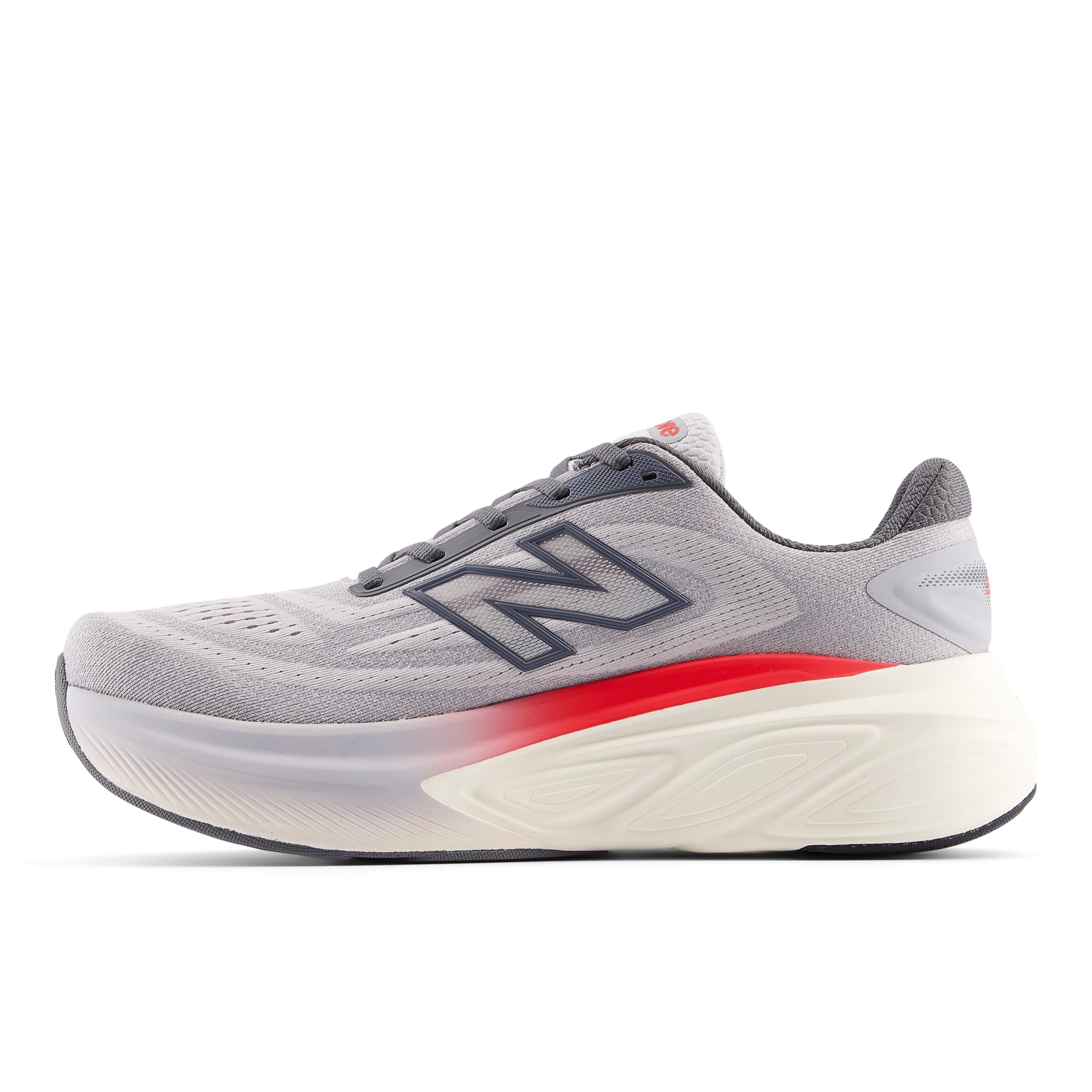
The More V6 is the pillowiest shoe in this lineup, with a 34mm stack of Fresh Foam X that delivers plush, forgiving landings mile after mile. For runners whose 10K goal is completing the distance comfortably rather than chasing a PR, this shoe minimizes joint impact and softens every footstrike. The rocker geometry makes the transition from heel to toe smooth despite the high stack.
It comes in wide (2E and 4E) sizing, which is rare at this stack height — runners with wider feet will appreciate the generous toe box and midfoot volume. The outsole uses blown rubber that is soft and grippy, but the trade-off is accelerated wear; users report noticeable thinning in the heel after 150 miles. For recovery runs and easy 10K efforts, this shoe is unmatched in comfort.
Because the foam is so soft, the More V6 feels less responsive at faster paces. Pushing sub-7:00/mile may feel like you are fighting the cushion. It also runs about half a size large, so sizing down can improve the fit for a snugger ride.
Why it’s great
- Extremely plush Fresh Foam X midsole
- Wide sizing options (2E/4E)
- Rocker sole smooths transitions
Good to know
- Outsole rubber wears relatively quickly
- Less responsive at faster paces
4. On Men’s Cloudrunner 2 Sneakers

The Cloudrunner 2 represents On’s attempt to blend their signature CloudTec pod cushioning with a more traditional runner geometry. The shoe uses a dual-density midsole with softer pods on the heel and firmer foam toward the forefoot, giving a balanced ride that works well for both walking and easy-paced 10K runs. The upper has a plush heel counter and a secure lacing system that locks the midfoot.
Aesthetically, the Cloudrunner 2 is one of the better-looking options in this category, with clean lines and subtle branding. For runners who also want a shoe that transitions to casual wear, this is a strong contender. The build quality is solid, with a reinforced toe cap and stout rubber outsole that shows minimal wear after 100 miles.
The limitation is performance ceiling: the CloudTec pods compress noticeably but don’t spring back with the energy return of PEBA or PWRRUN foams. At moderate paces (8:00-9:00/mile), the ride is pleasant. Trying to push below 7:00/mile reveals the cushion’s dead spot. This shoe is best for runners prioritizing comfort and style over all-out speed.
Why it’s great
- Stylish design that works off the road
- Dual-density midsole for balanced cushion
- Good build quality and upper comfort
Good to know
- Energy return is mid-tier — not for fast paces
- Premium price for non-super-foam construction
5. New Balance Men’s FuelCell Rebel V5
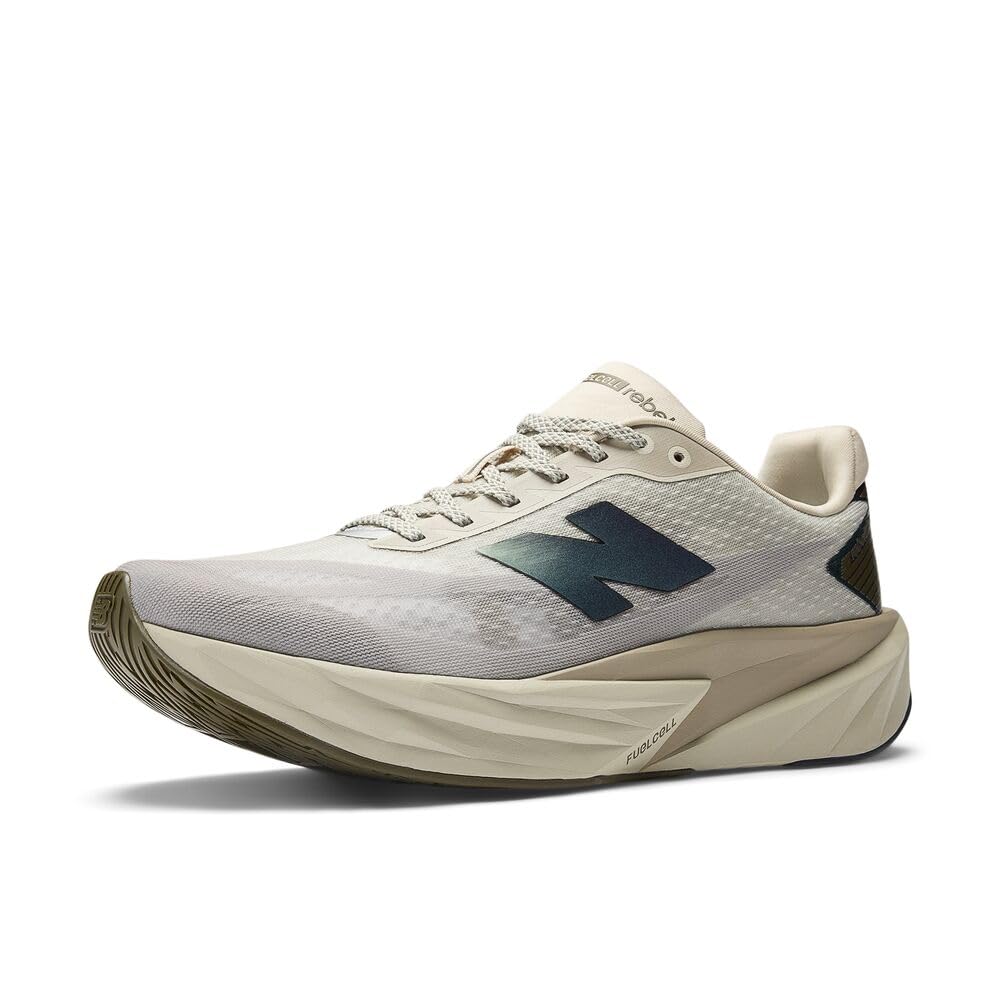
The FuelCell Rebel V5 is a featherweight daily trainer at 7.8oz that punches above its price class. The FuelCell foam is nitrogen-infused, delivering a springy, responsive ride that feels lively at tempo and threshold paces. It has a moderate 28mm stack that gives enough protection for 10K training without sacrificing ground feel — you can feel the road surface, which helps maintain cadence at higher speeds.
The upper is a single-layer mesh with a gusseted tongue that prevents shifting, and the lacing system allows a precise fit. Runners report negligible break-in time, with the shoe feeling good out of the box. The outsole uses a thin layer of rubber that covers key wear zones, and durability is reasonable for a lightweight shoe — expect 250-300 miles before the foam starts to feel flat.
The Rebel V5 is not built for ultra-long recovery runs or for heavy runners (over 190 lbs) who need max cushion. Its sweet spot is the 3-8 mile range at moderate to fast paces. For the 10K runner looking for a low-weight option that can handle both training and the occasional race, this is a compelling mid-range choice.
Why it’s great
- Very lightweight at 7.8oz
- Responsive FuelCell foam for tempo paces
- Minimal break-in required
Good to know
- Limited max cushion for heavier runners
- Outsole rubber is thin — moderate durability
6. Saucony Men’s Ride 18 Sneaker
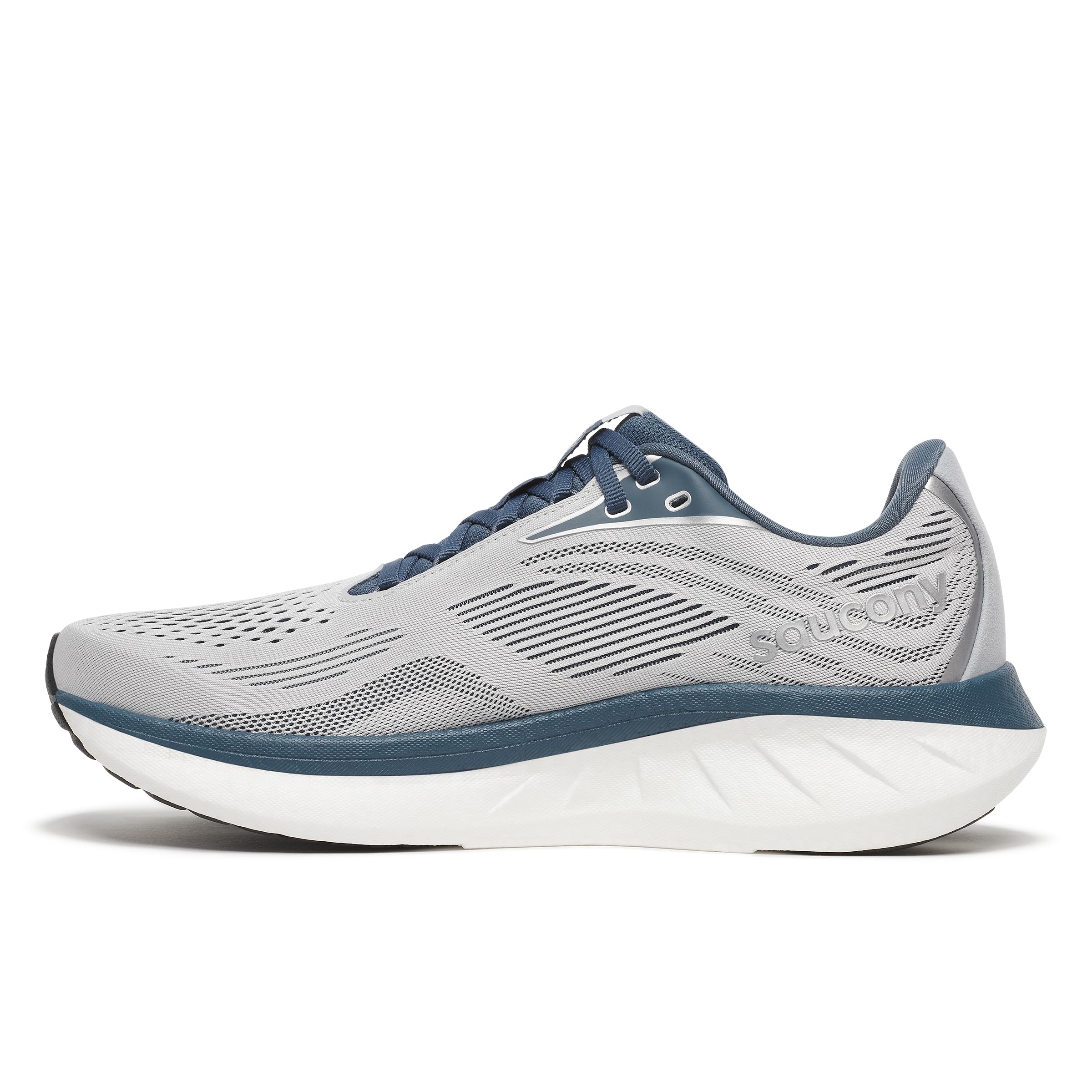
The Saucony Ride 18 is a benchmark neutral daily trainer that prioritizes a balanced, moderate feel over extremes. The PWRRUN+ midsole offers a well-damped ride that isn’t too soft or too firm — it hits a Goldilocks zone that works for many runners across different paces and footstrike patterns. For the 10K runner, this means you can use it for both easy runs and steady-state efforts without a jarring transition.
The upper is a breathable engineered mesh with a semi-stretch bootie construction that locks the midfoot while allowing toe splay. The outsole uses XT-900 carbon rubber that Saucony places strategically along the heel strike edge and forefoot; users report 350-400 miles of life before noticeable flat spots. The 8mm drop is standard, encouraging a midfoot stride without forcing it.
A known caveat is that some users find the Ride 18’s outsole rubber placement too aggressive on the exposed midsole foam — a small number of runners reported pinch points in the arch area. Also, the relatively standard stack height (30mm heel) means it won’t absorb heavy impacts like a max-cushion shoe, but for a 10K daily trainer, this is a reliable, proven platform.
Why it’s great
- Well-balanced PWRRUN+ foam for daily versatility
- Durable XT-900 outsole rubber
- Breathable upper with good midfoot lock
Good to know
- Some users report arch pinch points
- Not enough cushion for heavy impact absorption
7. ASICS Men’s GT-1000 14 Running Shoes
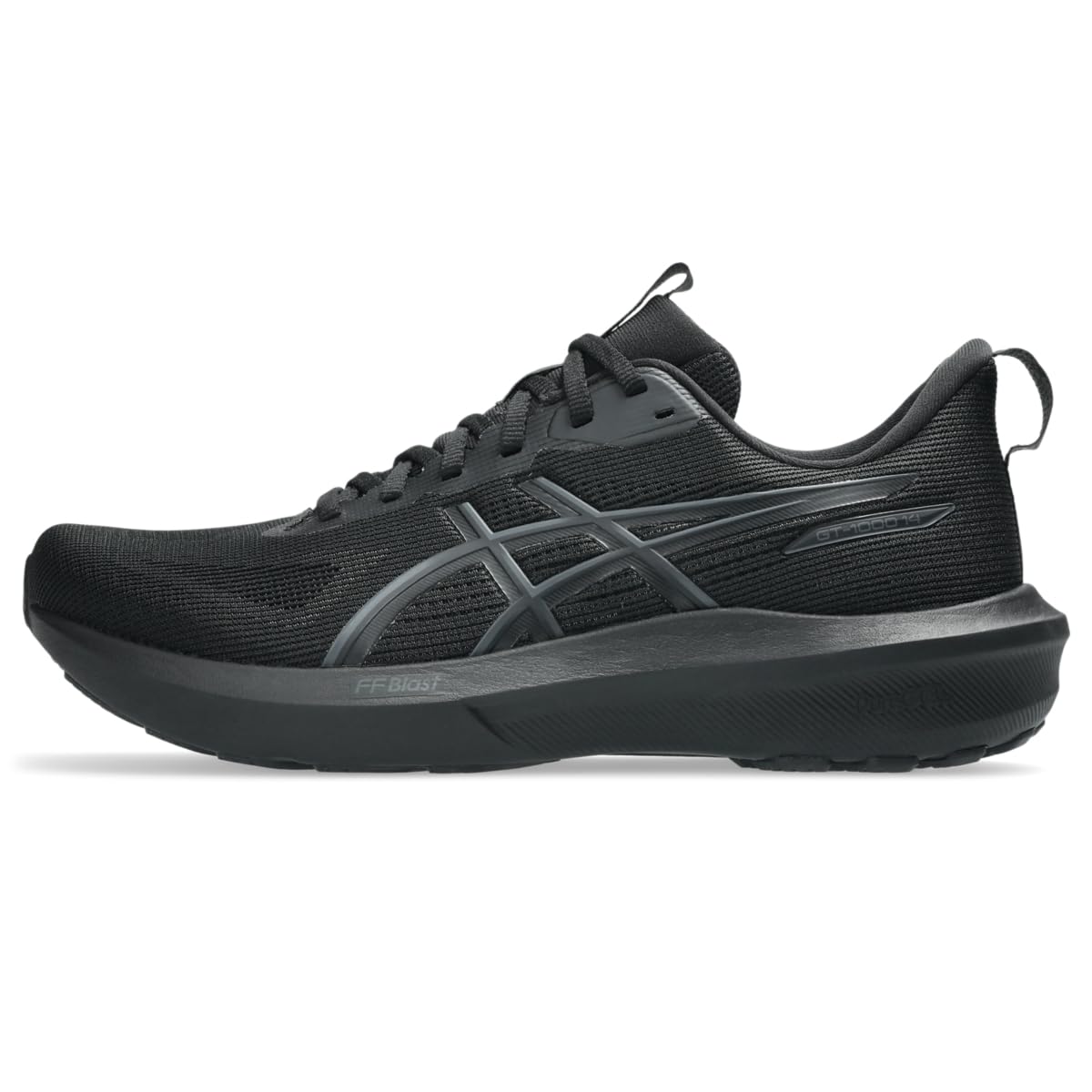
The GT-1000 14 is the budget-friendly stability shoe in ASICS’ lineup, designed to correct mild overpronation without feeling like a heavy orthopedic device. The LITETRUSS medial post runs along the arch side of the midsole, providing a gentle density change that guides the foot into a more neutral stride. For runners whose 10K pace suffers from excessive pronation, this shoe reduces energy leak.
At 10.1oz, it is not the lightest, but the weight is well-distributed and the foam is adequate for the distance. The upper uses a standard mesh with sufficient padding around the heel collar, and the toe box offers decent width — wider than the GT-2000 series. Users with neuropathy or foot pain report that the GT-1000 14 provides noticeable relief compared to neutral shoes.
The main compromise is the midsole foam itself — it uses a simpler EVA blend that lacks the pop of premium foams. At under 7:30/mile, the shoe feels dead compared to the Superblast or Endorphin. For 10K runners whose priority is joint alignment and pronation control at moderate paces, this is a smart, lower-cost stability solution.
Why it’s great
- Effective LITETRUSS stability for mild overpronation
- Wider toe box than GT-2000
- Good value in the stability category
Good to know
- Foam lacks energy return at fast paces
- Heavier than neutral alternatives
8. ASICS Men’s Gel-Cumulus 27 Running Shoes
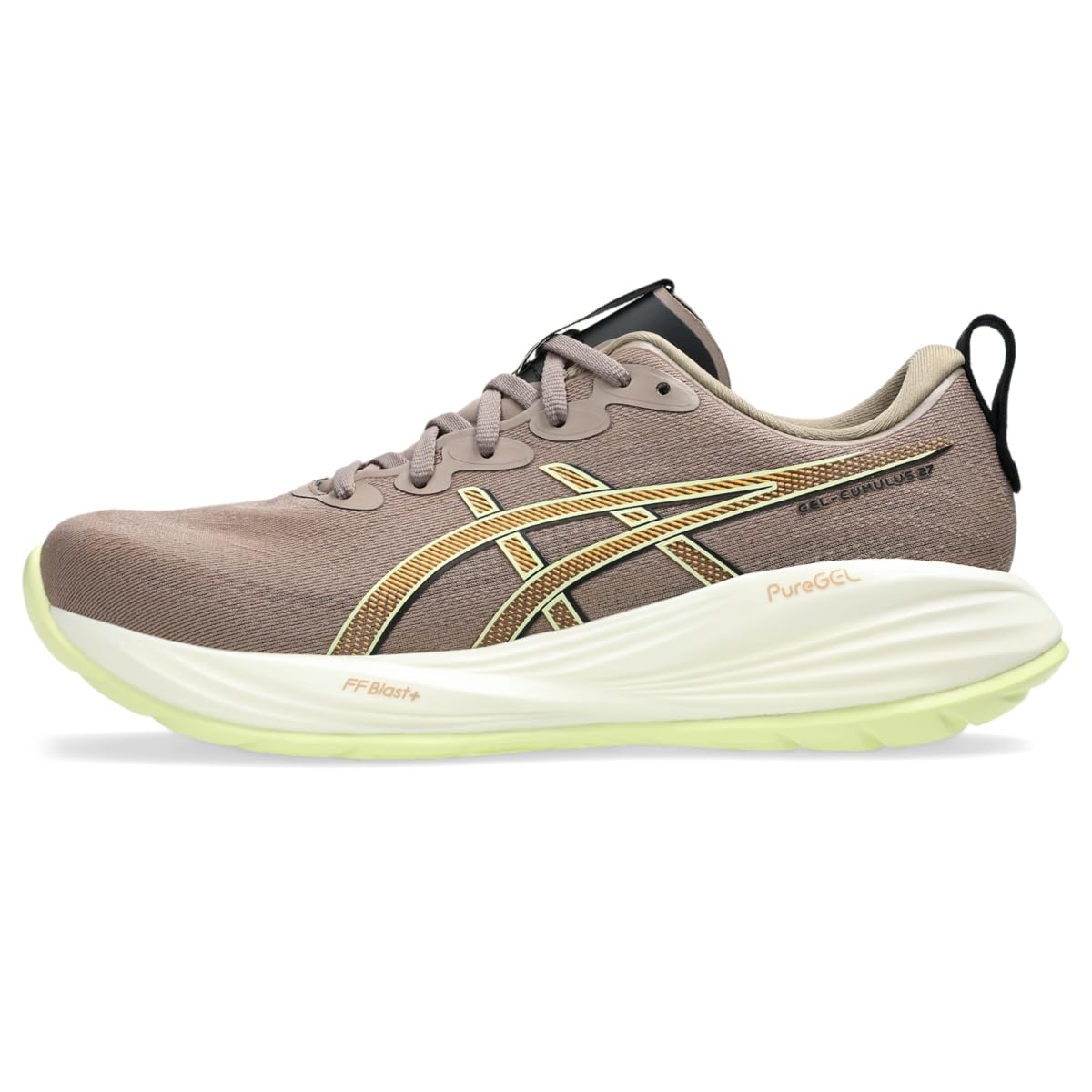
The Gel-Cumulus 27 is ASICS’ soft neutral daily runner, sitting directly below the Nimbus in their cushion hierarchy. The PureGEL inserts are embedded into the heel and forefoot sections of the midsole, absorbing impact at initial contact and releasing it smoothly through the gait cycle. The overall ride is notably plush but not unstable — the foam has enough structure to prevent bottoming out.
The upper uses a jacquard mesh that provides good ventilation and a premium feel, with a structured heel counter that reduces slip. Runners report exceptional comfort for both running and walking, with many noting that the shoe fits true to size and accommodates slightly wider feet without pinching. The outsole rubber coverage is generous, contributing to good durability estimates.
The limitation is the weight — at 9.6oz, it is not a speed shoe. The foam is soft and pleasant for steady-state 10K runs at 8:00/mile or slower, but it lacks the rebound to assist faster turnover. For runners who want an easy, comfortable ride for training miles and are not chasing a PR, this is a strong, proven neutral shoe.
Why it’s great
- Plush PureGEL cushioning for impact absorption
- Generous outsole rubber coverage for durability
- True-to-size fit with wide-friendly toe box
Good to know
- Not responsive enough for faster 10K paces
- Slightly heavier than competitors
9. Brooks Men’s Revel 8 Neutral Running & Walking Shoe
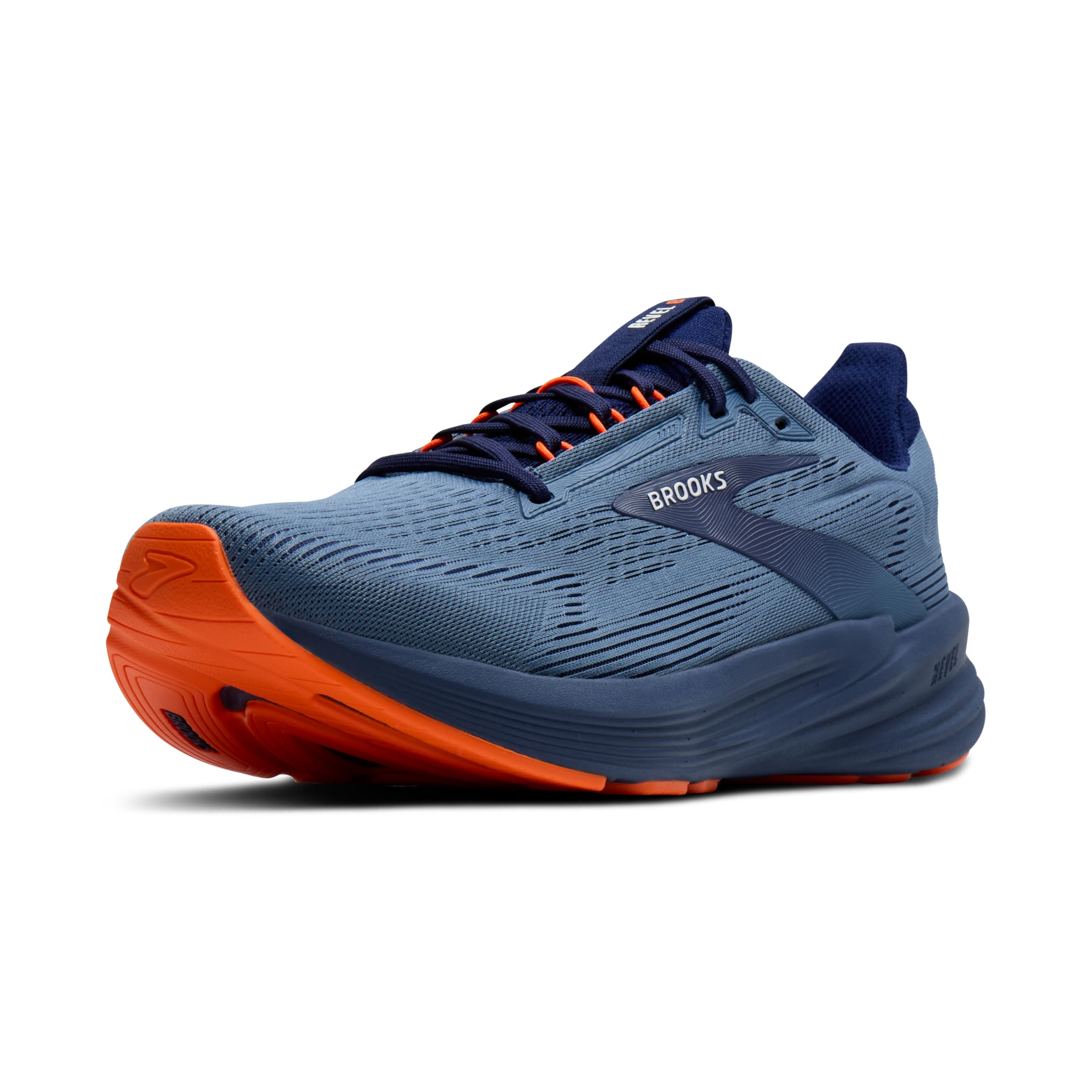
The Brooks Revel 8 delivers reliable neutral cushioning at a price that makes it accessible for new runners or those on a strict budget. The DNA Loft v2 midsole uses a blend of EVA foam, rubber, and air to create a balanced ride that is soft enough for daily mileage without being overly plush. It meets the APMA Seal of Acceptance, indicating professional support for foot health during moderate activity.
The upper uses an engineered mesh with printed overlays for structure, and the interior is well-padded around the heel and tongue. One feature that stands out is the RoadTack rubber outsole — it provides good grip on dry pavement and shows slower wear than many entry-level shoes. Many users report the Revel 8 lasting 300-400 miles before the midsole noticeably compresses.
The main trade-off is performance. The DNA Loft v2 foam does not have the rebound of premium alternatives, and at 9.8oz, it is not particularly light. For a 10K runner who wants to complete the distance comfortably without breaking the bank, this shoe works. But for anyone aiming for a specific time or running at sub-8:00/mile, the lack of energy return will be noticeable in the final kilometers.
Why it’s great
- Low entry price for reliable neutral cushioning
- Durable RoadTack outsole rubber
- APMA acceptance for foot health
Good to know
- Foam lacks snap for faster 10K paces
- Not designed for high-cadence speed work
FAQ
Do I need a carbon plate shoe for a 10K race?
How much does shoe weight matter for a 10K?
Should I buy 10K running shoes half a size larger?
How many miles should a pair of 10K running shoes last?
Final Thoughts: The Verdict
For most runners, the 10k running shoes winner is the ASICS SUPERBLAST 2 because it covers the full spectrum from recovery jogs to race-day speed, with foam that delivers elite-level energy return without sacrificing stability. If you want a true carbon-plated racer for PR attempts, grab the Saucony Endorphin Pro 4. And for budget-friendly daily miles where comfort is the priority, nothing beats the Brooks Revel 8 at its price point.