
A flimsy pad with ink-bleeding paper or a binding that falls apart makes the entire workflow frustrating.
I’m Min — the co-founder and writer behind Gadgets Feed. I have spent countless hours analyzing paper weights, grid types, binding methods, and customer feedback across dozens of large-format notebooks to identify which models deliver real durability and precision for demanding tasks.
This guide focuses on the specific features that separate a usable 11×17 pad from a waste of money, helping you find the best 11×17 notebook for your particular workflow, whether you’re drafting, drawing, or bookkeeping.
How To Choose The Best 11×17 Notebook
Choosing the right 11×17 notebook means matching the paper’s physical properties to your medium and environment. Focus on three key areas: paper weight and finish for your tool, grid type for your task, and binding for portability.
Paper Weight and Finish
The most critical spec is grams per square meter (gsm). Lightweight paper around 70-80 gsm works for pencil and ballpoint pen but will show significant ghosting or bleed-through with markers, fountain pens, or heavy ink washes. Look for 95 gsm or higher if you use wet media. The finish matters too—a smooth sheet is ideal for precise drafting lines, while a textured “tooth” surface grips charcoal and pastel particles.
Grid Type and Layout
Standard 4×4 graph paper (four squares per inch) is the most versatile for math, engineering sketches, and general organization. Isometric grids with a dot pattern are essential for 3D piping, isometric drawings, and game design. Dot grids offer a less intrusive guide for bullet journaling and creative layout work. Ledger paper with 12 columns is purpose-built for accounting and financial tracking. Choose the grid that matches your daily task—mixing them up wastes the notebook’s potential.
Binding and Backing
A sturdy backing board (50pt or thicker) provides stability when writing in the field or without a desk. Glue-top pads keep sheets secure until you tear them off, but the glue quality must be strong enough to hold 50+ sheets. Wire-bound pads lay flat and allow folding back, which is useful for tight workspaces. 3-hole punched options integrate into existing binders, making them ideal for archival storage alongside other project documents.
Quick Comparison
On smaller screens, swipe sideways to see the full table.
| Model | Category | Best For | Key Spec | Amazon |
|---|---|---|---|---|
| Notsu Dot Grid | Dot Grid | Fountain pen users, creative planning | 120gsm paper | Amazon |
| Strathmore 300 Charcoal | Charcoal/Pastel | Fine art, heavy reworking | 64 lb laid surface | Amazon |
| GeekNavy Isometric | Isometric | 3D drafting, pipe fitting | 20lb 96 brightness paper | Amazon |
| suituts 3-Pack Graph | Graph | Budget bulk drafting | 80gsm, 150 sheets | Amazon |
| BookFactory Ledger | Ledger | Accounting, financial tracking | 12 columns, 50 pages | Amazon |
| Dunwell Portfolio Binder | Presentation | Storing and displaying artwork | 24 side-loading sleeves | Amazon |
| Vishoitty Graph Pad | Graph | General drafting, math | 4×4 grid, 120 sheets | Amazon |
In‑Depth Reviews
1. Notsu Dot Grid Notepads 11 x 17 inch

The Notsu Dot Grid pad hits the sweet spot between premium build and practical price. The 120gsm paper is the standout feature here—thick enough to handle fountain pens, markers, and even light watercolor washes without feathering or bleed-through, as confirmed by multiple verified buyers who tested it with their wettest fountain pens. Each pad contains 50 sheets printed on both sides, giving you 100 usable pages of a subtle dot grid that supports both structured diagramming and freeform creative work.
The dot grid is light enough to stay unobtrusive while providing clear alignment guides for layout, wireframing, and bullet journaling. The sturdy backer board prevents flopping when writing on a soft surface, and the glue binding holds up well during daily use. For anyone who needs a large-format notepad that works with any pen without transferring ink to the other side, this is the clear winner.
Some users note that the paper count per pad is modest compared to bulk packs, and the dot grid may not appeal to engineers who prefer a classic 4×4 grid. But for creative professionals, project managers, and journalers who demand bleed-free performance across all media, the Notsu delivers unmatched paper quality in the 11×17 space.
Why it’s great
- 120gsm paper completely eliminates ink bleed, even with fountain pens and markers
- Subtle dot grid works for structured layouts and freehand sketching
Good to know
- 50 sheets per pad is modest; professional drafters may want more bulk
- Dot grid pattern is less suited for strict engineering or accounting work
2. Strathmore 300 Series Wire Bound Charcoal Pad
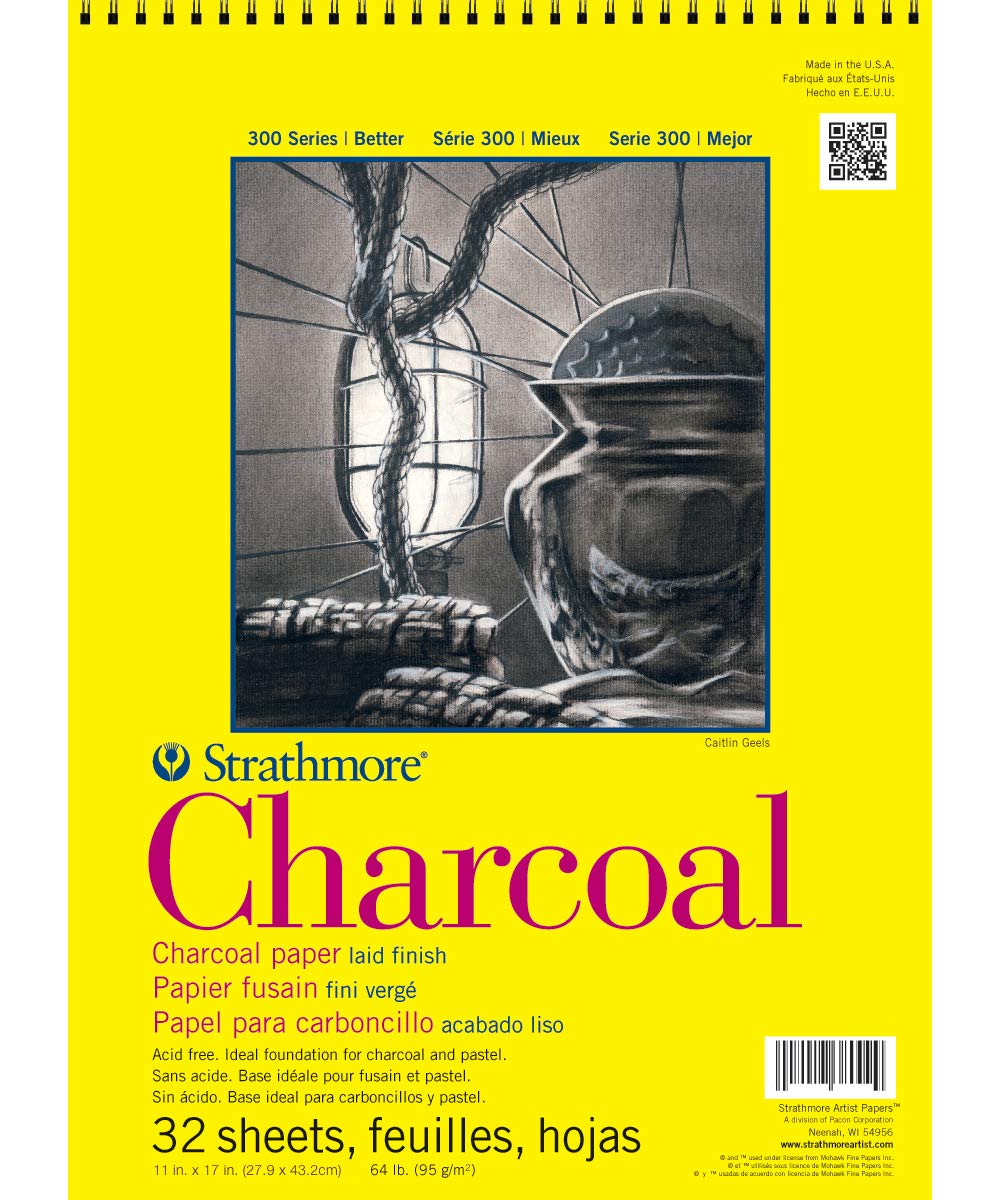
Strathmore’s 300 Series Charcoal pad is a specialized tool built specifically for dry media artists. The 64 lb paper features a laid surface texture—a subtle, ribbed finish that grabs charcoal and pastel particles, preventing them from sliding off or smearing. This texture is why art teachers consistently recommend it: the tooth holds deep shadow values and withstands heavy erasing and reworking without pilling or tearing, something smooth paper simply cannot do.
The wire binding allows the pad to lay completely flat or fold back on itself, which is a major advantage for artists who work at an easel or need to rest the pad on their lap. At 32 sheets per pad, it’s a premium consumable—each sheet is meant to last through heavy layering. The paper is also acid-free, ensuring your finished pieces won’t yellow over time.
The trade-off is that this pad is purpose-built for dry media. Using markers or wet media on this textured surface will produce inconsistent results. The laid texture also creates a distinct look that may not suit pencil-only fineline works. If your primary medium is charcoal, pastel, or oil crayon, this is an essential tool; for general office drafting, skip it.
Why it’s great
- Laid surface texture holds charcoal and pastel exceptionally well
- Wire binding lays flat; acid-free paper preserves artwork long-term
Good to know
- Only 32 sheets per pad; feels expensive for the page count
- Not suitable for wet media or ultra-fine pen work
3. GeekNavy 11″ x 17″ Isometric Graph Paper

The GeekNavy Isometric pad is built for precision workers—pipe fitters, welders, structural engineers, and game developers who need to render 3D objects on a 2D surface. The 0.25-inch isometric dot grid uses non-reproducible blue ink that disappears in most photocopiers and scanners, leaving only your drawn lines clean and crisp. This is a critical feature for professionals who need to share clean blueprints without grid interference.
The paper is 20 lb (75 gsm) with a high brightness rating of 96, providing a clean, white surface that enhances contrast between your pencil marks and the paper. The thick 50pt chipboard backing provides stable support, even when drawing at the edge of the pad. Each sheet also includes an engineering header block for methodical documentation, a small touch that professionals in construction and manufacturing appreciate.
The landscape orientation of this pad differs from the typical portrait layout, which can take getting used to. The 75 gsm paper is adequate for pencil and common drafting pens but may show ghosting with heavy ink applications. For isometric-specific drawing where grid clarity and photocopy-clean outputs are paramount, this is the top pick.
Why it’s great
- Non-reproducible blue grid vanishes in scans, leaving clean output
- Precise isometric dot grid designed for 3D drafting and pipe fitting
Good to know
- Landscape layout may feel unfamiliar to portrait-pad users
- 75 gsm paper can show ghosting with heavy ink applications
4. suituts 3 Pads 11×17 Inches Graph Paper

The suituts 3-Pack delivers the best sheet count in the entry-level zone: three pads, each with 50 sheets, totaling 150 double-sided pages of standard 4×4 graph paper. The 80gsm paper is a practical compromise—heavier than the cheapest office paper, it resists typical ballpoint pen bleed and handles pencil erasing without tearing. Verified buyers report it copies well, dropping grid lines cleanly when scanning, and works well for paper crafting and general project planning.
The glue binding is end-glued, allowing each sheet to tear off cleanly when needed. The heavy cardboard backing provides enough stability for writing on a clipboard or in a workshop. This is a competent, no-surprises pad set for classrooms, algebra homework, handyman sketches, and any scenario where you go through paper quickly.
The 80gsm paper will bleed through with markers or fountain pens, and the grid lines are standard blue without any non-reproducible properties. If your use case is casual drafting, math homework, or workshops where paper consumption is high, the value proposition here is hard to beat. For professional artists or architects, the paper weight is too low.
Why it’s great
- 150 total sheets (3 pads) at an excellent per-sheet cost
- 80gsm paper handles pencil and ballpoint without bleed-through
Good to know
- Paper is too thin for fountain pens, markers, or heavy ink washes
- Grid lines are not non-reproducible blue; will show in scans
5. BookFactory Ledger Pad 17 x 11 Inches
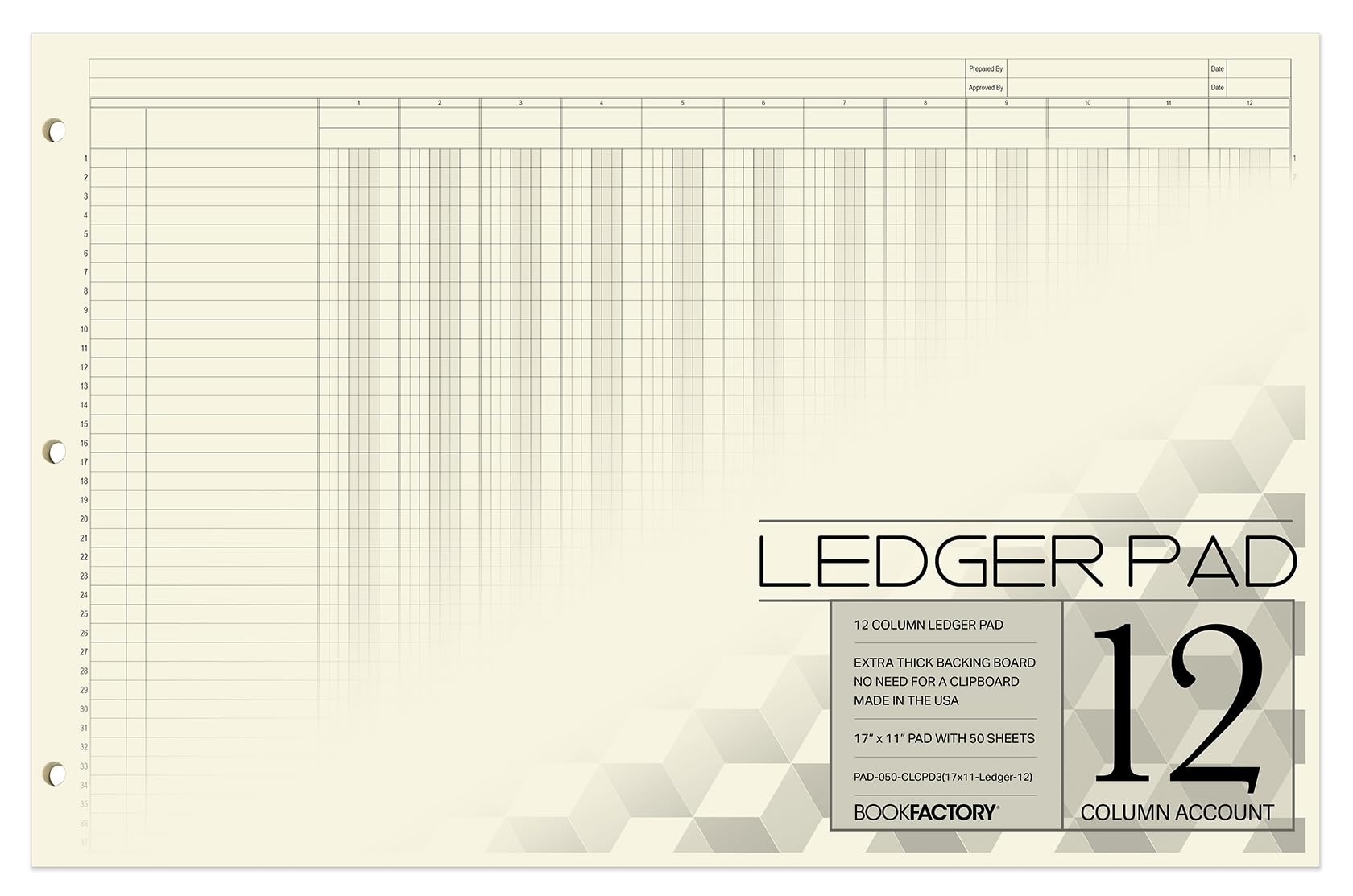
BookFactory’s Ledger Pad is a focused tool for those who work with numbers: accountants, small business owners, and bookkeepers who need to track debits and credits manually. This pad features 12 pre-printed columns in a landscape 17 x 11-inch format, giving you wide, readable columns that make it easy to enter financial data without squinting. The paper is a professional off-white, acid-free archival quality that resists yellowing and smearing over years of storage.
Every sheet is three-hole punched on the side, allowing you to store completed ledgers directly in a standard three-ring binder, integrating seamlessly with your existing filing system. The 50-page count is generous for quarterly or annual tracking. Being made in the USA from a veteran-owned business adds a layer of quality assurance; the binding is sturdy enough to survive regular handling.
The ledger format is single-purpose: it has no room for graph grids, dot grids, or blank space for creative sketching. The 17 x 11 inch landscape layout is larger than standard legal, which may not fit in all filing cabinets or briefcases. If your work is exclusively financial tracking with columnar entries, this is the perfect fit; for any other use, it is overspecialized.
Why it’s great
- 12-column layout optimized for accounting; large type-friendly spacing
- Acid-free archival paper and 3-hole punch ready for binder storage
Good to know
- Landscape 17 x 11 size may not fit standard file cabinets
- No use outside columnar bookkeeping—no grid or blank space
6. Dunwell 11×17 Portfolio Binder

The Dunwell Portfolio Binder is not a write-in notebook but a presentation and storage solution for existing 11×17 documents, artwork, and certificates. It features 24 bound, side-loading polypropylene sleeves that hold two sheets each (48 total viewable pages). The sleeves are acid-free and PVC-free, preventing ink lift-off and chemical damage to stored items over time, making it ideal for preserving vintage scrapbooks, diplomas, or original art.
The flexible poly cover is water-resistant and lightweight, making it easy to carry to client meetings or gallery viewings. A customizable spine insert allows you to label the binder’s contents, which is helpful for organizing multiple projects. Verified users have used it to store large piano sheet music, fragile 1940s scrapbooks, and oversized certificates with excellent results.
The binder’s construction is deliberately lightweight, which some users find flimsy for heavy daily commuting. The sleeves are side-loading from the spine, meaning you have to open the binder to load documents, and repeated insertion of thick items can stretch the sleeves. This is a preservation and presentation tool, not a sketchbook or an everyday notepad—use it as such.
Why it’s great
- Archival-safe poly sleeves protect artwork and documents from damage
- Lightweight design is portable and professional for client presentations
Good to know
- Cover and sleeves feel delicate; not ideal for heavy daily carry
- Side-loading sleeves can stretch with repeated insertion of thick items
7. Vishoitty 120 Sheets Large Graph Paper Pad
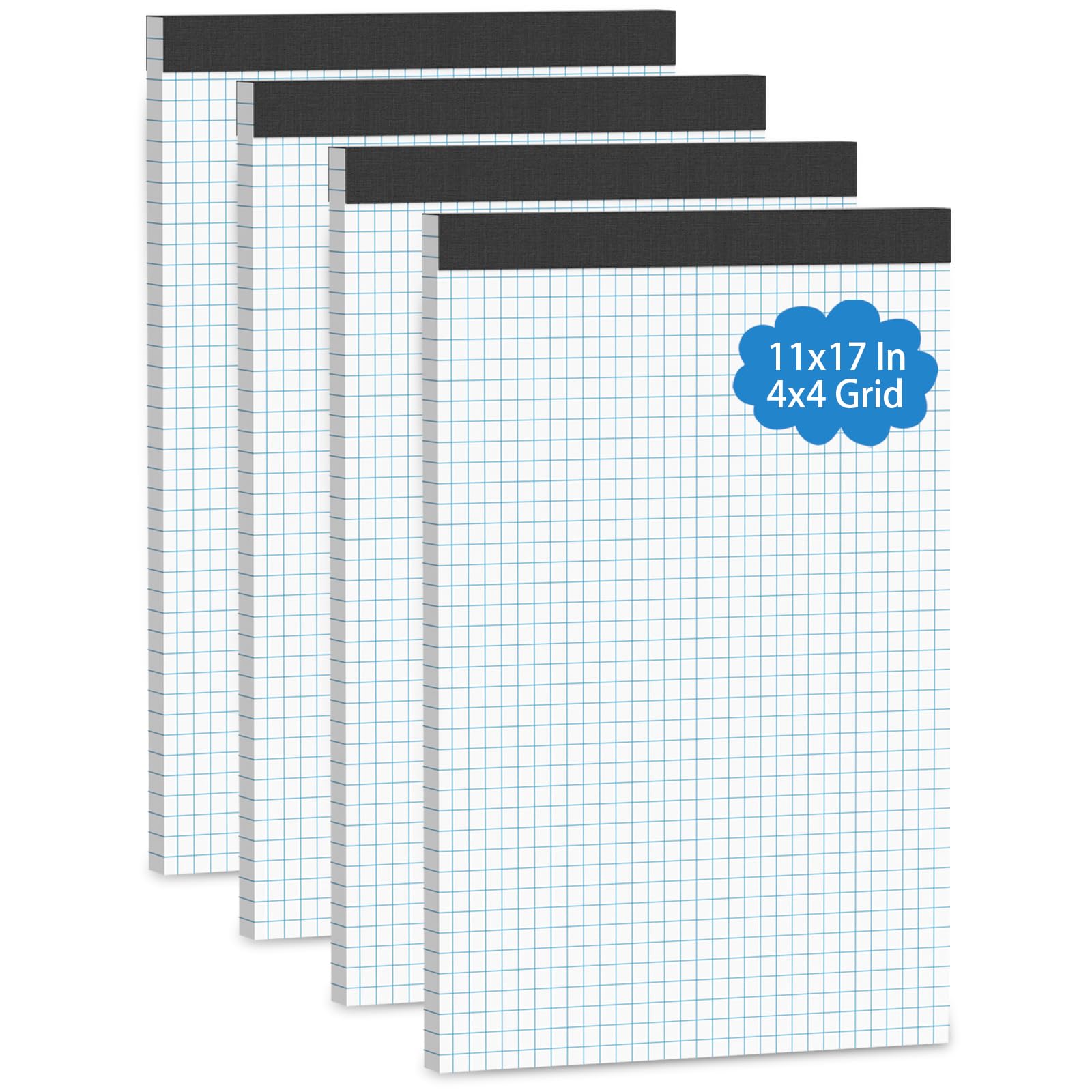
The Vishoitty 11×17 graph pad set provides four individual pads with 30 sheets each, totaling 120 sheets of standard 4×4 graph paper. The blue grid lines are calibrated to be visible enough to guide your work but light enough not to distract from your drawings. The heavy paper is described by the manufacturer as preventing ink penetration, though customer feedback focuses on the paper’s suitability for pencil and general sketching rather than demanding wet-media testing.
The sturdy backboard is thicker than typical budget pads, providing adequate support for writing in the field or on an uneven surface. Micro-perforations ensure clean tearing, and the glue binding holds the sheets securely. Verified buyers use it for crafting, house renovation planning, and math-related school projects, finding the size and grid pattern perfectly adequate for these tasks.
The paper weight is not explicitly stated in gsm, but real-world feedback suggests it handles ballpoint and pencil well. Some users noted issues with marker bleed, so this is best reserved for dry media and casual drafting. For students, crafters, and light planning needs who want the most sheets for their spend, it works fine; professionals needing consistent heavy-weight paper should look to the Notsu or GeekNavy options.
Why it’s great
- High sheet count (120) across four pads; great for classrooms
- Sturdy backboard and micro-perforations make tearing clean and easy
Good to know
- Paper may show bleed-through with markers and heavy ink pens
- Exact gsm is unlisted; paper thickness is best suited for pencil/ballpoint
FAQ
What gsm paper do I need to prevent fountain pen bleed on an 11×17 notebook?
Is isometric graph paper the same as standard graph paper for 3D drawings?
Can I scan 11×17 notebook pages without the grid lines showing up?
Final Thoughts: The Verdict
For most users, the best 11×17 notebook winner is the Notsu Dot Grid because its 120gsm paper eliminates ink bleed across almost all writing instruments, combined with a versatile dot grid that works for both structured layouts and creative work. If you need isometric precision for 3D drafting, grab the GeekNavy. And for dedicated accounting work with clear columnar entry, nothing beats the BookFactory Ledger Pad.