
The jump from 8GB to 12GB of RAM in a smartphone isn’t a minor spec bump—it’s a fundamental shift in how many apps you can keep alive, how long your phone feels snappy before a reload, and whether heavy games stutter when you check a message. For anyone who multitasks, edits photos on the go, or expects their phone to stay fast for years, 12GB has become the new baseline for genuine flagship-grade performance.
I’m Min — the co-founder and writer behind Gadgets Feed. After digging through hundreds of real-world benchmarks, battery stress tests, and user reports across mid-range and premium phones, I’ve isolated exactly which 12GB RAM phones actually deliver on the promise of lag-free multitasking and which are just spec-sheet padding.
This guide breaks down the top contenders, explains why memory capacity matters more than ever, and helps you choose the best 12 gb ram phone for your specific needs and budget.
How To Choose The Best 12GB RAM Phone
Not all 12GB RAM phones are created equal. The memory chip itself (LPDDR5 vs LPDDR5X vs LPDDR5T), the processor driving it, and the software memory management all determine how that 12GB actually performs. Here’s what to look for beyond the number.
Memory Type & Bandwidth
The type of RAM matters almost as much as the amount. LPDDR5X memory offers higher bandwidth and lower power draw compared to standard LPDDR5. Phones with newer chipsets like the Snapdragon 8 Gen 3 or 8 Elite typically pair with faster LPDDR5X, which translates to snappier app loading and better efficiency during heavy multitasking.
Processor & Software Optimization
A 12GB RAM phone is only as good as its processor and software. A Snapdragon 8 Gen 2 or better can fully utilize 12GB for gaming and multitasking, while a mid-range chip might not push the memory’s limits. Similarly, Android skin optimizations vary wildly—OnePlus’s OxygenOS and Google’s Pixel software handle memory differently than Xiaomi’s HyperOS or Samsung’s One UI, affecting how many apps stay cached.
Storage Speed & Capacity
UFS 4.0 or 4.1 storage ensures that when the system needs to swap data to storage (virtual RAM), it happens quickly without a noticeable hitch. Many 12GB RAM phones offer 256GB to 512GB of internal storage. A phone with 12GB of RAM but slow UFS 3.1 storage can bottleneck overall performance in memory-intensive tasks.
Quick Comparison
On smaller screens, swipe sideways to see the full table.
| Model | Category | Best For | Key Spec | Amazon |
|---|---|---|---|---|
| OnePlus 15 | Premium | Ultimate Battery & Performance | 7300mAh battery, 165Hz display | Amazon |
| Samsung Galaxy S25 Ultra | Premium | Best Camera System & Display | 200MP quad camera, 5000mAh | Amazon |
| OnePlus 15R | Premium | Premium Value & Battery Life | 7400mAh battery, 165Hz display | Amazon |
| Google Pixel 10 | Premium | Pure Android & AI Photography | Tensor G5, 5x telephoto lens | Amazon |
| Xiaomi Poco X8 Pro Max | Mid-Range | Gaming & Massive Battery | 8500mAh battery, 120Hz AMOLED | Amazon |
| Nothing Phone (3) | Mid-Range | Clean UI & Unique Design | Snapdragon 8s Gen4, 5150mAh | Amazon |
| Honor 90 | Mid-Range | High-Resolution Selfie Camera | 200MP main, 50MP front camera | Amazon |
| Samsung Galaxy S25 Edge | Premium | Compact Premium Samsung | Snapdragon 8 Elite, 200MP camera | Amazon |
| realme 13 Pro | Mid-Range | Everyday Performance & Camera | Snapdragon 7s Gen 2, 5200mAh | Amazon |
| Motorola Moto Razr+ 2024 | Mid-Range | Foldable Design & Performance | Snapdragon 8s Gen 3, 165Hz display | Amazon |
| HTC U23 Pro | Budget | Budget-Friendly 12GB Option | 120Hz display, 4600mAh battery | Amazon |
In‑Depth Reviews
1. OnePlus 15
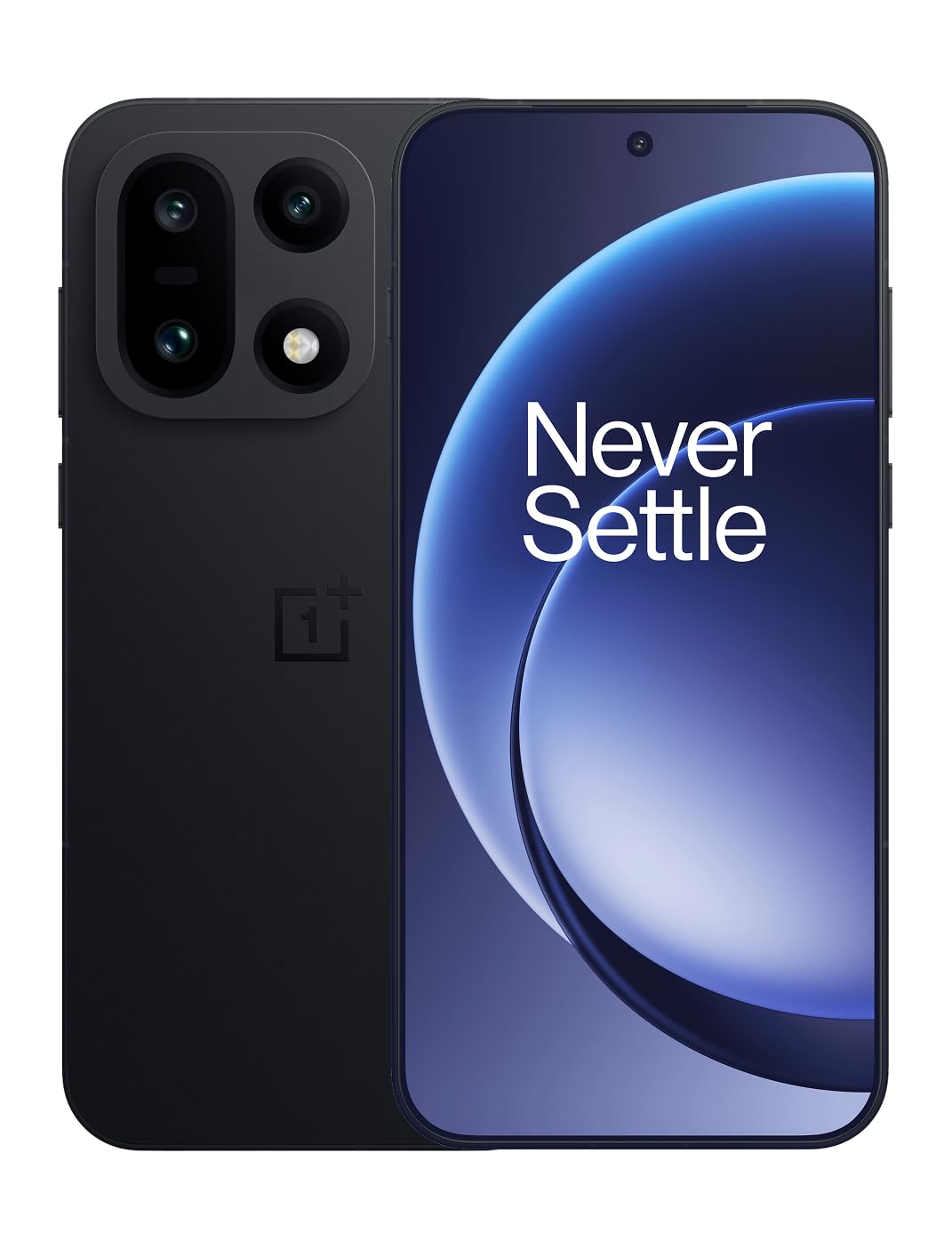
The OnePlus 15 sets a new standard for what a 12GB RAM flagship can do. Its Snapdragon 8 Elite Gen 5 chip, combined with LPDDR5X memory and UFS 4.0 storage, delivers instantaneous app launches and zero-lag multitasking. The 6.78-inch 165Hz AMOLED display is one of the smoothest panels available, making every scroll, swipe, and game animation feel buttery.
The 7300mAh silicon-carbon battery is the real headline. Real-world testing shows two full days of heavy use, and the included 120W SUPERVOOC charger refills it from empty to full in roughly 25 minutes. The triple 50MP camera system with a dedicated telephoto lens captures detailed, color-accurate shots, and the IP68/IP69 rating means it survives dust, submersion, and even high-pressure water jets.
OxygenOS 16 remains one of the cleanest, most customizable Android skins, and the pre-installed screen protector and charger prove OnePlus still cares about the out-of-box experience. The only real compromise is that the camera, while excellent, doesn’t quite match the Pixel 10’s computational photography in extreme low light. For raw performance and battery dominance, this is the king of 12GB RAM phones.
Why it’s great
- Unmatched 7300mAh battery with 120W charging
- Triple-chip system (Snapdragon, Wi-Fi, CPU scheduler) for peak efficiency
Good to know
- Camera processing trails Google Pixel in extreme low light
- Large physical footprint due to massive battery
2. Samsung Galaxy S25 Ultra

The Galaxy S25 Ultra pairs its 12GB of RAM with the Snapdragon 8 Elite for Galaxy, a custom-binned chip that squeezes every ounce of performance for AI tasks and sustained gaming. The 6.9-inch Dynamic AMOLED 2X display with a 1-120Hz adaptive refresh rate and 2600 nits peak brightness is the best screen on any smartphone today—period. The 200MP main sensor, combined with 50MP ultrawide and dual telephoto lenses (3x and 5x optical), delivers zoom quality that rivals dedicated cameras.
The titanium frame and Gorilla Armor 2 glass make it exceptionally durable, and the IP68 rating ensures peace of mind. One UI 7 is polished, feature-rich, and Samsung has committed to seven years of OS updates, making this a long-term investment. The 5000mAh battery with 45W wired and Qi2 wireless charging keeps the phone running through a full day of heavy use.
The downside is the price—even in renewed condition, it commands a premium. The ultrasonic fingerprint sensor is fast and reliable, but the sheer size and weight of the S25 Ultra make it less one-hand friendly than smaller flagships. For anyone who demands the absolute best camera system and display, the S25 Ultra is the definitive 12GB RAM flagship.
Why it’s great
- Best-in-class 200MP camera system with 5x optical zoom
- Seven years of guaranteed OS and security updates
Good to know
- Renewed units may have cosmetic imperfections
- Very large and heavy for a smartphone
3. OnePlus 15R
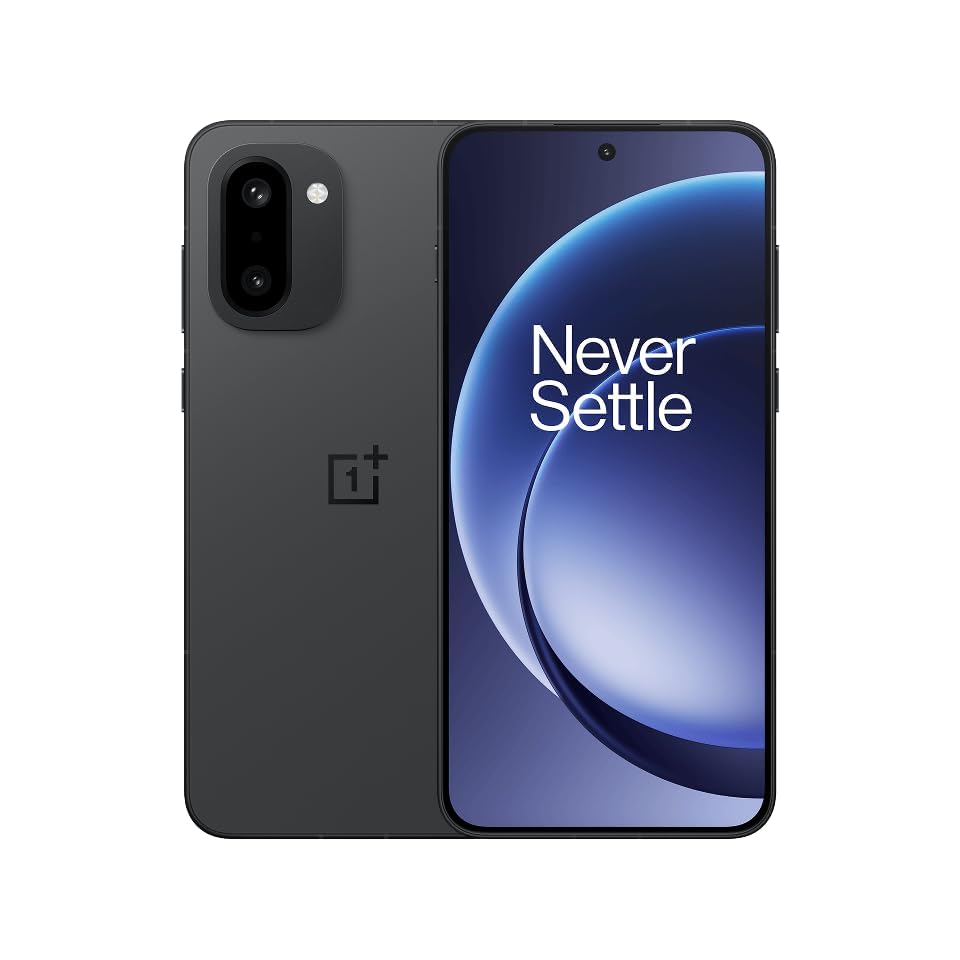
The OnePlus 15R delivers flagship-tier performance at a mid-range price point. The Snapdragon 8 Gen 5 chip with 12GB of LPDDR5X RAM handles demanding games and heavy multitasking without breaking a sweat. The 165Hz 1.5K AMOLED display is incredibly smooth, and the ultrasonic in-display fingerprint sensor is one of the fastest and most reliable in the business.
The 7400mAh battery is an absolute beast. In real-world tests, users report 7-8 days of light use and a full day and a half of heavy gaming and streaming. The 80W SUPERVOOC charging brings it to 90% in about 45 minutes. OxygenOS 16 is clean, fast, and receives timely updates. The IP ratings (IP66/IP68/IP69) mean it’s protected against dust, submersion, and high-pressure water—rare for this price bracket.
The camera system is decent but not class-leading—it captures good photos in good light but struggles in low light compared to the S25 Ultra or Pixel 10. There’s also no microSD card slot, so the 512GB of internal storage is all you get. For budget-conscious buyers who refuse to compromise on battery life and display smoothness, the 15R is an unbeatable value proposition.
Why it’s great
- Massive 7400mAh battery with fast 80W charging
- 165Hz display at a competitive price point
Good to know
- Camera performance is average in low light
- No expandable storage
4. Google Pixel 10

The Google Pixel 10 is the smartphone for photography purists who also need strong multitasking performance. The Tensor G5 chip is custom-designed for AI workloads, and the 12GB of RAM ensures Gemini AI features, real-time photo editing, and on-device language processing run instantly. The 6.3-inch Actua display hits 3000 nits peak brightness, making it easy to use in direct sunlight.
The upgraded triple camera system with a new 5x telephoto lens and up to 20x Super Res Zoom produces images that are consistently the most natural and detailed in any lighting condition. Night Sight is still the gold standard for low-light photography. The camera Coach feature helps frame the perfect shot, and the Magic Eraser and other AI editing tools are seamlessly integrated into the Photos app.
The IP68 rating and Gorilla Glass Victus 2 protection mean it can handle drops and submersion. The 4970mAh battery provides a solid 24+ hours of use. The main drawbacks are the lack of a physical SIM slot (eSIM only), no included wall charger, and the slower charging speed compared to OnePlus rivals. For the best software experience and camera intelligence, the Pixel 10 is unmatched.
Why it’s great
- Best-in-class computational photography with 5x telephoto
- Cleanest, fastest Android software with guaranteed updates
Good to know
- eSIM only, no physical SIM slot
- Charging speed is slower than competitors
5. Xiaomi Poco X8 Pro Max
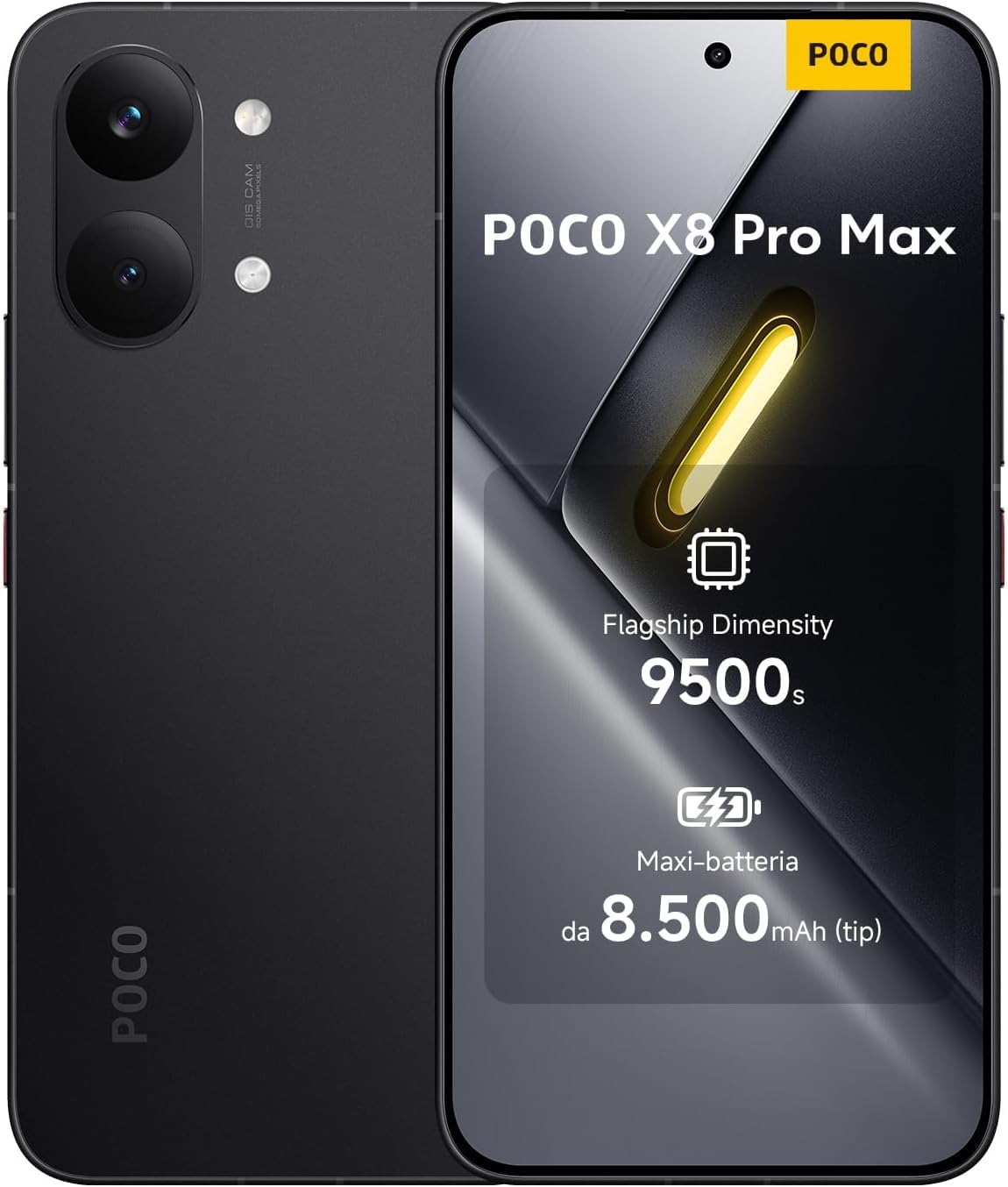
The Xiaomi Poco X8 Pro Max is built for gamers and heavy users who prioritize battery endurance above all else. Its 8500mAh silicon-carbon battery is the largest in this roundup, and the 100W HyperCharge refills it at an astonishing speed. The 6.83-inch 1.5K AMOLED display with 120Hz refresh rate and 3500 nits peak brightness is vibrant and responsive.
The MediaTek Dimensity 9500s chip, built on a 3nm process, is a performance monster. Paired with 12GB of RAM and UFS 4.0 storage, it handles the most demanding games at max settings without thermal throttling. The 50MP main camera with OIS captures solid photos, and the ultrasonic in-display fingerprint sensor is accurate and fast. The phone also includes an IR blaster, dual speakers, and Wi-Fi 7 support.
The biggest caveat is carrier compatibility in the US. It only works reliably on T-Mobile and its MVNOs (Mint, Tello, Metro). It is not compatible with Verizon or AT&T. The HyperOS software is also less refined than OnePlus’s OxygenOS, with more pre-installed apps and less customization out of the box. If you’re on T-Mobile and want a battery that lasts days, the Poco X8 Pro Max is your phone.
Why it’s great
- Absolutely massive 8500mAh battery with 100W charging
- Top-tier gaming performance with MediaTek Dimensity 9500s
Good to know
- US carrier compatibility limited to T-Mobile network only
- HyperOS software is less polished than competitors
6. Nothing Phone (3)

The Nothing Phone (3) is a design and software experience first, a productivity machine second. The Glyph Interface—a matrix of programmable LEDs on the back—turns notifications, charging status, and timers into interactive light shows. The Snapdragon 8s Gen4 chip with 12GB of LPDDR5X RAM delivers flagship-level performance, and the 6.67-inch 1.5K AMOLED display with 120Hz adaptive refresh and 4500 nits peak brightness is stunning.
The quad 50MP camera system (main, periscope, ultrawide, front) is versatile and capable, with AI enhancements that improve dynamic range and portrait separation. The 5150mAh battery easily lasts a full day, and the IP68 rating provides solid protection. Nothing OS is incredibly clean—close to stock Android with thoughtful customization options and zero bloatware.
The biggest issue is accessory availability. Finding high-quality cases and screen protectors for the unique shape is difficult. The Essential Key (AI button) is useful but not fully remappable to user-defined actions. For those who want a phone that stands out visually and offers a pure, fast software experience, the Nothing Phone (3) is a refreshing choice.
Why it’s great
- Unique Glyph Interface LED interaction system
- Clean, bloat-free Nothing OS with fast updates
Good to know
- Limited selection of quality accessories
- AI Essential Key not fully customizable
7. Honor 90

The Honor 90 proves that 12GB of RAM isn’t exclusive to flagship prices. The Snapdragon 7 Gen 1 Accelerated Edition is a solid mid-range chip that handles everyday multitasking, social media, and casual gaming with ease. The 6.7-inch AMOLED display with 2664×1200 resolution is sharp and colorful, perfect for media consumption.
The 200MP main camera is the star of the show, capturing incredibly detailed photos in good lighting. The 50MP ultrawide front-facing camera is a rare feature—ideal for vloggers and group selfies. The 5000mAh battery provides reliable all-day battery life, and the 66W charging refills it quickly. The slim and lightweight design makes it comfortable to hold.
The downsides are the lack of CDMA compatibility (no Verizon or Sprint), the older Snapdragon 7 Gen 1 chip that won’t match the gaming performance of 8-series chips, and the fact that it launched with Android 13, so long-term OS update support is uncertain. As a value-oriented 12GB RAM phone for camera enthusiasts on a budget, the Honor 90 delivers where it counts.
Why it’s great
- Excellent 200MP main camera and 50MP selfie camera
- Slim, lightweight design with a vibrant AMOLED screen
Good to know
- Not compatible with Verizon or Sprint networks
- Mid-range chipset limits high-end gaming performance
8. Samsung Galaxy S25 Edge

The Samsung Galaxy S25 Edge offers a more compact and affordable entry point into the S25 series than the Ultra, while retaining the same flagship Snapdragon 8 Elite chip and 12GB of RAM. The 6.7-inch LTPO AMOLED 2X display with QHD+ resolution and 120Hz adaptive refresh is sharp, bright, and smooth, though it lacks the Ultra’s anti-reflective coating.
The 200MP main camera is the same sensor found in the Ultra, so daytime and portrait shots are excellent. The phone supports 45W wired charging and Qi2 wireless charging. The IP68 rating, ultrasonic fingerprint sensor, and seven years of OS updates provide long-term value. The 3900mAh battery is the smallest among the premium options here, but it still delivers a full day of moderate use.
Buyers should note this is a renewed model, so battery health and cosmetic condition can vary. There’s no microSD card slot, and the telephoto lens setup is less versatile than the Ultra’s quad-camera system. For anyone who wants S25 series performance and camera quality in a more manageable size without the Ultra’s price, the S25 Edge is a smart pick.
Why it’s great
- Flagship Snapdragon 8 Elite chip in a compact form factor
- 200MP main camera delivers Ultra-level photo quality
Good to know
- Smaller 3900mAh battery compared to premium rivals
- Renewed units may have cosmetic wear or battery degradation
9. realme 13 Pro

The realme 13 Pro is a well-rounded mid-range phone that makes 12GB of RAM accessible without sacrificing core experience. The Snapdragon 7s Gen 2 chip, built on a 4nm process, balances power efficiency with enough performance for social media, browsing, and light gaming. The 6.7-inch AMOLED display with 1080×2412 resolution is vibrant and supports smooth 120Hz scrolling.
The 5200mAh battery with 45W SUPERVOOC charging is a standout feature for this price tier, easily lasting a full day and a half. The 50MP main camera with OIS captures sharp, well-exposed photos in good light, and the 8MP ultrawide is useful for landscapes. Realme UI is highly customizable, and most pre-installed apps can be removed.
The main downsides are the lack of CDMA network support (no Verizon), the Snapdragon 7s Gen 2 is not powerful enough for high-end gaming, and the phone launched with Android 14 but future update commitment is unclear. The synthetic leather back provides a premium feel and excellent grip. For a balanced daily driver with ample RAM and solid battery life, the realme 13 Pro hits the sweet spot.
Why it’s great
- Large 5200mAh battery with fast 45W SUPERVOOC charging
- Premium synthetic leather back with excellent grip
Good to know
- Not compatible with Verizon or Sprint networks
- Chipset is not suited for heavy gaming
10. Motorola Moto Razr+ 2024

The Moto Razr+ 2024 proves that foldable phones can have flagship performance without the sky-high price. The Snapdragon 8s Gen 3 chip with 12GB of RAM handles everything from multitasking with multiple floating windows to demanding games on the 6.9-inch pOLED main display. The 165Hz refresh rate is buttery smooth, and the 3000 nits peak brightness ensures great outdoor visibility.
The 4-inch external display is the largest on any flip-style foldable, allowing you to run full apps like Twitch, YouTube, and messaging without opening the phone. The vegan leather back is a nice touch. The 50MP main and 50MP telephoto cameras take good photos, and the IPX8 water resistance means it can survive submersion—a rare feature for foldables.
As a renewed unit, reliability is a concern. Some users report the external screen failing or software bugs after updates. The 4000mAh battery is on the smaller side, so you’ll need to charge daily with heavy use. For a fun, compact foldable that doesn’t compromise on RAM and processing power, the Razr+ 2024 is an intriguing option.
Why it’s great
- Large 4-inch functional external display for full app use
- Foldable design with IPX8 water resistance
Good to know
- Renewed units may have reliability issues or wear
- 4000mAh battery requires daily charging
11. HTC U23 Pro

The HTC U23 Pro is the most accessible entry point into the 12GB RAM club. The 12GB of RAM ensures that app switching is smooth and the phone feels responsive for everyday tasks like messaging, browsing, and social media. The 120Hz display is a nice bonus at this price, making scrolling feel fluid.
The 4600mAh battery delivers impressive endurance—some users report three days on light use. The fingerprint-resistant back finish keeps the phone looking clean. The inclusion of a 3.5mm headphone jack and microSD card support are rare features that will appeal to users who want expandable storage and wired audio.
The major trade-offs are significant. The chipset is not specified for high-end gaming, and the camera lens cover has been reported to scratch easily. HTC’s software support has been historically poor—the phone may be stuck on an older Android version. As a GSM-only device, it won’t work on Verizon or Sprint. For the absolute cheapest way to get 12GB of RAM in a new phone, the U23 Pro is functional but comes with compromises.
Why it’s great
- Lowest-cost way to get 12GB RAM in a new phone
- Includes 3.5mm headphone jack and microSD slot
Good to know
- GSM only, not compatible with Verizon or Sprint
- HTC’s software update track record is poor
FAQ
Does 12GB RAM make a noticeable difference from 8GB?
Is 12GB RAM overkill for a phone?
Does more RAM drain the battery faster?
What is virtual RAM and is it as good as physical 12GB?
Can I use all 12GB of RAM on my phone?
Final Thoughts: The Verdict
For most users, the best 12 gb ram phone is the OnePlus 15 because it offers the perfect combination of blistering performance, unmatched battery life with 7300mAh, and a smooth 165Hz display at a price that undercuts the competition. If you want the absolute best camera system and display, grab the Samsung Galaxy S25 Ultra. And for the best value that still delivers flagship-level battery and screen smoothness, nothing beats the OnePlus 15R.