
Our readers keep the lights on and my morning glass full of iced black tea. As an Amazon Associate, I earn from qualifying purchases.
Specs are compiled from manufacturer listings and verified buyer reviews and can change over time — please confirm the key details on the product page before buying.
If you’re stepping up to a 16-pounder, you’re past the house-ball stage and looking for real performance. The key question is how the coverstock reacts on the lane, not the weight. This guide breaks down the best 16 lb bowling ball options, separating true hook monsters from straight-shooting spare balls so you can pick the right tool for your game.
I’m Min — the founder and writer behind Gadgets Feed. This guide is built by comparing the manufacturers’ published specifications and the patterns across verified customer reviews, so you get each pick’s real strengths and trade-offs instead of marketing spin.
Pick a 16-pound ball that matches your lane oil and bowling style. Your choice hinges on the coverstock, core, and the lane conditions you face most.
Our Picks at a Glance


How To Choose The Best 16 Lb Bowling Ball
At 16 pounds, you’re committing to the heaviest legal ball on the lane. That weight boost pin carry, but only when the coverstock and core suit your delivery. Cover material, core shape, and surface finish define your ball’s motion.
Coverstock decides your hook
Polyester covers are the straight-shooters—they skid longer and hook very little, which makes them perfect spare balls. Reactive resin covers grip the lane harder and create that aggressive backend hook that drives through the pocket. Urethane sits between the two, offering a smoother, more controllable arc that’s great on drier lanes.
The core shapes your motion
The core is the weight block inside the ball, and its shape controls how the ball transitions as it rolls. Symmetrical cores like the light bulb shape give a predictable, consistent motion for bowlers of all styles. Asymmetrical cores like the Gas Mask can create stronger, more defined shape changes on the backend.
Finish dictates lane grip
The surface grit—measured in pads like 500, 1000, or 2000—determines how early the ball reacts. A rougher pad finish grabs the lane earlier, ideal for heavy oil. A polished or shiny finish lets the ball skid further before hooking, which suits dry lanes where you need length before the breakpoint.
Quick Comparison
| Model | Best For | Coverstock | Core Type | Weight Options | Amazon |
|---|---|---|---|---|---|
| Hammer Black Widow 3.0★ Best Overall | Heavy oil hook monsters | Solid HK22 Reactive | Gas Mask (Asym) | 16 lbs | Amazon |
| Brunswick T ZoneSpare Sniper | Spare shooting, beginners | Polyester | N/A (Straight) | 15 lbs | Amazon |
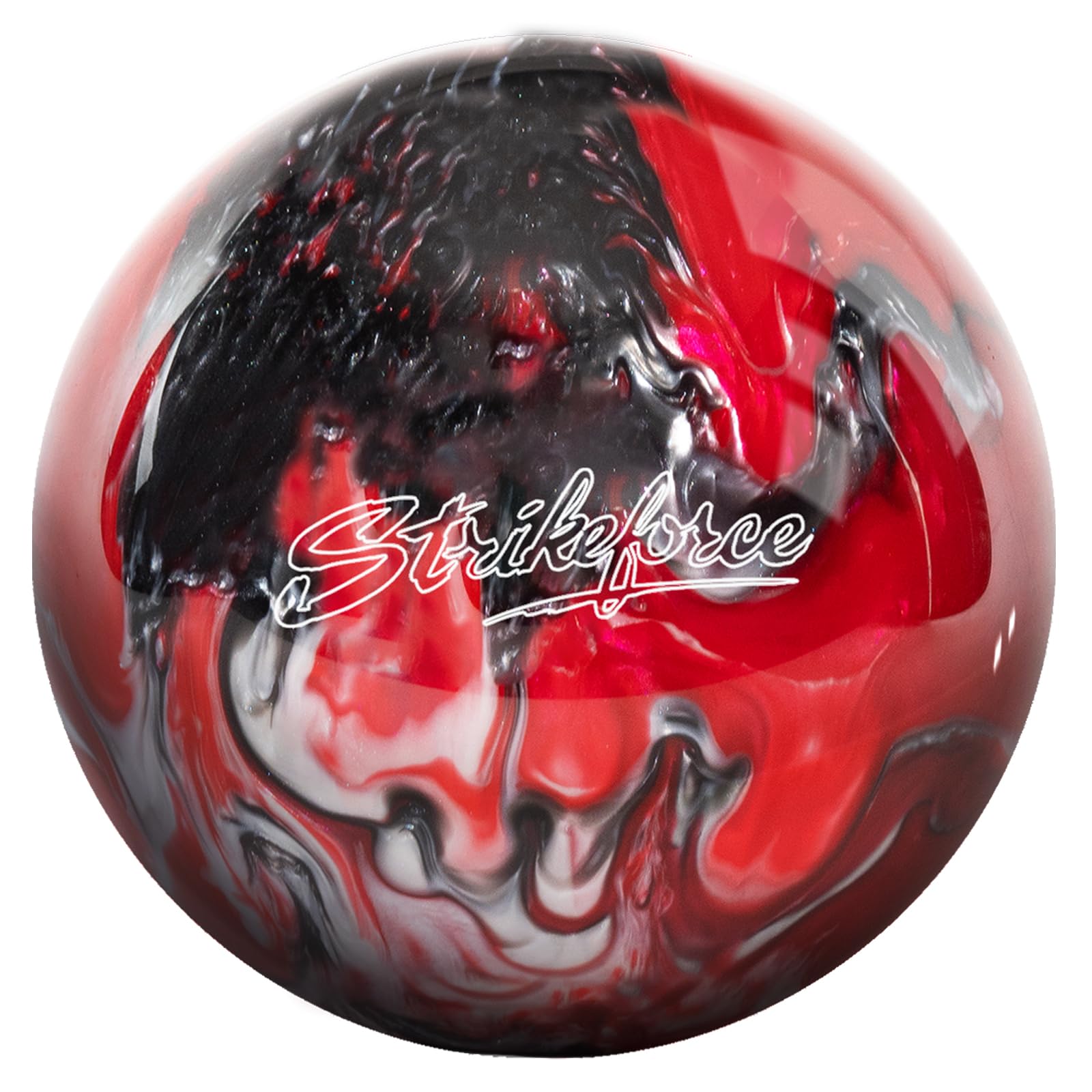
| KR Strikeforce PolyesterTournament Ready | Spares, controlled rolls | Polyester | N/A (Straight) | 16 lbs | Amazon |
| Brunswick Rhino | Entry-level hook learning | R-16 Reactive | Light Bulb (Sym) | 16 lbs | Amazon |
| Storm Mix Urethane | Dry lanes, controlled arcs | Urethane | Core Not Specified | 15 lbs | Amazon |
| Hammer Raw | First performance ball | Juiced Reactive | Raw Symmetrical | 16 lbs | Amazon |
| Pyramid Antidote Solid | Medium lanes, benchmark motion | GPS Navigational Solid | New Era 149 (Sym) | 16 lbs | Amazon |
| Storm Phaze II | Benchmark, medium-heavy oil | Reactive Solid | Core Not Specified | 16 lbs | Amazon |
| MOTIV Jackal Onyx | Maximum hook, heavy oil | Leverage HXC Solid Reactive | Core Not Specified | 16 lbs | Amazon |
In‑Depth Reviews
1. Hammer Black Widow 3.0 Bowling Ball
Our pick — over 4.5★ from 550+ verified ratings; the strongest balance of quality and price.
The legendary hook monster that turns house-shot oil into a strike lane.
If you bowl on heavy oil every day, the Black Widow 3.0 is built to dominate it. Its Gas Mask core (a distinctive inner weight block) pairs with a solid HK22 coverstock (the outer shell) mixed with Aggression Solid additives, finished at 500, 1000, 2000 Siaair Micro Pad—a rough surface that grips the lane early and keeps biting through the oil. You get a ball that starts its hook by the midlane, not at the end, so you can play a stronger line without losing energy.
Buyers confirm what this ball does well: nearly a hundred owners highlight its build quality, and dozens more praise the hook. Experienced bowlers report throwing more 225-ish games with this than with any ball before, and one reviewer even said they got invited to leagues left and right after adding it to their bag. The black and orange scheme is Hammer nostalgia turned into a modern weapon.
This hook monster is wasted on straight shooters and struggles on dry lanes. It also comes with a 2-year limited manufacturer’s warranty, so the investment is protected. If your goal is a violent, early-rolling hook on challenging conditions, this is the benchmark.
oil-eating hook monster
- Gas Mask core delivers versatile, high-performance motion
- Solid HK22 coverstock with rough finish grips heavy oil early
- 2-year limited manufacturer’s warranty included
needs heavy oil lanes
- Too aggressive for dry lanes or straight shooters
- Requires consistent speed and revs to control
oil king: league and tournament bowlers facing heavy oil who want an early, powerful hook.
dry lanes: you bowl on dry lanes or want a controllable spare line—this will hook too early for you.
2. Brunswick T Zone Bowling Ball
The dependable straight ball that makes spares look easy.
This is the ball pros keep in the bag for one job: converting spares. The T Zone uses Brunswick’s unique polyester blend, a material known for its durability and its refusal to hook. That’s exactly what you want when the ten-pin is standing and you need the ball to go arrow-straight into the corner.
What wins people over is how it performs as a no-drama spare weapon. It’s a genuine first-ball experience for beginners—one father’s son made a strike on his very first throw with it. The Night Sky finish sparkles under the lights, and buyers consistently call out quality and value, with straightness being a standout trait. It’s the kind of ball that does precisely what you ask, whether you fire it flat at spares or use a mild, controllable hook.
The catch to know: this specific listing is a 15-pound ball, so at 16 pounds you’d need to confirm availability with the seller. And because polyester is built for straight lines, it will never give you the aggressive hook of a reactive ball—that’s not a flaw, it’s the point. For a beginner’s first ball or a reliable spare companion, this is a classic.
spare pick: beginners wanting a first straight ball and any bowler needing a dependable spare shooter.
hook seekers: confirm this listing’s 16-pound availability before ordering, and don’t expect a hook.
3. KR Strikeforce Polyester Undrilled Bowling Ball
A straight-shooting spare machine that’s cleared for official USBC competition.
This KR Strikeforce is the definition of a low-drama spare ball. It arrives undrilled, which means you take it to your pro shop and get the finger holes placed exactly for your hand—something you don’t get with any house ball. And because it holds USBC Competition approval, you can carry it into sanctioned tournaments without a second thought.
What owners leave behind is consistent: the polyester cover gives a straight and controlled roll, which makes it perfect for spare shooting. The Red/Black/White look is sharp on the lane, and the smooth roll earns steady praise. It’s also a versatile value play, pitched at everyone from first-timers to league veterans who need a reliable spare line in the bag.
Polyester offers predictability, not power—it won’t hook. The undrilled state is also a small extra step—your local pro shop needs to drill it before first use. If you want a clean, controlled roll for spares that’s tournament-legal, this is a strong, simple choice.
entry level: you want a USBC-approved, custom-fitted spare ball without spending on a fancy reactive core.
advanced play: you’re chasing maximum hook—polyester simply won’t give you that motion.
4. Brunswick Rhino Bowling Ball

The beginner hook ball that improves consistency the very first night.
The Rhino is the classic gateway into reactive bowling, and this Purple/Black version stands out even in its own lineup. It uses the durable R-16 coverstock with a shiny solid finish, giving it a slightly different feel than the pearl versions of the same line. Underneath sits the ever-popular light bulb symmetrical core, a proven shape designed for consistent motion across multiple styles of bowler.
What the buzz is about: buyers report improved consistency right away, calling it well-balanced with a smooth roll and solid grip on the lane. The color gets called awesome, and the value-for-money read is strong across the board. This Purple/Black model’s resin coverstock likes to be hooked, though you could set it up to bowl straighter—that flexibility is exactly why it suits beginners and regulars alike.
The trade-off is a matter of low expectations met: it’s an entry-level hook option, not a heavy-oil monster, so on fresh tournament oil it won’t match the aggression of balls twice its price. It also needs a bit of lane break-in to reach optimal performance. Backed by a 2-year limited manufacturer’s warranty, it’s a smart first reactive ball.
all-rounder: the best first reactive ball for learning to hook while keeping control.
oil hogs: experienced players on heavy oil will outgrow it quickly.
5. Storm Mix Urethane Bowling Ball

The forgiving urethane that makes learning your first hook actually fun.
The Storm Mix is the middle path between straight polyester and aggressive reactive. Its urethane cover gives you a controllable, smooth arc that’s far more forgiving on dry lanes than a stiff reactive ball. That makes it a smart first personal purchase for a first-year league bowler who wants to learn a hook without fighting the ball all night.
Owners lean on it exactly that way—one first-year league bowler called it easy to control, making learning enjoyable instead of frustrating. It also doubles as a dependable spare ball, with buyers using it to clean up corners and praising how it does what it’s supposed to do. The Black/White styling has a clean, classic look that draws no complaints.
The realistic caveat: this listing is a 15-pound ball, so confirm 16-pound stock before you order. And while urethane hooks, it won’t deliver the explosive backend of modern reactive covers on heavy oil—owners mention it’s simply not as reactive as other balls they own. That’s the price of its easy-going personality, and for many it’s exactly the right trade.
dry lane: you bowl on dry lanes or want a smooth, forgiving first hook ball that also shoots spares.
wet lanes: you need max hook on heavy oil—this plays it mellow on purpose.
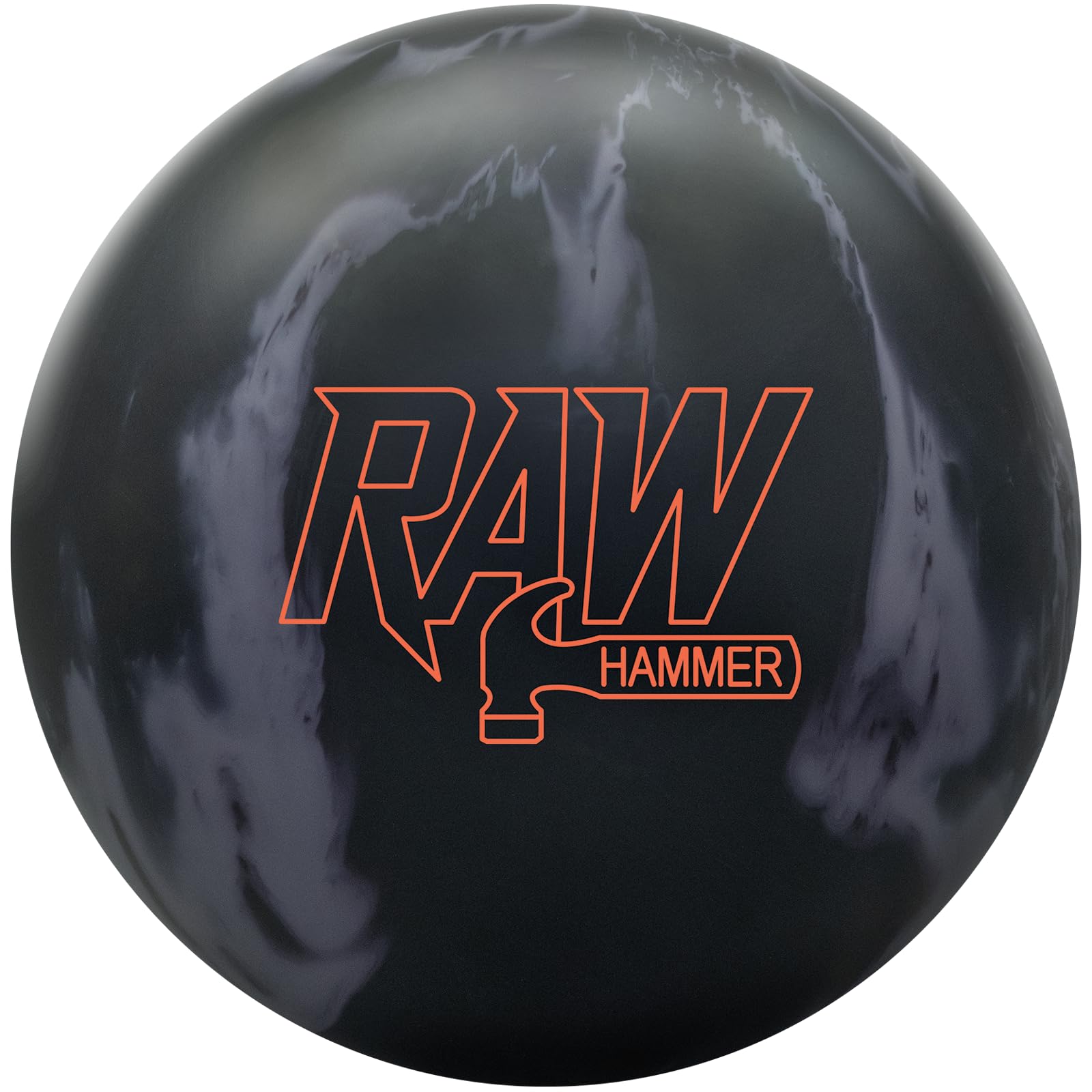
6. Hammer Raw Bowling Ball
The first performance ball that keeps a permanent spot in your bag.
The Hammer Raw is the natural next step after you outgrow the entry-level Rhino. It’s built around the Juiced coverstock, which comes in solid, hybrid, and pearl variants to suit different styles—this Black/Grey version leans on the solid side for a strong, reliable read. The Raw Hammer symmetrical core is designed for bowlers venturing into their first true performance ball.
Owners who’ve moved on to more advanced equipment keep coming back to it, calling it reliable and consistent when the lanes demand. There’s a genuine pride of ownership here—one bowler loves the color, another notes it’s perfect for a straight bowler learning to hook. The ball quality earns the loudest praise, with strong hitting power and pin action called out again and again. It even carries a 2-year limited manufacturer’s warranty.
The honest limits: you’ll still see some mixed reviews on hooking performance, since it’s a step up but not a big-oil specialist. It shines in light to medium oil, where it gets more pin action and strikes without being uncontrollable. For a bowler ready to upgrade without jumping to flagships, this is the sweet middle ground.
power play: bowlers stepping up from entry-level who want a reliable, consistent hook ball for league nights.
finesse game: those facing heavy oil tournaments—bring a stronger solid for that.
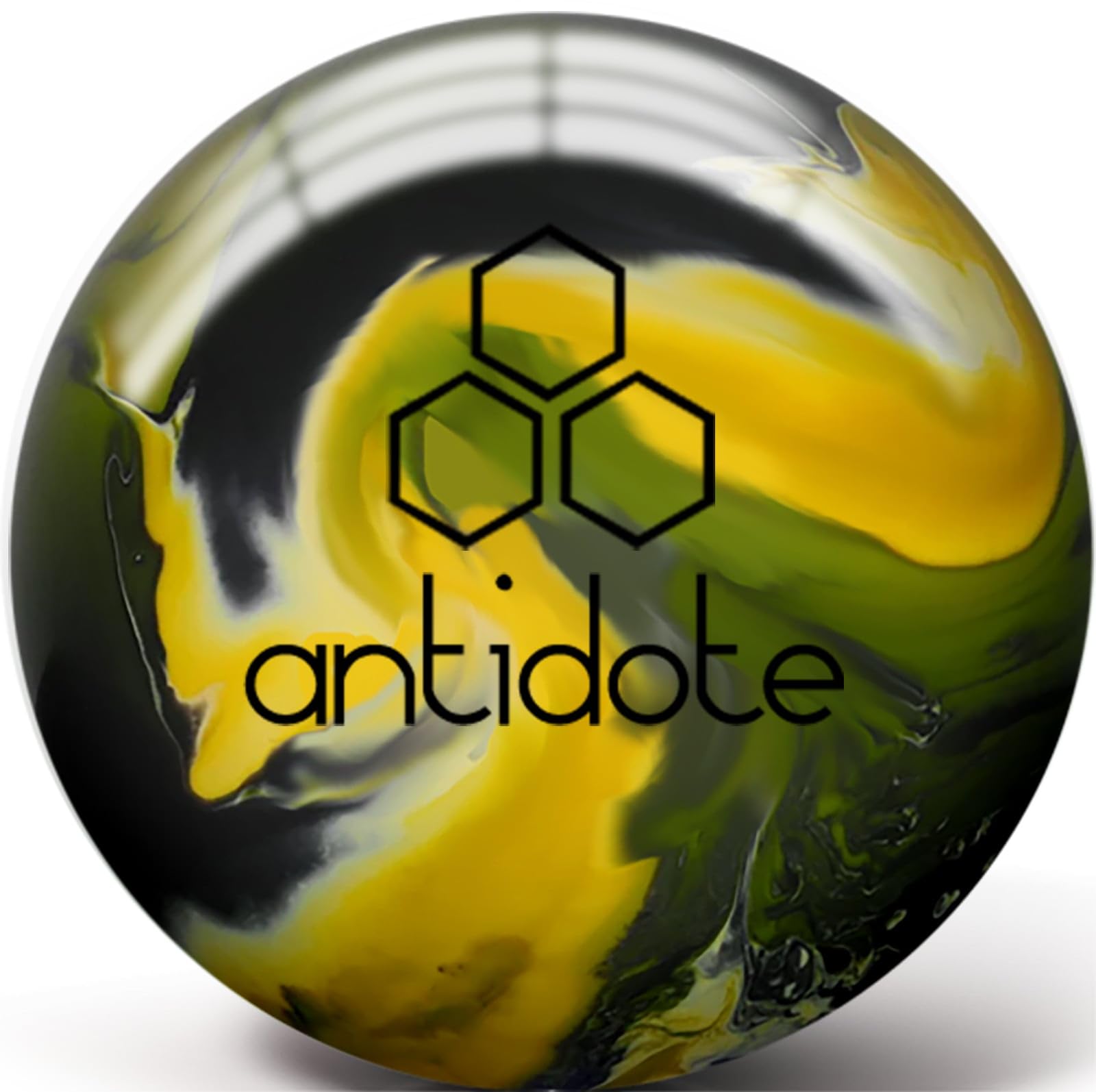
7. Pyramid Antidote Solid Bowling Ball
A tuned benchmark ball that forgives a missed board and still finds the pocket.
The Antidote Solid is engineered for a specific job: giving a predictable benchmark motion on medium lanes. Its New Era 149 symmetric core—with a 2.55 RG and 0.054 differential, providing medium flare potential—keeps the roll smooth. The GPS Navigational Solid coverstock comes finished at 2000-Grit Abralon with factory polish, a combo that offers control and length. Its Perfect Scale Rating of 201.60 confirms its high-performance pedigree.
That engineering shows up on the lane: owners describe a forgiving backend, where a miss by one board still finds the pocket. Because it’s symmetric, drilling options are versatile, letting your pro shop tune it for different styles. It performs best on medium-light lanes, rewarding a 12 to 14 mph throw with a sharp, late hook that hits the pocket with authority.
The reality check: durability is the recurring gripe, with some owners reporting issues with the inside splitting. And while it’s great on lighter oil, it skids on medium-heavy patterns unless you drop your speed. That makes it a specialist for specific conditions rather than an all-rounder—a solid choice if those conditions match your home lanes.
medium oil: you bowl on medium-light lanes and want an adjustable, forgiving benchmark motion.
sharp hooks: heavy oil is your norm or durability is your top fear—stronger and sturdier options exist.
8. Storm Phaze II Bowling Ball

The smooth-rolling benchmark that improves your game straight from the start.
The Phaze II is a benchmark ball (a reliable reference point for your game) that handles medium to heavy oil patterns smoothly. Its reactive solid coverstock (a shell that grips the lane as oil is absorbed) gives you a heavy, predictable roll. Owners also rave about its pleasant scent—one reviewer compared it to red velvet cake.
The pattern is unmistakable across the crowd: quality is called out by nearly fifty owners, with smoothness and strong hook strength following close behind. It’s the ball your pro shop will recommend when you’re ready to stop adjusting your game to the ball and start letting the ball work for you. Owners say they’ll add it to their arsenal and note it works great for medium to heavy oil patterns.
The surprising note in the reviews is the scent—a trait you’d never expect to matter, yet it’s a genuine talking point. There’s also a settling-in period: it hooks a bunch at first, then tames down once it absorbs some oil. It’s a premium pick with a premium price, but the consistency across hundreds of owners justifies the investment for league bowlers.
pro choice: league bowlers wanting a dependable, smooth benchmark ball that handles medium to heavy oil.
budget buys: give it a few games to break in, and be ready for a stronger hook than expected at first.
9. MOTIV Jackal Onyx Bowling Ball

The maximum-hook beast built to crush the heaviest oil patterns on the lane.
If your definition of fun is violent, early-rolling hook on heavy oil, the Jackal Onyx is your ball. MOTIV calls it a monster built for maximum hook and relentless power, and the Leverage HXC Solid Reactive coverstock backs that claim with serious grip. This is a ball with no performance drop-off in mind, made for bowlers who bring consistent speed and revs to every shot.
The pros who review it speak in superlatives—it hooks hard, starts early, and hooks strong, with some calling it the best ball they’ve ever owned. There’s a critical insight hiding in the reviews though: this ball is sensitive to layout. The right drilling makes it a giant, but the wrong one can leave it hooking too early to be playable. Redrilling to a different layout transformed it from unplayable to a big, smooth, continuous arc.
That’s the whole story in one: a tremendous tool for experienced bowlers who know their game and use a knowledgeable driller, and a frustration for anyone expecting plug-and-play. It’s the most premium pick here at the top of the price range, and it demands respect—but rewards it with the strongest hooking motion in this lineup.
tournament: experienced bowlers with consistent mechanics who bowl on fresh, heavy oil and trust their pro shop.
casual play: you’re new to hook balls or bowl on dry, broken-down lanes—this will be too much ball.
Understanding the Specs
Coverstock: The Hook Decider
Your ball’s coverstock is the outer shell that touches the lane, and it’s the single biggest factor in how much your ball hooks. Polyester covers skid long and hook very little, making them ideal spare balls. Reactive resin covers grip the lane aggressively for a strong backend hook. Urethane covers sit in the middle, offering a smooth, controllable arc that works well on dry lanes.
Core: The Motion Shaper
The core is the weight block inside the ball, and its geometry controls how your ball transitions down the lane. Symmetrical cores like the light bulb or New Era 149 shapes give a predictable, consistent motion that suits all styles. Asymmetrical cores like the Gas Mask create stronger, more defined shape changes, especially on the backend, giving you that violent entry into the pocket.
FAQ
Is a 16 lb bowling ball too heavy for me?
What’s the difference between polyester and reactive coverstocks?
Should I buy an undrilled bowling ball?
Will a urethane ball hook more than a reactive ball?
What does surface finish like 500 or 2000 grit mean?
Can I use the same ball for strikes and spares?
How long does a bowling ball last?
What is a benchmark bowling ball?
Final Thoughts: The Verdict
For most people, the best 16 lb bowling ball winner is the Hammer Black Widow 3.0 because it ties a proven, legendary core to a heavy-oil-ready coverstock for maximum striking power. If you want an entry-level hook that’s forgiving while you learn, grab the Brunswick Rhino. And for a reliable spare ball that goes arrow-straight, the KR Strikeforce is the one to reach for. The crowd favorite in this lineup—with the highest owner satisfaction among these nine—is the Hammer Black Widow 3.0, backed by hundreds of five-star experiences from bowlers who report immediate score improvements.
How We Picked
We do not accept paid placement. Every pick is matched to a real buyer and a real use-case; we do not hands-on test units.
Sources & Methodology
Specifications: manufacturer listings and product documentation. Review insights: verified customer reviews, as of August 2026. Pricing: not shown on this page (it changes often); check the current price via the retailer link.
As an Amazon Associate, Gadgets Feed earns from qualifying purchases. This does not affect which products we feature.