
When temperatures drop below 45°F, the rubber compound in all-season tires hardens, turning your confident daily driver into a sled with a steering wheel. The difference between a dedicated winter tire and a multi-season compromise isn’t just a marketing angle—it’s the measurable stopping distance on packed snow that separates a controlled stop from a close call. For drivers facing regular ice, slush, and hard-packed snow, the right set of 17-inch winter rubber is the single most impactful safety upgrade available.
I’m Min — the co-founder and writer behind Gadgets Feed. For this guide I’ve analyzed dozens of spec sheets, decoded real-world treadwear data, and cross-referenced hundreds of verified owner experiences to isolate the 17-inch winter tires that actually deliver on their snowflake promise.
Whether you’re navigating unplowed side streets or commuting through mountain passes, this deep-dive into the best 17 winter tires will help you identify the set that matches your climate, driving style, and vehicle weight.
How To Choose The Best 17 Winter Tires
Selecting a winter tire for a 17-inch wheel isn’t just about matching the diameter—it’s about aligning tread compound, siping design, and load index with your specific winter environment. A tire that excels on hard-packed snow in an urban setting may feel squirmy on a highway slush run, while a stud-compatible model built for mountain ice might be overkill for a region that sees only a few icy mornings each year.
Three-Peak Mountain Snowflake vs M+S
The 3PMSF symbol on a tire sidewall indicates it has passed a standardized severe snow traction test—specifically, achieving at least 110% of the traction of a reference all-season tire. The older M+S (Mud and Snow) rating carries no such performance threshold. For any vehicle that will face real winter precipitation, prioritize 3PMSF-certified tires. Every product in this review carries that certification where applicable, but not all winter tires are created equal under the test protocol.
Tread Pattern and Siping Density
Directional tread patterns with deep circumferential grooves excel at evacuating water and slush to prevent hydroplaning on wet snow. Micro-sipes—the tiny slits in the tread blocks—create thousands of biting edges that grip ice. A tire with high siping density will generally outperform a tire with fewer sipes on glare ice, but may trade some dry-road stability. Look for tires that balance both, especially if your commute mixes highway miles with side-road ice patches.
Load Index and XL Construction
Winter tires are often mounted on vehicles carrying extra weight from ski racks, cargo boxes, or emergency gear. An XL (Extra Load) tire like the 98T rating on several models in this guide carries a higher load capacity and features stiffer sidewalls that improve steering response in cold conditions. For heavier sedans, crossovers, and light SUVs, choosing an XL-rated tire prevents excessive sidewall flex that can mute feedback and reduce stability at highway speeds.
Quick Comparison
On smaller screens, swipe sideways to see the full table.
| Model | Category | Best For | Key Spec | Amazon |
|---|---|---|---|---|
| General Altimax Arctic 12 (225/45R17) | Premium Winter | Maximum ice & snow braking | 94T XL, studdable, 3PMSF | Amazon |
| Cooper Evolution Winter (225/45R17) | Premium Winter | Deep snow & steep driveways | 94T XL, studdable, 3PMSF | Amazon |
| Continental ExtremeContact DWS06 PLUS (225/55R17) | Ultra-High Perf Season | Year-round UHP with snow capability | 97W SL, 50k-mile warranty | Amazon |
| General Altimax Arctic 12 (225/60R17) | Premium Winter | Large sedan & SUV winter duty | 103T XL, studdable, 3PMSF | Amazon |
| Lexani Terrain Beast AT (LT265/70R17) | All-Terrain Winter | Truck & SUV mixed winter terrain | 121/118S E, aggressive tread | Amazon |
| Cooper Discoverer True North (225/50R17) | Mid-Range Winter | Highway commutes in slush & ice | 98H XL, 3PMSF, quiet ride | Amazon |
| NEXEN Winguard Winspike 3 (225/45R17) | Value Winter | Budget-friendly ice traction | 91T SL, 3PMSF, dense siping | Amazon |
| Sumitomo Ice Edge (215/55R17) | Value Winter | Compact & mid-size sedan snow use | 94T SL, stud-compatible | Amazon |
| NEXEN Winguard Winspike 3 (215/55R17) | Value Winter | Entry-level winter reliability | 98T XL, 3PMSF, 36-mo roadside | Amazon |
In‑Depth Reviews
1. General Tire Altimax Arctic 12 Studable-Winter Radial Tire – 225/45R17 94T

The Altimax Arctic 12 is the benchmark for stud-compatible winter tires in the 17-inch size class. Its 94T XL construction pairs a 1,477-pound load capacity with reinforced sidewalls that resist squirm at highway speeds, a common complaint among softer-compound winter tires. Owners report that even without studs, the directional tread pattern and dense siping deliver confident braking on glare ice, with multiple reviewers noting a night-and-day improvement in stopping distance over all-season rubber on snow-covered roads.
Real-world feedback from a 2016 Hyundai Sonata driver—logged at over 1,200 miles with minimal treadwear—confirms that this tire maintains its compound flexibility well below freezing without the accelerated wear that plagues some budget winter models. The optional TSMI #12 studs provide an extra layer of security for those facing sustained mountain ice, but many users find the unstudded configuration sufficient for slush, packed snow, and black ice common to Midwest and Northeast winters.
The only trade-off is a modest increase in road noise and a roughly 2 mpg fuel economy penalty, both typical for an aggressive winter tread. If your driving demands uncompromising ice bite and you’re willing to tolerate slightly louder cabin noise for superior cold-weather control, this is the tire that earns its price.
Why it’s great
- Exceptional ice and snow braking verified by multiple owners
- XL sidewall construction improves highway stability in cold
Good to know
- Road noise is slightly higher than premium all-seasons
- Fuel economy typically drops 1-2 mpg versus summer tires
2. Cooper Evolution Winter 225/45R17XL 94T Tire
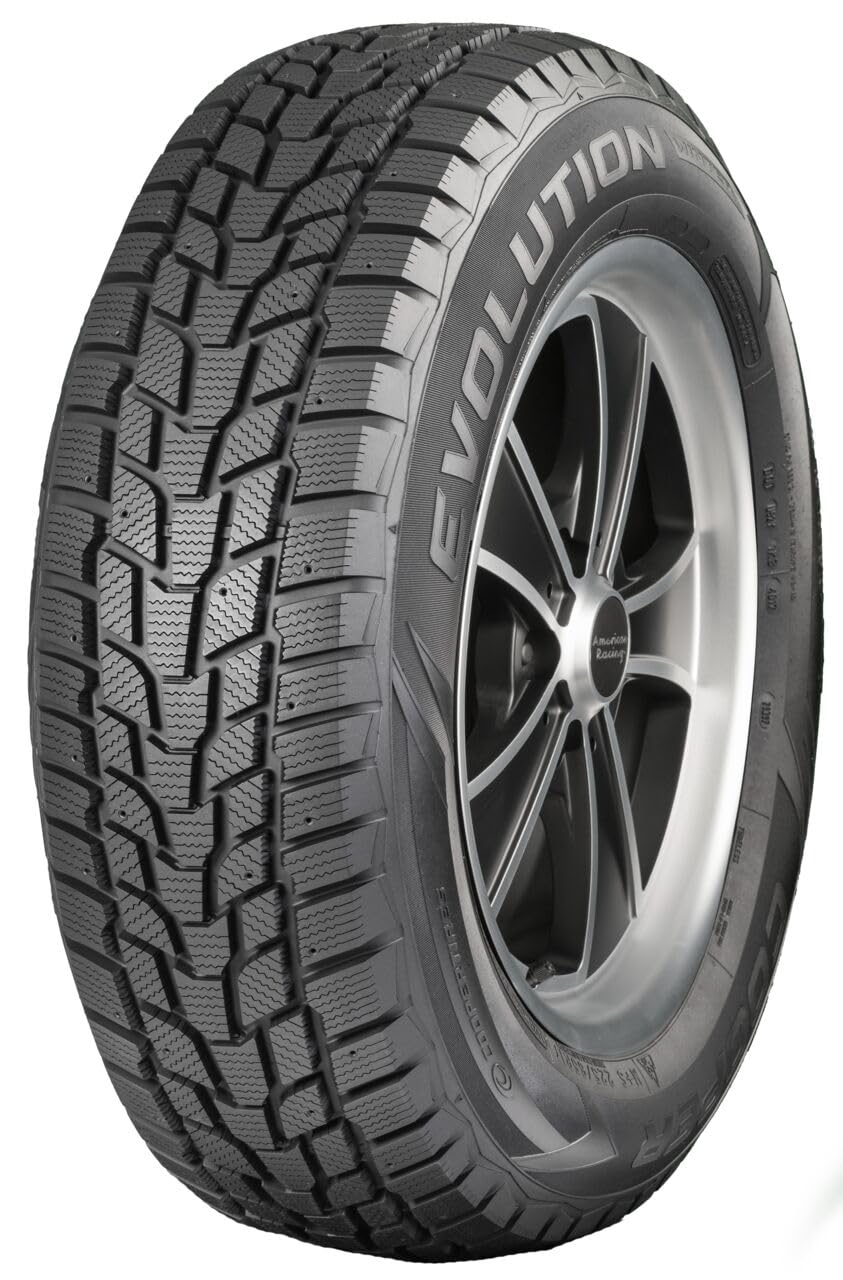
The Cooper Evolution Winter earns its place at the top of this list by delivering genuine deep-snow traction in a studdable package that remains composed on dry pavement. Its 94T XL load rating means it can handle the extra weight of a fully loaded crossover or a sedan packed for a ski trip, and the 3PMSF certification is backed by owners who report climbing 13% grade driveways in 12 inches of snow without a hint of wheel spin.
Where this tire separates itself from the value-tier competition is its ability to maintain highway stability at speeds above 70 mph. Multiple owners driving manual-transmission sedans and front-wheel-drive minivans note that the Evolution Winter tracks straight on dry highway stretches without the wandering feel that plagues some winter tires with overly soft tread compounds. The studdable design means you can add optional metal studs for peak ice performance, yet most reviewers find the unstudded version entirely adequate for slush, packed snow, and rain.
The noise level is remarkably low for a winter tire—several owners call it negligible on highway drives. If you need a tire that powers through 1+ foot snowfalls on unplowed roads without sacrificing highway composure, this Cooper delivers that balance more consistently than any other model in this roundup.
Why it’s great
- Outstanding deep snow traction on steep gradients
- Stable highway tracking with minimal noise
Good to know
- XL sidewall makes the ride slightly firmer than SL tires
- Not ideal for year-round use despite impressive durability
3. Continental ExtremeContact DWS06 PLUS UHP All Season 225/55ZR17 97W

The DWS06 PLUS occupies a unique position: it’s a UHP all-season tire that actually delivers meaningful snow and ice performance, evidenced by its 3PMSF certification. With a 97W speed rating and 50,000-mile treadwear warranty, this tire is built for drivers who want one set of rubber that handles cold, wet, and light snow without the full compromise of a pure winter tire. Owners of performance sedans like the Dodge Challenger and Jaguar XF report that the DWS06 PLUS outperforms OEM all-seasons in cold weather grip by a wide margin, with particular praise for its wet-road braking and steering feel.
The Tuned Performance Indicator technology—three symbols in the tread (D, W, S) that wear away as performance degrades—gives drivers a visual gauge of when the tire is no longer optimized for dry, wet, or snow conditions. This is a genuinely useful feature for those who push their car through mixed seasons and want to know exactly when their snow margin has diminished.
Where this tire falls short of dedicated winter models is in extreme deep-snow or solid-ice scenarios. It is not a substitute for a full winter tire if you regularly face 8+ inch snowfalls or sustained mountain ice. But for drivers in regions with mild to moderate winters who still want responsive handling year-round, this is the most capable cold-weather performance tire available in a 17-inch fitment.
Why it’s great
- Excellent cold-weather wet and dry grip with UHP feel
- Treadwear warranty reduces long-term cost concern
Good to know
- Not designed for deep snow or pure ice dominance
- Tread life is shorter than touring all-seasons
4. General Tire Altimax Arctic 12 Studable-Winter Radial Tire-225/60R17 103T XL
This larger 225/60R17 variant of the Altimax Arctic 12 offers a 103T XL rating—a 1,929-pound load capacity that makes it the strongest tire in this comparison for crossovers and large sedans that need to carry heavy winter loads. The higher sidewall profile (60-series versus the 45-series on its stablemate) provides additional cushion over rutted winter roads, which owners of vehicles like the 2016 Hyundai Sonata and Saturn Aura praise for its ability to absorb frost-heave impacts without transmitting harshness into the cabin.
The studdable design is backed by consistent reviews noting that even without studs, the Altimax Arctic 12 provides confident traction in rain, snow, slush, and dry cold conditions. One owner on a 2017 Prius Prime reported running the tire at 50 psi for improved fuel economy and clearance, still noting no increase in fuel consumption over the stock tire—a rare feat for a winter tire with this aggressive a tread.
The main consideration is that the taller sidewall introduces a slightly bouncier ride compared to lower-profile winter tires, and some drivers may notice increased body roll during aggressive cornering. For the majority of winter driving—steady-speed highway commutes and cautious suburban routes—this is a non-issue, and the added load capacity makes this the safest choice for heavier vehicles.
Why it’s great
- Highest load capacity (1,929 lbs) in this comparison
- Tall sidewall improves ride comfort on rough winter roads
Good to know
- Bouncier ride feel compared to lower-profile alternatives
- Fuel economy may drop slightly on aggressive tread pattern
5. Lexani Terrain Beast AT LT265/70R17 121/118S E

The Lexani Terrain Beast AT is built for the light-truck and SUV crowd who need winter capability without switching to a dedicated winter tire. Its E load range (10-ply rated) and 3,195-pound load capacity make it a natural fit for heavy-duty trucks like the Chevrolet Silverado 2500 or RAM 2500 that routinely tow or haul through snow-covered job sites. The aggressive tread features deep grooves and open shoulders that eject mud, slush, and rocks, maintaining consistent traction in mixed winter terrain where a dedicated highway winter tire might clog with heavy snow.
Owners of 2021 Chevy Silverado 3.0L Duramax trucks report excellent snow traction even in 2WD mode, with the tire self-mounting and balancing without vibration. The computer-optimized tread pattern delivers surprisingly low road noise for such an aggressive all-terrain design—several owners note it rides quieter than expected at highway speeds. After 10,000 miles, reviewers report minimal tread wear, suggesting the compound is durable enough for year-round use.
The downside is that the Terrain Beast AT is an all-terrain tire first and a winter tire second. While it performs admirably in snow and slush, it cannot match the ice-bite and cold-weather compound of a dedicated 3PMSF winter tire on glare ice. If you drive a truck that needs year-round traction and occasionally faces significant snow, this is a strong option, but pure winter performance still belongs to the purpose-built tires on this list.
Why it’s great
- Extremely durable E-load construction for heavy trucks
- Quiet operation for an aggressive AT tread design
Good to know
- Not 3PMSF certified—ice grip lags dedicated winters
- Reduces highway fuel economy by roughly 20%
6. Cooper Discoverer True North Winter 225/50R17XL 98H Tire

The Discoverer True North is engineered for the specific challenge of highway winter commuting, where slush, black ice, and intermittent dry patches demand a tire that adapts quickly. Its 98H XL rating (1,653-pound capacity) suits mid-size sedans, wagons, and crossovers, and the 3PMSF certification is backed by independent data showing it delivers the shortest stopping distance in snow within the Cooper winter lineup. Owners of Honda Civics and Toyota Matrixes report reaching 60,000 miles on a single set while maintaining near-winter-tire performance—a testament to the tread compound’s wear resistance.
What makes this tire stand out in the mid-range is its exceptionally quiet operation. Multiple reviewers note that they could not distinguish the road noise from a premium all-season, which is rare for a winter tire with deep tread blocks and aggressive siping. For drivers who spend significant time at highway speeds, the reduction in fatigue over a 300-mile winter drive is a genuine quality-of-life upgrade.
The trade-off is that the True North’s compound is slightly harder than some competitors, which means it may not have quite the same outright ice-grip as a dedicated ice-compound tire like the Altimax Arctic 12. For the majority of winter driving that involves plowed highways, occasional unplowed side streets, and temperatures between 10°F and 35°F, this tire hits a near-perfect sweet spot of traction, wear, and comfort.
Why it’s great
- Remarkably quiet highway ride for a winter tire
- Excellent treadlife—some owners exceed 60k miles
Good to know
- Ice grip slightly below pure ice-compound winters
- Does not support stud installation for extreme ice
7. NEXEN Winguard Winspike 3 Winter Tire – 225/45R17 91T
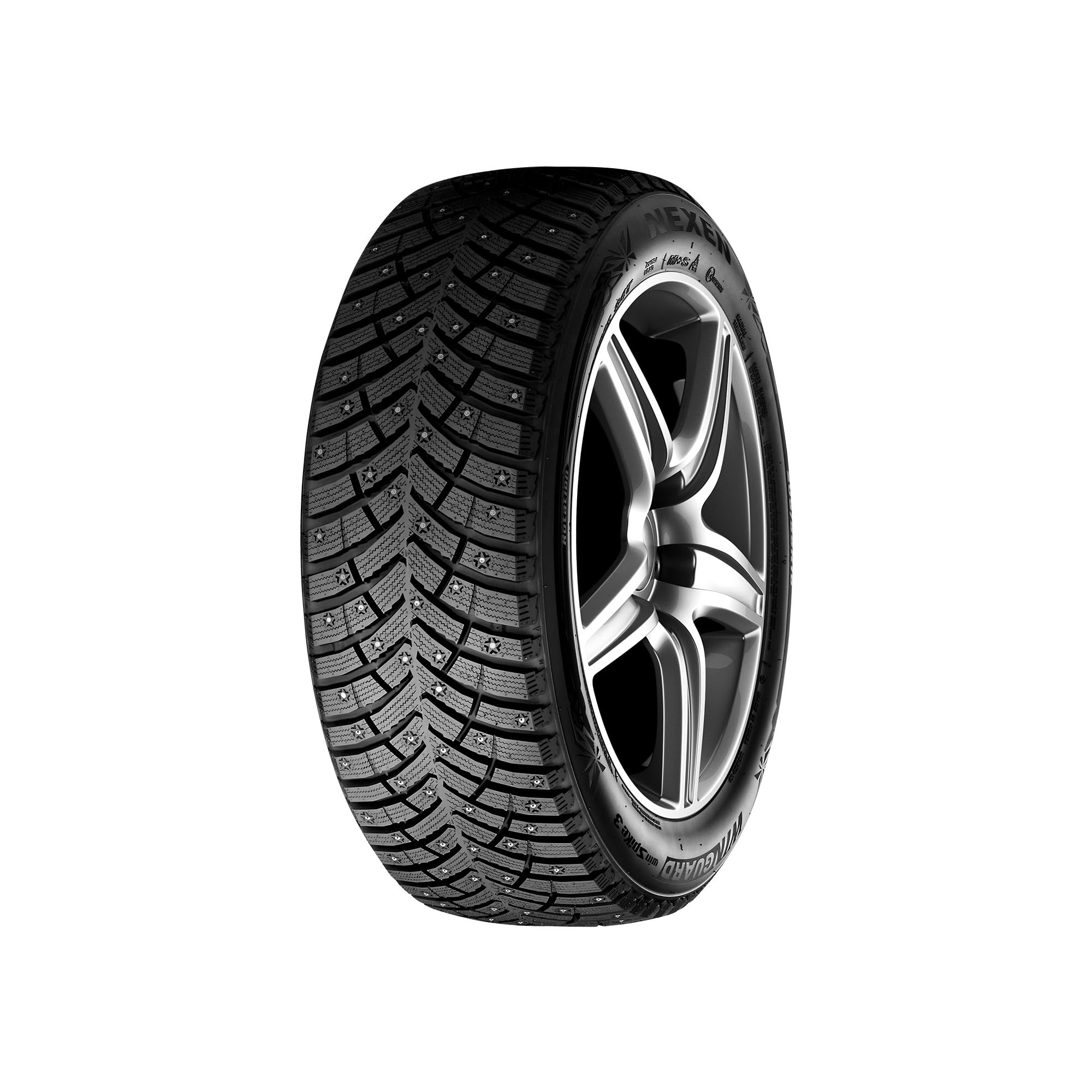
Nexen’s Winguard Winspike 3 delivers genuine winter-certified performance at a price point that undercuts many competitors by 20-30%. The 91T SL rating (1,356-pound capacity) is on the lower end for load, making it ideal for compact and mid-size sedans, but the 3PMSF certification confirms it passes the severe snow traction test. Owners driving Passats and Tundras at elevations above 9,000 feet in Colorado report that the directional tread pattern and dense siping provide sufficient ice grip without studs, even during sustained mountain driving.
The compound flexibility in extreme cold is a standout feature at this price. Multiple reviewers report driving 27 miles on solid ice without slipping, which rivals the performance of tires costing significantly more. The optional TSMI #12 studs add an extra layer of safety for those who face persistent mountain ice, and the 36-month roadside assistance warranty provides peace of mind that is unusual in the budget tier.
However, there are isolated reports of bead-sealing issues leading to mysterious air loss, and the warranty claims process for this specific defect has frustrated some owners. For the vast majority of users—particularly those in regions with moderate to heavy snow who want a dependable winter tire without the premium price—the Winguard Winspike 3 is a compelling choice, but the QC variability is worth noting.
Why it’s great
- Excellent ice traction at a budget-friendly price
- Includes 36 months of roadside assistance warranty
Good to know
- Isolated reports of bead-sealing defects
- Lower load capacity suits compact/mid-size sedans only
8. Sumitomo Ice Edge Passenger Radial Tire-215/55R17 94T

Sumitomo brings decades of Japanese tire engineering to the winter market with the Ice Edge, a 215/55R17 94T that prioritizes predictable snow handling and noise comfort over outright ice-bite. The 94T SL rating (1,477-pound capacity) suits front-wheel-drive sedans and compact crossovers, and the stud-compatible design allows drivers in particularly icy regions to add metal studs for improved grip. Owners in Salt Lake City and across the Midwest report that the Ice Edge provides confident canyon driving and safe year-over-year winter performance, with one Lexus ES350 driver noting excellent traction after adding studs.
The tire’s compound is calibrated for colder temperatures without the rock-hard feel that plagues budget winter tires at sub-zero temperatures. Owners of a Chevy Volt and a 2015-era FWD sedan consistently describe the Ice Edge as “comparable to Blizzaks” in unplowed snow and ice, a flattering comparison given the significant price gap. The road noise is acceptable—slightly louder than all-seasons but not intrusive at highway speeds.
The biggest limitation is the 94T load index, which is standard for this size but not XL-rated, meaning the sidewalls are less reinforced for heavy loads or aggressive cornering. For drivers who stay within the tire’s load parameters and want a proven winter performer from an established brand, the Ice Edge represents a smart balance of cost and cold-weather competence.
Why it’s great
- Proven snow performance comparable to premium winter brands
- Stud-compatible design adds flexibility for ice regions
Good to know
- Standard load (SL) sidewall—less stable at higher loads
- Not 3PMSF certified despite strong snow reviews
9. NEXEN Winguard Winspike 3 Winter Tire – 215/55R17 98T
This 215/55R17 variant of the Winguard Winspike 3 offers a notable upgrade over its 225/45R17 sibling: a 98T XL rating that provides a 1,653-pound load capacity with reinforced sidewalls. For a tire at this price point, the XL construction is a genuine differentiator, improving steering response and stability when the car is loaded with passengers or winter gear. Owners of FWD sedans and even a 2024 Tundra report that the tire grips well in New England winters, with the directional tread pattern clearing slush effectively at highway speeds.
The 3PMSF certification is backed by real-world results from a rural Michigan mail carrier who tested the tire across multiple brands and found the Winguard to deliver confident traction on all terrain without needing to install the optional studs. The 36-month roadside assistance warranty adds value that many budget tires lack entirely.
As with the other Winguard model, there are sporadic quality-control concerns—a small number of owners report bead-seal issues that cause slow leaks. The majority of users, however, receive a tire that performs reliably through multiple seasons. If you need an XL-rated winter tire on a budget and are comfortable with the minor QC risk, this Nexen offers a load capacity and traction combination that punches well above its price class.
Why it’s great
- XL sidewall construction at a budget-tier price
- Strong slush and snow traction with 3PMSF certification
Good to know
- Inconsistent QC with isolated bead-seal defects
- Not ideal for extreme highway speeds over 80 mph
FAQ
Can I use 17 winter tires on an all-wheel-drive vehicle all year?
What is the difference between studdable and studless winter tires?
How do I store 17 winter tires during the off-season?
Do I need to buy a separate TPMS kit for my winter tire set?
Final Thoughts: The Verdict
For most drivers, the 17 winter tires winner is the General Altimax Arctic 12 (225/45R17) because it delivers the best balance of ice-bite, studdable flexibility, and highway composure at a competitive price. If you need the strongest possible deep-snow traction with the ability to handle steep driveways, grab the Cooper Evolution Winter. And for a year-round performance tire that handles light winter conditions without the storage hassle of a second set, nothing beats the Continental ExtremeContact DWS06 PLUS.