
Finding authentic footwear for a cultural event, historical reenactment, or simply for the unique comfort of a traditional Japanese design requires navigating a niche market where sizing, material, and construction details matter far more than mainstream sneaker specs. The split-toe silhouette of tabi and the woven craftsmanship of setta zori offer a sensory experience—the tactile connection to the ground, the distinct feel of a snug cotton or rubber sole—that modern shoes rarely replicate. This guide cuts through the noise to identify the best options that honor the era’s aesthetic and practical demands.
I’m Min — the co-founder and writer behind Gadgets Feed. I’ve spent countless hours analyzing the construction, sizing charts, and real-world feedback on these specialized Japanese footwear options to ensure this guide provides clear, category-specific advice for buyers seeking authentic products.
Whether you’re dressing a child for a matsuri festival, a martial arts demonstration, or a historical costume, the 1930s japanese kids footwear revival begins with understanding the crucial details of construction, sizing, and material authenticity that separate a good fit from a frustrating one.
How To Choose The Best 1930s Japanese Kids Footwear
Selecting the right traditional Japanese footwear for a child requires shifting your mindset from Western shoe conventions. The 1930s aesthetic prioritizes natural materials, a snug heel, and a wide toe box that allows toes to splay freely—a design philosophy fundamentally different from the pointy, restrictive shoes common in that era elsewhere. Focus on the construction details, the closure method, and the sole material to match the intended use, whether for daily wear, festival participation, or costume completion.
Understanding Construction: Tabi vs. Setta
The core distinction lies between soft, sock-like tabi (often with a split toe) and the more structured, sandal-like setta (zori with rubber soles). Tabi, like the Marugo Jog Jikatabi, offer a boot-like fit that’s ideal for active kids needing foot protection, while setta, like the Edoten I Setta, provide a classic, open sandal profile typical of casual 1930s wear. For younger children who need to run and play, a tabi with a durable rubber sole is the most practical choice; for dressier occasions like a festival, a setta with woven tatami or vinyl straps offers a more period-correct silhouette.
Decoding Japanese Sizing in Centimeters (cm)
Never rely on US or EU size conversions when ordering traditional Japanese footwear. These products are almost exclusively sized in centimeters (cm), which corresponds to the actual length of the foot from heel to longest toe. You must measure the child’s foot with a ruler—tracing it on paper works well. For tabi, purchasing a size exactly matching the foot length provides a snug, correct fit, as the material will stretch. For setta, a slight bit of overhang at the heel (about 1 cm) is traditional and expected. Ignoring this cm-based system is the single most common source of sizing errors.
Closures: Kohaze Clips, Zippers, and Hook-and-Loop
The closure system directly affects how easy the shoes are for a child to put on and take off independently. Traditional kohaze (metal clips) on tabi offer period authenticity but can be fiddly for small hands. Modern zippers, like on the Japanese Training Saisou Fastener Tabi Shoes, offer exceptional convenience and speed. For toddlers and young children, the hook-and-loop strap closure found on the Tsukihoshi Racer provides the best balance of security, adjustability, and independent use. Consider the child’s age and dexterity when making this choice.
Material Authenticity and Breathability
Cotton tabi, the staple of the 1930s, are breathable but offer no water resistance. For active children, look for modern updates with rubber outsoles for grip (like the Marugo Jikatabi) while retaining a cotton or canvas upper. For setta sandals, the traditional igusa (rush grass) tatami sole—as seen on the Asayu Japanese Traditional Igusa Setta—provides excellent moisture absorption and a natural, deodorizing footbed, but it will wear down faster than a full rubber sole. Vinyl-coated fronts, a common modern update, make cleaning easier but reduce breathability.
Quick Comparison
On smaller screens, swipe sideways to see the full table.
| Model | Category | Best For | Key Spec | Amazon |
|---|---|---|---|---|
| Tsukihoshi Racer | Toddler Sneaker | Active Toddlers | Wide toe box, hook-and-loop closure | Amazon |
| Tsukihoshi Rainbow | Kids Sneaker | School & Play | Machine-washable, arch support | Amazon |
| Marugo Jog Jikatabi | Training Tabi | LARP & Training | Rubber sole, 12-clip closure, 28 cm | Amazon |
| Japanese Ninja Shoes Saibu | Premium Tabi | Outdoor Use | Thick sole, firm traction, 26 cm | Amazon |
| Training Saisou Fastener | Convenience Tabi | Quick On/Off | Zipper closure, padded insole | Amazon |
| Asayu Igusa Setta | Traditional Sandal | Ceremonial & House | Igusa tatami sole, deodorizing | Amazon |
| Edoten I Setta | Classic Sandal | Budget Festival | Vinyl front, rubber sole, sponge cushion | Amazon |
In‑Depth Reviews
1. TSUKIHOSHI Racer Baby, Toddler & Kids Shoes
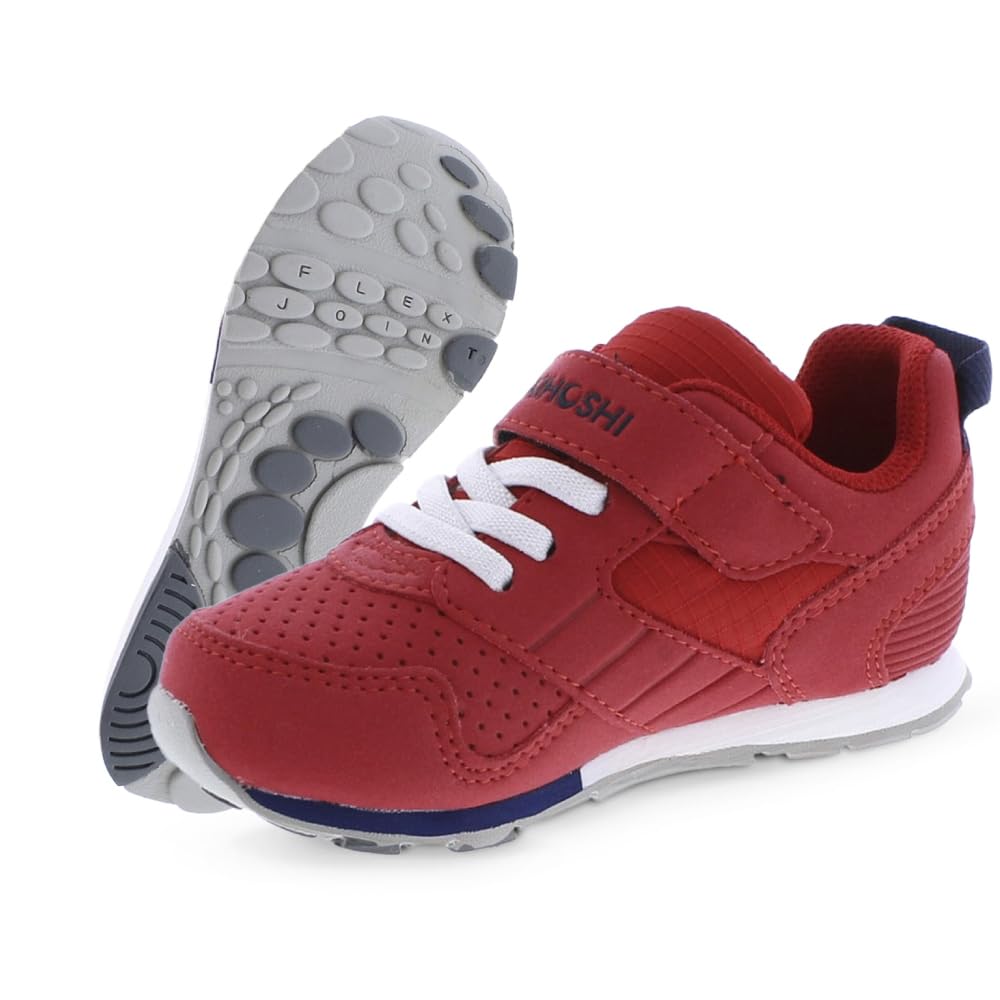
The Tsukihoshi Racer is the clear best-in-class for modern kids needing a 1930s-inspired aesthetic with real-world durability. With a heritage rooted in making traditional tabi shoes since 1873, Tsukihoshi applies the wide-toe-box philosophy to a child’s sneaker, allowing natural splay and healthy arch development. The one-ounce weight makes it feel like a barefoot extension, while the non-slip, non-marking outsole provides grip on both playground mulch and hardwood floors.
The hook-and-loop strap closure is a game-changer for toddlers and preschoolers learning to dress themselves. The rear finger loop makes pulling the shoe on effortless, and the strap adjusts for a snug, secure fit around a narrow heel and wider forefoot. Real-world reviews consistently praise its ability to accommodate orthotics after removing the insole, and parents report buying three or four pairs as their child grows, confirming its status as a repeat-purchase essential.
Durability is a highlight, holding up to daily running and hard play while remaining flexible enough for natural foot motion. The machine-washable design, combined with a green tea insole that neutralizes odors, keeps these shoes fresh even after muddy adventures. While the upper material could be slightly tougher for the most aggressive play, the overall package of fit, support, and washability makes this the top recommendation for active youngsters.
Why it’s great
- Wide toe box promotes healthy foot development and natural splay
- Easy on/off with hook-and-loop strap and finger loop
- Machine-washable with odor-fighting green tea insole
Good to know
- Sizing runs slightly large for some; verify with cm measurement
- Upper material could be more abrasion-resistant for heavy use
2. TSUKIHOSHI Rainbow Kids Shoes
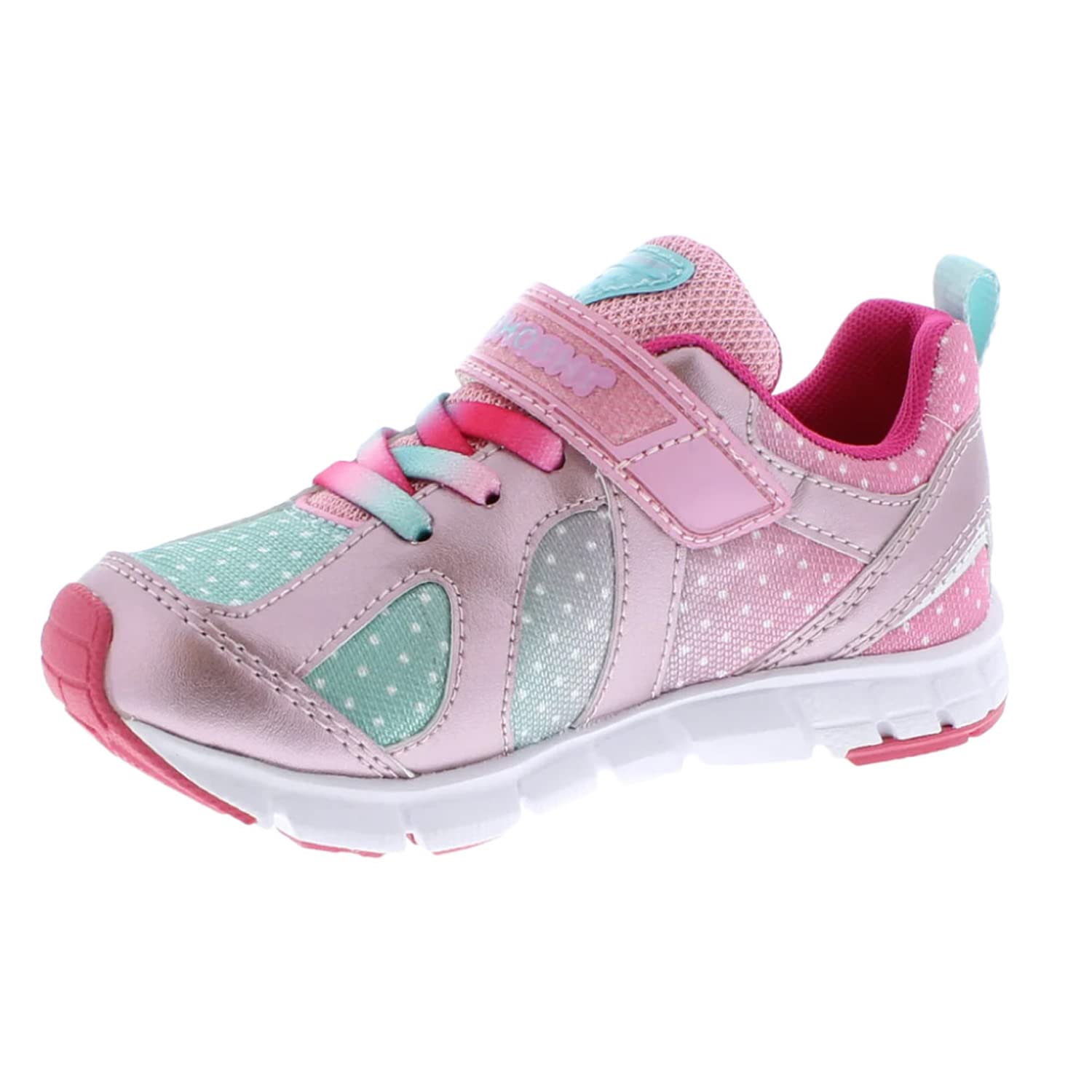
The Tsukihoshi Rainbow extends the same essential design philosophy to older children ages 4–12, making it the go-to for school-age kids who need both period style and modern athletic support. The secret sauce is the arch support—a feature rarely found in traditional-inspired kids’ shoes—which reviewers consistently highlight as a reason to stay loyal to the brand across multiple sizes. The three-ounce weight keeps it lightweight for all-day wear.
Machine-washability remains a core feature, and the quick-drying, no-smell design is a parent’s best friend. The hook-and-loop closure is here again, but the Rainbow fits a slightly bigger foot with a more pronounced toe guard. Parents report these shoes lasting months until the child outgrows them, which is a direct result of the durable construction and high-quality material selection. The sleek design looks appropriate for both a historical costume and everyday playground use.
While the Rainbow is priced higher than mass-market sneakers, the value proposition is strong: fewer replacements over time due to superior construction. Reviewers who own multiple sizes confirm that the fit consistency across the size range is excellent, recommending buying one size up for longer wear. The only trade-off is that the color options are more limited than typical athletic brands, but the available palette is tasteful and restrained.
Why it’s great
- Excellent arch support for healthy foot development in older kids
- Lightweight, flexible, and machine-washable for easy care
- Durable construction outlasts cheaper alternatives significantly
Good to know
- Limited color selection compared to mainstream sneakers
- Premium price point reflects higher build quality
3. Marugo Jog Jikatabi Japanese Tabi Shoes Navy white stitching with 12 Clips

The Marugo Jog Jikatabi offers the most authentic split-toe experience for kids who are serious about martial arts, LARP, or historical reenactment. The 12 metal kohaze clips along the back provide a secure, adjustable fit that keeps the shoe snug during active movement. The rubber sole provides excellent traction on soft ground and trails, making it suitable for outdoor training rather than just indoor dojo use.
Sizing is critical here: the shoes run 0.5 cm large with the thick insole included, so measuring the child’s foot in centimeters is non-negotiable. A size 26 cm fits a US size 10.5 adult foot snugly, so for a child you’ll need to look at the smaller size options. The construction is remarkably durable—one reviewer reported a pair lasting over 20 years with regular use—making this a true investment piece for a growing child who will wear them often.
The main hurdle for kids is the kohaze closure system. The metal clips can be tricky for small fingers to fasten and unfasten independently, requiring adult assistance. Some reviewers noted that the clips can pop open during use, but this is easily mitigated by securing them with a small hair band around the sleeve. For kids who can manage the closure, the comfort, flexibility, and grip are unparalleled for active wear.
Why it’s great
- Authentic 12-clip kohaze closure for period correctness
- Tough rubber sole with firm traction for outdoor training
- Exceptional durability; can last for years with proper care
Good to know
- Kohaze clips are difficult for younger children to fasten alone
- Sizing requires careful cm measurement; runs slightly large
4. Japanese Real Ninja Shoes Edition Comfort Saibu Style
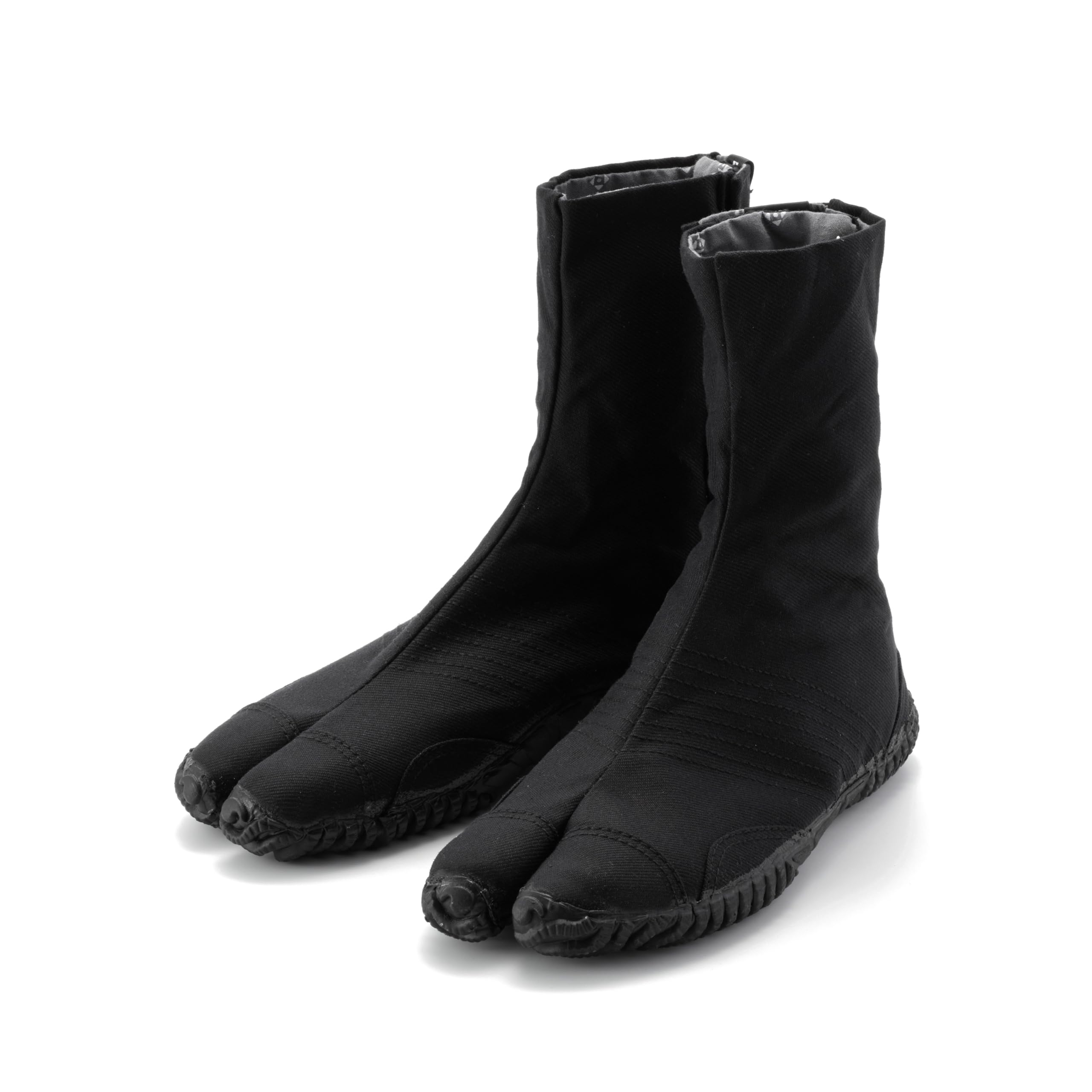
These Japanese Real Ninja Shoes offer a premium tabi experience that prioritizes comfort and grip above all else. The thick rubber sole is noticeably more substantial than the Marugo Jikatabi, providing superior shock absorption for running and jumping on hard surfaces. The cotton upper is soft and breathable, conforming to the foot after a short break-in period. This is the shoe for the child who wants to literally run around like a ninja all day.
The sizing runs 0.5 cm large with the insole, which is useful for adding a custom orthotic or thicker sock. The firm traction pattern on the outsole works well on soft ground and trails, but reviewers caution against using these on wet concrete, as the grip can be slippery. The traditional kohaze clip closure is the same system as the Marugo, so adult help will be needed for younger kids. However, the overall build quality is exceptional.
The all-black version is visually striking and works perfectly for a ninja costume, but the white version is also available for ceremonial use. The .04-ounce weight is a misprint in the specs, but the shoes themselves are light enough for all-day comfort. The only real drawback is that the kohaze clips can be a bit stiff to close at first and may loosen over time, requiring the same hair-band trick to keep them secure during intense activity.
Why it’s great
- Thick, cushioned sole for high-impact activity and comfort
- Excellent grip on soft ground and trails for active play
- Premium build quality from a trusted Japanese manufacturer
Good to know
- Kohaze clips require adult assistance for young children
- Slippery on wet concrete; best on natural surfaces
5. Japanese Training Saisou Fastener Tabi Shoes
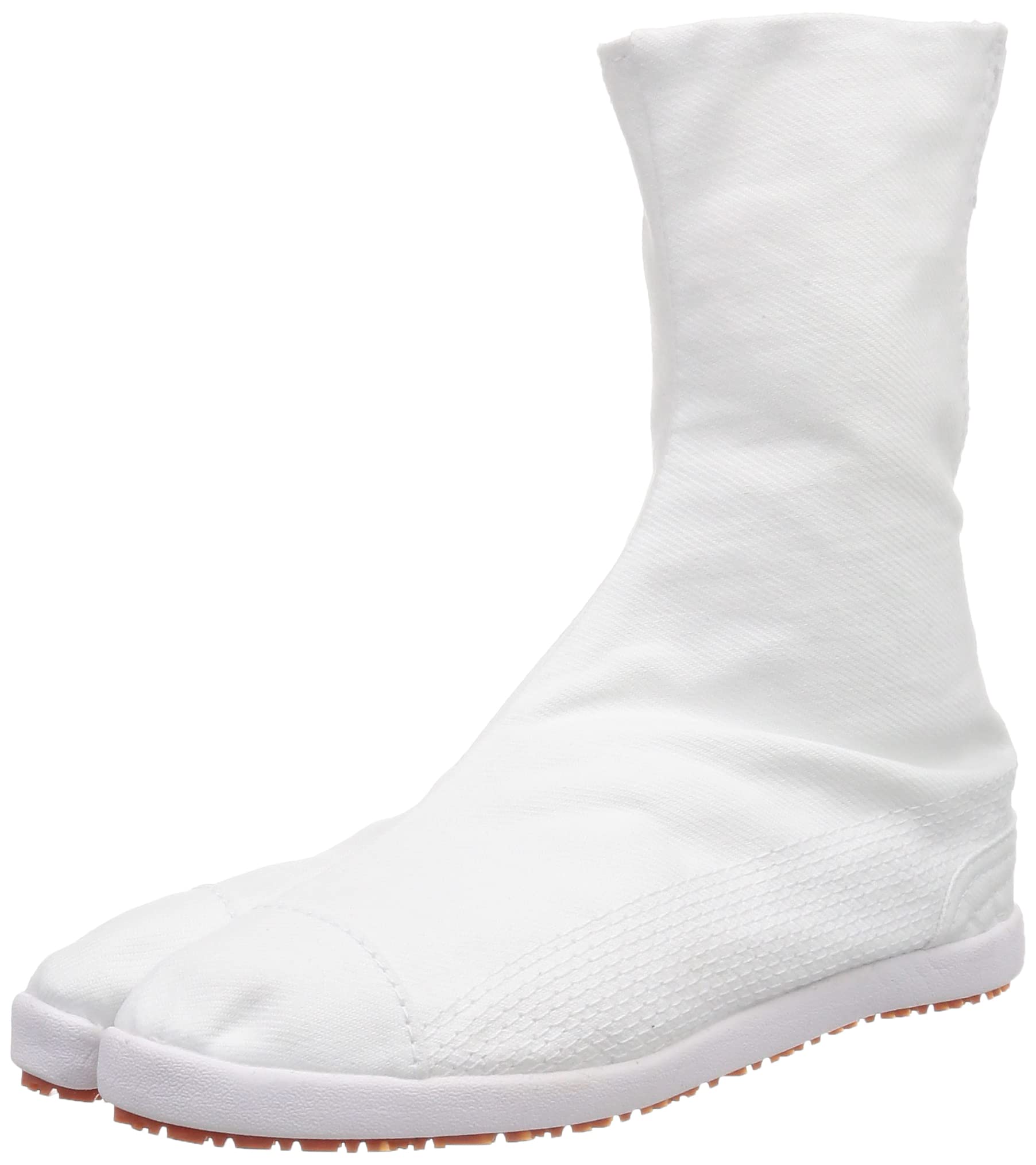
The Training Saisou Fastener Tabi Shoes solve the biggest usability problem of traditional tabi: the cumbersome closure. By replacing the kohaze clips with a full-length zipper, these shoes make it possible for a child to put them on and take them off in seconds, independently, without any struggle. This convenience factor is a game-changer for busy mornings at school or quick changes at a martial arts dojo.
The zipper is hidden behind a fabric flap that keeps it from snagging on clothing or mats, and the padded insole provides a level of comfort that rivals modern athletic sneakers. Reviewers highlight that the cushioning in the footbed makes the tabi feel like wearing regular shoes, reducing foot fatigue significantly during long training sessions or all-day wear. The sizing is true to the Japanese cm standard, so careful measurement is still required.
The white color looks clean and authentic, but it gets dirty very easily, so it’s best reserved for indoor ceremonial or training use. The zipper is durable but can be compromised if sand or grit gets into it, so this isn’t the best choice for muddy outdoor play. For kids who need the authentic tabi split-toe experience but lack the dexterity for kohaze clips, this is the perfect solution.
Why it’s great
- Full zipper closure makes on/off incredibly easy for kids
- Padded insole reduces foot fatigue for all-day wear
- Hidden zipper flap prevents snagging and looks clean
Good to know
- White color shows dirt quickly; better for indoor use
- Zipper can be damaged by sand or grit
6. Asayu Japanese Traditional Igusa Setta Sandals

The Asayu Igusa Setta are the most authentic 1930s-style sandal on this list, crafted entirely in Japan with a true tatami rush-grass sole. The woven igusa surface is naturally moisture-absorbent and deodorizing, keeping little feet cool and fresh during hot summer festivals or indoor ceremonies. The craftsmanship is superb, with reviews praising the quality as matching pairs from decades past.
The cloth straps are soft but can cause slight chafe marks on bare feet; wearing traditional tabi socks underneath solves this problem and enhances the 1930s aesthetic. Sizing is a challenge: the Large size runs closer to a US medium, so ordering the next size up from the cm measurement is recommended. These are not designed for active play—the igusa sole will wear down quickly on pavement—but for house slippers, tea ceremony, or festival photography, they are unmatched.
The “Mosaic” pattern is beautifully detailed, making these sandals a visual centerpiece of a traditional outfit. The only significant drawback is the sizing inconsistency, which requires extra attention to the length chart. For buyers who get the fit right, the experience is one of the highest-quality traditional footwear available for kids.
Why it’s great
- Authentic igusa tatami sole with natural deodorizing properties
- Beautiful traditional craftsmanship and design
- Moisture-wicking surface keeps feet cool and dry
Good to know
- Sizing runs small; order one size up from the cm measurement
- Not suitable for outdoor pavement use; best for indoor or soft ground
7. Edoten I Setta Japanese Tatami Zouri Sandals
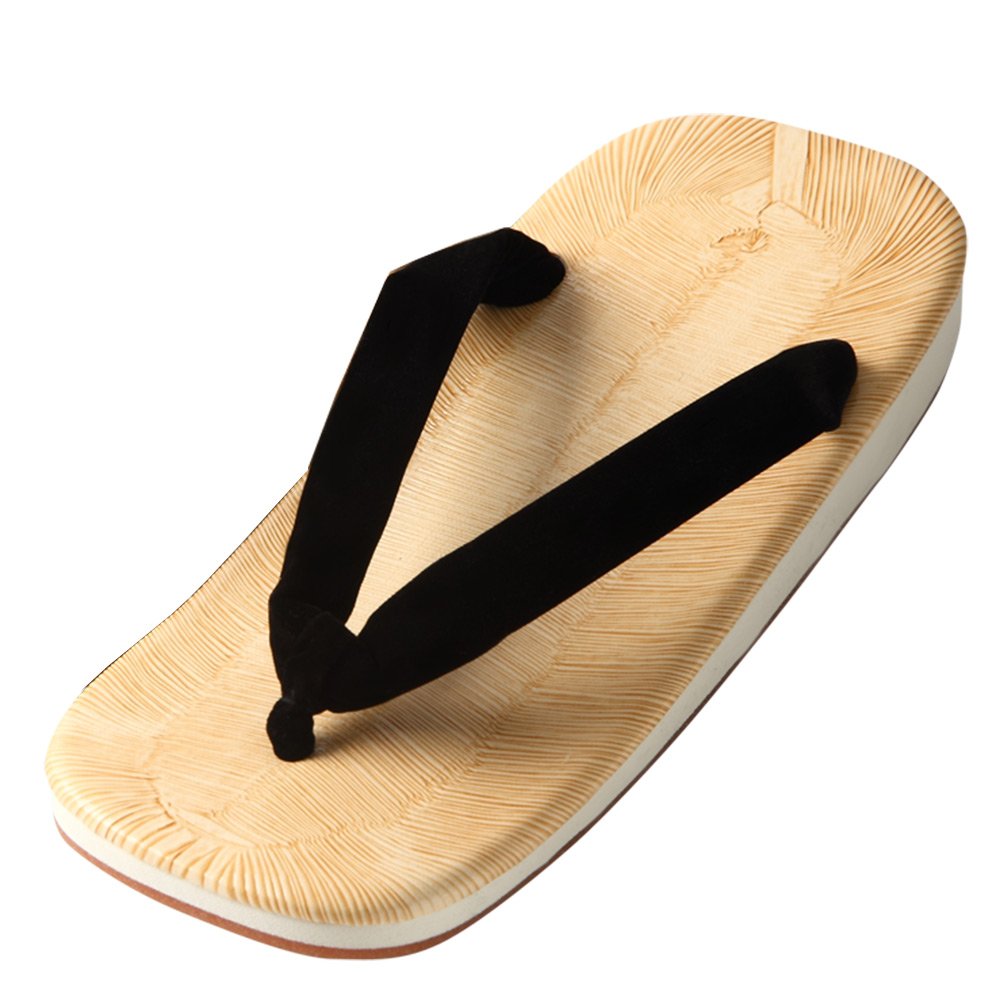
The Edoten I Setta is the entry-level workhorse for parents who want the classic 1930s setta look without the premium price. The vinyl-coated front is easy to wipe clean after muddy festivals, and the rubber sole provides a grippy, non-slip tread that’s safe for outdoor walking. A special sponge layer between the front and the bottom adds a surprising amount of bounce, making these comfortable for long festival days.
The straps are tight when new, as is traditional, but they stretch quickly to fit securely after a few wears. The sizing is generous in the larger options (XXL fits US 10.5/11), but the traditional design means the little finger and heel will hang off the edge—this is intentional and correct. The 5 available strap patterns (Black, Dragonfly, Wave, Whirlpool, Geometric) offer variety for personalizing a costume.
The main compromise is that the strap is centered, causing the sandal to angle naturally, which can feel unstable to kids used to flat Western sandals. The fit is also narrow for some, and the largest size (XXXL) is only available in black. For a budget-friendly entry into setta sandals that still delivers authentic feel and good durability, this is the best choice.
Why it’s great
- Easy-to-clean vinyl front prevents dirt buildup
- Bouncy sponge cushion provides all-day comfort
- Grippy rubber sole is non-slip and suitable for outdoor wear
Good to know
- Strap is centered, causing a traditional angled feel
- Heel and little finger intentionally overhang the sandal edge
FAQ
How do I know which cm size to buy for my child?
Are these shoes safe for active outdoor play?
Will the metal kohaze clips break or fall off?
Can I wash these shoes in a washing machine?
Why does my child’s heel and little toe hang off the setta sandal?
Final Thoughts: The Verdict
For most users seeking 1930s japanese kids footwear, the winner is the Tsukihoshi Racer because its wide toe box, machine-washable construction, and easy hook-and-loop closure make it the most practical and comfortable choice for active toddlers. If you want the authentic split-toe tabi experience for martial arts or LARP, grab the Marugo Jog Jikatabi for its durable rubber sole and period-correct kohaze clips. And for a ceremonial setta sandal that prioritizes traditional tatami craftsmanship, nothing beats the Asayu Igusa Setta.