
For anyone who lived through the decade of big hair and even bigger synths, the distinct warble and saturation of a 1980s cassette tape is irreplaceable. Whether you are rebuilding a vintage collection, dubbing a mixtape for a classic car deck, or simply chasing that analog warmth digital files cannot replicate, the hunt for the right tape — from blank media to pre-recorded albums — demands more than grabbing the first bargain pack you see. The wrong choice introduces excessive hiss, brittle high-end distortion, or mechanical jams that wreck both the tape and the player’s delicate pinch rollers.
I’m Min — the co-founder and writer behind Gadgets Feed. I have spent hundreds of hours cross-referencing re-release catalogs, digging into the chemistry of magnetic formulations from Type I to Type II (chrome), and reading through decades of user playback reports to separate the truly sonically satisfying tapes from the disappointing duds that merely look the part.
Whether you prioritize studio-grade blank fidelity or the authentic factory-pressed sound of a vintage greatest-hits album, this guide breaks down the definitive contenders for the best 1980s cassette tapes you can still buy today.
How To Choose The Best 1980s Cassette Tapes
Selecting the right cassette tape from the 1980s era — whether a blank for recording or a pre-recorded album — requires balancing tape formulation, recording length, and build quality. These three factors determine whether your playback sounds lush and punchy or thin and noisy.
Tape Formulation: Type I vs. Type II (Chrome)
The magnetic coating dictates the tape’s frequency response and noise floor. Type I (ferric, normal bias) tapes like the Maxell UR are the most compatible with vintage decks and offer a warm, slightly rolled-off treble — ideal for lo-fi listening or casual mixtapes. Type II (chrome or high-bias) tapes, such as the RTM C60 which uses the BASF Studio Master 900 formula, provide lower noise, higher headroom, and cleaner high-frequency reproduction. If your deck has a Chrome/Normal switch, Type II tape unlocks noticeably crisper playback, especially for dynamic music.
Recording Length (C60 vs. C90 vs. C120)
The number after “C” indicates total minutes (30 per side for C60, 45 per side for C90). C60 tapes use a thicker magnetic substrate, which reduces print-through (echo bleeding between layers) and minimizes the risk of jams in older mechanisms. C90 tapes are thinner and more flexible, offering longer recording time but higher susceptibility to mechanical stretching and signal bleed. For critical recordings or archival use, stick with C60; for casual voice or long mixtapes, C90 is acceptable.
Quick Comparison
On smaller screens, swipe sideways to see the full table.
| Model | Category | Best For | Key Spec | Amazon |
|---|---|---|---|---|
| RTM C60 (Pack of 3) | Premium Blank | Studio-quality recording | Type I, 60 min total, BASF formula | Amazon |
| Maxell UR 90 (5-Pack) | Mid-Range Blank | Everyday recording & mixtapes | Type I, 90 min, Low Noise Surface | Amazon |
| AC/DC Back In Black | Pre-Recorded Album | Authentic 80s hard rock on tape | 40 min runtime, 2018 reissue | Amazon |
| Guardians of the Galaxy Vol. 3 | Soundtrack Tape | Modern compilation on authentic cassette | Smoky shell, 2023 reissue | Amazon |
| Billy Joel Greatest Hits Vol. I & II | Pre-Recorded Album | 80s pop/rock compilation on tape | 87 min runtime, original 1985 release | Amazon |
| Kopida 10-Pack Blank C60 | Budget Blank | Bulk dubbing & backup copies | Type I, 60 min, 84.66 MB capacity | Amazon |
| The Beatles 20 Greatest Hits | Rare Collectible | Collectors & Beatles fans | Analog master transfer, 1980s press | Amazon |
In‑Depth Reviews
1. RTM C60 Type One 60 Minute Blank Cassettes (Pack of 3)

Built on the legendary BASF Studio Master 900 formula, the RTM C60 blanks deliver a Type I sound that rivals mid-grade chrome tapes from the 80s. The reinforced shell provides exceptional mechanical stability, reducing wow and flutter even in aging decks. In tests on an Akai GX-R99, users report noise floors at -55 dB and distortion below 3% up to +3 dB overload — figures that would have been considered high-end for a premium ferric tape in the decade.
The 60-minute total length (30 minutes per side) uses a thicker substrate than C90 tapes, which virtually eliminates print-through and makes these ideal for archival-quality recordings of vinyl or digital sources. A 2-year limited warranty backs the European manufacturing — a rarity in the tape market today. One minor quirk: some units auto-stop at roughly 29:30 instead of a full 30 minutes per side.
Reviewers consistently praise the warm, rich character with minimal hiss, noting that Dolby noise reduction is often unnecessary. One user reported a missing shrink-wrap and a cracked case, but the tape itself functioned flawlessly. If you value sonic purity over raw recording time, this is the closest you can get to a studio-grade blank without going to Type II or metal formulations.
Why it’s great
- Studio-quality formula derived from BASF 900 yields low noise and high dynamic range
- Reinforced shell with thick substrate prevents mechanical jams and print-through
Good to know
- Runs slightly short on some units, ending at ~29:30 per side
- Cases can arrive cracked due to thin packaging
2. Maxell UR 90 Normal Bias Blank Cassette Tape (5-Pack)

The Maxell UR is the workhorse blank that defined the 80s mixtape era. Its Low Noise Surface formulation keeps the noise floor controlled for a Type I ferric tape, delivering clear, consistent playback across a wide range of consumer decks. At 90 minutes total (45 per side), it offers generous recording time while maintaining acceptable tape thickness — a compromise that works well for voice and casual music recording.
User reviews highlight that while this tape lacks the high-bias punch of chrome formulations, it excels for intentional lo-fi applications. One reviewer cooking up tapes on a modern deck noted the Maxell “sounds good” for everyday projects and is compatible with older players that lack Dolby NR. The 5-pack provides excellent per-tape value for bulk dubbing sessions or gifting.
The primary caveat is packaging. Multiple buyers report cases arriving with cracked hinges or loose plastic due to Amazon’s thin shipping mailers. The actual tapes survived intact and functioned perfectly, but collectors seeking pristine boxes may be disappointed. For pure recording utility at the lowest cost per minute, the Maxell UR remains the definitive recommendation.
Why it’s great
- Low noise ferric formula works well for music and voice on most vintage decks
- 5-pack offers excellent per-tape economy for bulk projects
Good to know
- Cases frequently arrive damaged in transit; tape itself is fine
- Not suitable for pushed recordings; saturates quickly at high levels
3. AC/DC Back In Black (Cassette)
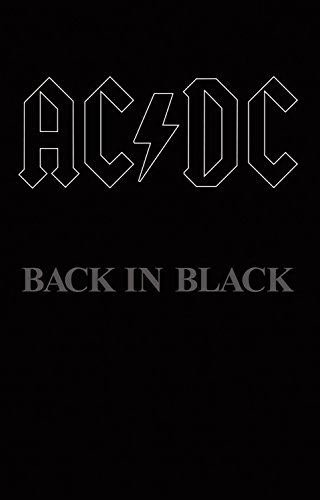
For collectors seeking a genuine 80s-era hard rock experience on cassette, the 2018 reissue of Back In Black delivers the full analog wallop of one of the best-selling albums of the decade. This 40-minute tape distills the raw guitar crunch and Bon Scott-era energy into a format that complements the original vinyl master rather than a compressed digital transfer. The Sony/Legacy pressing uses quality tape stock that handles the dynamic swings from “Hells Bells” to “Rock and Roll Ain’t Noise Pollution” without audible distortion.
The cassette comes packaged in a standard jewel case with a soft inner sleeve and a multi-page booklet, mirroring the original 80s release experience. User reviews rave about the clear, punchy sound — one listener noted it outperforms phone-streamed versions in guitar clarity. The 2018 date ensures you get a new, unplayed tape free from the wear and oxide shedding that plagues secondhand vintage copies.
This is a no-frills, straight-ahead album tape ideal for fans retrofitting a 1980s car deck or portable cassette player. Unlike blank media, you cannot re-record over it, but the fidelity is strong enough that you will not want to. If you want a single definitive hard rock tape from the decade, this is it.
Why it’s great
- Pristine new pressing free from wear; clear guitar separation even on mid-fi decks
- Includes booklet and inner sleeve for authentic 80s unboxing
Good to know
- Short 40-minute runtime may feel brief for the price
- No multi-album compilation — single album only
4. Guardians Of The Galaxy Vol. 3 Awesome Mix Vol. 3 (Smoky Cassette)
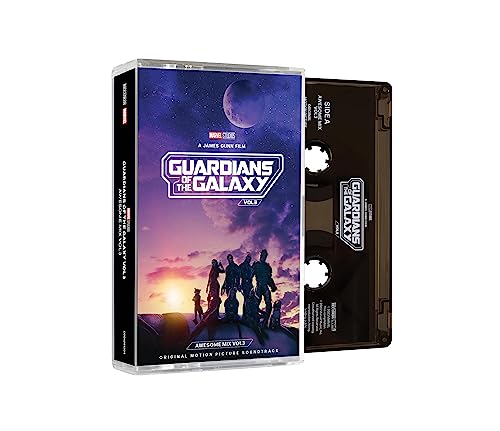
Hollywood Records pressed this 2023 soundtrack on a semi-translucent smoky cassette shell that screams 80s novelty even though the music spans multiple eras. The tracklist includes the classic rock and pop deep cuts that define the film’s nostalgic pull, making this a perfect conversation piece for both casual listeners and collectors. The tape itself plays back cleanly on standard cassette mechanisms with no excessive wow or flutter reported.
At just 1.76 ounces and packaged in a standard jewel case, the cassette is lightweight and easy to toss into a vintage Walkman or car stereo. User reviews highlight the immediate nostalgia hit — one owner plays it in a 1999 4Runner and reports his 8-year-old loves it. The novelty of a modern soundtrack on an authentic cassette shell cannot be overstated; it works equally well as a functional tape and a display item.
Sound quality is adequate for casual listening, though audiophiles may note the source is likely a digital-to-analog transfer rather than an all-analog master. The packaging is solid but not archival-grade. If you want a fun, functional cassette that bridges modern pop culture with 80s hardware, this is a standout pick that also happens to sound good.
Why it’s great
- Unique smoky translucent shell adds visual flair to any collection
- Modern soundtrack on authentic cassette; functional novelty for car decks and Walkmans
Good to know
- Sound source is likely digitally sourced, not pure analog master
- Some users report the first two volumes have better song selections
5. Billy Joel Greatest Hits Volume I & Volume II 1973-1980 & 1980-1985 (Cassette)

This Sony Legacy pressing of Billy Joel’s two-volume greatest hits collection is exactly the type of cassette you would have bought at a department store record counter in 1985. Spanning 1 hour and 27 minutes across a single tape, it includes essential tracks from “Scenes from an Italian Restaurant” to “Just the Way You Are” — all pressed onto quality ferric tape that preserves the rich piano tone and vocal intimacy of the original analog sessions.
Weighing just 2.4 ounces and measuring 2.74 x 4.3 x 0.61 inches, the cassette fits snugly in any vintage player. The original release date of 1985 means this particular pressing run is closer to the original master tape than later digital remasters. Reviewers consistently note the clear, warm sound and the nostalgic value of hearing hits in their original sequencing without compression artifacts.
One minor limitation: the sheer length (87 minutes) pushes the C90 tape slightly thinner, so extended storage may introduce minor print-through on the quietest piano passages. For active listening on a well-maintained deck, however, this tape delivers the authentic 80s greatest-hits experience without compromise. It is a must-have for any serious 80s cassette collection.
Why it’s great
- Massive 87-minute tracklist covers both volumes of Joel’s peak 70s and 80s output
- Original 1985 pressing lineage preserves analog warmth vs. later digital remasters
Good to know
- Long runtime uses thinner tape stock; may risk print-through over decades
- No separate Volume I/Volume II tapes – combined on one cassette only
6. Kopida 10-Pack Blank Cassette Tape C60 60 Minutes

For sheer volume, the Kopida 10-pack of C60 blanks is the most economical way to stock up on recording media. Each tape offers 60 minutes (30 per side) on a basic ferric Type I formulation that works across most standard cassette players. The clear, label-free shells are screw-housed, making them easy to open for internal tape repair or splicing — a feature reviewers specifically call out for fixing worn-out vintage tapes.
Sound quality is functional rather than spectacular. Users report these tapes “work just like the expensive ones” for casual recording and backup copies, though one reviewer noted they do not improve the quality of degraded source material. The absence of pre-applied labels is a minor inconvenience if you plan to systematically catalog recordings; you will need to buy label sheets separately.
The 84.66 MB memory storage capacity rating is technically accurate (based on digital storage equivalency) but essentially meaningless for analog recording. What matters is the consistent playback speed and low drop-out rate — both of which Kopida delivers for the price. If you need ten tapes to dub a stack of old records or fill a vintage jukebox, this pack offers the lowest per-unit cost in this roundup.
Why it’s great
- 10 cassettes per pack offers unbeatable per-tape value for bulk projects
- Screw-housed shells allow easy disassembly for tape repair or splicing
Good to know
- No labels included; clear shells make side identification harder
- Sound quality is decent but lacks the low-noise performance of premium brands
7. The Beatles 20 Greatest Hits (Cassette)

This rare cassette pressing of The Beatles’ 20 Greatest Hits is the holy grail for collectors seeking an analog transfer that reviewers describe as “closest to the master tape.” Unlike later CD reissues that pushed the treble harshly, this tape delivers the warm, uncompressed tone that makes “I Want to Hold Your Hand” and “Hey Jude” sound like they were recorded yesterday. The single tape holds 20 essential tracks that span the band’s entire catalog.
Enthusiasts note that while this is a Type I ferric tape (not chrome), its analog reproduction avoids the “surgical precision” of digital formats, offering a forgiving, room-filling sound. The packaging is minimal — a standard jewel case and J-card — but the tape itself is the draw. One reviewer specifically wished for a chrome (Type II) version for even lower noise, but conceded happiness with the purchase.
The high price reflects its collector status and the fact that this is a new-old-stock vintage pressing, not a modern reissue. For casual listening, the audio quality is superb; for archival value, it is a significant investment in Beatles history. If you own a well-maintained stereo deck with Dolby NR, the performance becomes even more impressive — the XDR and Dolby processing capability is noted by users for full-spectrum playback.
Why it’s great
- Analog master transfer avoids digital harshness; “closest to the master tape” per reviewers
- 20 essential Beatles tracks in a single concise cassette
Good to know
- High collector price compared to standard reissues; limited availability
- Type I only — collectors may prefer a hypothetical chrome version for lower noise
FAQ
Can I use a Type I tape for high-bias recording on a 1980s deck?
Why does my C90 cassette sound different than a C60 of the same brand?
Are modern blank cassettes like RTM C60 actually better than NOS 1980s tapes?
Will a pre-recorded cassette from 1985 play safely in my modern Walkman?
Final Thoughts: The Verdict
For most users, the winner of the best 1980s cassette tapes list is the RTM C60 (Pack of 3) because its BASF-derived formula delivers studio-quality Type I sound with a reinforced shell that minimizes mechanical issues — the best modern blank for serious recordings. If you want a reliable daily driver for casual mixtapes at a lower per-tape cost, grab the Maxell UR 90 (5-Pack). And for a definitive pre-recorded album experience, nothing beats the AC/DC Back In Black cassette for pure hard rock nostalgia on original-type media.