
A seized piston at wide-open throttle miles from the ramp is the nightmare that haunts every two-stroke outboard owner. The single element separating a clean shutdown from a catastrophic meltdown is the oil coursing through your fuel mix. Choosing the wrong blend—or worse, a generic substitute—can turn a reliable marine engine into an expensive paperweight in hours.
I’m Min — the co-founder and writer behind Gadgets Feed. I have analyzed hundreds of marine lubricant formulations, cross-referencing NMMA certification logs, additive package compositions, and thousands of verified owner reports to separate the oils that truly protect from those that merely lubricate.
Whether you run a vintage 15-horsepower kicker or a modern direct-injected powerhouse, the right fluid is non-negotiable. This guide breaks down the best TC-W3, synthetic-blend, and direct-injection-specific options to help you secure the right best 2 stroke oil outboard for your saltwater or freshwater setup today.
How To Choose The Best 2 Stroke Oil Outboard
Two-stroke outboard oils are not interchangeable with lawn equipment or snowmobile oils. Marine engines operate under constant load at high RPM and often sit idle for weeks, which demands specific additive packages to prevent corrosion and ring sticking. Understanding three key factors will stop you from grabbing the wrong bottle at the shelf.
TC-W3 Certification — The Non-Negotiable Baseline
Any oil used in a water-cooled outboard must carry NMMA TC-W3 certification. This standard ensures the oil passes rust prevention, ring-sticking, pre-ignition, and miscibility tests specific to marine environments. Oils without this mark, even if labeled “2-cycle,” can separate from fuel in cold tanks and fail to lubricate during cold starts.
Synthetic Blend vs. Full Synthetic vs. Mineral
Mineral oils (conventional) are cheapest but leave more carbon deposits and smoke. Synthetic blends like STAR BRITE offer a middle ground with better cleanliness and thermal stability. Full synthetics such as Red Line deliver the highest film strength and lowest ash content, but premium price tags make them best for high-performance or direct-injection engines that demand lower oiling rates.
Direct-Injection Specific Oils
Engines like Evinrude E-TEC and Mercury Optimax use lower oil volumes (100:1 range) and higher combustion temperatures. They require oils formulated with low-ash, low-smoke additive packages designed for direct-injection systems. Pouring standard TC-W3 into an Optimax can cause excessive smoke, fouled injectors, and accelerated carbon buildup on piston crowns.
Quick Comparison
On smaller screens, swipe sideways to see the full table.
| Model | Category | Best For | Key Spec | Amazon |
|---|---|---|---|---|
| Evirude XPS XD100 Synthetic | Premium DI Specific | E-TEC Outboards | 128 oz, Low-Ash Synthetic | Amazon |
| Mercury Optimax/DFI Oil | Premium DI Specific | Optimax & DFI Engines | 128 oz, Synthetic Additives | Amazon |
| Yamaha Yamalube 2W | OEM Mid-Range | Yamaha PWC & Outboards | 128 oz, Low Smoke | Amazon |
| Pennzoil Premium Outboard | Multi-Use Premium | General Outboard + Small Engines | 128 oz x3, TC-W3 | Amazon |
| Red Line 40603 Synthetic | High-Performance | Racing & High-RPM Motors | 16 oz, Full Synthetic | Amazon |
| STAR BRITE Premium TC-W3 | Value Synthetic Blend | Daily & Budget-Friendly | 32 oz, Synthetic Blend | Amazon |
| Valvoline 2-Cycle TCW-3 (6-Pack) | Bulk Value | Lawn Tools & Kicker Motors | 32 oz x6, Mineral Based | Amazon |
In‑Depth Reviews
1. Evinrude XPS Marine XD100 E-TEC Synthetic Formula

The XD100 is the factory-recommended formula for Evinrude E-TEC outboards, engineered specifically for the reduced oiling rates (100:1) and higher combustion temperatures of direct-injection engines. Its fully synthetic base stock with low-ash additives minimizes smoke output and prevents deposits from forming on the injector tips, which is the leading cause of performance degradation in DI motors.
Owners of E-TEC models from 40 to 300 horsepower report noticeably less smoke at idle compared to standard TC-W3 oils, and the carbon-cleaning detergents help maintain ring seal over long seasons. The 1-gallon jug provides enough volume for several oil changes on a typical recreational outboard, and the price undercuts most marine dealers by a wide margin.
One caveat: XD100 is not backward-compatible with older carbureted Evinrude/Johnson engines. Those models require regular TC-W3 oil, as the lower viscosity and different additive package of XD100 can lead to insufficient film strength in pre-mix applications. Stick with the correct spec for your engine generation.
Why it’s great
- Factory-spec for E-TEC DI engines reduces smoke by roughly 50%
- Synthetic formula maintains film strength at 100:1 mix ratios
- Significantly cheaper than buying from a marina
Good to know
- Not suitable for older carbureted Evinrude/Johnson outboards
- Only available in 1-gallon format; no quart option
2. Mercury Optimax /DFI 2-Cycle Outboard Oil

Mercury’s own formulation for Optimax and Mariner DFI outboards uses synthetic additives to increase lubricity and scuff resistance at the reduced oil delivery rates these engines demand. The 68-degree Celsius flash point indicates a carefully balanced volatility that keeps the oil flowing through injectors without leaving varnish on critical internal surfaces when the engine is shut down for weeks between trips.
Optimax owners who have switched from generic TC-W3 report a noticeable drop in blue smoke during warm-up and fewer instances of the engine’s warning system triggering for low-oil or injector faults. The 1-gallon container is the standard marine size, and for those with a 50-mile round trip to the boat dealer, the delivered price here is often a compelling reason to stock up.
Heads-up: this oil is vehicle-specific—do not use it in standard carbureted or oil-injection outboards that call for TC-W3. The formulation is designed for the lower ring-pack temperatures and higher cylinder pressures unique to DFI combustion chambers.
Why it’s great
- Factory-engineered for Optimax/DFI injection systems
- Synthetic additives reduce injector fouling
- Often + cheaper than local marine dealer pricing
Good to know
- Incompatible with pre-mix or non-DFI engines
- 16-ounce weight listed may be a listing error—actual jug is 8.6 lbs
3. Yamaha Yamalube 2W 2-Stroke PWC Engine Oil

Yamalube 2W is the genuine OEM oil for Yamaha WaveRunner PWC and outboard engines, formulated with a 2W blend that reduces visible smoke without sacrificing anti-wear performance. Its catalyst-friendly chemistry prevents coating the oxygen sensors that modern watercraft use to monitor combustion efficiency, a detail generic oils often overlook.
Users of early-90s Superjets and late-model 250-horsepower SHO outboards alike report that the characteristic two-stroke smell is noticeably milder with Yamalube, and engine tear-downs show minimal carbon cake on the piston crowns after full seasons of use. The 1-gallon jug is the right size for a single oil change on most 1.8L PWC engines.
This oil is vehicle-specific—designed for Yamaha watercraft engines. While it will technically lubricate any two-stroke, the additive package is optimized for Yamaha’s exhaust tuning and cooling flow characteristics, so the best results come from staying within the brand ecosystem.
Why it’s great
- Significantly less smoke than standard TC-W3 blends
- Catalyst-safe formulation protects O2 sensors
- OEM spec eliminates warranty concerns
Good to know
- Higher cost per gallon than generic alternatives
- Optimized for Yamaha engines—may not perform as well in other brands
4. Pennzoil Outdoor Premium Outboard 2-Cycle Oil (3-Pack)

Pennzoil’s Premium Outboard oil is a TC-W3-certified multi-purpose blend designed to protect outboards, chainsaws, string trimmers, and lawn mowers—ideal for boaters who also maintain a yard full of two-stroke equipment. The formulation includes detergents that keep spark plugs and exhaust ports clean, which is essential when the oil sees duty across engines with wildly different RPM ranges and cooling methods.
The 3-pack of 1-gallon jugs provides a full season’s supply for a typical recreational outboard plus all the homeowner two-stroke tools. Owners report that engines start on the first pull more consistently after switching from generic store-brand oil, and the reduced smoke is noticeable even in small displacement trimmers.
The three jugs arrive as individual containers in one box—shipping weight is substantial at about 24 pounds, and a small percentage of customers report cap leaks during transit. Inspect the seals before storing over the winter.
Why it’s great
- One oil for outboard, chainsaw, trimmer, and blower
- Protects against piston scuffing and ring sticking
- Bulk 3-pack saves money vs. single jugs
Good to know
- Some jugs arrive with cap leaks from shipping
- Not designed for direct-injection outboards (Optimax/E-TEC)
5. Red Line 40603 Two-Stroke Oil Racing Synthetic
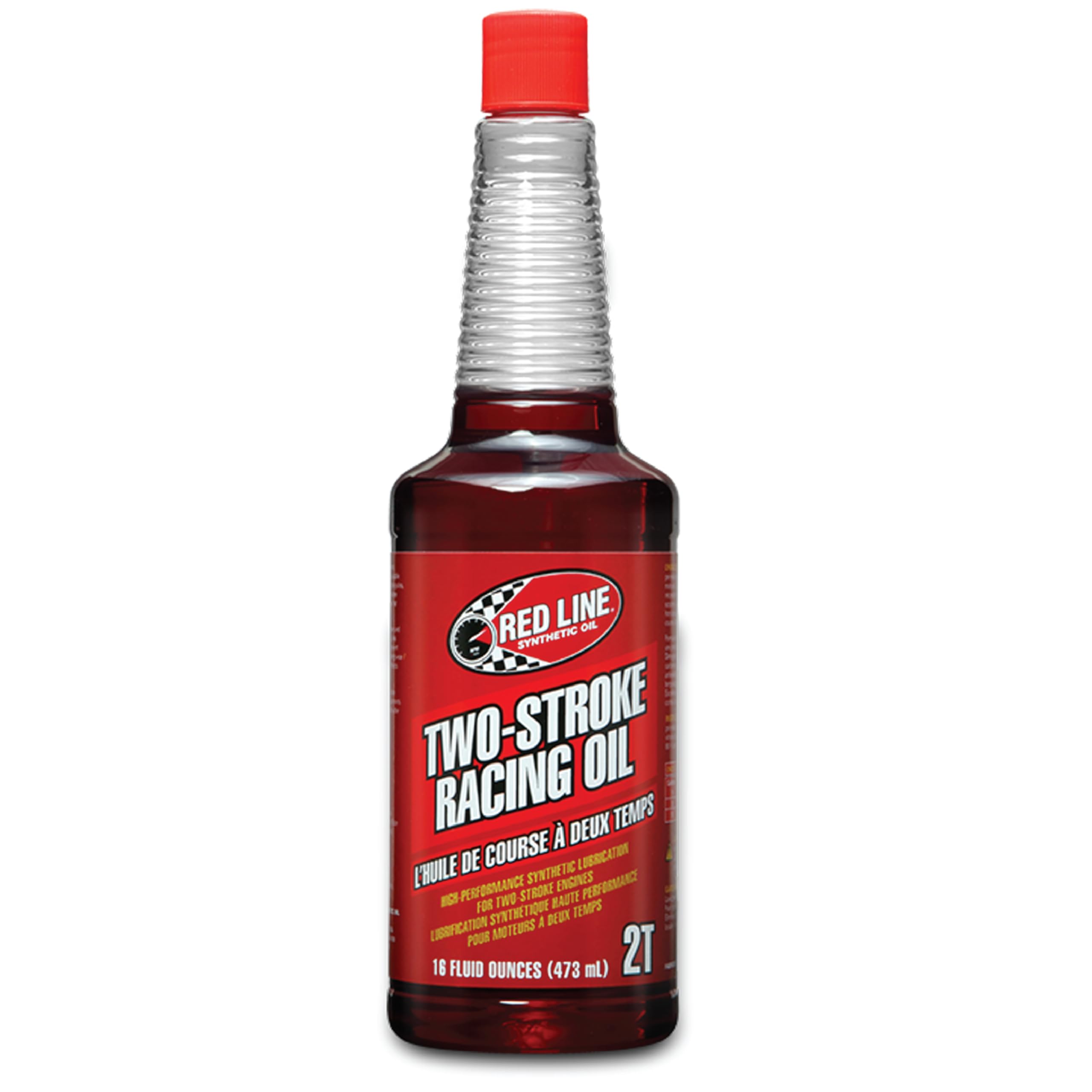
Red Line’s 40603 is a full synthetic ester-based oil that has been dyno-proven to deliver 3–5 percent power gains in racing two-strokes by reducing friction and maintaining film strength at extreme temperatures. The high 50-weight viscosity grade (SAE 50) provides a thicker oil film that resists shear in high-RPM outboards and snowmobile engines, keeping combustion chambers, exhaust ports, and piston rings remarkably clean.
Although marketed primarily for racing motorcycles and snowmobiles, serious outboard owners have adopted it for high-performance engines running at sustained WOT. Users with 12 years of service report pistons that still look fresh after long seasons, with no ring sticking or carbon bridging. The 50:1 mix ratio is the suggested starting point, but many experienced mechanics dial down to 45:1 for extra safety margin in marine duty.
This is not a budget oil—the 16-ounce bottle is enough for only 6 gallons of fuel at 50:1. For a typical 90-horse outboard burning 6 GPH at cruise, one bottle won’t last a full outing. It is best for enthusiasts with smaller engines or those who run occasional WOT sprints.
Why it’s great
- Ester synthetic provides unmatched film strength at high RPM
- Keeps pistons and rings nearly spotless after years
- Dyno-verified power increase over mineral oils
Good to know
- 16-ounce size runs out fast on larger outboards
- Premium cost per ounce; not for high-volume consumers
6. STAR BRITE Premium 2-Cycle Engine Oil TC-W3
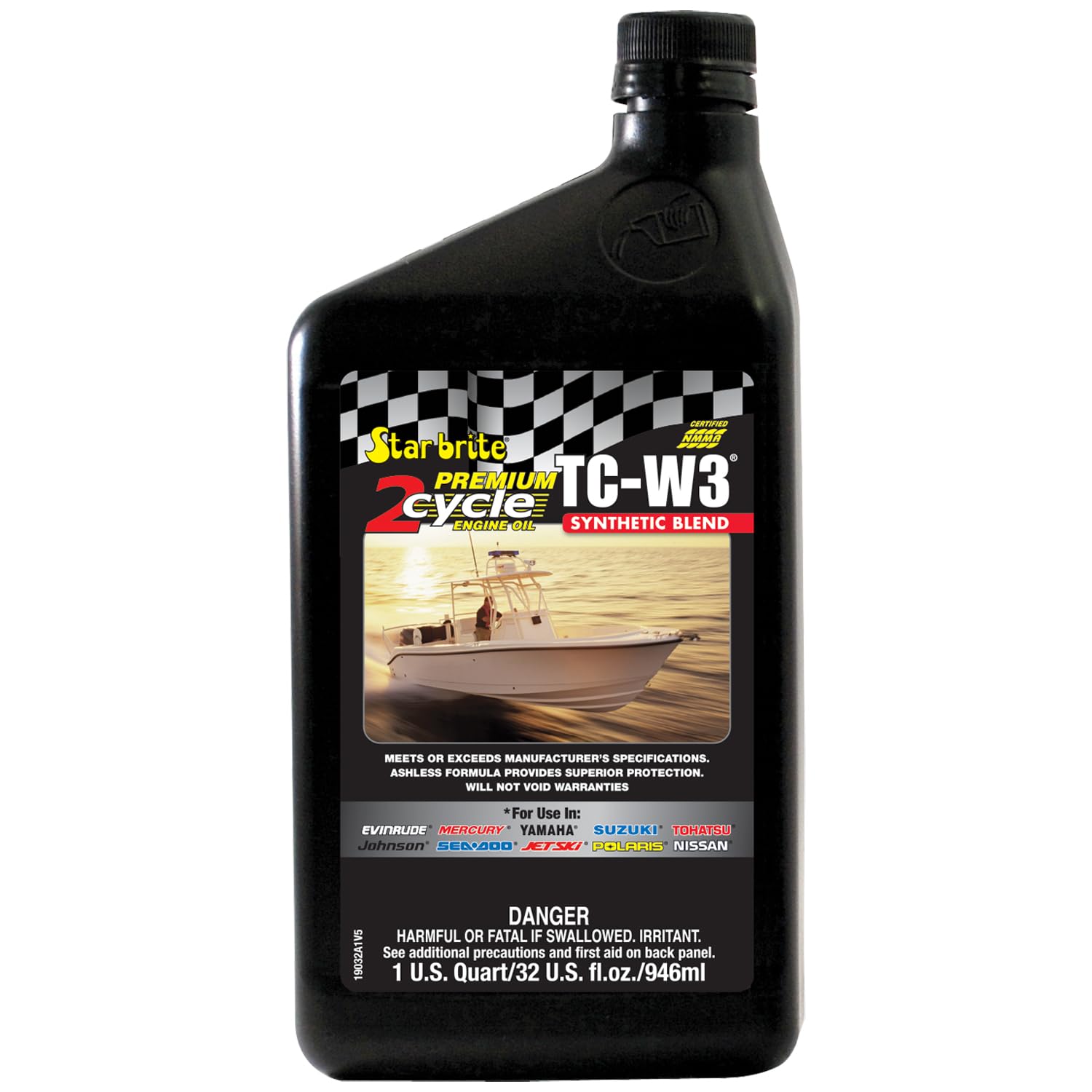
STAR BRITE’s Premium TC-W3 synthetic blend punches well above its price point by combining an ashless, clean-burning formulation with the thermal stability needed for extreme marine conditions. The dark green tint isn’t cosmetic—it helps you see the oil mixed in the fuel tank and fuel lines, reducing the chance of running straight gas through the system.
A 40-year 2-stroke mechanic in the reviews specifically endorsed the dark green oil as the visual marker of quality, and users with inboard engines report lower smoke output and noticeably smoother idling after switching. The 32-ounce bottle treats 6 gallons of fuel at the standard 50:1 ratio, making it the perfect size for topping off a portable tank before a day on the water.
This is not a full synthetic, so those running high-performance or direct-injection engines may want to step up to a premium formula. But for everyday carbureted outboards from 2.5 to 150 horsepower, it delivers excellent protection at a per-quart price that beats any marine store.
Why it’s great
- Synthetic blend outperforms conventional mineral oil
- Dark green tint provides visual mix confirmation
- Excellent value for a premium-quality TC-W3 oil
Good to know
- Not a full-synthetic formula
- 32 oz bottle is small for high-volume users
7. Valvoline 2-Cycle Multi-Purpose TCW-3 Motor Oil (Case of 6)
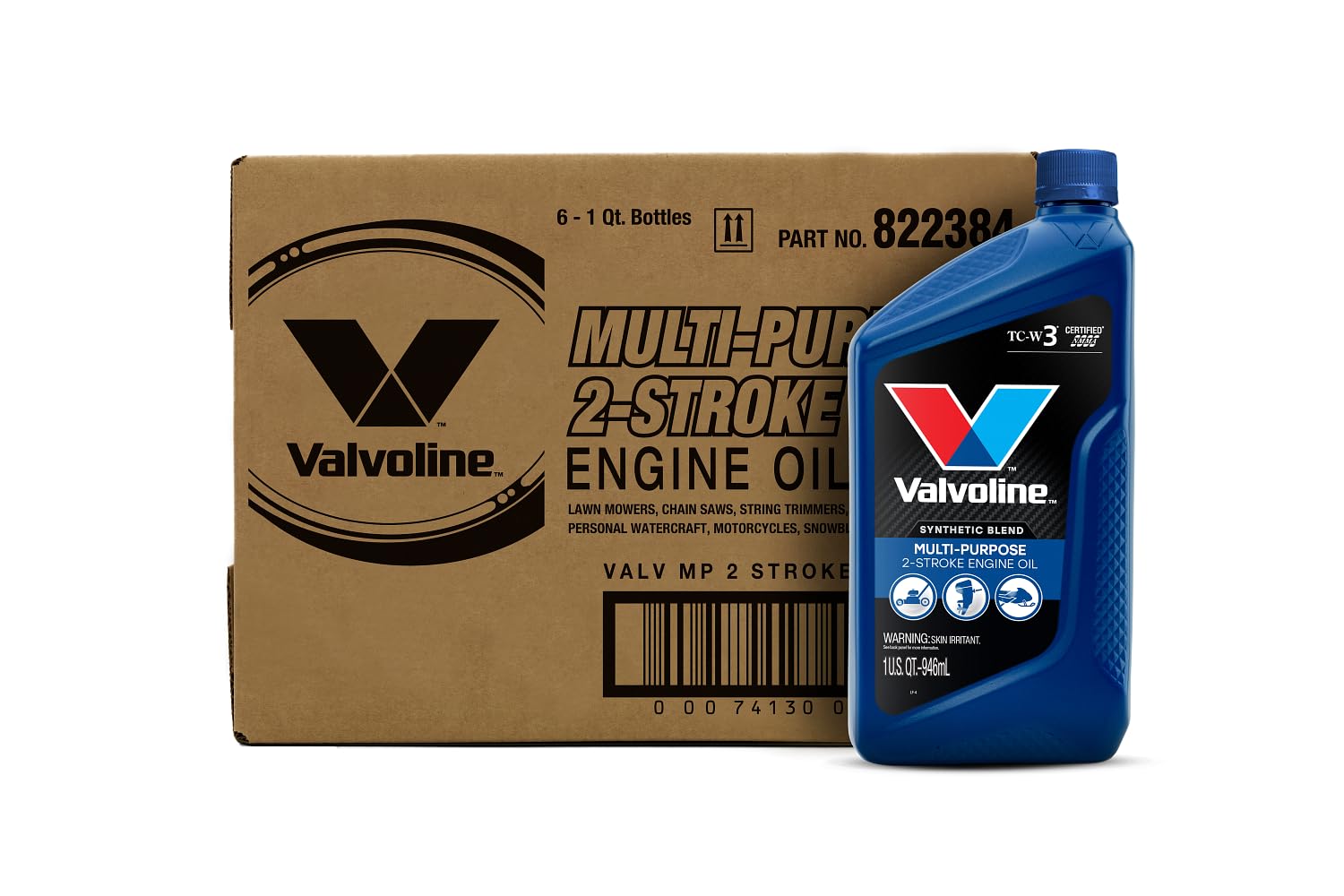
Valvoline’s TCW-3 oil is a mineral-based multi-purpose 2-cycle oil designed for inventory consolidation: one oil for lawn mowers, snow blowers, weed trimmers, and small outboard kickers. The oxidation resistance is surprisingly good for a conventional oil, and the 32-ounce quart bottles in a case of six gives the owner of a small fleet of outdoor equipment enough inventory for an entire season without making multiple trips.
Lawn business operators and homeowners with a single 8-horsepower outboard and a fleet of trimmers appreciate the cost-per-ounce efficiency. Users report that the oil mixes easily with gasoline and imparts a greenish tint for visual confirmation. For light-duty use where the engine isn’t pushed to WOT for extended periods, it performs flawlessly.
This is a conventional mineral oil, not a synthetic or synthetic blend. For a high-performance outboard that spends hours at 5,000+ RPM, the lack of higher-temperature detergents means you’ll see more carbon buildup over time than with a premium synthetic blend. Stick to moderate-duty applications where the value proposition truly shines.
Why it’s great
- Six-quart case provides excellent per-ounce value
- Works across lawn and small marine engines
- TCW-3 certified, safe for outboard use
Good to know
- Mineral base leaves more carbon than synthetic blends
- Not ideal for sustained high-RPM outboard operation
FAQ
Can I use lawn equipment 2-stroke oil in my outboard motor?
What happens if I put standard TC-W3 oil in a direct-injection outboard?
Is full synthetic oil worth the extra cost for a small outboard?
How do I know if my outboard uses oil injection vs. pre-mix?
Final Thoughts: The Verdict
For most users, the best 2 stroke oil outboard winner is the Evinrude XPS XD100 because it delivers the exact low-ash synthetic formulation demanded by modern direct-injection engines while reducing smoke dramatically. If you want the best OEM-spec value for a Yamaha outboard or PWC, grab the Yamaha Yamalube 2W. And for the best cost-per-mile protection on a budget, nothing beats the STAR BRITE Premium TC-W3 synthetic blend.