
The race for resolution has peaked. A 200 Megapixel Camera is no longer a distant concept—it’s a tangible leap that redefines what detail means in a single frame. For those who demand the ability to crop aggressively, print at massive scales, or simply archive every nuance of light, this tier of sensor technology opens a door that lower-resolution bodies cannot.
I’m Min — the co-founder and writer behind Gadgets Feed. My work involves dissecting sensor architectures, comparing pixel-binning algorithms, and measuring real-world resolving power across dozens of camera models to help serious shooters separate genuine breakthroughs from marketing hype.
This guide focuses exclusively on the highest-resolution consumer and professional bodies available today, cutting through the noise to deliver the definitive ranking of the 200 megapixel camera market.
How To Choose The Best 200 Megapixel Camera
Investing in a camera with this much resolving power is a decision driven by specific workflow requirements. You must consider more than just the sensor count; the supporting architecture—processor speed, buffer capacity, lens resolving power, and storage ecosystem—determines whether the camera is a joy to use or a frustrating bottleneck.
Native Sensor Resolution vs. Multi-Shot Pixel Shift
Some cameras achieve high-resolution output through native sensor design, while others rely on multi-shot pixel-shift techniques that combine multiple exposures into one ultra-high resolution file. Native 200MP sensors offer instant capture and are ideal for dynamic scenes, whereas pixel-shift modes require a tripod and a static subject. Knowing which approach a camera uses is fundamental to matching it to your typical shooting scenarios.
File Handling and Storage Workflow
A single file from a 200MP sensor can easily exceed 100MB in RAW format. This places immense demand on buffer depth, write speeds to memory cards, and your computer’s processing capability. Cameras with faster processors, larger internal buffers, and support for CFexpress Type B cards will provide a smoother shooting experience than those relying on slower UHS-II SD cards. Evaluate your existing post-processing setup before committing to a body.
Quick Comparison
On smaller screens, swipe sideways to see the full table.
| Model | Category | Best For | Key Spec | Amazon |
|---|---|---|---|---|
| Fujifilm GFX100S II | Medium Format | Landscape & Studio | 102MP CMOS II Sensor | Amazon |
| Leica Q3 | Full-Frame | Travel & Street | 60MP BSI CMOS Triple Res | Amazon |
| Leica Q2 | Full-Frame | Everyday Carry | 47MP CMOS Sensor | Amazon |
| Sony Alpha 1 | Full-Frame | Sports & Wildlife | 50.1MP Stacked Exmor RS | Amazon |
| Canon EOS R1 | Full-Frame | Professional Sport | 24.2MP BSI Stacked CMOS | Amazon |
| Nikon RED Z Cinema | Cinema | Cinematic Video | 6K Full-Frame REDCODE RAW | Amazon |
| OM-1 Mark II | Micro Four Thirds | Action & Wildlife | 20MP Stacked BSI Live MOS | Amazon |
| Panasonic S5II | Full-Frame | Hybrid Photo/Video | 24.2MP Full-Frame CMOS | Amazon |
| Nikon Z5 II | Full-Frame | Travel & General | 24.5MP BSI-CMOS FX | Amazon |
| Fujifilm X100VI | APS-C | Street & Travel | 40.2MP X-Trans CMOS 5 HR | Amazon |
| Sony Alpha 6700 | APS-C | Hybrid APS-C | 26MP Exmor R CMOS | Amazon |
| Samsung Z Fold7 | Mobile | Foldable Phone | 200MP Camera System | Amazon |
| OM-D E-M1X | Micro Four Thirds | Prosumer Action | 20MP Live MOS Dual Proc | Amazon |
In‑Depth Reviews
1. Fujifilm GFX100S II Body

The Fujifilm GFX100S II delivers an extraordinary 102-megapixel medium-format experience in a body that rivals many full-frame cameras in size. The newly developed 102MP CMOS II chip paired with X-Processor 5 offers a level of detail and dynamic range that sets a new benchmark for consumer-accessible medium format. The 8.0-stop in-body image stabilization is a game-changer for handheld high-res shooting.
AI-assisted subject tracking with face/eye detection down to -5.5EV ensures focus accuracy even in challenging light, while the 5.76-million-dot EVF provides a crisp, reliable viewfinder experience. This camera is a powerhouse for landscape, portraiture, and studio work where sheer resolving power is paramount.
The GFX100S II is a specialist tool that demands a matching lens ecosystem and a fast storage workflow. Its autofocus, while much improved, is not as snappy as the fastest full-frame sports cameras. For those who prioritize ultimate image quality over speed, this body is the clear champion.
Why it’s great
- Unrivaled 102MP resolution for massive crops and prints
- 8-stop IBIS enables handheld medium-format shooting
- Compact and lightweight for a medium-format system
Good to know
- AF system is slower than top-tier full-frame mirrorless
- Huge RAW files require fast CFexpress cards and strong computers
- Not ideal for fast-moving subjects like sports or wildlife
2. Leica Q3 Compact Digital Camera
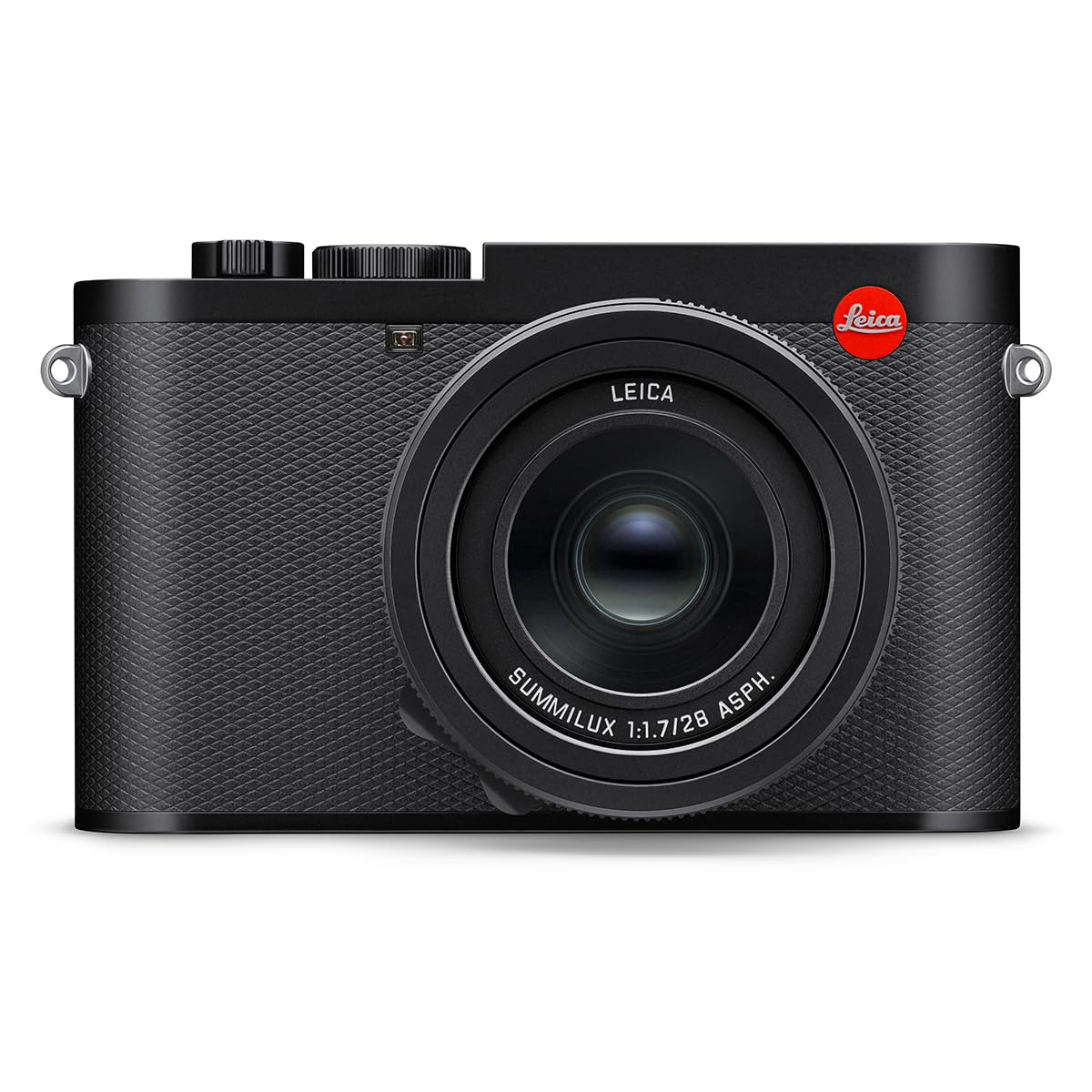
The Leica Q3 is a full-frame fixed-lens marvel, packing a groundbreaking 60MP BSI CMOS sensor with Triple Resolution Technology. This allows you to shoot at 60MP, 36MP, or 18MP directly from the sensor, optimizing file size without sacrificing quality. The Summilux 28mm f/1.7 ASPH lens delivers stunning sharpness and bokeh wide open.
The new Maestro IV processor with 8GB of memory ensures near-instantaneous performance, while the hybrid autofocus system combines contrast and phase detection for reliable subject acquisition. Digital zoom options up to 90mm provide surprising framing flexibility without adding bulk, making it an ultimate travel companion.
The Q3 is a premium instrument for the discerning photographer who values build quality and image rendering above all else. Its fixed lens demands a specific shooting style, and the price is a significant investment. For those who appreciate the Leica aesthetic and workflow, it is a near-perfect tool.
Why it’s great
- Stunning 60MP full-frame sensor with Triple Resolution
- Brilliant Summilux 28mm f/1.7 lens with OIS
- Compact, robust, beautifully designed for daily carry
Good to know
- Fixed lens limits versatility; no zoom
- Very high price point, even in its class
- Phase detection AF can struggle in low contrast scenes
3. Leica Q2 Digital Camera

The Leica Q2 is a highly capable fixed-lens camera with a 47.3MP full-frame sensor and a superlative Summilux 28mm f/1.7 ASPH lens. It offers exceptional sharpness and beautiful color rendering in a weather-sealed body that is both compact and durable. The 3.68M-dot OLED EVF and intuitive physical controls create a pure shooting experience.
While it lacks the Q3’s Triple Resolution Technology and newer processor, the Q2’s image quality remains outstanding. It can output 14-bit RAW files with tremendous detail, and the 28mm frame allows for heavy cropping while retaining excellent resolution. The built-in macro mode adds a fun and useful twist.
This camera is an superb entry point into the Leica full-frame ecosystem without the Q3’s higher price. The autofocus system is contrast-detection only, which can be slower in low light. It remains a class-leading choice for street and travel photographers who prioritize image texture and build.
Why it’s great
- Brilliant 47MP sensor and exceptional 28mm lens
- Weather-sealed build for all-conditions shooting
- More accessible price than the Q3
Good to know
- Contrast-detection AF is slower than hybrid systems
- No Triple Resolution or advanced video features
- Fixed lens means no optical zoom capability
4. Sony Alpha 1 Full-Frame Mirrorless Camera

The Sony Alpha 1 is a technological tour de force, combining a 50.1MP full-frame stacked Exmor RS sensor with a blackout-free 30fps burst rate. This dual nature makes it unlike any other high-resolution camera on the market—it can shoot high-end landscapes and capture critical sports moments equally well. The 759-point phase-detection AF is incredibly fast and reliable.
The 9.44M-dot, 240fps refresh rate EVF is the best in class, offering a zero-lag viewfinder experience that is truly remarkable. 8K 30p video recording adds another layer of versatility. The combination of resolution, speed, and autofocus accuracy is unparalleled.
This is a premium investment that rewards with immense capability. The file sizes from 50MP are substantial, requiring high-speed CFexpress Type A cards. For the photographer who needs both resolution and speed in a single body, the Sony Alpha 1 is the definitive choice.
Why it’s great
- 50.1MP resolution combined with 30fps burst speed
- World-class 9.44M-dot, 240fps EVF
- Incredibly fast and reliable autofocus tracking
Good to know
- Very expensive, even among premium bodies
- Requires CFexpress Type A cards for full speed
- Complex menu system requires time to master
5. Canon EOS R1 Body

The Canon EOS R1 is a flagship professional body that prioritizes speed, reliability, and low-light performance. Its 24.2MP back-illuminated stacked CMOS sensor allows for a 40fps burst rate with a 0.5-second pre-capture buffer. The built-in neural upscaling feature is a standout, capable of generating a 96MP JPEG in about 10 seconds using on-camera AI.
The Cross-Type AF at the imaging sensor is a first for Canon and provides exceptional focus accuracy in challenging conditions. The DIGIC Accelerator and DIGIC X processors handle massive data throughput. This camera is built to withstand the rigors of professional sports and news photography.
For those who need ultimate speed and low-light performance over raw megapixel count, the R1 is a masterpiece. The 24.2MP sensor may seem modest, but the noise handling and frame rates are best-in-class. The upscaling feature makes it a unique high-resolution tool when needed.
Why it’s great
- 40fps burst with 0.5s pre-capture for perfect timing
- on-camera neural upscaling to 96MP JPEG
- Exceptional low-light performance and AF accuracy
Good to know
- Native 24.2MP is lower than some competitors
- Very heavy and expensive professional body
- Some reported error 70 issues on early units
6. Nikon RED Z Cinema | ZR Cinema Camera

The Nikon RED Z Cinema ZR is a pure cinema camera that brings renowned RED color science to a compact, lightweight body. Its 6K full-frame sensor with 15+ stops of dynamic range and Dual Base ISO captures remarkably clean and flexible footage. The ability to record REDCODE RAW (R3D NE) directly in-camera is a huge advantage for color grading.
This camera excels in professional video production. The 32-bit float audio recording with support for external microphones is a standout feature, allowing for worry-free audio capture. The 4-inch DCI-P3 touchscreen monitor is bright and accurate for on-set framing.
It is a specialized tool for videographers and filmmakers. The file sizes are enormous, requiring very fast CFexpress Type B cards and a powerful editing workstation. It lacks the hybrid stills capability of a camera like the Z8, but for pure video, it is an incredible value.
Why it’s great
- Industry-leading RED color science with 6K R3D RAW
- 15+ stops of dynamic range with Dual Base ISO
- 32-bit float audio recording capability
Good to know
- Pure video camera; not ideal for hybrid stills
- Requires very fast, expensive CFexpress B cards
- R3D NE RAW editing requires specific software support
7. OM SYSTEM OM-1 Mark II Lens Kit

The OM SYSTEM OM-1 Mark II is a rugged, high-performance Micro Four Thirds camera built for extreme environments. Its 20MP Stacked BSI Live MOS sensor and TruePic X engine deliver excellent image quality with incredibly fast readout speeds. The IP53 weather sealing means it can handle dust, splash, and freezing temperatures down to -10°C without missing a beat.
Computational photography is a core feature, with Handheld High Res Shot mode producing 50MP images, Live ND filter simulation, and Focus Stacking. The Cross Quad Pixel AF provides 1,053 all cross-type focus points for precise tracking. The in-body stabilization is among the best in any system, allowing for sharp handheld shots in low light.
This camera is a specialist for wildlife, sports, and adventure photographers who demand reliability in harsh conditions. The 20MP sensor is modest by some standards, but the computational tools and incredible stabilization make it a powerhouse for those who venture off the beaten path.
Why it’s great
- Best-in-class IP53 weather sealing for extreme conditions
- Excellent computational photography features (50MP HHRS)
- Superb in-body stabilization
Good to know
- 20MP sensor is lower resolution than many competitors
- Can be a steep learning curve for new users
- Micro Four Thirds system offers shallower depth of field
8. Panasonic LUMIX S5II Mirrorless Camera
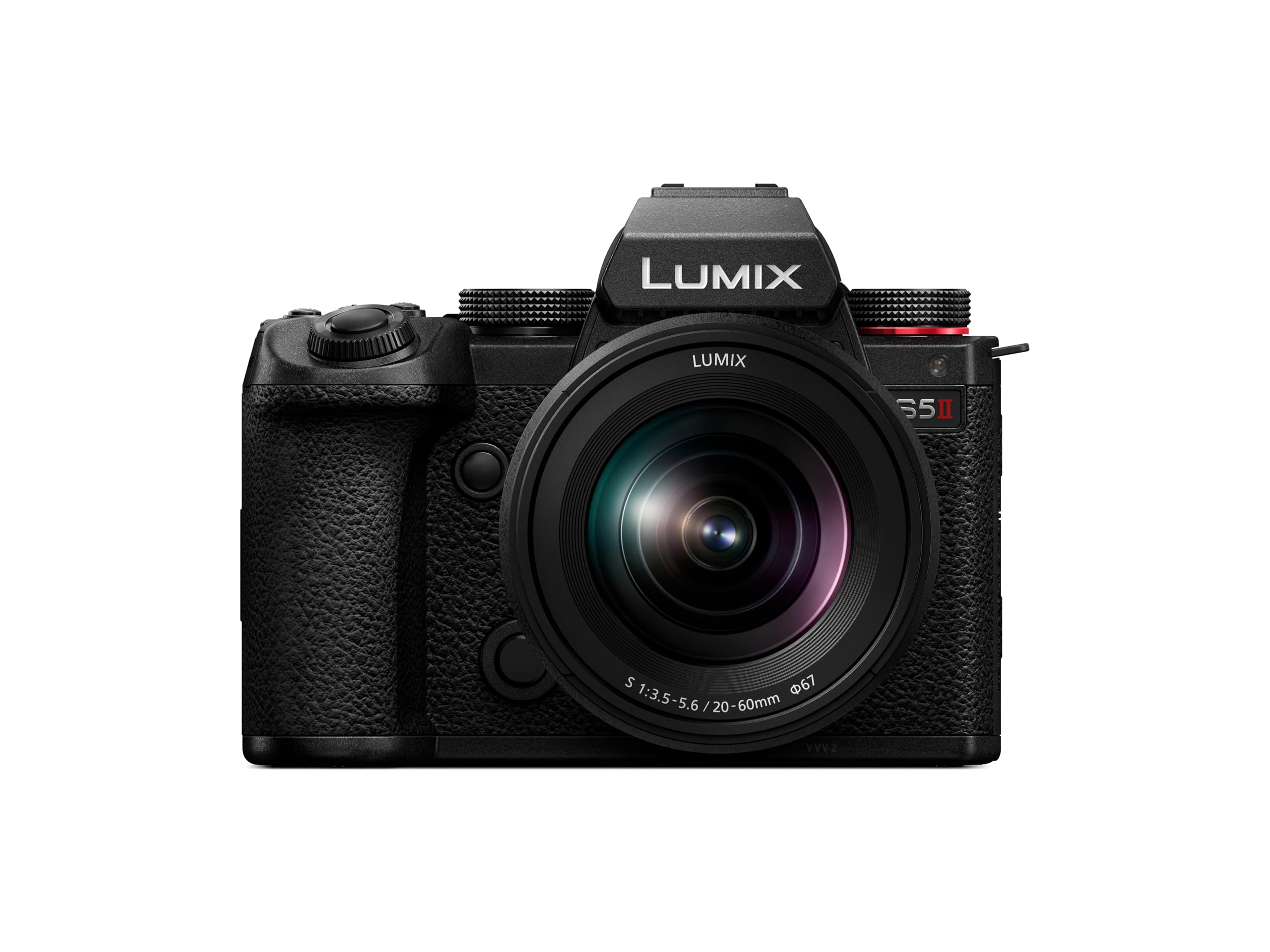
The Panasonic LUMIX S5II is a compact full-frame hybrid that drastically improved its autofocus with the addition of Phase Hybrid AF. The 24.2MP 35mm full-frame CMOS sensor delivers excellent dynamic range and color science. The new Active I.S. technology provides impressive stabilization for handheld video while walking.
Video capabilities are a strong point, with unlimited 4:2:2 10-bit recording, 14+ stop V-Log/V-Gamut, and REAL TIME LUT for in-camera color grading. The kit 20-60mm F3.5-5.6 lens is versatile for its range. The built-in fan ensures no overheating during long recording sessions.
This is an excellent entry point into full-frame hybrid shooting. The AF is now competitive, though not quite as sticky as Sony’s best. The battery life is a known weakness, often requiring a battery grip for a full day’s shoot. For the price, it offers a fantastic feature set.
Why it’s great
- Reliable Phase Hybrid AF for photo and video
- Excellent video specs with unlimited recording
- Great image stabilization for handheld use
Good to know
- Battery life is below average
- L-mount lens ecosystem is smaller than E or Z mount
- Some menu and setting quirks
9. Nikon Z5 II with 24-200mm Lens
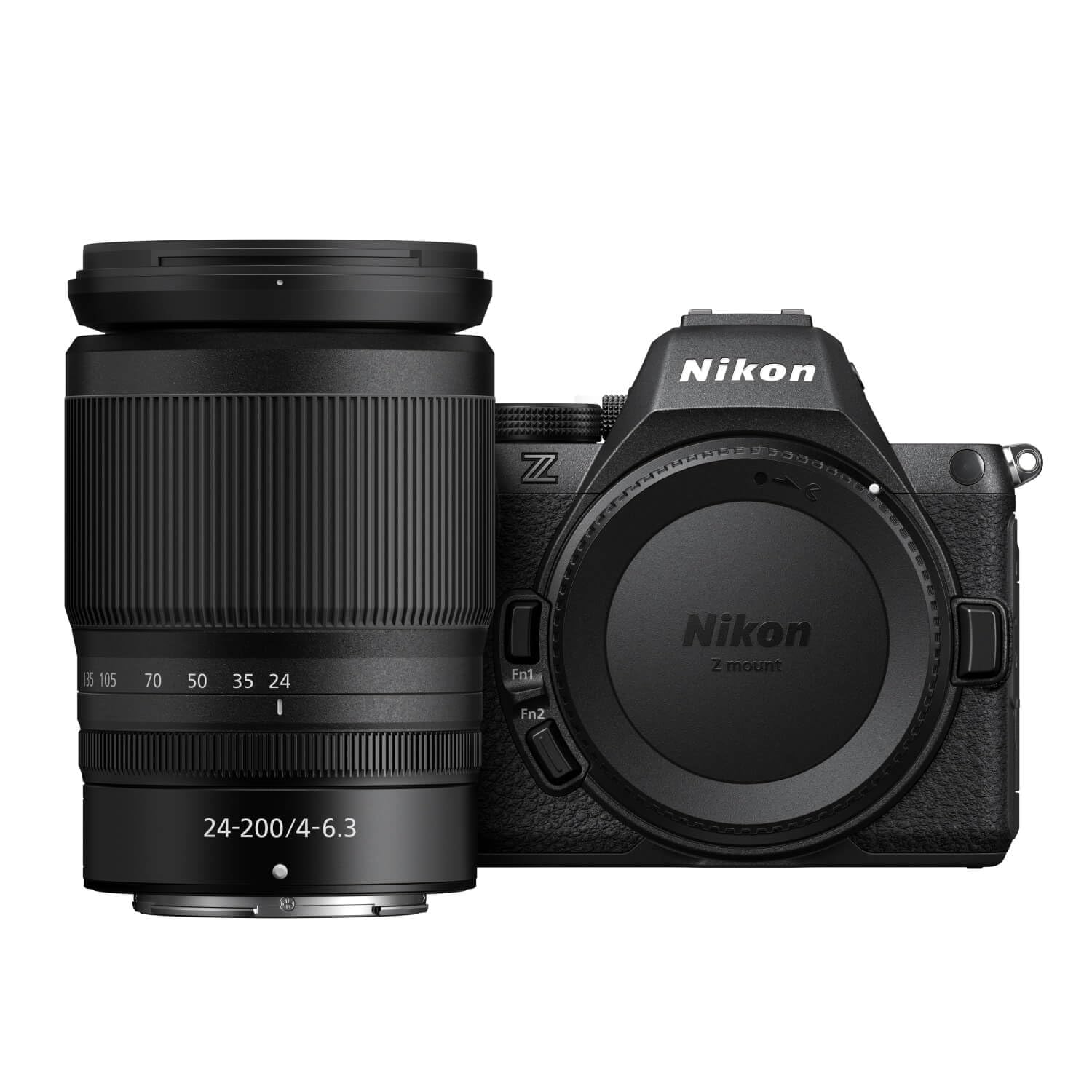
The Nikon Z5 II is a full-frame mirrorless camera that brings the powerful EXPEED 7 processor and exceptional low-light capabilities to a more accessible price point. Its 24.5MP BSI-CMOS sensor delivers high-quality images with impressive dynamic range. The autofocus detection works down to -10EV, enabling shooting in near-total darkness.
The 24-200mm kit lens offers a massive zoom range, ideal for travel and general photography. The camera can now shoot up to 30fps and supports high-resolution 4K/60p video with 12-bit N-RAW recording. The 3000-nit EVF is bright and clear for outdoor use.
The Z5 II is a fantastic all-rounder. The included 24-200mm lens, while versatile, has been noted as a weak point in terms of sharpness. Many users prefer to buy the body only and pair it with a higher-quality lens. For the image quality and low-light performance, it is a strong contender.
Why it’s great
- Excellent full-frame image quality with EXPEED 7
- Superb low-light autofocus down to -10EV
- Great value for a full-frame system
Good to know
- Kit lens quality may not satisfy enthusiasts
- Autofocus can sometimes be unpredictable
- Relatively lower 8-bit bit depth in some modes
10. Fujifilm X100VI Digital Camera

The Fujifilm X100VI is a cult-classic fixed-lens APS-C camera that has been refined to near perfection. The 40.2MP X-Trans CMOS 5 HR sensor is a massive upgrade, now paired with a 5-axis, 6-stop in-body image stabilization system. The 20 Film Simulation modes, including REALA ACE, produce stunning out-of-camera JPEGs that are a joy to use.
The hybrid optical/electronic viewfinder is a unique and delightful tool, and the tactile dials force a more deliberate, creative shooting style. The built-in 4-stop ND filter and 1.4x/2x digital teleconverter add flexibility to the fixed 23mm f/2 lens. It is a compact, beautiful object that encourages you to shoot more.
This camera is not for everyone. It has a fixed lens, sporadic autofocus consistency, and no weather sealing. Its subpar video means it is a pure stills companion. But for those who click with its philosophy, it is an indispensable daily carry that produces images with a unique character.
Why it’s great
- Stunning 40.2MP sensor with amazing film simulations
- 6-stop IBIS enables low-light handheld shooting
- Beautiful design and hybrid viewfinder experience
Good to know
- Fixed 23mm lens limits compositional flexibility
- AF can be inconsistent, especially in low light
- No weather sealing out of the box
11. Sony Alpha 6700 APS-C Camera

The Sony Alpha 6700 is one of the best APS-C cameras on the market, packing a 26MP Exmor R back-illuminated sensor and a dedicated AI processor for incredible subject tracking. The BIONZ XR processing engine ensures snappy performance. Its autofocus is among the best in any APS-C body, locking onto subjects with tenacity.
Video shooters will appreciate the 4K/60p 6K oversampled footage and 4K 120p high frame rate recording with 4:2:2 10-bit color. It is a versatile hybrid camera for those who want top-tier AF and high-quality video in a compact body. The real-time recognition for birds, animals, and vehicles is remarkably effective.
While it is a brilliant workhorse, its control layout can be cramped for larger hands, and the menu system is complex. The in-body stabilization is decent but not as strong as Sony’s full-frame options. For an APS-C system that punches far above its weight class, this is the pick.
Why it’s great
- Best-in-class AI-based autofocus tracking
- Excellent 4K video with high frame rate options
- Compact and lightweight for travel
Good to know
- Small body can be ergonomically challenging
- Sony menu system has a steep learning curve
- IBIS is good but not full-frame grade
12. Samsung Galaxy Z Fold7 512GB

The Samsung Galaxy Z Fold7 brings a 200MP camera system to a foldable form factor, representing the pinnacle of mobile imaging. This sensor allows for incredible detail capture, especially in good light, with pixel-binning producing fantastic high-quality 12.5MP and 50MP output modes. The folding AMOLED display creates a mini-tablet for reviewing shots.
This renewed device offers flagship camera performance at a more accessible price point. The 5G connectivity and 4400mAh battery make it a capable daily driver. For mobile photographers, the 200MP sensor allows for cropping that is simply not possible with standard phone cameras.
As a renewed device, quality control can be variable; some users report minor cosmetic issues or firmware quirks. The form factor is bulky compared to standard slates. For those wanting maximum mobile resolution and a tablet-like experience, it is a unique and powerful tool.
Why it’s great
- Flagship 200MP camera in a foldable design
- Unlocked for use on most major carriers
- Large folding display for media and photo editing
Good to know
- Renewed units may have cosmetic or firmware issues
- Bulky and heavy compared to standard phones
- AT&T firmware may remain on unlocked units
13. OM SYSTEM OM-D E-M1X

The OM SYSTEM OM-D E-M1X is a powerful, durable Micro Four Thirds body that originally launched as a flagship. Its 20.4MP Live MOS sensor is paired with dual TruePic VIII processors, enabling a 60fps burst with the electronic shutter and world-leading 7.5 EV stops of image stabilization. The Handheld High Res Shot mode produces 50MP images.
It features a robust magnesium alloy weather-sealed construction with a 400,000 actuation shutter life. The dual-grip design offers comfortable ergonomics for long sessions. Live ND filter simulation allows for long exposures without physical filters. It is a comprehensive tool for action and wildlife photographers on a Micro Four Thirds system.
This camera has been on the market for some time, meaning its sensor and processor are older than the latest models. The 20MP resolution is not competitive with modern high-resolution full-frame cameras. However, its price point now makes it an incredible value for a professional-grade, rugged body with unmatched stabilization.
Why it’s great
- Incredible 7.5 EV IBIS for sharp handheld shots
- 60fps burst with silent electronic shutter
- Very rugged and well-built for its price point
Good to know
- 20MP sensor is showing its age
- Large and heavy for a MFT body
- Dual processors are not as fast as modern single chips
FAQ
Do I need a 200MP camera, or is a high-end 50MP sensor enough?
What lenses are required to resolve 200MP of detail?
Final Thoughts: The Verdict
For most users, the 200 megapixel camera winner is the Fujifilm GFX100S II because it offers the best balance of native resolution, file handling, and overall system maturity in the medium-format space. If you want a more portable, all-in-one solution, grab the Leica Q3. And for uncompromising speed and resolution in a traditional full-frame body, nothing beats the Sony Alpha 1.