
Our readers keep the lights on and my morning glass full of iced black tea. As an Amazon Associate, I earn from qualifying purchases.
Specs are compiled from manufacturer listings and verified buyer reviews and can change over time — please confirm the key details on the product page before buying.
When the temperature drops below 45°F, the rubber on all-season tires turns hard and slippery — that’s when a dedicated winter tire changes everything about how your car feels on snow, ice, and slush. The 225/45R18 size fits many sedans, coupes, and crossovers that need dependable cold-weather grip. A dedicated winter tire in this size delivers the braking, cornering, and climbing grip that all-seasons lose below 45°F.
I’m Min — the founder and writer behind Gadgets Feed. This guide is built by comparing the manufacturers’ published specifications and the patterns across verified customer reviews, so you get each pick’s real strengths and trade-offs instead of marketing spin.
Your choice of 225/45r18 winter tires decides whether you creep home at 10 mph or drive with confidence through a blizzard this season.
Our Picks at a Glance


How To Choose The Best 225/45R18 Winter Tires
Before you pick a winter tire, know that the 225/45R18 size means the tire is 225 millimeters wide, with a sidewall that is 45 percent of that width, built to fit an 18-inch wheel. Your real choices then come down to how much ice you face, how heavy your car is, and if you want the option to add metal studs later.
Load Index and Weight Capacity
Every tire carries a load index number that tells you how much weight it can safely support. A higher number means a higher weight rating, which matters if your car is heavy or you regularly haul passengers and cargo. For this size, you will commonly see 91 or 95 load indexes — the 95 rating supports substantially more weight than the 91, so it is the safer pick for larger sedans and crossovers.
Studdable vs Studless
Studdable tires let you install small metal pins for maximum grip on glare ice, and you can add them only if your local laws allow it. Studless tires rely on soft rubber compounds and hundreds of tiny tread cuts — called siping — to grip ice without metal, and they run quieter on dry pavement. If you face hard-packed ice more than deep snow, a studless design with aggressive siping is often the more versatile daily choice.
Quick Comparison
| Model | Best For | Load Index | Weight | Diameter | Amazon |
|---|---|---|---|---|---|
| General Tire Altimax Arctic 12★ Best Overall | Heavy sedans on ice | 95 (XL-ply) | 17.4 lb | 26 in | Amazon |
| Sumitomo Ice EdgeTop Performer | 2WD hill climbers | 91 (SL) | 25 lb | 26.02 in | Amazon |
| NEXEN Winguard Winspike 3 | Budget all-around grip | 95 (XL) | 24.3 lb | 26 in | Amazon |
| HANKOOK ICept iZ2 W616 | Icy highway commutes | 91 (SL) | 23.2 lb | 25.8 in | Amazon |
| Nexen Winguard Sport 2 | Performance-minded drivers | 95 (XL) | 23.2 lb | 26 in | Amazon |
| Continental Viking Contact 7 | Severe snow confidence | 95 (XL) | 22.9 lb | 26 in | Amazon |
In‑Depth Reviews
1. General Tire Altimax Arctic 12
Our pick — over 4.5★ from 350+ verified ratings; the strongest balance of quality and price.
The studdable ice-eater that out-grips an AWD on a front-wheel drive
In real-world tests, a front-wheel-drive Sonata with these tires outperformed an AWD Subaru in snow, slush, and ice. Its studdable design and 95 XL load index let you add metal studs for hard ice while supporting heavier sedans and crossovers. It carries a 3,197-pound load capacity paired with a 17.4-pound weight, making it an unusually strong-but-light package in this class.
Owners drive through valley snow daily and report the tires “dig through the snow and get us to work every day” while staying quiet on clear roads. The value story is equally strong, with repeated mentions of how much capability you get for the money, and the 45-day Trial plus 72 months of limited treadwear coverage adds real confidence. One long-term user is on their fifth set and got a first set to last 80,000 miles, which speaks directly to durability concerns most buyers have.
The honest trade-off: some owners notice a slight road noise increase and about a 2 mpg fuel economy loss compared to their original tires. That trade-off is worth it for drivers who want one tire that handles snow, ice, and slush with confidence.
What Wins Owners Over
- Studdable design lets you add metal pins for ice-heavy regions
- XL load range at 95 index supports heavy cars with ease
- Buyers report outstanding durability, with one set lasting 80,000 miles
The Fair Caveats
- Slight road noise increase reported beyond original tires
- Small fuel economy penalty around 2 mpg noted by some
The crowd favorite: Buy this if you want a proven, long-lasting studdable winter tire that gives heavy sedans serious ice and snow authority.
Think twice if: You cannot tolerate any extra cabin noise — this tire adds a faint hum some all-season owners notice.
2. Sumitomo Ice Edge 225/45R18 91T BSW
A 25-pound grip machine that climbs a 35% hill without slipping
Owners mention this tire “climbed 35% hill at 30 mph without slipping,” proving its hill-climbing capability. The studdable design with a 91T rating gives front-wheel-drive cars in New England the traction they need in just over half an inch of snow, and it is noticeably heavier than the General at 25 pounds, which translates to a solid, planted feel on the road. Its 26.02-inch diameter is the largest in this comparison, giving your car a touch more ground clearance over the Hankook’s 25.8 inches.
For two-wheel-drive owners, this tire reads like a revelation: drivers on 2008 Lancers report feeling 75% more capable in 8 inches of snow, and even mounting just two on the front made a significant difference versus all-seasons. The wet-road grip gets its own praise from AWD Mini Cooper owners who find the tires “very responsive” on mountain roads, locking in confidence whether you drive a hatchback or a sedan.
The slight catch is that aggressive throttle from a stop can induce a little wheel spin, and a rare owner reports an ice-ditch incident from which the car self-recovered. Compared to the General above, this tire trades a bit of load capacity — 2,200 pounds versus 3,197 — for a more budget-friendly price point that still delivers serious snow performance for lighter cars.
Who it fits best: Daily drivers in snowy New England who rely on front-wheel drive and want studdable traction without premium-brand pricing.
The real catch: The standard-load 91 rating means this is not built for heavy crossovers — keep it on lighter sedans and coupes.
3. NEXEN Winguard Winspike 3 Winter Tire
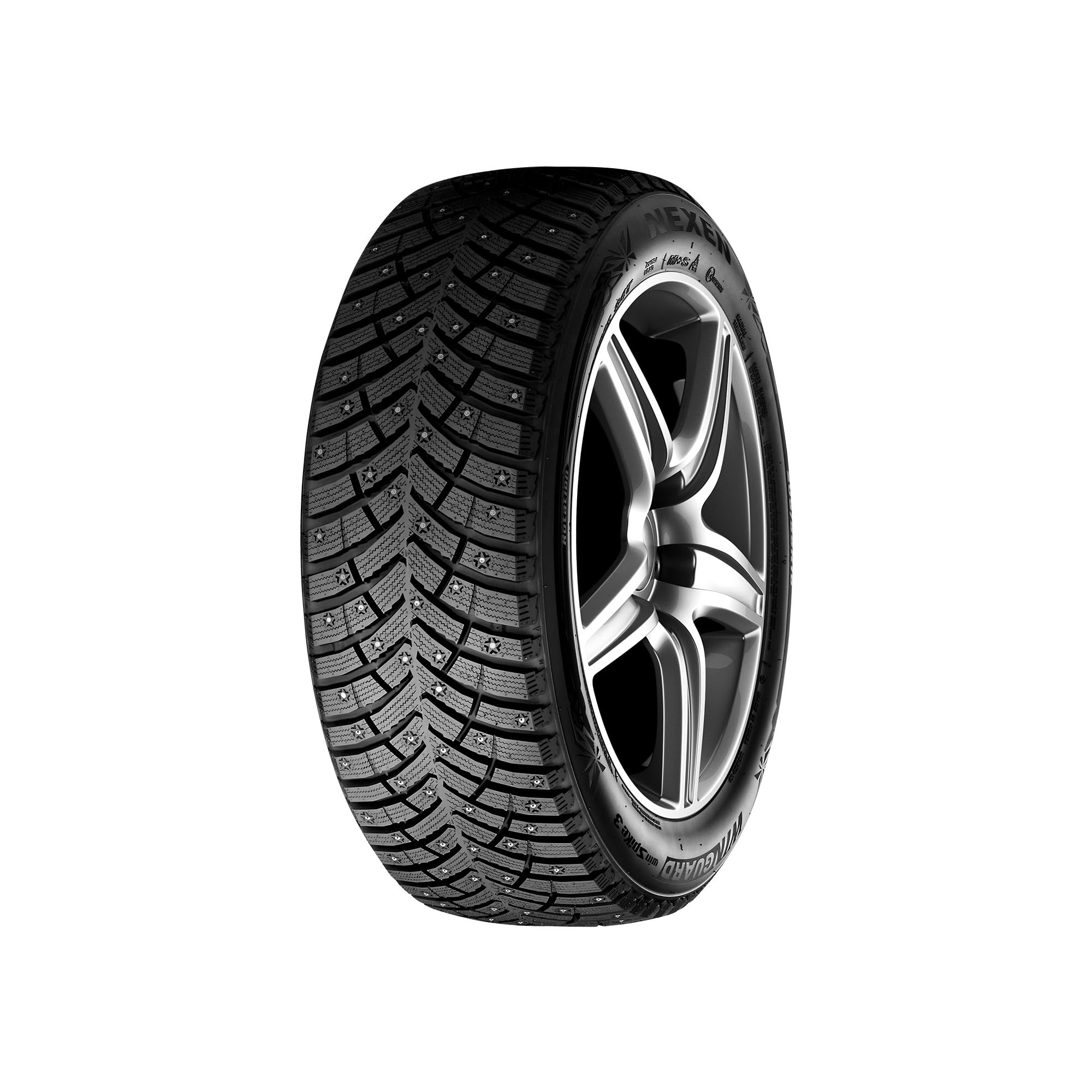
The value champ that holds a Subaru steady on 27 miles of solid ice
An owner ran “27mi on solid ice without slipping” in a Subaru Outback, demonstrating strong ice endurance at a budget price. The Three-Peak Mountain Snowflake (3PMSF) certification means it meets severe snow service standards, not just light winter duty, and the 95 XL load index supports heavier vehicles like the crossovers this size often fits. The directional tread pattern uses deep grooves to push water and slush out quickly, while dense siping adds extra bite on ice and packed snow.
Buyers consistently compare it to far pricier premium tires, with one calling it the best winter tire they have owned at 9,000 feet elevation in Colorado — no studs needed on a front-wheel-drive Passat, even through a mountain winter. Another owner left them on through summer and still got 68,000 miles out of a set, which is remarkable longevity for a winter tire. The 36 months of roadside assistance under Nexen’s Total Coverage Warranty adds genuine value for first-time winter-tire buyers.
The honest caveat is durability inconsistency: a handful of customers note tires going flat mysteriously, possibly due to a bead defect, while others run theirs for years without issue. The crowd consensus on value-for-money is overwhelmingly positive, and for the price this is the smartest entry point into serious winter rubber — just check the date codes when your set arrives.
The smart-money play: Budget-conscious drivers who face real ice and snow want 3PMSF-certified traction without paying premium-brand prices.
Look closer if: You plan to run these through multiple summer seasons — some reviewers point out accelerated wear in warm weather, so a proper seasonal swap is recommended.
4. HANKOOK ICept iZ2 W616 225/45R18 91T
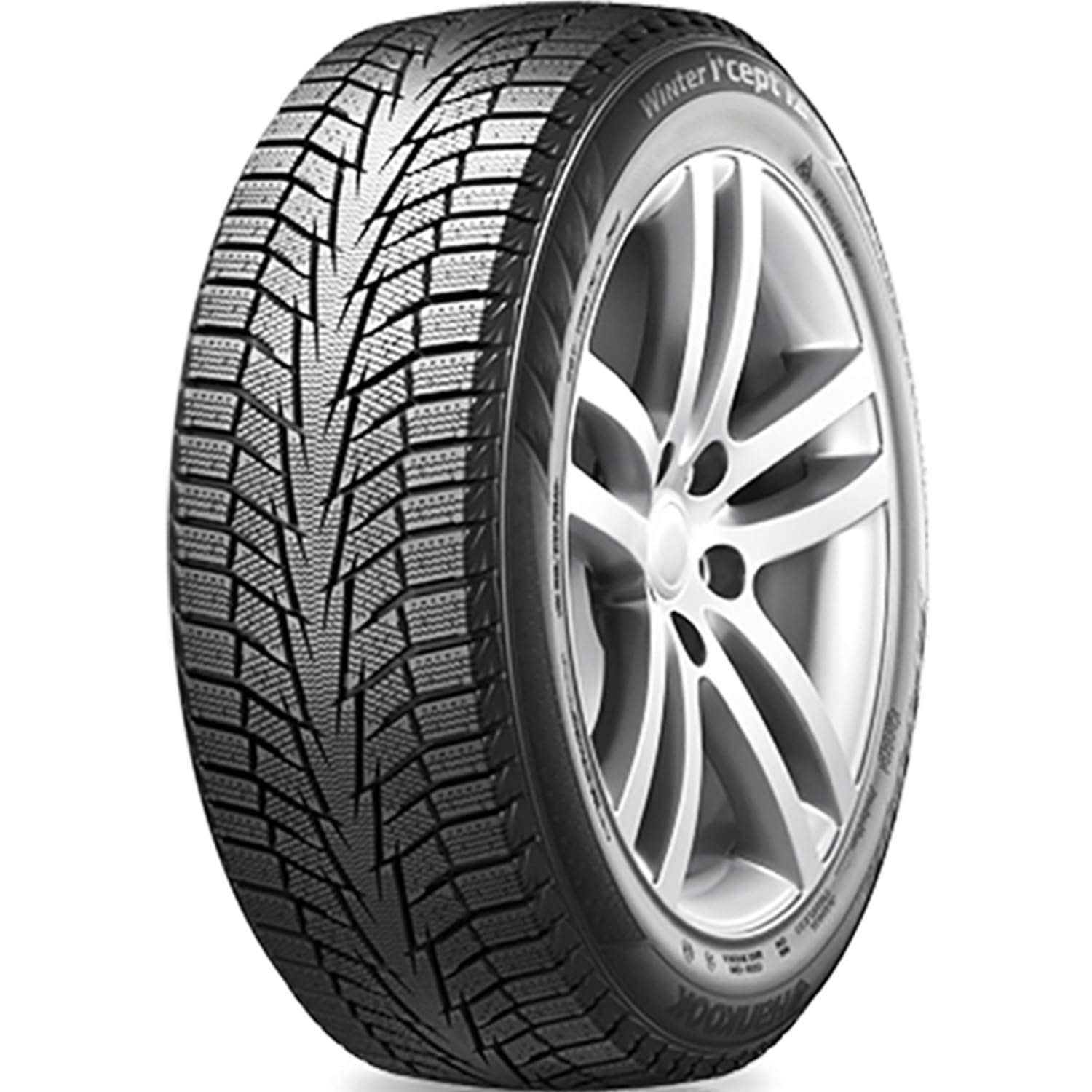
The studless stud for icy highway commutes at speed
BMW shoppers say excellent ice traction at highway speeds through Montana winters on a 120-mile daily commute. The studless design relies on a soft compound and intricate tread rather than metal pins, which keeps it quiet on dry roads while still biting into ice and packed snow. At 25.8 inches diameter, it is the smallest rolling diameter here, a difference you will not feel day-to-day but that keeps speedometer readings accurate on cars originally fitted with this size.
Over three Northeast winters from mild to blizzard, drivers call it “all the winter tire needed” and report confident performance on front-wheel-drive hatchbacks with clear grip-loss communication before the limit. Rain, sleet, and snow are all handled with composure, with owners noting they maintained highway speed while other cars slowed down. The value equation is strong enough that one long-time buyer calls it “hands down the best winter tire for the money.”
The deeper-snow limitation is worth knowing: in 4-plus inches of fresh powder, the tread can fill up and lose release, occasionally spinning on hills — drivers who face regular deep snow prefer a more aggressive lug pattern. Also, buy from a fresh batch, since one owner received tires manufactured six years earlier. For icy stopping and starting, though, this studless option is genuinely excellent.
Where It Excels
- Quiet studless design grips ice and wet roads at highway speeds
- Buyers report confident, predictable handling across multiple winters
- Clear grip-loss communication helps you feel the limit before it bites
Know Before You Buy
- Deep 4-inch-plus snow can overwhelm the tread and cause hill spins
- Check manufacture dates on delivery — old stock has been reported
Reach for this if: Your commute is mostly ice, wet roads, and highway miles where quiet studless grip matters more than deep-powder excavation.
Look elsewhere if: You regularly drive through unplowed 8-inch snow — the General or Continental handles that scenario with more authority.
5. Nexen Winguard Sport 2 Performance Radial Tire

The performance winter tire that keeps a 350hp RWD car composed
Drivers who refuse to give up handling in winter will appreciate what this tire does differently: it is designed for performance cars, with a 95V speed rating that allows sustained high-speed driving where standard winter tires would protest. The V rating means it is certified for speeds up to 149 mph, making it the right match for sport sedans and coupes that see enthusiastic driving even in cold months. The unidirectional tread uses deep, zigzag grooves to cut hydroplaning risk on wet and slushy roads, while the 3D winter kerf — a zigzag tread cut — boosts snow and ice bite.
On a WRX, owners mention superb snow grip with strong braking and less understeer than expected, and the tire stays quiet on highways — a rare combination in winter rubber. A 350hp rear-wheel-drive owner fitted a staggered set and found the deep tread promising for snow performance, while a Mini Cooper driver notes it handles snow, rain, and mud well with grip that is “hard to break loose” on pavement. It carries the same 3PMSF certification and 95 XL load index as the Winspike 3 above, but with a sportier character tuned for responsive steering.
The firm ride is the trade-off for that performance focus, and owners note the tire flat-spots — develops a temporary vibration — when parked overnight below 20°F, though it clears after about a 10-minute drive. It also goes soft and sloppy on hot summer asphalt, so this really is a cold-weather-only specialist. For the enthusiast who wants winter capability without surrendering steering feel, this is the pick.
Built for enthusiasts: Sporty drivers with RWD or AWD performance cars who want high-speed-rated winter grip and crisp handling on cold, dry roads.
Not your tire if: You want a cushioned luxury ride or drive year-round — the firm feel and summer softness demand a proper seasonal changeover.
6. Continental Viking Contact 7 Winter Studless

The studless tank that pulled a stuck tow truck out of a snowy ditch
Severe-snow authority is the core identity here, backed by a 3-Peak Mountain Snowflake certification that meets the demanding severe snow service standards of both the U.S. Tire Manufacturer’s Association and the Tire and Rubber Association of Canada. Continental’s PolarPlus Technology keeps the tread rubber flexible in extreme cold, which directly improves grip and shortens stopping distances when the mercury plunges. That flexibility is why a Honda Passport owner on gravel and snowy hills could stop and start on steep inclines without slipping — and even pulled a rollback tow truck out sideways after it got stuck on a hill.
Buffalo, New York owners — who know lake-effect snow better than almost anyone — report the Viking Contact 7 handled three hours of thruway snow plus an hour of unplowed 8-inch roads without drama, all while delivering a smooth ride. A front-wheel-drive Durango at 5,000 feet in California saw immediate braking and traction gains, and a Ford Fusion owner in Michigan says it passed 4x4s on ice and snow while generating minimal noise. The 95 XL load index means it supports heavier crossovers and SUVs with confidence, and the 60-day Trial plus 3 years of roadside assistance shows Continental stands behind it.
The maintenance note is familiar for premium winter rubber: leave it on through warm weather and the tread wears fast, so plan a proper seasonal swap to protect your investment. A Nissan Rogue owner sums up the value as “for the price a decent tire” with straight-line stops and minimal wheel slip on icy roads. This is the premium pick for drivers in the harshest snow belts who want studless simplicity with maximum cold-weather capability.
Why It Stands Out
- PolarPlus compound stays flexible in extreme cold for better grip
- Studless design delivers quiet, confident performance on ice
- Proven in severe lake-effect snow and unplowed backroads
Plan For This
- Warm-weather use accelerates tread wear — seasonal storage is essential
- Premium pricing sits above the value-focused picks in this list
Choose this for: The snowiest regions where severe-service certification and cold-weather compound flexibility matter more than budget.
Pass if: You want a tire you can leave on year-round — this one demands a disciplined summer swap to last.
Understanding the Specs
Load Index and Load Range
The load index number — 91 or 95 on these tires — tells you the maximum weight each tire can safely carry at proper inflation. The 95 rating supports 3,197 pounds in the General Tire, while the 91 rating on the Sumitomo and Hankook supports 2,200 and 1,521 pounds respectively, so heavier vehicles need the higher index. The XL (extra load) designation on some tires means a reinforced sidewall for heavier cars, while SL (standard load) suits lighter sedans and coupes.
3PMSF Certification
The Three-Peak Mountain Snowflake symbol means the tire meets severe snow service requirements set by tire industry associations, not just basic winter marketing claims. Only tires that pass specific snow-traction tests earn this mark, and it is the closest thing to an objective guarantee that a tire will actually perform in serious winter conditions. The Nexen and Continental models here carry it, while the studdable General and Sumitomo lean on their optional stud capability instead.
FAQ
What does the 225/45R18 size actually mean for my car?
Is a load index of 91 or 95 better for my vehicle?
Should I buy studdable or studless winter tires?
Can I leave winter tires on all year long?
Will a taller tire diameter affect my speedometer?
How many miles can I expect from a set of winter tires?
Are expensive winter tires actually better than budget ones?
What is the Three-Peak Mountain Snowflake symbol?
Final Thoughts: The Verdict
The top pick for most drivers is the General Tire Altimax Arctic 12 because it pairs studdable ice grip with a strong 95 XL load rating and proven real-world durability. If your budget is tighter, the NEXEN Winguard Winspike 3 delivers 3PMSF-certified traction that owners compare to premium tires at a fraction of the cost. And for the harshest snow belts where severe-service performance is non-negotiable, the Continental Viking Contact 7 is the studless specialist to trust when the plows cannot keep up.
How We Picked
We do not accept paid placement. Every pick is matched to a real buyer and a real use-case; we do not hands-on test units.
Sources & Methodology
Specifications: manufacturer listings and product documentation. Review insights: verified customer reviews, as of September 2026. Pricing: not shown on this page (it changes often); check the current price via the retailer link.
As an Amazon Associate, Gadgets Feed earns from qualifying purchases. This does not affect which products we feature.