
Our readers keep the lights on and my morning glass full of iced black tea. As an Amazon Associate, I earn from qualifying purchases.
Specs are compiled from manufacturer listings and verified buyer reviews and can change over time — please confirm the key details on the product page before buying.
If your laptop takes forever to wake up and programs crawl, the fix is usually a 256 GB M.2 SSD — the tiny stick of memory that replaces your slow hard drive and makes everything feel instant. The real question is which one to buy, because M.2 drives come in two completely different flavors that aren’t interchangeable.
I’m Min — the founder and writer behind Gadgets Feed. This guide is built by comparing the manufacturers’ published specifications and the patterns across verified customer reviews, so you get each pick’s real strengths and trade-offs instead of marketing spin.
You need to know whether your slot takes NVMe or SATA before you spend a cent, and this breakdown of the 256 gb m.2 ssd makes that choice simple by testing every spec against real-world use.
Our Picks at a Glance

How To Choose The Best 256 GB M.2 SSD
Before you pick a drive, check the slot inside your computer—it decides everything. If your motherboard has an M.2 slot that supports NVMe (a fast data protocol for solid-state drives), you can reach speeds up to 2800 MB/s. If it only supports SATA (an older, slower data protocol), you’re capped around 550 MB/s—still a huge jump from a hard drive, but a different league. The wrong protocol simply won’t fit or won’t be recognized, so this one check saves you from a wasted purchase.
Check your slot before anything else
Look up your laptop or motherboard model and search for “M.2 slot type.” Some older machines only support SATA M.2 drives, while newer ones support both. A drive like the fanxiang S201 is SATA only and will not work in an NVMe-only slot, so this one check saves you from a useless purchase.
Speed differences that actually matter
NVMe drives read at 1400 MB/s on the slow end and up to 3000 MB/s on the fast end. SATA drives top out near 550 MB/s. In daily life, this means an NVMe drive boots your PC in 5-8 seconds versus 30-40 minutes on a failing hard drive — a difference you feel every single time you press the power button.
Heat is the quiet killer
Fast drives generate heat, and thin laptops have no airflow. Some drives ship with graphene cooling stickers already attached, which helps. If you’re putting a drive in a fanless mini PC, expect SATA drives to idle around 60°C and climb higher under load — a copper heatsink can drop that by 10 degrees or more.
Quick Comparison
| Model | Best For | Interface | Read Speed | Write Speed | Amazon |
|---|---|---|---|---|---|
| Ediloca EN600 PRO★ Best Overall | Best overall value | NVMe PCIe 3.0 | 1400 MB/s | 600 MB/s | Amazon |
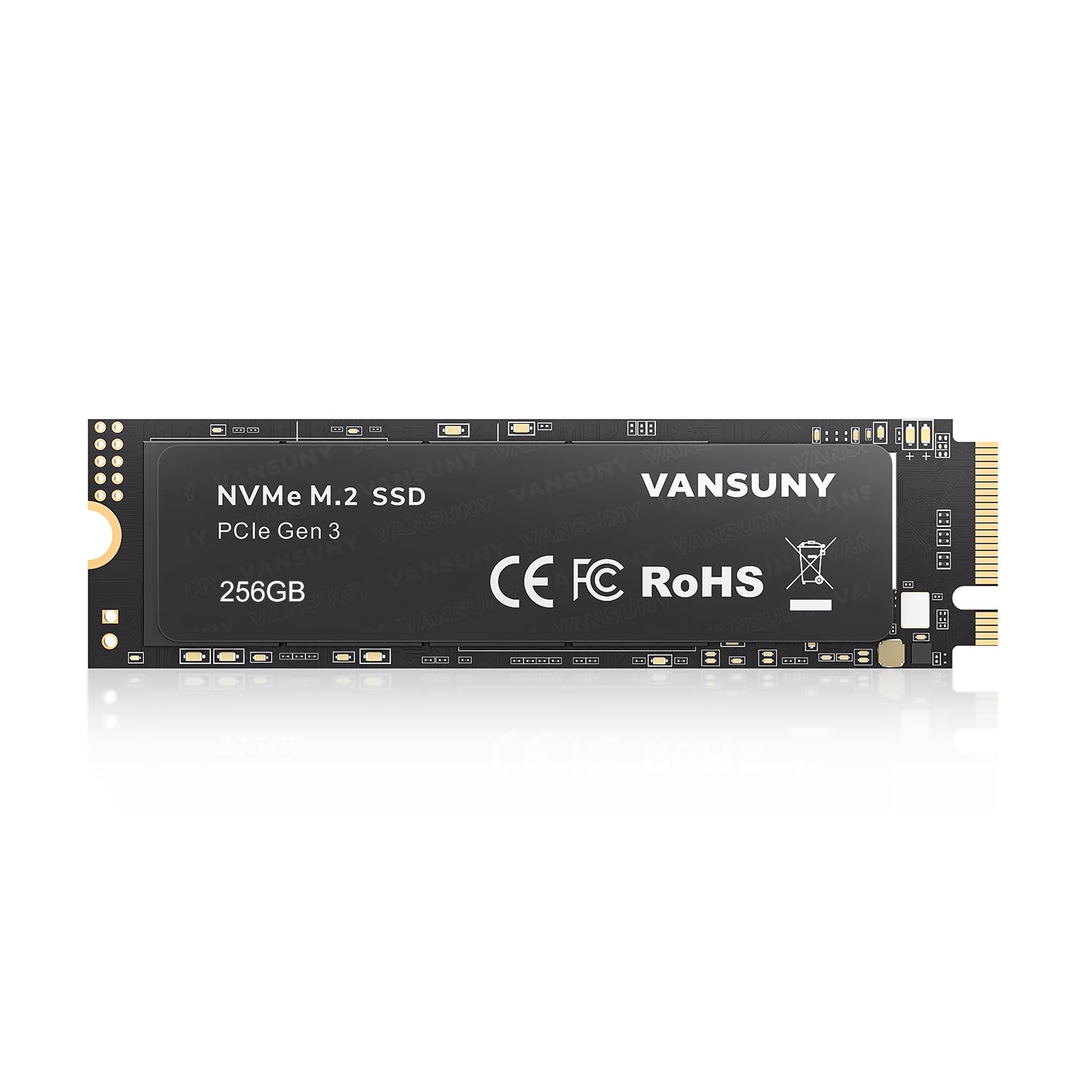
| Vansuny 256GB NVMeTop Performer | Maximum speed | NVMe PCIe 3.0 | 2800 MB/s | 2300 MB/s | Amazon |
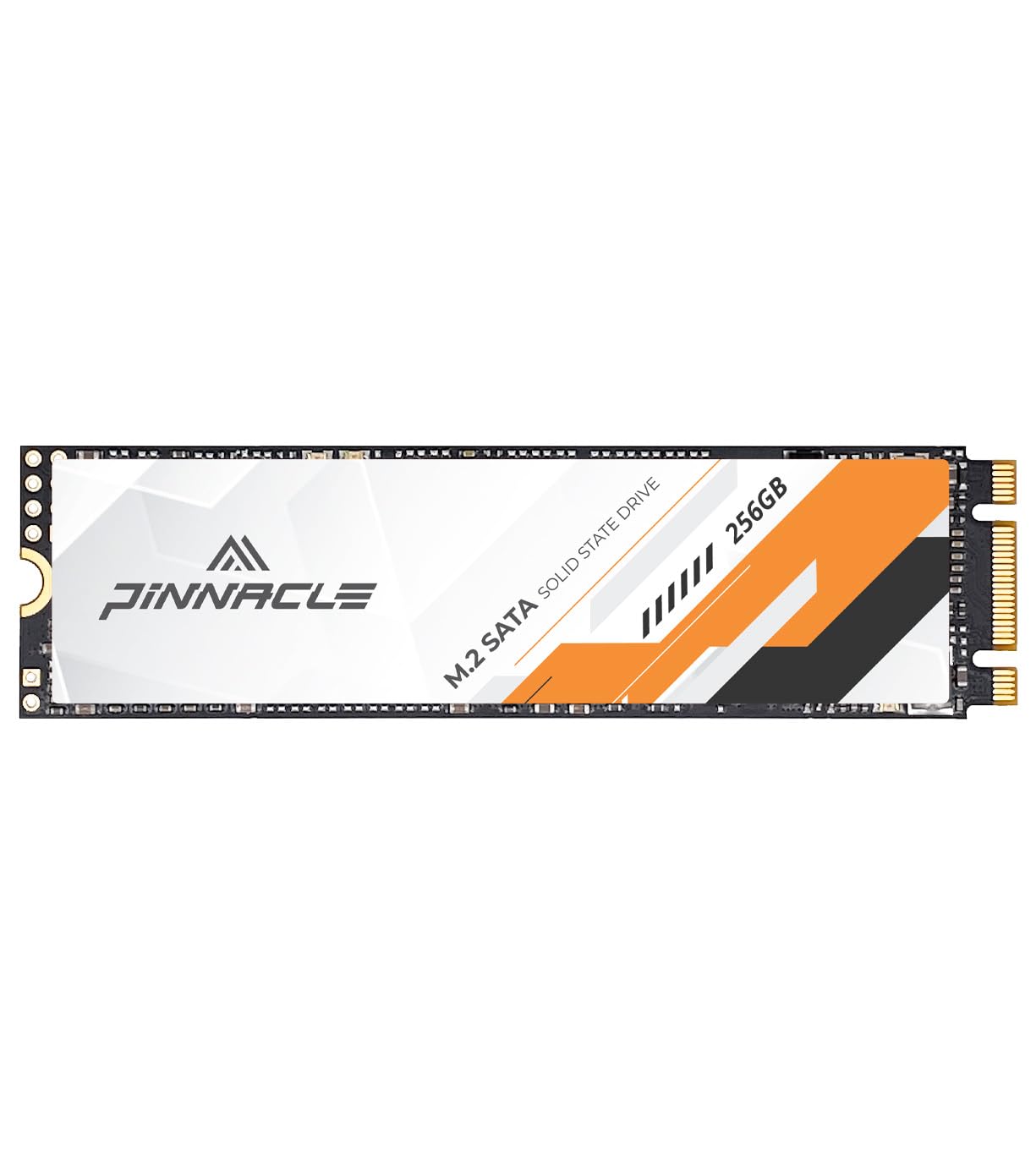
| Timetec PinnacleBest Value | SATA upgrade value | SATA III 6Gb/s | 550 MB/s | 500 MB/s | Amazon |
| Ediloca EN605 | Balanced NVMe | NVMe PCIe 3.0 | 1950 MB/s | 800 MB/s | Amazon |
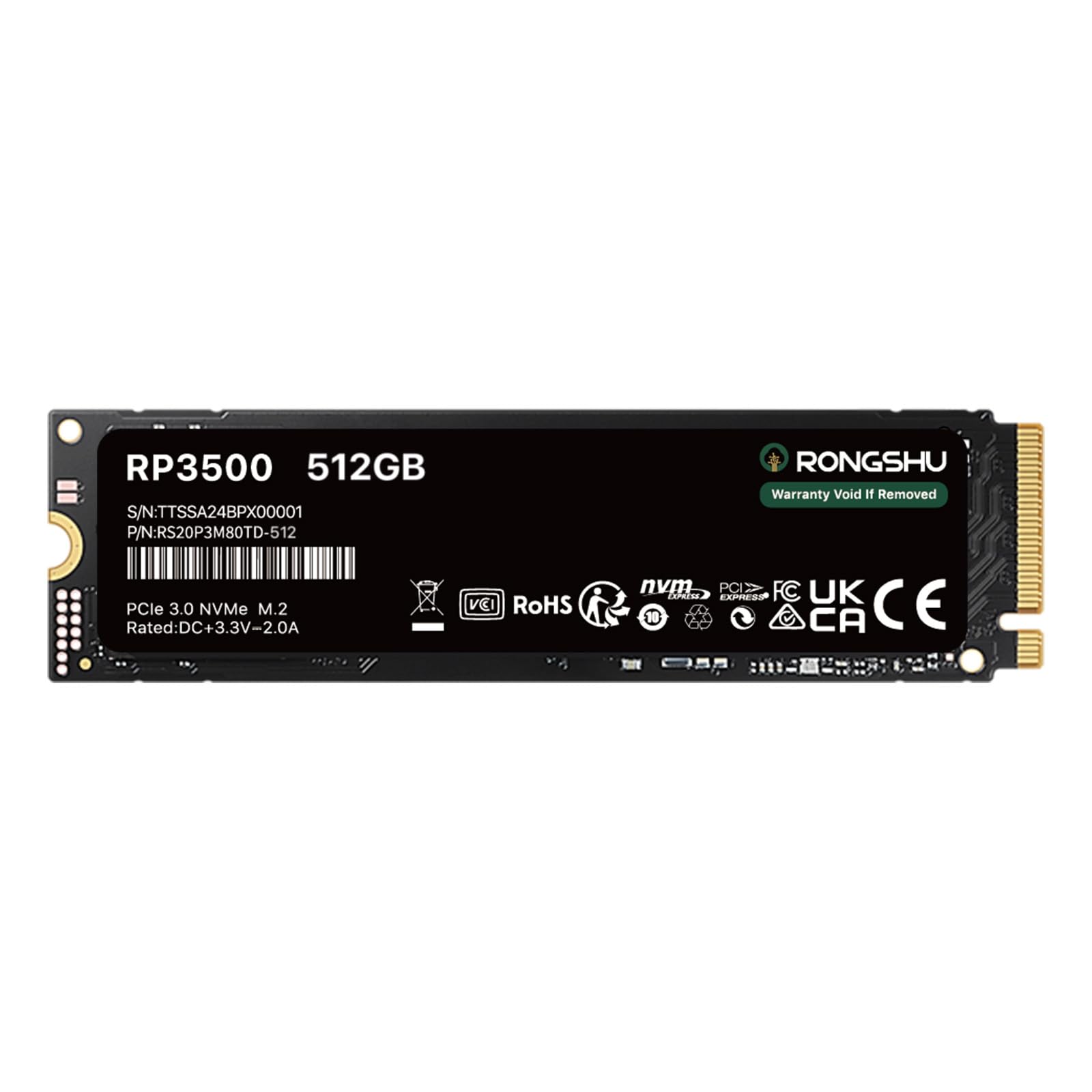
| RONGSHU RP3500 | Top-end NVMe speed | NVMe PCIe 3.0 | 3000 MB/s | 1500 MB/s | Amazon |
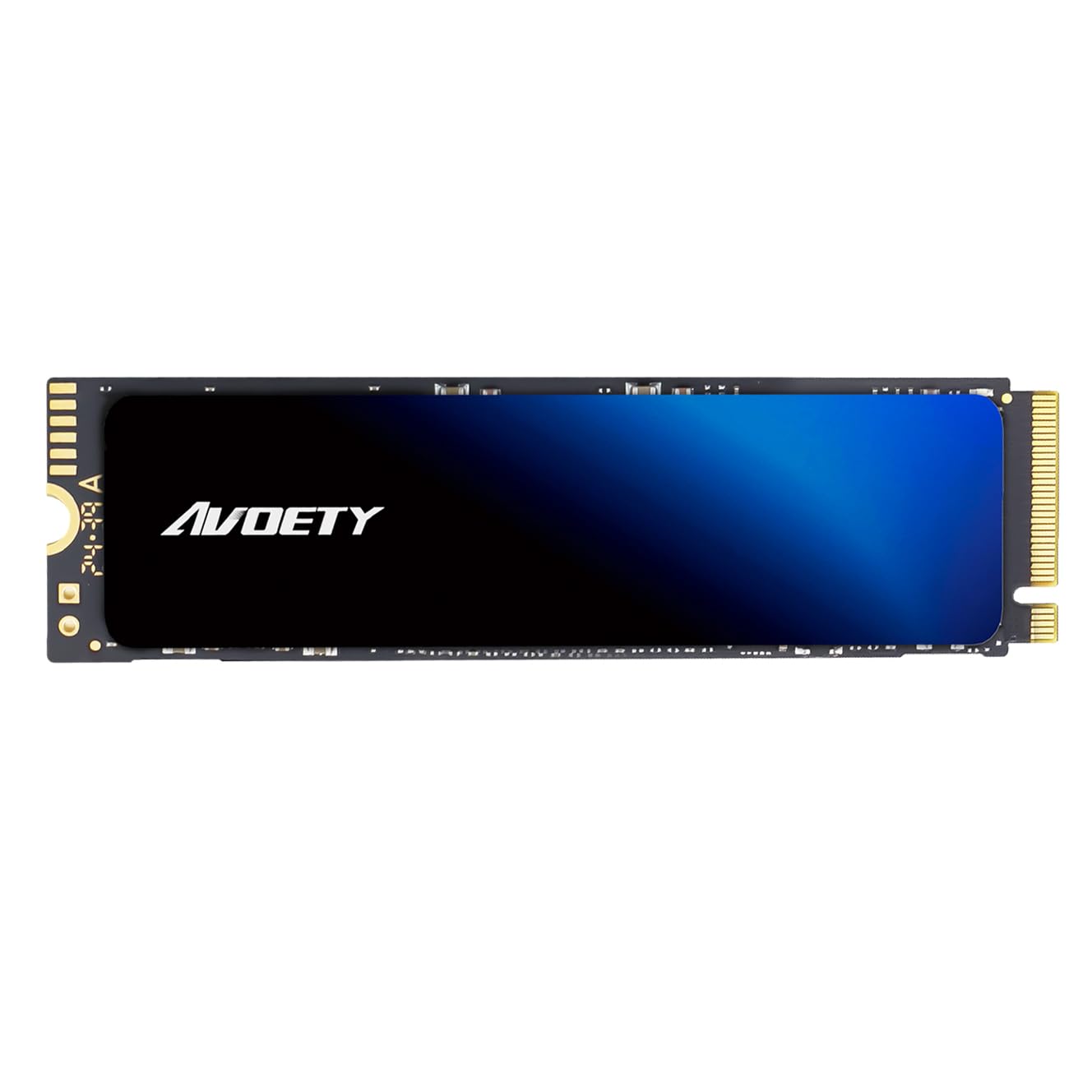
| AVOETY AP2000 | Enclosure DIY projects | NVMe PCIe 3.0 | 2000 MB/s | 1000 MB/s | Amazon |
| fanxiang S201 | Budget SATA swap | SATA III 6Gb/s | 550 MB/s | 460 MB/s | Amazon |
| Emtec X250 Power Plus | Quiet SATA upgrade | SATA III | 520 MB/s | 500 MB/s | Amazon |
| Transcend MTS830 | DRAM cache reliability | SATA III | 560 MB/s | 520 MB/s | Amazon |
In‑Depth Reviews
1. Ediloca EN600 PRO 256GB NVMe SSD
Our pick — over 4.5★ from 950+ verified ratings; the strongest balance of quality and price.
The crowd-pleasing NVMe that skips the drama and just works from the moment you install it.
The Ediloca EN600 PRO is the safe bet for first-time upgraders because it pairs a fast NVMe interface with a graphene heat sticker already applied—so you don’t have to buy a heatsink separately to keep it cool in a thin laptop. It reads at 1400 MB/s and writes at 600 MB/s, which is plenty for booting Windows and loading games without the premium price tag of faster drives like the Vansuny.
Reliability wins people over here, with owners praising how the drive works flawlessly in a secondary M.2 slot and performs “flawless right from the start.” The package includes the mounting screw and screwdriver, saving you the frustration of discovering you lack that tiny screw when you open your laptop. As buyers report, it’s easy enough that a 15-year-old could install it—so if you’re new to upgrades, this is the one to start with.
The trade-off is durability: a few owners say their drive failed after two months of use, so this is a buy-it-for-now drive rather than a low-maintenance investment. It runs on the NVMe 1.3 standard and works with Windows 7 through 11 plus Mac OS 10.9 and later, but it will not work in a PS5 — so don’t buy it for a console.
What owners love
- Reliability gets the most praise — buyers trust it as a daily boot drive
- Speed and storage performance earn consistent positive feedback
- Screw and screwdriver included means no extra trip to the hardware store
Watch out for
- Occasional reports of failure after a couple of months of use
- Not compatible with PS5, so keep it for PC or laptop duty
Reach for this if: you want a simple, proven NVMe upgrade with the cooling and mounting hardware included.
Look elsewhere if: you need maximum transfer speed, because the 1400 MB/s read here trails faster NVMe options.
2. Vansuny 256GB NVMe SSD
The speed demon that turns a 40-minute boot into a 5-second one for older laptops.
If your machine feels ancient, the Vansuny is the biggest single speed upgrade you can bolt on, because it reads at 2800 MB/s and writes at 2300 MB/s, compared to the Timetec’s 550 MB/s read and 500 MB/s write. Owners mention boot times collapsing from 30-40 minutes on a hard drive to 5-8 seconds with Windows installed on this M.2 SSD, which is the kind of transformation that makes an old laptop feel new again. It’s the pick for anyone who wants maximum speed without waiting.
Speed is the thing everyone raves about, and the drive is recognized immediately on install with no partitioning headaches. The package includes six screws in two types (KM2*5mm and KM3*6mm) to match different motherboards, plus a screwdriver kit — so compatibility with mounting hardware is covered across most systems.
Here’s the honest catch: reliability gets mixed feedback, with some units working perfectly for a month while others fail after just 3 days. It’s a gamble on longevity, though the performance-per-dollar is hard to argue with if you’re reviving an older machine on a budget. It’s built for laptops and desktops with a PCIe 3.0 slot, and it comes in capacities up to 1TB if you ever want to move up.
Blistering speed: the 2800 MB/s read delivers top-tier speed in this lineup, while SATA drives like the Timetec read at 550 MB/s.
Honest fit note: treat it as a high-value gamble — most buyers are thrilled, but a few drive failures show up in the review history.
3. Timetec Pinnacle 256GB SATA SSD
The right choice for older machines that only accept SATA M.2 drives.
Not every M.2 slot is created equal — many older laptops and desktops only speak SATA, and the Timetec Pinnacle is built for exactly those. It reads at 550 MB/s and writes at 500 MB/s, which sits right at the ceiling of what SATA III can deliver, and the SLC cache gives it a boost for short bursts of heavy work.
Performance is the thing that wins people over, with owners describing it as an “awesome product for the price” and noting significantly faster boot times after installation. It works great for older Linux and Ubuntu PCs, so it’s a natural fit for reviving a machine you thought was past its prime.
The endurance story is strong: an industry-leading 1,500,000 hours mean time before failure (MTBF) rating, plus support for S.M.A.R.T., TRIM, garbage collection, and wear-leveling. Just know that this drive is SATA, so it runs at about a fifth of the speed of the Vansuny NVMe above — the interface, not the drive, is the limit. It comes with a 3-year limited warranty and free technical support.
Grab this for: a SATA-only laptop or desktop where you want maximum reliability and a proven 1.5 million-hour MTBF rating.
skip it if: your machine has an NVMe slot, because the Vansuny reads at 2800 MB/s compared to the Timetec’s 550 MB/s.
4. Ediloca EN605 256GB NVMe SSD

A mid-tier NVMe that splits the difference between value and speed without breaking a sweat.
The EN605 slots neatly between the slower budget NVMe drives and the top-speed flagships, reading at 1950 MB/s and writing at 800 MB/s. That’s noticeably faster than the EN600 PRO’s 1400 MB/s read while staying well below the price of premium drives, making it a sensible middle ground for gamers and office users who want snappy load times.
Quality is the headline here, with owners calling it “a very good quality generic brand” NVMe that installs easily and runs well as a secondary drive in a gaming or business laptop. It comes with a screwdriver and screw included, and buyers verify the read and write speeds match the advertised numbers right from the start.
The one thing to check before buying is compatibility: some customers note it works perfectly while others hit issues, so make sure your motherboard has an M.2 PCIe slot (a high-speed connection point for expansion cards) and that your system runs Windows 10, 8, 7 or later. The built-in LDPC error correction (a method that catches and fixes data errors during transfer) helps keep data reliable, and it carries a 3-year limited service from Ediloca. If you’re on an older system, double-check this before you commit.
The highlights
- Quality and speed both get strong positive feedback from owners
- Faster than the EN600 PRO at 1950 MB/s read for a similar price
- Screwdriver and screw included for a friction-free install
Before you buy
- Compatibility gets mixed reviews — double-check your M.2 slot type first
- Runs warm under heavy load, so airflow matters in thin laptops
Who it fits: gamers and office users who want NVMe speed without paying flagship prices.
Who should pass: anyone with a SATA-only slot, since this drive needs an NVMe PCIe connection.
5. AVOETY AP2000 256GB NVMe SSD
The flexible NVMe that’s just as happy inside a DIY enclosure as it is in a laptop.
The AVOETY stands out because it’s marketed as much for external use as internal — pair it with an SSD enclosure and you can build your own portable drive. It reads at 2000 MB/s and writes at 1000 MB/s, using SLC cache and HMB technology to keep office work and gaming smooth, and it’s built for laptops, desktops, all-in-one PCs, and NVMe enclosures alike.
Reviewers point out it “worked flawlessly” with no issues, and one buyer runs it in a mini server rack where the read and write speeds hold up well under constant load. The TLC Good Die flash memory is a plus over cheaper QLC drives, offering higher durability and stability, and the metal copper foil helps with heat dissipation.
The honest limitations: it won’t work in a PS5 or PS4, and performance can vary based on your system configuration and drive capacity. Also note the small print — factory capacity is calculated as 1GB = 1000MB while Windows uses 1GB = 1024MB, so the drive won’t show a full 256GB in your OS. It ships with two screws and a quick start guide.
DIY-friendly: one of the few drives here aimed at enclosure builds, so you can turn it into a fast portable SSD.
Keep in mind: the highest-rated usage is as a secondary drive or server cache, not a mission-critical boot disk.
6. RONGSHU RP3500 256GB NVMe SSD
The fastest 256GB drive in this lineup, pushing PCIe Gen3 to its absolute limit.
The RONGSHU RP3500 opens with the standout spec in this entire comparison: 4K sequential read speeds up to 3000 MB/s and writes up to 1500 MB/s. The maker claims its SLC caching outperforms SATA III — with 3000 MB/s read versus the SATA ceiling around 550 MB/s — which tracks with the numbers; this is the drive to pick if raw speed is your only priority.
For older PCs, it’s a revelation: shoppers say boot time dropping from over 60 seconds on a hard drive to 15-20 seconds, and one buyer running photo editing and video development work says it boosted their workflow instantly. The graphene thermal cooling sticker is already attached to the front, and the package includes a screwdriver and two screws.
The fine print matters here: this is a PCIe Gen3x4 drive (a third-generation PCIe connection with four lanes), so it won’t hit those speeds in an older slot, and the manufacturer notes that using a 5Gbps, 6Gbps, 10Gbps, or 20Gbps external enclosure will bottleneck performance—a 40Gbps enclosure is recommended if you go that route. It uses 3D NAND TLC flash (a type of memory that stores three bits per cell) for better endurance than QLC, and a 3-year technical support window is included. Note this one is listed for desktops, so check laptop fit carefully—it may be too thick for ultra-thin models.
Why it wins on speed
- 3000 MB/s read is the top figure in this entire roundup
- Graphene cooling sticker already attached for heat management
- Boot times cut dramatically for owners upgrading from HDDs
The speed tax
- Slower external enclosures will bottleneck the drive’s performance
- Listed for desktop use, so verify compatibility with your specific laptop
Choose it for: the absolute fastest 256GB NVMe speeds available in this tier, especially for desktop builds.
Think twice if: you plan to run it in a slower external enclosure, where you’ll leave most of its speed on the table.
7. fanxiang S201 256GB SATA SSD
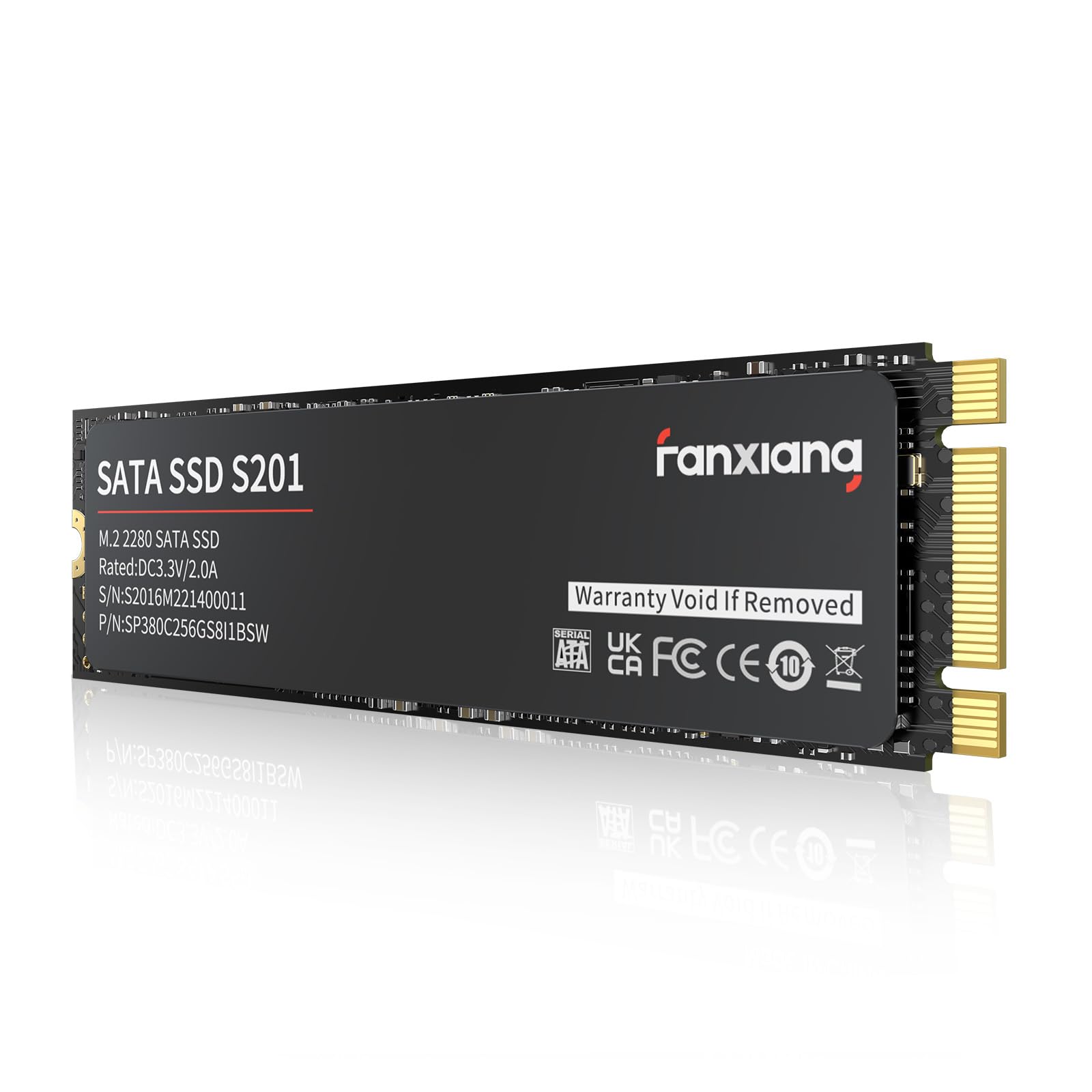
The budget SATA swap that brings an 8-10 second boot to machines that only take M.2 SATA.
The fanxiang S201 is a pure SATA drive, and the brand is upfront about it in bold letters: this is M.2 SATA (AHCI), not NVMe, and it will not work in NVMe-only slots. If your laptop is older and only accepts SATA M.2, this is the budget-friendly option that gets you a reliable OS drive with read speeds up to 550 MB/s and writes up to 460 MB/s.
Buyers report boot times of 8-10 seconds after installation, a huge improvement over a corrupted or slow hard drive, and the drive detects right away on most systems. It uses 3D NAND TLC chips rated for a lifespan of up to 300TBW, which is solid endurance for this price tier, and the package includes the mounting screw and a screwdriver.
The catch is that reliability and compatibility both get mixed feedback — some owners say it works perfectly while others report it won’t initialize or their computer won’t recognize it. Many of these issues trace back to buying the wrong protocol for the slot, so triple-check that your motherboard supports M.2 SATA before ordering. It also runs warm, so a heatsink is a good idea if you’re using it in an enclosure.
Budget-friendly pick: gets you a fast-enough boot drive at a low price if your slot is SATA-only.
Compatibility warning: the mixed reviews cluster around people who bought it for the wrong slot — verify your motherboard first.
8. Emtec X250 Power Plus 256GB SATA SSD

A no-frills SATA drive that makes startup and shutdown feel instant and silent.
The Emtec X250 Power Plus is built around one promise: improve your computer’s startup and shutdown phases, plus make resource-heavy applications like games respond faster. It reads at 520 MB/s and writes at 500 MB/s, right at the practical limit of SATA III, and it’s quieter and more shock-resistant than a classic hard drive thanks to having no moving parts.
Owners who popped it into a mini PC with an open slot report boot times that are much faster than the previous boot drive and program load times that feel “blazing fast.” One buyer uses it for a Raspberry Pi (a tiny, low-cost computer) and confirms there’s plenty of storage for that kind of build, so it’s a flexible little drive for small projects too. If you’re building a compact system, this one adapts well.
The honest downside: the package includes only the SSD itself, with no specs sheet or instructions, so it’s better suited to someone comfortable with a little research. It’s listed primarily for laptops, and the value proposition is straightforward — a dependable speed bump at a modest price, without any NVMe-level fireworks.
Best for: mini PCs, Raspberry Pi builds, and quiet SATA upgrades where you want a solid, cheap speed boost.
Not for: anyone who needs NVMe speeds or expects detailed documentation in the box.
9. Transcend MTS830 256GB SATA SSD

The SATA drive with a DRAM cache that keeps performance steady when cheaper drives stutter.
The Transcend MTS830 brings one feature most budget SATA drives skip: a DDR3 DRAM cache that stores a temporary copy of your most active data to shorten access times. That translates to smoother, more consistent performance during heavy multitasking, and it reads at 560 MB/s with writes at 520 MB/s — right at the top of the SATA III ceiling.
Reliability is the thing that wins people over here, with buyers reporting their computers were “back up and running in minutes” after installation and noting it’s a perfect replacement for a defective drive. It’s compatible with a broad range of machines including a Mac mini, and it uses 3D TLC NAND flash with LDPC error correction to keep data from corrupting during transfers. One owner runs two of these in a Synology NAS as a read/write cache with zero issues over two weeks.
The trade-off is heat: this is a double-sided drive that runs notably warm, idling around 60°C and hitting 80-84°C during sustained copies in a fanless mini PC — a small copper heatsink dropped it to 64-71°C in testing. Transfer speed also gets mixed feedback, which is expected for a SATA drive when NVMe options are on the table. It’s built for space-constrained devices like ultrabooks and laptops, and the B+M key design means broad slot compatibility.
What stands out
- Reliability is the most-praised aspect, with owners trusting it as a replacement drive
- DDR3 DRAM cache keeps performance steady under load
- Works in NAS setups, Mac minis, and Raspberry Pi builds
What to plan for
- Runs hot in fanless cases — budget for a heatsink if that’s your setup
- SATA speeds cap at 560 MB/s, so it can’t match NVMe throughput
Pick this for: maximum SATA reliability with the DRAM cache advantage, especially in NAS or always-on builds.
Pass if: you want the highest possible speeds, because the DRAM cache doesn’t overcome SATA’s interface limit.
Understanding the Specs
NVMe vs SATA — the interface question
Your M.2 slot speaks one of two languages. NVMe drives talk directly to your CPU over the PCIe bus, hitting read speeds of 1400 to 3000 MB/s. SATA drives use an older protocol capped around 550 MB/s. Most newer laptops and desktops accept NVMe, but many older machines only take SATA. Check your motherboard specs before buying, because a SATA drive won’t work in an NVMe-only slot and vice versa.
Why read speed beats the marketing numbers
Read speed determines how fast your OS boots, how quickly games load, and how snappy programs feel. Write speed matters most when copying large files, which is a less frequent task. A drive that reads at 1400 MB/s feels dramatically faster than a 550 MB/s SATA drive for everyday use, even though both are “fast.” Look at the read number first, then let write speed break ties.
Endurance and TBW ratings
The TBW (terabytes written) rating tells you how much data you can write to the drive before it’s expected to wear out. A 128TBW drive like the Timetec is fine for a boot drive, while a 300TBW rating like the fanxiang offers more headroom for heavy use. Higher is better, but for a 256GB boot drive, even the lower ratings will last most people several years.
Form factor and physical fit
Every drive in this guide is M.2 2280, meaning 22mm wide and 80mm long—the most common size for laptops and desktops. Before buying, make sure your laptop has an open M.2 slot and that it’s the 2280 length, not a shorter 2230 (which is 22mm wide and 30mm long). Some drives are double-sided (chips on both sides), which can cause fit issues in ultra-thin laptops with no clearance under the slot—so measure your space if you’re unsure.
Heat management matters in thin laptops
Fast drives generate heat, and thin laptops have almost no airflow to carry it away. Some drives include a graphene cooling sticker already attached, which helps spread heat across the stick. In fanless mini PCs, owners regularly report idle temps of 60°C and sustained loads reaching 80°C — a small copper heatsink can drop that by 10 degrees or more. If your machine is tightly packed, plan for cooling.
SLC cache and why it affects real speed
Many drives use a small portion of fast SLC cache to handle quick bursts of writes, then slow down once it’s full. This is why a drive’s advertised speed and its sustained real-world speed can differ. For booting and everyday tasks, this burst speed is what you feel. For large continuous writes like video editing, the cache runs out and speeds drop — so consider what you’ll actually do with the drive.
FAQ
How do I know if my laptop takes NVMe or SATA M.2 drives?
Will a 256GB M.2 SSD work in my PS5 or PS4?
Why does my 256GB drive only show about 238GB of usable space?
Can I use an external enclosure to turn an M.2 SSD into a portable drive?
How long will a 256GB M.2 SSD last?
What’s the difference between TLC and QLC flash memory?
Do I need a heatsink for my M.2 SSD?
Is SATA M.2 faster than a regular 2.5-inch SATA SSD?
What does the DRAM cache on the Transcend MTS830 actually do?
Final Thoughts: The Verdict
If you want one dependable pick, the 256 gb m.2 ssd winner is the Ediloca EN600 PRO because it delivers reliable NVMe speed with a graphene cooling sticker, mounting screw, and screwdriver included—everything a first-time installer needs in one box. If you want maximum speed at any cost, grab the Vansuny with its 2800 MB/s reads, or the RONGSHU at 3000 MB/s. And if your machine is SATA-only, the Timetec is the value pick that brings a 1.5-million-hour reliability rating to older hardware—so you get a dependable upgrade without changing your motherboard.
How We Picked
We do not accept paid placement. Every pick is matched to a real buyer and a real use-case; we do not hands-on test units.
Sources & Methodology
Specifications: manufacturer listings and product documentation. Review insights: verified customer reviews, as of July 2026. Pricing: not shown on this page (it changes often); check the current price via the retailer link.
As an Amazon Associate, Gadgets Feed earns from qualifying purchases. This does not affect which products we feature.