
A 3/4 mountain bike helmet bridges the gap between a lightweight half-shell and a full-face, giving you extended coverage around the ears and the back of the skull without the weight penalty of a chin bar. On technical descents and flowy singletrack, that extra protection can mean the difference between a close call and a trip to the ER, especially when you catch an overhanging branch or take a sideways tumble on loose gravel.
I’m Min — the co-founder and writer behind Gadgets Feed. This guide comes from hundreds of hours spent analyzing impact certifications, ventilation channel designs, and retention system mechanisms across the most popular trail-ready helmets on the market.
After evaluating everything from MIPS integration to shell construction and real-world rider feedback, these picks represent the safest and most functional options in the 3/4 mountain bike helmet category for this season.
How To Choose The Best 3/4 Mountain Bike Helmet
Selecting a trail helmet with extended coverage means balancing protection with ventilation and weight. You need a shell that drops low enough to shield your occipital lobe without turning your head into a sauna on long climbs.
Impact Protection Systems
MIPS remains the most widely adopted rotational-force management system, using a low-friction inner layer that allows the helmet to slide slightly on angled impacts. Some premium models now layer Koroyd — a honeycomb-like material that crumples to absorb energy — on top of MIPS for dual-layer protection. Do not settle for a helmet without at least one of these technologies on technical terrain.
Ventilation and Channel Design
A 3/4 shell inherently covers more surface area, so active venting becomes critical. Look for deep internal channels that pull air in through the front vents and push it out through the rear exhaust ports. Helmets that rely on shallow dimples rather than routed channels will bake you on sustained climbs.
Retention and Fit Adjustability
A fine-tooth ratcheting dial like Giro’s Roc Loc 5 lets you dial in tension and fore-aft tilt with one hand while riding. Cheaper systems use coarse clicks that leave you either too loose or clamping your temples. The best retention systems also integrate the MIPS layer into a single compact unit, saving weight and reducing the total stack height.
Quick Comparison
On smaller screens, swipe sideways to see the full table.
| Model | Category | Best For | Key Spec | Amazon |
|---|---|---|---|---|
| Giro Radix MIPS | Mid-Range | Best Overall Trail Helmet | Roc Loc 5 fit system | Amazon |
| POC Tectal Race MIPS | Premium | All-Mountain and Enduro | Aramid bridge reinforcement | Amazon |
| Smith Engage MIPS | Premium | Zonal Koroyd Protection | Koroyd honeycomb core | Amazon |
| Fox Racing Mainframe MIPS | Mid-Range | Proven MIPS at Fair Price | Channeled in-mold EPS | Amazon |
| Fox Racing V Core MIPS | Premium | Motocross / Aggressive Trail | DOT + ECE22.06 certified | Amazon |
| Giro Register II MIPS | Budget | Entry-Level MIPS Value | 280g actual weight | Amazon |
| Wildhorn Corvair | Budget | Budget-Friendly Trail Helm | 11.3 oz total weight | Amazon |
In‑Depth Reviews
1. Giro Radix MIPS Adult Dirt Bike Helmet
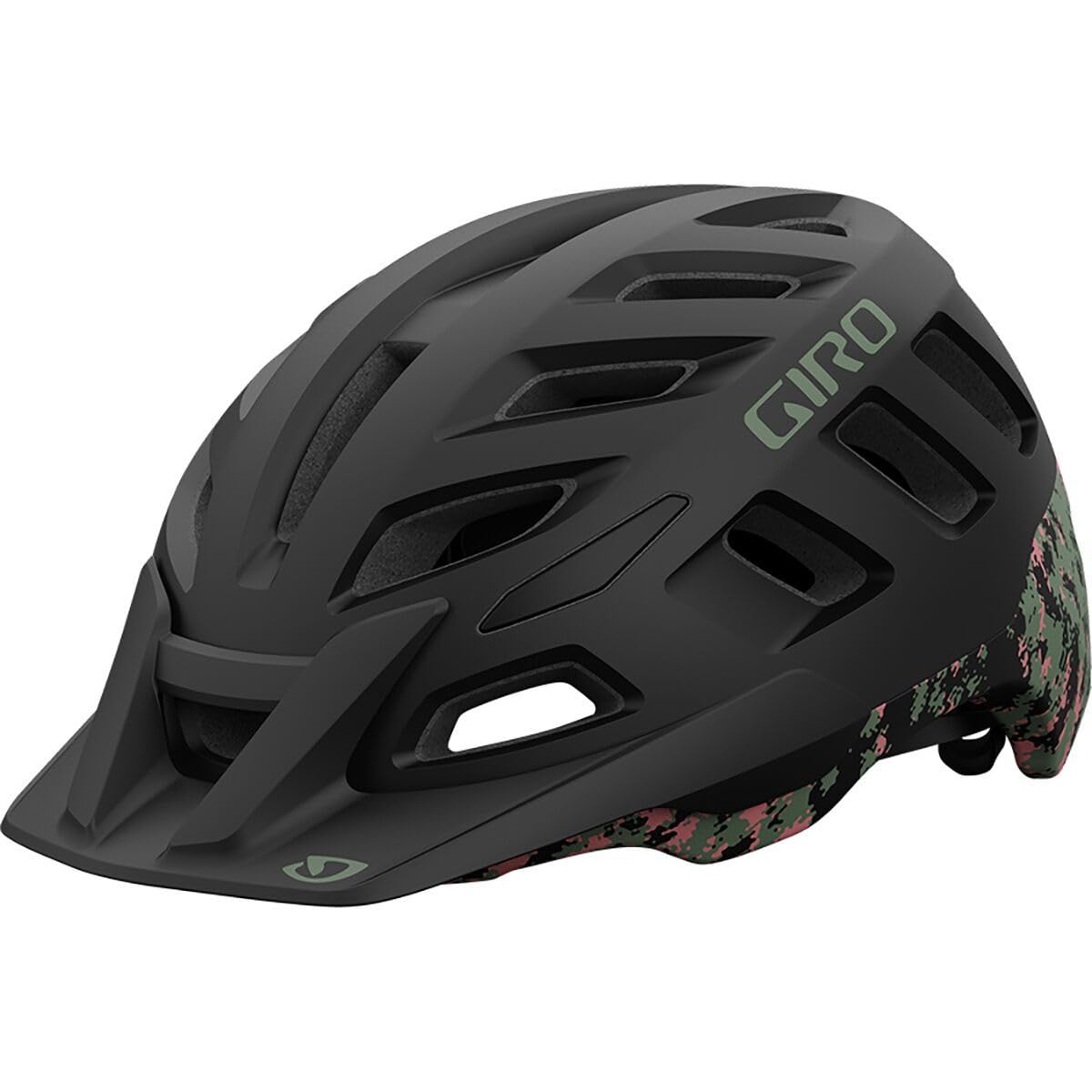
The Giro Radix MIPS hits the sweet spot of the mid-range market by pairing a hardshell-with-in-mold Hardbody lower wrap with the integrated MIPS system and the premium Roc Loc 5 retention dial. That dial gives you micro-adjustable tension and fore-aft tilt, which means you can dial out pressure points even when wearing a skull cap or bandanna underneath. The P.O.V. visor moves through indexed positions including a high goggle-stow angle, a feature typically reserved for helmets costing significantly more.
Wind Tunnel ventilation pushes cool air through the front intakes and exhausts heat out the rear ports, keeping head temperatures manageable on sustained climbs. Deep coverage around the temples and occipital area gives you the 3/4 protection profile without the bulk of a motocross shell. Riders with a 23.5-inch head circumference report a secure fit with enough room for a thin bandanna, and the Y-connector straps sit flat against the ears rather than pinching.
One design trade-off is the lack of built-in goggle guides — some buyers have used zip ties to create retention loops for goggles or headlamps. The visor is also designed to flip up for headlamp mounting rather than detach completely. Overall, the Radix delivers the most refined retention and ventilation package in its class.
Why it’s great
- One-handed Roc Loc 5 adjustment with tilt control
- Indexed visor with goggle-stow position
- Deep temple and rear coverage at a moderate weight
Good to know
- No built-in goggle or headlamp retention guides
- Visor attachment lacks pins for added stability
2. POC Tectal Race MIPS Mountain Bike Helmet

The POC Tectal Race MIPS is built for the all-mountain rider who wants maximum structural integrity. Its unibody polycarbonate shell wraps a reinforced EPS liner that contains aramid bridge connections — a detail borrowed from motorsport that helps the liner stay intact during multiple-impact crashes. The MIPS system is integrated into the 360-degree adjustment cradle, keeping the slip plane low-profile and reducing the total weight to just over 0.37 kilograms for the small/medium shell.
Coverage extends noticeably lower around the temples and the back of the head compared to standard trail helmets, which is exactly what you want for enduro-style riding where rock strikes are a real possibility. The adjustable peak lifts high enough to stash goggles underneath, and the vent channels are deep enough to keep airflow moving at slower technical speeds. Multiple reviewers describe this as the most comfortable fit they have tried after testing five or six other models.
The snap-style chin clasp is functional but magnetically operated buckles are becoming more common at this price point, so the absence is worth noting. Sweat management is good but not class-leading — the moisture-wicking pads could be thicker. Still, for coverage and crash-energy management at the premium tier, the Tectal Race is a benchmark design.
Why it’s great
- Aramid bridge reinforcement for multi-impact retention
- Extended temple and occipital coverage
- Lightweight unibody construction at 0.37 kg
Good to know
- Snap buckle instead of magnetic Fidlock
- Interior pads could wick moisture more aggressively
3. Smith Engage MIPS Cycling Helmet
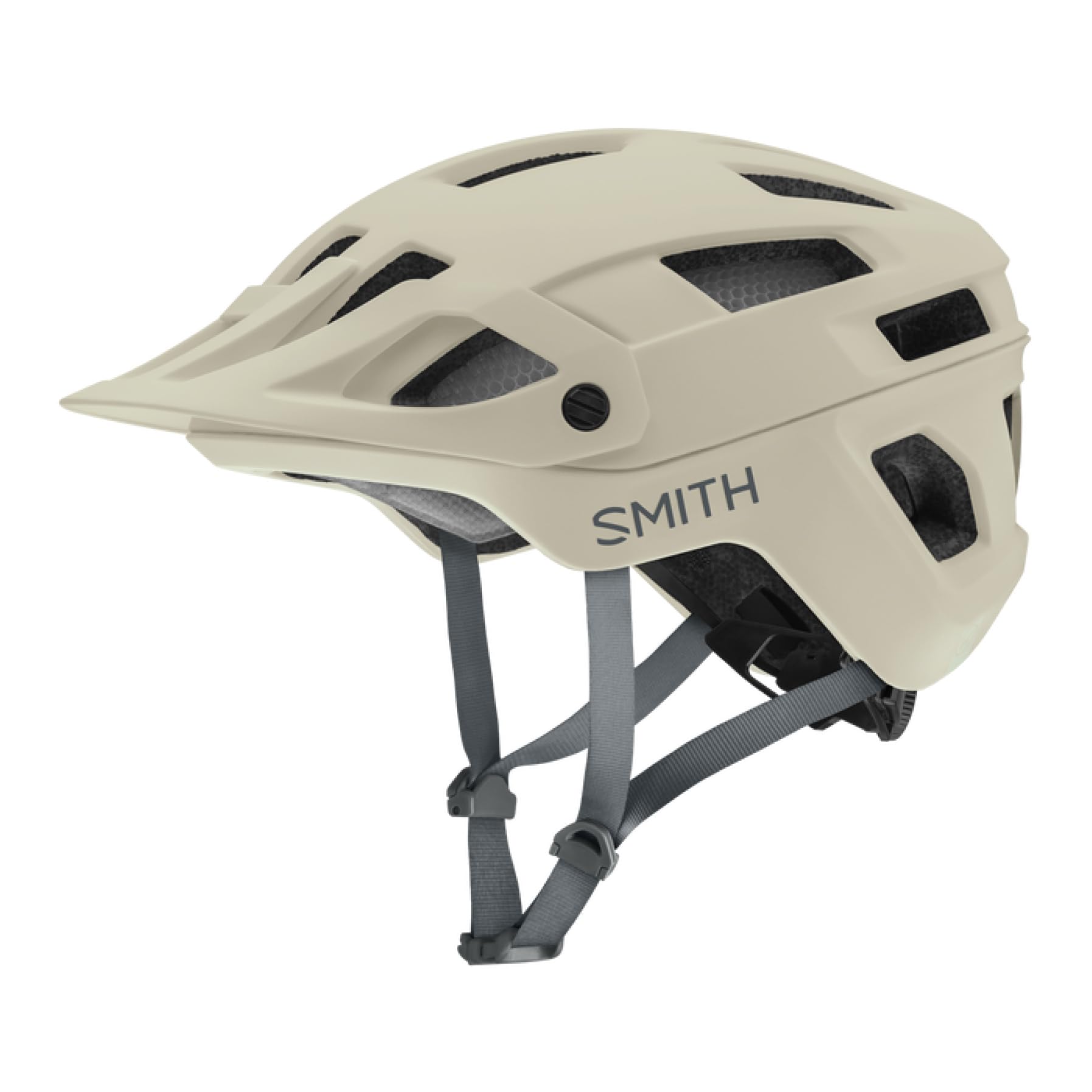
The Smith Engage MIPS stands out by combining a MIPS rotational management layer with Koroyd — a welded-tube honeycomb material that provides energy-absorbing crumple zones without blocking airflow. While Koroyd has been used in Smith’s ski helmets for years, its application here in a mountain bike trail helmet is relatively new. The zonal Koroyd coverage sits in the impact-critical zones rather than covering the entire liner, keeping weight down while still improving impact absorption above standard EPS alone.
Integration with Smith performance eyewear is a deliberate design touch — the rear of the helmet scoops inward to accommodate goggle straps, and the adjustable visor has a neutral position that sits flush with the frame of most sunglasses. The 3/4 coverage drops low on the back of the skull, which testers say eliminates the mushroom-head look they hated on rounder helmet shapes. Ventilation is excellent even on humid 85-degree days, aided by large front intakes and deep channeling through the Koroyd section.
One quirk: the buckle system can be finicky to fasten one-handed, and the clampless strap adjusters require a bit of fiddling if you swap between thin and thick eyewear frequently. A handful of riders report the helmet slides forward slightly on rough terrain when not wearing glasses, though the ratcheting dial helps compensate. For riders who prioritize a low-profile, deep-coverage fit and dual-layer protection, the Engage is a compelling premium option.
Why it’s great
- Zonal Koroyd + MIPS dual-layer impact protection
- Deep rear coverage with a sleek, low profile
- Excellent eyewear integration for goggles and shades
Good to know
- Buckle can be difficult to fasten one-handed
- May shift forward on rough terrain without eyewear
4. Fox Racing Mainframe Mountain Bike Helmet
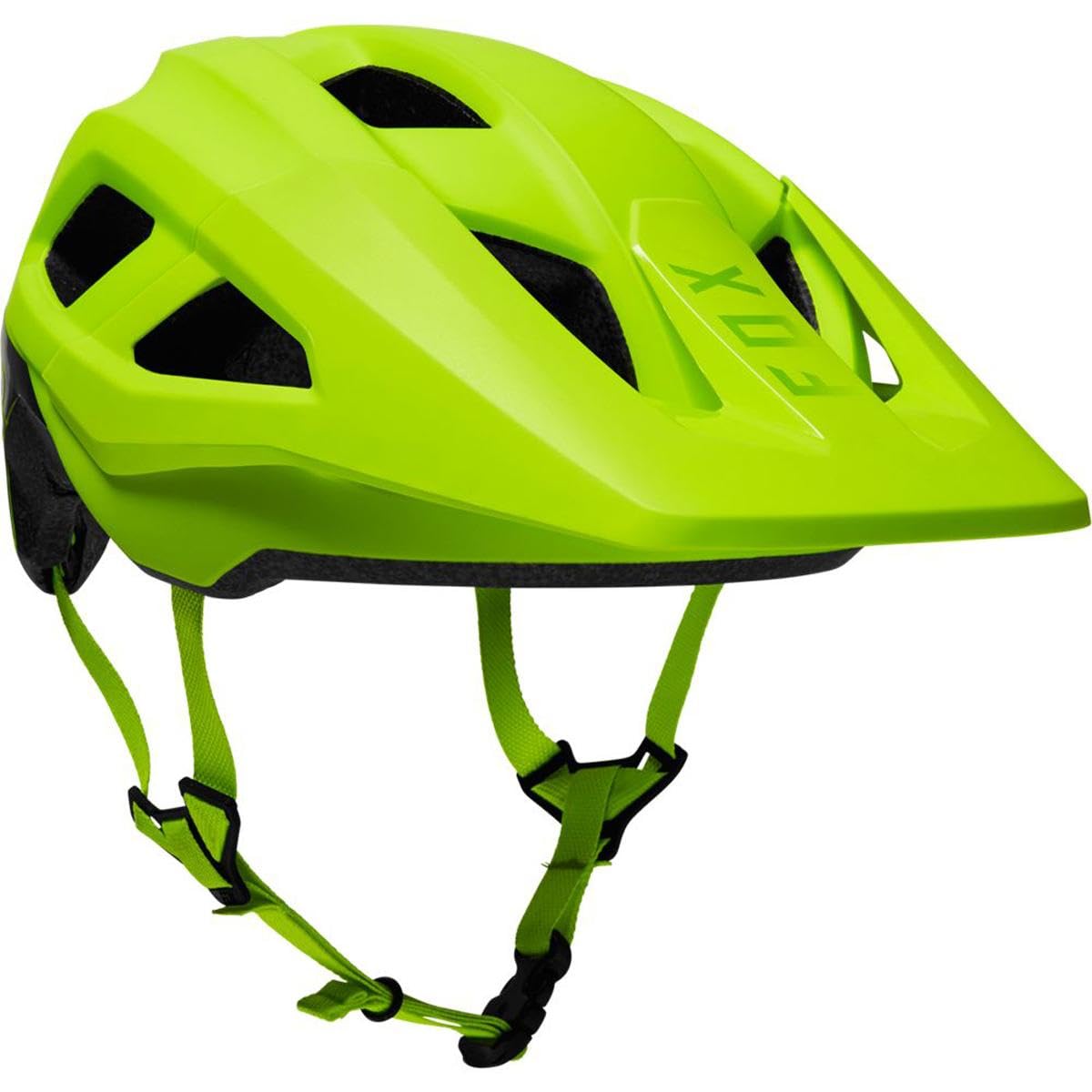
Fox Racing’s Mainframe MIPS is a no-nonsense mid-range helmet that nails the fundamentals: a proven rotational-impact MIPS layer, extended in-mold EPS coverage that wraps lower around the temporal region, and optimized venting that channels airflow through the front intake and out the rear exhaust. The fit system integrates the MIPS slip plane directly into the retention cradle, which reduces the number of plastic points pressing into your skull and improves comfort compared to add-on MIPS implementations.
The removable, washable moisture-wicking liner is a practical detail for riders who hit the trail multiple times a week — you can rinse the sweat out without soaking the EPS foam. At around 1.5 pounds, it is not the lightest option on this list, but the weight distribution is balanced so it does not feel top-heavy in a tuck position. Riders with larger head shapes appreciate that the Mainframe runs true to Fox’s sizing without excessive side pressure.
The only significant compromise is the lack of an adjustable visor with indexed positions. The Mainframe visor is fixed, which means you cannot tilt it up to store goggles under the peak. If you run glasses rather than goggles, this is a non-issue, but for dedicated trail riders who swap eyewear mid-ride, the fixed angle can feel limiting. For the price, however, the Mainframe delivers high-end MIPS protection with a quality liner that punches above its tier.
Why it’s great
- Integrated MIPS cradle reduces pressure points
- Removable, washable moisture-wicking liner
- Balanced weight distribution for all-day wear
Good to know
- Visor is fixed with no tilt adjustment
- No goggle storage capability under the peak
5. Fox Racing V Core MIPS Motocross Helmet

The Fox Racing V Core MIPS is a motocross-weight helmet that brings DOT and ECE22.06 certifications to trail riders who want the most protection possible. The injection-molded polycarbonate and ABS shell uses four shell sizes and five EPS sizes to ensure the helmet does not look oversized on smaller riders. The MIPS system is standard, and the magnetic visor release system is a standout safety feature — the visor stays secure against roost and branches but detaches cleanly in a crash to reduce neck-twisting forces.
Ventilation is aggressive, with nine intake vents and four exhaust ports designed to handle the high speeds and sustained effort of motocross, which translates well to steep, fast mountain bike descents. The double-ring closure system is standard for moto helmets and provides a more secure strap retention than micro-ratchet buckles, though it requires a bit more effort to thread correctly. The interior pads are removable and washable, and multiple testers note the helmet is comfortable straight out of the box with no break-in period.
The key trade-off is weight. The V Core is heavier than any pure mountain bike trail helmet on this list, and the moto-style shell creates a larger visual profile that can feel hot on slow, technical climbs. If your riding is mostly shuttle-access, bike-park, or enduro-style with minimal climbing, the extra heft is a fair price for the certified impact protection. For riders who climb two hours for every descent, a traditional 3/4 MTB shell will serve you better.
Why it’s great
- DOT and ECE 22.06 certified for high-speed impacts
- Magnetic visor release reduces crash-induced neck strain
- Four shell sizes for proportional fit
Good to know
- Heavier than standard 3/4 MTB trail helmets
- Double-ring closure takes longer to fasten
6. Giro Register II MIPS
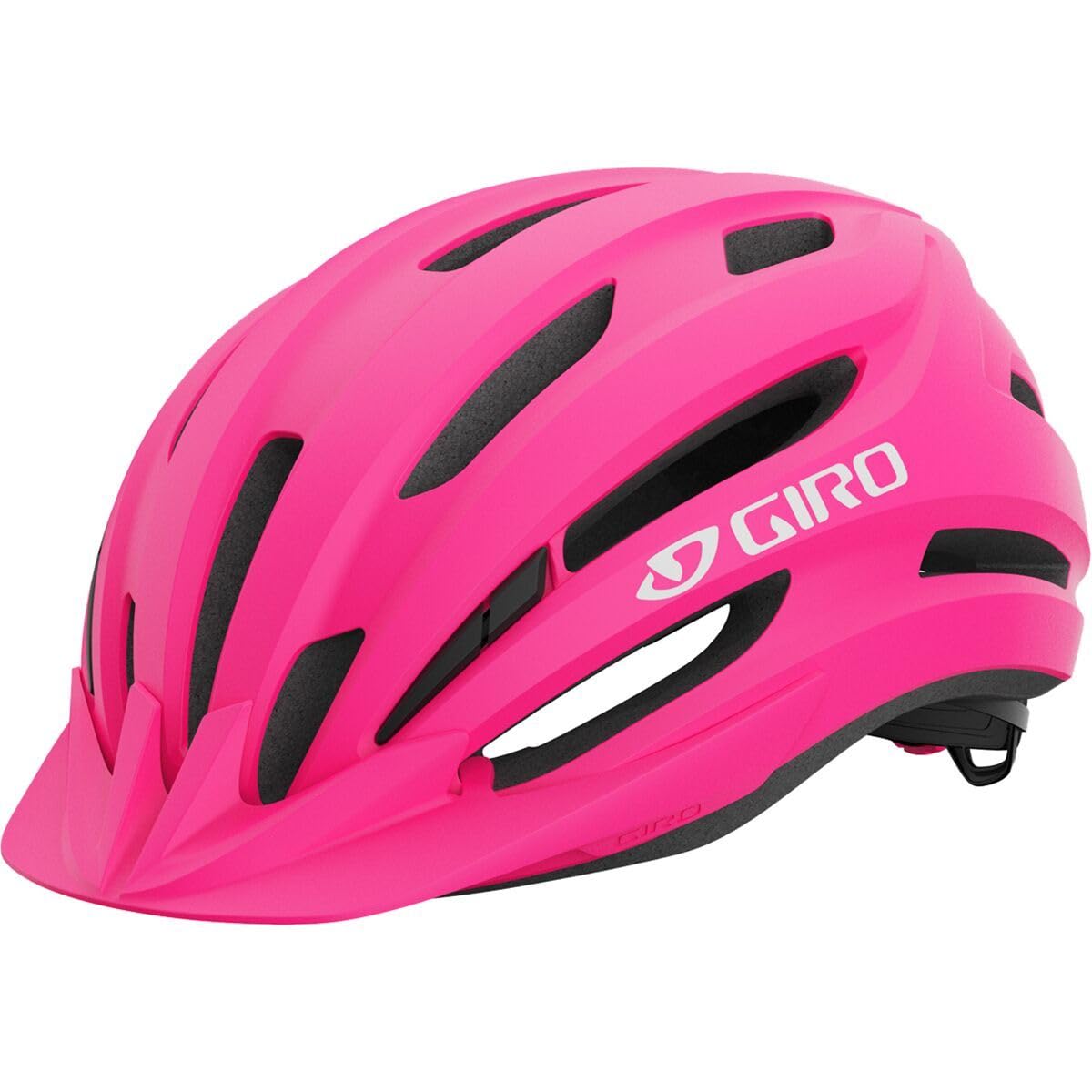
The Giro Register II MIPS proves that budget-friendly does not have to mean unprotected. At just 280 grams, it is lighter than many premium helmets and still includes the integrated MIPS rotational management system — a rarity at this tier. The two-piece hardshell construction fuses a polycarbonate lower wrap to the EPS liner, giving it the durability of a premium build without the premium price tag.
Ventilation is adequate for mild-to-moderate climates, with enough passive airflow to keep you comfortable on 70-85 degree rides. The Roc Loc adjustment dial offers tool-free fit tuning, though it uses a coarser click pattern than the Roc Loc 5 found on the Radix. The visor is present but lacks the indexed tilt adjustment that trail riders use to stow goggles — it basically sits flush and stays there.
The foam padding is thicker than expected at this price, and the helmet runs true to Giro’s Universal Fit sizing, which accommodates round and oval head shapes without excessive cradle adjustment. Where the Register II cuts corners is the plastic of the Roc Loc dial — a few reviewers note it feels fragile compared to Giro’s higher-end systems. For casual trail riders and commuters who want MIPS on a tight budget, the Register II is the smartest option on the shelf.
Why it’s great
- Incredibly light at 280 grams with MIPS
- In-mold Hardbody wrap for added durability
- Universal Fit sizing accommodates most head shapes
Good to know
- Roc Loc dial feels less robust than premium siblings
- Visor does not tilt up for goggle storage
7. Wildhorn Corvair Mountain Bike Helmet

The Wildhorn Corvair is an entry-level 3/4 mountain bike helmet that prioritizes lightweight comfort and style without the MIPS price premium. At 11.3 ounces, it is genuinely unobtrusive during long rides — several testers mention forgetting they are wearing it. The ABS outer shell and foam inner construction meet CPSC certification for cycling use, and the adjustable visor provides multiple tilt positions to block sun or temporarily stow eyewear.
The dial fit system is smooth and offers enough adjustment range to accommodate head circumferences from youth to large adult without excessive cradle overhang. The internal airflow channels are generously sized for this tier, keeping the rider noticeably cooler than magnetic-closure budget helmets from generic brands. The visor is a highlight: it stays put in a fixed position without wobbling, which is rare at this price point.
The main compromise is the absence of MIPS or any equivalent rotational impact management system. The EPS liner handles direct linear impacts well, but oblique-angle crashes — common on loose gravel and rooty trails — transfer more rotational force to the brain than MIPS-equipped alternatives. The chin strap clasp also feels a bit loose on some units. For neighborhood trails, gravel paths, and recreational mountain biking, the Corvair delivers comfort and coverage at a very approachable investment.
Why it’s great
- Extremely lightweight at 11.3 ounces
- Multi-position visor stays firm without wobble
- Smooth dial fit system with wide range
Good to know
- No MIPS or rotational impact protection
- Chin strap clasp can feel loose
FAQ
Is a 3/4 mountain bike helmet safe enough for downhill riding?
Do I need MIPS in a trail helmet?
Final Thoughts: The Verdict
For most riders, the 3/4 mountain bike helmet winner is the Giro Radix MIPS because it delivers the premium Roc Loc 5 fit system, deep coverage, and efficient Wind Tunnel ventilation at a mid-range price that does not require compromises. If you want dual-layer impact protection with Koroyd, grab the Smith Engage MIPS. And for the highest available certification on aggressive descents, nothing beats the Fox Racing V Core MIPS.