
Our readers keep the lights on and my morning glass full of iced black tea. As an Amazon Associate, I earn from qualifying purchases.
Specs are compiled from manufacturer listings and verified buyer reviews and can change over time — please confirm the key details on the product page before buying.
Finding a 3-person tent that actually fits three adults (plus gear) and survives a surprise downpour is harder than it looks. Many tents labeled “3-person” are really a cozy fit for two, so you need to read floor dimensions, not just the tag on the box. This guide breaks down nine of the best options, focusing on waterproofing, setup speed, weight, and real-world space to help you pick the one that matches your camping style.
I’m Min — the founder and writer behind Gadgets Feed. This guide is built by comparing the manufacturers’ published specifications and the patterns across verified customer reviews, so you get each pick’s real strengths and trade-offs instead of marketing spin.
Whether you’re car camping with the family or backpacking to a remote site, the best 3 person camping tent is the one that balances your need for headroom, weather protection, and easy packing.
Our Picks at a Glance


How To Choose The Best 3 Person Camping Tent
Before you buy, ask yourself one question: are you driving to a campsite, or hiking miles with this on your back? That single answer dictates whether you prioritize a palace of a tent or a featherlight shelter. Regardless of the answer, you’ll want to know a few key specs to avoid a soggy, cramped night.
Match the Floor Space to Your Real Group
Manufacturers rate tents by the number of sleeping pads that fit side-by-side, not by comfort for actual humans. A 3-person tent usually provides roughly 50-60 square feet of floor area, which is great for two adults plus gear, but often tight for three larger campers. Check the floor length and width in inches, and consider if you want extra room for bags inside or are fine storing them in a vestibule (a covered area outside the sleeping quarters).
Waterproofing Means More Than a Coating
When the data says “PU2000mm,” that’s a measure of the water pressure the fabric can hold before leaking—higher numbers like PU3000mm or PU5000mm signal better resistance to heavy rain. But the coating is only half the story; factory-sealed seams (taped or welded to stop water sneaking through needle holes) and a full-coverage rainfly (a waterproof outer layer) are what truly keep you dry. A bathtub-style floor, where the floor curves up at the edges, adds another layer of splash protection.
Weigh the Balance of Poles, Doors, and Portability
For backpackers, aluminum poles (lighter and stronger than fiberglass) mean you carry less weight without sacrificing stability. Setup speed depends on pole design: a simple two-pole X-cross pitches fast, while poles pre-attached to the tent body can cut setup time drastically. Count the doors too—a tent with two doors lets two people exit without climbing over each other, a real plus for middle-of-the-night bathroom runs.
Quick Comparison
| Model | Best For | Setup Time | Floor Size | Weight | Amazon |
|---|---|---|---|---|---|
| Coleman Sundome★ Best Overall | Budget-friendly car camping | 10 minutes | 49 sq ft | — | Amazon |
| JELUCAMP DomeCompact Pick | Quick weekend getaways | 5 minutes | 81.9″ W | — | Amazon |
| Underwood AggregatorBackpacking Budget | Backpacking on a budget | Minutes | 86.6 x 74.8″ | 6.4 lbs | Amazon |
| Bessport Dome | Family car camping | Fast (90-sec for 2) | 88.4 x 72.7″ | 7.16 lbs | Amazon |
| Naturehike Cloud River | Cycling & backpacking | 5 minutes | 86.6 x 70.9″ | 6.8 lbs | Amazon |
| Naturehike Cloud Up | Ultralight minimalist hikers | 5 minutes | 84.6 x 70.8″ | 4.9 lbs | Amazon |
| Coleman Skydome | Car campers wanting headroom | Under 5 minutes | 56 sq ft | — | Amazon |
| Naturehike Mongar Up | Backpacking with extra gear | 3-10 minutes | 86.6 x 72.8″ | 7.5 lbs | Amazon |
| ALPS Lynx 3 | Serious weather protection | Quick-clip poles | 52 sq ft | 6 lbs 8 oz | Amazon |
In-Depth Reviews
1. Coleman Sundome Camping Tent with Rainfly
Our pick — over 4.5★ from 23,000+ verified ratings; the strongest balance of quality and price.
The crowd-favorite dome that proves a reliable shelter doesn’t need to be complicated or costly.
For a family or couple who car-camps a few weekends a year, this is the classic pick that wins on sheer dependability. The 49-square-foot floor fits one queen-size airbed, and the 7-by-10-foot layout gives you breathing room for gear. Setup is genuinely fast thanks to snag-free continuous pole sleeves and Insta-Clip attachments, getting you from trunk to camp in about 10 minutes.
What wins people over is the build quality—it’s the most-praised feature here by a wide margin. The WeatherTec system uses patented welded corners and inverted seams to keep water out, and the large windows plus ground vent push warm air up and out in summer. One tale sums up its reputation: One owner’s shelter has logged over 50 nights in snow, storms, and sub-freezing temps without a single leak. despite only using a partial rainfly.
The honest trade-offs: this is not a tent for extreme conditions or backpacking trips. The rain fly can be slightly annoying to attach, the floor feels thin underfoot, and a 6’1″ camper finds it roomier than expected but will want to watch their head since you cannot stand up inside. For its purpose—a budget-friendly basecamp for fair-weather trips—it’s tough to beat, and the value is the whole story.
value seekers: you want a proven, affordable dome for car camping, festivals, or backyard sleepovers where easy setup and dry nights matter most.
backpackers: you plan to backpack with it—the weight and packed size make it a poor hiking companion.
2. JELUCAMP 2/4 Person Dome Tent
A lightweight dome that sets up in 5 minutes and refuses to weigh down your weekend pack.
This is a great shout for a solo camper or a duo who wants a bit of bonus room for gear. The 93.6-inch-long, 81.9-inch-wide footprint offers real space for one person plus all their kit, and the dual-zipper D-shaped doors let you climb in and out without a struggle. At just a 5-minute setup, it’s about twice as fast to pitch as the Coleman above, which makes a real difference when you roll into camp late.
The thing everyone raves about is the sheer size for the money—the most-cited positive by far—and the dual mesh panels keep airflow moving in hot, humid weather. The detachable rainfly carries a PU3000mm waterproof rating (a measure of the water pressure the fabric resists before leaking), which is solidly capable of shrugging off a heavy downpour.
Water resistance is a mixed bag in practice. Some buyers report staying dry and call it “very big for what I needed,” but others note wind-driven rain can sneak in under the smaller fly, and the floor isn’t the toughest—so a footprint tarp (a protective ground sheet) is wise. True to its price point, it’s a light rain shelter, not a storm fortress—great value, but know its limits.
solo campers: light on the back, fast to pitch, and priced so well you won’t stress about wear and tear.
families: you’re expecting a true 3-adult shelter or need bombproof protection in exposed, windy spots.
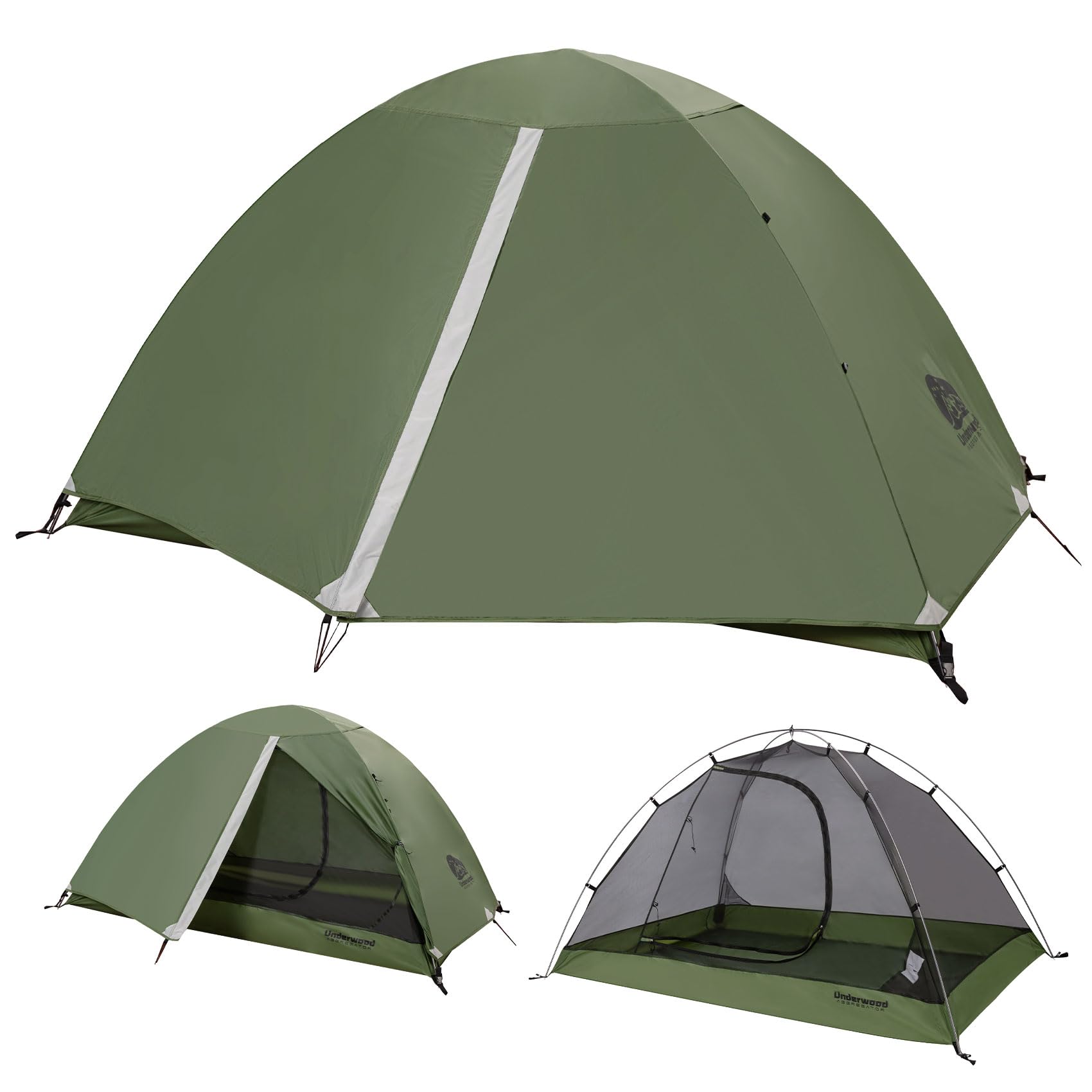
3. Underwood Aggregator Lightweight Backpacking Tent
A freestanding dome that slips onto your back at 6.4 pounds without emptying your wallet.
If you’re a backpacker on a budget, this one earns its place with a standout spec: a PU5000mm rainfly coating. That’s a higher water-resistance rating than most tents in this price range, giving you serious confidence when the sky opens up. The 86.6 x 74.8-inch floor folds down to a tiny 16.54 x 6.3 x 6.3-inch pack, making it a true pack-friendly companion for hiking and cycling trips.
Beyond the specs, the build quality is what owners highlight most. The freestanding two-aluminum-pole design pitches in minutes, and the breathable mesh inner tent fights condensation buildup so you don’t wake up in a stuffy, damp sauna. A D-shaped door makes entry easy, and it comes with a full kit including stakes and ropes. It’s held up well in light wind and rain, which is exactly what a fair-weather backpacker needs.
Be honest about sizing. Like most lightweight tents, it fits one person comfortably with gear, and two is a squeeze—one owner called it “a great 2 person tent.” The compact footprint helps you squeeze into tight campsites, but you get less internal room to sprawl. For solo trips or a small person plus gear, it’s an outstanding value that packs down smaller than most.
Featherlight shelter
- High PU5000mm waterproofing for serious rain
- Packs down to just 16.54 x 6.3 x 6.3 inches
- Freestanding dome sets up in minutes
Tight quarters
- Labeled 3-person but truly fits one plus gear
- Interior is snug for two adults
ultralight hikers: solo backpacking trips where light weight and rain protection are non-negotiables.
spacious lovers: you need a true three-sleeper dome—this is built for minimalists, not groups.
4. Bessport Camping Tent for 2-3 Person

A double-wall dome with two real doors and vestibules, giving a family true space to spread out.
Families and small groups, this is your tent. The Bessport is built around a generous interior that measures 88.4 x 72.7 inches with two D-shaped doors and two vestibules (covered areas for storing gear outside the sleeping area). The dual-door layout lets two people enter and exit independently, each with a private vestibule for gear.
The quality and easy setup are the twin pillars of its reputation, with owners praising how fast it assembles. The single aluminum pole and clip structure means no frustrating pole threading, and the welded, smooth 2-way zippers rarely snag. An 8.5mm aluminum pole frame plus four guylines (the ropes that anchor it against wind) make it a stronger, more wind-responsive shelter than its price suggests, holding up in gusty conditions.
Water resistance is handled by fully taped seams and a waterproof rating over 3000mm, so the rain stays out. The trade-off is weight—at 7.16 pounds, it’s not the lightest, but it packs well and suits car camping or shorter hikes. Owners mention condensation can build during long, wet stretches and the zippers occasionally need a guiding hand, but for a family basecamp, the space and layout make it a winner.
car campers: family car camping trips where two doors, vestibule storage, and wind stability outrank absolute minimum weight.
weight watchers: you’re a gram-counting backpacker—7.16 lbs is too heavy for long trails.
5. Naturehike Cloud River 2/3 Person Tent
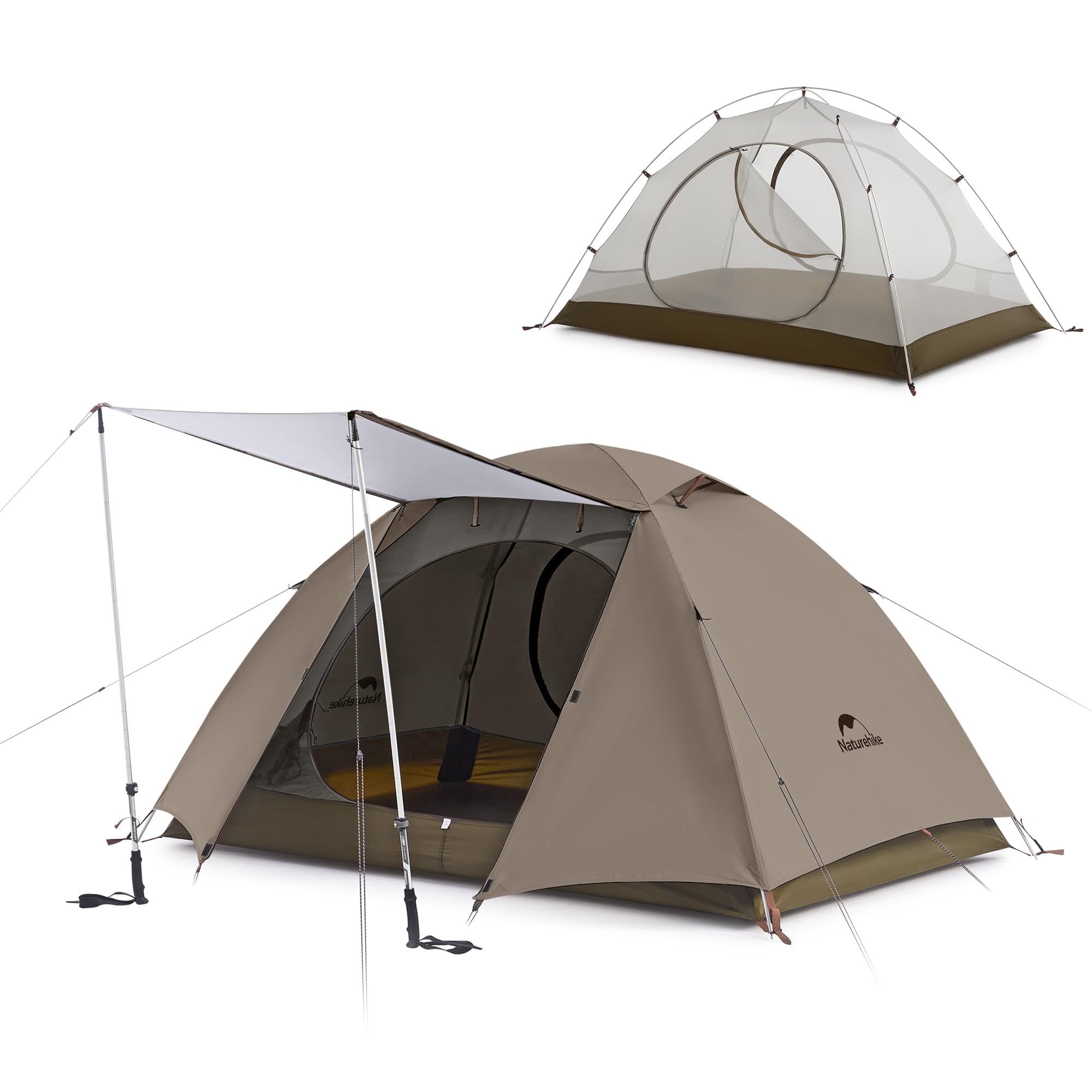
A double-layer dome where the entire inner is mesh, so you can stargaze or cool off fast.
Campers who love a breeze and a view will click with this one immediately. The Cloud River’s defining feature is its all-mesh inner tent, which means exceptional airflow in hot climates and the ability to remove the fly entirely for 360-degree stargazing. It’s a versatile trick that few tents at this level offer, and it makes bug-proof sleeping without the fly a real option on clear nights.
The 86.6 x 70.9-inch footprint stands 49.2 inches tall—higher than typical backpacking tents—so you get real headroom to sit up and change. At about 6.8 pounds, it’s a fair middle-ground weight, and the packed size of 20.5 x 6.3 x 6.3 inches slides neatly onto a bike rack or into a pack. The X-cross structure with 7001 aluminum alloy poles is genuinely strong, and setup takes around 5 minutes.
Where it protects, it protects well: the 210T polyester with silver coating blocks up to 99% of harmful UV rays, and the 2000mm waterproof rating (the height of water column it can withstand) handles steady rain. Customers note staying dry through heavy Florida storms and praise the ventilation. The recurring note is the floor feels thin, so a protective tarp underneath is a smart add, and the color runs greener than the photos suggest. For cyclists and fair-weather hikers, the airflow and views are tough to top.
hikers: two people plus gear who camp in warm weather and want great airflow with the option of open-air stargazing.
humid climates: extreme winter or storm camping—the thin floor and 2000mm rating demand a tarp and careful site choice.
6. Naturehike Cloud Up 3-Person Backpacking Tent

A featherweight 4.9-pound dome that proves minimalist tents don’t have to feel cheap.
For the ultralight backpacker counting every ounce, this is the standout. At just 4.9 pounds, it’s over two pounds lighter than some mid-range options in this list, and that weight saving is exactly what your legs will thank you for on a long ascent. It’s a firm favorite for shorter backpacking hikes where you still want a proper 3-person layout—the 84.6 x 70.8-inch floor and full-coverage rainfly set it apart from lighter, bivy-style shelters.
The build quality punches well above its weight class. Smooth, reliable YKK dual zippers (the same brand trusted on premium outdoor gear), mesh interior pockets, and durable rip-stop fabric all speak to a tent designed to last. The polyester rainfly and bathtub floor carry a PU 4000 coating with factory-sealed seams, which keeps things bone-dry even in heavy downpours. Reviewers point out no condensation when vents are open and no leaks in serious rain.
You have to respect its limits, though. While rated for three, most owners agree it’s comfortable for two plus gear and a tight fit for three. The single door can make late-night exits awkward if you’re on the far side, and the thin floor means you’ll want a groundsheet on rough terrain. It survived a sandstorm with sandbag anchors, bending poles but holding—proof of surprising durability for such a light tent.
fair-weather trips: thru-hikes and minimalist trips where 4.9 pounds and a full rainfly beat extra interior space.
storm chasers: you need two doors or plan to regularly sleep three—this shines brightest for a duo or solo-plus-pup.
7. Coleman Skydome Camping Tent

The Skydome’s near-vertical walls provide 20% more headroom, allowing you to sit up and dress comfortably.
Cramped, sloped walls are the silent killer of tent comfort, and this Coleman solves it with a design tweak. The Skydome’s near-vertical walls provide 20% more headroom than standard domes, making it easier to change clothes or sit up inside. A 56-square-foot floor comfortably swallows one queen-size air bed, and the center height of 4 ft 8 in means a 6-foot camper can sit up without hunching.
Setup is the a neat extra here. The poles come pre-attached to the tent body, so you skip fumbling with separate pole sleeves—assembly takes under 5 minutes, and owners consistently call it “super simple.” Once up, the WeatherTec system’s welded corners and inverted seams keep rain out, and The frame withstands winds up to 35 mph. A wider door makes hauling air beds and gear in and out far less awkward.
The layout includes a gear loft and mesh storage pockets to keep small items organized, and the space fits cot, mattress, and side table without feeling claustrophobic. Critics point to thin stakes and a storage bag that’s on the small side, but the bigger question is fit—some shoppers say pole issues on first use, so treat it gently. If headroom and rapid setup define your ideal car-camping tent, this is the one.
family outings: you’re a car camper who values sitting-up headroom, a queen mattress fit, and a sub-5-minute setup.
exposed sites: you need a backpacking weight—this is a basecamp shelter, not a trail tent.
8. Naturehike Mongar Upgraded 3-Person Tent
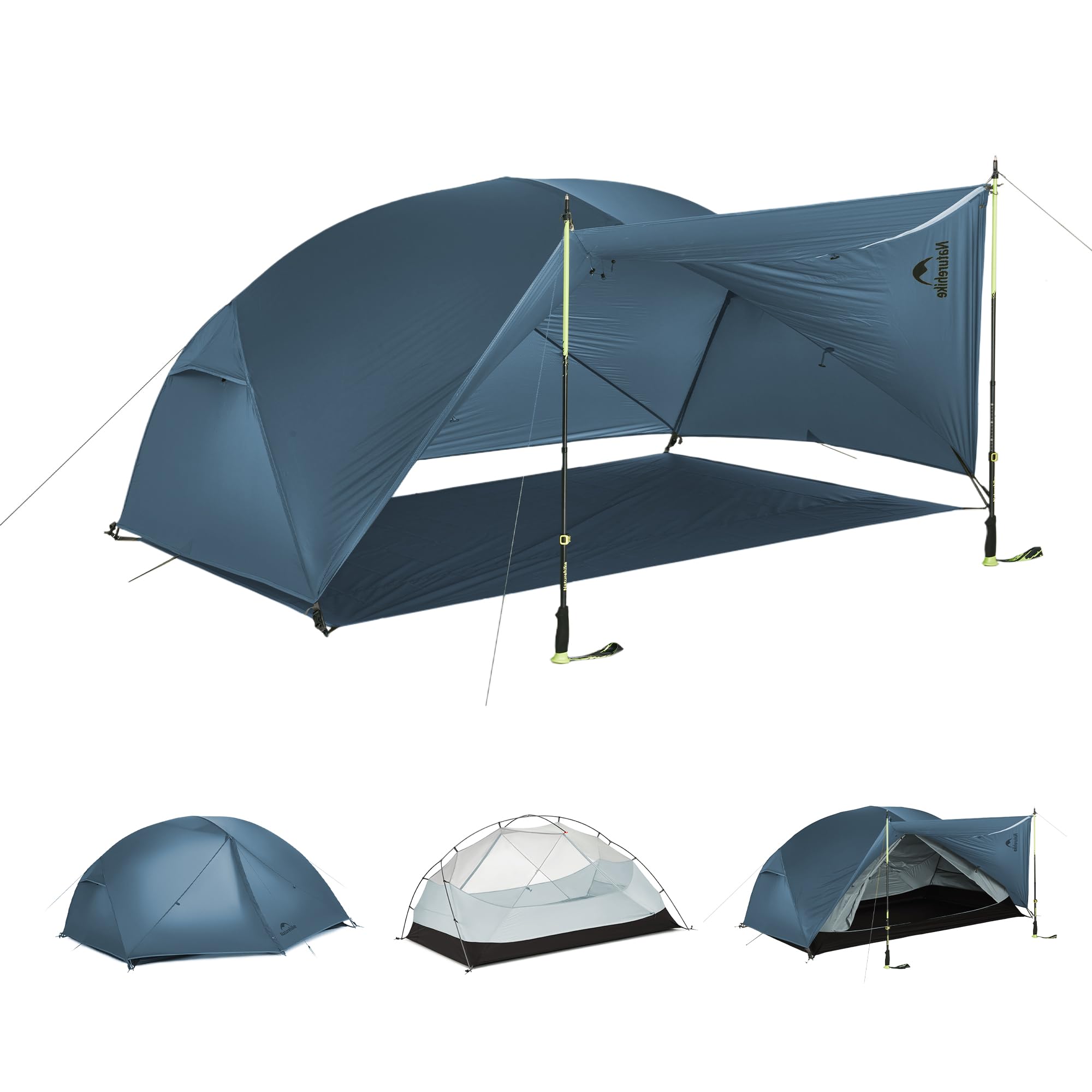
A feature-packed dome with an expandable awning, turning your tent into a shaded living space.
Here’s the most clever tent on this list. The Mongar Upgraded includes an innovative expandable awning—a canopy you can prop up with a trekking pole to create extra shaded shelter for cooking, storing gear, or just sitting out of the rain while enjoying the view. It’s a rare feature that genuinely expands how you use the tent, not just where you sleep.
The durability is the headline for owners, ranking as the second most-praised trait behind overall quality. The 210T plaid ripstop polyester, reinforced with eco-friendly 9.5mm aluminum alloy poles, feels solid in hand, and The build has survived 20-30 mph winds and thunderstorms with everything staying dry inside. The total weight lands at 7.5 pounds, making it a lighter option than its feature set suggests, and it packs down to a compact 16.9 x 7.5 x 7.5 inches.
Storage is where it excels: long end pockets, ceiling triangles, a light hook, and a clothesline keep everything off the floor and organized. Dual doors and vestibules round out the layout, with adjustable vestibule height for airflow. The PU3000mm+ waterproof coating handles heavy rain, but the basic stakes and snug stuff sack are the weak points, and the awning zippers can snag if rushed. For a couple who wants backpacking weight with car-camping comfort, this balances both worlds beautifully.
durability fans: versatility—it’s light enough for bikepacking yet feature-rich enough for a comfortable basecamp.
hot sleepers: you want the absolute lightest shelter—the awning hardware adds useful but noticeable weight.
9. ALPS Mountaineering Lynx 3-Person Tent

A rugged dome with a 20 sq ft of vestibule space, built to shrug off serious wind and rain.
When the forecast looks grim, this is the tent you want overhead. The Lynx 3 has a reputation for robustness—It survived 60+ mph winds in Canyonlands while other tents failed., thanks to its sturdy 7000-series aluminum poles (9.5mm diameter) and secure stake-out points. The 75D 185T polyester fly (1500mm coating) and 75D 185T poly taffeta floor (2000mm coating) combine with factory-sealed seams to keep water firmly outside.
The construction quality is the single most-praised feature, and it’s easy to see why. Everything from the extra-large #8 zippers to the weatherproof fly buckles feels built to endure years of use. The 90 x 84-inch floor offers a spacious 52 square feet, and with two doors and two vestibules providing 20 square feet of gear storage, you can keep your packs dry and out of the sleeping area. Buyers report the rain fly kept the interior dry through four straight days of rain.
Weighing 6 lbs 8 oz and packing down to a manageable 8.25 x 25 inches, it strikes a solid balance for smaller group backpacking trips, though it’s not ultralight. The half-mesh walls and rainfly vents promote airflow, with one owner noting it prevents morning condensation. The catch: a footprint (a groundsheet to protect the floor) is not included, and the floor is on the thinner side, so a tarp underneath is a worthwhile investment. For wind and rain confidence, it leads the pack.
weekend trekkers: exposed campsites and stormy trips where wind resistance and dry gear are the top priorities.
minimalists: you’re chasing ultralight—at 6 lbs 8 oz, it’s built tough, not featherweight.
Understanding the Specs
Waterproofing Ratings (PU2000mm vs PU5000mm)
The “PU” number measures hydrostatic head—the water pressure (in millimeters) the fabric can withstand before leaking. A higher number like PU3000mm or PU5000mm means better resistance to heavy, sustained rain. But the coating is only one part of staying dry; factory-sealed seams and a full-coverage rainfly are just as critical to keep water from sneaking through stitch holes.
Setup Time & Pole Structure
Setup speed usually depends on pole design. A freestanding dome with continuous pole sleeves is the classic design, while pre-attached poles (like on the Coleman Skydome) can cut pitch time to under 5 minutes. Aluminum poles are lighter and stronger than fiberglass, making them the preferred choice for backpackers who carry their shelter for miles.
FAQ
Will a 3-person tent actually fit three adults?
What does a PU3000mm waterproof rating mean for real rain?
How important is a full-coverage rainfly?
Should I use a footprint or tarp under my tent?
What’s the difference between a freestanding and single-pole tent?
How do I stop condensation building up inside the tent?
Is a heavier tent always more durable?
What’s the advantage of a tent with two doors and vestibules?
How fast should a 3-person tent set up?
Can I use a 3-season tent in winter?
Final Thoughts: The Verdict
For most users on a budget, the best 3 person camping tent winner is the Coleman Sundome because it delivers dependable weather protection, easy setup, and proven durability at a price that leaves room for other gear. If you want game-changing headroom and near-instant pitching, grab the Coleman Skydome. And for serious wind and rain confidence on exposed sites, the ALPS Mountaineering Lynx 3 is the one to reach for. One honest nudge: the Sundome’s reputation is backed by a massive owner base whose overwhelming consensus is that it’s the value king—a crowd favorite that’s hard to outgrow.
How We Picked
We do not accept paid placement. Every pick is matched to a real buyer and a real use-case; we do not hands-on test units.
Sources & Methodology
Specifications: manufacturer listings and product documentation. Review insights: verified customer reviews, as of September 2026. Pricing: not shown on this page (it changes often); check the current price via the retailer link.
As an Amazon Associate, Gadgets Feed earns from qualifying purchases. This does not affect which products we feature.