
Churning out jagged cliffs, rolling hills, ruined walls, and modular dungeon tiles demands a printer that balances speed, build volume, and material versatility without sacrificing surface detail. The wrong machine leaves you sanding layer lines for hours or piecing together tiny sections that never quite align.
I’m Min — the co-founder and writer behind Gadgets Feed. For this guide, I’ve combed through hundreds of hours of user testing data and technical spec sheets to separate the machines built for large, functional terrain pieces from those better suited for miniatures or single-part prints.
Whether you need a cavernous build chamber for a single large ruin or a reliable workhorse to farm out modular tiles, this roundup of the best 3d printer for terrain covers the machines that deliver on consistency, detail, and raw build capacity without demanding a second mortgage.
How To Choose The Best 3D Printer For Terrain
Terrain printing differs fundamentally from printing miniatures or functional parts. The demands are unique: large footprints, fast iteration on modular tiles, and often a need for durable materials that won’t warp or break under handling. Below are the critical factors to weigh before clicking “buy.”
Build Volume Is The King Metric
A build volume of at least 250mm³ is the baseline for terrain. Anything smaller forces you to cut your designs into pieces, increasing assembly time and visible seam lines. Machines with 300mm³ or more let you print a full 6‑inch tower or a complete 1‑foot dungeon tile in one go. For true diorama builders, 400mm³ becomes a genuine game‑changer.
Material Versatility Matters More Than Raw Resolution
FDM machines printing PLA or PETG are the workhorses for terrain — they offer fast iterations, low cost per gram, and excellent impact resistance. Resin printers deliver unmatched surface smoothness but are slower and more brittle, making them better for scatter terrain and detailed facades rather than playable boards. A machine that handles both PLA and PETG without clogging gives you the flexibility to prototype fast in PLA and produce durable final pieces in PETG.
Quick Comparison
On smaller screens, swipe sideways to see the full table.
| Model | Category | Best For | Key Spec | Amazon |
|---|---|---|---|---|
| Creality Ender 5 Max | Large FDM | Monolithic terrain pieces | 400mm³ build volume | Amazon |
| Bambu Lab P1S | Mid FDM | Fast modular tile farming | 500mm/s print speed | Amazon |
| ELEGOO Centauri Carbon 2 Combo | Multi-FDM | Multi-color terrain | 4‑color printing system | Amazon |
| Anycubic Kobra S1 Combo | Multi-FDM | Multi‑color with drying | 600mm/s & 250mm³ | Amazon |
| QIDI Q2 | Enclosed FDM | Large ABS/PETG terrain | 65°C heated chamber | Amazon |
| ELEGOO Saturn 4 Ultra 16K | Resin | High-detail scatter terrain | 16K resolution LCD | Amazon |
| Phrozen Sonic Mighty 8K | Resin | Miniature-style terrain | 28µm XY resolution | Amazon |
| Creality Ender 3 V3 Plus | Mid FDM | Budget large prints | 300mm³ build volume | Amazon |
| FLASHFORGE Adventurer 5M Pro | Enclosed FDM | Beginner enclosed printing | 600mm/s speed | Amazon |
| FLASHFORGE AD5M Pro | Enclosed FDM | Quick-swap nozzles | 3‑second nozzle swap | Amazon |
| Longer LK5 Pro | Large FDM | Budget large volume | 300mm³ build volume | Amazon |
In‑Depth Reviews
1. Creality Ender 5 Max 3D Printer
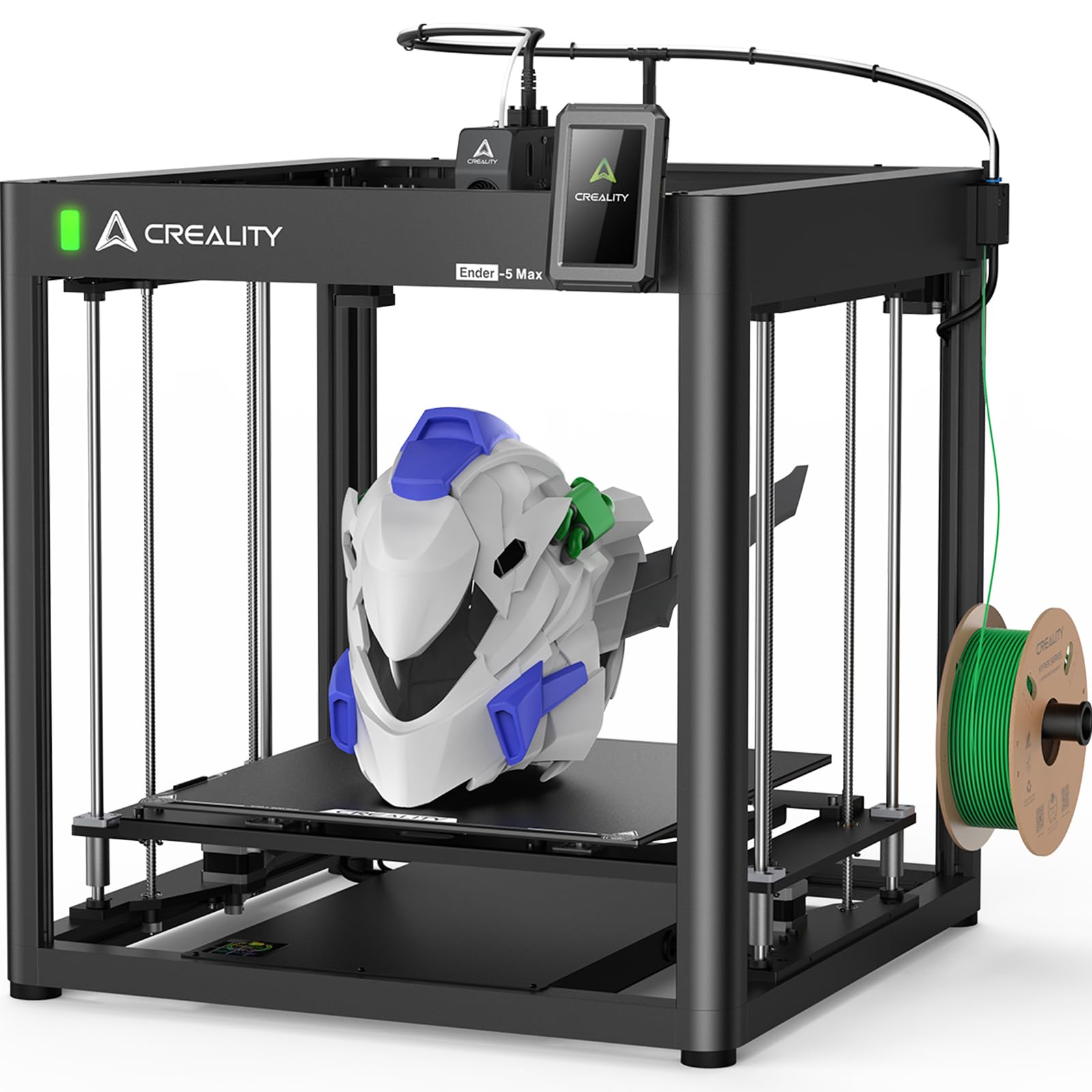
For terrain builders who refuse to compromise on size, the Ender 5 Max delivers a massive 400mm³ build volume that lets you print a full castle wall or an entire modular board section as a single piece. The CoreXY system pushes speeds up to 700mm/s, meaning a large dungeon tile spends hours less on the bed compared to slower cartesian designs.
The all-metal frame and precision X-axis linear rail keep vibration in check even at high speeds, which directly translates to cleaner layer lines on tall terrain features. The 64‑point auto-leveling system and automatic Z-offset remove one of the biggest beginner pain points — bed leveling — so first-layer adhesion is consistently strong right out of the box.
For print-farm operators or large-scale diorama builders, the WLAN multi-printer control groups multiple units and provides a tri-color status indicator viewable from across the room. The fast 1000W heated bed also reaches working temperature in minutes, cutting idle time between batches.
Why it’s great
- Unmatched 400mm³ build volume for one‑piece large terrain
- 700mm/s CoreXY speed drastically reduces print time
- 64‑point auto leveling ensures reliable first layers
Good to know
- Unit weight of 68.9 lbs makes it a stationary installation
- Some units reported bed adhesion issues requiring tweaks
- Enclosure may need a riser to prevent top panel scuffing
2. Bambu Lab P1S 3D Printer

The Bambu Lab P1S has quickly become the gold standard for mid‑range FDM printing, and terrain enthusiasts love it for its incredible out‑of‑box reliability. With a 260mm³ build volume and automatic bed leveling before every print, you can send a batch of modular tiles to the queue and walk away with near‑zero failure rate.
The enclosed design improves print quality for PETG and ABS terrain pieces by maintaining a stable chamber temperature, reducing warping on larger flat surfaces. At 500mm/s with 20,000mm/s² acceleration, a typical 100mm x 100mm tile finishes in under 45 minutes without sacrificing surface finish.
Users consistently report that it “just works” — the Bambu Studio slicer streamlines the workflow, and connectivity via local network means you don’t need to rely on cloud services. The optional AMS system opens up multi‑material terrain printing, allowing you to print rock textures in one color and grass in another.
Why it’s great
- Incredible out‑of‑box reliability and minimal tinkering
- Enclosed chamber enables high‑quality ABS/PETG terrain
- Fast 500mm/s speed for high tile throughput
Good to know
- 260mm³ volume limits single‑piece large terrain
- TPU printing can be tricky without tuning
- AMS multi‑color system sold separately
3. ELEGOO Centauri Carbon 2 Combo
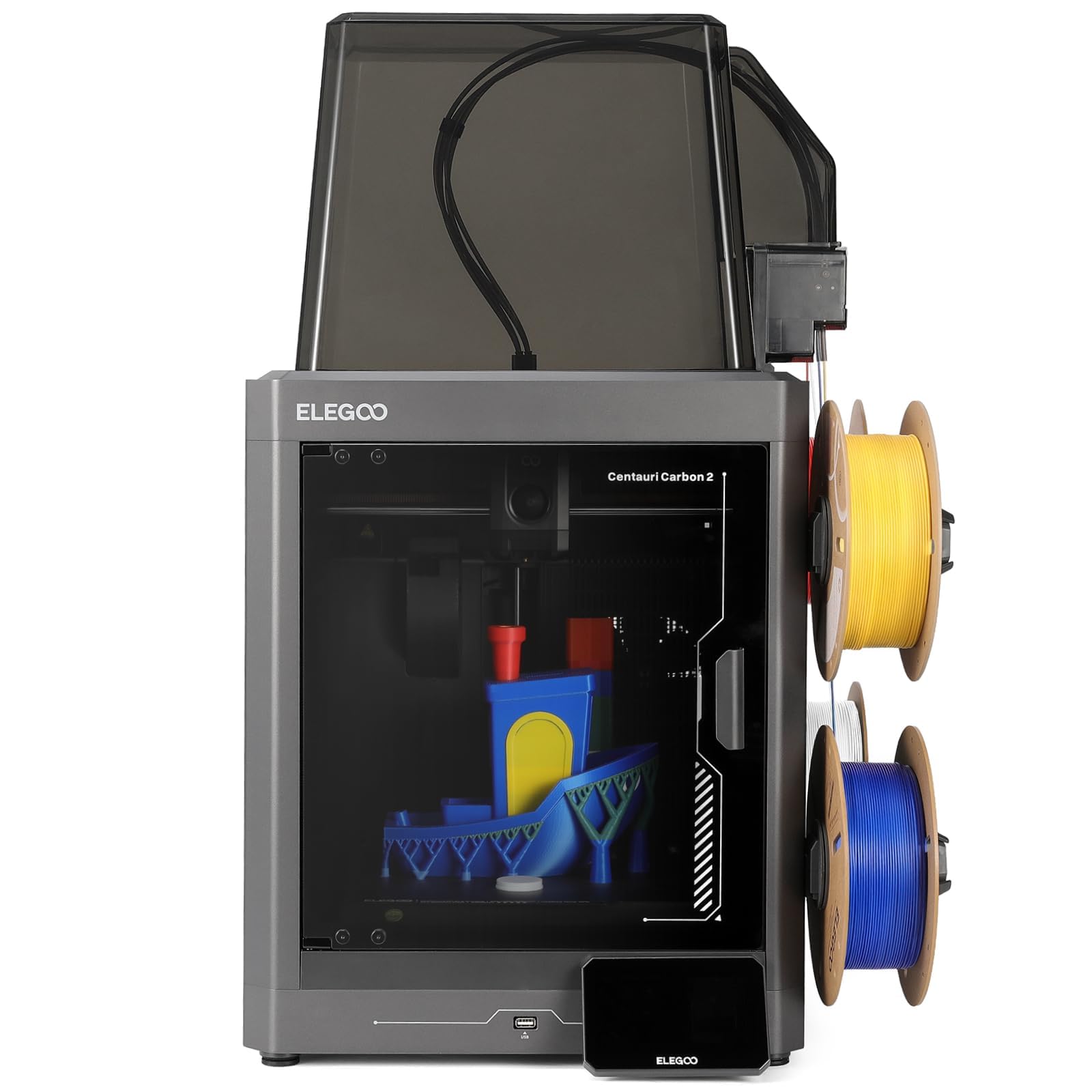
The ELEGOO Centauri Carbon 2 Combo packs a 256mm³ build volume with an integrated 4‑color CANVAS system, making it arguably the most affordable multi‑color FDM printer for terrain. The CANVAS system handles auto‑refill and tangle detection, so you can switch between grey stone, green moss, and brown earth mid‑print without manual intervention.
With 500mm/s speed and 20,000mm/s² acceleration, this CoreXY machine keeps up with the fastest in its class. The rigid aluminum frame and active vibration compensation produce crisp corners on ruin walls and smooth curves on natural rock formations. The 350°C high‑temp nozzle also supports engineering-grade filaments for more durable terrain.
User experiences are mostly positive, with reports of flawless operation for weeks at a time. Some early units experienced firmware glitches, but those appear resolved in the current production run. The closed‑ecosystem slicer is a minor limitation for advanced users, but beginners will appreciate the simplicity.
Why it’s great
- Integrated 4‑color CANVAS system for multi‑hue terrain
- 350°C nozzle for engineering materials
- Fast and reliable CoreXY performance
Good to know
- Closed slicer ecosystem limits advanced tweaking
- Some early firmware issues reported
- TPU printing requires extra steps
4. Anycubic Kobra S1 Combo
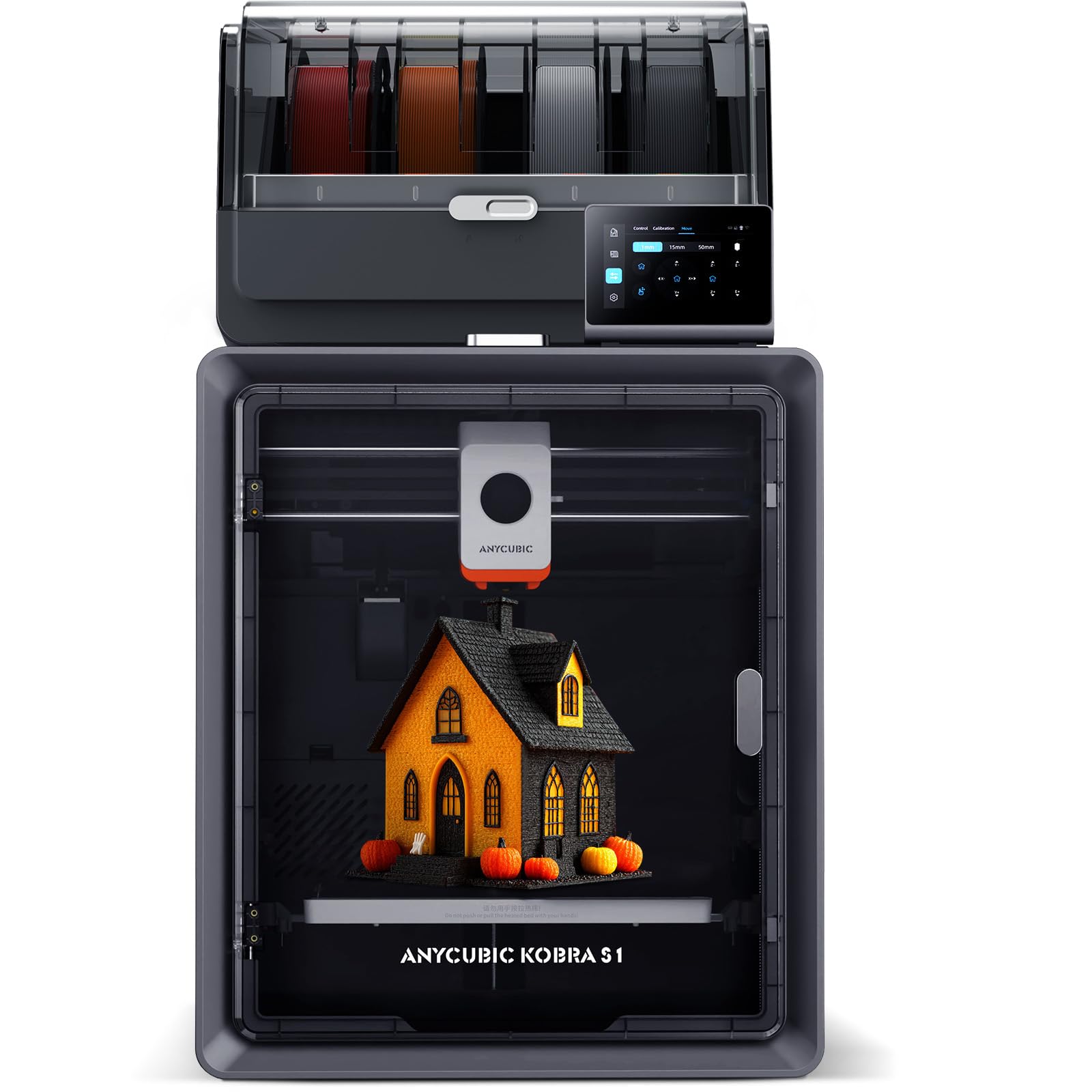
The Anycubic Kobra S1 Combo brings a compelling 250mm³ build volume, 600mm/s print speed, and a unique ACE PRO filament drying system that keeps PETG and nylon terrain free from moisture‑related defects. The dual PTC heating module and 360° hot‑air circulation ensure filaments stay at optimal humidity even during long multi‑day print runs.
Print quality is excellent out of the box, with the Anycubic Kobra OS handling flow compensation and minimizing material overflow on overhangs — a common pain point for terrain with arches and caves. The 4‑color ACE PRO system can be expanded to 8 colors with a second unit, making this a future‑proof investment for growing terrain studios.
Early adopter feedback flagged some initial unit issues with clogs and sensor failures, but the manufacturer appears to have addressed those with design revisions. Current production units run reliably for hundreds of hours, making the S1 Combo a strong contender for anyone seeking multi‑color with built‑in drying.
Why it’s great
- Integrated ACE PRO filament drying prevents moisture issues
- Expandable to 8‑color multi‑material printing
- 600mm/s speed with excellent flow compensation
Good to know
- Early units had reliability issues
- App connectivity can be inconsistent
- Learning curve for new slicer software
5. QIDI Q2 3D Printer
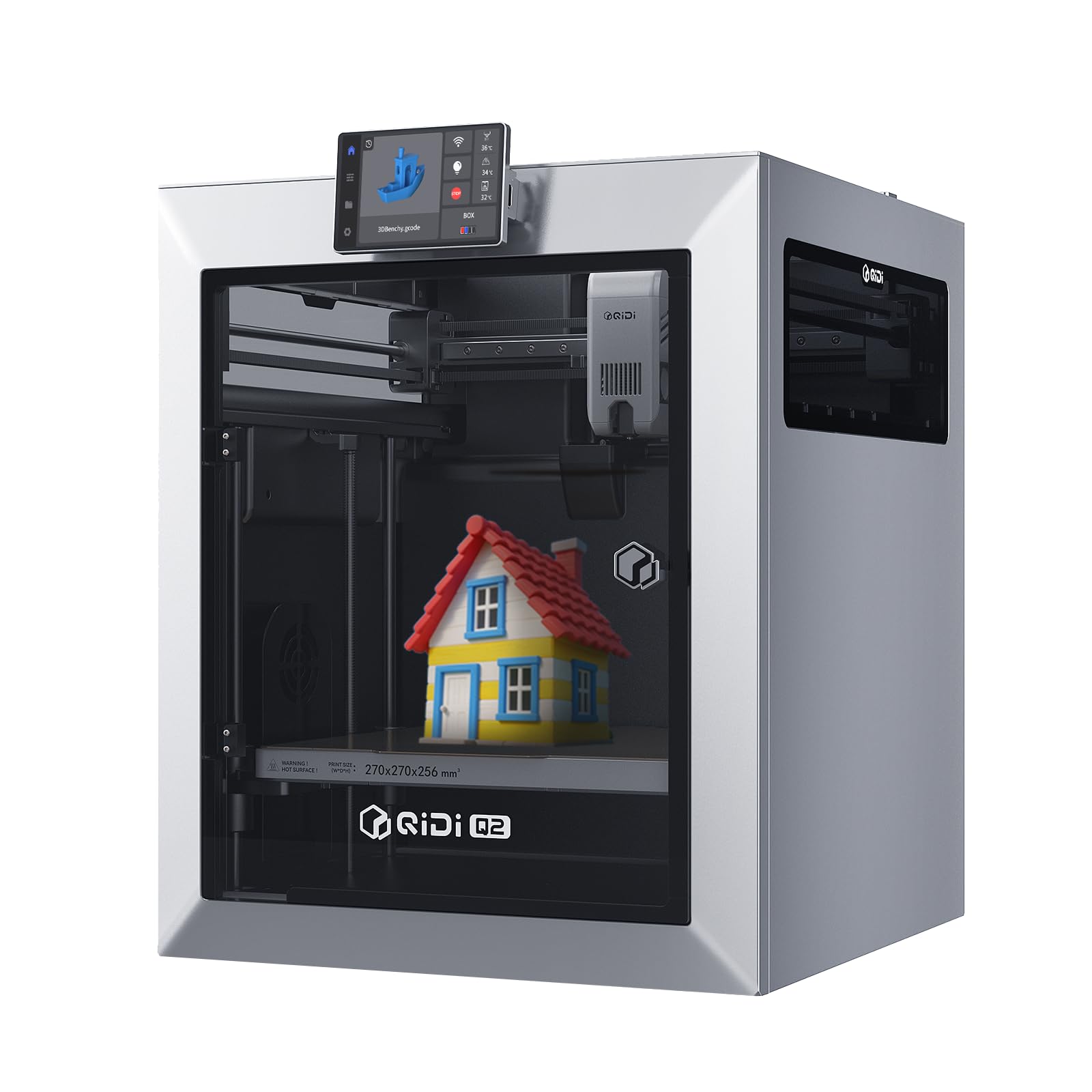
The QIDI Q2 distinguishes itself with a 65°C actively heated chamber — a game‑changer for printing large terrain pieces in ABS and PETG without warping. The 270mm³ build volume and 600mm/s CoreXY speed give it a balance of size and throughput that suits both single large prints and batch production of modular tiles.
The nozzle‑as‑leveling‑sensor design delivers unmatched first‑layer accuracy, and the 370°C high‑temp nozzle unlocks carbon‑fiber and glass‑fiber composites for terrain that needs serious impact resistance. The triple filtration system (G3, H12 HEPA, activated carbon) keeps the workspace clean, a real plus for enclosed printing in shared spaces.
Users report excellent out‑of‑box experiences with PLA, PETG, and ABS, and the Q2’s Klipper firmware allows advanced tweaking for those who want it. The optional QIDI BOX enables up to 16‑color multi‑material printing, though some reviews caution about early firmware bugs and occasional false‑positive AI spaghetti detection.
Why it’s great
- 65°C heated chamber prevents ABS warping on large terrain
- 370°C nozzle supports carbon‑fiber composites
- Excellent out‑of‑box reliability with Klipper support
Good to know
- Early firmware had UI and connectivity bugs
- AI spaghetti detection can produce false positives
- QIDI BOX multi‑color system has mixed reviews
6. ELEGOO Saturn 4 Ultra 16K Resin 3D Printer
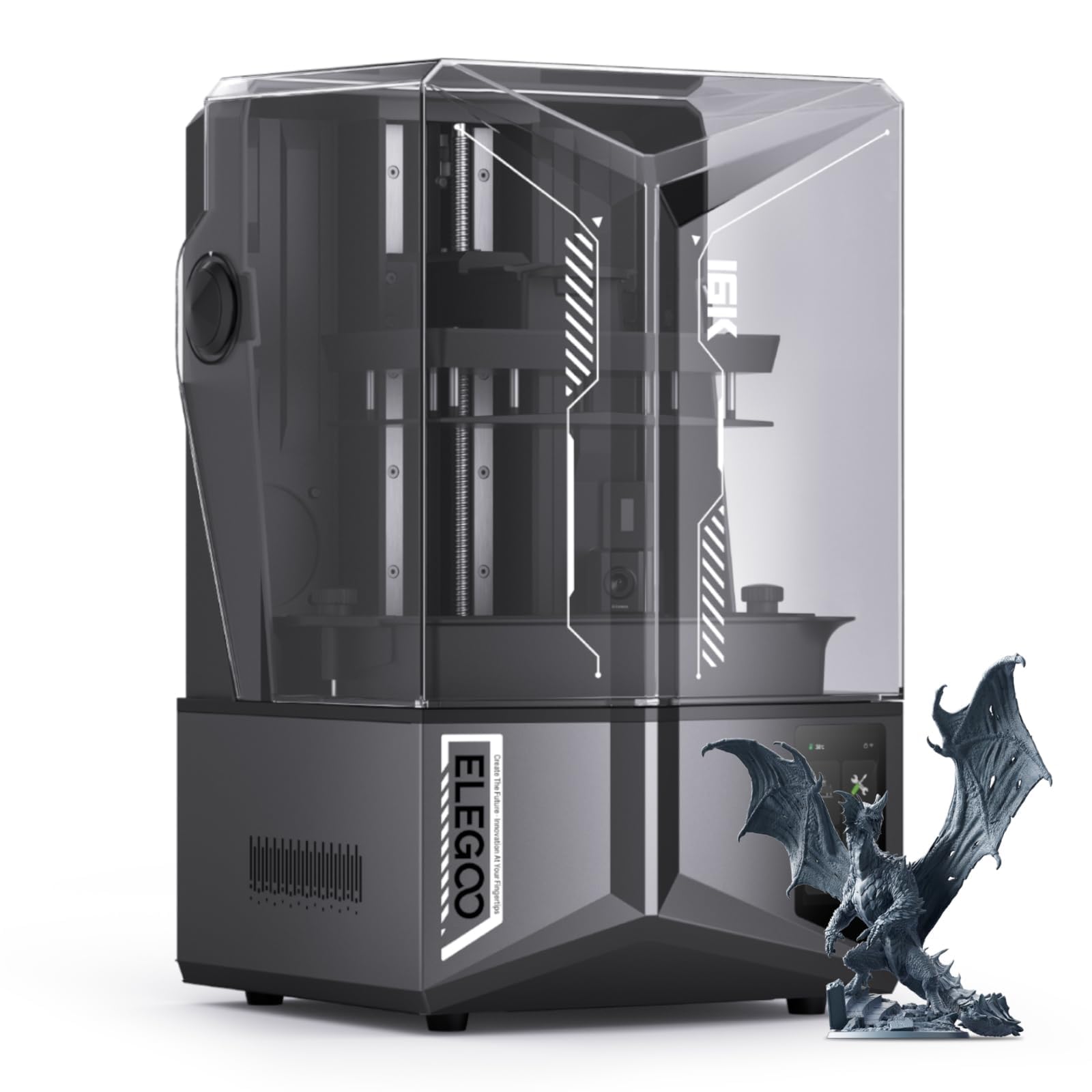
When terrain demands ultra‑fine surface detail — think cobblestone textures, intricate stone carvings, or small scatter pieces like barrels and crates — the ELEGOO Saturn 4 Ultra 16K delivers unparalleled resolution. The 10‑inch 16K monochrome LCD achieves a level of detail that makes layer lines virtually invisible to the naked eye.
The intelligent tank heating system keeps the resin at a consistent 30°C, reducing bubbles and layer separation that plague cold‑weather resin printing. The tilt‑release technology speeds up model peeling, allowing print speeds of up to 150mm/h — significantly faster than traditional resin printers. The integrated AI camera with chamber light enables 24/7 monitoring and automatic alerts.
Users consistently praise the “plug‑and‑play” nature of this machine, with automatic leveling removing the most frustrating part of resin setup. The 210mm x 118mm build plate handles medium‑sized scatter terrain pieces nicely, though large diorama sections will still require multiple prints. The enclosed design also cuts down on resin odor.
Why it’s great
- 16K resolution produces near‑invisible layer lines
- Heated tank ensures consistent prints in cold environments
- Tilt release technology enables faster print speeds
Good to know
- Resin printing is inherently slower than FDM for large terrain
- Build volume limits single‑piece terrain size
- Resin fumes require ventilation despite enclosure
7. Phrozen Sonic Mighty 8K LCD Resin 3D Printer

The Phrozen Sonic Mighty 8K has long been a favorite among miniature and terrain painters for its ability to capture razor‑sharp detail. With a 28µm XY resolution on a 10‑inch monochrome LCD, this printer renders even the smallest brick patterns and wood grain textures with stunning fidelity — ideal for high‑detail scatter terrain and facades.
The reinforced dual linear rails on the Z‑axis ensure precise layer alignment, which is critical when printing tall terrain pieces like ruined towers or archways. The 218mm x 123mm x 235mm printing volume is generous for a resin machine at this price point, accommodating large‑scale single prints like a 6‑inch orc fortress or multiple smaller pieces in a single run.
Experienced resin users appreciate that the Mighty 8K works seamlessly with Lychee and Chitubox Pro, and the build quality is consistently praised as “solid” and “well‑engineered.” New users should note that resin printing requires proper ventilation and post‑processing (washing and curing), but the results for detail‑oriented terrain are unmatched in this price bracket.
Why it’s great
- 28µm XY resolution captures extreme surface detail
- Large resin build volume for single terrain pieces
- Robust Z‑axis design ensures consistent layer stacking
Good to know
- Resin is more brittle than FDM filament
- Requires dedicated ventilation and post‑processing
- Camera functionality is limited
8. Creality Ender 3 V3 Plus 3D Printer

The Creality Ender 3 V3 Plus brings a 300mm³ build volume and 600mm/s CoreXZ speed to the entry‑level segment, making it a strong contender for budget‑conscious terrain builders. The auto‑calibration system handles leveling and Z‑offset with a single tap — no paper‑pulling or screw‑turning — which saves time when starting a new batch of modular tiles.
The tri‑metal “Unicorn” all‑metal nozzle design combines hardened steel at the tip with an integrated throat, reducing clogging and extending service life. The dual Y‑axis motors and two support rods on the gantry create a rigid triangle structure that minimizes Z‑axis shaking — a common issue on larger prints. Users report excellent PLA and NylonX quality after basic tuning.
While the V3 Plus excels as a beginner‑friendly machine, some units arrive with QC issues like a gantry not being perfectly square to the bed. The loud stock fans are another notable downside for those who print in shared living spaces. Overall, solid performance for the price, but be prepared for occasional tinkering.
Why it’s great
- 300mm³ build volume at an entry‑level price
- One‑tap auto calibration speeds up setup
- Tri‑metal nozzle reduces clogging issues
Good to know
- Loud stock fans can be disruptive
- Occasional QC issues with gantry alignment
- Some tuning required for optimal results
9. FLASHFORGE Adventurer 5M Pro 3D Printer

The FLASHFORGE Adventurer 5M Pro is designed for users who want an enclosed CoreXY machine without the complexity of open‑source firmware. With a 220mm³ build volume and 600mm/s travel speed, it handles small to medium terrain pieces like dungeon tiles, scatter rocks, and small ruins efficiently. The 280°C nozzle supports PLA, ABS, PETG, and TPU without modification.
The dual‑sided PEI platform enables tool‑less model removal, and the pressure‑sensing auto‑leveling system eliminates rafts for most prints. The integrated HEPA and carbon filtration reduces dust and fumes, making this a good choice for classrooms or home offices. The built‑in camera and mobile app allow remote monitoring and time‑lapse capture.
Setup is impressively fast — most users report being ready to print within 10 minutes. However, the reliance on the FlashMaker app for initial WiFi setup and the limited desktop slicer compatibility (FlashPrint 5 or Orca‑Flashforge) can be frustrating for advanced users. Some units have also arrived with quality‑control issues like stripped screws or filament feeding failures.
Why it’s great
- Fully enclosed with HEPA/carbon filtration
- Very fast unbox‑to‑print setup (∼10 minutes)
- Quiet operation suitable for home environments
Good to know
- 220mm³ volume limits large terrain pieces
- Software ecosystem is closed and app‑dependent
- Occasional QC issues in early production runs
10. FLASHFORGE AD5M Pro 3D Printer

The FLASHFORGE AD5M Pro is nearly identical to the 5M Pro but adds a quicker nozzle swap mechanism — you can switch between 0.4mm and 0.6mm nozzles in about three seconds without tools. This is a real time‑saver when you want to rough out a large terrain base with a 0.6mm nozzle for speed, then switch to a 0.4mm for finer surface details.
The direct‑drive extruder easily handles flexible TPU, which is great for printing soft terrain elements like grass mats or rubbery dungeon tiles. The enclosed chamber with dual‑layer filtration makes it safe for indoor use, and the built‑in camera allows remote monitoring via the Maker app. The 220mm³ build volume is adequate for modular terrain but not oversized structures.
User feedback is generally positive, with many praising the AD5M Pro as a “solid beginner machine” that delivers consistent results. Some users noted that the packaging is flimsy, though the printers typically arrive undamaged. The biggest complaint is the software — some users found the slicer guidance insufficient and the initial app setup slightly confusing.
Why it’s great
- 3‑second tool‑free nozzle swapping for versatility
- Enclosed filtration for safe indoor operation
- Excellent PLA adhesion without adhesive
Good to know
- 220mm³ volume limits large terrain pieces
- Flimsy packaging may not survive rough shipping
- Software setup could be more intuitive
11. Longer LK5 Pro 3D Printer
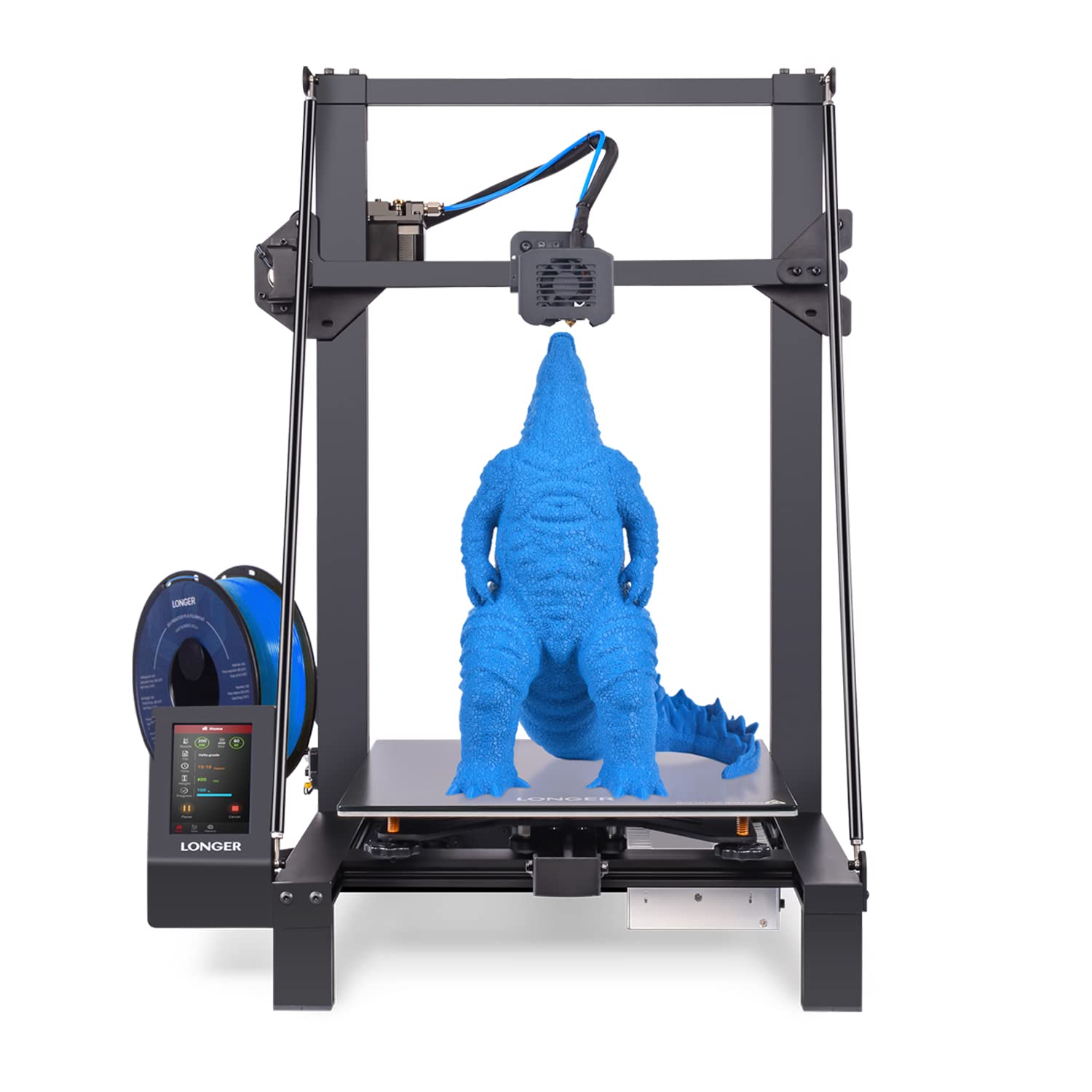
The Longer LK5 Pro is the budget champion of large-format terrain printing, offering a 300mm³ build volume at a price that undercuts most competitors. With 180mm/s printing speed and a reinforced triangular frame, this cartesian printer handles large pieces like castle walls and hill sections with surprisingly good stability for its price class.
The open‑source motherboard (with TMC2209 silent drivers) lets advanced users swap firmware and tweak G‑code to optimize for their specific terrain files. The lattice glass bed provides a flatter surface than many cheap beds, and the dual Z‑axis upgrade improves layer alignment on tall prints. Filament run‑out detection and power‑loss resume add reliability for long overnight prints.
Users praise the large build volume and easy 90% pre‑assembly, but note that the stock hotend and fan are weak points — some units experienced fan failures within the first 10 hours. The glass bed can also cause adhesion issues that are best solved by switching to a flexible PEI sheet. For the price, the LK5 Pro offers exceptional build volume, but expect to invest some time in upgrades.
Why it’s great
- 300mm³ build volume at a bargain price
- Open‑source firmware allows extensive modding
- Silent TMC2209 drivers for quiet operation
Good to know
- Stock fans and hotend can fail prematurely
- Glass bed may require a PEI upgrade for best adhesion
- Only 180mm/s speed is slower than CoreXY alternatives
FAQ
Can I print terrain on a resin printer or should I stick with FDM?
What is the minimum build volume I need for modular terrain tiles?
Do I need an enclosed printer for terrain?
Final Thoughts: The Verdict
For most users, the best 3d printer for terrain winner is the Creality Ender 5 Max because its 400mm³ build volume lets you print entire diorama sections in one piece without cutting or assembling. If you want multi‑color capability with built‑in filament drying, grab the Anycubic Kobra S1 Combo. And for high‑detail scatter terrain with resin‑smooth surfaces, nothing beats the ELEGOO Saturn 4 Ultra 16K.