
The 43-inch TV market has quietly become the sweet spot for value-minded shoppers who want a punchy viewing experience without the footprint of a larger screen. Whether you are upgrading a secondary room, kitting out a gaming den, or simply replacing a decade-old bedroom set, the latest 43-inch panels pack serious performance into a compact form factor. The challenge today is not finding a TV — it is cutting through the noise between 1080p relics, entry-level 4K models, and premium QLED panels that rival their bigger siblings in color accuracy and motion handling.
I’m Min — the co-founder and writer behind Gadgets Feed. I’ve spent over fifty hours pouring through spec sheets, user feedback, and technical white papers on LED and QLED display technologies at this exact screen size to separate the genuinely impressive units from the marketing fluff.
After all that research, I am confident this guide will help you identify the right best 44 inch tv for your specific room, budget, and viewing habits—whether you prioritize gaming fluidity, HDR picture quality, or simply the most reliable smart platform.
How To Choose The Best 44 Inch TV
Choosing between a budget-friendly 1080p panel and a higher-end QLED model boils down to three high-impact factors: resolution and HDR capability, the smart TV operating system, and the specific features that matter for your primary use case — whether that is console gaming, streaming movies, or watching sports. The 43-inch class is unforgiving of low-quality panels, so a few key specs will determine whether you get a crisp picture or a washed-out mess.
Resolution and HDR Performance: 4K vs 1080p
A 4K UHD panel at this screen size delivers roughly 8.3 million pixels — four times the detail of a 1080p display. That density matters when you sit within six to eight feet of the screen, especially for text clarity in menus and fine detail in nature documentaries or high-budget streaming content. Do not assume every 4K set handles HDR equally. Dolby Vision IQ, HDR10+, and basic HDR10 are three different tiers of dynamic metadata; the first two adjust brightness and color scene-by-scene, while standard HDR10 applies a single static tone map. A set with Dolby Vision IQ and a bright direct-LED backlight will outperform a basic HDR10-only model by a wide margin in real-world viewing.
Smart Platform: Your Daily Interface Matters
The operating system is the layer you will interact with every single time you turn on the TV. Roku TV remains the gold standard for simplicity and app stability — it rarely lags and its remote has dedicated buttons for major services. Google TV / Android TV offers deeper integration with Google Assistant, Chromecast built-in, and a more customizable home screen, but can feel heavier on older hardware. Fire TV provides tight Alexa integration and the Ambient Experience mode, though its interface includes sponsored content that some users find intrusive. The choice here directly impacts how often you will reach for the remote.
Gaming Features: Refresh Rate and HDMI 2.1
For PS5 or Xbox Series X users, a 60Hz panel will cap your gaming at 60 frames per second — fine for most single-player titles but a bottleneck for competitive shooters and racing games that support 120fps. Premium 43-inch models now offer 120Hz or even 144Hz panels with Variable Refresh Rate (VRR) and Auto Low Latency Mode (ALLM) to eliminate screen tearing and reduce input lag. The Samsung Q8F and the TCL 43P7K stand out here. If your gaming is casual or on older consoles, a solid 60Hz set with a fast response time is still a good experience.
Quick Comparison
On smaller screens, swipe sideways to see the full table.
| Model | Category | Best For | Key Spec | Amazon |
|---|---|---|---|---|
| Fire TV 43″ Omni QLED | QLED / 4K | Ambient Mode & Alexa Ecosystem | QLED with Dolby Vision IQ | Amazon |
| Samsung 43U8000H | 4K UHD | Free Content & Crisp Upscaling | Motion Xcelerator 60Hz | Amazon |
| FPD 43″ Palette-Series | 1080p LED | Budget-First Buyers | 1080p FHD / HDR10 | Amazon |
| Hisense 43R6G | 4K UHD | Roku Simplicity & Reliable Streaming | Dolby Vision HDR / DTS Studio Sound | Amazon |
| TCL 43P7K QLED | QLED / 4K | High-Framerate Gaming | 120Hz Game Accelerator | Amazon |
| Hisense 43A6H | 4K UHD | Google TV & Sports Mode | Game Mode Plus / VRR | Amazon |
| LG 43UP8000PUR | 4K UHD | Mini-Mac Monitor Hybrid Use | Quad Core Processor / 4K | Amazon |
| Sony BRAVIA 2 S20M2 | 4K UHD | PS5 Integration & Picture Processing | 4K Processor X1 / Motionflow XR | Amazon |
| Samsung QLED Q8F | QLED / 4K | Best-in-Class Color & 144Hz Gaming | Quantum Dot / 144Hz VRR | Amazon |
In‑Depth Reviews
1. Amazon Fire TV 43″ Omni QLED Series
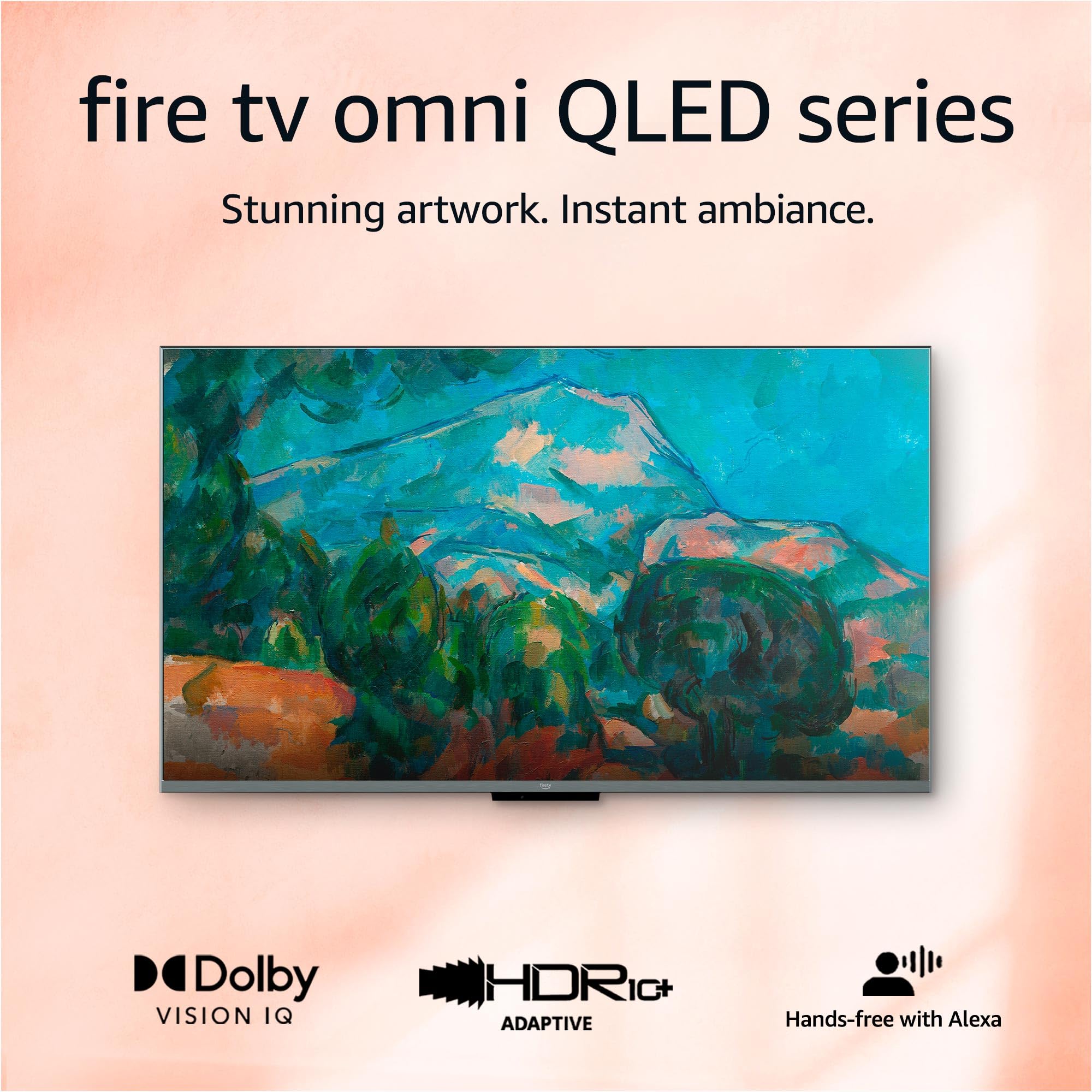
The Amazon Fire TV Omni QLED bridges the gap between standard LED panels and true premium quantum-dot displays by packing a QLED layer and Dolby Vision IQ support into a 43-inch frame. In real-world viewing, this combination delivers noticeably more vibrant colors in HDR content — think deep reds in nature documentaries and punchy highlights in action scenes — than any standard 4K LED panel at a similar price tier. The built-in ambient light sensor automatically adjusts brightness based on room conditions, which reduces eye strain during evening sessions and gives the picture a consistent feel across different lighting environments.
The hands-free Alexa integration is this set’s signature feature. With four built-in far-field microphones, you can launch apps, switch inputs, or ask for the weather without touching the remote. The Fire TV Ambient Experience turns the screen into an art canvas or personal photo slideshow when idle, which makes the TV feel less like a black rectangle in the room. On the connectivity side, four HDMI inputs — including one eARC port — give you plenty of room for a soundbar, a gaming console, and a streaming stick without needing to juggle cables after setup.
Where the Omni QLED stumbles is software responsiveness. Multiple user reports note occasional lag in the Fire TV interface, particularly when navigating between apps or waking from standby. The interface includes sponsored rows and ads, which some users find distracting. Audio from the built-in speakers is adequate for casual viewing but lacks bass depth, so pairing it with a soundbar or Echo Studio via Alexa Home Theater is almost a requirement for an immersive experience. Power draw under Dolby Vision content can spike to around 320W, so energy-conscious users should enable the eco-mode when watching SDR material.
Why it’s great
- QLED panel with Dolby Vision IQ delivers exceptional HDR color and brightness for the price
- Hands-free Alexa with built-in microphones and Ambient Experience add genuine convenience
- Four HDMI inputs with eARC provide broad connectivity for a complete home theater setup
Good to know
- Fire TV interface can feel sluggish compared to Roku or Google TV
- On-screen advertising in the menus may be annoying for some users
- Built-in speakers lack low-end punch — a soundbar is recommended for movies
2. Samsung 43-Inch Class Crystal UHD U8000H
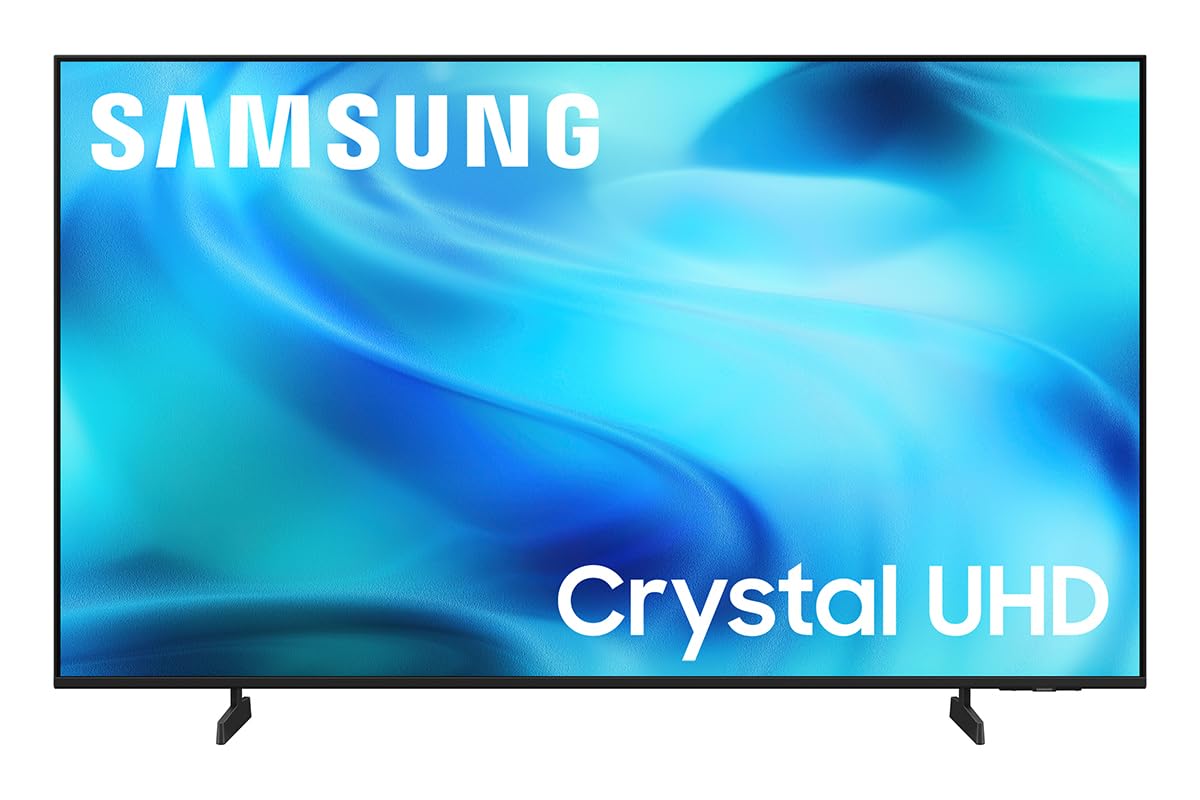
Samsung’s 43U8000H takes a different route than the quantum-dot crowd: it relies on the Crystal Processor 4K to analyze incoming content and upscale lower-resolution sources to near-4K quality. In practical terms, this means standard 1080p cable broadcasts and older YouTube videos look noticeably sharper than they do on most entry-level 4K panels, without the artificial edge artifacts that plague cheap upscalers. The Color Booster feature saturates the red, blue, and green primaries, giving the picture a more vibrant appearance out of the box.
The Samsung TV Plus service is a legitimate value-add here — over 2,700 free channels and 750+ subscription-free options mean you can pull up news, sports, or reality TV without any monthly fee. The Motion Xcelerator technology at 60Hz handles fast-moving sports and high-motion content adequately, though it will not match the fluidity of a 120Hz panel for competitive gaming. The Tizen operating system has seen refinements over the years, and user feedback indicates it is now easier to navigate than earlier Samsung smart TV platforms, with a dedicated remote that is responsive and well-laid-out.
Picture quality, while good for the price tier, does not match the contrast and black-level performance of a QLED panel. In darker room conditions, the standard LED backlight produces a noticeable grayish glow in black bars during letterboxed movies. The remote is compact and functional, but the small button size may frustrate users with larger hands or those who rely on tactile differentiation between keys. The 60Hz panel also caps gaming at 60fps, so Xbox Series X or PS5 owners seeking 120fps should look at the QLED options in this list instead.
Why it’s great
- Crystal Processor 4K upscales 1080p content impressively well for a mid-range panel
- Samsung TV Plus offers thousands of free channels with no subscription required
- Color Booster makes primaries pop without oversaturating skin tones
Good to know
- Standard LED backlight struggles with deep blacks in dark room viewing
- 60Hz refresh rate limits gaming performance for high-framerate console titles
- Small remote buttons can be difficult for users with larger hands to operate by feel
3. FPD 43 Inch Smart TV Palette-Series

The FPD Palette-Series is a 1080p panel in a market increasingly dominated by 4K, and that resolution ceiling is the single most important thing to understand before buying. If your primary use case is watching standard cable TV, streaming YouTube at 1080p, or using it as a secondary monitor in a guest room, this set delivers a sharp picture with good color reproduction for a fraction of the cost of a 4K alternative. The Android TV operating system provides access to the Google Play Store, Chromecast built-in, and a familiar interface that works well if you already live in Google’s ecosystem.
HDR10 support is present on paper, but the 1080p resolution means you are not actually getting the full HDR experience that 4K panels deliver — you are getting a tone-mapped 1080p version of HDR content, which still improves contrast compared to standard SDR but loses the fine detail that 4K HDR brings. The build quality is surprisingly solid for the price point, with a slim bezel design that looks modern on a desk or wall. The included remote is basic but functional, and the physical buttons cover all essential functions without crowding the layout.
Where this set falls short is reliability and consistency. Multiple user reports describe random blank screens that require unplugging the TV to reset, and apps occasionally uninstalling themselves overnight — a sign of either firmware instability or underpowered internal hardware. The base stand screws do not always provide a tight grip, leading to a slight tilt on some units. For buyers who can tolerate these quirks in exchange for the lowest possible price, the Palette-Series gets the job done, but it is not a set you should count on for five years of daily use.
Why it’s great
- Incredibly low cost of entry for a 43-inch smart TV with Android TV and Chromecast built-in
- HDR10 support improves contrast and color over basic SDR panels
- Slim bezel design and lightweight construction make wall-mounting easy
Good to know
- 1080p resolution means no 4K detail — fine for cable, limiting for modern streaming
- Occasional firmware glitches like app uninstalls and screen freezes reported by multiple users
- Base stand screws may not hold the panel perfectly level on all units
4. Hisense 43-Inch Class R6 Series 4K UHD Smart Roku TV (43R6G)
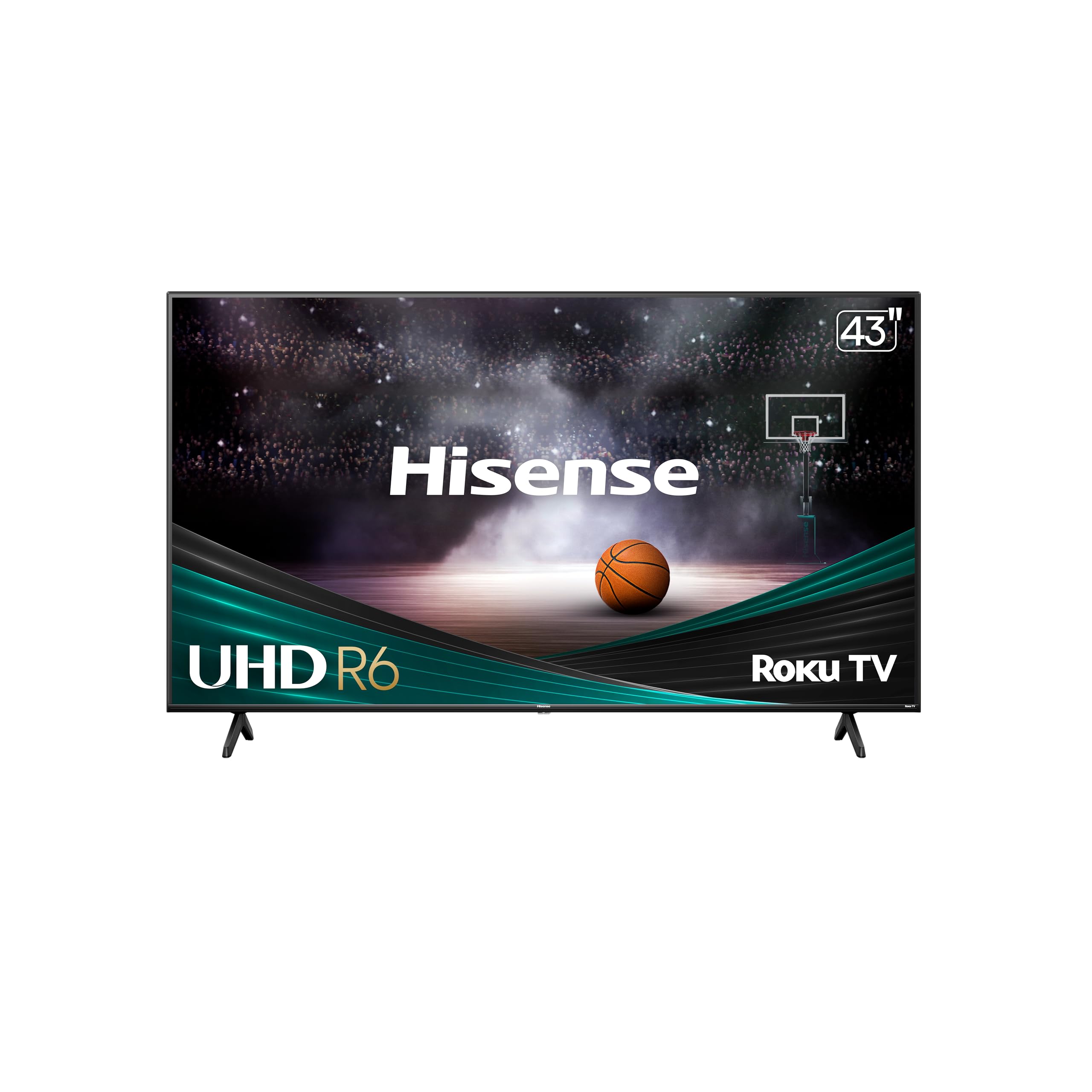
The Hisense R6 Series combines a 4K UHD panel with a full-array LED backlight and Dolby Vision HDR support, all running on the Roku TV operating system. This combination is hard to beat for streaming-focused users who want a simple, stable interface that never feels sluggish. Roku OS is famously lean — it boots quickly, the remote responds instantly, and app switching is snappy even compared to more expensive smart platforms. The inclusion of Dolby Vision HDR means compatible Netflix and Disney+ content gets dynamic tone-mapping that dramatically improves shadow detail and highlight punch over standard HDR10.
The Motion Rate 120 technology is a marketing term for image processing rather than a native 120Hz panel, but it does a reasonable job reducing judder in fast-moving sports and action films. The DTS Studio Sound virtual surround processing adds a bit of width to the audio stage, though the physical speakers remain small and lack the authority for a true cinematic experience — a soundbar is still the best upgrade path. The remote is simple and functional, with dedicated buttons for Netflix, Amazon Prime Video, and other major services.
The main trade-off is panel uniformity. Some units exhibit slight backlight bleeding in the corners during dark scenes, a common trait in budget-tier direct-LED panels. The 60Hz refresh rate ceiling means it is not the right choice for high-framerate console gaming, but for casual PS4 or Nintendo Switch users, the input lag is low enough to be unobjectionable. Hisense customer support has drawn mixed reviews — quick replacement for some users, slow refund processes for others — so buying from a retailer with a solid return policy is wise.
Why it’s great
- Roku OS delivers the fastest and most stable smart TV experience at this price point
- Dolby Vision HDR support gives dynamic color and contrast on compatible streaming content
- Full-array LED backlight provides better uniformity than many edge-lit competitors
Good to know
- Some units exhibit mild backlight bleed in dark corner scenes
- 60Hz native panel is not suitable for 120fps gaming on next-gen consoles
- Hisense customer service consistency varies — secure a good return policy at purchase
5. TCL QLED 43″ 43P7K UltraHD 4K
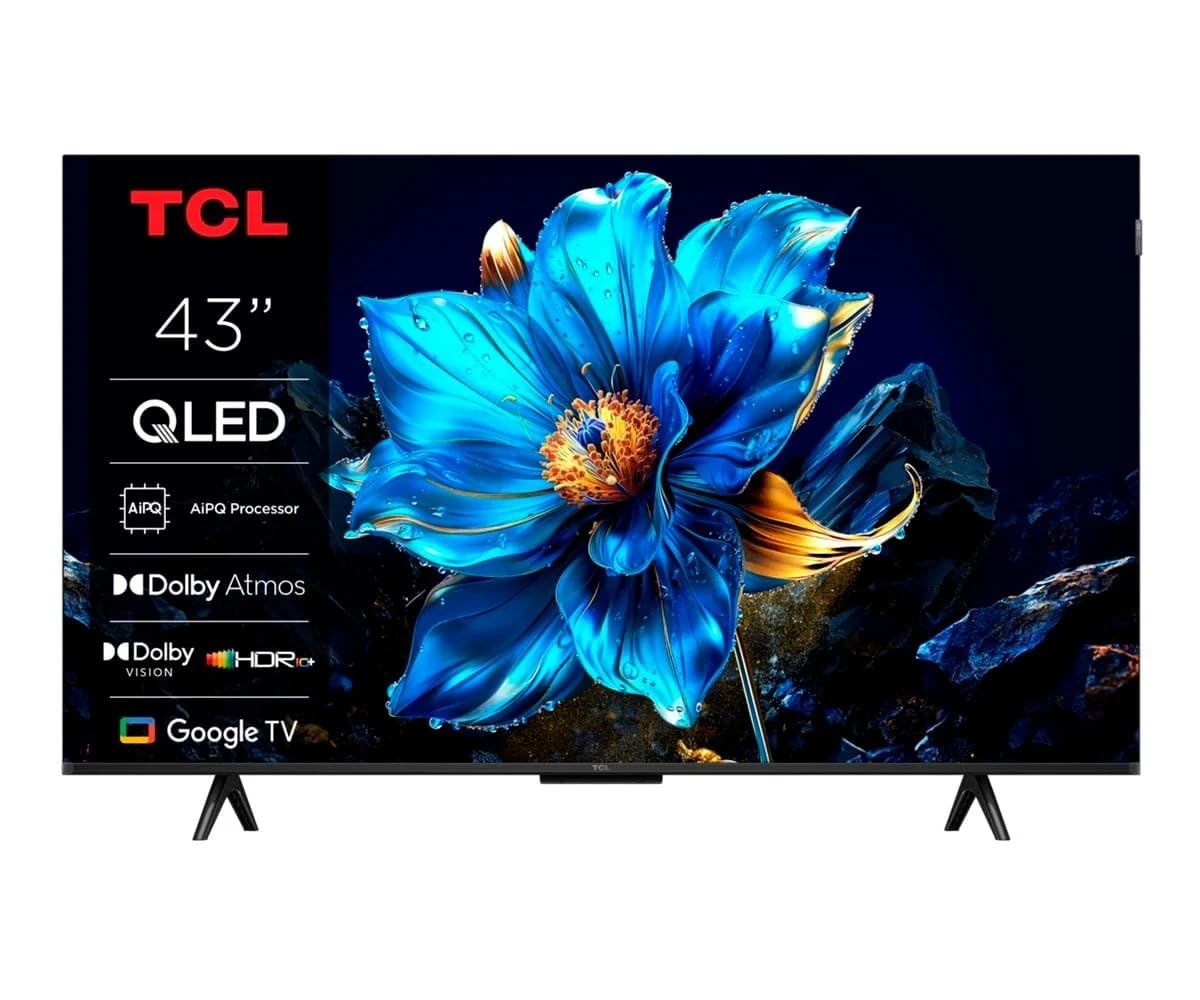
The TCL 43P7K is a rare breed at the 43-inch size: a true QLED panel with a 120Hz Game Accelerator, making it one of the few mid-sized displays that can actually take advantage of the PlayStation 5 and Xbox Series X’s 120fps output. In supported titles like Call of Duty: Warzone or Forza Horizon 5, the difference between 60Hz and 120Hz is immediately perceptible — motion is smoother, and aiming feels significantly more responsive. The AiPQ Processor handles upscaling and color mapping, and the Multi HDR Format support covers HDR10, HDR10+, and HLG, giving it broad compatibility with modern content.
Dolby Atmos support, combined with the QLED panel’s higher brightness ceiling, creates a more immersive viewing experience for both movies and games. The QLED quantum-dot layer produces over a billion colors with better volume than standard LED panels, so HDR highlights in games like Horizon Forbidden West look genuinely bright without washing out adjacent dark areas. The Google TV operating system is responsive and well-integrated, with a remote that includes voice search and dedicated buttons for major streaming platforms.
The 120Hz Game Accelerator is not a native 120Hz panel in the traditional sense — it uses a combination of motion estimation and frame interpolation to achieve the higher refresh rate — but in practice, it delivers a smoother gaming experience than any 60Hz competitor in this list. The European user reviews suggest a few minor software quirks in the DVB-T2 tuner functionality and on-screen program information, but for streaming and gaming use, those issues are largely irrelevant. The 120Hz mode is limited to 1440p resolution in some titles, so hardcore competitive players should verify their game’s supported output modes before purchasing.
Why it’s great
- 120Hz Game Accelerator enables smooth 120fps gaming at this screen size
- QLED quantum-dot layer delivers wide color volume and bright HDR highlights
- Dolby Atmos support provides immersive virtual surround for movies and games
Good to know
- 120Hz mode may require 1440p input on some games rather than full 4K
- DVB-T2 tuner and EPG features have some minor software rough edges
- Google TV interface can feel slightly less snappy than Roku for pure streaming
6. Hisense 43-Inch Class A6 Series 4K UHD Smart Google TV (43A6H)

The Hisense A6 Series takes the Google TV platform and pairs it with a 4K UHD direct-LED panel that includes Dolby Vision HDR and HDR10 support. Google TV organizes movies and shows from all your subscriptions into a single, personalized home screen, and the built-in Chromecast makes it trivial to cast content from your phone or laptop. The Sports Mode preset automatically adjusts motion processing and color saturation to make football, basketball, and soccer matches look more dynamic and fluid, which is a nice touch for sports fans who do not want to dig through the settings menu every game day.
Game Mode Plus is the headline feature for console owners: it bundles a 60Hz panel with Variable Refresh Rate (VRR) and Auto Low Latency Mode (ALLM), smoothing out frame rate dips in demanding game scenes and reducing input lag to a responsive level. The AI UHD Upscaler does a decent job improving 1080p and 720p content for a 4K screen, though it is less aggressive than Samsung’s Crystal Processor in edge enhancement. The remote includes a voice button for Google Assistant searches, and the interface is generally smooth, though it can stutter slightly when loading the home screen after a cold boot.
The main drawbacks are related to the panel’s viewing angles and black level performance. The direct-LED backlight produces acceptable black levels in a dim room, but in a bright room, blacks appear more grayish. Off-angle viewing reveals a noticeable drop in contrast and color saturation, so this is not the best choice for a wide seating arrangement. The remote is functional but feels a bit basic compared to the backlit or premium remotes found on pricier models. For a secondary TV in a bedroom or den where you sit directly in front of it, these limitations are easy to overlook.
Why it’s great
- Google TV platform organizes streaming subscriptions into a clean, personalized interface
- Game Mode Plus with VRR and ALLM provides a smooth, low-lag gaming experience
- Sports Mode preset saves time for live sports fans who want instant motion optimization
Good to know
- Viewing angles are narrow — color and contrast degrade significantly off-center
- Direct-LED backlight delivers grayish blacks in bright-room conditions
- Remote feels basic and lacks backlighting for use in dark rooms
7. LG 43-in 4K UHD TM120 Smart LED TV (43UP8000PUR)

The LG 43UP8000PUR is an interesting hybrid: it works perfectly as a standard 4K TV for streaming and live TV, but its 43-inch size, 4K resolution, and sharp text rendering also make it a compelling option for use as a desktop monitor with a Mac Mini or PC. User reviews from creative professionals and developers highlight how well it displays code and design tools at native resolution without the scaling headaches that plague larger screens. The LG Magic Remote with its pointer functionality and scroll wheel adds a layer of convenience that standard remotes cannot match, especially when typing search terms or navigating browser-based apps.
The Quad Core Processor handles 4K upscaling and color mapping efficiently, and the webOS smart platform is one of the most polished in the industry — it is fast, visually clean, and the home screen layout makes sense without burying settings under multiple layers. Connectivity includes Bluetooth 5.0, dual-band Wi-Fi, three HDMI ports, and optical audio output, giving you flexibility for connecting soundbars, legacy audio equipment, and external streaming devices. The stand is sturdy and well-designed, with a solid base that minimizes wobble on an office desk or entertainment center.
The built-in speakers are a weak point — users consistently describe the sound quality as poor, with thin mids and almost no bass presence. For desktop use, external speakers or a quality set of powered monitors are essential. The webOS interface, while polished, can feel overwhelming to users who prefer a simpler menu system, and the LG Magic Remote’s learning curve has frustrated some buyers who just want a straightforward channel-flipping experience. HDR performance is decent but not class-leading — the panel lacks the brightness needed to make Dolby Vision content truly pop compared to QLED alternatives.
Why it’s great
- Sharp 4K text rendering makes it an excellent desktop monitor for Mac Mini and PC users
- LG Magic Remote pointer is genuinely useful for navigation and text input
- webOS platform is fast, clean, and one of the most refined smart TV interfaces available
Good to know
- Built-in speakers are notably weak — thin with almost no bass response
- HDR peak brightness is average, lacking punch compared to QLED competitors
- webOS complexity can be frustrating for users who prefer a simpler TV interface
8. Sony BRAVIA 2 II 43 Inch 4K Ultra HD LED Smart TV (K-43S20M2)
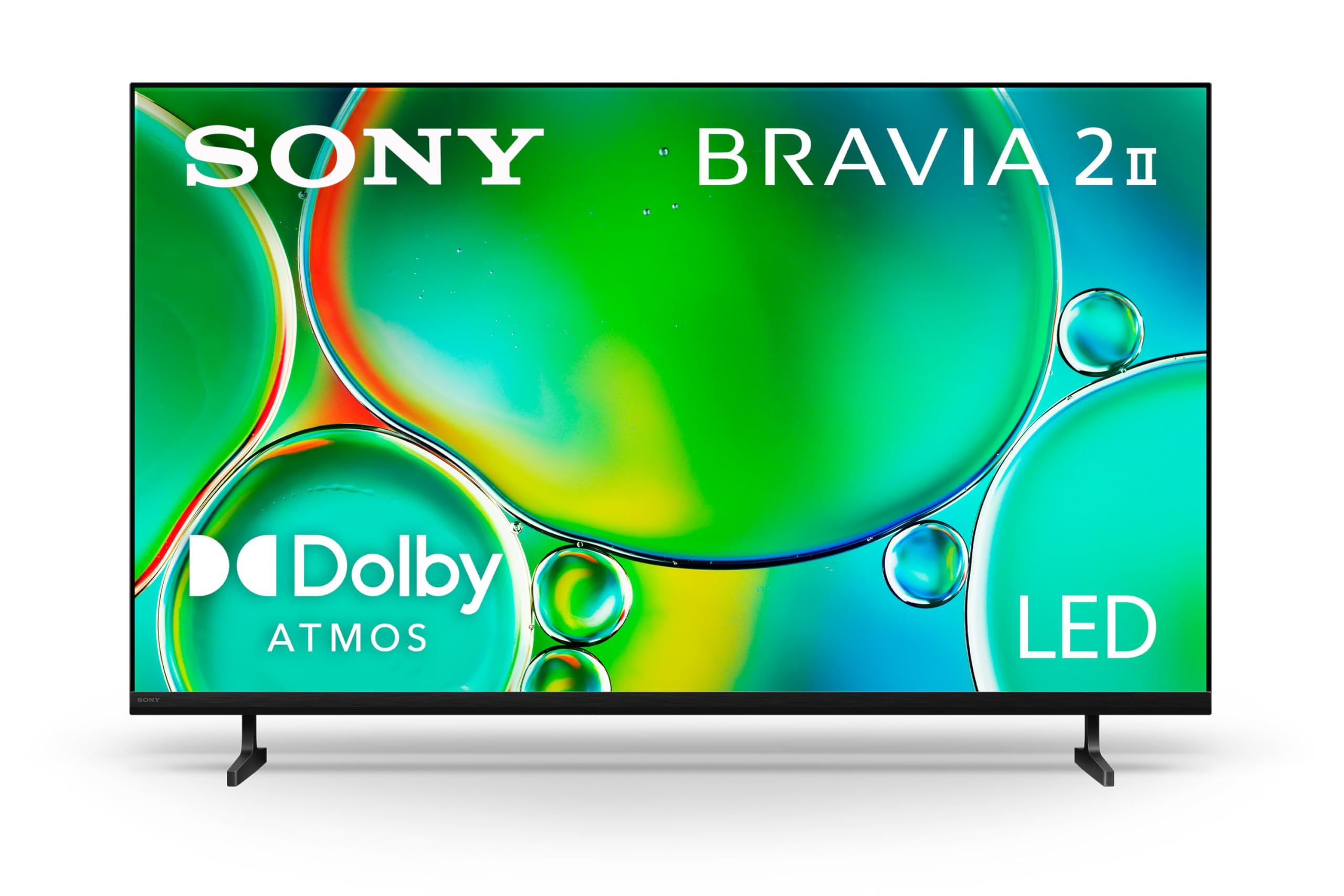
The Sony BRAVIA 2 S20M2 is explicitly engineered for PlayStation 5 owners, with two exclusive features that no other TV in this list offers: Auto HDR Tone Mapping and Auto Genre Picture Mode. When you connect a PS5, the TV automatically recognizes it and optimizes the HDR settings for that specific console’s output, ensuring you see the deepest shadows and brightest highlights without manually calibrating. Auto Genre Picture Mode switches between Game mode and Movie mode depending on what you are watching — gaming gets low-lag response, while streaming a movie automatically reverts to a calibrated cinema preset. It is a frictionless experience that makes a real difference in daily use.
The 4K Processor X1 is Sony’s proven image processing engine, and it shows in the picture quality. Colors are natural and accurate without being oversaturated, motion handling with Motionflow XR is smooth for sports and action, and the upscaling of 1080p and 720p content is excellent. The Game Menu puts all gaming-related picture settings — black equalizer, crosshair overlay, screen size — into one convenient overlay that you can access without interrupting gameplay. The Sony Pictures Core app also includes a selection of free movies, adding a bit of extra value for film fans.
The biggest concern with this set is reliability. While many users report a beautiful picture and flawless PS5 integration, a significant minority describe a nightmare of random freezes requiring power cycling, frequent Wi-Fi drops, and app crashes. This split in user experience suggests possible quality control variation between manufacturing batches. The 60Hz panel is also a limitation for anyone hoping to play PS5 titles at 120fps — this TV is capped at 60Hz, so it prioritizes picture quality and smooth auto-switching over high refresh rate gaming. The Ethernet port is confirmed present despite some conflicting marketing copy, which is good news for users who prefer wired connectivity.
Why it’s great
- Exclusive PS5 Auto HDR Tone Mapping and Auto Genre Picture Mode work flawlessly
- 4K Processor X1 delivers natural colors and excellent motion handling
- Game Menu overlay provides instant access to all gaming picture settings in a single interface
Good to know
- 60Hz panel caps PS5 gaming to 60fps — no 120Hz support
- Reliability issues reported by a subset of users: freezes and Wi-Fi drops
- Quality control may vary between units — secure a good return policy
9. Samsung 43-Inch Class QLED Q8F 4K UHD Smart TV (2025 Model)

The Samsung QLED Q8F represents the absolute peak of 43-inch TV performance in this guide, combining a true quantum-dot panel with 100% Color Volume — meaning the colors you see in bright scenes stay vibrant without washing out, a feat that budget LED panels cannot match. The Q4 AI Processor takes it further by analyzing content type and optimizing both picture and audio in real time: a dark thriller gets deeper blacks, a nature documentary gets boosted color saturation, and dialogue-heavy scenes get clearer vocal processing. The result is a picture that genuinely looks like a mini-theater experience in a compact frame.
For gamers, the Q8F is the clear winner: it supports 4K 144Hz VRR, which is beyond what the PS5 and Xbox Series X currently output (they top out at 120Hz), but future-proofs the TV for the next console generation and provides headroom for high-end PC gaming. The AirSlim design is genuinely impressive — the panel is remarkably thin, and when wall-mounted, it sits flush against the wall with minimal gap, making it an excellent choice for minimalist living spaces. Samsung TV Plus provides the same free content library as the U8000H, with over 2,700 free channels that are easy to browse through the polished Tizen interface.
The premium price tag is the biggest barrier — this is the most expensive 43-inch option by a noticeable margin. While the picture quality and 144Hz refresh rate justify the cost for enthusiasts, casual users who just want Netflix and basic streaming will find that the mid-range options deliver 90% of the visual experience for nearly half the cost. The remote is solar-rechargeable (USB-C backup), which is a nice eco-friendly touch, but some users find it overly sensitive to accidental presses during normal handling. The HDR performance is excellent, but the panel’s peak brightness, while high, still cannot match OLED-level contrast in absolute darkness — though at this size, it comes impressively close.
Why it’s great
- 100% Color Volume QLED panel delivers vibrant, accurate colors at any brightness level
- 4K 144Hz VRR gaming support is unmatched at this screen size, future-proof for next-gen consoles
- AirSlim design makes the TV look flush and elegant when wall-mounted
Good to know
- Premium pricing places it well above mid-range alternatives for similar daily streaming
- Solar remote is eco-friendly but overly sensitive to accidental presses during handling
- Peak brightness is excellent but still cannot match OLED in absolute black-level performance
FAQ
Is there a real difference between a 43-inch and a 44-inch TV?
Can a 43-inch 4K TV double as a computer monitor?
What HDMI version do I need for 4K 120Hz gaming on a 43-inch TV?
Final Thoughts: The Verdict
For most users, the best 44 inch tv winner is the Amazon Fire TV 43″ Omni QLED because its QLED panel, Dolby Vision IQ, and hands-free Alexa integration deliver the best balance of picture quality, smart features, and value in a compact package. If you want the ultimate gaming performance with 144Hz VRR and quantum-dot color, grab the Samsung QLED Q8F. And for a simple, reliable streaming experience with the best smart platform in the business, nothing beats the Hisense 43R6G with its buttery-smooth Roku OS and Dolby Vision HDR.