
The 49-inch TV category is unique: it sits in a sweet spot where screen real estate meets manageable weight, fitting smaller living rooms, dens, and bedrooms without dominating the space. But the 49-inch market can be tricky because many sets labeled “49” actually measure closer to 48 or 50 inches, making spec sheets confusing. The real question isn’t just about diagonal length — it’s about panel technology, HDR performance, and refresh rate support for the price.
I’m Min — the co-founder and writer behind Gadgets Feed. I’ve spent hundreds of hours combing through panel specs, contrast ratios, and input lag data for TVs in the 48–50 inch range, analyzing how each model handles HDR10+, Dolby Vision, and motion interpolation at this specific size class.
Whether you’re upgrading a secondary room or need a compact display with flagship features, this guide breaks down the top contenders. After extensive research, these are the models that define the best 49 inch tv market for 2025 and beyond.
How To Choose The Best 49 Inch TV
Choosing a TV in the 48–50 inch range means balancing panel technology, HDR support, and gaming features against your room’s lighting and viewing distance. The decision isn’t just about brand loyalty — it’s about matching specific hardware capabilities to how you’ll actually use the screen.
Panel Type: OLED vs. QLED vs. Mini-LED
OLED panels deliver perfect blacks and infinite contrast because each pixel emits its own light. This makes them ideal for dark rooms and movie watching. QLED and Mini-LED sets use quantum dots and an LED backlight, offering higher peak brightness that cuts through ambient light in bright rooms. Mini-LED adds more dimming zones than standard QLED, narrowing the contrast gap with OLED without the burn-in risk.
HDR Format Support: Dolby Vision vs. HDR10+
Dolby Vision uses dynamic metadata scene-by-scene, which most streaming services support. HDR10+ also uses dynamic metadata but is more common on Samsung and Amazon Prime content. If you use Netflix, Disney+, or Apple TV heavily, prioritize Dolby Vision. If you have a Samsung TV or watch Prime Video, HDR10+ support matters more. Many top-tier sets now support both, which is the ideal scenario.
Refresh Rate and Gaming Features
For gaming on PS5, Xbox Series X, or PC, look for native 120Hz or 144Hz panels with HDMI 2.1 inputs that support 4K at those refresh rates. Features like Variable Refresh Rate (VRR), Auto Low Latency Mode (ALLM), and NVIDIA G-Sync/AMD FreeSync Premium ensure smooth, tear-free gameplay. Motion interpolation (MEMC) also helps reduce blur during fast sports.
Smart TV Platform
The operating system determines how quickly you can access apps and how often you see ads. Fire TV offers deep Alexa integration and a vast app store. Google TV provides a clean interface with Google Cast and strong recommendation algorithms. Samsung Tizen and LG webOS are fast but can push their own content stores. Sony’s Google TV is excellent for PS5 integration. Choose based on your ecosystem — if you use Apple devices, AirPlay 2 support is a must.
Quick Comparison
On smaller screens, swipe sideways to see the full table.
| Model | Category | Best For | Key Spec | Amazon |
|---|---|---|---|---|
| LG C4 OLED evo 48″ | Premium OLED | Cinema & Gaming | 4K 144Hz, 0.1ms response | Amazon |
| Samsung S90F 48″ | QD-OLED | Color Accuracy | NQ4 AI Gen3, 144Hz | Amazon |
| Sony Bravia XR A90K 48″ | OLED Pro | Cinema & PS5 | XR OLED Contrast Pro | Amazon |
| LG C5 OLED evo 48″ | Latest OLED | AI Processing | Alpha 9 Gen8, 144Hz | Amazon |
| Samsung S85H OLED 48″ | OLED Value | Bright Room Viewing | NQ4 AI Gen2, 120Hz | Amazon |
| Hisense 50″ E7 Mini-LED | Mini-LED | High Brightness | Native 144Hz, FALD | Amazon |
| Samsung Q8F QLED 43″ | QLED Mid | Compact Living Room | 4K 144Hz, Q4 Processor | Amazon |
| Sony Bravia 2 50″ | LED Entry | PS5 Gaming | 4K X1 Processor | Amazon |
| Amazon Ember 50″ QLED | Budget QLED | Smart Home Integration | Wi-Fi 6, Alexa+ | Amazon |
| Hisense 50″ E6 QLED | Entry QLED | Budget 4K | Dolby Vision, 120Hz | Amazon |
| Samsung The Frame Pro 55″ | Design Neo QLED | Art & Decor | Matte Display, 144Hz | Amazon |
In‑Depth Reviews
1. LG 48-Inch Class OLED evo C4 Series (OLED48C4PUA)

The LG C4 OLED evo remains the benchmark for 48-inch TVs, combining self-lit pixel technology with a native 144Hz refresh rate and a 0.1ms response time. This means each frame transitions instantly — no motion blur, no ghosting. The A9 AI Processor Gen7 handles AI Super Upscaling intelligently, so even 1080p content looks crisp on the 4K panel. With Dolby Vision and Dolby Atmos built-in, the cinematic experience is genuine.
Gamers get four HDMI 2.1 ports with full 48Gbps bandwidth, supporting NVIDIA G-Sync, AMD FreeSync Premium, and VRR. The Game Dashboard and Game Optimizer let you tweak settings without leaving the action. The 0.1ms response time combined with 144Hz makes this one of the most responsive displays for competitive console or PC gaming at this size.
WebOS 24 is smooth, though some users note the interface pushes LG Channels aggressively. The Magic Remote with pointer control is a matter of taste — some love it, others prefer a standard D-pad. Built-in sound is adequate for casual use, but a dedicated soundbar is recommended for serious audio immersion.
Why it’s great
- Perfect blacks with infinite contrast thanks to OLED evo panel
- Full HDMI 2.1 suite with 144Hz for tear-free gaming
- Excellent AI upscaling from lower-resolution sources
Good to know
- WebOS can feel sluggish at startup due to loading agreements
- Built-in sound lacks bass; a soundbar is a worthy upgrade
- Reflective screen may struggle in very bright rooms
2. Samsung 48-Inch Class S90F Smart TV (48S90F)

The Samsung S90F uses a QD-OLED panel — a hybrid that combines quantum dot color volume with OLED’s perfect blacks. The result is higher peak brightness than traditional OLEDs, making it suitable for rooms with some ambient light. The NQ4 AI Gen3 Processor deploys 128 neural networks to upscale content to 4K and optimizes HDR tone mapping scene by scene.
For gamers, the 144Hz Motion Xcelerator delivers smooth visuals with VRR support. Samsung’s Gaming Hub gives quick access to Xbox Cloud Gaming and Amazon Luna without a console. The anti-reflective coating helps maintain contrast in brighter rooms, though it’s not as effective as LG’s EVO panel in direct light.
One downside: Samsung still doesn’t support Dolby Vision, instead betting on HDR10+ Adaptive. If your streaming library leans heavily on Dolby Vision content (Netflix, Disney+, Apple TV), this is a real limitation. The Tizen OS is fast and responsive, with Alexa built-in for voice control.
Why it’s great
- QD-OLED delivers best-in-class color volume and brightness
- 144Hz native refresh with low input lag for competitive gaming
- AI upscaling with 128 neural networks sharpens lower-res content
Good to know
- No Dolby Vision support — HDR10+ only
- Anti-reflective coating is delicate and can be scratched during cleaning
- Tizen OS interface can feel cluttered with promoted content
3. Sony XR48A90K 48 Inch 4K Bravia XR OLED

The Sony A90K is the smallest OLED in Sony’s Bravia XR lineup, but it packs the same Cognitive Processor XR found in larger models. This processor analyzes content the way humans perceive reality — focusing on focal points and cross-referencing color, contrast, and detail simultaneously. XR OLED Contrast Pro boosts peak brightness in highlighted areas while preserving deep blacks in shadows.
This TV is a dream for PS5 owners, with exclusive features like Auto HDR Tone Mapping and Auto Genre Picture Mode. When the PS5 detects a Sony Bravia, it automatically optimizes HDR and switches to game mode when launching a game, then back to filmmaker mode for movies. Input lag is as low as 8.5ms at 4K 120Hz.
The Google TV interface is clean and integrates well with Google Cast and Apple AirPlay 2. The acoustic surface audio — where the screen itself acts as a speaker — delivers surprisingly clear dialogue but distorts soft speech and sub-bass. This is best used in a dim or dark room where OLED contrast truly shines.
Why it’s great
- XR Cognitive Processor delivers lifelike picture processing
- Deep PS5 integration with automatic HDR and game mode optimization
- Acoustic surface audio provides immersive sound without external speakers
Good to know
- Lower peak brightness than LG C4 or Samsung S90F in bright rooms
- Acoustic audio distorts at higher volumes with complex soundtracks
- Only two HDMI 2.1 ports (one eARC, one standard)
4. LG 48-Inch Class OLED evo C5 Series (OLED48C5PUA, 2025)

The LG C5 builds on the C4 platform with the Alpha 9 AI Processor Gen8, which brings more advanced AI Super Upscaling 2 and a new Personalized Picture Wizard that uses AI to analyze your favorite images and create a custom picture profile. The panel retains the same 144Hz refresh rate and 0.1ms response time, making it a direct gaming competitor to the C4 with slightly better processing.
Four HDMI 2.1 ports again support full 48Gbps bandwidth, NVIDIA G-Sync, AMD FreeSync Premium, and VRR. The WOW Orchestra feature lets you pair the TV’s built-in speakers with an LG soundbar for unified audio. Filmmaker Mode is present for accurate cinematic reproduction, and the webOS Re:New program promises 5 years of software updates.
The main trade-off is cost — the C5 commands a premium over the C4 for what amounts to incremental AI improvements. The remote pointer feature remains divisive, and some users report the AI enhancements (like Dynamic Tone Mapping Pro) can oversaturate colors if not dialed back in standard mode.
Why it’s great
- Alpha 9 Gen8 processor offers the most advanced AI upscaling from LG
- Personalized Picture Wizard tailors settings to your visual preference
- Five years of webOS updates through Re:New program
Good to know
- Incremental upgrade over C4 — not a generational leap
- AI features can oversaturate; manual calibration often yields better results
- Magic Remote pointer is not universally loved for everyday navigation
5. Samsung 48-Inch Class OLED S85H Series (2026, 48S85H)
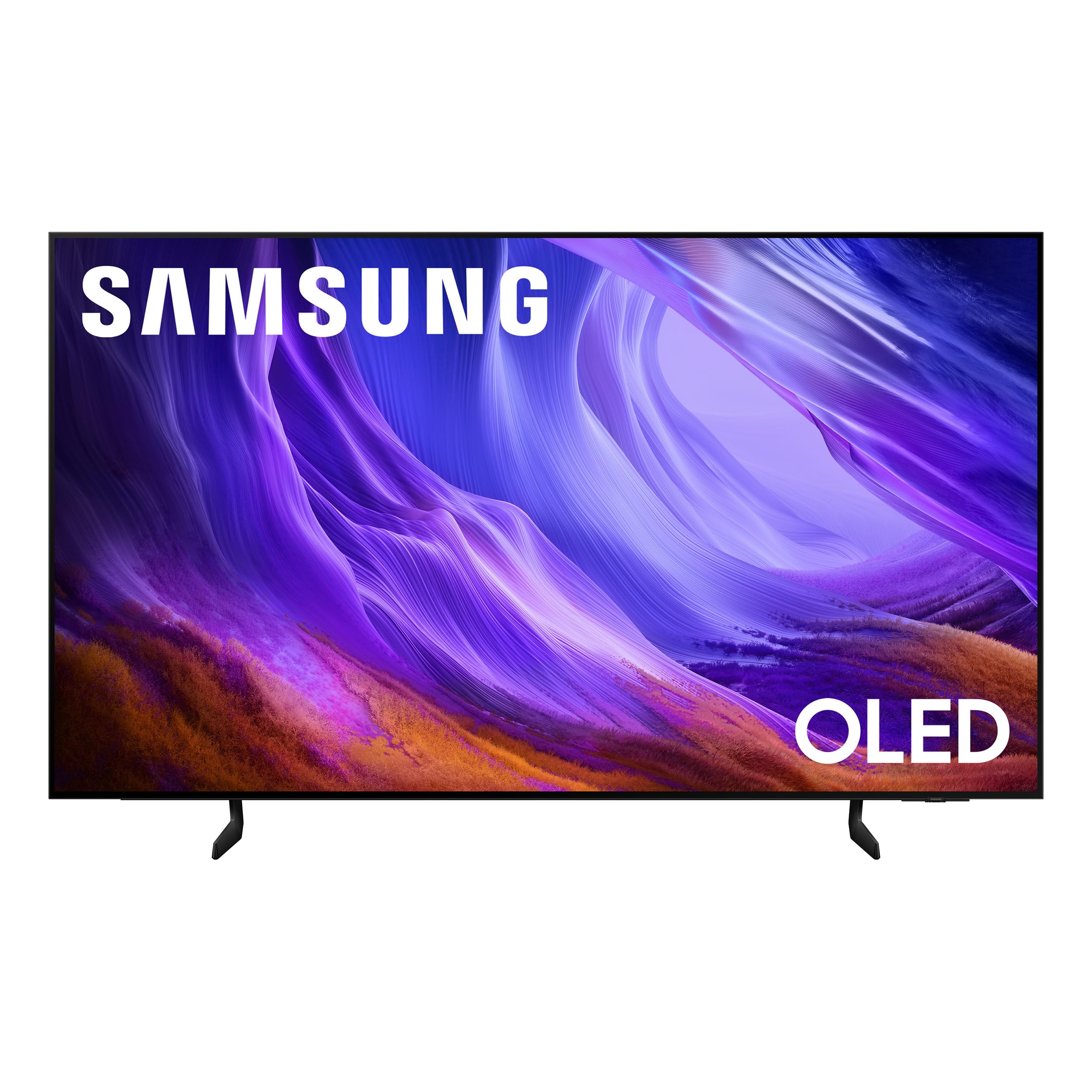
The Samsung S85H offers OLED performance at a more competitive price point than the S90F, using the NQ4 AI Gen2 Processor (a step down from the Gen3 in the S90F). This means you still get excellent AI upscaling and motion handling, but peak brightness and color volume are lower. The panel runs at 120Hz rather than 144Hz, which is still plenty for most console gaming.
Color Booster Pro enhances vibrancy in real-time using AI analysis, and the Pantone Validation ensures skin tones and nuanced hues remain accurate. Motion Xcelerator 120Hz handles fast sports and action movies smoothly, and VRR with AMD FreeSync Premium keeps gaming tear-free. With four HDMI 2.1 inputs, connectivity is generous.
The main compromise is brightness — this OLED struggles more in bright rooms than the S90F or LG C4. Samsung’s Tizen OS is fast, but the home screen is cluttered with promoted content. The solar-powered remote is a nice touch for reducing battery waste. This is a strong pick if you want OLED but need to stay within a tighter budget.
Why it’s great
- Entry-level OLED with genuine perfect blacks and wide viewing angles
- Pantone validated for accurate skin tones and color reproduction
- Four HDMI 2.1 inputs with VRR for versatile gaming setups
Good to know
- Lower peak brightness than S90F — best for darker rooms
- 120Hz panel vs. 144Hz on competitors — minor gaming difference
- Tizen OS interface pushes Samsung TV Plus and ads heavily
6. Hisense 50″ E7 Cinema Series Hi-QLED Mini-LED (50E7SF, 2026)
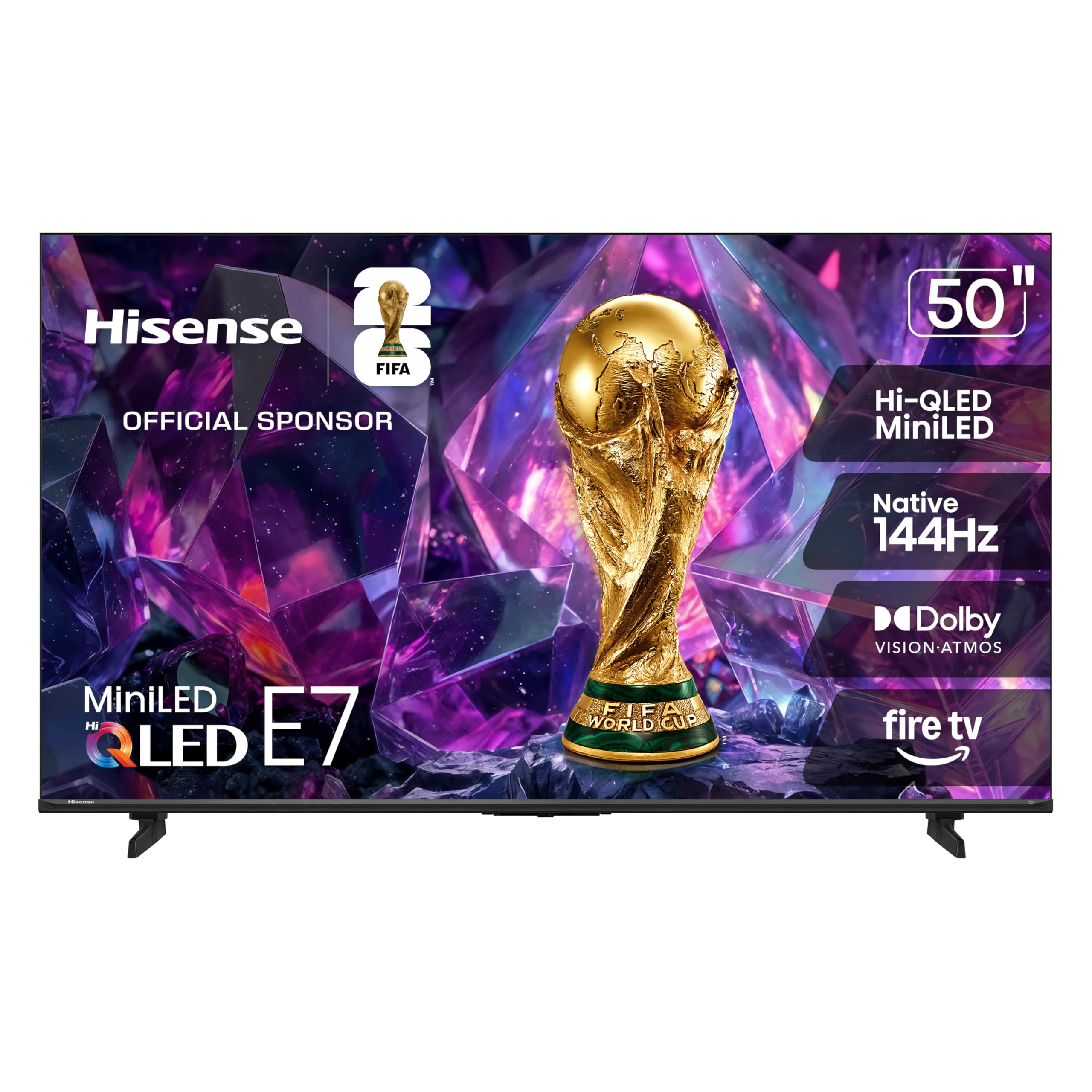
The Hisense E7 uses Mini-LED backlighting with Full Array Local Dimming (FALD) zones, giving it contrast performance that approaches OLED without the burn-in risk and with higher peak brightness. At 144Hz native, this is a gaming-focused set that supports MEMC (Motion Estimation Motion Compensation) for smooth fast-motion handling during sports and action sequences.
The AI Picture engine analyzes content scene by scene to optimize brightness and color, while the AI Sports Mode automatically adjusts settings when it detects a game. Dolby Vision IQ and HDR10+ Adaptive both work here, covering both major HDR formats — rare in this price bracket. Bluetooth 5.4 is included for wireless peripherals.
On the downside, the Fire TV interface is app-rich but can feel sluggish during initial loading. Some users report Wi-Fi connectivity drops that require a factory reset to resolve — a quality control concern. The included stand is plastic and feels less premium than the competition. Still, for Mini-LED performance at a competitive price, this is a strong contender.
Why it’s great
- Mini-LED FALD provides excellent contrast and high peak brightness
- Native 144Hz with MEMC for smooth gaming and sports
- Dual HDR format support — Dolby Vision IQ and HDR10+ Adaptive
Good to know
- Fire TV interface has occasional lag and app-switching delays
- Some units have Wi-Fi stability issues requiring reset
- Plastic stand feels less robust than metal alternatives
7. Samsung 43-Inch Class QLED Q8F 4K (2025 Model)

The Samsung Q8F packs Quantum Dot technology into a compact 43-inch frame, offering 100% Color Volume — meaning colors stay accurate even at peak brightness. The AirSlim design makes this one of the slimmest QLED sets at this size, ideal for wall mounting in a bedroom or study. The Q4 AI Processor handles 4K upscaling and motion smoothing.
Gaming performance is strong with 4K 144Hz VRR support, but note that the smaller 43-inch size means lower pixel density per inch than a 50-inch or 48-inch panel — this is less noticeable at typical viewing distances. Samsung Vision AI provides content-aware adjustments, though some users disable AI features for a more natural picture.
Samsung TV Plus offers over 2,700 free channels without subscription, a great value-add for cord-cutters. The remote charges via solar or USB-C, eliminating battery changes. The main trade-off is the smaller screen real estate for the price — you’re paying for premium QLED color in a compact package.
Why it’s great
- Quantum Dot technology delivers 100% color volume at any brightness
- Ultra-slim AirSlim design ideal for flush wall mounting
- 144Hz VRR gaming with low input lag
Good to know
- 43-inch is smaller than the 48-50″ standard for this category
- Samsung still omits Dolby Vision — HDR10+ only
- Remote is overly sensitive during navigation, per user reports
8. Sony BRAVIA 2 II 50 Inch 4K LED (K-50S20M2)
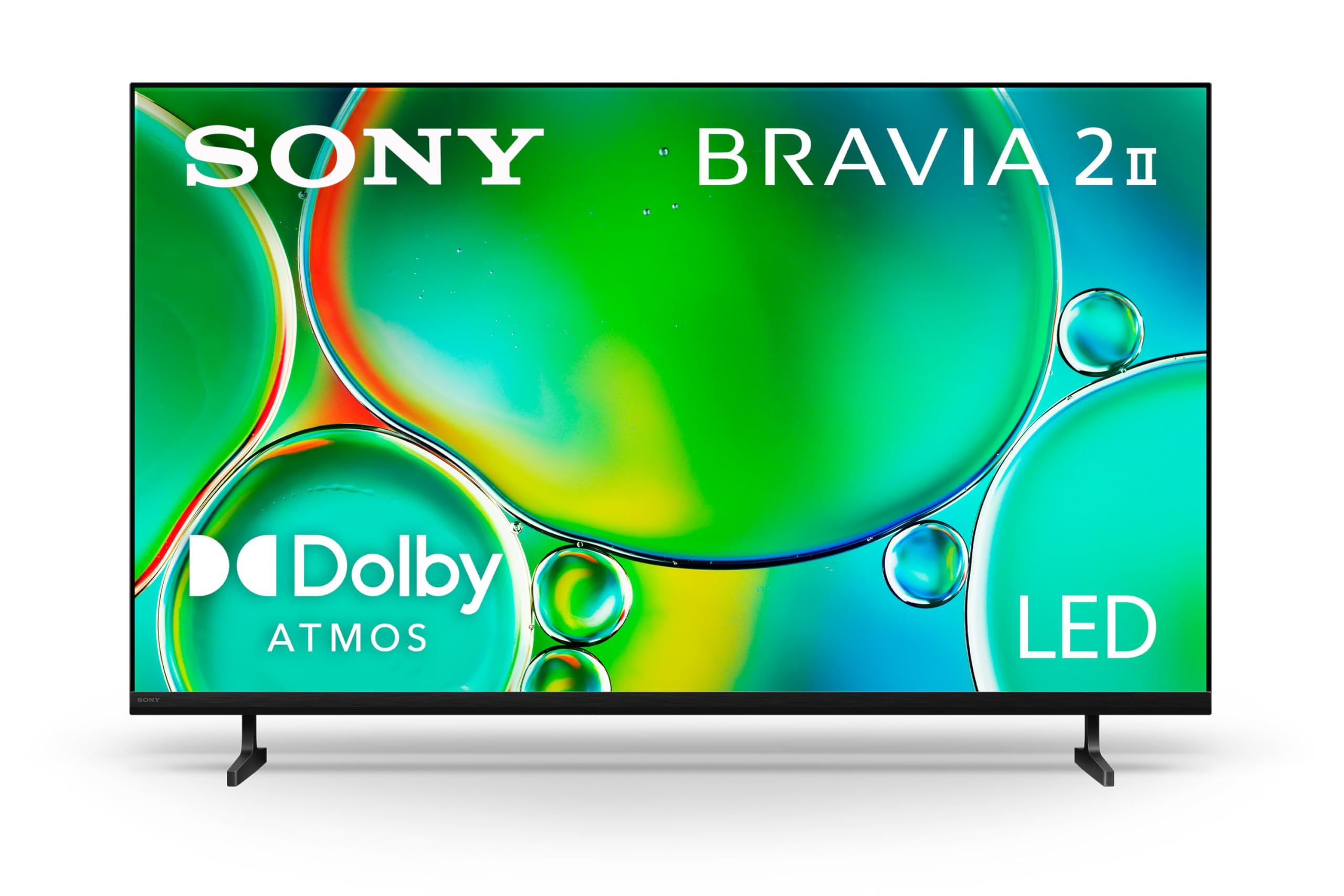
The Sony BRAVIA 2 II uses the 4K Processor X1 — a proven chip that delivers lifelike color and sharp detail, even if it lacks the advanced neural networks of Sony’s XR series. Motionflow XR handles fast sports well, and 4K XR-Reality PRO upscales lower-resolution content to near-4K quality. For PS5 owners, the exclusive Auto HDR Tone Mapping and Auto Genre Picture Mode are major quality-of-life features.
The Google TV interface is clean and supports Apple AirPlay 2 and Google Cast natively. The Game Menu puts all gaming picture settings in one place, including crosshair overlays and black equalizer options. Connectivity includes Bluetooth 5.3 and Ethernet, ensuring stable streaming.
The main limitation is the LED panel — it lacks the contrast and black levels of OLED or Mini-LED, making it less suitable for dark-room movie watching. Some users report freezing and Wi-Fi dropping issues, though these may be unit-specific quality control concerns. At this price point, it’s a solid PS5 companion but not a cinematic powerhouse.
Why it’s great
- PS5-specific features auto-optimize HDR and picture mode
- Motionflow XR delivers smooth sports and action movies
- Clean Google TV interface with AirPlay 2 and Google Cast
Good to know
- LED panel cannot match OLED contrast or black levels
- Some user reports of freezing and Wi-Fi drops
- Refresh rate is 60Hz — not ideal for competitive gaming
9. Amazon Ember 50″ QLED Series with Fire TV
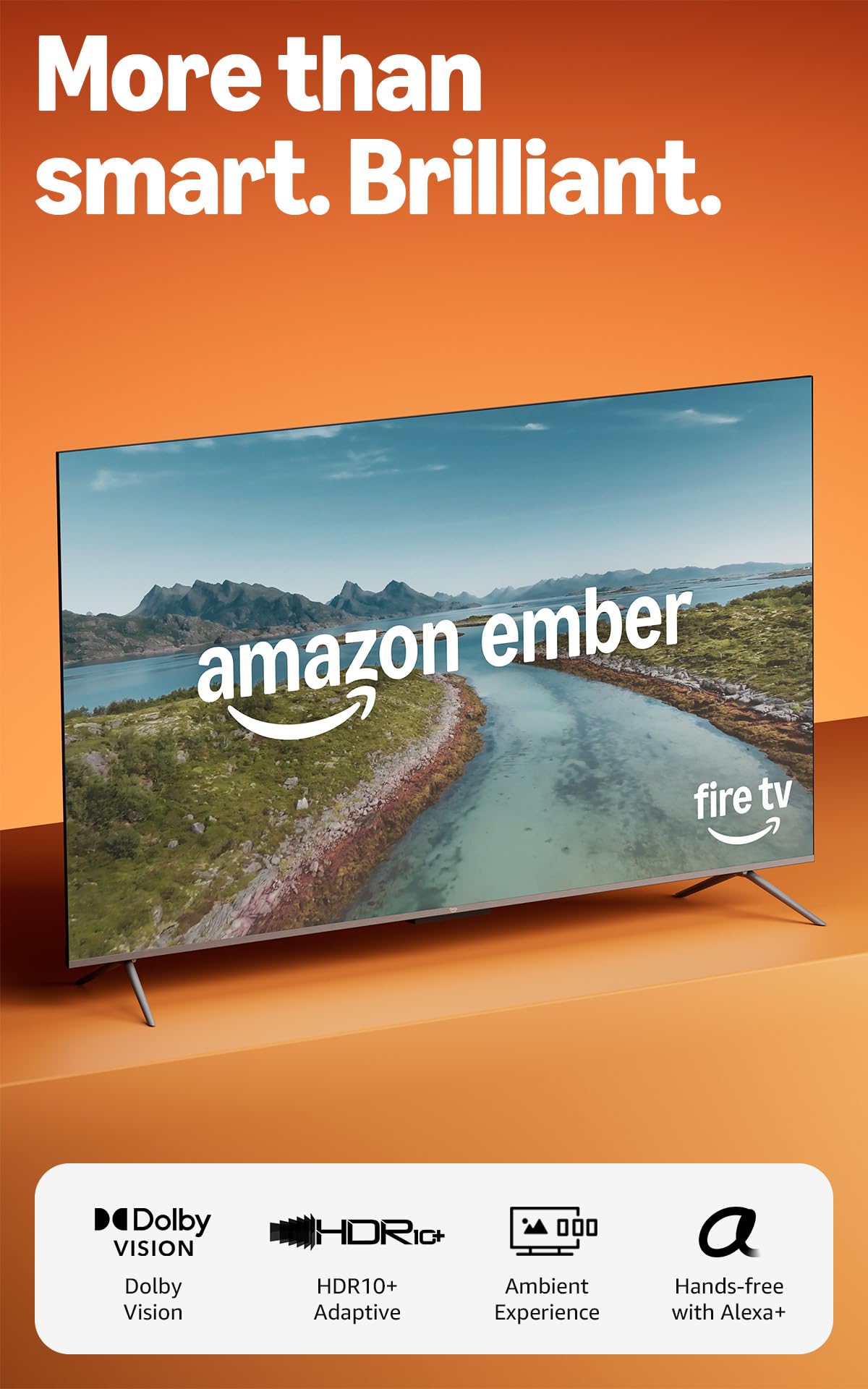
The Amazon Ember 50″ QLED brings a 4K QLED display with Dolby Vision and HDR10+ Adaptive support to the budget tier, combined with deep Alexa integration. The quad-core processor and Wi-Fi 6 support ensure snappy app loading and smooth streaming. The new Omnisense technology wakes the display when you enter the room — a nice automation touch.
For gaming, the Ember supports Amazon Luna and Xbox Game Pass streaming directly without a console. Input lag is reasonable for casual gaming, though not competitive with 120Hz+ panels. The four HDMI inputs provide good connectivity for soundbars and consoles. Hands-free Alexa allows voice control even when the TV is off.
The main drawback is image quality consistency — some users note that while colors are vibrant, shadow detail and contrast don’t match higher-end QLEDs. Audio is adequate but lacks bass, making a soundbar a near-necessity for movie watching. The Fire TV interface can feel ad-heavy compared to Google TV or Roku platforms.
Why it’s great
- QLED panel provides vibrant colors and good brightness for the price
- Wi-Fi 6 ensures fast, stable streaming connectivity
- Deep Alexa integration with hands-free voice control
Good to know
- Shadow detail and contrast trail premium QLED and OLED sets
- Built-in sound lacks bass; soundbar recommended for movies
- Fire TV interface has prominent advertising placements
10. Hisense 50″ E6 Cinema Series Hi-QLED 4K (50E6QF)
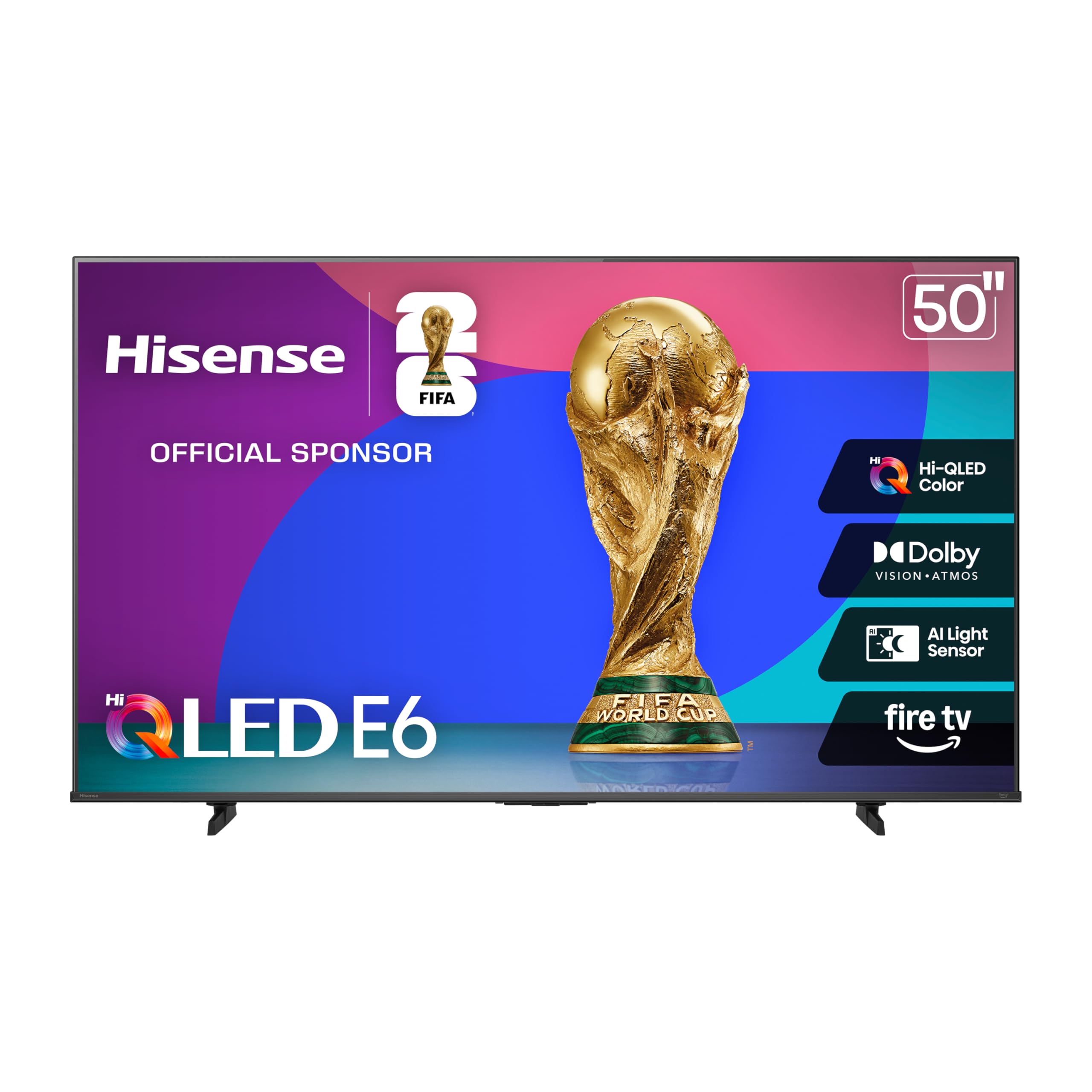
The Hisense E6 is a Hi-QLED 4K TV that punches above its price point with Dolby Vision and HDR10+ Adaptive support. The motion rate of 120Hz (via software interpolation, not native panel refresh) helps reduce blur during sports. Game Mode Plus reduces input lag for casual console gaming, though hardcore competitors will want a native 120Hz+ panel.
Built-in Fire TV gives access to all major streaming apps, and Alexa voice control via the remote adds convenience. The total HDR solution covers Dolby Vision, HDR10+, HDR10, and HLG, ensuring compatibility across streaming platforms. Setup is straightforward, and the thin bezel gives a modern look.
The main compromises are in motion clarity — the 60Hz native panel means fast-action content shows more blur than 120Hz+ panels. Some users report initial remote lag that resolves after a few minutes of use. The included stand feels basic, and there’s no AV output for legacy devices. For budget-conscious buyers wanting Dolby Vision, this delivers solid value.
Why it’s great
- Excellent value for a 4K QLED with Dolby Vision and HDR10+
- Built-in Fire TV with Alexa provides smart home integration
- Crisp picture clarity with vibrant colors for streaming and movies
Good to know
- 60Hz native panel — motion blur visible in fast-action content
- Initial setup may require password reset for Fire TV account
- No AV output for connecting older DVD players or game consoles
11. Samsung 55” Class The Frame Pro Series Neo QLED (QN55LS03HWFXZA, 2026)
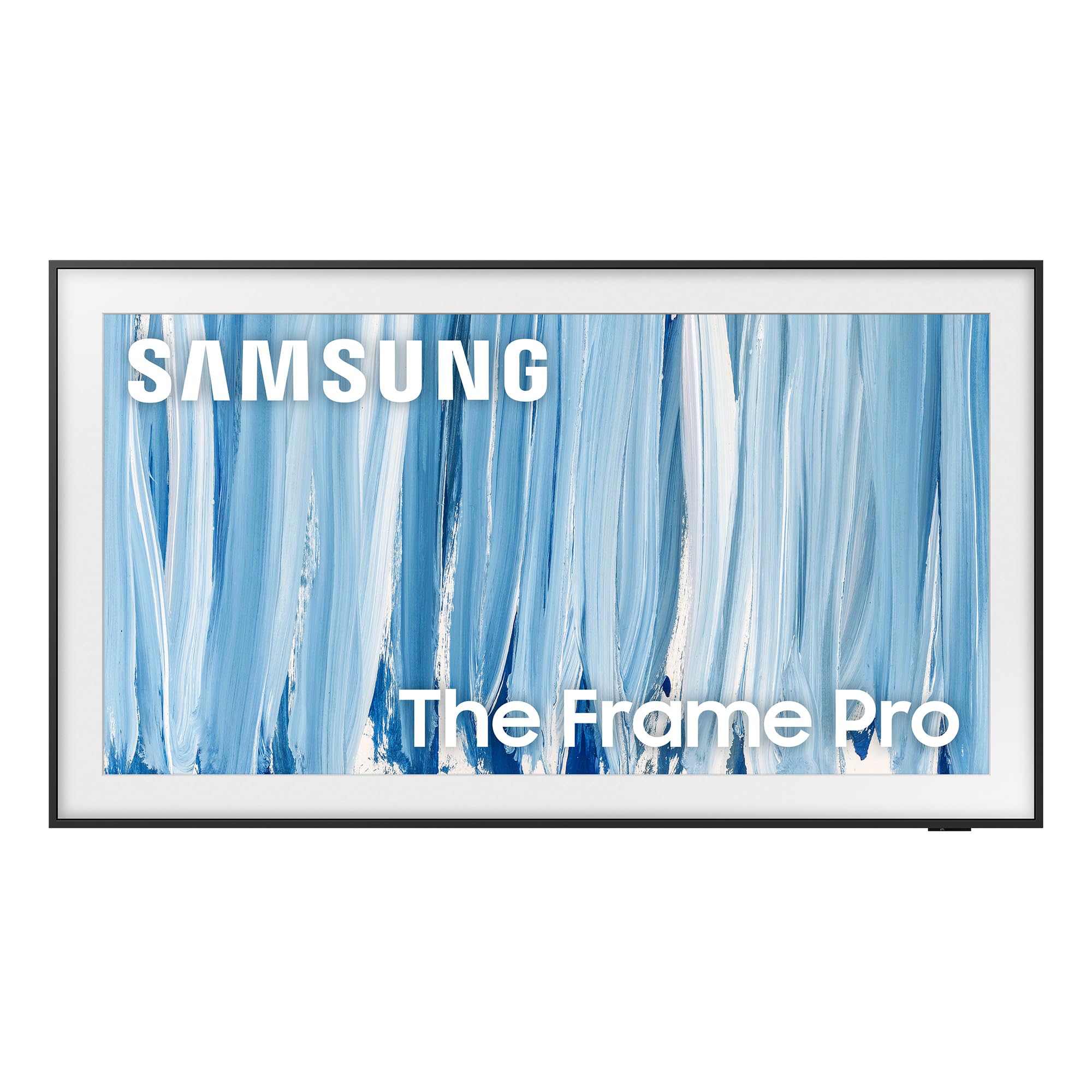
The Samsung Frame Pro blends Neo QLED Mini-LED technology with a matte display designed to look like canvas. The Art Mode displays over 5,000 artworks from the Met and MoMA with adaptive brightness that adjusts to room lighting. The motion sensor wakes the display when you enter the room — a unique feature for home decor integration.
Under the art-focused exterior, this is a serious performer with a 144Hz (DLG 240Hz) panel, VRR support, and the NQ4 AI Gen2 Processor. The One Connect box eliminates cable clutter by consolidating all inputs into a separate box with a single slim cable to the TV. The glare-free matte finish is excellent for bright rooms, virtually eliminating reflections.
The main trade-off is price — you’re paying a significant premium for the design and matte display. The smart TV interface is Tizen, which can feel cluttered, and the Vision AI features (like auto brightness) are hit-or-miss. The solar remote is less convenient than a standard one. At 55 inches, this is slightly larger than the 48-50″ focus, but the design-first approach makes it a unique option for style-conscious buyers.
Why it’s great
- Matte display effectively eliminates glare, ideal for bright living rooms
- Art Mode transforms TV into a museum-quality art piece when idle
- One Connect box hides all cables for clean wall mounting
Good to know
- Premium price for design — you pay a markup over similar-spec TVs
- Free art library is limited; full access requires subscription
- Vision AI features can produce unnatural upscaling; standard mode is better
FAQ
Is a 48-inch TV the same as a 49-inch TV?
Which HDR format is more important for streaming: Dolby Vision or HDR10+?
Do I need HDMI 2.1 for gaming on a 49-inch TV?
Does Samsung still avoid Dolby Vision in 2025/2026 models?
Final Thoughts: The Verdict
For most users, the 49 inch tv winner is the LG C4 OLED 48-inch because it delivers perfect blacks, a 144Hz refresh rate, and full HDMI 2.1 support — making it equally suited for movies, sports, and gaming. If you prioritize brighter HDR highlights and color volume, grab the Samsung S90F 48-inch QD-OLED. And for PS5-focused gaming with exclusive Sony features, nothing beats the Sony Bravia XR A90K 48-inch.