
Our readers keep the lights on and my morning glass full of iced black tea. As an Amazon Associate, I earn from qualifying purchases.
Specs are compiled from manufacturer listings and verified buyer reviews and can change over time — please confirm the key details on the product page before buying.
Finding a running shoe when you need extra width can feel like trying to fit a square peg in a round hole — most shelves are stocked with standard D-width shoes that squeeze your toes and rub your arches raw after a few miles. The difference between a good run and a painful slog often depends on one number: 4E, the industry code for extra-wide men’s sizing that gives your forefoot and midfoot the breathing room they need. This guide cuts through the noise on four standout 4E models, breaking down which one fits your stride, surface, and budget.
I’m Min — the founder and writer behind Gadgets Feed. This guide is built by comparing the manufacturers’ published specifications and the patterns across verified customer reviews, so you get each pick’s real strengths and trade-offs instead of marketing spin.
After digging through the cushioning types and outsole rubber patterns across these four extra-wide options, this article will help you pick the right pair of 4e running shoes without guessing your fit.
Our Picks at a Glance
How To Choose The Best 4E Running Shoes
The biggest mistake is assuming any wide shoe fits the same. A 4E shoe from one brand can feel drastically different from another — the shape of the toe box, the volume of the midfoot, and the type of cushioning all change how your foot sits inside. Here is what separates the right pair from a return label.
Cushioning Technology — What Absorbs the Impact
You have foam (EVA-based like FF BLAST PLUS), nitrogen-infused foam (like DNA TUNED), or gel inserts (like PureGEL). Softer foams feel cloud-like but can feel unstable if you pronate heavily. Newer nitrogen-infused foams try to give you softness without the sinking feeling. Pick the cushioning that matches where you run — concrete roads need more shock absorption than a treadmill.
Drop Height — The Angle of Your Stride
This is the height difference in millimeters between the heel and the toe. A lower drop (6-8mm) encourages a midfoot or forefoot strike and feels more natural for faster runs. A higher drop (10-12mm) takes pressure off your Achilles and is common in everyday trainers. Most 4E runners who log long miles prefer a moderate drop around 8-10mm for a balanced ride.
Upper Material and Toe Box Construction
Look for an engineered mesh upper — it stretches where you need it and stays structured where you do not. A breathable mesh prevents hot spots on longer runs, while a structured or stitched toe cap stops your foot from sliding over the edge. Reviews show that some 4E shoes still have a “small toe box” relative to the rest of the shoe, so the actual shape matters just as much as the width label.
Quick Comparison
| Model | Best For | Cushioning Type | Drop | Weight | Amazon |
|---|---|---|---|---|---|
| Under Armour Charged+ Assert 11★ Best Overall | Budget-friendly walking and casual wear | Charged+ midsole | — | 10.2 oz | $60.00$75.00Amazon |
| Brooks Glycerin 23 | Premium long-distance road miles | DNA TUNED nitrogen-infused | 8mm | 10.6 oz | from $138.95Amazon |
| ASICS Gel-Cumulus 27 | Balanced daily training with extra cushioning | PureGEL + FF BLAST PLUS | — | — | $89.95$140.00Amazon |
| New Balance 880v15 | Everyday road running with a plush feel | Fresh Foam X | — | — | $139.95$149.99Amazon |
In‑Depth Reviews
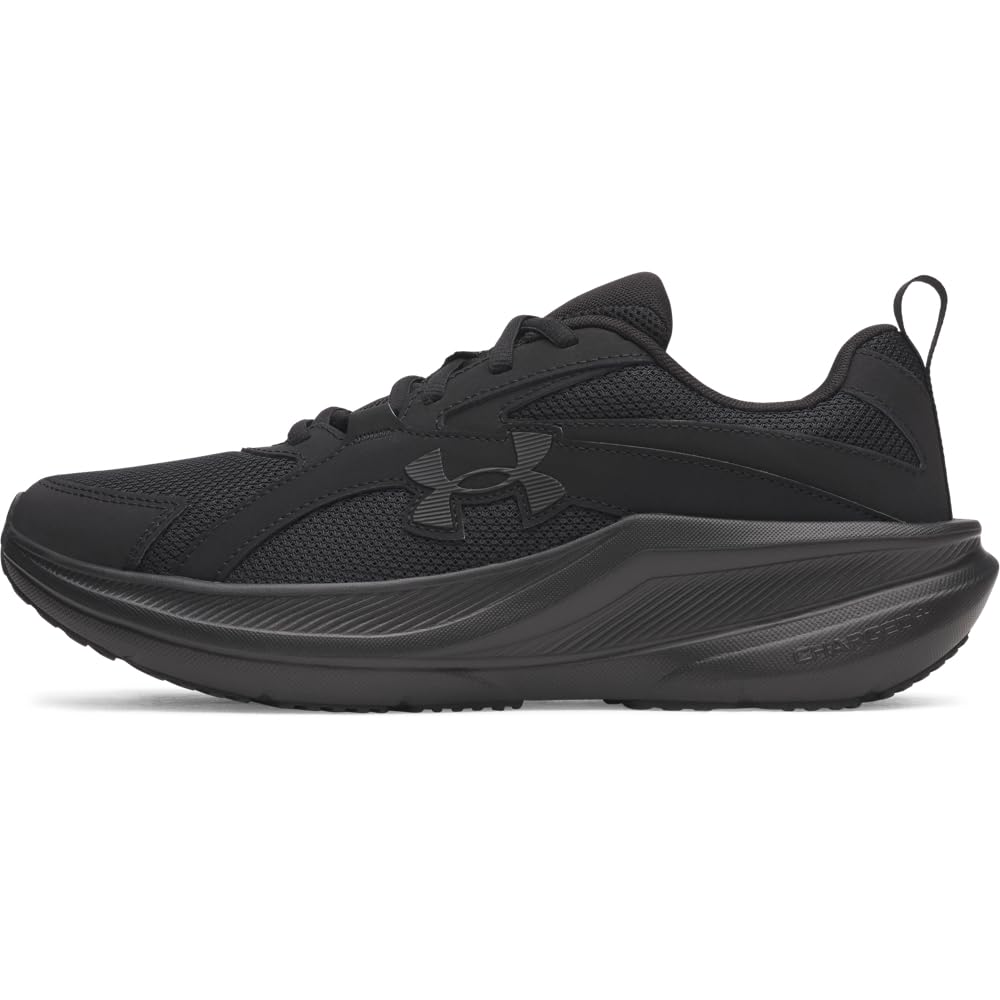
1. Under Armour Men’s Charged+ Assert 11 Running Shoes
Our pick — over 4.5★ from 950+ verified ratings; the strongest balance of quality and price.
The lightweight entry point that proves you do not need to spend a lot for a comfortable 4E fit.
The Charged+ Assert 11 is the most affordable option here, and it does not feel like a compromise for casual runners and walkers who just need a shoe that fits in 4E without squeezing. It uses a Charged+ midsole (a dense foam that provides softness and durability), and at only 10.2 oz it is light enough for a morning walk or a short jog. One buyer who wears a size 12 4E and has owned Skechers, New Balance, and HOKA said these provide a “different level of comfort during lengthy walks,” which is high praise from someone who has tried most major wide brands.
The athletic mesh upper with leather overlays adds midfoot support without making the shoe feel stiff, so it works for both casual outfits and light exercise. Reviewers consistently mention the fit is perfect right from the start — no break-in period required — which is a big deal for 4E buyers who often deal with tight spots in the forefoot that take weeks to loosen up. The rubber outsole has flex grooves at the toe that help with a natural toe-off motion, so your gait does not feel forced.
The biggest downside is the outsole grip on wet surfaces. One customer observed that “anytime there’s water under foot I have to be careful because it could turn into an ice skating rink.” If you run in rain or on slick pavement, you will want a shoe with a more aggressive rubber compound. And the toe box is reported as “small” by a reviewer who compared it to other wide shoes, meaning it may not suit those with very wide forefeet. For budget-conscious runners and walkers who stay on dry ground, though, this is a seriously good value that delivers where it counts.
What stands out: Sub-11 oz weight with a comfortable 4E fit right from the start, at a price that undercuts everything else in this list.
What to watch for: The outsole is slippery on wet surfaces, and the toe box runs narrow compared to other 4E models like the Brooks Glycerin 23.
Best for: walkers and casual runners on dry pavement who want a lightweight, affordable 4E shoe without a break-in period.
Not for: wet-weather runners or anyone with a very wide forefoot who needs a spacious toe box.
2. Brooks Men’s Glycerin 23 Neutral Running Shoe
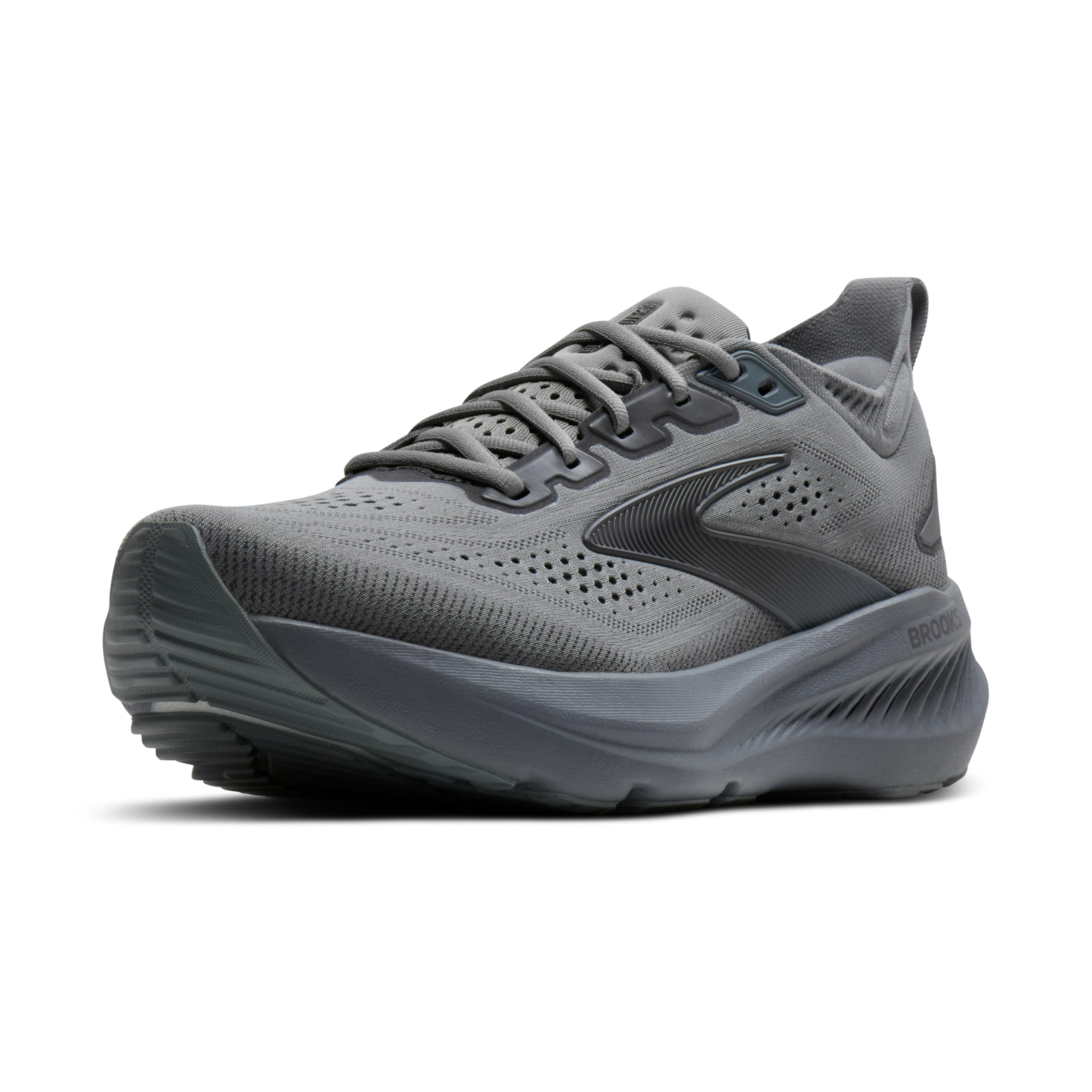
The plush road companion that soaks up concrete without letting you sink into the foam.
The Glycerin 23 is for the runner who wants a genuinely soft landing on long road miles and does not want to sacrifice stability for that cloud-like feel. Brooks uses a new DNA TUNED nitrogen-infused foam in this version, which buyers report delivers a “balance” between sinking and bouncing back — one reviewer noted logging serious miles on hard concrete and being impressed by the structural updates. The 8mm drop is a moderate angle that suits both heel-strikers and midfoot runners, and at 10.6 oz it is not the lightest in this list, but the cushioning payoff is obvious.
The wider base is the real upgrade here. Unlike many 4E shoes that simply add more volume in the upper, this model gives your foot a broader platform so you do not wobble on uneven pavement. One buyer mentioned the toe box was “roomy with no crowding” right from the start, which is rare in extra-wide shoes — most need a break-in period. The APMA Seal of Acceptance and PDAC A5500 Diabetic Shoe listing confirm it meets Medicare standards for depth and protective features, making it a solid option for runners with diabetes or foot sensitivity.
Owners mention that sizing can be tricky — one buyer wearing a size 9 normal in Nike had to size up to a 9.5 wide in the Glycerin 23, so factor in the return window. If you want a luxurious, high-mileage trainer that prioritizes soft landings on hard surfaces, this is the pick that consistently delivers.
Why it wins: The nitrogen-infused DNA TUNED foam gives you a plush ride that never feels mushy, backed by a broader base that keeps your 4E foot planted.
The one catch: You will likely need to experiment with half a size up compared to other brands, so buy from a store with a good return policy.
Reach for this if: you pound pavement 3+ times a week and want the softest possible landing without sacrificing stability.
Look elsewhere if: you prefer a minimal, ground-feel ride or your budget is tight and you cannot afford a premium shoe.
3. ASICS Men’s Gel-Cumulus 27 Running Shoes
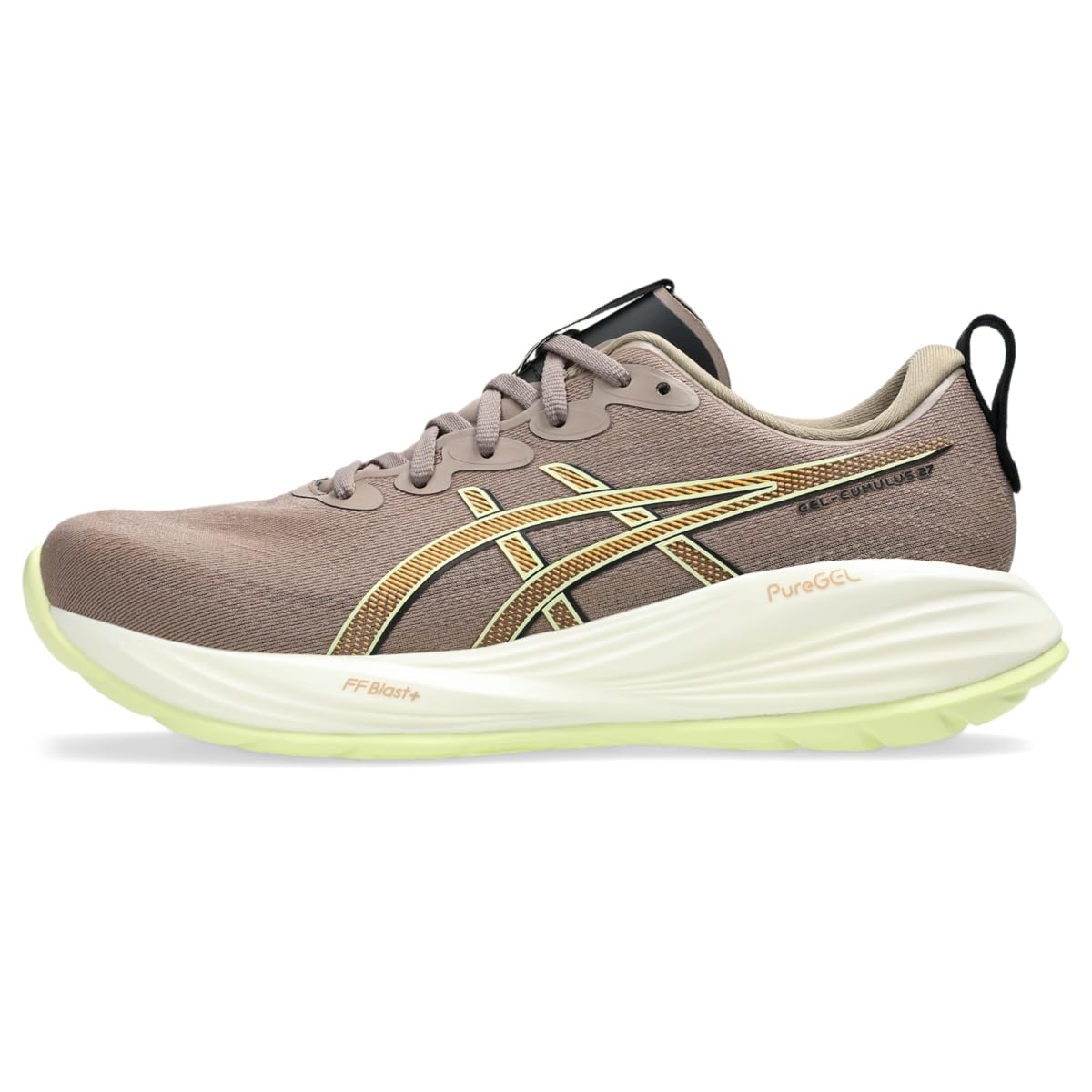
The smooth mid-range that gives your joints relief without emptying your wallet.
If you want extra cushioning but are not ready to pay for nitrogen-infused foam, the Gel-Cumulus 27 sits right in the balance. ASICS combines PureGEL technology (small gel capsules embedded in the rearfoot to absorb the initial impact) with FF BLAST PLUS foam (a lightweight, responsive midsole compound) to give you a shoe that feels soft underfoot yet supportive enough for daily training. One reviewer who used them for daily training and longer distances noted they “stay comfortable throughout” even after hours on the road. The real win for 4E buyers here is the roomy toe box — one buyer switching from other brands said their toes were “no longer being mashed” after getting used to the extra space.
The shoe is marketed as a neutral trainer, meaning it does not correct overpronation but provides a balanced, secure ride. Customers note it works well not just for running but for walking and HIIT workouts too, which gives it a lot of versatility. The breathable mesh upper keeps feet cool during hot runs, and the FluidRide outsole adds a smooth transition that reduces the jarring feeling when your foot strikes the ground.
One area where it falls short of the Brooks Glycerin 23 above is in overall plushness — the Gel-Cumulus 27 is more responsive than truly plush, so if you want a coffin-level marshmallow feel, look to the Glycerin. For a mid-range shoe that does everything well — daily training, long jogs, gym sessions — this is the one that offers the most balanced performance for the money.
What works
- PureGEL technology absorbs impact effectively, reducing joint stress on longer runs, reviewers point out.
- FF BLAST PLUS foam feels bouncy and responsive, not dead or flat
- Breathable mesh upper keeps feet cool during warm-weather runs
Consider this
- Less plush than premium nitrogen-infused foams — not ideal if you prioritize a sinking-into-clouds feel
- Some 4E buyers found the toe box “a little bigger” than expected, so order your normal wide size first
Best for: the value-conscious runner who needs reliable cushioning and shock absorption without paying premium prices.
Not for: those who demand the absolute softest landings — the Glycerin 23 offers a plusher, more luxurious ride.
4. New Balance Mens Fresh Foam X 880v15
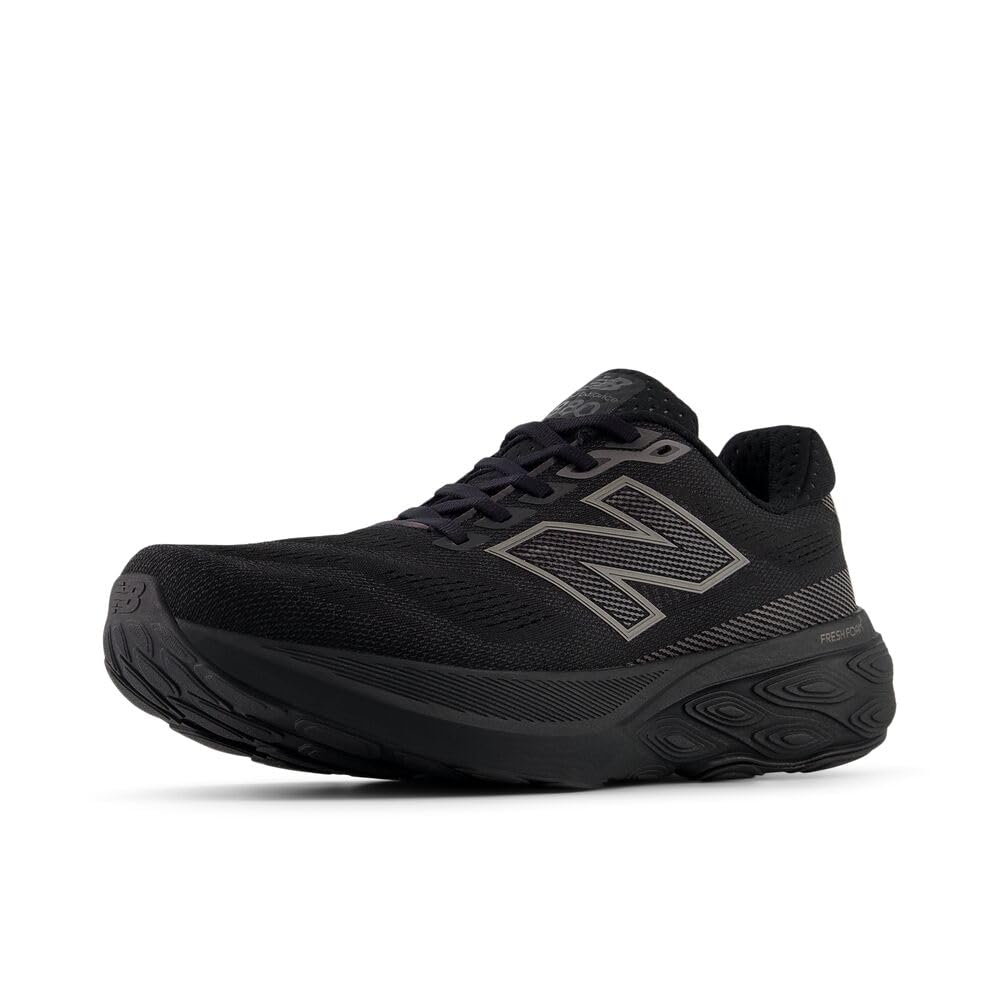
The higher toe area that saves you from tripping, built for everyday miles.
New Balance has long been a go-to for wide-foot runners, and the Fresh Foam X 880v15 continues that tradition with a focus on all-day wearability rather than performance heroics. The shoe features a breathable and structured engineered mesh upper and a Fresh Foam X midsole, which is designed to give a plush but slightly firmer feel than a pure cloud cushion — it supports your foot without letting you sink. One owner reported it is “one of the lightest and comfortable shoes with a wider toe box,” and at size 16, they kept multiple pairs active for daily wear.
A standout detail for 4E runners with mobility concerns: the higher toe area. One reviewer with diabetes noted that because the toe is raised, they no longer catch their foot on low-front curbs or uneven ground, reducing tripping. That is a specific design win if you tend to shuffle or have low toe clearance in other shoes. The breathable mesh also prevents hot spots, and the shoe runs true to size for most buyers.
The durability trade-off is real here. Multiple shoppers say they “do not last very long, maybe a year or less” with regular use, which is shorter than what you would expect from the Brooks or ASICS options. If you log high weekly mileage and plan to get a full year or more out of a shoe, this may not be your best bet. But if you want a lightweight daily trainer with a roomy toe box that helps with stability and tripping, the 880v15 shines where other models feel too tight or too low at the front.
Why people choose it
- Higher toe area reduces tripping for those with mobility or diabetes concerns
- Fresh Foam X cushioning is plush without being unstable
- Breathable mesh upper works for all-day wear in warmer weather
The trade-off
- Buyers report durability is short — expect replacement around a year or less with regular use
- Some found the fit tight and had to go half a size up
Reach for this if: you need a higher toe box for tripping prevention and prioritize a wide, breathable fit over long-term durability.
skip it if: you run high mileage and need a shoe that lasts for years — the Glycerin 23 is a better investment for long wear.
Understanding the Specs
Cushioning Type — What Your Feet Actually Land On
Every shoe in this list uses a different foam or gel formula. Brooks uses DNA TUNED nitrogen-infused foam (soft without the mushy feel), ASICS uses PureGEL with FF BLAST PLUS (pockets of gel that absorb shock in the heel), New Balance uses Fresh Foam X (a plush but stable midsole), and Under Armour uses Charged+ (a dense, long-wearing foam for all-day comfort). Softer foam means less impact on your knees but more effort to push off; firmer foam gives you more ground feel and energy return but less shock absorption. Choose based on your joints and your running surface.
Drop and Weight — How the Shoe Moves With You
The drop is the difference in millimeters between the heel and toe height — Brooks Glycerin 23 has an 8mm drop, which is moderate and suits most runners. A lower drop (6mm and under) forces a forefoot strike and is better for speed work, while a higher drop (10-12mm) is gentler on the Achilles and calves. Weight affects how fast your legs fatigue: the Under Armour at 10.2 oz is the lightest and works well for walkers, while the Brooks at 10.6 oz is not much heavier but carries more cushioning mass. Heavier shoes feel more stable over long distances but can feel clunky on short, fast runs.
FAQ
What does 4E mean in running shoes?
Can I wear a 4E shoe if I have a standard D width foot?
Are all 4E shoes the same shape?
Which of these 4E shoes is best for daily walking?
Do I need to break in a 4E running shoe?
Which 4E shoe holds up longest under heavy use?
Can I use these shoes for gym workouts like HIIT or lifting?
What is the difference between a neutral shoe and a stability shoe in 4E?
Are Brooks Glycerin 23 good for diabetics with wide feet?
Why is the Under Armour Charged+ Assert 11 the lightest shoe?
Final Thoughts: The Verdict
For most runners, the 4e running shoes winner is the Brooks Glycerin 23 because its nitrogen-infused DNA TUNED foam delivers the softest landings on hard concrete while its wider base keeps your foot stable through every stride. If you want the best balance of cushioning and value for daily training, grab the ASICS Gel-Cumulus 27. And for a lightweight, budget-friendly walker that fits in 4E while staying affordable, the standout is the Under Armour Charged+ Assert 11.
How We Picked
We do not accept paid placement. Every pick is matched to a real buyer and a real use-case; we do not hands-on test units.
Sources & Methodology
Specifications: manufacturer listings and product documentation. Review insights: verified customer reviews, as of July 2026. Pricing: not shown on this page (it changes often); check the current price via the retailer link.
As an Amazon Associate, Gadgets Feed earns from qualifying purchases. This does not affect which products we feature.
Related Guides
Product prices and availability are accurate as of the date/time indicated and are subject to change. Any price and availability information displayed on Amazon at the time of purchase will apply to the purchase of this product. As an Amazon Associate I earn from qualifying purchases.
CERTAIN CONTENT THAT APPEARS ON THIS SITE COMES FROM AMAZON. THIS CONTENT IS PROVIDED "AS IS" AND IS SUBJECT TO CHANGE OR REMOVAL AT ANY TIME.
Amazon and the Amazon logo are trademarks of Amazon.com, Inc. or its affiliates.