
Choosing a 4G Cell Phone today is less about chasing the latest connectivity standard and more about maximizing core utility: battery endurance, camera reliability, display quality, and price-to-performance ratio. The market is flooded with options ranging from ultra-budget workhorses to near-flagship builds that deliberately skip 5G to deliver better battery life and lower cost.
I’m Min — the co-founder and writer behind Gadgets Feed. I spend hours dissecting technical specifications, cross-referencing carrier band compatibility, and analyzing real-world user feedback to separate genuinely capable hardware from marketing fluff in the 4G smartphone space.
After reviewing dozens of units across price tiers, I’ve narrowed the field down to nine models that best represent value, performance, and carrier flexibility for anyone searching for the best 4g cell phone in today’s market.
How To Choose The Best 4G Cell Phone
Selecting a 4G phone in 2025 requires more than just looking at the screen size. You need to evaluate processor performance, battery chemistry, camera sensor quality, and most critically, LTE band support for the carrier you plan to use. A phone with poor band compatibility is functionally useless regardless of how good its specs look on paper.
Carrier Compatibility & LTE Band Support
Not all 4G phones work on all networks. T-Mobile relies heavily on bands 2, 4, 5, 12, 66, and 71, while AT&T uses bands 2, 4, 5, 12, 14, 17, and 30. Verizon leans on bands 2, 4, 5, 13, and 66. If your phone lacks a critical band like 12 or 71, you will experience weak signal or no data connectivity. Always cross-reference the phone’s listed LTE bands with your carrier’s primary bands before purchasing, especially with international models.
Battery Capacity vs. Real-World Endurance
A 5000mAh cell is the baseline for a full day of moderate use. Phones like the XIAOMI Redmi 15C push this to 6000mAh for nearly two-day usage, while the Redmi Note 15 Pro hits 6500mAh. However, capacity alone isn’t everything — charging speed measured in watts determines how quickly you recover. Look for 18W or higher wired charging if you need top-ups during the day. Wireless charging is rare in this category but appears on premium models like the Nothing Phone (2).
Display Quality: Resolution, Refresh Rate & Panel Type
Most budget 4G phones ship with 720p HD+ LCD panels at 90Hz. This is adequate for reading and navigation but falls short for video consumption. Premium options feature FHD+ (1080p) resolution and up to 120Hz refresh rates for smoother scrolling. AMOLED displays, like the one on the Redmi Note 15 Pro, offer better contrast and peak brightness exceeding 1800 nits, making them usable in direct sunlight. The display is your primary interface — don’t undervalue it.
Processor & RAM: The Core Experience
The chipset determines app launch speed, multitasking capability, and gaming performance. Entry-level phones use Unisoc or MediaTek Helio chips with 4GB RAM, while mid-range options feature Snapdragon 680 or Helio G81. For a responsive daily experience, prioritize models with at least 6GB of RAM and a Snapdragon 7-series or better processor. The Google Pixel 10 with its Tensor G5 chip sits at the top end, offering flagship-level fluidity and AI features.
Quick Comparison
On smaller screens, swipe sideways to see the full table.
| Model | Category | Best For | Key Spec | Amazon |
|---|---|---|---|---|
| Nothing Phone (2) | Flagship | Premium design & clean Android | Snapdragon 8+ Gen 1, 4700mAh, 120Hz LTPO OLED | Amazon |
| Google Pixel 10 | Flagship | Best camera & AI integration | Tensor G5, 5x telephoto, 3000-nit display | Amazon |
| BlackBerry KEY2 | Productivity | Physical keyboard users | 6GB RAM, 3500mAh, physical QWERTY keyboard | Amazon |
| XIAOMI Redmi Note 15 Pro | Premium | Massive battery & 200MP camera | 6500mAh, 120Hz AMOLED, 200MP OIS | Amazon |
| Motorola Moto G15 | Mid-Range | Solid all-rounder with Android 15 | FHD+ display, 5200mAh, 50MP + ultrawide | Amazon |
| XIAOMI Redmi 15C | Value | Extreme battery life (6000mAh) | 6000mAh, 120Hz display, 50MP camera | Amazon |
| Samsung Galaxy A06 | Entry | Budget Samsung with 50MP camera | 5000mAh, 25W charging, 50MP main sensor | Amazon |
| UMIDIGI G9T | Budget | Low-cost with 90Hz display | 5000mAh, 18W charging, 8(4+4)GB extended RAM | Amazon |
| Motorola Moto G Play 2024 | Budget | Reliable budget daily driver | 5000mAh, 90Hz display, Snapdragon 680 | Amazon |
In‑Depth Reviews
1. Nothing Phone (2) – 512 GB + 12 GB Ram

The Nothing Phone (2) proves that a 4G-compatible device can still feel genuinely premium. Its 6.7-inch LTPO OLED display pushes 120Hz with adaptive refresh that conserves power when you’re reading, while the Snapdragon 8+ Gen 1 delivers flagship-level performance — a massive 80% improvement over the previous generation. The 4700mAh battery comfortably lasts a full day and supports 15W Qi wireless charging, a rarity in the 4G space.
The unique Glyph Interface on the back uses customizable LED light sequences to signal notifications and calls without needing to check the screen. Under the hood, the dual 50MP cameras (main and ultrawide) capture well-exposed images with accurate colors, and the 4K 60fps video capability is a step above most mid-range competitors. The 32MP front sensor produces sharp selfies with natural skin tones.
However, the Nothing Phone (2) lacks a headphone jack and expandable storage, and its US carrier compatibility is limited to T-Mobile and AT&T — it will not work on CDMA networks like Verizon or Sprint. The IP54 rating offers splash resistance but not full submersion protection. Buyers looking for a unique aesthetic and clean Android experience with no bloatware will find this to be a compelling flagship alternative.
Why it’s great
- Flagship Snapdragon 8+ Gen 1 chipset with 12GB RAM
- Wireless charging and unique Glyph Interface
- Clean, bloatware-free Nothing OS with regular updates
Good to know
- No headphone jack or microSD slot
- IP54 splash resistance only, not fully waterproof
- No CDMA carrier support (Verizon/Sprint)
2. Google Pixel 10 – 128 GB
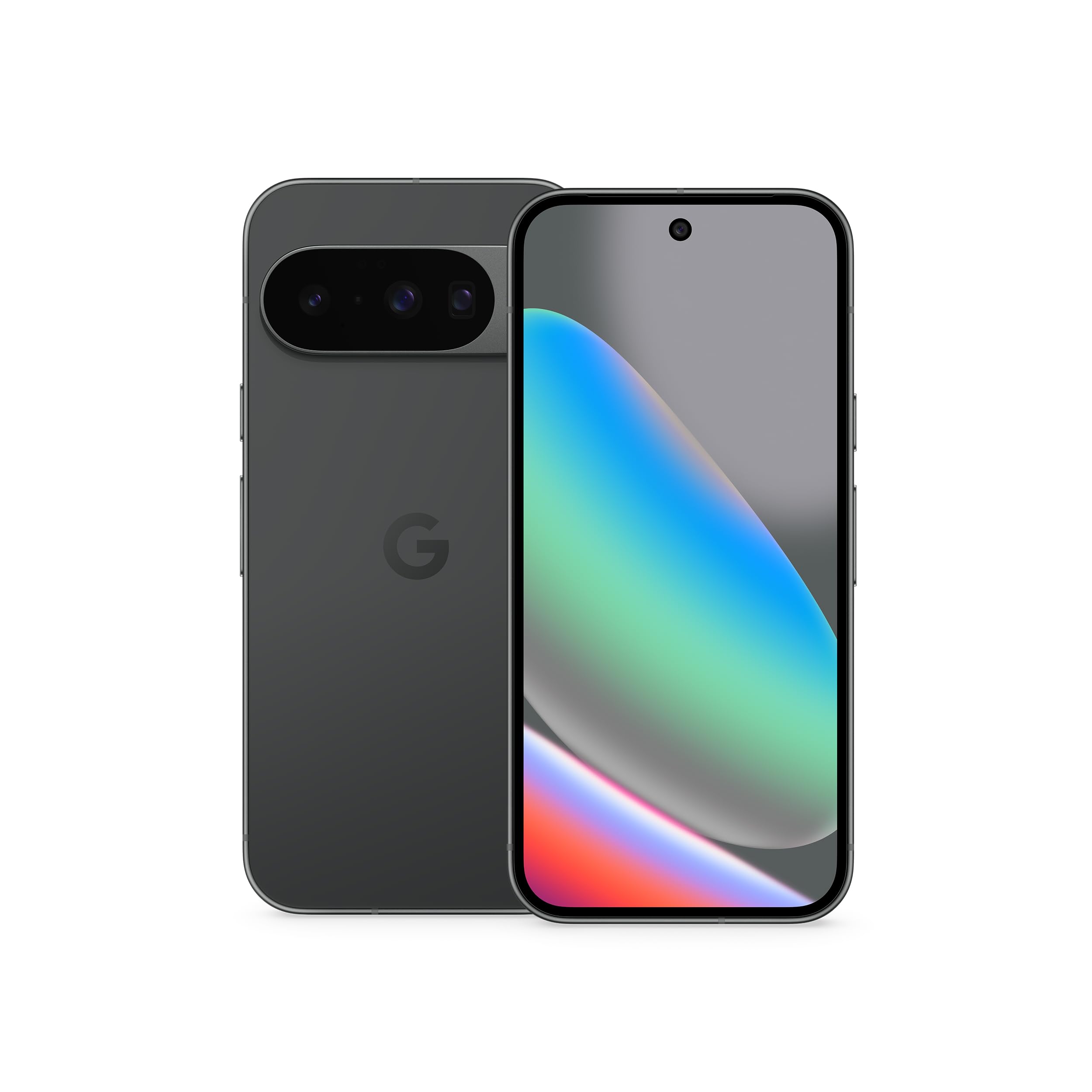
The Google Pixel 10 redefines what a 4G flagship can deliver, especially in computational photography. The upgraded triple rear camera system introduces a dedicated 5x telephoto lens capable of up to 20x Super Res Zoom, while Night Sight continues to set the standard for low-light photography. The Tensor G5 chip powers advanced AI features like Magic Editor and Camera Coach, making it the smartest camera phone in this category.
The 6.3-inch Actua display hits a peak brightness of 3,000 nits, making it easily readable in direct sunlight, while the Corning Gorilla Glass Victus 2 and IP68 rating provide top-tier durability. Battery life comfortably exceeds 24 hours with moderate use, and fast charging recovers the 4970mAh cell quickly. The clean Android experience with guaranteed updates is a major advantage over most competitors.
One notable trade-off is the move to eSIM-only support — there is no physical SIM card slot, which may be inconvenient for travelers or users who switch carriers frequently. The phone also ships without a wall adapter in the box. While the camera performance is genuinely flagship-tier, the overall pricing places it in premium territory, and some users report the AI features feel overemphasized for casual photography.
Why it’s great
- Best-in-class camera with 5x optical zoom and Night Sight
- 3000-nit peak brightness display works great outdoors
- IP68 protection and clean Android with long-term updates
Good to know
- eSIM only — no physical SIM slot
- No wall charger included in the box
- Premium pricing approaching flagship 5G phones
3. BlackBerry KEY2 – 64 GB

The BlackBerry KEY2 remains the definitive choice for users who demand a physical keyboard. The redesigned smart keyboard features Speed Key shortcuts, flick typing for predictive text, and an embedded fingerprint sensor that doubles as a navigation tool. The Series 7 aluminum alloy frame and textured diamond grip back provide a premium, durable feel that is rare in modern smartphones.
Powered by the Qualcomm Snapdragon 660 processor with 6GB of RAM, the KEY2 handles multitasking, email, and productivity apps with ease. The 4.5-inch touchscreen is compact by modern standards, but the physical keyboard more than compensates for heavy typists. The 3500mAh battery delivers up to two days of moderate use, and Quick Charge 3.0 ensures rapid top-ups when needed.
The biggest compromises are the camera system — a dual 12MP + 12MP setup that produces average results compared to modern sensors — and the fact that the phone runs Android 8.1 Oreo, which means no security updates. The device only works on GSM carriers like AT&T and T-Mobile, and the price point places it in premium territory despite its aging internals. This is a niche device for keyboard enthusiasts, not a general recommendation.
Why it’s great
- Physical QWERTY keyboard with customizable Speed Key shortcuts
- Excellent battery life (2 days with moderate use)
- Premium build with aluminum frame and textured back
Good to know
- Runs outdated Android 8.1 Oreo with no future updates
- Camera quality is below modern budget phones
- High price for a device with aging hardware
4. XIAOMI Redmi Note 15 Pro – 256 GB
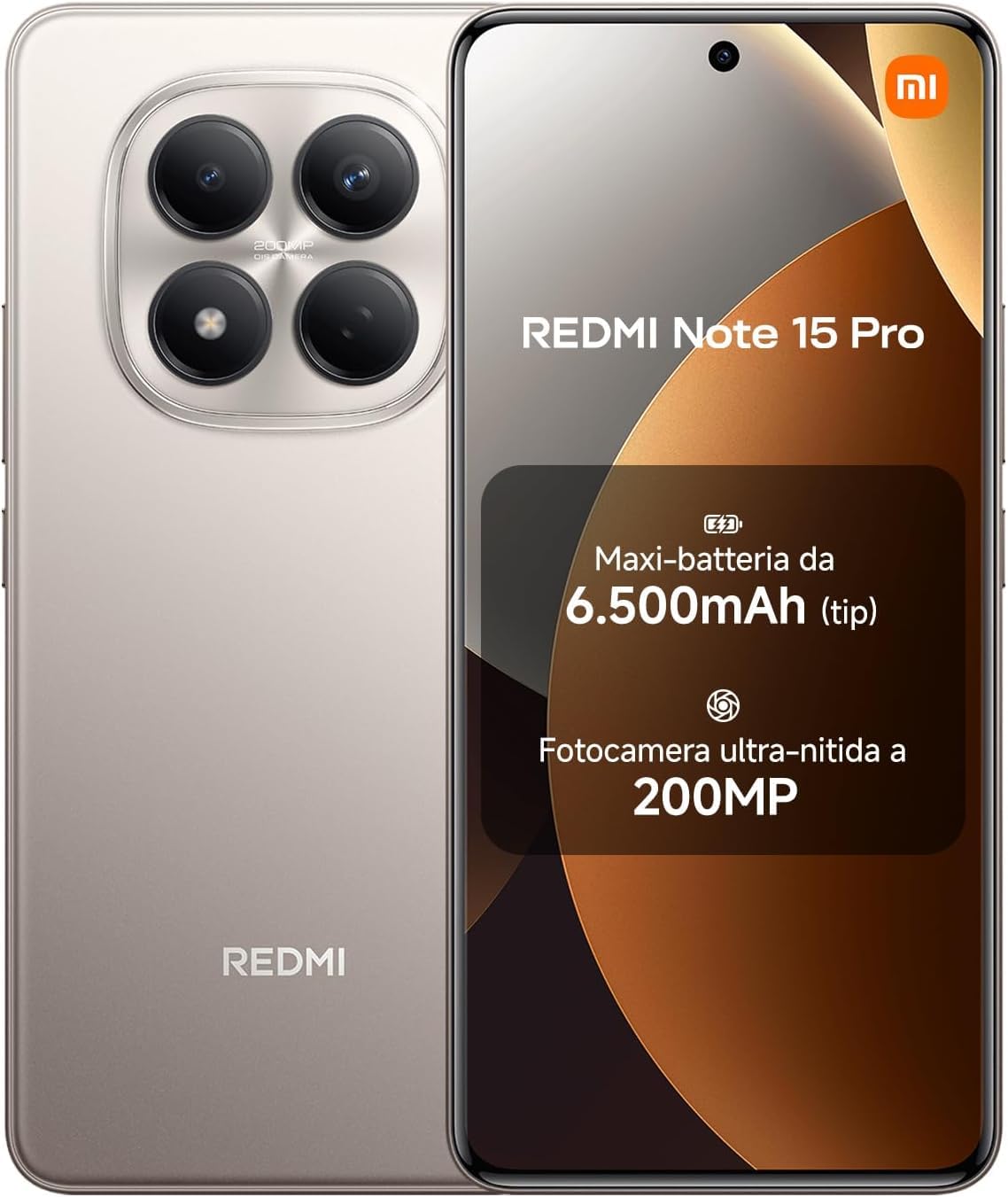
The XIAOMI Redmi Note 15 Pro is a spec monster that redefines what a mid-range 4G phone can offer. The 6.67-inch AMOLED panel delivers 2400 x 1080 resolution with a 120Hz refresh rate and a peak brightness of 1800 nits, making it one of the best displays in this segment. The 200MP primary camera with Optical Image Stabilization (OIS) is genuinely impressive, producing high-detail shots in good light and using 16-in-1 pixel binning to improve low-light performance.
The 6500mAh battery is the largest in this lineup, easily lasting two full days of mixed use. The in-display fingerprint sensor is fast and reliable, and the inclusion of an IR blaster adds utility for controlling home appliances. The Helio G100-Ultra chipset handles everyday tasks smoothly, though it may struggle with the most demanding games at high settings.
However, this phone lacks a microSD card slot, so you are limited to the built-in 256GB storage. It also does not support CDMA carriers — it only works on T-Mobile and its MVNOs in the US. Some users report the camera app can be unintuitive, and the UI occasionally stutters despite the capable processor. For the price, the hardware value is undeniable, but carrier compatibility must be verified before purchase.
Why it’s great
- Outstanding 200MP camera with OIS for detailed photos
- 6500mAh battery lasts up to 2 days on a single charge
- 120Hz AMOLED display with high brightness and accurate colors
Good to know
- No microSD expansion slot for storage
- Only compatible with T-Mobile and MVNOs in the US
- Camera software can be unintuitive at times
5. Motorola Moto G15 – 128 GB
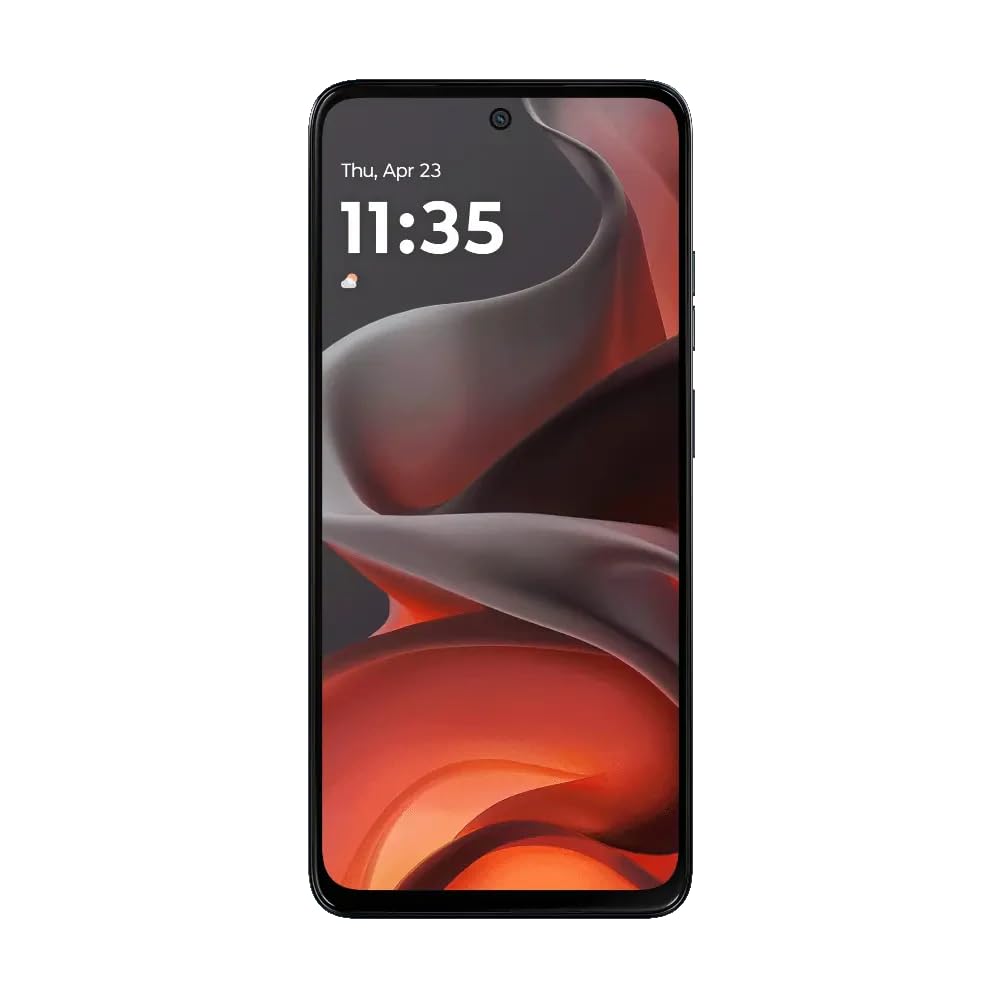
The Motorola Moto G15 is a well-rounded mid-range option that ships with Android 15 out of the box, offering a clean and near-stock software experience. Its 6.72-inch IPS LCD display runs at 1080 x 2400 resolution with a 392 PPI pixel density, making it one of the sharpest screens in its price bracket. The MediaTek Helio G81 Extreme processor, paired with 4GB of RAM, handles daily multitasking and casual gaming without significant lag.
The camera setup features a 50MP main sensor with a wide f/1.8 aperture and a 5MP ultrawide lens, providing flexibility for both standard and wide-angle shots. The 5200mAh battery delivers reliable all-day endurance, and the inclusion of a 3.5mm headphone jack and FM radio will appeal to users who appreciate wired audio and offline radio access.
One critical limitation is carrier compatibility — the Moto G15 is GSM unlocked and works with T-Mobile, Metro PCS, Mint, and Tello, but it is not compatible with CDMA carriers like Verizon, Sprint, or AT&T. Some users report the touch responsiveness feels slightly sluggish out of the box, though disabling animations in developer mode can improve perceived speed. The build quality feels solid for the price, and the dual SIM tray with a dedicated microSD slot is a practical touch.
Why it’s great
- Sharp 1080p FHD+ display with high pixel density
- Ships with Android 15 for a clean, up-to-date experience
- Reliable battery life with 5200mAh capacity and fast setup
Good to know
- Not compatible with Verizon, AT&T, or CDMA carriers
- Touch responsiveness may feel slightly sluggish out of the box
- 4GB RAM may limit heavy multitasking
6. XIAOMI Redmi 15C – 128 GB
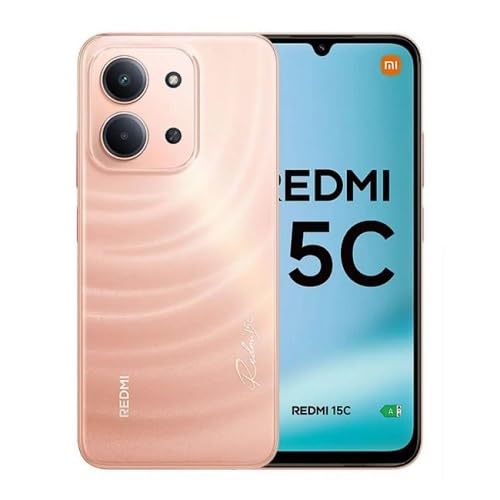
The XIAOMI Redmi 15C is built for endurance above all else. Its 6000mAh battery is the second-largest in this lineup, and with the included 33W in-box charger, you can replenish a significant portion of the battery in under an hour. The 6.9-inch HD+ DotDisplay supports a 120Hz refresh rate with a 288Hz touch sampling rate, making scrolling and navigation feel remarkably fluid for an entry-level device.
The MediaTek Helio G81 processor handles basic apps and light gaming competently, and 4GB of RAM is sufficient for WhatsApp, social media, and web browsing. The 50MP main camera captures decent daytime shots, though low-light performance is limited. The phone also includes a 3.5mm headphone jack, FM radio, and a dedicated microSD slot for expandable storage up to 1TB.
Carrier support is the biggest catch — the Redmi 15C only works on T-Mobile and its MVNOs in the US. It is fully compatible with international GSM networks, making it a solid choice for travel or use outside North America. The build feels plasticky, and the camera performance is average at best, but for users whose priority is multi-day battery life and a large display, this phone delivers exceptional value.
Why it’s great
- Massive 6000mAh battery with 33W fast charging included
- Smooth 120Hz display with fast touch response
- Expandable storage up to 1TB via microSD
Good to know
- Only works with T-Mobile and MVNOs in the US
- Camera performance is average, especially in low light
- Plasticky build quality, not premium-feeling
7. Samsung Galaxy A06 – 64 GB
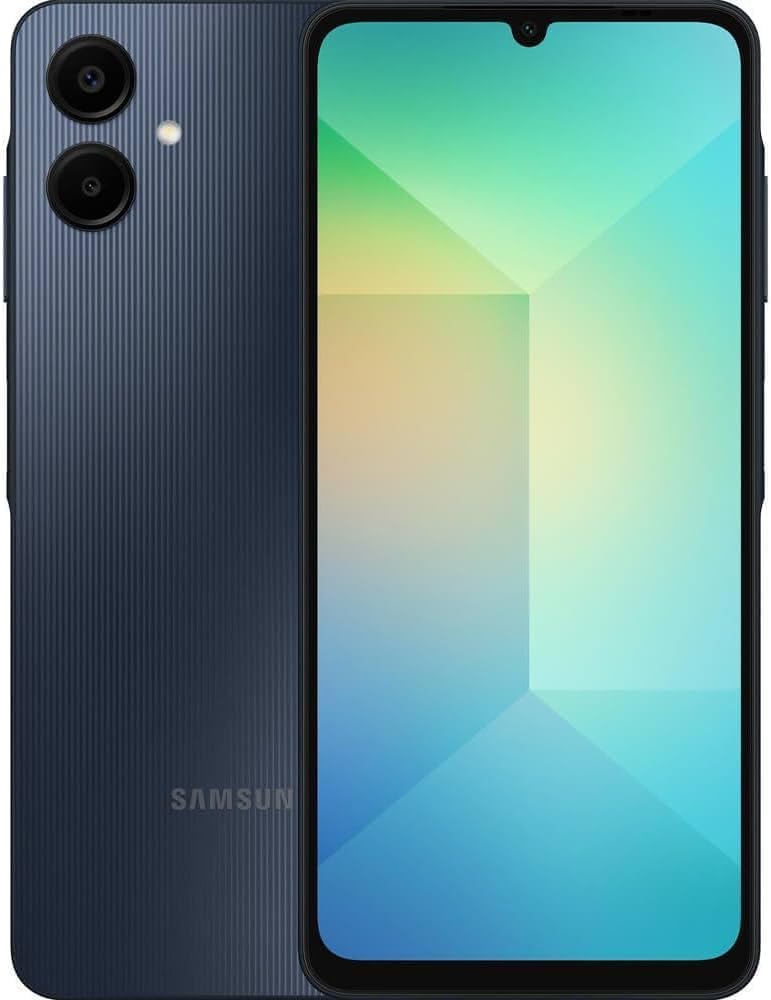
The Samsung Galaxy A06 brings the reliability of Samsung’s ecosystem to the budget segment. The 6.7-inch PLS LCD display offers a decent viewing experience with 83.8% screen-to-body ratio, and the 50MP main camera with f/1.8 aperture captures sharper images than most entry-level competitors. The 5000mAh battery supports 25W wired charging, which is faster than many similarly priced rivals.
Running on 4GB of RAM with 64GB of internal storage, the A06 handles basic tasks like calling, messaging, and light app usage without major issues. Samsung’s One UI Core provides a familiar interface with useful features like face unlock and a side-mounted fingerprint sensor. The inclusion of a 3.5mm headphone jack and expandable storage via microSD are welcome additions for budget-conscious buyers.
The most significant limitation is carrier compatibility — this Latin version only works with T-Mobile and its MVNOs in the US. It will not connect to AT&T, Verizon, or any CDMA network. The PLS LCD panel is not as vibrant as AMOLED alternatives, and the 720p resolution means text and images look less crisp than on FHD+ displays. The phone comes with a case bundle but does not include a power adapter, so you must purchase one separately.
Why it’s great
- Reliable Samsung build quality with One UI Core
- 50MP main camera outperforms typical budget sensors
- 25W fast charging for quick top-ups
Good to know
- Only compatible with T-Mobile and MVNOs in the US
- 720p PLS LCD display is less sharp than FHD+ alternatives
- No power adapter included in the box
8. UMIDIGI G9T – 128 GB
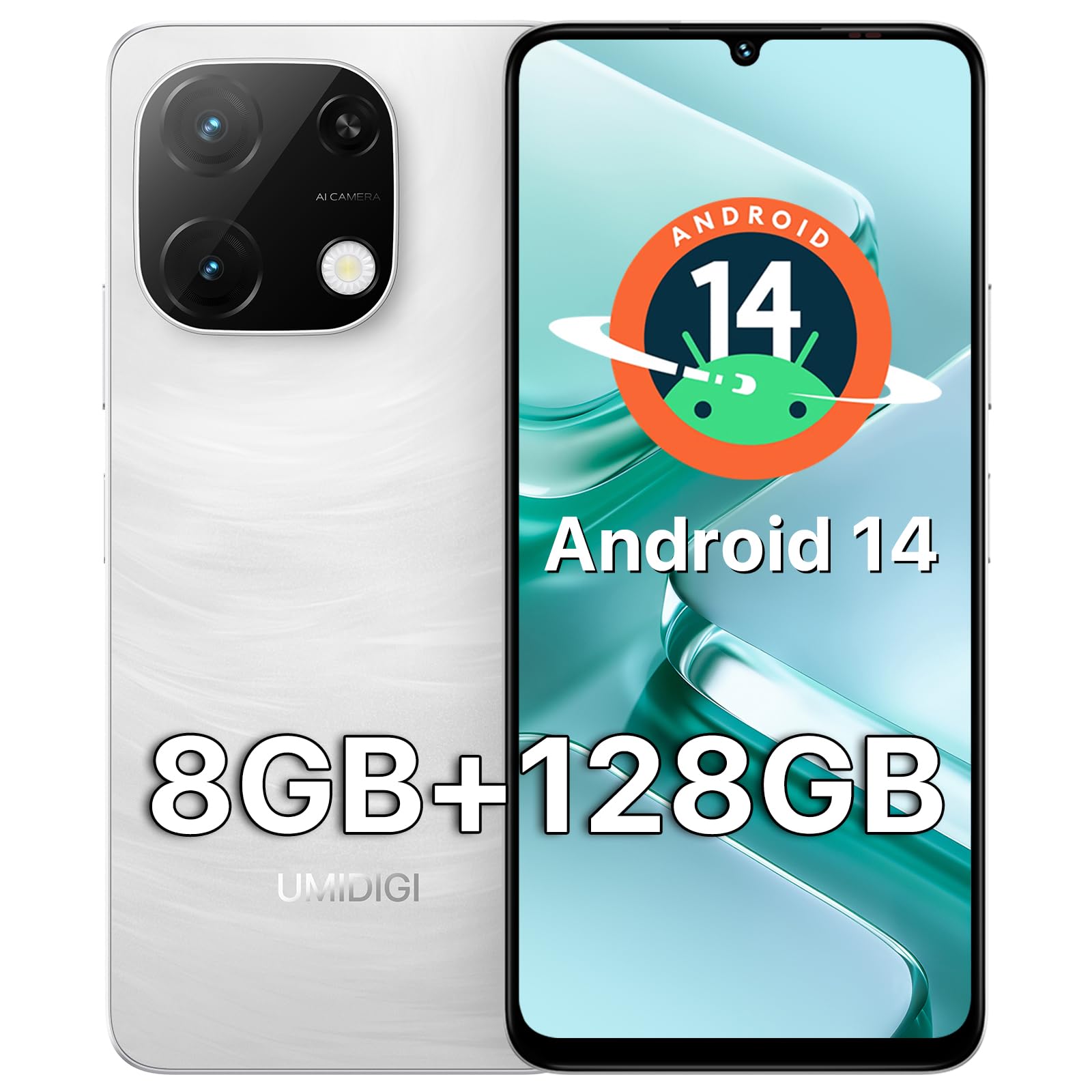
The UMIDIGI G9T proves you don’t need to spend a lot to get Android 14 and a modern feature set. The 6.75-inch HD+ display runs at 90Hz, offering noticeably smoother scrolling than a standard 60Hz panel. The UNISOC T606 octa-core processor, combined with 4GB of physical RAM and an additional 4GB of virtual RAM for a total of 8GB, provides enough headroom for everyday apps and light gaming.
The 5000mAh battery with 18W fast charging supports all-day use, and the expandable storage via TF card (up to 1TB) is a practical feature for media hoarders. The 13MP rear camera is adequate for well-lit shots but struggles in low light, and the 8MP front camera handles video calls competently. The phone also includes a 3.5mm headphone jack, FM radio, and AI face unlock alongside the fingerprint sensor.
Build quality is where the G9T shows its budget roots — the materials feel less premium than more expensive competitors, and some users report reliability issues like random reboots or fingerprint scanner failure over time. The camera quality is average, and the Unisoc chipset will stutter under heavier multitasking loads. For users who need a functional 4G phone on a tight budget and can accept the compromises, the G9T offers strong raw value.
Why it’s great
- Android 14 with a smooth 90Hz display at a low entry price
- Expandable storage up to 1TB for media and files
- Includes headphone jack, FM radio, and dual biometrics
Good to know
- Build quality feels budget-level, may show wear over time
- 13MP camera is average, poor in low-light conditions
- Some users report occasional reliability issues like random reboots
9. Motorola Moto G Play 2024 – 64 GB (Renewed)

The Motorola Moto G Play 2024, available as a renewed unit, represents exceptional value for budget-conscious buyers. It packs a Snapdragon 680 processor, which is significantly more capable than the Unisoc and MediaTek chips found in similarly priced competitors. The 6.5-inch HD+ display with 90Hz refresh rate and 500 nits peak brightness is bright and fluid enough for most indoor and outdoor use.
The 50MP rear camera with Quad Pixel technology captures detailed images in good lighting, and the 5000mAh battery ensures reliable all-day endurance. The side-mounted fingerprint sensor is fast and conveniently integrated into the power button. The device supports both GSM carriers like T-Mobile and AT&T, as well as CDMA carriers like Verizon, making it one of the most carrier-flexible options in the budget tier.
As a renewed product, condition may vary — while many units arrive looking like new, some have reported issues with the phone being locked to a specific carrier despite being listed as unlocked. The 720p display resolution is lower than the FHD+ panels found on slightly more expensive models, and the 4GB of RAM is minimal for multitasking. For the price, the core hardware is strong, but buyers should verify the unlocked status upon arrival.
Why it’s great
- Snapdragon 680 processor outperforms other budget chipsets
- Compatible with both GSM and CDMA carriers (T-Mobile, AT&T, Verizon)
- Excellent 5000mAh battery life and responsive fingerprint sensor
Good to know
- Renewed unit — condition varies, some may arrive carrier-locked
- 720p HD+ display is less sharp than FHD+ panels
- 4GB RAM and 64GB storage are minimal for heavy users
FAQ
Will any 4G phone work on Verizon or AT&T?
What does VoLTE mean and why does it matter for a 4G phone?
Is a 4G phone worth buying in 2025 for heavy use?
Why do some 4G phones list extended or virtual RAM in their specs?
Final Thoughts: The Verdict
For most users, the best 4g cell phone winner is the XIAOMI Redmi Note 15 Pro because it offers an unmatched combination of a 200MP OIS camera, a 6500mAh battery, and a 120Hz AMOLED display at a fraction of flagship pricing. If you want the absolute best camera and AI features, grab the Google Pixel 10. And for extreme battery endurance with a large display, nothing beats the XIAOMI Redmi 15C.