
Color accuracy is the single most expensive component in a monitor, yet it’s the one spec most buyers overlook until they see the difference between their screen and a print. A 4K monitor built for photo editing doesn’t just add pixels — it locks the color gamut, gamma, and white point so your adjustments match what the world actually looks like. Without that precision, every hour spent dodging and burning is a gamble.
I’m Min — the co-founder and writer behind Gadgets Feed. I’ve spent countless hours cross-referencing colorimeter data, panel uniformity reports, and real-world user feedback to separate the monitors that deliver on their Delta E claims from those that don’t.
This guide breaks down the specs that actually matter for color-critical work, from DCI-P3 coverage to factory calibration reports, so you can invest with confidence in the right 4k monitor for photo editing.
How To Choose The Best 4K Monitor For Photo Editing
Finding a monitor for photo editing means filtering past the marketing hype around 4K resolution and focusing on the panel tech and color metrics that ensure your edits are reproducible. You need to balance color gamut coverage, factory calibration, ergonomics, and connectivity — all within a budget that doesn’t force you to compromise on the things that matter.
Color Gamut: sRGB, Adobe RGB, and DCI-P3
For web and screen-based work, 100% sRGB is the baseline. If you’re printing or working with high-end cameras, look for 99% Adobe RGB or 95% DCI-P3 — those extra reds and greens make a tangible difference in print matching and HDR video grading.
Factory Calibration and Delta E
A factory calibration report guarantees the monitor shipped with a measured Delta E — the difference between the intended color and what the panel displays. A Delta E under 2 is excellent; under 1.5 is pro-grade. Even with a report, you’ll want a hardware calibrator to maintain accuracy as the panel ages.
Panel Technology: IPS vs. VA vs. IPS Black
Standard IPS panels offer wide viewing angles and consistent color across the screen. VA panels deliver higher contrast ratios (3000:1 vs 1000:1) but can shift color at off-angles. IPS Black technology improves IPS black levels to the 2000:1 range, offering deeper shadows without sacrificing the viewing angles that photo editors depend on.
Quick Comparison
On smaller screens, swipe sideways to see the full table.
| Model | Category | Best For | Key Spec | Amazon |
|---|---|---|---|---|
| Dell UltraSharp U2725QE | Premium | Color-critical pro work | 120Hz, ΔE < 1.5, 99% DCI-P3 | Amazon |
| Dell UltraSharp U3223QE | Premium | Large-screen editing | 31.5″ IPS Black, DCI-P3, KVM | Amazon |
| BenQ PD2705U | Premium | Mac-centric workflows | ΔE ≤ 3, 99% sRGB, ICC Sync | Amazon |
| BenQ PD3205U | Premium | 32″ Mac-ready editing | ΔE ≤ 3, 99% Rec.709, HotKey Puck | Amazon |
| Samsung Smart Monitor M8 (M80F) | Mid-Range | Editing + streaming combo | 32″ 4K, Smart TV, USB-C PD | Amazon |
| ViewSonic VP3256-4K | Mid-Range | Pro color on a budget | ΔE < 2, 100% sRGB, Pantone validated | Amazon |
| Samsung ViewFinity S8 S80D | Mid-Range | Budget-conscious creators | 32″ 4K, HDR10, ergonomic stand | Amazon |
| ASUS ProArt PA279CRV | Mid-Range | Adobe RGB accuracy | ΔE < 2, 99% Adobe RGB, USB-C 96W | Amazon |
| ASUS ProArt PA279CV | Mid-Range | Entry-level pro monitor | ΔE < 2, 100% sRGB, USB-C 65W | Amazon |
| LG 27UP850-W | Mid-Range | USB-C convenience | 27″ 4K, DCI-P3 95%, USB-C 96W | Amazon |
| LG 32UN650-W | Budget | Value-focused 32″ option | 32″, DCI-P3 95%, IPS, FreeSync | Amazon |
In‑Depth Reviews
1. Dell UltraSharp U2725QE
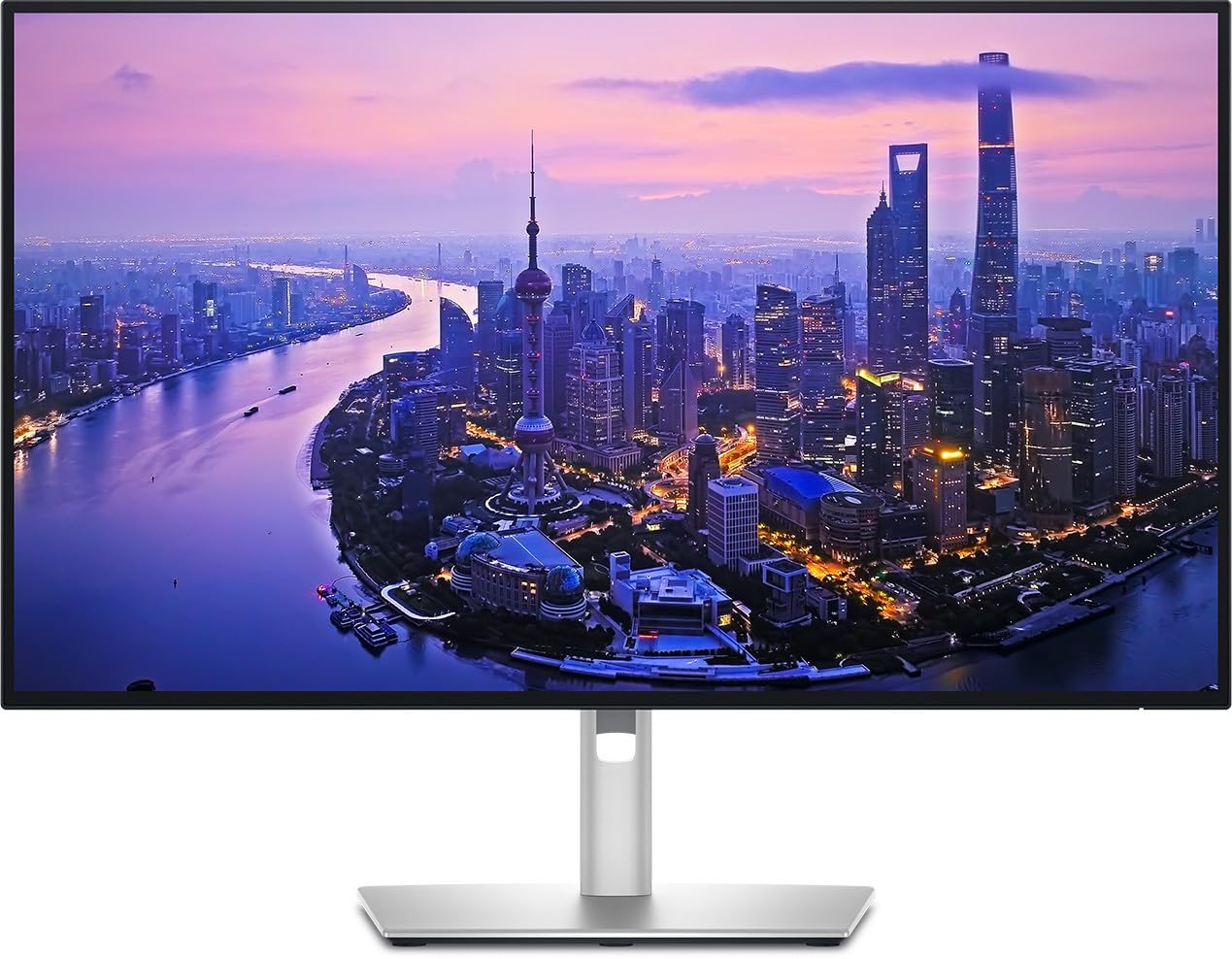
The Dell UltraSharp U2725QE redefines what a professional photo editing monitor can be by combining a 120Hz refresh rate with an IPS Black panel that reaches a 2000:1 contrast ratio. That 120Hz makes panning around a 50MP raw file feel fluid, while the deeper black levels reveal shadow detail that standard IPS panels crush. Factory calibration to Delta E under 1.5 with 99% DCI-P3 coverage means you can trust the grayscale straight out of the box.
Thunderbolt 4 delivers up to 140W of power delivery over a single cable, making it an effortless hub for a MacBook Pro or a high-end Windows laptop. The anti-glare coating is exceptionally refined — no visible grain or sparkle, even on solid white backgrounds. Port selection includes HDMI 2.1, USB-C, USB-A, and Ethernet, so you can ditch the separate dock entirely.
The only compromises are the lack of a dedicated hardware LUT for 3D calibration profiles and the price premium over standard IPS monitors. For photographers who split time between editing and general workflows, the smooth motion and pitch-black shadows make this the most versatile option available.
Why it’s great
- IPS Black delivers true 2000:1 contrast for shadow detail
- 120Hz refresh rate makes photo browsing and scrolling effortless
- Thunderbolt 4 with 140W charging simplifies desk setup
Good to know
- No built-in hardware LUT for 3D calibration profiles
- Premium pricing reflects the high-refresh IPS Black tech
2. Dell UltraSharp U3223QE

The Dell UltraSharp U3223QE brings IPS Black technology to a 31.5-inch canvas, offering a 2000:1 contrast ratio that makes blacks look deep without the color shift typical of VA panels. For photo editors working in Lightroom or Capture One, the extra screen real estate means fewer zoom operations when reviewing a full-resolution image at 100% crop. The DCI-P3 color gamut covers the wide-gamut files from modern mirrorless cameras with room to spare.
Built-in KVM functionality lets you toggle between a Mac and a PC using a single keyboard and mouse, which is invaluable for photographers who use both macOS for editing and Windows for tethered shooting. The USB-C port delivers 90W of charging, and the built-in Ethernet port keeps your connection stable during large file transfers. The factory calibration report ensures the Delta E is under 2.
The 60Hz refresh rate is standard for this class, so don’t expect the fluid motion of gaming monitors. The stand is substantial and requires a deeper desk. For photographers who prioritize screen size and contrast over refresh rate, the U3223QE is the best large-format editing monitor you can buy right now.
Why it’s great
- IPS Black produces noticeable improvement in shadow detail
- KVM switch with built-in Ethernet simplifies multi-computer setups
- 31.5-inch 4K reduces the need for constant zooming
Good to know
- 60Hz refresh rate limits smooth scrolling in long timelines
- Large stand footprint takes up significant desk space
3. BenQ PD2705U

The BenQ PD2705U is purpose-built for professionals who need predictable color across their entire workflow. Its ICC Sync feature automatically swaps the monitor’s color profile when you switch software — from sRGB for web previews to Display P3 for video editing — without you touching the OSD. The factory calibration targets a Delta E under 3, but many users report measured averages below 0.8 after fine-tuning with a colorimeter.
The 27-inch 4K IPS panel delivers the pixel density that matches a 27-inch 5K iMac in sharpness, making text and fine details look crisp. USB-C with 65W power delivery handles video and charging over a single cable, while the HotKey Puck gives you physical controls for brightness, contrast, and input switching. Pantone and Pantone SkinTone validation ensure the skin tones in your portraits stay accurate across prints.
The HDR performance is adequate for previewing, but the 350-nit brightness and lack of local dimming mean it won’t replace a true HDR reference monitor. The built-in speakers are barely usable for system sounds. For photographers who need consistent color across multiple applications, the PD2705U is a reliable workhorse.
Why it’s great
- ICC Sync changes color profile automatically per application
- Pantone SkinTone validation ensures accurate portrait colors
- HotKey Puck provides fast OSD navigation without menu diving
Good to know
- Limited HDR capability with only 350 nits peak brightness
- Built-in speakers are weak and lack low-end response
4. BenQ PD3205U

The BenQ PD3205U is the larger sibling of the PD2705U, offering a 32-inch 4K IPS panel with factory calibration to Delta E under 3 and 99% Rec.709/sRGB coverage. For photographers who need to see their images at a larger scale without scaling the UI, the extra diagonal inches reduce the need to zoom in to 100% for critical sharpness checks. The AQCOLOR technology ensures the color remains uniform across the entire panel.
USB-C with 90W power delivery handles a MacBook Pro’s charging needs while transmitting video data. The HotKey Puck G2 makes it easy to toggle between different color modes — sRGB, Rec.709, and DCI-P3 — depending on your project. The KVM switch lets you share a single keyboard and mouse between a Mac and a PC, which is useful for photographers who edit on one machine and archive on another.
The 60Hz refresh rate is standard, and the 350-nit peak brightness is fine for a standard dynamic range workflow. The speakers are thin and won’t replace dedicated studio monitors. For creative professionals who want a large, color-accurate display without stepping up to reference monitor pricing, the PD3205U delivers.
Why it’s great
- 32-inch screen provides ample canvas for multi-window editing
- USB-C with 90W PD charges a MacBook Pro at full speed
- HotKey Puck G2 allows one-touch color mode switching
Good to know
- HDR performance is modest at 350 nits with no local dimming
- Speakers are only useful for system alerts and basic audio
5. Samsung Smart Monitor M8 (M80F)

The Samsung Smart Monitor M8 blurs the line between a productivity monitor and an entertainment screen, offering a 32-inch 4K VA panel with Samsung Vision AI that adapts the picture based on what you’re doing. For photo editing, the VA panel’s 3000:1 static contrast ratio delivers deeper blacks than any IPS monitor at this price, which helps when evaluating the tonal range of a high-contrast landscape shot. The 99% DCI-P3 coverage is competitive with dedicated pro monitors.
The built-in Samsung TV Plus and streaming apps mean you can switch from editing in Lightroom to watching a color-grading reference video on Netflix without a second device. USB-C connectivity handles video, data, and charging, and the included remote lets you adjust settings from across the room. The 4K UHD resolution ensures fine detail in text and images.
The VA panel’s off-angle color shift is more pronounced than IPS, so you need to sit centered for accurate color evaluation. The monitor is smart-feature heavy, and photographers who never use streaming apps may find those features superfluous. For creative professionals who want a single screen that pulls double duty as an editing monitor and a living-room display, the M8 is a unique proposition.
Why it’s great
- VA panel delivers 3000:1 contrast for rich shadow depth
- Built-in smart TV eliminates the need for a separate streaming device
- USB-C with power delivery simplifies single-cable laptop connection
Good to know
- VA panel has noticeable color shift at off-axis viewing angles
- Smart features may feel unnecessary for a pure editing workflow
6. ViewSonic VP3256-4K

The ViewSonic VP3256-4K is a 32-inch professional monitor that covers 100% sRGB and carries Pantone validation, meaning the colors you see match the Pantone swatch book your printer uses. The Delta E under 2 ensures that the difference between the displayed color and the reference is imperceptible to the human eye. For photographers who deliver to clients who expect Pantone-accurate brand colors, this monitor is a safe investment.
USB-C with 65W power delivery provides a single-cable solution for modern laptops, and the built-in KVM lets you toggle between a Mac and a PC without swapping peripherals. The ergonomic stand offers height, tilt, swivel, and pivot adjustments, which helps maintain a comfortable viewing angle during long editing sessions. The 60Hz refresh rate is standard for color work.
The 350-nit brightness is adequate for indoor editing, but the 1000:1 contrast ratio won’t deliver the same punch as an IPS Black or VA panel. The On-Screen Display controls are clunky compared to the HotKey Puck systems on BenQ monitors. For photographers who need Pantone validation and consistent sRGB coverage, this monitor offers pro-level color at a mid-range price.
Why it’s great
- Pantone validated for accurate brand color reproduction
- Delta E under 2 ensures imperceptible color difference
- Built-in KVM simplifies multi-computer setups
Good to know
- Standard 1000:1 contrast ratio lacks depth compared to IPS Black
- OSD navigation is less intuitive than competitor solutions
7. Samsung ViewFinity S8 S80D

The Samsung ViewFinity S8 S80D brings 4K UHD resolution and HDR10 support to a 32-inch screen at an accessible price point. The matte panel effectively cuts reflections in brightly lit rooms, which helps when you’re trying to evaluate the midtones of an image with a window behind you. The ergonomic stand provides height, tilt, swivel, and pivot adjustments, allowing you to switch between landscape and portrait orientation for vertical compositions.
Connectivity includes HDMI, DisplayPort, USB-A, and USB-B ports, giving you plenty of options for peripherals. The HDR10 compatibility means you can preview HDR images, though the 350-nit peak brightness limits the dynamic range compared to DisplayHDR 400 or higher certified monitors. The 3000:1 contrast ratio from the VA panel helps with shadow detail in standard dynamic range workflows.
The menu buttons on the back are unintuitive to use without looking, and the lack of USB-C with power delivery means you’ll need a separate cable for charging your laptop. The panel is not factory calibrated to a specific Delta E, so you’ll need a colorimeter to achieve professional-grade accuracy. For photographers on a budget who can calibrate their own display, this monitor provides a large 4K canvas without the premium price tag.
Why it’s great
- 32-inch 4K VA panel offers high contrast at a low price
- Fully ergonomic stand with pivot for portrait mode editing
- Matte finish effectively controls glare in bright environments
Good to know
- No factory calibration report — requires a colorimeter for accuracy
- Rear button controls are cumbersome to operate
8. ASUS ProArt PA279CRV

The ASUS ProArt PA279CRV is the follow-up to the popular PA279CV, adding 99% Adobe RGB coverage and 99% DCI-P3 on top of the 100% sRGB that creatives need. For photographers who print their work, the Adobe RGB coverage ensures that the vivid greens and reds of a landscape shot translate to the paper without desaturation. Factory calibration to Delta E under 2 with a Calman Verification report gives you confidence in the initial setup.
USB-C with 96W Power Delivery is one of the highest wattages available in this price band, making it a true single-cable dock for a MacBook Pro 14-inch. The ProArt Palette software lets you fine-tune brightness, contrast, and color temperature without touching the physical buttons. The 27-inch 4K panel provides a crisp 163 PPI, which is excellent for evaluating fine details in a portrait retouch.
The 60Hz refresh rate is standard, and the 400-nit brightness is decent for SDR work but won’t satisfy HDR grading needs. The anti-glare coating is effective but adds a slight texture to bright whites. For photographers who work in both sRGB and Adobe RGB color spaces, the PA279CRV offers exceptional gamut coverage at a reasonable mid-range price.
Why it’s great
- 99% Adobe RGB and 99% DCI-P3 covers print and video workflows
- USB-C with 96W PD charges a MacBook Pro at full speed
- Calman Verified factory calibration ensures Delta E under 2
Good to know
- 60Hz panel is not suited for gaming or high-refresh workflows
- Anti-glare coating introduces minor texture to white backgrounds
9. ASUS ProArt PA279CV

The ASUS ProArt PA279CV is the gateway monitor for photographers who need professional-level color accuracy without the professional-level price. It covers 100% sRGB and 100% Rec. 709, which covers the vast majority of web and broadcast work. Factory calibration to Delta E under 2, verified by Calman, means you can trust the out-of-box color for your catalog edits.
USB-C with 65W Power Delivery handles video, data, and charging over a single cable, keeping your desk clean. The fully adjustable stand includes height, tilt, swivel, and pivot — the pivot function is particularly useful for editing portrait-oriented images in their native aspect ratio. The five-year warranty with online registration provides peace of mind for a multi-year investment.
The 1000:1 contrast ratio is standard IPS, so black levels won’t match VA or IPS Black panels. The lack of DCI-P3 or Adobe RGB coverage means it’s not the best choice for print work or HDR video editing. For web and social media photographers who work in sRGB, the PA279CV offers the most reliable color accuracy at the lowest price point.
Why it’s great
- Factory calibrated to Delta E under 2 with Calman verification
- Ergonomic stand with pivot for portrait orientation editing
- Five-year warranty protects your long-term investment
Good to know
- Limited to 100% sRGB — no wide gamut for print workflow
- Standard 1000:1 IPS contrast ratio for black levels
10. LG 27UP850-W

The LG 27UP850-W delivers a 27-inch 4K IPS panel with DCI-P3 95% color gamut and VESA DisplayHDR 400 certification. The HDR 400 certification means the monitor can hit 400 nits peak brightness and handle basic HDR tone mapping, which is useful for reviewing HDR-compatible images. The DCI-P3 coverage ensures the monitor can display the wider color space used by many modern cameras and editing software.
USB-C with 96W Power Delivery is one of the highest wattages available at this tier, allowing a 16-inch MacBook Pro to charge at full speed over a single cable. The 3-side virtually borderless design makes it a strong candidate for multi-monitor setups. The stand offers height, pivot, and tilt adjustments for a comfortable editing posture.
The 1200:1 contrast ratio is slightly better than the standard 1000:1 IPS panels, but it still can’t match the black depth of a VA or IPS Black display. The USB-A ports on this monitor are limited to 1 amp, which means slow charging for tablets or phones. For photographers who need a single-cable solution for their MacBook and want decent HDR capability, this LG provides a clean and capable setup.
Why it’s great
- USB-C with 96W PD provides full-speed laptop charging
- DisplayHDR 400 adds basic HDR preview capability
- DCI-P3 95% coverage for wider color than standard sRGB
Good to know
- USB-A ports output only 1A — slow charging for peripherals
- Black levels are typical IPS, not deep enough for critical shadow work
11. LG 32UN650-W

The LG 32UN650-W offers a 32-inch 4K IPS panel with DCI-P3 95% color gamut at the lowest entry point in this guide. For photographers who are making the jump from a 1080P screen to their first 4K editing monitor, the size and resolution provide an immediate improvement in workspace and detail visibility. The HDR10 compatibility allows basic HDR signal acceptance, though the 350-nit brightness keeps the HDR effect modest.
The 178-degree viewing angles ensure that the colors remain consistent whether you’re sitting directly in front or leaning to the side to show a client a proof. The height-adjustable stand with tilt functionality helps you position the screen at eye level. The 3-side virtually borderless design looks clean on a desk and makes the monitor feel larger than its 32-inch diagonal.
There is no USB-C port, no factory calibration report, and no USB hub — you need to calibrate it yourself and manage cables separately. The VA panel listed in some specs is an error; it uses an IPS panel with standard 1000:1 contrast. For photographers on a strict budget who already own a colorimeter and don’t mind managing cables, this monitor provides the most 4K real estate for the lowest investment.
Why it’s great
- 32-inch 4K provides maximum screen real estate for the price
- IPS panel offers wide 178-degree viewing angles
- DCI-P3 95% coverage is impressive for this price tier
Good to know
- No factory calibration — you must use a colorimeter for accuracy
- Lacks USB-C connectivity and built-in USB hub
FAQ
What Delta E rating do I need for professional photo editing?
Do I need Adobe RGB coverage or is sRGB enough?
Can I use a gaming monitor for photo editing?
What size monitor is best for photo editing at 4K?
Should I calibrate a factory-calibrated monitor?
Final Thoughts: The Verdict
For most users, the 4k monitor for photo editing winner is the Dell UltraSharp U2725QE because it combines professional-grade color accuracy with a 120Hz refresh rate and IPS Black contrast that standard monitors can’t match. If you want the best value with wide Adobe RGB coverage, grab the ASUS ProArt PA279CRV. And for a large-screen editing setup with built-in KVM and Ethernet, nothing beats the Dell UltraSharp U3223QE.