
The race to 4K under four figures has never been more competitive. Mini-LED backlighting, once reserved for flagship sets, now lands squarely in mid-range territory, delivering black levels that rival OLED without the burn-in risk. The question is no longer whether you can afford a great 4K TV, but which set of trade-offs—refresh rate vs. dimming zones, processor power vs. panel size—actually serves your living room.
I’m Min — the co-founder and writer behind Gadgets Feed. I’ve spent dozens of hours dissecting local dimming algorithms, panel refresh rates, and HDR format support to separate the real performance gains from spec-sheet marketing.
This guide breaks down the top contenders, from QLED Mini-LED hybrids to AI-powered upscaling engines, to help you confidently choose the best 4k tv under $1000 for your specific setup and viewing habits.
How To Choose The Best 4K TV Under $1000
Buying a 4K TV in this price bracket means navigating a crowded landscape of Mini-LED, QLED, and standard LED panels. The key is matching the panel technology and processing power to your primary use—whether that’s gaming, sports, or cinema.
Dimming Zones Are the Real Differentiator
Mini-LED local dimming zones directly determine how deep your blacks look and how much halo effect you see around bright objects. Entry-level Mini-LED sets might have 100 zones, while premium contenders in this range exceed 500 zones. More zones mean better contrast and less blooming—critical for dark-room movie watching. Standard LED backlights with no local dimming wash out dark scenes entirely.
Refresh Rate and Gaming Features
Native 120Hz or 144Hz panels are no longer luxury items—several models in this price range offer them with VRR and AMD FreeSync Premium Pro certification. For console gamers with PS5 or Xbox Series X, a 120Hz panel with HDMI 2.1 is non-negotiable for smooth 4K gaming. Casual viewers or those watching mostly streaming content can save by choosing a 60Hz set with superior color accuracy instead.
Processor and Upscaling Quality
The TV’s processor matters more than the panel itself when it comes to how good standard 1080p and 720p content looks on a 4K screen. Sony’s 4K Processor X1 and Samsung’s NQ4 AI Gen2 processors handle upscaling and noise reduction much better than basic chips found in budget-tier models. If you watch a lot of non-4K cable TV or YouTube, a strong upscaling chip is worth prioritizing.
HDR Format Support
Dolby Vision IQ and HDR10+ Adaptive are the two premium HDR formats. Dolby Vision IQ adjusts brightness and color based on your room’s ambient light, while HDR10+ Adaptive does similar work with metadata. Many streaming services lean on Dolby Vision, so a TV that supports it natively will deliver better dynamic range on Netflix and Disney+.
Quick Comparison
On smaller screens, swipe sideways to see the full table.
| Model | Category | Best For | Key Spec | Amazon |
|---|---|---|---|---|
| Sony BRAVIA 2 II 55″ | Premium | PS5 Gaming & Upscaling | 4K Processor X1 | Amazon |
| TCL QM7K 65″ | Premium | Bright Room Performance | LD2500 Dimming Zones | Amazon |
| Hisense U7 S 65″ | Premium | Ultra-Fast Gaming | Native 165Hz Panel | Amazon |
| Amazon Ember 55″ Mini-LED | Mid-Range | Fire TV Integration | 512 Dimming Zones | Amazon |
| Samsung M80H 65″ | Premium | AI Picture Enhancement | NQ4 AI Gen2 Processor | Amazon |
| Toshiba Z670R 65″ | Premium | Cinema & Gaming Combo | Native 144Hz + Dolby Vision IQ | Amazon |
| iFFALCON 65U85 | Mid-Range | Multi-Console Gaming | 4x HDMI 2.1 | Amazon |
| Sony BRAVIA 2 II 65″ | Premium | Large Sony Ecosystem | 4K Processor X1 | Amazon |
| Samsung M70H 65″ | Mid-Range | Sports and Free Content | Mini-LED + DLG 120Hz | Amazon |
| Amazon Ember 65″ QLED | Mid-Range | Voice-Controlled Viewing | Wi-Fi 6 + Quad-Core | Amazon |
| Roku Plus Series 65″ | Mid-Range | Roku OS Fans | Mini-LED + QLED | Amazon |
In‑Depth Reviews
1. Sony BRAVIA 2 II 55 Inch 4K (K-55S20M2)

Sony’s BRAVIA 2 II packs the 4K Processor X1, which handles upscaling better than most competitors in this bracket. Non-4K cable channels and 1080p YouTube streams gain visible texture and sharpness that cheaper processors smear. The Motionflow XR also keeps sports and action scenes blur-free without introducing the soap-opera effect that plagues lower-tier motion interpolation.
PS5 owners get exclusive Auto HDR Tone Mapping and Auto Genre Picture Mode, which automatically optimize picture settings when switching between games and streaming. The Google TV interface is well-organized and promises long-term app support, unlike some proprietary smart TV platforms. The 55-inch size at this price means you’re paying for processing power over panel inches, which is the right trade-off for discerning viewers.
The built-in audio is adequate for a bedroom or small living room, but the eARC HDMI port makes soundbar integration clean. The remote is slim and responsive, though users with larger hands may find the buttons cramped. If you value image accuracy and upscaling over raw brightness or the biggest screen possible, this Sony delivers the most refined picture in the sub-$1000 bracket.
Why it’s great
- Superior upscaling from 1080p sources
- Deep integration with PS5 features
- Responsive Google TV interface
Good to know
- 55-inch size smaller than many competitors at this price
- Sound is decent but soundbar recommended for immersion
2. TCL 65 Inch Class QM7K Series (65QM7K)
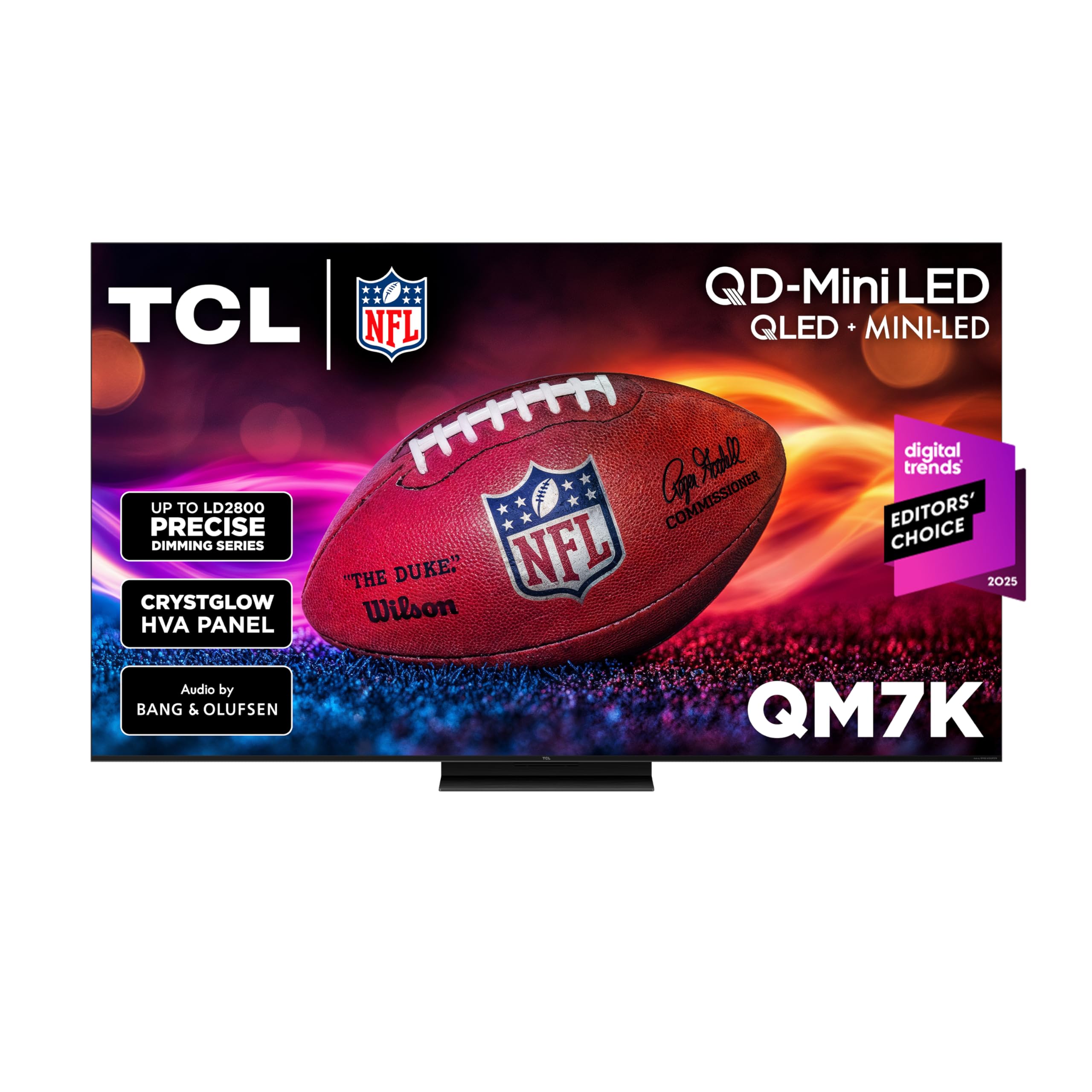
TCL’s QM7K uses a QD-Mini LED panel with up to 2500 local dimming zones, which practically eliminates the halo effect around subtitles and bright logos in dark scenes. The CrystGlow HVA panel does an excellent job blocking reflections — afternoon sunlight from a nearby window won’t wash out the image. This is the set to buy if your TV sits in a bright living room with large windows.
The 144Hz variable refresh rate and FreeSync Premium Pro certification make it a strong gaming option for both console and PC. The Onkyo audio system delivers punchy sound that outperforms most built-in TV speakers, though purists will still want a separate soundbar for Dolby Atmos content. Google TV handles streaming app organization cleanly, but the remote feels cheaper than the rest of the TV’s build quality.
At 65 inches with this level of dimming precision, the QM7K offers the best contrast-to-size ratio in this price segment. The only real compromises are the plasticky remote and the occasional Google TV ad on the home screen. If bright-room performance and deep blacks are your priorities, this TCL is the practical winner.
Why it’s great
- Extremely effective anti-reflective screen coating
- Near-black-out local dimming with minimal blooming
- Strong audio from Onkyo system
Good to know
- Remote feels budget for a premium TV
- Google TV home screen includes some ads
3. Hisense 65″ U7 Mini-LED ULED (65U7SG)
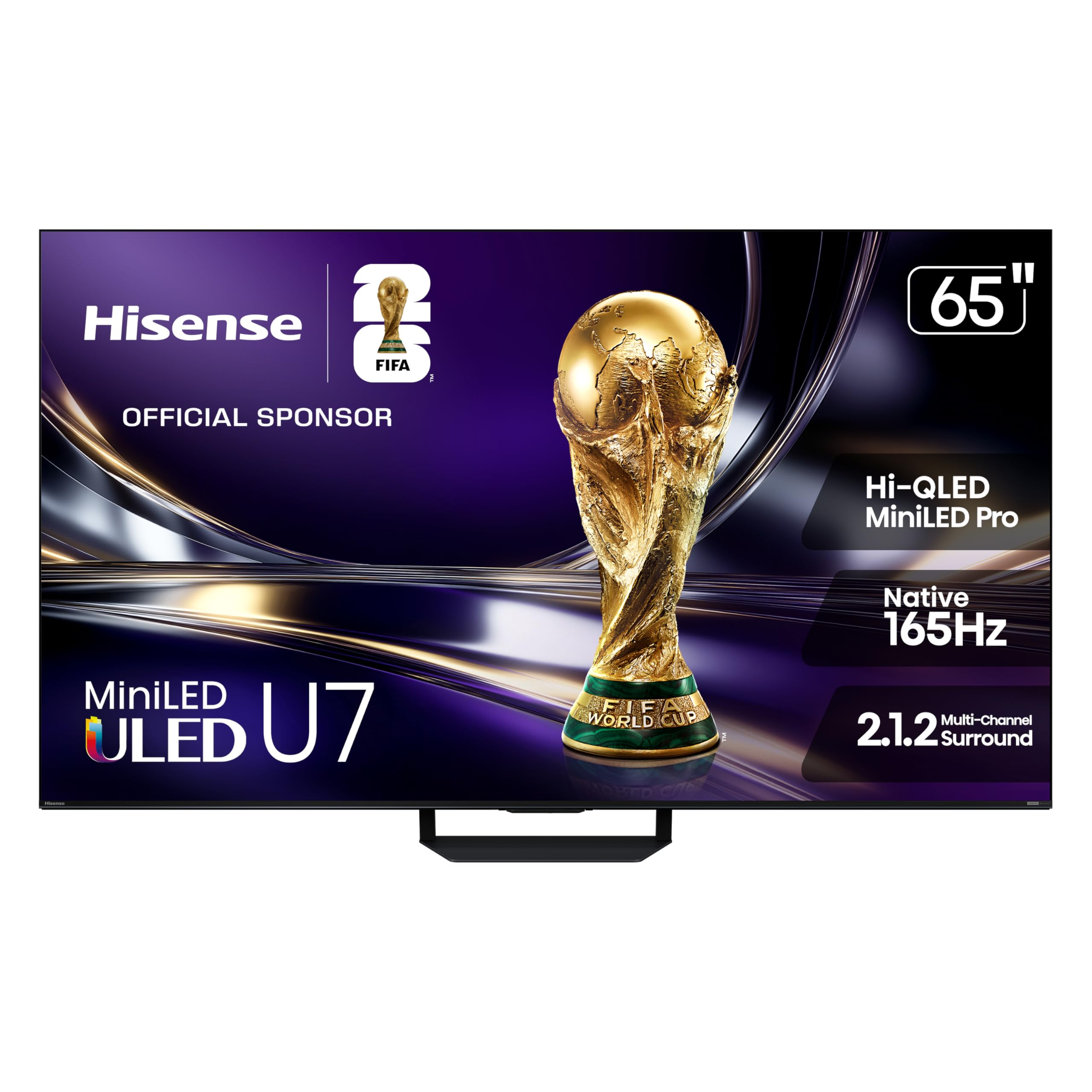
The Hisense U7S pushes refresh rate boundaries with a native 165Hz panel and VRR up to 330Hz, making it the smoothest display in this roundup for competitive PC gaming and fast-paced console shooters. Motion clarity is exceptional — fast pans during sports and high-speed driving sequences in racing games show zero stutter or ghosting. The Hi-View AI Engine Pro adjusts color and contrast in real time, keeping the image consistent across varied content.
Peak brightness of up to 3000 nits — combined with Hi-QLED MiniLED Pro — makes HDR highlights genuinely punchy. Sunlight glinting off metal surfaces in movies looks more realistic than on any competitor in this class. The anti-reflection coating is dual-layer, reducing glare more effectively than standard single-layer solutions, and the 2.1.2 channel audio system delivers the best built-in sound of any TV on this list.
The Google TV interface is fast and responsive, and the included remote has a premium feel with dedicated shortcut buttons for major streaming services. The only catch is that hitting the full 165Hz requires a compatible HDMI 2.1 source, and some users may never need that speed. But if you want the fastest panel available under $1000, this Hisense has no real rival.
Why it’s great
- Industry-leading native 165Hz refresh rate
- Outstanding peak brightness for HDR impact
- Best built-in audio of any TV in this roundup
Good to know
- Full 165Hz requires premium HDMI 2.1 source
- Premium price near the $1000 ceiling
4. Amazon Ember 55″ Mini-LED Series with Fire TV
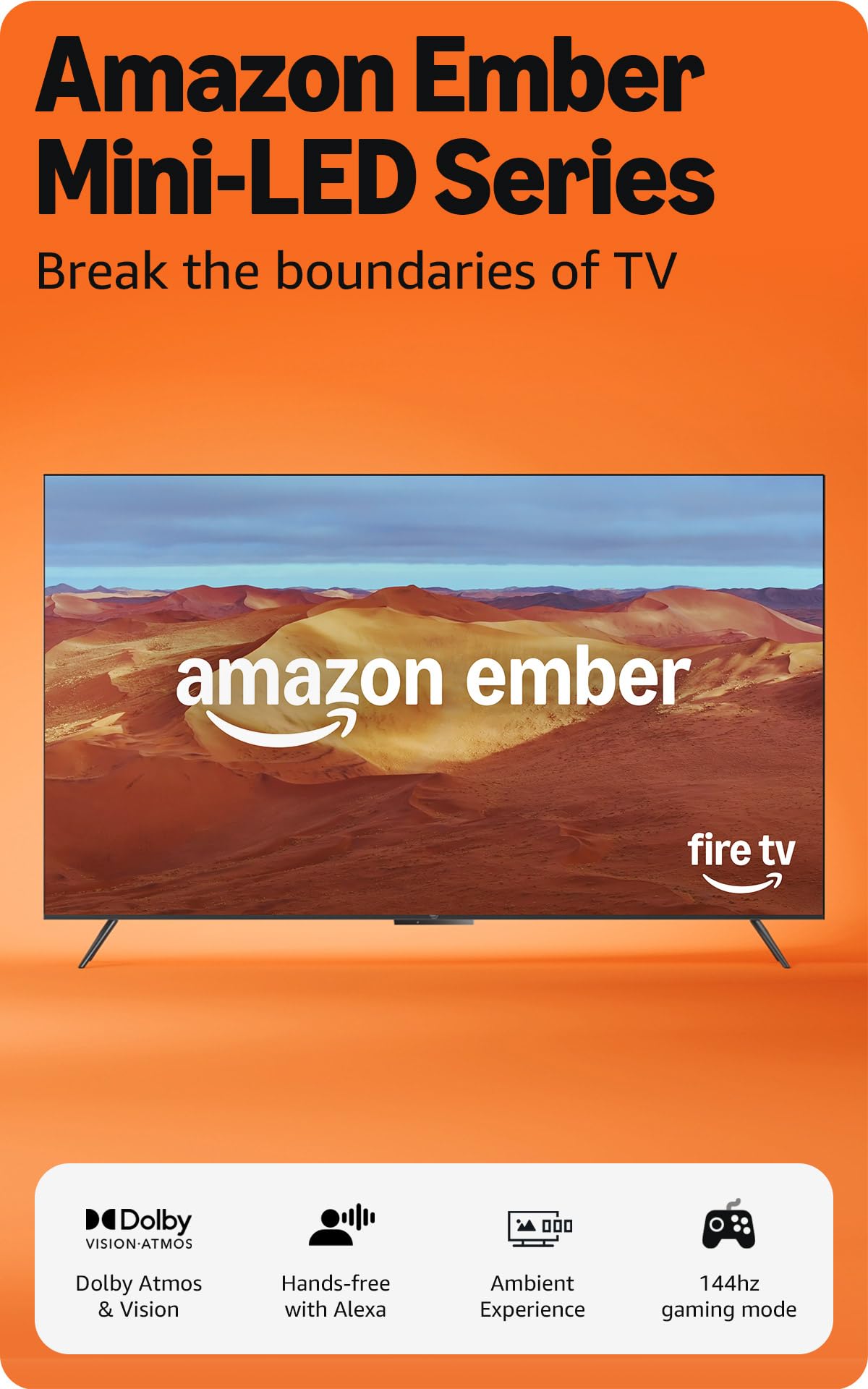
Amazon’s Ember Mini-LED Series delivers 512 local dimming zones on a 55-inch QLED panel, which is an unusually high zone count for this price tier. The Dolby Vision IQ support and 1400-nit peak brightness produce vivid HDR highlights that make streaming movies pop. The Fire TV interface is the most deeply integrated smart platform here — you can ask Alexa to find content across dozens of apps without manually opening each one.
The 144Hz refresh rate with AMD FreeSync Premium Pro certification makes this Amazon’s best TV for gaming. Input lag is minimal, and fast-moving scenes in racing games or first-person shooters stay clear and tear-free. The built-in 2.1 channel system with Dolby Atmos creates surprising bass depth for a flat panel, though high-volume listening reveals slight compression at the top end.
The Omnisense technology wakes the display as you enter the room, showing artwork or your last-watched show without needing the remote. Some users report occasional menu lag after extended use, particularly when navigating between heavy streaming apps. Still, at this price with this feature set — especially the dimming zone density — the Ember Mini-LED is one of the most technically impressive value propositions available.
Why it’s great
- High-density 512-zone local dimming
- Seamless Alexa voice control integration
- FreeSync Premium Pro for smooth gaming
Good to know
- Fire TV interface can slow down over time
- 55-inch screen may feel small for large rooms
5. Samsung 65″ Mini LED M80H Series (65M80H)
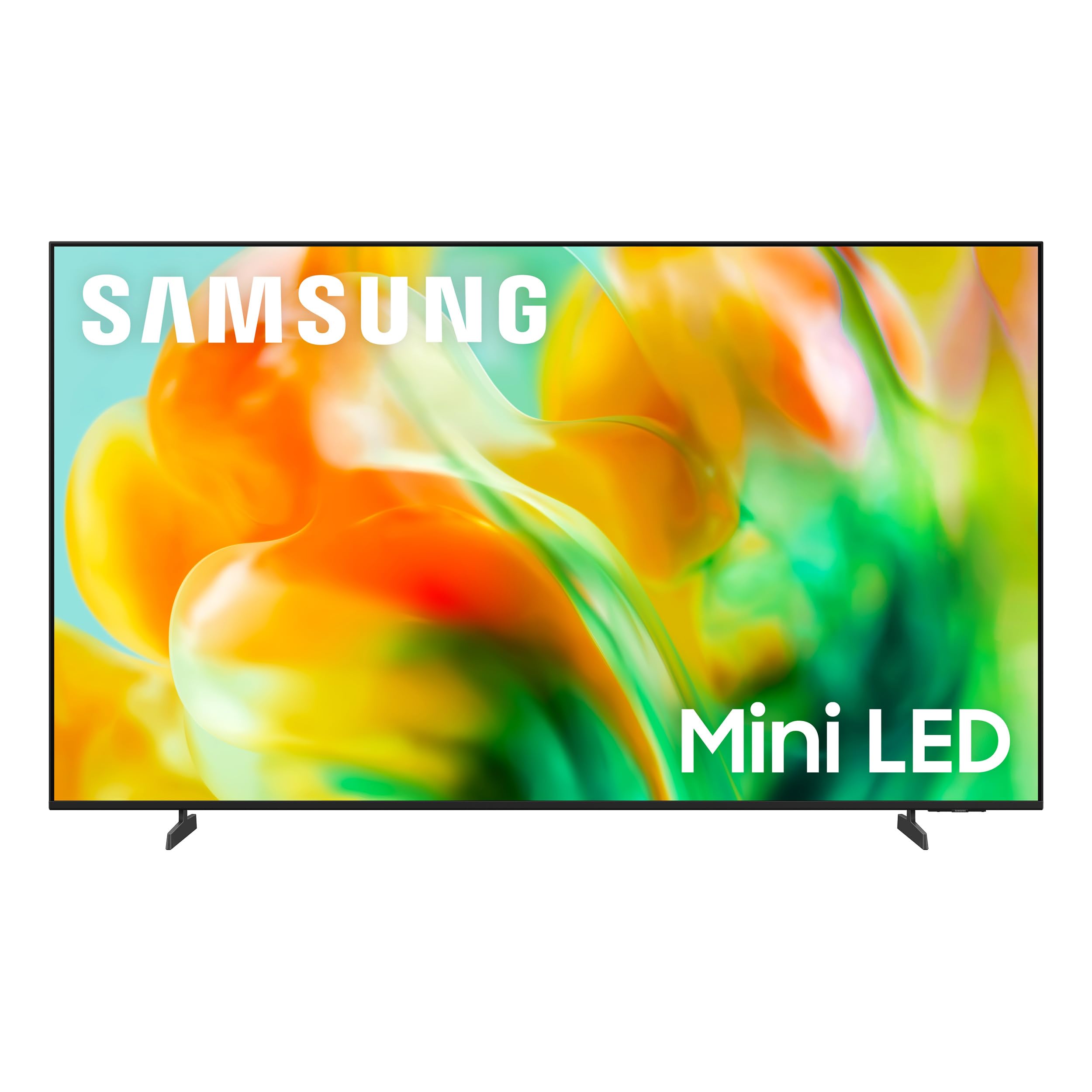
Samsung’s M80H series uses the NQ4 AI Gen2 processor, which analyzes content in real-time to enhance clarity, color, and contrast. The 4K AI upscaling is noticeably more sophisticated than basic upscaling — grainy 1080p streams gain sharpness without looking artificial or oversharpened. The Pure Spectrum Color technology, combined with Mini-LED precision, delivers a billion true-to-life colors that make nature documentaries and animated films look spectacular.
Motion Xcelerator 144Hz handles fast-action sports and gaming smoothly, with VRR matching the display’s refresh rate to the source to eliminate tearing. The Auto HDR Remastering feature converts standard SDR content to HDR-like quality, which is useful for older movies and TV shows that don’t natively support HDR. The 65-inch screen size at this price point offers a premium experience for medium to large living rooms.
The Samsung Tizen interface has a learning curve — some settings menus are less intuitive than Google TV or Fire TV. The remote lacks HDMI input switching and volume buttons on earlier models, though this can be mitigated with the SmartThings app. If you want the best AI-powered picture processing in the sub-$1000 range, Samsung’s NQ4 chip makes a compelling case.
Why it’s great
- Advanced AI upscaling improves all content
- Auto HDR Remastering for non-HDR sources
- Large 65-inch screen with Mini-LED precision
Good to know
- Tizen interface is less user-friendly than Google TV
- Remote design has some usability quirks
6. Toshiba 65″ Z670R Series Mini-LED (65Z670R)

Toshiba’s REGZA Engine ZRi Gen3 processes picture and audio scene-by-scene, optimizing clarity and contrast with a level of refinement that rivals Sony’s processor. Dolby Vision IQ adapts the image to your room’s ambient lighting, so daytime viewing stays bright without crushing blacks, and nighttime sessions maintain detail in shadows. The Full Array Local Dimming with Mini-LED produces deep, uniform blacks with minimal halo effect around bright objects.
The native 144Hz panel with Game Mode Pro includes AMD FreeSync Premium and VRR 144Hz, making it equally capable for console gaming as it is for movies. The REGZA Power Audio Pro system with a dedicated bass woofer delivers room-shaking low end that outperforms most built-in TV sound systems. The Fire TV interface with Alexa built-in handles streaming app organization and voice commands smoothly.
Toshiba’s Japanese design philosophy shows in the minimalist, clean-lined chassis that blends into any room. The AI Light Sensor Pro automatically adjusts brightness and color balance based on ambient conditions, reducing eye strain during long viewing sessions. If you want a TV that balances cinematic picture quality with modern gaming features, the Z670R is a well-rounded choice that doesn’t force you to compromise.
Why it’s great
- Sophisticated REGZA ZRi scene-by-scene processing
- Dedicated bass woofer for impactful audio
- Ambient-light adaptive Dolby Vision IQ
Good to know
- Fire TV app store has slightly fewer apps than Google TV
- Premium price near the $1000 ceiling
7. iFFALCON 65″ 4K MiniLED (65U85)
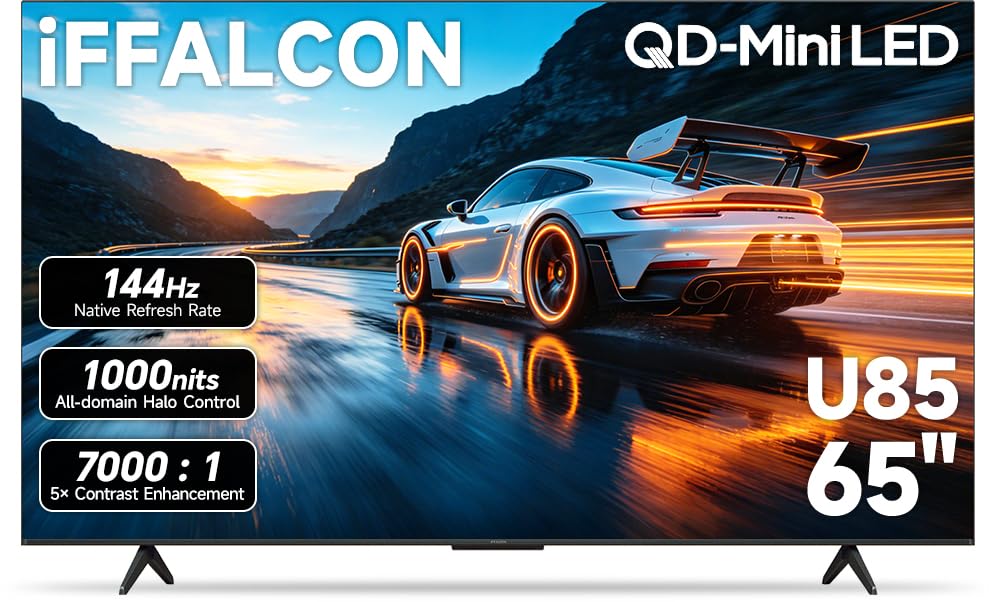
The iFFALCON 65U85 stands out with four HDMI 2.1 ports, allowing you to connect PS5, Xbox Series X, a gaming PC, and a soundbar simultaneously without needing to swap cables. Two ports support 4K at 144Hz, while the remaining two handle 4K at 60Hz for streaming devices. The native 144Hz panel with VRR up to 288Hz ensures tear-free gameplay, and FreeSync Premium Pro certification keeps input lag low during competitive sessions.
The 2.1-channel 50W audio system with Dolby Atmos and DTS Virtual:X creates an immersive soundstage without external speakers. The 7000:1 contrast ratio and local dimming produce deep blacks and punchy highlights, making games like Cyberpunk 2077 look vibrant. The built-in hotel mode and IP/IR control make this TV suitable for commercial installations like Airbnbs or offices, a rare feature in the consumer TV space.
Google TV runs smoothly on the interface, and far-field voice control lets you search hands-free. The TV is slightly thicker than ultra-slim competitors, but the trade-off is robust connectivity and a lower price that undercuts many rivals with similar gaming specs. If having multiple HDMI 2.1 ports is a priority for your multi-console setup, the 65U85 is the obvious pick.
Why it’s great
- Four HDMI 2.1 ports for multi-console setups
- 144Hz native with VRR up to 288Hz
- Commercial-grade hotel mode included
Good to know
- Slightly thicker chassis than premium competitors
- Brand recognition lower than Samsung or Sony
8. Sony BRAVIA 2 II 65 Inch 4K (K-65S20M2)
The 65-inch variant of Sony’s BRAVIA 2 II brings the same 4K Processor X1 and PS5-exclusive features to a larger screen, making it ideal for living rooms where the 55-inch version would feel too small. The upscaling engine remains the strongest in this class — grainy streaming sources and older DVD content look surprisingly clean at 65 inches. Motionflow XR keeps sports and action scenes blur-free, which matters more at larger screen sizes where motion artifacts become more noticeable.
Google TV integration is well-implemented, with easy access to all major streaming services and Sony Pictures CORE for free movies. The Auto HDR Tone Mapping and Auto Genre Picture Mode for PS5 work identically to the 55-inch version, automatically optimizing settings as you switch between gaming and streaming. The 65-inch panel at this price represents solid value for those prioritizing processing quality over raw brightness or refresh rate.
The built-in audio is adequate but not spectacular — a soundbar is recommended for larger rooms where the 65-inch screen will dominate the space. The remote is the same slim design as the 55-inch model, which some users find too compact. If you want Sony’s superior processing across a larger canvas and already own a PS5, this is the obvious large-screen upgrade.
Why it’s great
- Same excellent upscaling and processing as the 55-inch
- Full PS5 feature integration at 65-inch size
- Reliable Google TV with Sony Pictures CORE
Good to know
- Audio needs a soundbar for large rooms
- No Mini-LED backlighting for extreme contrast
9. Samsung 65″ Mini LED M70H Series (65M70H)
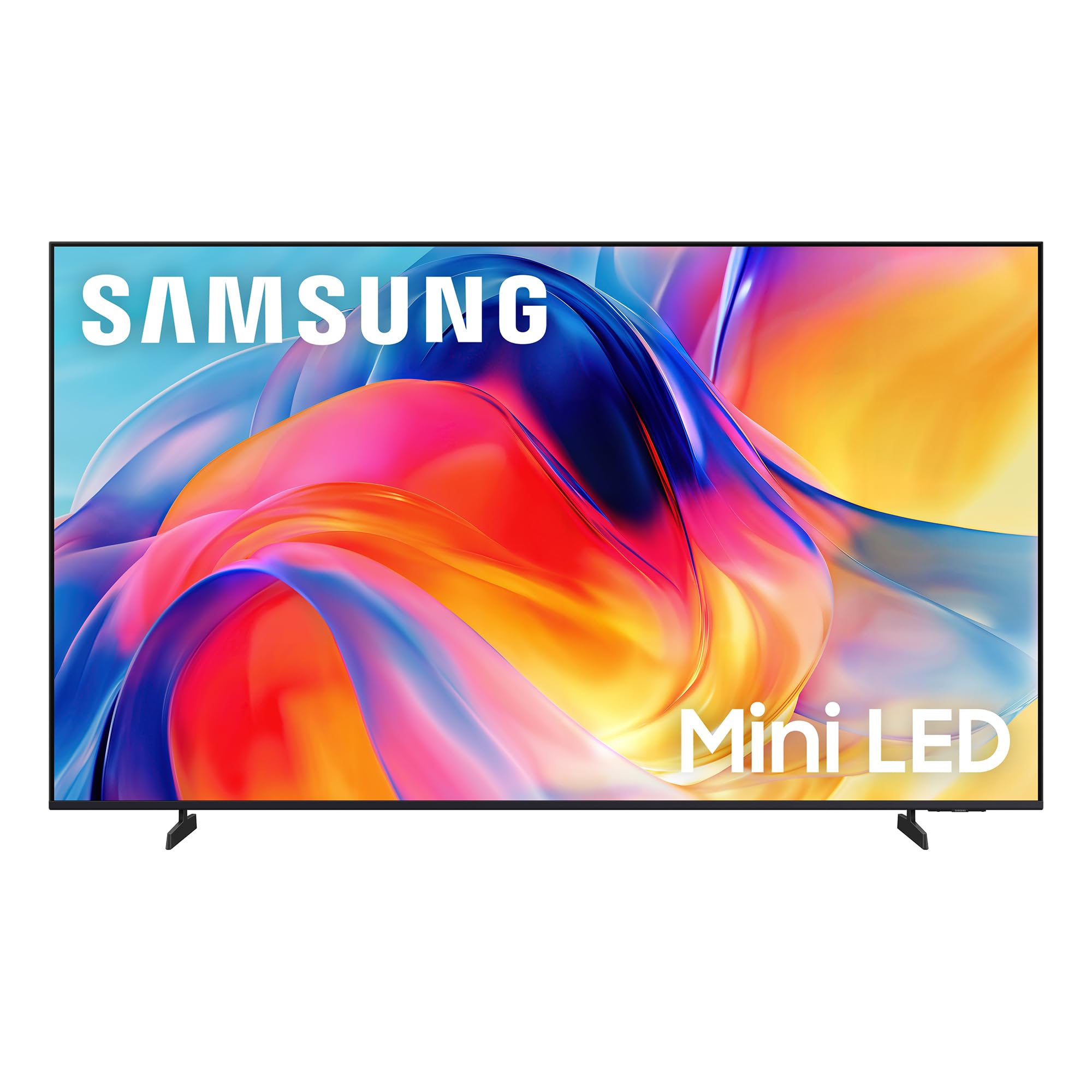
Samsung’s M70H introduces Soccer Mode, which delivers 40% clearer motion for fast-action sports and 30% more vibrant green tones for realistic turf. The Mini LED HDR technology produces brighter highlights and deeper blacks than traditional HDR TVs, making football, basketball, and racing events look crisp and dynamic. The Motion Xcelerator with DLG 120Hz analyzes and optimizes the refresh rate to keep fast pans and quick plays sharp without stutter.
The Pure Spectrum Color engine renders one billion true-to-life colors, and the Color Booster feature enhances reds, blues, and greens for an extra visual punch during sports broadcasts. Samsung TV Plus offers 2,700+ free streaming channels, including 750+ ad-supported channels covering news, sports, and movies. The Gaming Hub centralizes cloud gaming services from Xbox and other platforms, though the 60Hz native panel with DLG 120Hz interpolation isn’t as smooth as native high-refresh screens.
The build quality is solid with a clean Titan Black finish, and the remote provides easy access to Samsung’s smart features. Some users find the menu layout confusing for video and audio settings, and the lack of HDMI input memory can be frustrating. If sports are your primary use case and you want a TV that actively optimizes for game-day viewing, the M70H’s specialized modes deliver a genuine advantage.
Why it’s great
- Dedicated Soccer Mode for sports optimization
- Vibrant Color Booster for enhanced visuals
- Huge library of free Samsung TV Plus content
Good to know
- 60Hz native panel with interpolated 120Hz
- Menu layout can be confusing for new users
10. Amazon Ember 65″ QLED Series with Fire TV
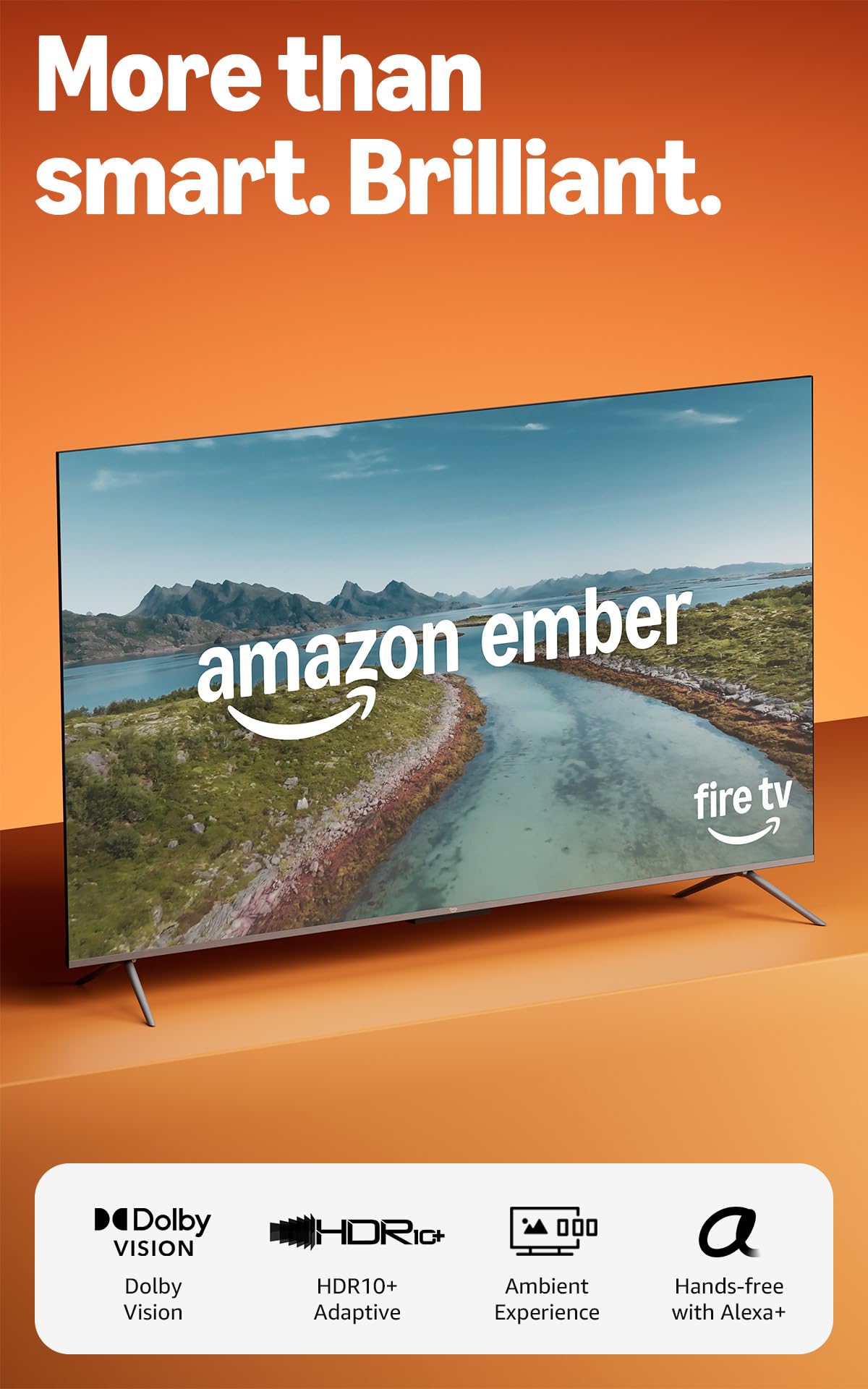
The Amazon Ember 65-inch QLED Series combines a 4K QLED display with Wi-Fi 6 and a quad-core processor for fast app loading and smooth streaming. Dolby Vision and HDR10+ Adaptive ensure scenes look beautiful in various lighting conditions, while full-array local dimming boosts contrast with deeper blacks and brighter whites. The Fire TV interface with the new Alexa+ experience lets you find content by speaking naturally — “play the latest Marvel movie” pulls up results across all your subscribed services.
The Omnisense technology wakes the screen when you walk into the room, showing artwork or your last channel without needing the remote. Amazon Luna and Xbox Game Pass integration lets you stream premium games without a console, using your phone as a controller. The four HDMI inputs provide ample connectivity for a soundbar, gaming consoles, and a streaming box without needing to swap cables.
Some users report occasional audio desync issues on Prime Video content, and the interface can feel cluttered with Amazon promotions. The built-in audio is serviceable but lacks the bass punch of the Mini-LED Ember model. If you’re deeply embedded in the Amazon ecosystem and want hands-free Alexa control at a 65-inch size, this TV integrates more seamlessly than any third-party brand.
Why it’s great
- Wi-Fi 6 ensures fast, stable streaming
- Hands-free Alexa with natural language search
- Full-array local dimming for improved contrast
Good to know
- Audio lacks bass compared to Mini-LED sibling
- Home screen has noticeable Amazon promotions
11. Roku Smart TV 65″ Plus Series Mini-LED
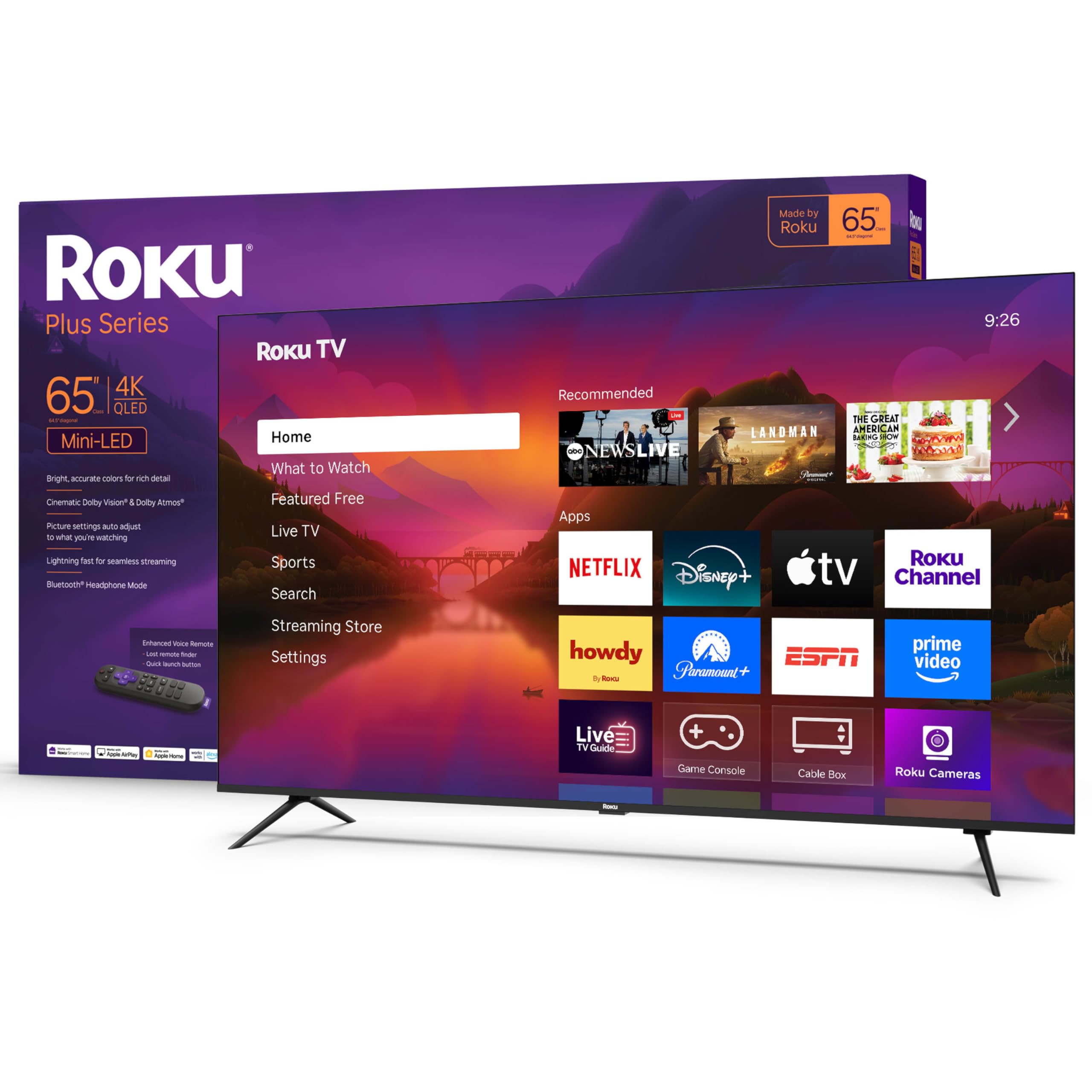
Roku’s Plus Series uses a Mini-LED backlight with QLED technology and Dolby Vision, producing rich color and vivid highlights at a price that undercuts many competitors. The Roku operating system is the most straightforward smart TV platform available — no complicated menus, no bloatware, just a simple grid of apps that launches quickly. The enhanced voice remote includes a lost remote finder, which is a genuinely useful feature for those who frequently misplace their remote in couch cushions.
The Roku Smart Picture Max feature uses AI to clean up incoming TV signals and optimize color and sharpness scene-by-scene. The built-in subwoofer and Dolby Atmos support provide cinematic audio with clear speech and louder sound than typical TV speakers. Bluetooth Headphone Mode lets you listen privately without waking others, perfect for late-night viewing sessions. The 500+ free Roku Channel options with live news, sports, and original content reduce the need for paid subscriptions.
The metal feet give the TV a premium feel, and the automatic software updates ensure you always have access to the latest apps and features. The only downside is the lack of a USB port, which limits media playback from external drives. If you value simplicity and the cleanest smart TV experience over the flashiest specs, the Roku Plus Series delivers exactly what you need without unnecessary complexity.
Why it’s great
- Cleanest, simplest smart TV OS available
- Mini-LED + QLED for excellent color and contrast
- Bluetooth headphone mode for private listening
Good to know
- No USB port for external media playback
- Not ideal for high-refresh-rate gaming
FAQ
Is Mini-LED better than OLED for a bright living room?
Do I really need 120Hz or 144Hz for watching movies?
How important is the processor for upscaling 1080p content to 4K?
Final Thoughts: The Verdict
For most users, the best 4k tv under $1000 winner is the Sony BRAVIA 2 II 55 Inch because its 4K Processor X1 delivers unmatched upscaling and picture accuracy, and the PS5-exclusive features make it the smart choice for console gamers who value image quality over screen size. If you want the biggest screen with the best bright-room performance, grab the TCL QM7K 65 Inch. And for competitive gamers who need the fastest refresh rates and multiple HDMI 2.1 ports, nothing beats the Hisense U7S 65 Inch.