
Timeline scrubbing that stutters, proxy workflows that eat your afternoon, and export times that force you to plan your day around a render bar—those are the three pains every 4K video editor knows by heart. The right machine doesn’t just play back 4K footage; it makes multi-stream HEVC timelines feel like cutting 1080p ProRes. The gap between a laptop that survives 4K editing and one that thrives in it comes down to a tight set of non-negotiable specs: a high-core-count processor that doesn’t thermal throttle, a dedicated GPU with enough VRAM to hold your color LUTs and effect stacks, a display that covers at least 100% sRGB or DCI-P3, and a storage subsystem fast enough to keep the media cache from becoming your bottleneck.
I’m Min — the co-founder and writer behind Gadgets Feed. To build this guide, I sorted through hundreds of hours of spec analysis and benchmark comparisons across 11 current-generation laptops to isolate which configurations actually deliver smooth 4K multicam editing, real-time color grading, and H.265 export speeds that respect your deadline.
After evaluating processor generations, GPU VRAM allocations, display color coverage, and thermal design across every price tier, these are the machines that earn a spot as the best 4k video editing laptop for editors who refuse to compromise on real-world performance.
How To Choose The Best 4K Video Editing Laptop
Four specs separate a laptop that merely opens Premiere Pro from one that lets you edit native 4K without proxies: the processor’s multi-core muscle, the GPU’s VRAM capacity, the display’s color gamut coverage, and the RAM-to-storage speed balance. A weak link in any of these four pillars will force you to drop resolution or wait on renders.
GPU VRAM — The Non-Negotiable Floor
Integrated graphics cannot handle layered 4K timelines with noise reduction, Lumetri color grading, and multiple adjustment layers. A dedicated GPU with at least 6GB of VRAM is the entry point for smooth playback of HEVC and ProRes 422 footage. Models with 8GB or 12GB give you headroom for 6K RED footage or DaVinci Resolve Fusion compositions without dropping frames. The RTX 4060, RTX 4070, and Apple M-series unified memory architectures represent the current sweet spot.
Display Color Accuracy — Grading Without Guessing
A 4K editing panel must cover at least 100% sRGB for web delivery or 90% DCI-P3 for broadcast and cinema work. Peak brightness above 400 nits helps you judge exposure in mixed lighting. Avoid displays marketed solely by refresh rate — 60Hz is sufficient for editing if color accuracy is dialed in. Look for factory-calibrated panels or those with hardware calibration support if your final output targets Rec. 709 or DCI-P3 color spaces.
Processor Cores and RAM — The Timeline Engine
4K video editing scales with core count. A 12-core or 14-core CPU handles multi-stream decoding and export encoding far better than a 6-core chip. Pair that with at least 16GB of RAM — 32GB is the real comfort zone for After Effects compositions or heavy plugin use. RAM speed matters less than capacity, but DDR5 or unified memory (Apple M-series) offers enough bandwidth to feed the GPU without creating a data pipeline bottleneck.
Storage Throughput — The Invisible Performance Killer
Editing 4K footage directly from a slow drive introduces dropped frames and media pending warnings. A PCIe Gen 4 SSD with read speeds above 5,000 MB/s lets you scrub 4K ProRes timelines without pre-generating proxies. A secondary SSD slot for dedicated media cache or scratch disks is a strong quality-of-life feature for editors who work with large project files daily.
Quick Comparison
On smaller screens, swipe sideways to see the full table.
| Model | Category | Best For | Key Spec | Amazon |
|---|---|---|---|---|
| Apple MacBook Pro M5 (14″) | Premium | Balanced pro editing & mobility | M5 10-core / 16GB unified | Amazon |
| ASUS ROG Strix G16 (2025) | High-End | Heavy render & AI-assisted editing | RTX 5080 / Core Ultra 9 275HX | Amazon |
| Apple MacBook Pro M4 Pro (14″) | Pro Workstation | Color-critical grading & After Effects | M4 Pro 14-core / 24GB unified | Amazon |
| ASUS ROG Strix G17 (2023) | Powerhouse | High-refresh preview & gaming hybrid | RTX 4070 / Ryzen 9 7945HX | Amazon |
| Alienware X16 R2 | Desktop Replacement | Max GPU muscle for 6K+ timelines | RTX 4080 12GB / Core Ultra 9 | Amazon |
| Acer Nitro V 16S AI | Mid-Range | AI workflow & 180Hz preview | RTX 5060 / Ryzen 7 260 | Amazon |
| Acer Swift X SFX14-42G | Ultraportable Creator | Light 4K editing on the go | RTX 3050 Ti / Ryzen 7 5825U | Amazon |
| HP Victus 15.6 | Entry-Level | Budget 4K proxy workflow | RTX 3050 / i5-12450H | Amazon |
| NIMO 17.3″ Ryzen 7 | Value Pick | Large display + 32GB RAM | Radeon 780M / Ryzen 7 8745HS | Amazon |
| Lenovo V-Series V15 | Budget Workhorse | High RAM for heavy multitasking | 40GB RAM / Ryzen 7 7730U | Amazon |
| Apple MacBook Air M5 (13″) | Ultraportable | Light 4K cuts & review on the go | M5 chip / 16GB unified | Amazon |
In‑Depth Reviews
1. Apple MacBook Pro M5 (14″)
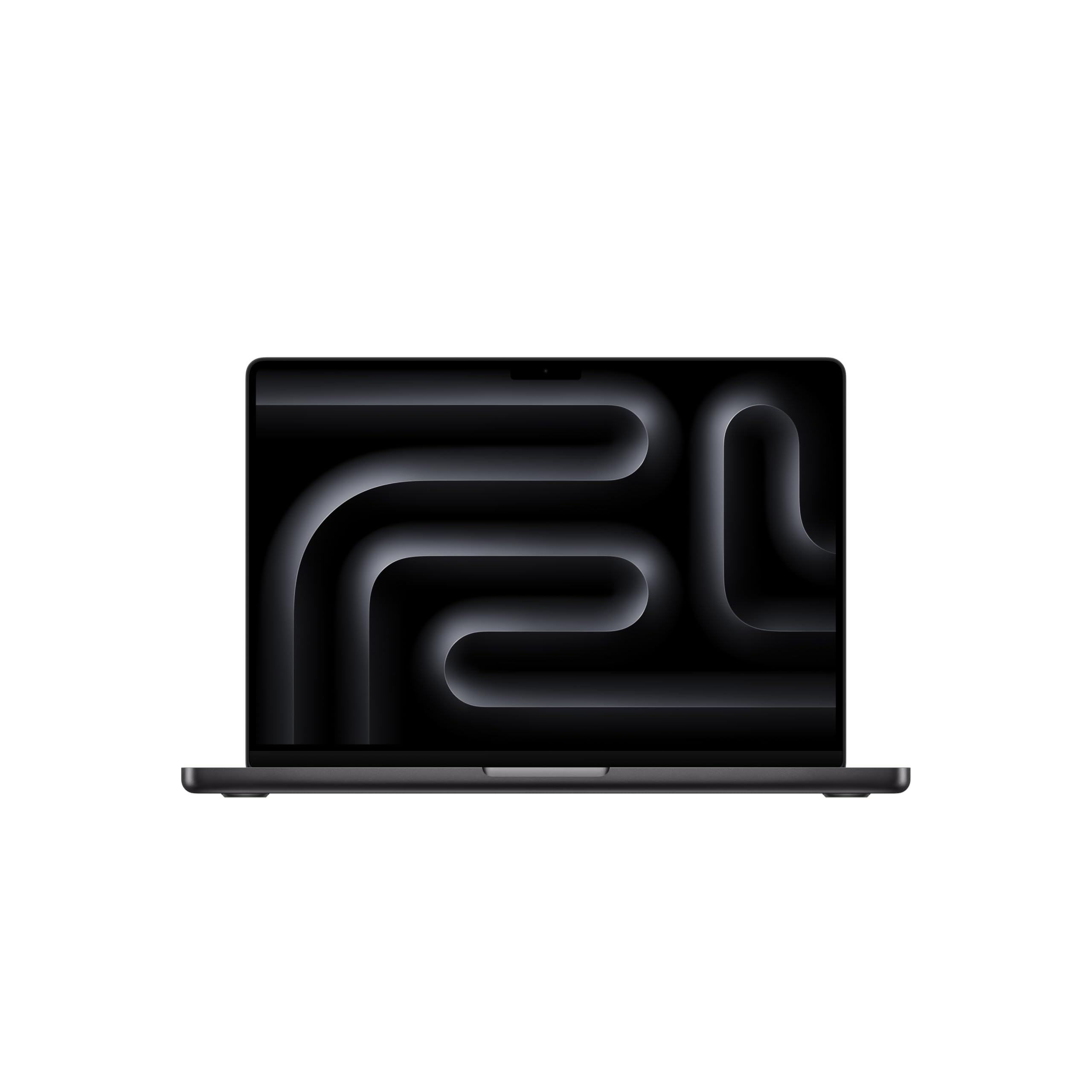
The M5 chip in the 14-inch MacBook Pro delivers a 10-core CPU and 10-core GPU configuration that handles 4K ProRes 422 HQ timelines in Final Cut Pro without dropped frames, even with multiple color grades and title layers active. The unified memory architecture means the GPU isn’t competing for bandwidth over a separate bus — 16GB of unified memory behaves more like 32GB of conventional RAM in video workloads, keeping scrubbing responsive even with 4K HEVC clips from Sony and Canon mirrorless cameras.
The Liquid Retina XDR panel hits 1600 nits peak brightness and covers the full DCI-P3 color space, which means your Rec. 709 and P3 grades are accurate straight out of the box without an external reference monitor for rough cuts. The 1TB SSD delivers sequential read speeds above 5,000 MB/s, allowing you to edit 4K footage directly from the internal drive without needing a scratch disk for most projects. The fan-cooled chassis sustains performance under load without throttling, a key advantage over the fanless MacBook Air for longer edit sessions.
Port selection includes three Thunderbolt 4 ports, an SDXC card slot, and an HDMI 2.1 port that outputs 4K at 120Hz to an external monitor. The three-mic array and six-speaker system with Spatial Audio also make it a strong candidate for editors who also record voiceovers or review audio mixes on the go. Battery life comfortably exceeds 12 hours during mixed editing and playback, so you can take this to a coffee shop without hunting for an outlet mid-timeline.
Why it’s great
- M5 chip sustains 4K HEVC playback without proxies in most timelines
- Liquid Retina XDR display provides DCI-P3 coverage for accurate grading
- Fan-cooled chassis avoids thermal throttling on long exports
Good to know
- 16GB unified memory may feel tight with heavy After Effects comps
- Only one SDXC card slot — no dual card reader for backup workflows
2. ASUS ROG Strix G16 (2025)

The G16 from ASUS packs the RTX 5080 laptop GPU with 16GB of GDDR7 VRAM, which is enough headroom to run DaVinci Resolve Studio with Fusion compositions and multiple Noise Reduction nodes applied on 6K RED footage without dropping into proxy mode. The Intel Core Ultra 9 275HX processor provides 16 cores and 24 threads, and its 5.4 GHz boost clock helps export encoding in HandBrake and Adobe Media Encoder finish significantly faster than last-generation HX chips. The 32GB of DDR5-5600MHz memory ensures timeline responsiveness stays snappy even when you have 20 browser tabs, Slack, and Photoshop open alongside the NLE.
The 16-inch ROG Nebula display runs at 2560×1600 with a 240Hz refresh rate and covers 100% of DCI-P3. While the high refresh rate is marketed toward gamers, it eliminates any perceived stutter during timeline scrubbing and makes pan-and-zoom effects look fluid during playback review. The panel uses an ACR film to reduce glare, which is a practical benefit for editors who work in bright coffee shops or co-working spaces without full lighting control.
Thermal management uses a vapor chamber paired with tri-fan technology and Conductonaut Extreme liquid metal on the CPU, keeping the Core Ultra 9 from throttling during hour-long 4K exports. The PCIe Gen 4 SSD delivers sequential reads up to 7,000 MB/s, and there’s a second M.2 slot for adding a dedicated media cache drive. Wi-Fi 7 support future-proofs wireless transfers when offloading camera cards to a NAS.
Why it’s great
- RTX 5080 with 16GB VRAM handles demanding Resolve nodes and 6K timelines
- DCI-P3 240Hz display reduces eye strain during long grading sessions
- Dual M.2 slots allow dedicated cache drive for media-heavy projects
Good to know
- Fan noise is noticeable under sustained GPU load
- Armoury Crate software may require cleanup for a clean editing environment
3. Apple MacBook Pro M4 Pro (14″)

The M4 Pro configuration with a 14-core CPU and 20-core GPU provides the ideal balance for editors who bounce between Final Cut Pro, Premiere Pro, and After Effects. The 24GB of unified memory handles After Effects RAM previews for 4K compositions with multiple shape layers and keyframes without flushing to disk. The Liquid Retina XDR display matches the same 1600-nit peak and DCI-P3 coverage as the M5 model, giving you identical color-critical accuracy at a more accessible entry point.
Benchmarks show the M4 Pro’s GPU performance sits between the M3 Max and M4 Max for GPU-bound tasks, meaning it handles 4K HEVC decode and ProRes RAW debayering with room to spare. The hardware-accelerated H.264 and H.265 encoders speed up exports in Compressor and Premiere, cutting a 10-minute 4K H.264 export to under three minutes. The battery life remains exceptional — expect 14 to 16 hours of mixed editing and review, letting you work through a full day without plugging in.
Port selection mirrors the M5 model with three Thunderbolt 4 ports, HDMI 2.1, an SDXC slot, and a MagSafe 3 charging port. The 1TB SSD offers sufficient space for active projects, and the 14-inch form factor keeps the weight at 3.52 pounds, making it a practical daily carry for editors who shoot in the field and cut in hotel rooms. The Space Black finish resists fingerprints better than previous dark Apple finishes.
Why it’s great
- 24GB unified memory handles After Effects comps without swapping
- Hardware encoders speed up HEVC and H.264 exports significantly
- Battery life supports a full editing day away from power
Good to know
- M4 Pro chip now succeeded by M5 in the lineup
- No upgrade path for unified memory after purchase
4. ASUS ROG Strix G17 (2023)

The Ryzen 9 7945HX in the Strix G17 is a 16-core, 32-thread desktop-class processor that chews through 4K multi-cam syncs and long-form export queues in DaVinci Resolve faster than most desktop rigs from just two generations ago. Paired with the RTX 4070 at 140W Max TGP, you get 8GB of GDDR6 VRAM that handles GPU-accelerated effects in Premiere Pro without stuttering. The 16GB of DDR5-4800MHz memory is the only spec that feels tight for heavy After Effects work, but the dual SODIMM slots allow a future upgrade to 32GB or 64GB.
The 17.3-inch QHD panel operates at 240Hz with 3ms response and covers 100% DCI-P3. The high refresh rate eliminates any sense of lag when scrubbing, and the large 17.3-inch canvas lets you keep a full timeline view plus a preview monitor without feeling cramped. Dolby Vision and Adaptive-Sync support means the display is also suitable for HDR review if your delivery spec includes Dolby Vision masters.
Thermal Grizzly Conductonaut Extreme liquid metal on the CPU and a robust vapor chamber allow the 7945HX to maintain its boost clock during extended exports. The MUX switch with Advanced Optimus automatically routes frames through the dGPU when launching your NLE, extending battery life when you switch to lighter tasks. The 1TB PCIe Gen 4 SSD loads large project files quickly, and there is a second M.2 slot for expansion.
Why it’s great
- 16-core Ryzen 9 7945HX outperforms many desktop CPUs in multi-threaded renders
- 100% DCI-P3 240Hz display is excellent for HDR color grading
- Upgradeable RAM and dual SSD slots for future expansion
Good to know
- Battery life under three hours during GPU-intensive editing
- Missing Windows Hello biometric camera for quick login
5. Alienware X16 R2

The Alienware X16 R2 targets editors who need the absolute highest GPU VRAM capacity in a portable chassis. The RTX 4080 with 12GB of GDDR6 memory allows you to work on 6K and 8K timelines in DaVinci Resolve with multiple temporal noise reduction passes applied — tasks that would force the 8GB cards to pre-render or drop resolution. The Intel Core Ultra 9 185H with 16 cores and 5.1 GHz boost clock keeps the CPU pipeline fed during heavy multi-timeline exports.
The 16-inch QHD+ display runs at 240Hz with 100% DCI-P3 coverage and NVIDIA G-Sync. The 3ms response time means zero perceptible input delay during scrubbing, and the ComfortView Plus certification ensures low blue light emission during those late-night deadline pushes without relying on a software filter that skews color. The 1080p IR camera includes dual-array microphones, making it a viable machine for remote client reviews and video calls.
The thermal design vents warm air through side vents, while the keyboard intake pulls cooler air across the top — an approach that keeps the WASD area cool but also benefits editors who rest their palms on the deck during long grading sessions. The 32GB of LPDDR5 memory is soldered, so confirm your needs upfront. The 1TB SSD is backed by Dell’s 1-year onsite service, which means a technician comes to your location if the hardware fails during the warranty period.
Why it’s great
- 12GB RTX 4080 VRAM handles 6K noise reduction and Fusion nodes
- QHD+ 240Hz G-Sync display with 100% DCI-P3 for accurate grading
- 1-year onsite service reduces downtime for professional editors
Good to know
- 32GB memory is soldered with no upgrade option
- Chassis is large and heavy — not ideal for frequent travel
6. Acer Nitro V 16S AI
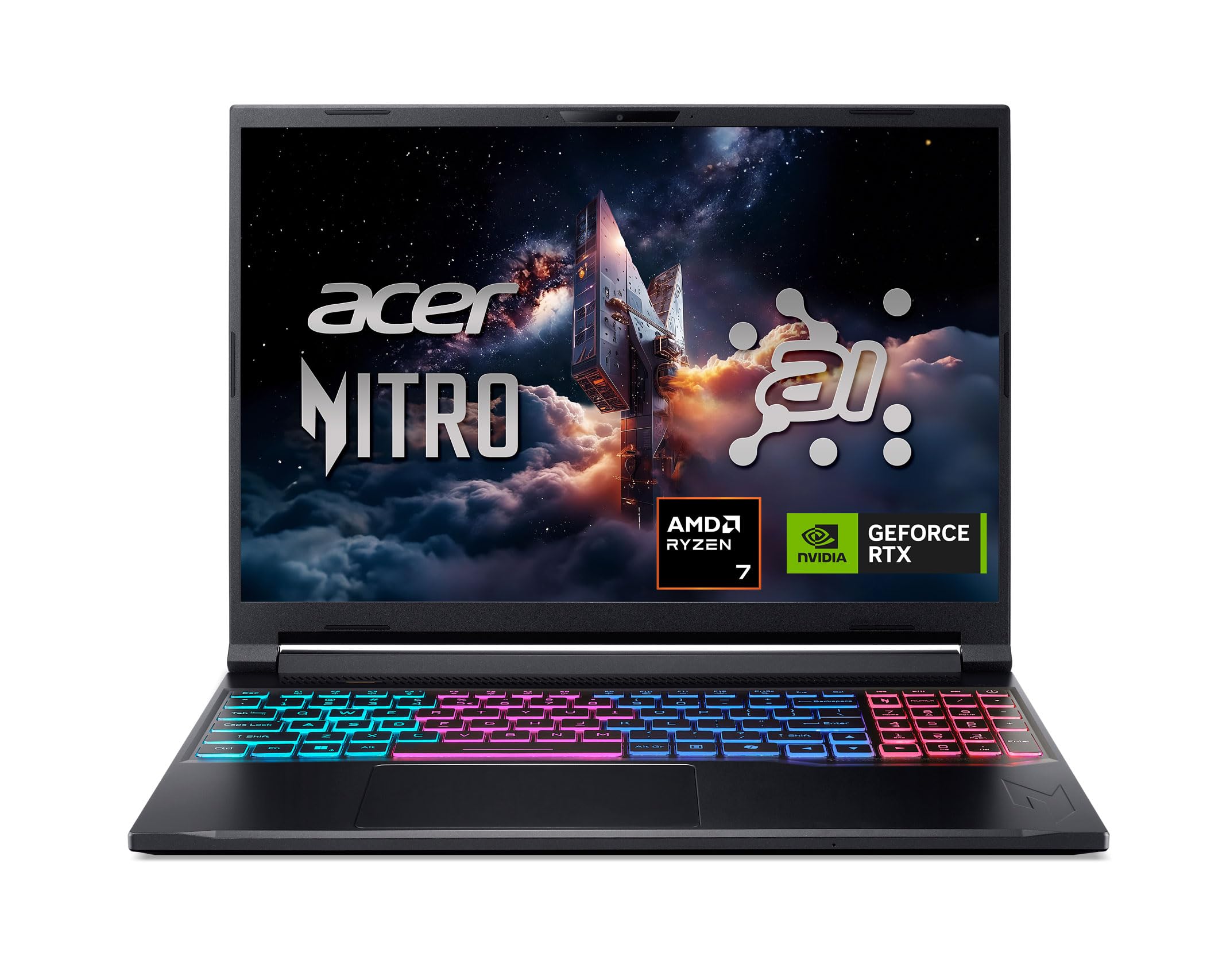
The Nitro V 16S delivers the RTX 5060 laptop GPU with 8GB of GDDR7 VRAM — the same generation of GPU architecture found in machines costing significantly more. The AMD Ryzen 7 260 processor includes a Neural Processing Unit delivering 38 TOPS, which accelerates AI-driven features in DaVinci Resolve like Magic Mask and object tracking without taxing the main CPU or GPU cores. The 32GB of DDR5-5600MHz memory is the standout spec here, directly addressing the most common bottleneck in 4K editing: insufficient RAM for layered timelines and background renders.
The 16-inch WUXGA display runs at 1920×1200 with a 180Hz refresh rate and 100% sRGB coverage. The 16:10 aspect ratio provides extra vertical space for timeline rows compared to a 16:9 panel, a subtle but appreciated advantage when you’re stacking multiple video and audio tracks. The 180Hz refresh rate keeps motion smooth during fast pans in the preview window.
Storage comes via a 1TB PCIe Gen 4 SSD, and there is a second M.2 slot available for adding a dedicated media cache or scratch disk. The white backlit keyboard and 180-degree hinge make it practical for collaborative review sessions. Battery life is average for a gaming-class chassis, so plan to keep the 135W power adapter nearby during longer editing sessions.
Why it’s great
- RTX 5060 with 8GB VRAM and NPU for AI-accelerated editing features
- 32GB DDR5-5600MHz RAM handles layered timelines without swapping
- Second M.2 slot for dedicated media cache drive
Good to know
- 135W power adapter may not sustain full GPU performance under sustained load
- Display resolution is WUXGA, not 4K — you’ll want an external monitor for pixel-level grading
7. Acer Swift X SFX14-42G

The Swift X packs an RTX 3050 Ti with 4GB of GDDR6 VRAM into a chassis that weighs just 3.06 pounds, making it one of the lightest laptops capable of GPU-accelerated 4K proxy editing. The AMD Ryzen 7 5825U with 8 cores and 16 threads provides enough CPU headroom for multicam sync and basic color grading, though you’ll want to use proxy workflows for native 4K HEVC footage from recent cameras. The 16GB of LPDDR4X memory is soldered and not upgradeable, so plan for lightweight editing rather than heavy Fusion compositions.
The 14-inch Full HD display covers 100% sRGB with 300 nits brightness, which is sufficient for web-delivery color grading but not accurate enough for broadcast or cinema masters. The 16:9 aspect ratio and 60Hz refresh rate are standard for this class — expect to connect an external monitor for any serious color work. The metal design and slim profile make it easy to slide into a camera bag alongside a mirrorless body and lenses.
Port selection includes USB-C with DisplayPort and USB charging, two USB 3.2 Gen 1 Type-A ports, and HDMI 2.1 that supports 4K at 120Hz output to an external display. The dual M.2 slots allow storage expansion, which is useful for editors who shoot on multiple cards during a shoot day. The DTS Audio speakers are suitable for scratch audio review but not for final sound design.
Why it’s great
- Weighs 3.06 lbs — easy to carry alongside camera gear for field editing
- Dual M.2 slots for storage expansion on multi-day shoots
- 100% sRGB display suitable for web-delivery color grading
Good to know
- 16GB RAM is soldered with no upgrade path
- 60Hz panel limits scrubbing fluidity compared to 120Hz+ options
8. HP Victus 15.6

The Victus 15.6 pairs an Intel Core i5-12450H with an RTX 3050 and 32GB of RAM, creating a configuration that handles 4K proxy workflows and lightweight color grading in Premiere Pro without major performance complaints. The 8-core i5 processor is the weakest link in the CPU chain — expect to generate proxies for any 4K footage above 100 Mbps bitrate, especially if you’re using HEVC from recent Sony or Canon cameras. The RTX 3050’s 4GB VRAM is sufficient for GPU acceleration of basic transitions and Lumetri effects but will max out if you stack multiple adjustment layers or temporal effects.
The 15.6-inch FHD display runs at 144Hz with an IPS anti-glare panel, providing smoother timeline scrubbing than the typical 60Hz budget laptop. The micro-edge bezel keeps the physical footprint reasonable. The anti-glare coating is a practical advantage for editors who work near windows or under harsh overhead lighting. Color coverage is not specified, but based on the panel class, expect roughly 60-70% sRGB — connect an external grading monitor for any color-critical work.
Storage comes via a 1TB PCIe NVMe SSD, and there is a single available M.2 slot for expansion. Port selection includes HDMI 2.1 which can drive a 4K external display at 60Hz, two USB Type-A ports, a USB Type-C port, an SD card reader, and an RJ-45 Ethernet jack for reliable NAS transfers during office-based editing. The backlit keyboard is useful for editing in dimly lit rooms.
Why it’s great
- 32GB RAM in an entry-level chassis provides smooth multitasking
- 144Hz anti-glare display improves timeline scrubbing fluidity
- HDMI 2.1 and RJ-45 ports support external monitors and NAS workflows
Good to know
- 4GB VRAM limits GPU-accelerated effects and multi-layer timelines
- Display color accuracy is not suitable for critical grading without an external monitor
9. NIMO 17.3″ Ryzen 7
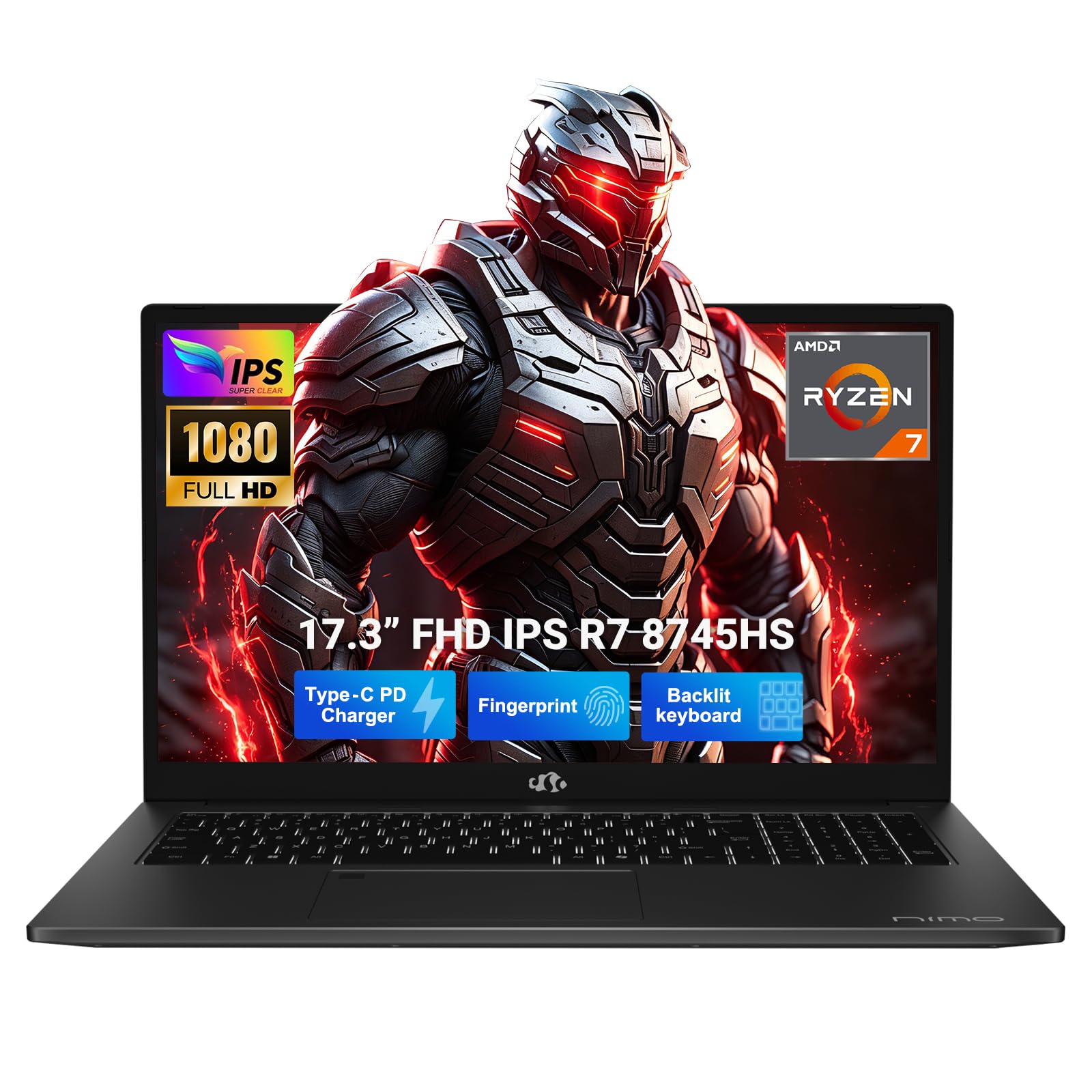
The NIMO 17.3 uses an AMD Ryzen 7 8745HS processor with 32GB of DDR5 memory and a Radeon 780M integrated graphics solution, targeting editors who prioritize a large, portable workspace over discrete GPU power. The 780M iGPU is the fastest integrated graphics on the market and can handle 4K ProRes 422 playback at 24fps in DaVinci Resolve, but it will struggle with HEVC 10-bit 4:2:2 footage from modern mirrorless cameras without generating optimized media or proxies. The 32GB of dual-channel DDR5 memory helps the iGPU perform at its peak, since it draws from system memory rather than dedicated VRAM.
The 17.3-inch display supports up to 4K resolution, giving you a large canvas for multi-window editing with a full timeline view plus source and program monitors simultaneously. The 180-degree hinge allows you to lay the screen flat for client presentations or collaborative review sessions in a studio environment. The 100W USB-C PD charging keeps the cable count low when working from a single USB-C hub.
The laptop weighs under 2.1kg despite the 17.3-inch screen, making it surprisingly portable for a large-screen editing machine. The backlit US-layout keyboard includes a numeric keypad, which speeds up numeric input for timecode entry and effect parameters. The fingerprint sensor on the touchpad provides biometric login security for editors who handle confidential client footage.
Why it’s great
- 17.3-inch 4K display provides a large editing canvas without an external monitor
- 32GB DDR5 memory allows smooth multitasking in heavy editing workflows
- Under 2.1kg for a 17.3-inch chassis — genuinely portable for the screen size
Good to know
- Radeon 780M iGPU requires proxy workflows for HEVC 10-bit 4:2:2 footage
- No discrete GPU means limited GPU acceleration for effects and noise reduction
10. Lenovo V-Series V15

The Lenovo V15 stands out with 40GB of RAM and a 2TB SSD at an entry-level price point, making it the strongest option for editors who run multiple heavy applications alongside their NLE without wanting to upgrade memory later. The AMD Ryzen 7 7730U provides 8 cores and 16 threads, which is sufficient for 4K proxy editing in Premiere Pro and basic multicam sync, but the integrated Radeon Graphics lack the GPU VRAM needed for real-time effects or GPU-accelerated encoding. Expect to run proxies for any 4K footage and disable GPU-accelerated effects to maintain smooth playback.
The 15.6-inch FHD display is standard for a business-class laptop — adequate for editing timelines and reviewing cuts, but not color-accurate enough for grading decisions. You will need an external monitor for any color-critical work. The inclusion of an RJ-45 Ethernet port is a practical advantage for editors who work from a NAS or need reliable network transfers of large media files.
The 2TB SSD provides generous storage for active projects and media cache, reducing the need to carry external drives for on-location editing. The numeric keypad is a productivity boon for timecode entry, and the Windows 11 Pro operating system includes BitLocker encryption for protecting client footage on the internal drive. The warranty concerns mentioned in reviews suggest considering an extended warranty or self-backup strategy for critical projects.
Why it’s great
- 40GB RAM handles After Effects, Premiere, and browser tabs simultaneously
- 2TB SSD provides generous storage for active projects and media cache
- RJ-45 Ethernet port enables reliable NAS transfers for large media files
Good to know
- Integrated graphics require proxy workflows for all 4K footage
- Display is not color-accurate — external grading monitor is essential
11. Apple MacBook Air M5 (13″)
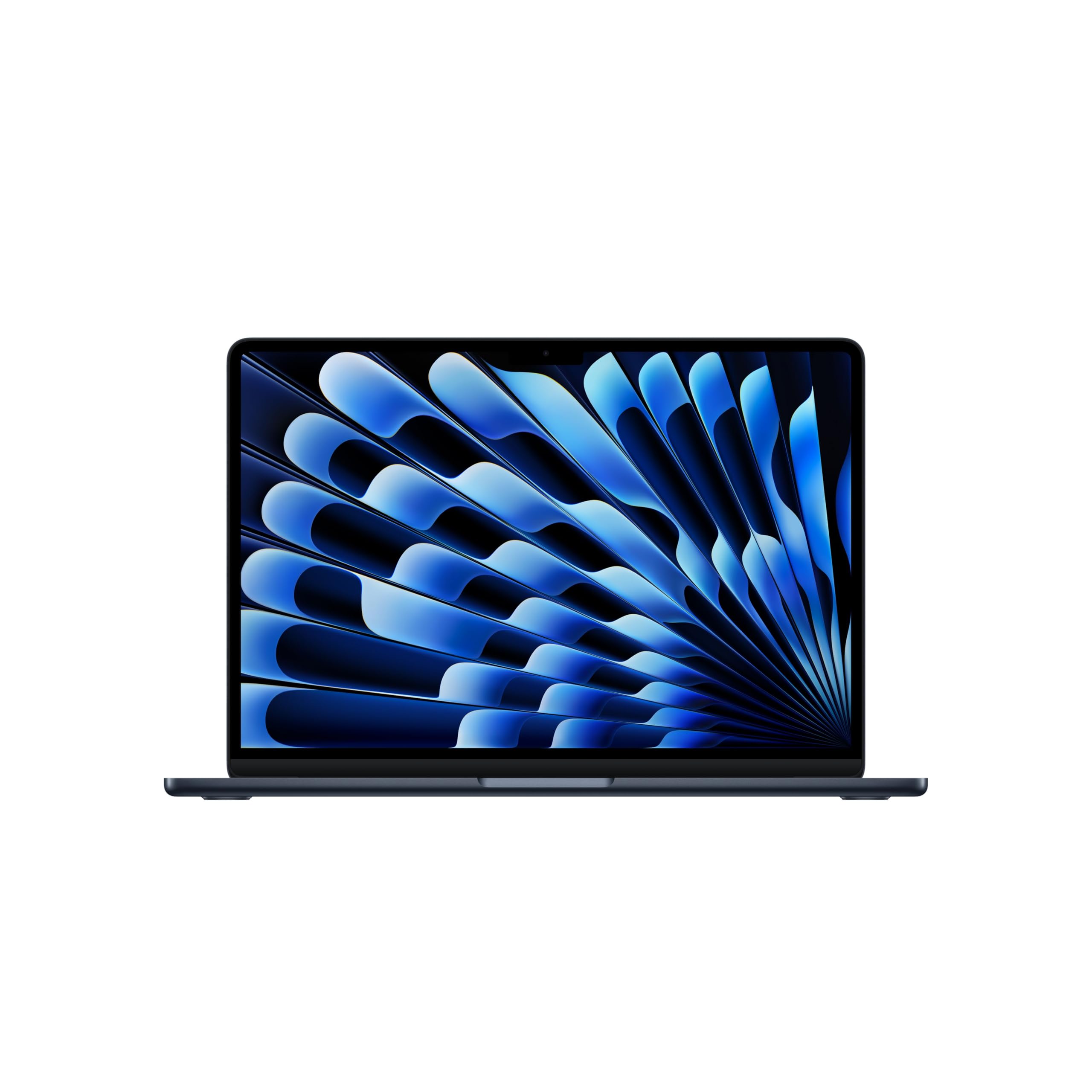
The MacBook Air with the M5 chip offers the same unified memory architecture and hardware video encoders as the MacBook Pro, but in a fanless chassis that weighs only 2.71 pounds. This makes it ideal for location scouts, field review, and lightweight editing of 4K ProRes footage from a mirrorless camera, but the lack of active cooling means the M5 chip will throttle performance during sustained exports or multi-stream 4K HEVC timelines. Expect to maintain proxy workflows for any long-form project and keep export times modest for short-form content.
The 13.6-inch Liquid Retina display supports 1 billion colors and covers the DCI-P3 color space, giving you reliable color accuracy for reviewing grades and exposure decisions in the field. At 500 nits sustained brightness, it’s usable outdoors under an awning or in a shaded location. The 60Hz refresh rate is standard and won’t provide the scrubbing fluidity of a 120Hz panel, but for rough cuts and review, it’s perfectly adequate.
Battery life reaches up to 18 hours during mixed use, so you can shoot all day and edit in the evening without hunting for power. The 512GB SSD is the baseline — configure with 1TB if you plan to store multiple projects locally. Wi-Fi 7 support future-proofs wireless transfers, and the 12MP Center Stage camera is useful for remote client reviews. The MacBook Air is not a primary editing workstation, but as a secondary machine for field review and rough cuts, it’s unmatched in portability.
Why it’s great
- Weighs only 2.71 lbs — ideal for field review and location scouting
- DCI-P3 Liquid Retina display provides reliable color accuracy in the field
- 18-hour battery life supports all-day shoot-and-edit workflows
Good to know
- Fanless design throttles during sustained 4K HEVC exports
- 60Hz display doesn’t match the scrubbing fluidity of higher refresh panels
FAQ
Do I need a dedicated GPU for 4K video editing or can integrated graphics work?
Is 16GB of RAM enough for 4K video editing or should I get 32GB?
Should I use proxy workflows or edit native 4K on these laptops?
What display color accuracy spec matters most for a 4K editing laptop?
Final Thoughts: The Verdict
For most editors, the best 4k video editing laptop winner is the Apple MacBook Pro M5 (14″) because it combines the M5 chip’s unified memory efficiency with a DCI-P3 Liquid Retina XDR display and fan-cooled thermal design in a portable 3.4-pound chassis that handles native 4K HEVC and ProRes without proxies. If you need maximum GPU VRAM for 6K+ timelines and Resolve Fusion comps, grab the ASUS ROG Strix G16 (2025) with its RTX 5080 16GB. And for a lightweight field companion for location review and rough cuts, nothing beats the Apple MacBook Air M5 (13″) at 2.71 pounds with 18-hour battery life.