
Our readers keep the lights on and my morning glass full of iced black tea. As an Amazon Associate, I earn from qualifying purchases.
Specs are compiled from manufacturer listings and verified buyer reviews and can change over time — please confirm the key details on the product page before buying.
Picking the right 4L60E torque converter is about matching the stall speed (the RPM where the converter starts to pull) to your engine’s cam profile — get it wrong and the truck feels soggy off the line, get it right and every stoplight turns into a controlled launch. This guide cuts through the part-number confusion to show you exactly which converter mates best with your LS-based build, whether you are rebuilding a daily driver Silverado or finishing a Firebird project that sits a few months from its first test pass.
I’m Min — the founder and writer behind Gadgets Feed. This guide is built by comparing the manufacturers’ published specifications and the patterns across verified customer reviews, so you get each pick’s real strengths and trade-offs instead of marketing spin.
Drill into seven carefully selected converters with their real-world stall ranges, spline counts (the number of grooves inside the hub that connect to the transmission shaft), and owner-reported mileages — find your match among the best 4l60e torque converter options on the market today.
Our Picks at a Glance
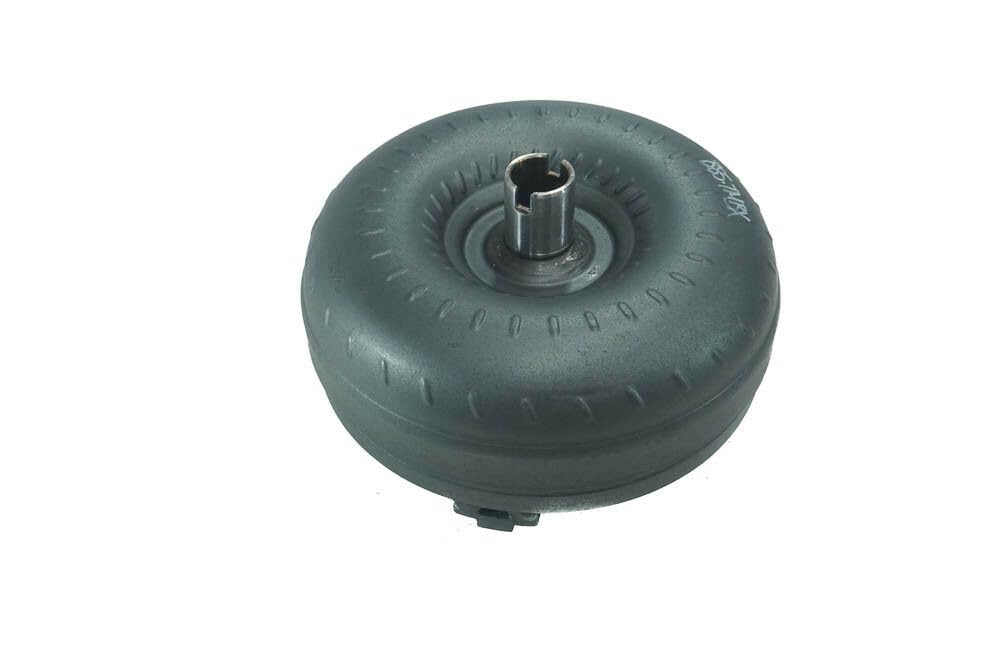

How To Choose The Best 4L60E Torque Converter
Buying a torque converter for your 4L60E means thinking about three things: the stall speed range (how high the engine revs before the car starts to move), the physical diameter, and the lockup behavior (how it locks to save fuel). The stall speed determines when the engine feels strong versus when it feels lazy, while the diameter tells you if the converter actually fits your transmission’s bellhousing depth.
Stall Speed — The Feel of Your Launch
Stall speed is the RPM at which the converter begins transferring torque to the transmission — it is the number that defines the whole driving character of the truck or car. A low stall (1400–1600 RPM) keeps the converter feeling tight at idle, which works well for a stock daily driver. A high stall (2800–3200 RPM) lets the engine rev up into its power band before the car moves, so a cammed engine (one with a performance camshaft that shifts the power band higher) with a peaky torque curve actually drives like it has power.
Diameter and Spline Count — The Physical Fit
Most 4L60E converters come in either 300mm or 298mm diameters — a 1% difference, but the bigger 300mm unit requires the bellhousing from 1999-and-up transmissions. The input shaft must accept a 30-spline count (30 grooves inside the hub), which is standard for the 4L60E family. If you have an older 700R4 you are swapping in, double-check the pilot diameter (the snout that fits into the crankshaft).
Lockup Clutch — Highway Economy
A lockup converter mechanically links the engine to the transmission at cruising speed, which stops the fluid slip that generates heat and wastes fuel. Owners consistently report a 900 RPM drop on lockup engagement — that drop is the obvious sign the converter is working as intended. Choosing a unit with a reliable lockup feature matters for any vehicle that spends time on the highway.
Quick Comparison
| Model | Best For | Stall Speed | Diameter | Spline / Mount | Amazon |
|---|---|---|---|---|---|
| GM92-2200-2500 High Stall★ Best Overall | Cammed daily drivers | 2200–2500 RPM | 300mm | 30 spline / 3-pad | Amazon |
| TO-C67HS 2800-3200Premium Pick | High-power LS stage 3 builds | 2800–3200 RPM | 300mm | 30 spline / 3-pad | Amazon |
| GM92-4L60E 4L65E TMBX | Stock rebuilds & highway MPG | 1400–1600 RPM | 300mm | 30 spline / 3-pad | Amazon |
| Assault Racing 600700 | Budget 1982-1998 swaps | Stock stall | 298mm | 30 spline / 3-pad | Amazon |
| MB-GM33HS 1900-2200 | 5.7L / 5.0L street trucks | 1900–2200 RPM | 12″ (305mm) | 30 spline / 3-pad | Amazon |
| TR-C48HS 2300-2700 | Mild cam 1985-1997 builds | 2300–2700 RPM | 298mm | 30 spline / 3-pad | Amazon |
| TTC 2800-3200 300mm | High-stall street/strip LS swaps | 2800–3200 RPM | 300mm | 30 spline / lockup clutch | Amazon |
In‑Depth Reviews
1. TTC GM92-2200-2500 High Stall 4L60E 4L65E
Our pick — over 4★ from 100+ verified ratings; the strongest balance of quality and price.
the just-right stall that wakes up a cammed daily without killing the transmission.
This converter hits the balance at 2200-2500 RPM stall — aggressive enough to put a Truck Norris cam (a popular performance cam for LS trucks) right in its happy zone but mild enough that the 4L60E does not run hot in stop-and-go traffic. Buyers running a 2001 Silverado with a 4.8L report the stall feels correct under acceleration and the transmission stays cool. The 300mm diameter fits 1999-and-up bellhousings, so it slides straight into a 4L65E behind a built 5.3L without spacers or adapter rings.
Owners note that the lockup functions properly — one described it as “night and day vs stock” — though a few caution that dialing in the apply points (the settings that control when the lockup engages) with HP Tuners improves the shift feel noticeably. The customer consensus lands squarely on functionality, with owners calling it a solid value that delivers real seat-of-the-pants pep while staying affordable. At 101 total reviews with a 4.4 average, the crowd picks this as the balanced answer.
The stall that delivers: Tight enough for daily errands, loose enough that a cammed 5.3L lights the tires on command. One owner summed it up running strong for a month with a Truck Norris cam — no overheating, no complaints.
The tune tax: You will likely need a custom tune to dial in the shift points and idle speed. Budget for HP Tuners time if your engine has a significant cam.
Reach for this if: you have a mild to moderate cam in a 1999-up Silverado, Tahoe, or GMC with a 4.8L-6.0L LS engine and want a noticeable launch without daily-driver headaches.
Look elsewhere if: your build is a bone-stock grocery-getter with no cam — the 1400-1600 stock-stall TTC TMBX below would suit you better and cost less.
2. TTC TO-C67HS 4L60E 4L65E 2800-3200 Stall
The serious high-stall that wakes a stage 3 cam up and keeps the power band alive.
With a 2800-3200 RPM stall range — at 2800-3200 RPM versus the TTC TMBX’s 1400-1600 RPM — this converter is built for 1999-and-up LS trucks with aggressive cam profiles. Buyers report that a 2006 Silverado 5.3L with a stage 3 cam and a 4L60E handles drag launches and burnouts without slip or heat buildup. The 300mm diameter with 30 splines and 3-pad mounting follows the same physical pattern as the other TTC converters, so it swaps in on a lift without surprises.
Most reviewers emphasize the value against higher-priced converters — “amazing” in a 5.3L with a stage 3 cam — but a single owner noted that bellhousing seepage (a slow fluid leak at the transmission housing) appeared after a few months. That leak risk is the main trade-off to keep an eye on during install. The 4.8 average across 11 ratings puts it right behind the top-rated unit, making it a strong contender for any LS build that needs to hold power at the top of the rev range.
High-stall confidence: A 2006 Silverado 5.3 with stage 3 cam and 4L60E survives repeated drag pulls and burnout sessions — the converter handles the heat cycle without fading. Reviewers recommend pairing it with HP Tuners and a Bluecat transmission generator for ideal shift mapping.
The leak watch: A shipping-delivered unit may develop a bellhousing seep. Inspect the pilot O-ring and converter hub surface before install; if the seal is compromised, the fix requires pulling the transmission back out.
Grab this if: your build has a stage 2 or stage 3 cam, an LS engine, and you plan to drag the truck or tow heavy loads — the high stall will keep the engine in its torque band.
Think twice if: your transmission is a stock 4L60E with no auxiliary cooling — the heat from sustained high-stall driving may exceed what a stock cooler can handle.
3. TTC TMBX 4L60E 4L65E 1400-1600 Stall
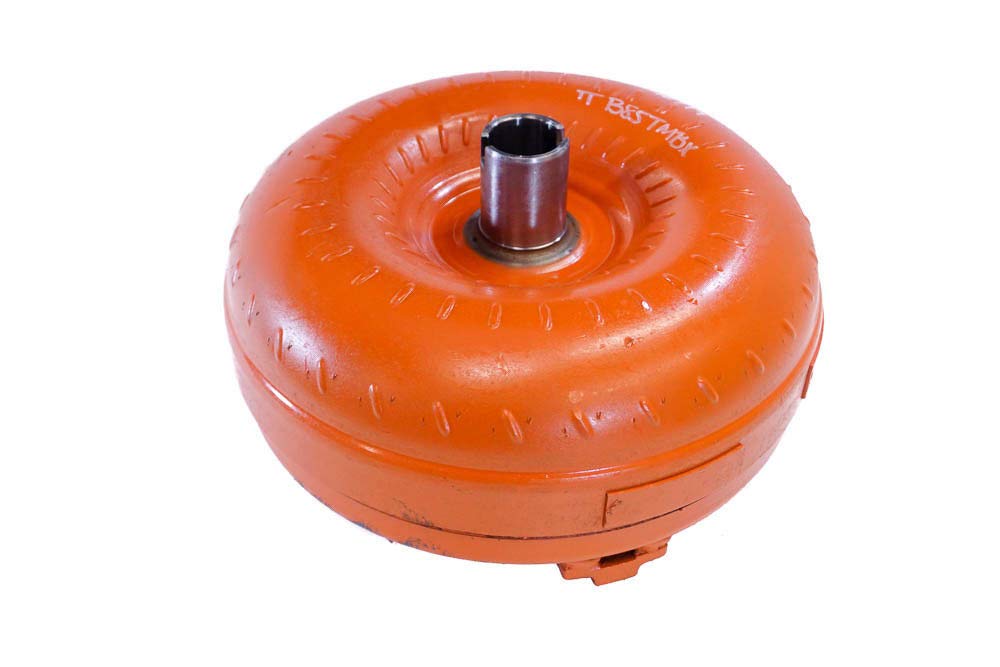
The stock-stall replacement that boosts highway MPG without any tuning drama.
At 1400-1600 RPM stall, this converter behaves like a tighter factory unit — it wakes up right off idle, locks smoothly, and delivers a noticeable highway MPG bump. One owner on a 4L65E saw mileage improve from 17 to 21+ MPG after 3000 miles. The carbon fiber friction material (a specific upgrade over standard paper-lined clutches) gives the lockup a firmer, more durable engagement than a stock converter.
Owners mention the lockup feels “better than stock” and the engagement is smooth enough for a daily driver. The 300mm diameter fits 1999-and-up transmissions (4L60E, 4L65E, 4L70E) and works with 4.8L, 5.3L, 6.0L, and 5.7L LS engines. It is also the only converter in the lineup that comes with a 2-year warranty, which adds confidence for a budget-conscious rebuild. A single owner mentioned the bolt holes were half a hole off from the flywheel — an easy fix with a file and washers.
Highway efficiency open up: 17 to 21+ MPG improvement reported on a 4L65E after 3000 miles — the lockup clutch engages firmly and reduces slip at cruising speed.
Stock-compatible simplicity: No tune required for a stock engine. The 1400-1600 stall behaves like a GM replacement, so you can drop it in and drive without coding.
Pick this if: you are rebuilding a bone-stock daily driver Tahoe, Silverado, or GMC with a 4.8L-6.0L LS engine and want lower highway RPMs plus a modest MPG gain.
skip it if: you have a cammed engine — the 1400-1600 stall will feel too tight and may cause surging or bucking at low RPM.
4. TTC 2800-3200 Stall 300mm (4L60E / 4L65E / 4L70E)
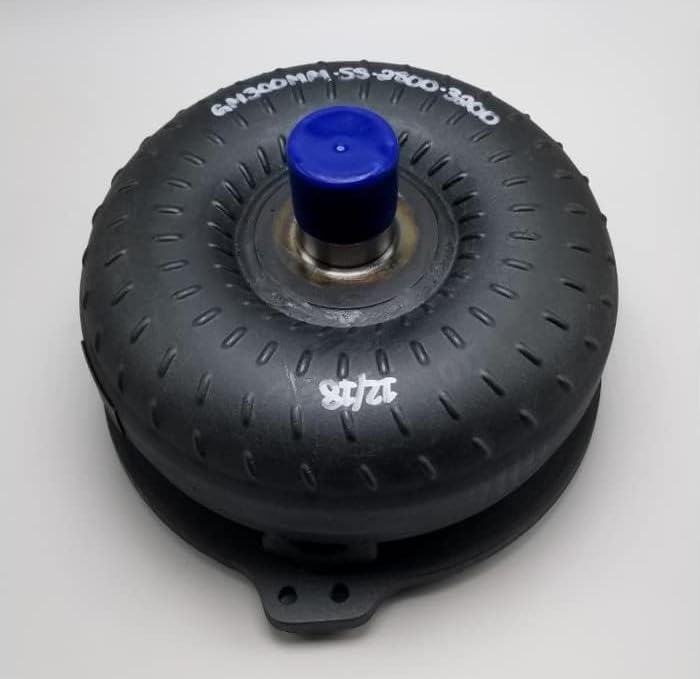
The night-and-day high-stall that transforms a cammed LQ4 into a street beast.
This 2800-3200 RPM stall converter is the enthusiast’s pick for 4L60E / 4L65E / 4L70E builds, especially with a 6.0L LQ4 or 5.3L LS. Owners consistently call it a “massive improvement” and “huge upgrade” for a stage 3 cammed build — the converter holds the engine right around 3000 RPM consistently, so the cam’s power band stays on tap from a dead stop. The 300mm diameter with 30 splines and the lockup clutch follow the same physical pattern as the other TTC converters, but at 31 pounds it is noticeably lighter than the TO-C67HS at 44 pounds, which suggests thinner (possibly weaker) internals under extreme abuse.
One owner running a 2003 4×4 Silverado with a cammed 5.3L confirmed the lockup works perfectly and the converter is “street-able” despite the high stall. The customer feedback is nearly unanimous praise — “maximum bang for my bucks” and “night and day difference” — but the light weight raises a caution for sustained towing or heavy drag use. At 4.8 stars across 21 ratings, it edges out the competing 2800-3200 TO-C67HS on review count and consistency.
Streetable high stall: A cammed LQ4 with a stage 3 cam becomes genuinely drivable rather than surging and bucking at low RPM. Customers note the 2800-3200 stall keeps the engine in its balance without feeling like a race-only part.
Weight difference matters: At 31 pounds it is 13 pounds lighter than the TO-C67HS. That saves rotating mass but may sacrifice thermal capacity under sustained high-load use — inspect the converter hub for signs of overheating if you plan to tow.
Spot on for: a high-horsepower LS swap (6.0L LQ4 or 5.3L with stage 3 cam) that lives at the track or sees spirited street driving but does not tow heavy trailers regularly.
Not ideal for: a daily driver that spends hours in traffic — the 2800-3200 stall will feel very loose and may generate extra heat in stop-and-go conditions.
5. TRANS_ONE TR-C48HS 2300-2700 High Stall 298mm

The 298mm sport-stall that even a 1994 Firebird owner calls “cheap and reliable.”
At 2300-2700 RPM stall in a 298mm diameter body, this converter fills the gap between a mild street cam and a full race build — owners describe it as “1 step above a Corvette converter” with just enough stall for a mild cam. The lockup is the standout feature: reviewers point out a clean 900 RPM drop on clutch engagement, which is stronger than the factory feel. The 12-inch diameter (298mm) is at 298mm versus the 300mm units above, so it fits 1985-1997 bellhousing patterns without modification.
A 1994 Firebird Trans Am owner put one in a few months ago and reported zero failures and no signs of breakage — “cheap and reliable” was the exact verdict. The customer feedback across 8 ratings is a perfect 4.7 average, but the sample size is small. The 298mm physical size also makes it compatible with 700R4 transmissions from the 1985-1997 era, so it is a viable option for an older swap.
Lockup that feels factory-plus: A 900 RPM drop on lockup engagement is the signature of a healthy converter. Owners say it “drops about 900 rpm when clutch engagement” — a clear benchmark of correct function.
Small sample, solid signal: 8 reviews is a thin data set, but all 8 are 5-star — suggesting early adopters are uniformly satisfied. The “cheap and reliable” verdict from a Firebird owner after months of use adds real-world credibility.
Good for: a mid-80s to late-90s F-body (Firebird, Camaro) or K-truck with a mild cam that spends weekends on the street and occasional passes at the strip.
Not for: truck owners who need a 300mm converter for a 1999-up bellhousing — the 298mm body will not fit the deeper bolt pattern correctly.
6. Mybaux MB-GM33HS 1900-2200 4L60E 700R4

A simple, proven 1900-2200 stall for 1986-96 trucks that just works mile after mile.
The MB-GM33HS is a no-nonsense high-stall converter built for the square-body era — 1986-1996 GM trucks with 5.7L, 5.0L, and 4.3L engines. The stall range (1900-2200 RPM) sits comfortably above stock but stays low enough that a 4L60E or 700R4 does not generate excessive heat. Shoppers say zero issues after 5000 miles, which is a strong durability signal for a budget-priced unit. At 40 pounds it matches the weight of the TRANS_ONE unit but uses a 12-inch diameter with a 10.5-inch bolt circle and 30 splines.
The customer feedback across 13 reviews is a perfect 5-star average, though the sample is small. The “heavy duty” tag in the product name is not borne out in the data — no explicit mention of upgraded materials — but the 5000-mile testimonial without failure suggests adequate construction for a street-driven 5.7L. The main limitation is the year range: it fits 1986-1996 vehicles only, so a 1999-up Silverado will need the 300mm converters above.
Proven 5000-mile durability: A single owner reported “converter is working great after 5000 miles” — a concrete long-term snapshot that holds more weight than a dozen short-term installs.
Narrow year window: This converter is locked to 1986-1996 transmissions. It does not fit 1999-up 4L60Es, which require the 300mm bolt pattern.
Best for: a 1988-1996 Chevy or GMC pickup (C1500, K1500) with a 5.7L 350 that needs a mild stall upgrade and does not justify spending on a high-end unit.
Skip if: your truck is a 1999 model or newer — the 12-inch diameter and bolt pattern will not align with the deeper late-model bellhousing.
7. Assault Racing 600700 1982-1998 4L60E 700R4

The low-cost stock-stall that fits an 82-98 truck and just keeps running.
At a stock (unspecified) stall speed and a 298mm diameter, this Assault Racing converter is the entry-level replacement for 1982 through 1998 GM transmissions — 4L60, 4L60E, and 700R4. The 30-spline count and 3-pad mounting match the industry standard, and the 298mm body (at 298mm versus the 300mm units) fits the older bellhousing pattern that lacks the deeper pocket of the 1999-up design. Buyers report no issues after 3 months of use in a truck, including a long trip where the converter performed well.
The customer feedback is sparse but positive: 3.6 stars across 28 ratings, with a mix of 5-star “perfect” and “works well” reviews and a longer tail of lower ratings. The lower average suggests some buyers received units that did not hold up, so inspect the converter carefully on arrival. It is the only converter in the lineup without a lockup feature explicitly listed, which means highway economy will not improve — but for a budget swap or a farm truck, this keeps the cost down without a major compromise in function.
Ultra-broad compatibility: Fits 4L60, 4L60E, and 700R4 across 16 model years (1982-1998) — a single SKU that covers the entire OBD-I era of GM trucks and vans.
Mixed durability record: The 3.6 average indicates a meaningful portion of buyers were not satisfied. Check for burrs on the pilot hub and measure the bolt circle before final torque.
Grab this if: you need a working stock-stall converter for a 1982-1998 truck that will see light daily driving and you are working on a tight budget.
Look elsewhere if: you plan to drive a cammed engine, tow heavy loads, or want a lockup upgrade for better highway MPG — this unit is a direct stock replacement only.
Understanding the Specs
Stall Speed (RPM)
Stall speed is the engine RPM at which the torque converter begins to transmit full torque to the transmission — it is the number that defines how the vehicle launches from a stop. A 1400-1600 RPM stall feels tight like a stock converter and lets the engine idle low. A 2800-3200 RPM stall is much looser, allowing the engine to rev into its power band before the truck moves — essential for a cammed engine that makes peak torque above 2500 RPM.
Diameter (300mm vs 298mm)
The physical diameter of the converter matters because it must fit the bellhousing pattern on your transmission. 1999-and-up 4L60E transmissions use a 300mm converter with a specific bolt circle. Older 1985-1998 4L60E and 700R4 transmissions use a 298mm converter. A 298mm converter will bolt up in a 300mm bellhousing but may leave a gap; a 300mm converter will not fit in the older bellhousing at all. Always match the converter diameter to your transmission’s year and bellhousing depth.
Lockup Clutch Function
When the lockup clutch engages, it mechanically connects the engine to the transmission — stopping the fluid slip that wastes fuel and generates heat. On the highway this drops RPM by roughly 900, which reduces engine noise and improves fuel economy. Every converter in this guide except the Assault Racing 600700 explicitly includes lockup functionality. If you spend significant time on the highway, a lockup converter is worth prioritizing.
30 Spline vs Pilot Diameter
The input shaft of a 4L60E uses a 30-spline count, which is the standard for the entire family. All converters in this guide have 30 spline inputs. The pilot diameter (the snout that centers the converter in the crankshaft) is not listed for every product here — if you are swapping into a 700R4 or older LS engine, check the crankshaft pilot bore depth before final assembly. A converter that bottoms out on the crank before the flexplate is bolted will damage the pump.
FAQ
Will a 300mm converter fit my 1996 4L60E?
What stall speed should I pick for a stock 5.3L truck?
Can I install a torque converter without pulling the transmission?
How do I know if a converter has a lockup clutch?
What does “30 spline” mean and does it fit my 4L60E?
Will a higher stall converter hurt my transmission?
Does a torque converter come with bolts or a flexplate?
What is the difference between 4L60E and 4L65E torque converters?
How long does a torque converter last?
Should I replace the torque converter when I rebuild my 4L60E?
Final Thoughts: The Verdict
For most buyers, the best 4l60e torque converter is the TTC GM92-2200-2500 High Stall because it balances a noticeable launch improvement with daily-driver reliability — the 2200-2500 stall works with a mild cam without overheating the transmission, and the 300mm diameter fits all 1999-up trucks. If you want a stock-stall replacement that improves highway MPG, grab the TTC TMBX 1400-1600. And for a high-horsepower LS swap with a stage 3 cam, the TTC 2800-3200 Stall 300mm is the one to reach for — the owner consensus calls it a “night and day difference” and a “huge upgrade” for a serious build.
How We Picked
We do not accept paid placement. Every pick is matched to a real buyer and a real use-case; we do not hands-on test units.
Sources & Methodology
Specifications: manufacturer listings and product documentation. Review insights: verified customer reviews, as of July 2026. Pricing: not shown on this page (it changes often); check the current price via the retailer link.
As an Amazon Associate, Gadgets Feed earns from qualifying purchases. This does not affect which products we feature.