
Your PC’s mechanical hard drive is the single biggest bottleneck left in your system. Every boot-up, every game load, every file transfer is held hostage by spinning platters and a moving read/write head. Swapping that old HDD for a 4TB SATA SSD eliminates the wait entirely—your operating system snaps awake, applications launch near-instantaneously, and your data stays safe from bumps and drops.
I’m Min — the co-founder and writer behind Gadgets Feed. I’ve spent countless hours combing through endurance ratings (TBW), real-world transfer benchmarks, controller architectures, and thousands of user reports to separate the genuinely reliable 4TB SATA drives from the ones that will frustrate you in a few months.
This buying guide evaluates nine of the most compelling options available right now to help you find the absolute best 4tb sata ssd for your specific upgrade, whether it’s a laptop revival, a PS4 storage expansion, or a high-capacity media server build.
How To Choose The Best 4TB SATA SSD
Choosing a 4TB SATA SSD isn’t just about picking the largest capacity from a familiar brand. The SATA III interface caps performance at roughly 560 MB/s, so every drive on this list feels similar in speed during casual use. The real differentiators are NAND type, endurance rating, controller quality, and whether the drive includes a DRAM cache. Understanding these four specs will keep you from buying a drive that slows to a crawl under sustained writes or dies prematurely.
NAND Type: TLC vs. QLC
NAND flash memory comes in two main variants at the 4TB capacity point. Triple-Level Cell (TLC) stores three bits per cell, offering a solid balance of speed, endurance, and cost. Quad-Level Cell (QLC) crams four bits per cell, enabling higher densities at a lower price, but at the expense of slower write speeds and a drastically lower program/erase cycle count. For a drive used as a primary OS volume with frequent writes, TLC is the safer bet. For a pure game library or media archive where you write once and read often, QLC delivers excellent value.
DRAM Cache vs. DRAMless Architecture
A dedicated DRAM chip on the SSD acts as a high-speed mapping table, telling the controller exactly where data is stored without having to consult the slower NAND itself. Drives with DRAM maintain consistent random read/write performance even as they fill up. DRAMless drives, which use Host Memory Buffer (HMB) to borrow a sliver of your system’s RAM, are cheaper but can show performance degradation during heavy multitasking or when connected to older hardware that doesn’t support HMB, such as the PlayStation 4.
TBW Rating: Your Lifespan Prediction
Terabytes Written (TBW) is the industry-standard endurance metric. It represents the total amount of data that can be written to the drive before the NAND cells are statistically likely to wear out. A 4TB SATA SSD with a 400 TBW rating is fine for typical desktop use (OS, apps, games), but a drive rated at 2,400 TBW, like the Samsung 870 EVO, is built for write-heavy workloads or 24/7 server operation. Always check TBW before buying—it’s the single best predictor of long-term reliability.
Quick Comparison
On smaller screens, swipe sideways to see the full table.
| Model | Category | Best For | Key Spec | Amazon |
|---|---|---|---|---|
| Samsung 870 EVO 4TB | Premium SATA | Maximum reliability & endurance | 2,400 TBW endurance rating | Amazon |
| Crucial BX500 4TB | Budget-Conscious Mainstream | Casual computing & easy migration | 540 MB/s sequential read | Amazon |
| TEAMGROUP T-Force Vulcan Z 4TB | Gaming Value | Game storage & console upgrades | 550/470 MB/s R/W speeds | Amazon |
| SP Silicon Power A55 4TB | Budget Workhorse | Basic laptops & light OS duties | 7mm slim profile for ultrabooks | Amazon |
| fanxiang S101 4TB | Value TLC | Legacy PC resurrection | TLC NAND with SLC cache | Amazon |
| Fikwot FS810 4TB | TLC Workhorse | Raspberry Pi & media servers | TLC flash for extended lifespan | Amazon |
| KingSpec OneBoom 4TB | Console Upgrade | PS4 & older PC revival | 550 MB/s sequential read | Amazon |
| Ediloca ES580E 4TB | Budget QLC | Secondary bulk storage | 450 MB/s sequential read | Amazon |
In‑Depth Reviews
1. Samsung 870 EVO 4TB

The Samsung 870 EVO is the gold standard for SATA SSDs, period. It maxes out the SATA III interface with sequential reads of 560 MB/s and writes of 530 MB/s, but the real story is its 2,400 TBW endurance—nearly six times higher than most budget 4TB models. Samsung’s V-NAND and a proprietary MJX controller keep random read/write performance consistent even when the drive is 80% full, an area where DRAMless drives often stumble.
This is a drive with a proven track record. Users report flawless operation after two to three years of 24/7 use in home servers and workstation builds. The inclusion of 256-bit AES hardware encryption with TCG Opal 2.0 support makes it suitable for business environments that require data security at rest. Samsung Magician software provides a clean interface for firmware updates, drive health monitoring, and performance optimization.
The premium price is the only sticking point. If your workload is limited to storing game libraries or streaming video files where writes are infrequent, the 870 EVO’s immense endurance is overkill. But for anyone who writes hundreds of gigabytes per day—video editors, database servers, homelab enthusiasts—this drive will outlast your system build by years.
Why it’s great
- Industry-leading 2,400 TBW endurance rating
- Consistent SATA III peak performance under sustained loads
- Hardware-based 256-bit AES encryption onboard
Good to know
- Premium price compared to value-oriented alternatives
- Requires internal connection for full Samsung Magician support
2. Crucial BX500 4TB

Crucial’s BX500 line is the budget-friendly entry point to the 4TB SATA club, and it does exactly what it promises—breathe life into old laptops and desktops without breaking the bank. Its sequential read speeds top out at 540 MB/s, and dynamic write acceleration helps burst performance feel snappy for boot-ups and launching everyday applications. It’s a DRAMless design that uses HMB, so it is best suited for mainstream home and office workloads rather than heavy sustained writes.
The real selling point here is the ecosystem. Crucial includes free access to Acronis True Image HD for cloning your old drive to the new one, a process that even a novice can handle with a USB-to-SATA adapter. The drive also supports hardware-based 256-bit AES encryption, meeting Microsoft eDrive and TCG Opal 2.0 standards. Users have revived Core i3 and even Core 2 Duo laptops with this drive, reducing boot times from over 90 seconds to under 15 seconds.
This drive uses QLC NAND, which means its direct-write speeds under a heavy load will be lower than a TLC-based drive like the Samsung 870 EVO. For a primary OS drive in a PC that sees frequent file copies and large installs, you might feel the slowdown. For a secondary storage drive, a media machine, or a casual-use laptop, the BX500 is unbeatable value.
Why it’s great
- Excellent price-per-TB ratio for mainstream users
- Includes free Acronis True Image HD cloning software
- Hardware-level encryption for data security
Good to know
- DRAMless design can slow down under sustained write loads
- QLC NAND offers lower endurance than TLC alternatives
3. TEAMGROUP T-Force Vulcan Z 4TB

TEAMGROUP markets the T-Force Vulcan Z as a gaming upgrade, and the specs align with that promise—550 MB/s sequential reads and 470 MB/s sequential writes with a slim 7mm profile that fits into both laptops and desktops. It uses SLC caching to mask the native performance of its QLC NAND, so standard game loads feel just as fast as more expensive drives. The drive is also listed as compatible with a staggering range of consoles, including PS4, PS5, Xbox Series X/S, and Nintendo Switch via USB enclosure.
Customer reports over multiple months show no read/write errors, and many users have deployed multiple units in RAID arrays for media servers. The drive runs cool and vibration-free, as expected from a solid-state device. The included 3-year warranty backs up the build, though you should register the product on TEAMGROUP’s official site to activate the full coverage.
One verified review flagged a 20% speed discrepancy between advertised and actual performance (402/343 MB/s instead of 550/470 MB/s). While this appears to be an anomaly rather than a pattern, it’s worth noting that SLC cache performance depends on how full the drive is and the nature of the data being written. If your workflow involves constant multi-gigabyte file transfers, this drive may not sustain its peak rate.
Why it’s great
- Strong sequential read/write for game loading
- Wide console compatibility for PS4, PS5, Xbox, Switch
- Slim 7mm form factor fits ultrabooks
Good to know
- QLC NAND may show lower sustained write speeds
- Some units have underperformed advertised speeds
4. SP Silicon Power A55 4TB

Silicon Power’s A55 series has earned a reputation among budget-conscious builders for offering dependable performance at a price that often undercuts the competition. The 4TB variant delivers up to 500 MB/s sequential reads thanks to a built-in SLC cache and 3D NAND. The 7mm height makes it an ideal drop-in upgrade for Ultrabooks and slim notebooks where a 9.5mm drive simply won’t fit.
Long-term user reports tell the real story: one reviewer had their unit running continuously for over three years, including surviving a cracked SATA connector taped back together. That’s not a recommendation to abuse your hardware, but it speaks to the drive’s resilience. Others have reported boot times dropping from 90 seconds on a traditional HDD to under 10 seconds after cloning Windows to this SSD.
The A55 is a DRAMless design, so peak write performance can dip once the SLC cache is saturated. For typical home and office use—boot drive, web browsing, Office applications—you will never notice. For workloads involving large video exports or database operations, the lack of DRAM will be more apparent. It remains one of the best value plays for those stretching their upgrade budget to hit 4TB.
Why it’s great
- Ultra-slim 7mm design for thin laptops
- Proven long-term reliability from user reports
- Aggressive price point for a 4TB SSD
Good to know
- DRAMless architecture with SLC cache only
- Write performance drops after cache fills
5. fanxiang S101 4TB

fanxiang is a brand that has carved out a niche by prioritizing TLC NAND in a market flooded with cheaper QLC alternatives. The S101 4TB uses TLC flash with an SLC cache buffer, which means it inherently has higher endurance and more consistent write speeds than a QLC drive of the same capacity. Sequential reads reach 500 MB/s, and the drive includes garbage collection, wear-leveling, and TRIM support to maintain that speed over time.
Users consistently report boot times under 10 seconds after migrating their existing OS, and a significant number of reviews mention the drive running cool even during extended file transfers. Because it uses TLC, the S101 is particularly well-suited for use as a primary OS drive where daily writes will be higher than a game-only drive. The 3-year warranty and lifetime technical support provide a safety net for first-time buyers.
There are a couple of failure reports after several months of use, often in older laptops with degraded SATA controllers. This is not unusual for budget SSDs in aging hardware, but it’s worth considering if you plan to install the drive in a machine that is more than 7-8 years old. In modern systems, the S101 is a reliable performer that gives you TLC-level endurance without the premium pricing.
Why it’s great
- TLC NAND for better write endurance than QLC
- Boot times under 10 seconds in modern PCs
- Runs cool with included thermal management features
Good to know
- Some rare failure reports in very old hardware
- Brand lacks the long support history of Samsung or Crucial
6. Fikwot FS810 4TB

Fikwot’s FS810 is one of the few budget-friendly drives to openly advertise its use of TLC NAND, and they back it with a stated lifespan three times longer than typical QLC drives. Sequential read speeds are rated at up to 560 MB/s, and the SATA III interface operates at 6 Gb/s. The drive has undergone rigorous testing conditions including vibration and 80-hour burn-in, which is more than most entry-level SSDs disclose.
Practical use cases among buyers include everything from reviving ten-year-old laptops to powering a Raspberry Pi 4 streaming server. One user converted the FS810 into an external USB drive for their Pi and reported fast loading of their movie library with over 800 titles. Others have installed it in PS4 consoles with no compatibility issues. The drive’s hot-swappable support is a bonus for enclosure-based setups.
The FS810 is DRAMless and uses HMB, so its sustained write performance is limited by the SLC cache size. For a boot drive in a general-purpose PC, it works admirably. For a secondary drive in a media server or game console, where writes are mostly one-time installs, the FS810 offers a compelling combination of TLC durability and a budget price tag.
Why it’s great
- Uses original 3D NAND TLC for better longevity
- Works with Raspberry Pi 4 for media streaming
- Hot-swappable and shock-resistant design
Good to know
- DRAMless, relies on HMB for cache
- 3-year warranty, but brand is newer to the market
7. KingSpec OneBoom 4TB
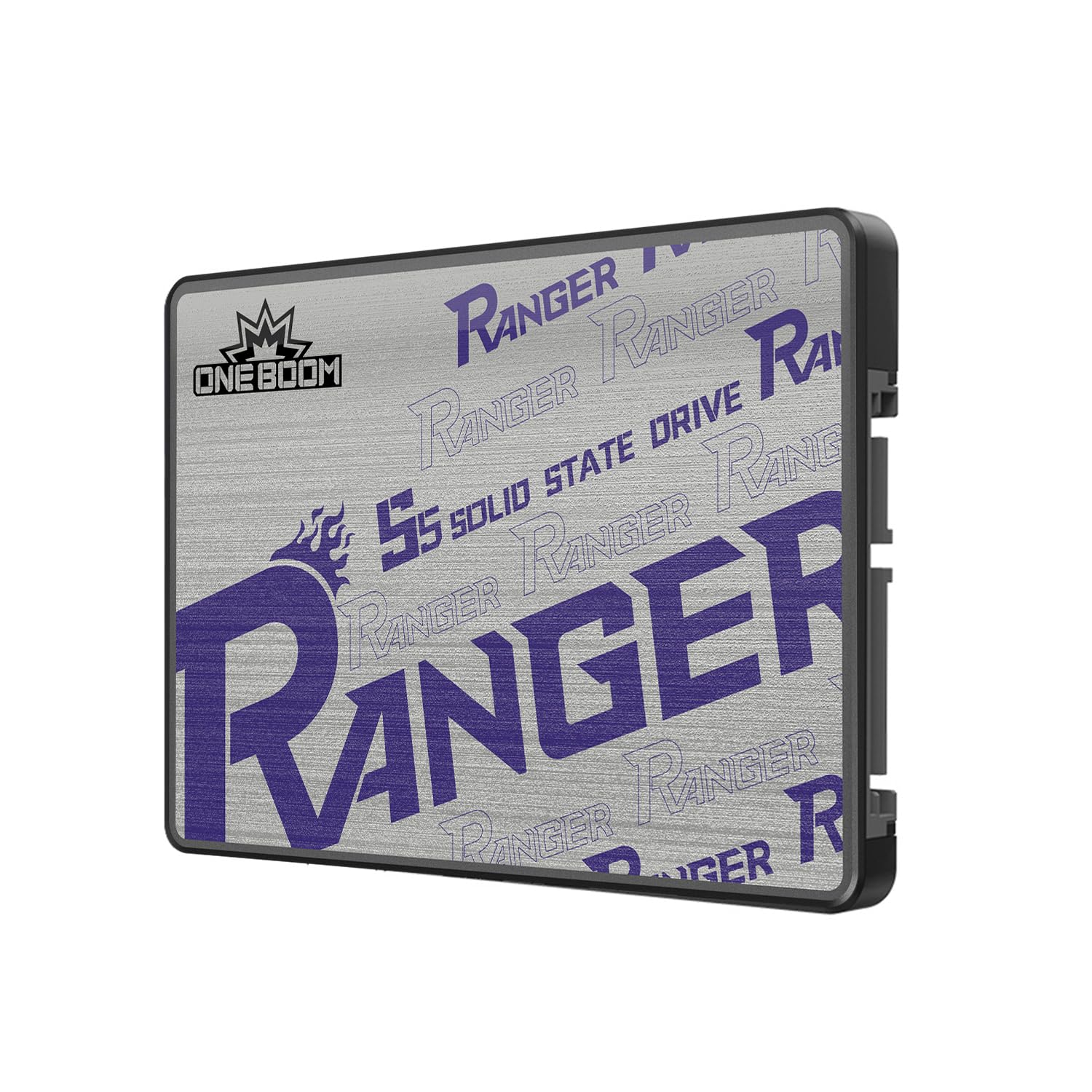
KingSpec’s OneBoom line targets the upgrade market for SATA-limited devices like the PlayStation 4 and older laptops. The 4TB model delivers up to 550 MB/s sequential reads and 520 MB/s writes, and claims to use up to 70% less power than a traditional hard drive. That power efficiency translates into noticeably longer battery life for laptops and cooler operation in enclosed console bays.
Reviews from verified buyers confirm that the OneBoom works flawlessly in a PS4 Pro—game load times drop significantly, and the console runs quieter without the HDD spinning. The drive has also been used in Xbox One X units with the same positive experience. The design includes shock resistance up to 1500G, which is useful for users who travel with a laptop or transport their console to LAN events.
The OneBoom is also a DRAMless drive, and a reviewer noted that for very large modern game file transfers, the drive can feel slow once the SLC cache is exhausted. Its plastic enclosure feels less premium than the aluminum-shelled drives from Samsung or Crucial, but it is still compatible with standard 2.5-inch drive bays. For the specific use case of upgrading a console or a secondary laptop, this drive delivers on its promise.
Why it’s great
- Plug-and-play compatibility with PS4 and Xbox One
- Significant power savings over mechanical HDDs
- Shockproof design with 1500G rating
Good to know
- DRAMless, slower under sustained large file writes
- Plastic build feels less robust than metal shells
8. Ediloca ES580E 4TB
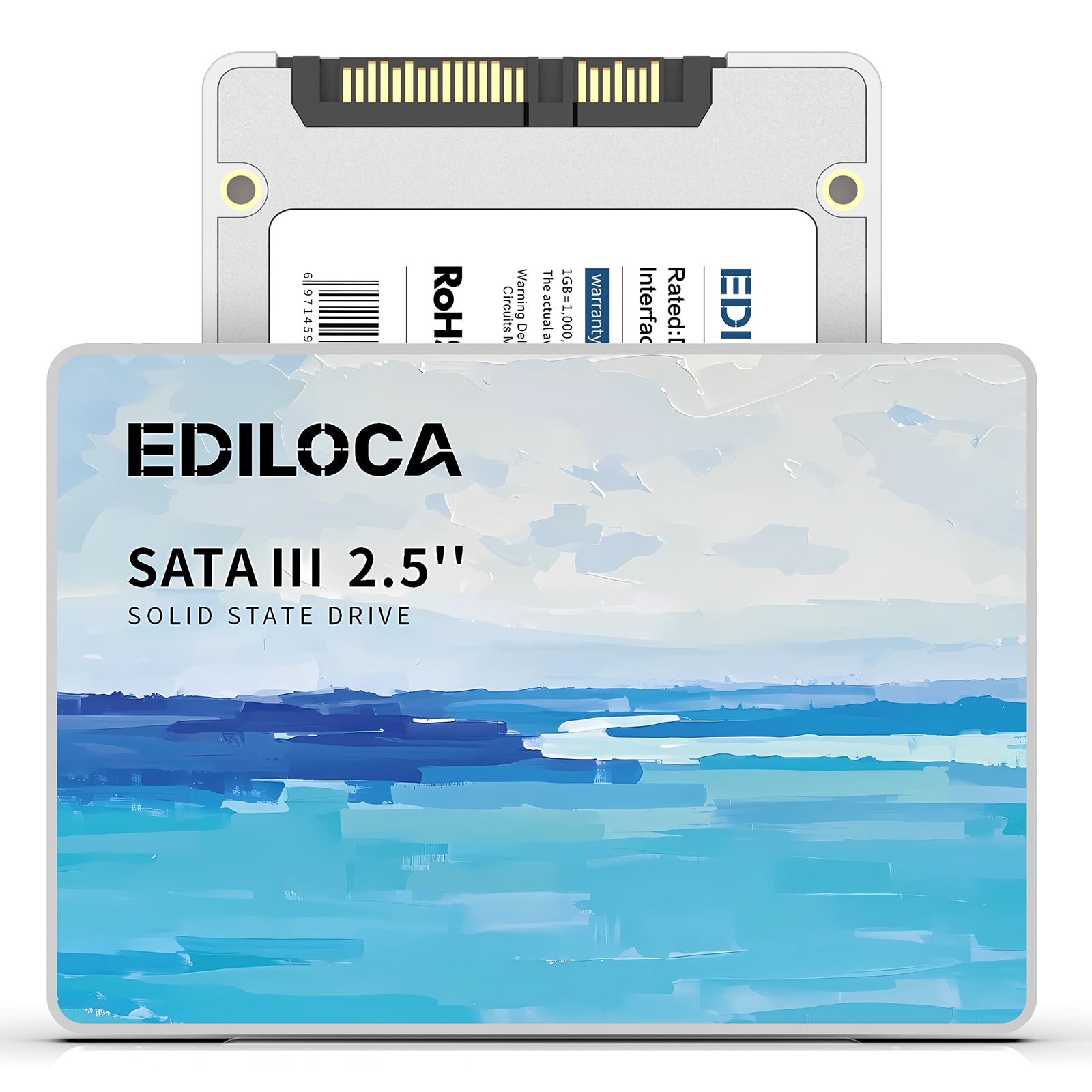
Ediloca’s ES580E is a clear entry-level contender focused on delivering the highest possible capacity at the lowest investment. Using 3D QLC NAND, it achieves up to 450 MB/s sequential reads and 400 MB/s writes. These figures are modest by SATA standards, but for a drive that is intended as secondary storage—holding your Steam library, photo archives, or movie collection—they are more than sufficient.
Users have deployed the ES580E successfully in MPC Live music production setups, laptop HDD swaps that doubled available space, and standard desktop builds. The 2.5-inch form factor fits into virtually any drive bay, and compatibility with Windows, macOS, and Linux is seamless out of the box. The shock-resistance rating of 1500G offers protection against drops, which is a practical benefit for laptop users.
The single biggest concern with this drive is its QLC NAND. One reviewer who plays large modern games noted that the drive feels slow for that purpose, as QLC’s native write speeds are significantly lower than TLC. If you plan to regularly install and delete 100 GB games, the ES580E will feel sluggish during those operations. For write-once, read-many workflows, it remains a budget-friendly option.
Why it’s great
- Lowest price point for accessing 4TB of SSD storage
- Universal compatibility with all major operating systems
- Shock-resistant and silent solid-state operation
Good to know
- QLC NAND is slow for large game installs and deletes
- Rated read/write speeds are lower than most rivals
FAQ
Can I use a 4TB SATA SSD in a PS4 to improve load times?
What is the difference between TLC and QLC NAND in a 4TB SSD?
Will a 4TB SATA SSD be compatible with my older laptop from 2015?
How do I clone my existing hard drive to a new 4TB SATA SSD?
Final Thoughts: The Verdict
For most users, the best 4tb sata ssd winner is the Samsung 870 EVO because it delivers unmatched endurance and sustained performance that will outlast your computer. If you want a better price-to-performance ratio for general computing, grab the Crucial BX500. And for a console upgrade or a media server build where write endurance matters less, nothing beats the value of the KingSpec OneBoom.