
The 5% visible light transmission (VLT) mark is the threshold where a car window tint moves from “dark” to “limo black.” At this level, you get daytime near-privacy, massive glare reduction, and the deepest aesthetic drop. But achieving that shade without sacrificing heat rejection or signal clarity requires the right material chemistry — and that is where 5 ceramic tint separates itself from dyed or carbon films.
I’m Min — the co-founder and writer behind Gadgets Feed. I have spent hundreds of hours dissecting manufacturer spec sheets, cross-referencing real-world IR rejection data from customer meter tests, and analyzing the adhesive longevity of dozens of aftermarket window films to build this guide.
After comparing 7 of the top-selling rolls on the market, this guide cuts through the marketing to deliver a focused, spec-driven breakdown of the best 5 ceramic tint for your vehicle or home project.
How To Choose The Best 5 Ceramic Tint
Selecting a 5% ceramic tint is a balance between darkness, heat rejection, and DIY success. Here are the three most important factors to understand before you buy.
Material: Ceramic vs. Carbon vs. Dyed
True ceramic films use non-conductive nano-ceramic particles embedded in the PET substrate to actively reflect infrared radiation rather than simply absorbing it. This provides at least 80–95% IR rejection at 5% VLT without metallic interference. Carbon films, which suspend carbon particles in the adhesive or coating layer, typically achieve 35–50% IR rejection and can exhibit a reddish or brownish hue in high heat. Dyed films offer the lowest heat rejection and fade quickly. Pay close attention to “IR Rejection” percentage on the spec sheet — anything below 80% is not performing as true ceramic.
Thickness and Ply Construction
Professional-grade 5 ceramic tint comes in 1-ply or 2-ply construction. A 1-ply film (around 1 mil thick) is easier to heat-shrink over complex curved rear windows like those on sedans, but offers less impact resistance. A 2-ply film (typically 1.5 mil or more) provides superior durability, scratch resistance, and a deeper, more even appearance, but requires careful heat gun technique to avoid creasing on tight compound curves. If you are a first-time installer, a 1-ply film with good shrink characteristics is usually less frustrating.
Adhesive Quality and Signal Transparency
Ceramic construction inherently passes GPS, cellular, and radio signals without degradation because no metal content exists in the film. This is non-negotiable for modern vehicles with integrated navigation, satellite radio, and toll passes. Additionally, look for a stable, non-bubbling adhesive system — the glue layer should wet out easily with a slip solution and degas cleanly over 48 hours. Films that require metalized layers to achieve high heat rejection will cause signal dropouts in urban areas.
Quick Comparison
On smaller screens, swipe sideways to see the full table.
| Model | Category | Best For | Key Spec | Amazon |
|---|---|---|---|---|
| Charcoal 2PLY Air Nano Ceramic (RockRose) | Nano-Ceramic | Maximum Heat Rejection | IRR 93–95% | Amazon |
| RockRose Carbon 1PLY | Carbon | DIY Shrinkability | TSER 45% | Amazon |
| United Professional 1Ply (HIDNY) | Dyed PET | Budget Privacy | 1 mil thickness | Amazon |
| United Nano Carbon (HIDNY) | Carbon 2PLY | Easy Shrinking | 2PLY Adhesive | Amazon |
| YIFUOK Carbon 2PLY | Carbon | Cost Per Square Foot | 1.5 mil thickness | Amazon |
| KORKIE Ceramic IR | Nano-Ceramic | First-Time Installers | IR Rejection > 85% | Amazon |
| ARANA Ceramic | Nano-Ceramic | Entry-Level Ceramic | 36″ x 15 FT roll | Amazon |
In‑Depth Reviews
1. Charcoal 2PLY Air Nano Ceramic 5% VLT (RockRose)
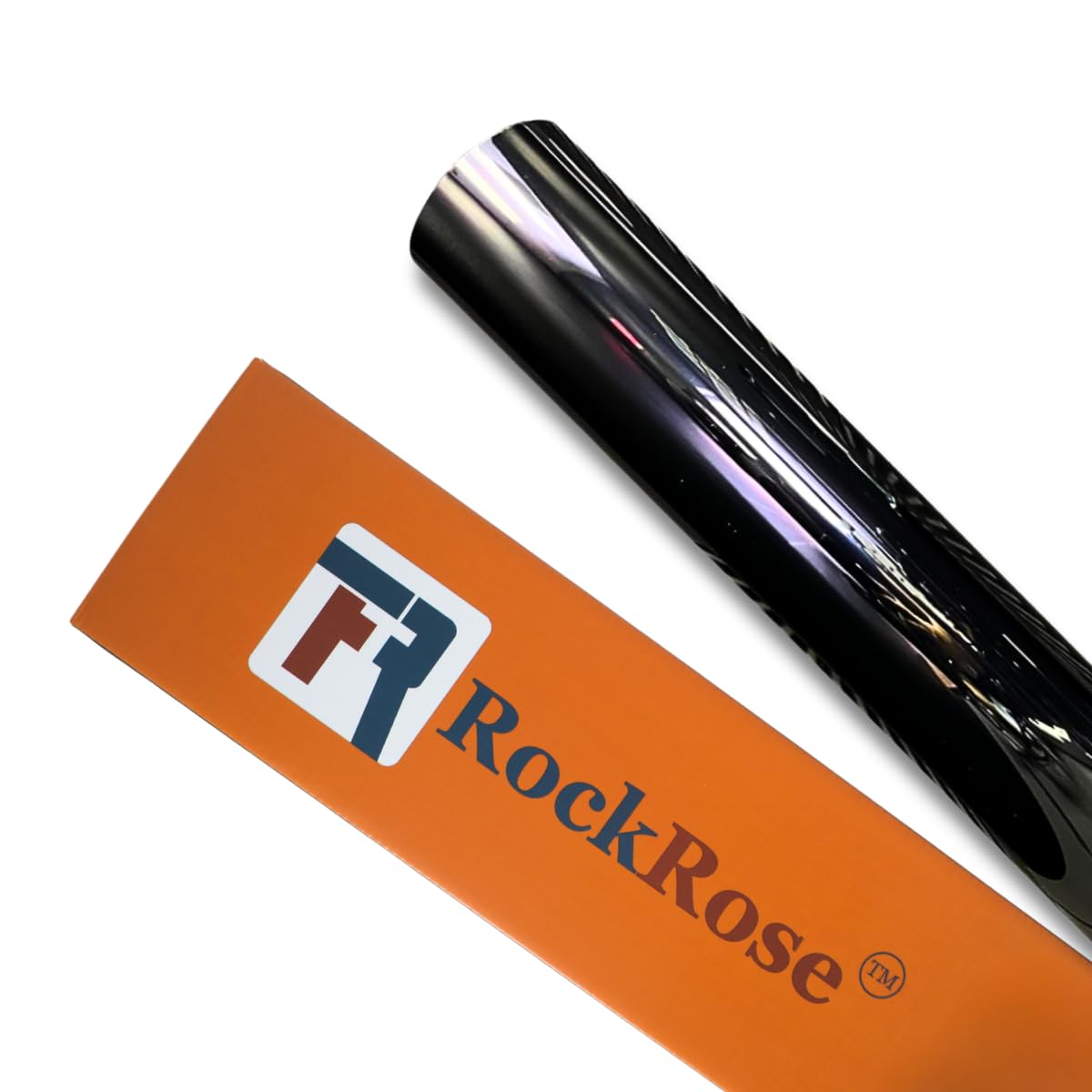
The Charcoal 2PLY Air Nano Ceramic film from RockRose delivers the highest infrared rejection in this comparison, with a claimed 93% to 95% IRR at 5% VLT. That is genuine ceramic-level performance — actively reflecting radiant heat rather than just absorbing it. The 2-ply construction gives the film a solid, professional feel during handling, and the charcoal hue maintains neutral color temperature both inside and out.
Installers familiar with heat-shrinking techniques will appreciate that the film shrinks predictably on curved rear quarter glass, though some users report a subtle blueish cast when viewed from certain interior angles. The plotter-friendly backing makes it a favorite among shops that pre-cut rolls, and the adhesive wets out cleanly with standard slip solution.
At 100 feet of 36-inch-wide material, this roll is a serious volume play intended for multiple vehicles or a full home window project. The investment is justified by the combination of extreme IR rejection and the 2-ply durability that resists scratching during daily window operation and car washes.
Why it’s great
- 93–95% infrared rejection — truly competitive with premium ceramic brands
- 2-ply construction offers excellent scratch and bubble resistance
- Plotter friendly and shrinks well on complex curves
Good to know
- Interior color may show a slight blue tint depending on lighting
- Higher price per square foot limits appeal for single-window jobs
2. RockRose Carbon 1PLY 5%
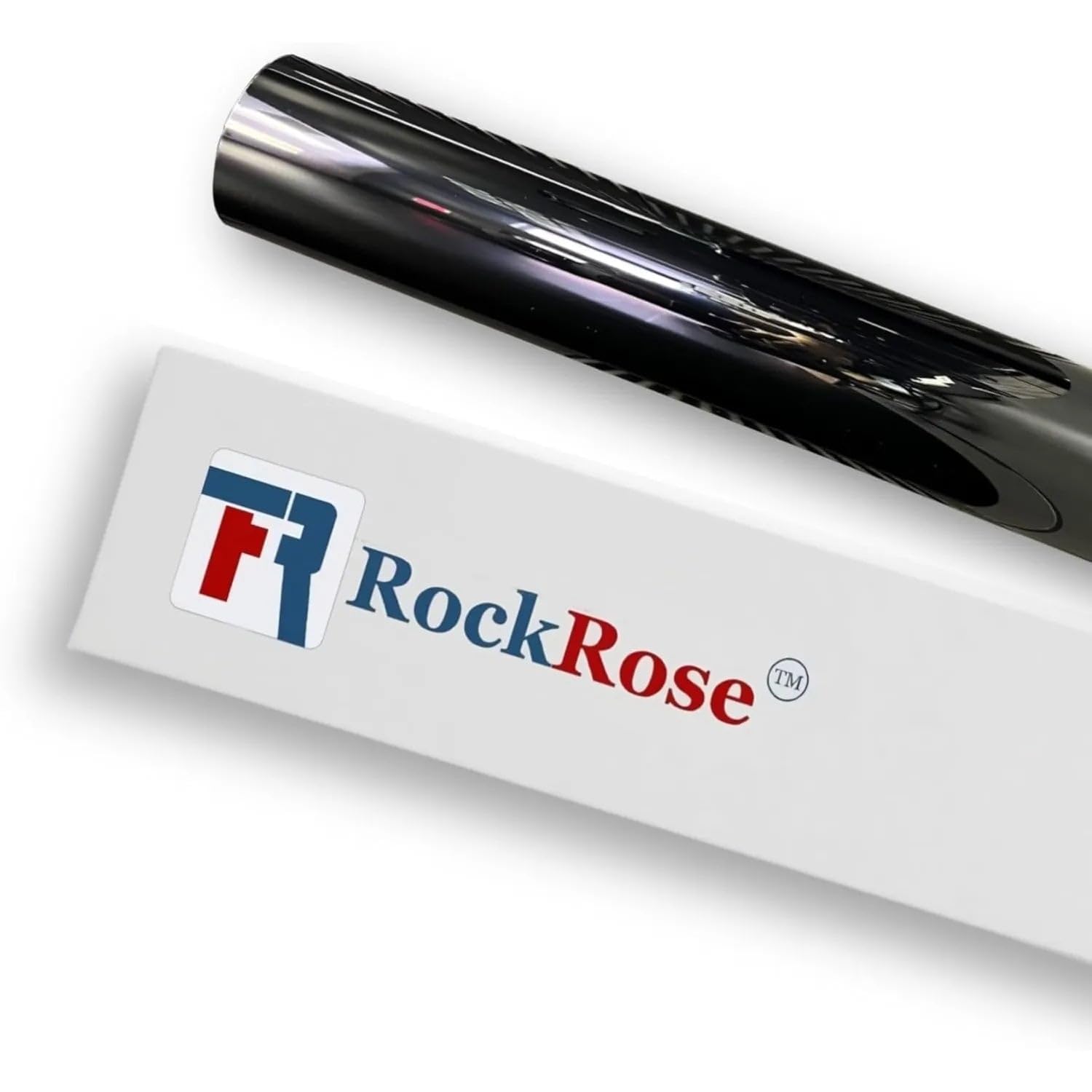
The RockRose Carbon 1PLY film strikes a strong balance between professional-grade workability and price. With 35% IR rejection and 45% TSER, it uses carbon particles suspended in the coating to absorb a meaningful portion of solar energy, and the single-ply design is significantly easier to heat-shrink than the thicker 2-ply options — particularly forgiving for first-timers tackling sedan rear windows.
The matte charcoal finish reduces reflections on the glass surface, improving outward visibility in bright daylight. Users consistently report that the adhesive lays down flat without silvering, and the film maintains optical clarity after curing. It does not, however, match the heat rejection of true nano-ceramic films, so owners in desert climates may notice the interior still gets warm on 100°F afternoons.
This roll covers a generous 100 feet at 36 inches wide, enough for two full-sized SUVs or one SUV plus a home sliding door project. For buyers who prioritize easy installation and a clean look over peak thermal performance, this remains a top pick in the mid-range tier.
Why it’s great
- Single-ply film shrinks smoothly on curved glass without creasing
- Excellent optical clarity and neutral color from inside the cabin
- Generous 100-foot roll offers great square-footage value
Good to know
- 35% IR rejection is modest compared to true ceramic films
- 1-ply construction is less resistant to scratching during installation
3. United Professional 1Ply 5% (HIDNY)
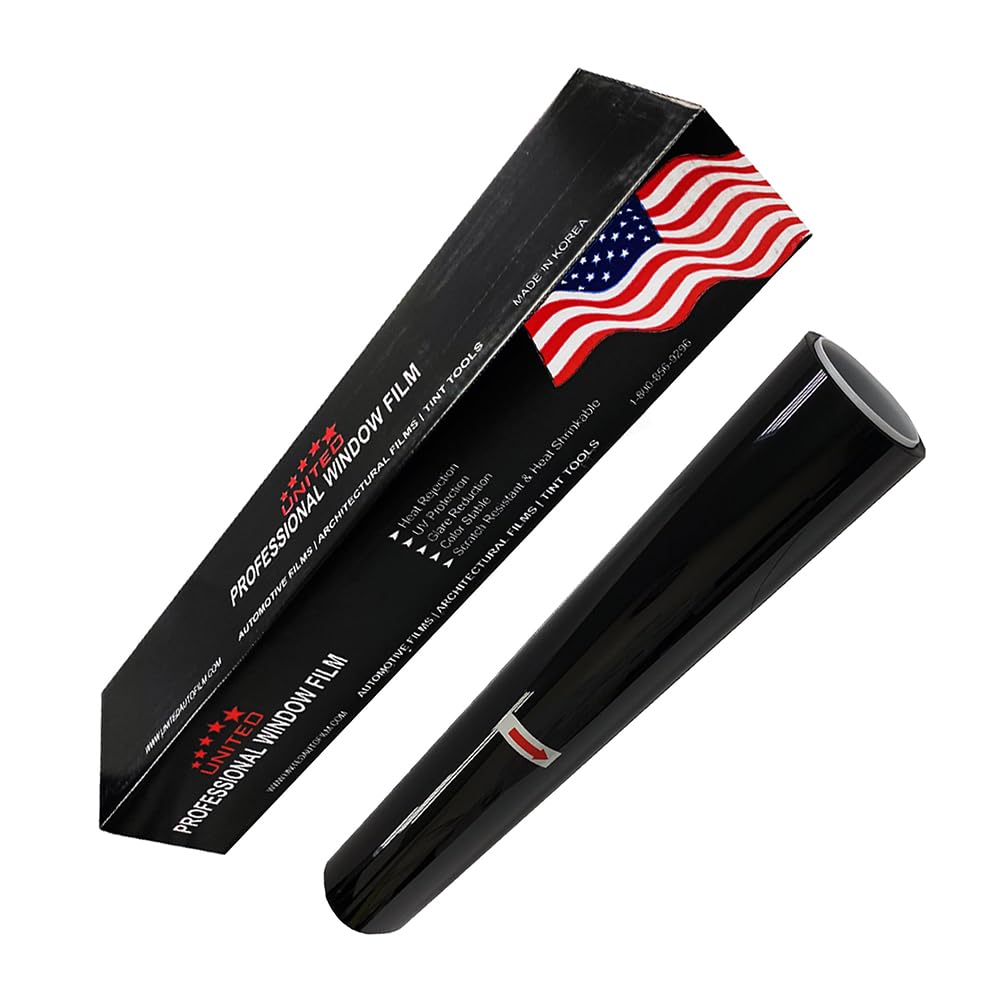
The United Professional 1Ply film uses an upgraded dyed PET construction that prioritizes deep shade and UV protection over active IR rejection. While it is not a ceramic product, it blocks 99% of UV rays and delivers the same 5% VLT darkness at a fraction of the material cost. The 1-mil thickness keeps the film lightweight and highly pliable for wet/dry shrink methods.
This film’s low reflectivity is a genuine advantage for drivers who want a stealth appearance without a mirrored or glossy sheen on the outside. The adhesive system bonds well to clean glass and has minimal orange peel effect, though the dye-based nature means it can fade slightly over 3–5 years of intense sun exposure. The included 2-year warranty covers peeling and bubbling, which adds some peace of mind.
Available in widths from 20 to 40 inches, the 24-inch variant is ideal for compact cars or side windows where a wider roll would create excessive waste. For budget-conscious owners who prioritize privacy and UV protection above cabin cooling, this film delivers consistent results at a very accessible price point.
Why it’s great
- Very low reflectivity for a stealth, non-mirrored finish
- 1-ply construction is extremely forgiving for wet-shrink DIY
- Backed by a 2-year manufacturer warranty against fading and peeling
Good to know
- Dyed PET construction offers lower IR rejection than ceramic films
- Dye may fade over long-term exposure in extreme sun regions
4. United Nano Carbon 2PLY 5% (HIDNY)
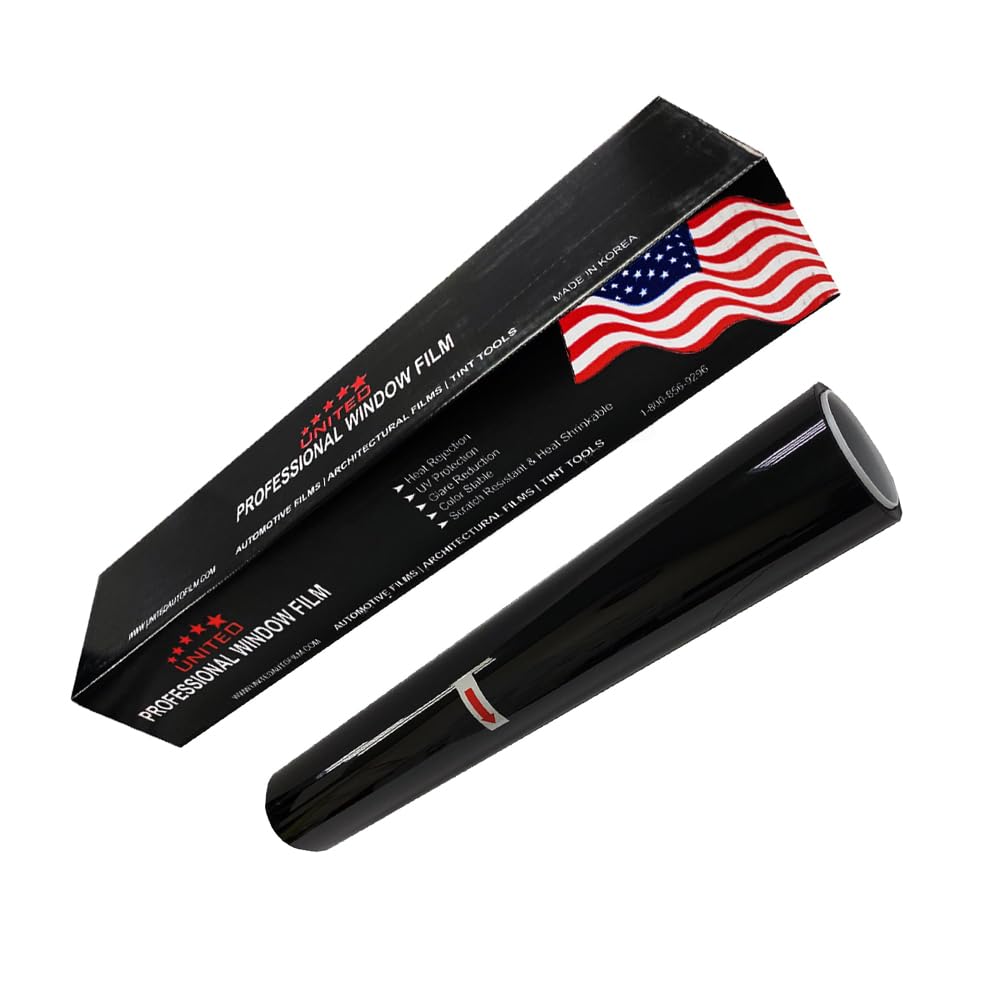
The United Nano Carbon 2PLY film from HIDNY uses a carbon-particle adhesive layer combined with a clear PET top coat to achieve a balance of heat absorption and longevity. At 5% VLT, the carbon provides a deeper charcoal tone than dyed equivalents, and the 2-ply construction adds rigidity that helps the film hold its shape during handling and after installation.
Installers will appreciate the heat-shrink capability on moderately curved glass — the double-layer film resists tenting and pulls down tight with consistent heat application. The adhesive is reported to be less aggressive initially, allowing for repositioning during the first minute, but firms up fully after 24–48 hours of curing. Some users note that the 20-inch width is better suited to coupe and sedan side windows; full-size SUV rear glass may require careful seam placement.
With 100 feet of material, the run length is generous, and the carbon-based UV protection prevents interior fading effectively. It does not claim or deliver the infrared rejection numbers of nano-ceramic, but for drivers who want a solid, non-metallic tint with professional shrinkability and long-term color stability, this is a strong mid-range contender.
Why it’s great
- Heat-shrinkable design works reliably on moderate compound curves
- Carbon construction provides stable color that resists fading
- Repositionable adhesive during the first minute of application
Good to know
- 20-inch width may be too narrow for full rear glass on large SUVs
- IR rejection is below what true ceramic films achieve
5. YIFUOK Carbon 2PLY 5%
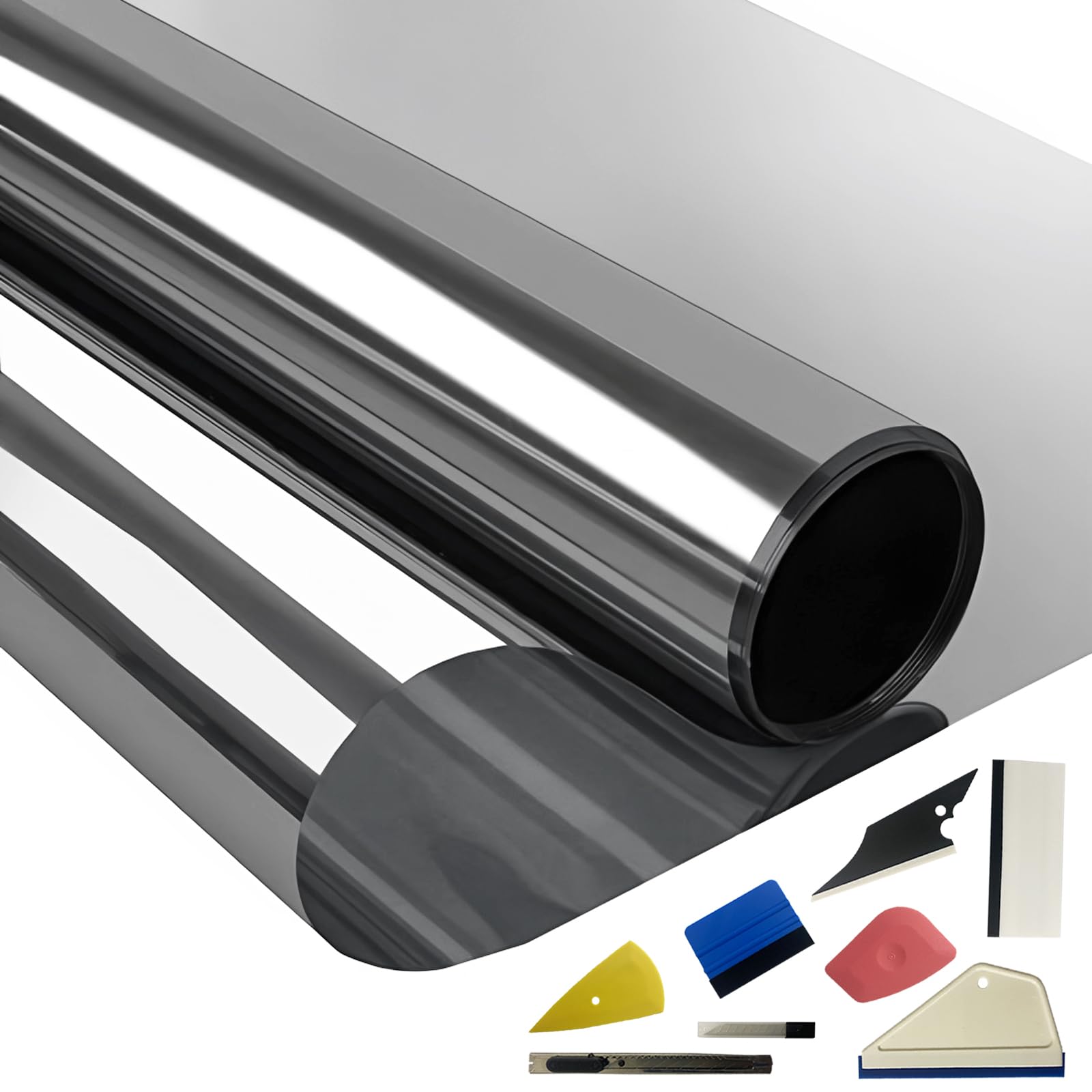
The YIFUOK Carbon 2PLY film offers the lowest cost per square foot in this roundup while still providing a 2-ply construction and carbon-based UV blocking. At 1.5 mil thickness, it feels noticeably denser than the entry-level dyed films, and the included 8-piece installation tool kit adds tangible convenience for first-time buyers who lack squeegees and cutting blades.
Its 99% UV rejection is standard for the category, but the carbon formulation does not match true ceramic IR performance. The static-cling installation method requires a slip solution — the film does not rely on a traditional dry adhesive, which can simplify removal later but also demands careful squeegee work to avoid air pockets. Users note that the film’s optical clarity is good for the price bracket, though slight haziness may appear if the glass is not scrupulously cleaned before application.
The 20-inch width and 100-foot length make this roll best suited for compact cars or individual windows rather than a full large SUV. For the budget-conscious DIYer who wants 2-ply thickness and a complete tool set in one box, YIFUOK delivers the most material for the least upfront investment.
Why it’s great
- Lowest cost per square foot among 2-ply carbon films tested
- Includes 8 installation tools — squeegee, blade, application card
- Static-cling design simplifies future removal or replacement
Good to know
- Optical clarity may show slight haze if installation is not perfectly clean
- Static-cling method more prone to air bubbles than wet-adhesive films
6. KORKIE Ceramic IR 5%

The KORKIE Ceramic IR film markets itself as a nano-ceramic option with over 85% infrared rejection and 99% UV blockage, all at a price point that undercuts typical premium ceramic rolls. The 36-inch width and 15-foot length are a practical trial size for someone who wants to tint two side windows or a single rear window without committing to a full 100-foot bulk roll.
Early user reviews confirm the heat reduction is noticeable compared to stock glass, but some batches have exhibited variability in IR rejection — a few buyers measured the 35% roll at only 42.4%, suggesting inconsistent quality control across VLT variants. The film itself applies smoothly with a standard wet method, and the non-metallic composition ensures no GPS or phone signal interference.
For the entry-level enthusiast or the owner of a single vehicle who wants true ceramic performance without the pro-grade volume, the KORKIE offers a legitimate entry point. Just be prepared to test the film with a meter upon arrival if IR rejection is the primary buying factor, as batch consistency has been an issue reported by several customers.
Why it’s great
- Genuine nano-ceramic construction at a sub-premium price
- Compact 15-foot roll ideal for single-vehicle or trial applications
- No metallic content means zero signal interference
Good to know
- Measured IR rejection has varied significantly between some rolls
- Shorter roll length limits use to partial vehicle installations only
7. ARANA Ceramic 5%
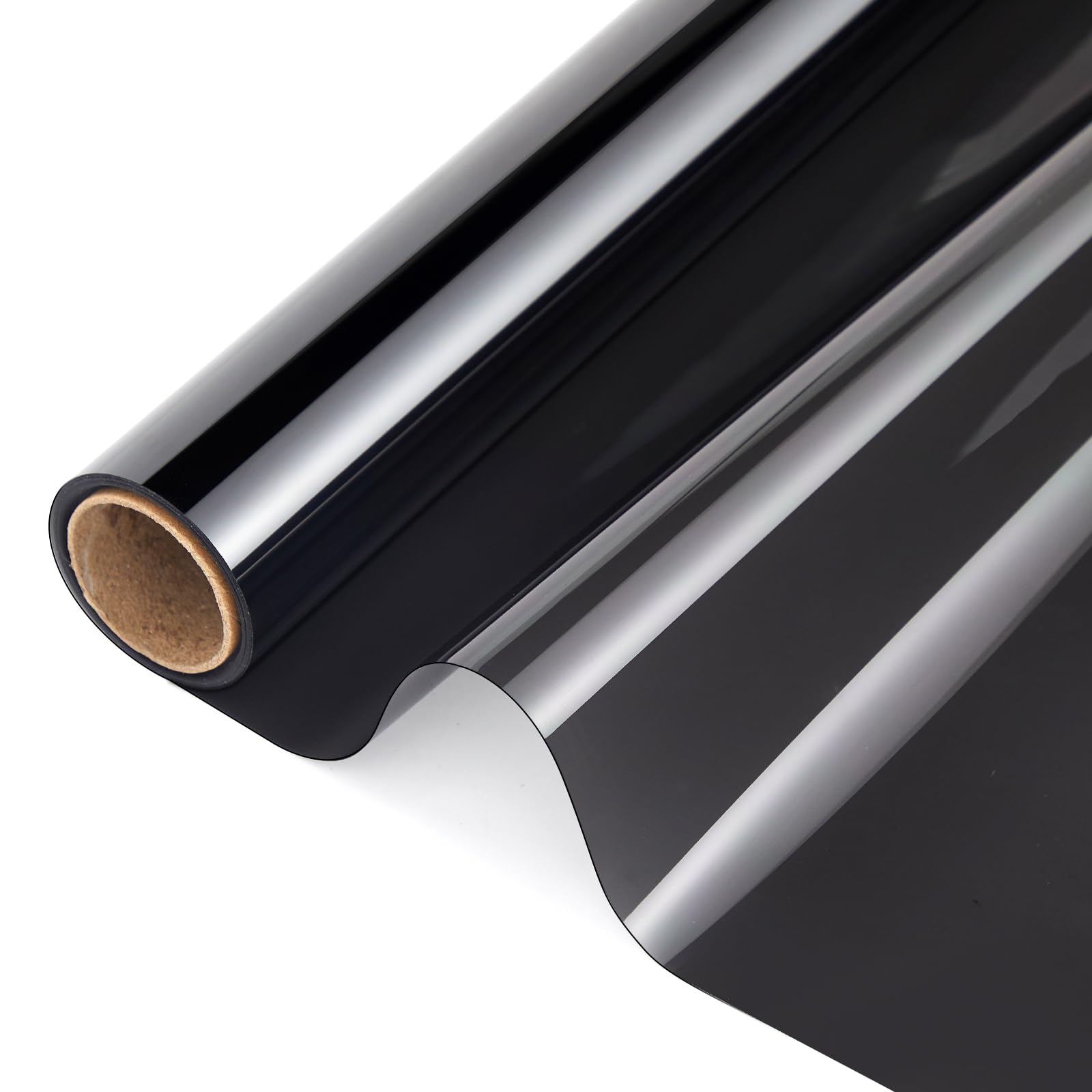
The ARANA Ceramic 5% film is positioned as an accessible nano-ceramic tint for everyday drivers, offering 99% UV blockage and scratch-resistant hard coating. The 36-inch by 15-foot roll size is comparable to the KORKIE, making it another low-commitment option for partial-vehicle or single-window jobs. The adhesive is reported to be stable without bubbling or peeling after curing.
User experiences are split — some find the film easy to work with after the first attempt, while others report manufacturing defects like line marks running the entire length of the roll or poor clarity immediately after installation. The material flexibility is adequate for basic flat and gently curved glass, but not ideal for extreme compound curves common on sports car rear windows.
With an 18-month after-sales support window, ARANA provides more customer service backing than many budget brands. This makes it a relatively safe bet for the novice if the roll arrives defect-free. However, the QC variance means you may receive a perfectly good ceramic film or one that requires a return — factor that risk into your buying decision.
Why it’s great
- Nano-ceramic UV and heat rejection at an entry-level price point
- 18-month after-sales support better than most budget offerings
- Scratch-resistant hard coating protects against daily wear
Good to know
- Some rolls arrive with visible manufacturing defects or line marks
- Not recommended for highly curved rear windows due to stiffness
FAQ
Is 5% VLT ceramic tint legal for front side windows?
How can I test if my film is real ceramic or just carbon?
Will 5% ceramic tint interfere with GPS or cell signals?
Final Thoughts: The Verdict
For most users, the best 5 ceramic tint winner is the Charcoal 2PLY Air Nano Ceramic from RockRose because its 93–95% IR rejection sets the benchmark for solar heat blocking at this darkness level, and the 2-ply construction ensures professional-grade durability. If you want easier heat-shrinking on curved glass at a lower cost, grab the RockRose Carbon 1PLY. And for a budget-friendly entry into true ceramic without buying 100 feet of material, nothing beats the KORKIE Ceramic IR 15-foot roll.