
The 50-degree wedge sits in the most critical gap in your bag — the distance between your pitching wedge and your sand wedge. Get this loft wrong, and you’ll face awkward half-swings that kill consistency. Get it right, and you’ll own the 100- to 110-yard approach shot with a full, repeatable swing.
I’m Min — the co-founder and writer behind Gadgets Feed. I’ve spent hundreds of hours analyzing groove geometries, bounce angles, and face milling patterns across dozens of wedge models to isolate what actually delivers spin and stopping power at 50 degrees of loft.
Whether you need a dedicated gap wedge or a versatile replacement for your set’s stock option, this guide cuts through the marketing noise to help you find the right 50 degree golf wedge for your handicap, swing type, and course conditions.
How To Choose The Best 50 Degree Golf Wedge
Dialing in a 50-degree wedge isn’t about one spec — it’s about how loft, bounce, grind, and face texture combine to produce a consistent distance window with reliable stopping power.
Match the Bounce to Your Course Conditions
Bounce angle is the wedge’s first line of defense against digging. If you play on soft turf or deep bunkers, a higher bounce (10-12°) prevents the leading edge from catching. For firm fairways and tight lies, low bounce (4-6°) lets you nip the ball clean. The mid-range (8-10°) covers most recreational players on mixed-condition courses.
Groove Sharpness and Face Milling
Spin at 50 degrees comes from the groove geometry and face texture. Wedges with CNC-milled grooves maintain sharper edges longer, which directly translates to consistent backspin on full swings. Laser-milled or blast-treated faces add micro-friction that helps generate spin on partial shots where the grooves aren’t fully engaged.
Forged vs. Cast Construction
Forged carbon steel wedges deliver a softer, more responsive feel at impact — useful for distance control on approach shots. Cast stainless steel wedges tend to feel firmer but offer better durability and lower price points. Neither is inherently better; the choice depends on whether you prioritize tactile feedback or long-term wear resistance.
Quick Comparison
On smaller screens, swipe sideways to see the full table.
| Model | Category | Best For | Key Spec | Amazon |
|---|---|---|---|---|
| Callaway Opus Wedge | Premium | Full-swing spin and control from 100-110 yd | Spin Gen Face Technology | Amazon |
| Cleveland RTX 6 Zipcore | Premium | Consistent distance and high MOI forgiveness | UltiZip Grooves | Amazon |
| TaylorMade Milled Grind Wedge | Premium | Precision milled sole for consistent turf interaction | 4-Way Camber Sole | Amazon |
| MAZEL Forged Wedge | Mid-Range | High-toe weighting and CNC milled face | CNC Milled Face | Amazon |
| Yamato Forged Pro Wedge | Mid-Range | Wave scoring lines for backspin | Wave Scoring Lines | Amazon |
| XINGGM Forged Wedge | Budget | Beveled sole for bunker escape | Micro CNC Milled Grooves | Amazon |
| Wilson Harmonized Wedge | Budget | Entry-level price for mid-handicap players | Steel Shaft, Standard Grip | Amazon |
In‑Depth Reviews
1. Callaway Golf Opus Wedge

Callaway’s Opus wedge brings a three-element spin system — Spin Gen Face Technology — that combines laser-milled roughness, precise groove geometry, and a heat-treated face to maximize friction. At 50 degrees with 10° bounce, this wedge is optimized for full-swing approach shots from the fairway, where consistent stopping power matters most. The Chrome finish reduces glare at address, and the compact head shape inspires confidence over the ball.
The forged carbon steel construction delivers a soft, responsive feel that helps you gauge distance on partial swings. Players have reported immediate improvement on 80- to 90-yard pitches and confidence on flop shots. The 50-degree loft fits perfectly as a gap wedge between a 44-46° pitching wedge and a 54-56° sand wedge, giving you a full-swing distance of about 100-110 yards depending on swing speed.
While the premium price reflects Callaway’s tour-level R&D, the Opus delivers measurable spin gains over older wedges. The 10° bounce provides enough forgiveness for mid-handicap players on soft conditions without causing heavy digging on firm turf. If you want one wedge that handles full swings, pitch shots, and bunker play equally well, this is the most versatile option in the category.
Why it’s great
- Three-element spin system provides exceptional stopping power on full swings
- Forged carbon steel offers soft, responsive feel for distance control
- 10° bounce works well across mixed course conditions
Good to know
- Premium price is higher than mid-range alternatives
- May be too much wedge for high-handicap players who rarely use full wedge swings
2. Cleveland Golf RTX 6 Zipcore Wedge

The RTX 6 Zipcore represents Cleveland’s most evolved wedge technology, with up to 95% more Zipcore material than the previous generation. This low-density core shifts the center of gravity right to the strike zone while increasing MOI by up to 20%, resulting in more consistent spin, distance, and feel. The UltiZip grooves are sharper, deeper, and more tightly spaced than TourZip designs — two extra grooves fit on the face for increased edge contact.
At 50 degrees with 10° bounce, this wedge excels in the gap-wedge role. The HydraZip face treatment — a dynamic blast and laser-milled line system — maintains spin in wet conditions, making it reliable for early-morning rounds with dew on the fairways. The Tour Satin finish reduces glare significantly, and the midsize grip provides a comfortable hold for players who prefer a slightly thicker rubber feel.
Reviewers consistently praise the soft feel and consistent control from 60- to 100-yard distances. The 50-degree loft works well for both full-swing approach shots and controlled bump-and-run chips. If you prioritize face consistency and spin retention round after round, the RTX 6 delivers data-backed performance that justifies the investment over lesser wedges.
Why it’s great
- UltiZip grooves provide tour-level spin and debris channeling
- HydraZip face treatment maintains spin in wet conditions
- Zipcore technology increases MOI for greater forgiveness
Good to know
- Premium pricing places it at the high end of the category
- Stiff flex shaft may not suit slower swing speeds
3. TaylorMade Golf Milled Grind Wedge

TaylorMade’s Milled Grind wedge uses a CNC milling process on the sole to achieve tolerance levels impossible with hand-grinding. The result is a consistent 4-way camber that suits players who keep the face square to the target on most shots. The mass placement higher in the club head raises the center of gravity, producing a controllable launch angle with high spin rates — ideal for the 50-degree gap wedge that needs to hold greens from 100 yards out.
The machine-milled face and grooves enhance spin consistently from any lie, whether you’re hitting from the fairway, rough, or fringe. At address, the classic full sole design with constant trailing edge relief presents a clean, confidence-inspiring profile. The Chrome finish is durable and resists wear on the sole and face over multiple seasons.
Players transitioning from older wedges will notice the immediate improvement in turf interaction — the milled sole prevents digging and promotes cleaner contact. The 50-degree version pairs naturally with a 54-56° sand wedge, offering a reliable 100-yard full-shot distance. For golfers who want a premium, tour-inspired wedge without the sharpest learning curve, the Milled Grind delivers proven performance.
Why it’s great
- CNC-milled sole ensures consistent turf interaction on every swing
- Higher CG produces controllable launch with high spin
- Classic full sole design suits square-face players
Good to know
- Premium price competes with other tour-level options
- Standard grip may need replacement for players who prefer textured rubber
4. MAZEL Forged Golf Wedge

MAZEL’s forged wedge brings a combination of high-toe weighting and CNC-milled grooves at a price point that undercuts major OEMs by a significant margin. The high-toe design features four weight ports with milled aluminum medallions that position the center of gravity progressively upward as loft increases — a feature typically found on wedges costing three times as much. This CG placement helps produce a satisfying feel and consistent launch angle across the face.
The CNC-milled clubface grooves are USGA-conforming and deliver improved spin and control from the fairway, fringe, and rough. The sole grind features generous camber from heel to toe, smoothing turf interaction without requiring a specific swing technique. At 50 degrees, this wedge serves as a reliable gap wedge that fills the distance between a 9-iron and a 52- or 54-degree sand wedge effectively.
Regular flex shaft and standard rubber grip make this wedge accessible to a wide range of swing speeds. Players with driver swing speeds around 110 mph have reported that the 120-gram shaft weight compensates for the regular flex, producing consistent distances comparable to name-brand alternatives. For budget-conscious golfers who still want forged construction and CNC-milled precision, the MAZEL offers surprising performance per dollar.
Why it’s great
- High-toe weighting and weight ports mimic premium wedge design
- CNC-milled grooves deliver spin comparable to brand-name wedges
- Forged carbon steel provides soft feel at a mid-range price
Good to know
- Black finish may show wear on the sole after multiple rounds
- Regular flex may feel too soft for players with aggressive transition moves
5. Yamato Forged Pro Wedge

Yamato’s Forged Pro Wedge uses an innovative “wave scoring line” pattern across the face that creates additional backspin through increased surface friction. Combined with a new face blast treatment, this wedge generates spin numbers that have reportedly exceeded premium competitors in independent testing — one reviewer recorded over 10,000 RPMs, outperforming a PXG Sugar Daddy wedge. The forged carbon steel construction delivers the soft feedback that better players demand from their scoring clubs.
The Tarnish finish option reduces glare at address and presents a non-traditional appearance that many players find visually appealing behind the ball. At 10° bounce, the 50-degree version handles medium-firm conditions well, preventing the leading edge from digging on full swings while still offering enough relief for bunker play. The alloy steel shaft and synthetic rubber grip provide a balanced, mid-weight feel that works for moderate to fast swing speeds.
One important note: several users have pointed out the grooves may not be USGA-approved for tournament play. For recreational rounds and league play, the spin advantage is significant. The 50-degree loft fills the gap-wedge slot effectively, giving you a reliable 100-yard full-shot option. If maximum spin at a mid-range price is your priority, and you don’t need USGA conformity, the Yamato delivers edge-of-category performance.
Why it’s great
- Wave scoring lines produce exceptional backspin and stopping power
- Forged carbon steel provides soft, responsive feel
- Unique Tarnish finish reduces glare and looks distinctive
Good to know
- Grooves may not be USGA-approved for sanctioned tournaments
- Heavier feel may not suit players who prefer lighter swingweights
6. XINGGM Forged Golf Wedge
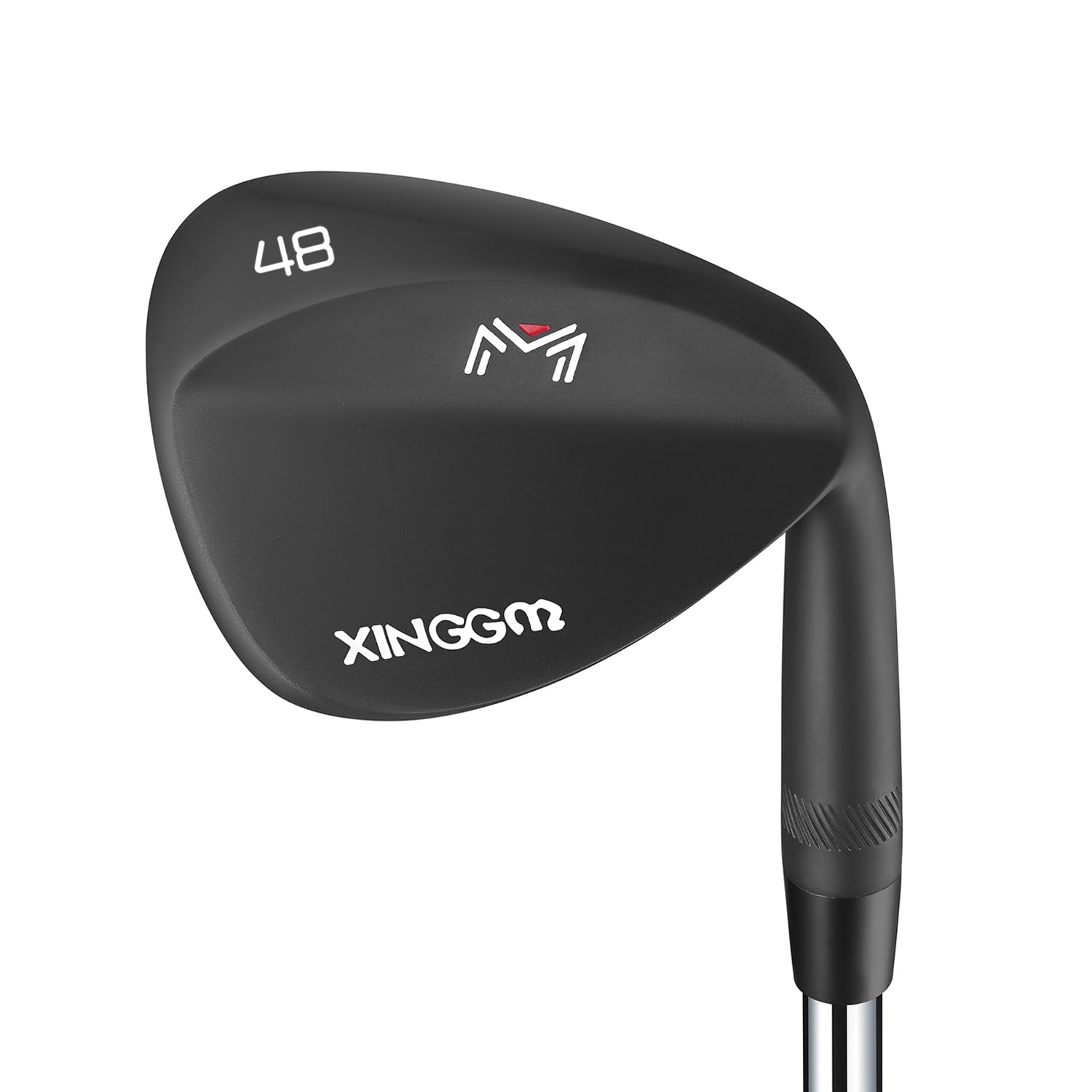
The XINGGM forged wedge brings micro CNC-milled grooves and a beveled sole design to the budget tier. The micro grooves are machined with tight tolerances to generate backspin, and the spiral pattern on the face helps channel water and debris away from the contact zone — a useful feature for early-morning or after-rain rounds. The beveled sole allows you to open the club face further than standard wedges, enabling higher trajectory shots from bunkers and tight lies.
Forged construction at this price point is unusual, and the QPQ appearance technology adds abrasion resistance that extends clubhead life even in wet sand and grassy conditions. The step-shaped shaft design with anti-slip grip reduces vibration transfer, providing cleaner feedback at impact. At 50 degrees of loft, this wedge fills the gap-wedge role effectively, giving you a full-swing distance of approximately 100 yards with reasonable stopping power.
Some users have noted that the color plating can show wear on the sole after a single round, which is common at this price tier. While the milled face doesn’t produce the same spin levels as premium CNC wedges, it performs well for beginners and mid-handicap players who are still developing their wedge game. If you’re looking for an affordable entry point into the 50-degree category without sacrificing forged construction, the XINGGM is a solid bet.
Why it’s great
- Micro CNC-milled grooves provide useful backspin for the price
- Beveled sole design enables higher, softer bunker shots
- Forged construction at an entry-level price point is rare
Good to know
- Color plating may wear off the sole after limited use
- Milled face spin falls short of premium alternatives
7. Wilson Harmonized Unisex Golf Wedge
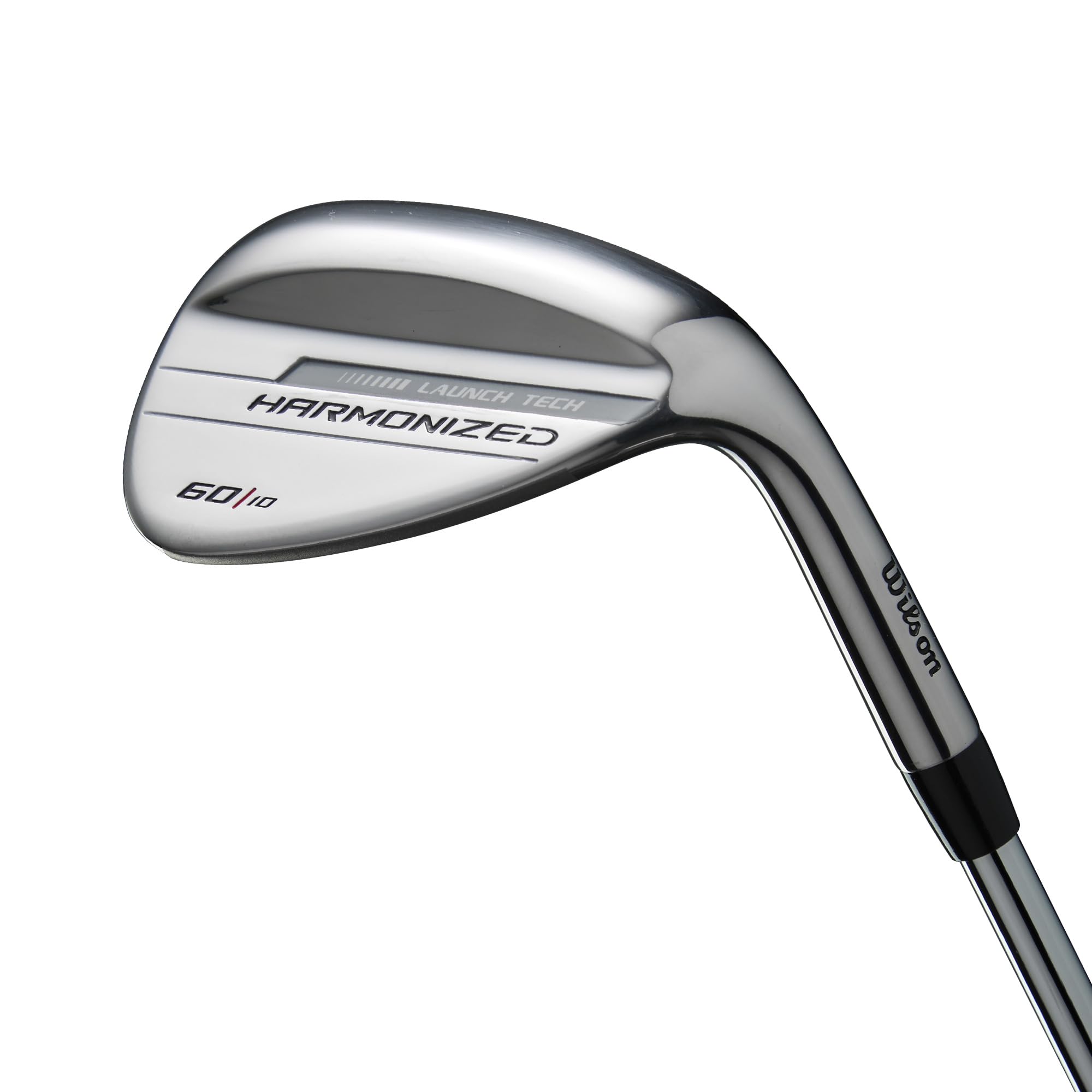
Wilson’s Harmonized wedge is the most affordable way to add a 50-degree option to your bag. The blade-style head and steel shaft provide a familiar, no-frills feel that works well for high-handicap players and beginners. At 0.48 kilograms, it’s slightly heavier than some alternatives, which can help players who tend to get flippy with their wedge swings maintain a more stable strike pattern through impact.
The synthetic rubber grip in standard size suits most hand sizes, and the regular flex shaft accommodates moderate swing speeds. Players have reported that the 50-degree version rolls out more than higher-lofted wedges, which is expected given the lower trajectory and reduced spin compared to milled-face alternatives. The club performs adequately for full-swing approach shots but lacks the groove technology to generate high spin on partial swings.
For players transitioning from a 56-degree sand wedge or looking for a basic gap wedge to fill the 100-yard distance, the Wilson Harmonized does the job without breaking the budget. It’s not designed for maximum spin or tour-level control — it’s a straightforward, functional wedge that gets the ball in the air and on its way. If your priority is cost-effective coverage of the gap-wedge slot, this is the most economical route.
Why it’s great
- Most affordable entry into the 50-degree wedge category
- Steel shaft and standard grip offer familiar, reliable feel
- Slightly heavier head helps stabilize wedge swings
Good to know
- Limited spin generation compared to CNC-milled or laser-etched faces
- Rolls out more than premium wedges, reducing stopping power
FAQ
What is the difference between a 50 degree gap wedge and a pitching wedge?
Should I buy a 50 degree wedge as an individual club or as part of a set?
How does bounce angle affect my 50 degree wedge performance?
Final Thoughts: The Verdict
For most users, the 50 degree golf wedge winner is the Callaway Opus Wedge because its Spin Gen Face Technology delivers tour-level stopping power on full swings while the forged carbon steel provides the feel needed for distance control. If you want maximum spin retention in wet conditions and the most evolved groove technology, grab the Cleveland RTX 6 Zipcore. And for budget-conscious players who still want forged construction and CNC-milled precision, nothing beats the MAZEL Forged Wedge.