
A 50-pound bag of wildflower seeds isn’t just a purchase; it’s a landscape-scale commitment. Whether you’re reclaiming a neglected field, planting a pollinator corridor, or establishing a food plot that doubles as a visual spectacle, the sheer volume demands a strategic choice. The wrong mix can mean a season of bare dirt or a monoculture of aggressive weeds.
I’m Min — the co-founder and writer behind Gadgets Feed. I’ve spent hundreds of hours analyzing bulk seed specifications, comparing species composition, and cross-referencing germination data across customer reports to ensure this guide saves you from costly trial-and-error.
After researching over a dozen 50-pound bags and reading thousands of verified reviews, this guide breaks down the key factors you need to choose the right 50 lb bag of wildflower seeds for your specific project and region.
How To Choose The Best 50 Lb Bag Of Wildflower Seeds
With a 50-pound bag, the stakes are high. You’re investing in covering acres of land, and a bad mix means wasted effort. Focus on these three pillars to make the right choice.
Annual vs. Perennial Composition
Annual mixes (like those with Bachelor’s Button or Cornflower) bloom in the first season but die after one year. Perennial mixes (like those with Black-Eyed Susan or Lupine) may take longer to establish in year one but return reliably for years. Many premium mixes use a 60/40 or 80/20 annual-to-perennial split for first-year color and long-term permanence. All-perennial bags require more patience but reward you with a low-maintenance ecosystem.
Regional Adaptation and USDA Hardiness Zones
A mix designed for the Pacific Northwest may struggle in the arid Southwest. Pay close attention to the USDA hardiness zones listed on the bag (e.g., Zones 3–8). Regional blends are formulated with species that are proven to thrive in your specific climate, soil type, and rainfall patterns. Ignoring this is the most common reason for germination failure.
Certification and Purity: Non-GMO, Heirloom, and Fillers
Look for “100% Pure Seed, No Fillers” on the label. Some economy bags include inert filler (like rice hulls) or aggressive cover-grasses (like annual ryegrass) that can choke out wildflowers. Non-GMO and heirloom certifications ensure the seeds are open-pollinated and can be saved for future planting. A high germination rate (over 85%) is the gold standard for a 50-pound investment.
Quick Comparison
On smaller screens, swipe sideways to see the full table.
| Model | Category | Best For | Key Spec | Amazon |
|---|---|---|---|---|
| Eden Brothers All Perennial Mix | Premium All-Perennial | Low-maintenance perennial gardens | 19 species; 24M+ seeds | Amazon |
| Northeast Wildflower Seed Mix | Premium Annual/Perennial | Northeastern landscapes & pollinator plots | 25 species; 60% annual / 40% perennial | Amazon |
| All Perennial Wildflower Mix | Premium All-Perennial | Long-term established wildflower meadows | All perennial; fortified with mycorrhizae | Amazon |
| Outsidepride Sunn Hemp | Mid-Range Cover Crop | Soil improvement & nitrogen fixation | 120 lbs nitrogen/acre in 60-90 days | Amazon |
| Outsidepride Gardenway Cover Crop | Mid-Range Cover Crop | Soil health & erosion control | 5-species mix: triticale, peas, vetch, ryegrass, clover | Amazon |
| Hale Habitat Soybean | Mid-Range Food Plot | Deer food plot with high protein | Non-GMO soybeans; 5 feet height | Amazon |
| Hale Habitat Buckwheat | Mid-Range Food Plot | Fast-growing summer forage & weed suppression | 5 lbs bag (samples 1/20 acre) | Amazon |
In‑Depth Reviews
1. Eden Brothers All Perennial Wildflower Mixed Seeds (50 lb)

This is the gold standard for anyone after a true perennial wildflower meadow. The Eden Brothers mix packs 19 easy-to-grow species including Lupine, Shasta Daisy, Purple Coneflower, and Black-Eyed Susan. With over 24 million seeds in a 50-pound bag, you can cover 50,000 to 100,000 square feet. The composition is 100% pure, non-GMO, and entirely perennial — meaning year one may be lean, but year two and beyond delivers a spectacular, returning display. It’s formulated for Zones 3-10, making it one of the most geographically versatile bulk options available.
User reviews consistently praise the seed freshness and high germination rates when proper planting protocols are followed — light soil contact, consistent moisture, and full sun. Many report visible sprouts within 7 days. The mix is specifically designed to attract bees, butterflies, and hummingbirds, turning your property into a pollinator hub.
The main consideration is patience. As an all-perennial blend, the visual payoff in the first season is more modest than an annual mix. However, for a low-maintenance, recurring landscape investment that improves every year, this bag is unmatched in its species diversity and regional adaptability.
Why it’s great
- 19 species of all-perennial, non-GMO, heirloom seeds.
- Covers up to 100,000 sq ft (over 2 acres) per bag.
- Fortified with mycorrhizae for superior root establishment.
Good to know
- First-year blooms are limited; requires patience for full effect.
- Full sun required for optimal germination and flowering.
2. Non GMO Bulk Northeast Wildflower Seed Mix (50 Lbs)

This Dirt Goddess Super Seeds mix is purpose-built for Northeastern states, featuring 25 species with a thoughtful 60% annual / 40% perennial split. This ratio is ideal for first-year visual impact (annuals bloom fast) while establishing a perennial backbone for years to come. The mix is 100% pure seed with no fillers and includes favorites like Bachelor’s Button and Black-Eyed Susan. It’s also fortified with Mycorrhizae, beneficial bacteria, and Trichoderma — a biological advantage that enhances nutrient uptake and root health right from the start.
Customer reports indicate excellent viability and fast growth, even in suboptimal conditions like crushed rock with a dusting of compost. Many reviewers note that year one can be “so-so” but year two explodes with color. The inclusion of open-pollinated, heirloom varieties means you can collect seeds for future seasons.
This bag is not ideal for Southern or arid climates, as the species are specifically selected for the Northeast’s climate and soil. If you’re in Zones 1-6 and want a fast-showing meadow with long-term staying power, this is the most comprehensive regional option on our list.
Why it’s great
- 25 species with 60% annual / 40% perennial for immediate & sustained blooms.
- Fortified with mycorrhizae, bacteria, and trichoderma for robust growth.
- 100% pure seed, non-GMO, heirloom, open-pollinated.
Good to know
- Best performance limited to Northeastern climate zones.
- Annual component requires replanting for first-year color in subsequent years.
3. Non GMO Bulk All Perennial Wildflower Seed Mix (50 Lbs)
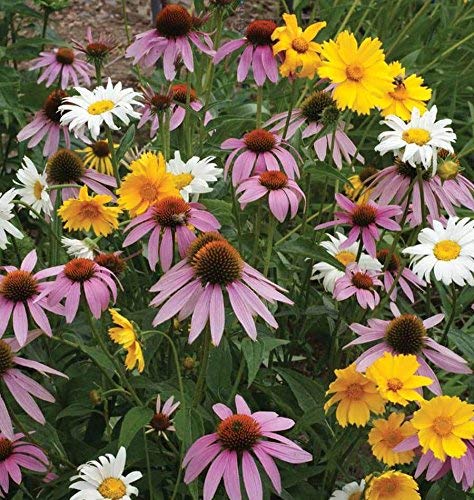
For the landowner who wants a single, permanent seeding, this all-perennial mix from Dirt Goddess Super Seeds is the most cost-effective way to cover acreage. It includes Coneflower, Daisy, and Lupine, all fortified with the same beneficial biology as the Northeast mix. The 50-pound bag can cover up to 20 acres when properly broadcast. Because it’s all perennial, there’s no need to reseed annually — the meadow should thicken and expand each growing season.
User feedback highlights the massive volume of seed for the money, with many noting how far it goes. However, some customers reported a lower species variety than expected, with certain dominant species (like Black-Eyed Susan) taking over. The mix performs best in sandy soil with moderate watering and full sun exposure.
This bag is a strong choice for large-scale restoration projects or rural properties where a low-maintenance, native-esque perennial meadow is the goal. The trade-off is a less diverse first-year display compared to the Eden Brothers mix, but the price-per-acre makes it a legitimate contender.
Why it’s great
- All perennial — a single planting provides years of return.
- Fortified with mycorrhizae and beneficial bacteria for natural growth.
- Excellent value for large acreage coverage.
Good to know
- Lower species diversity than premium mixes; some species may dominate.
- Some users reported inconsistent germination; follow soil prep carefully.
4. Outsidepride Sunn Hemp Seeds (50 lbs)
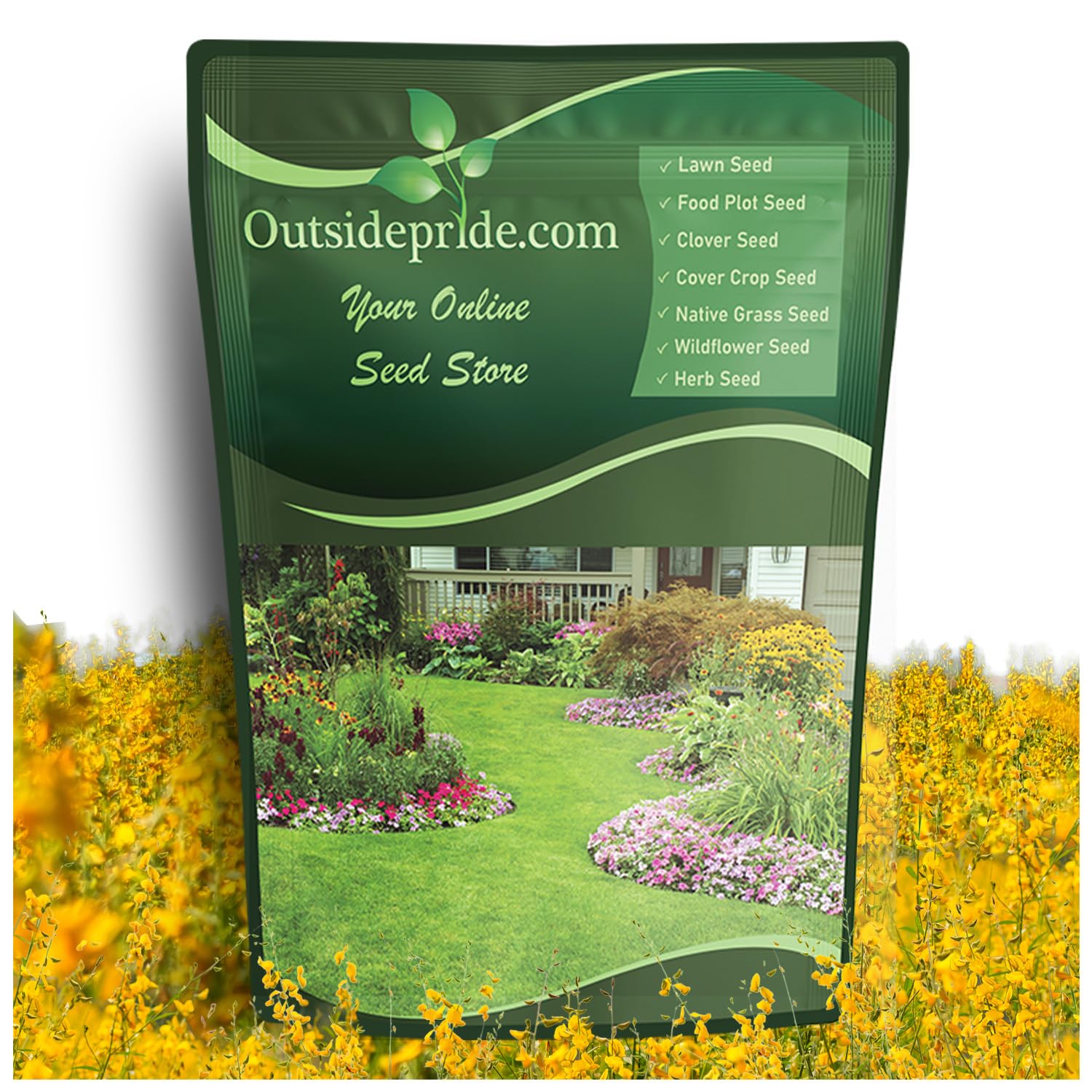
Sunn Hemp is not a wildflower in the traditional sense, but it’s a powerhouse for soil restoration before you plant your floral mix. Outsidepride’s 50-pound bag offers a legume that fixes up to 120 pounds of nitrogen per acre in 60–90 days and grows 1 foot per week under optimal conditions. It reaches heights of 3–9 feet, producing deep-yellow flowers that also attract pollinators. This is the premier choice for building soil fertility, suppressing weeds (up to 90%), and creating a lush green manure.
Customers in Central Florida and even Phoenix (with irrigation) report excellent germination within 72 hours and vigorous re-growth after cutting. However, some users in Central Texas reported zero germination despite adequate rainfall — indicating that sunn hemp can be sensitive to specific soil bacteria or pH. It thrives in warm soil (above 50°F) with good drainage and a pH of 5–7.5.
This bag is best used as a seasonal cover crop rather than a permanent meadow. If your goal is to improve degraded soil before planting a wildflower mix next year, sunn hemp is the most productive 50-pound investment for that purpose.
Why it’s great
- Fixes up to 120 lbs of nitrogen per acre in just 60-90 days.
- Rapid growth (1 ft/week) with deep root system for soil aeration.
- Suppresses weeds up to 90% and produces pollinator-attracting flowers.
Good to know
- Not a permanent wildflower; used as a seasonal cover crop.
- Germination can be inconsistent in poor soil or without proper inoculation.
5. Outsidepride Gardenway Cover Crop Seeds (50 lbs)

This Gardenway mix from Outsidepride is a diverse cover crop blend of triticale, field peas, hairy vetch, annual ryegrass, and crimson clover. It’s not a “wildflower mix” per se, but the crimson clover provides gorgeous red flowers that bees love, while the vetch adds purple blooms. The primary purpose is soil health — fixing nitrogen, improving water retention, and preventing erosion. It’s an affordable, GMO-free way to enrich a garden or small plot before planting perennials.
Customer reviews rave about its ease of sowing and fast, thick growth — with one user in Georgia reporting several inches of growth in just a week. The clover component is frequently highlighted as a beautiful filler that attracts pollinators. However, some users noted the mix is heavily dominated by annual ryegrass, which can become weedy if not terminated before going to seed.
This bag is ideal for homeowners or small-scale farmers looking to condition a garden plot or lawn patch quickly. The inclusion of legumes and grasses makes it a balanced soil conditioner, but it’s not a permanent flowering meadow.
Why it’s great
- 5-species blend for balanced soil enrichment and erosion control.
- Crimson clover adds beautiful red flowers that attract bees.
- GMO free and easy to sow for gardeners of all skill levels.
Good to know
- Heavy rye grass component may require management to prevent self-seeding.
- Primarily a cover crop; limited wildflower visual diversity.
6. Hale Habitat & Seed Conventional Forage Soybean (Non-GMO) (50 lb Bulk)
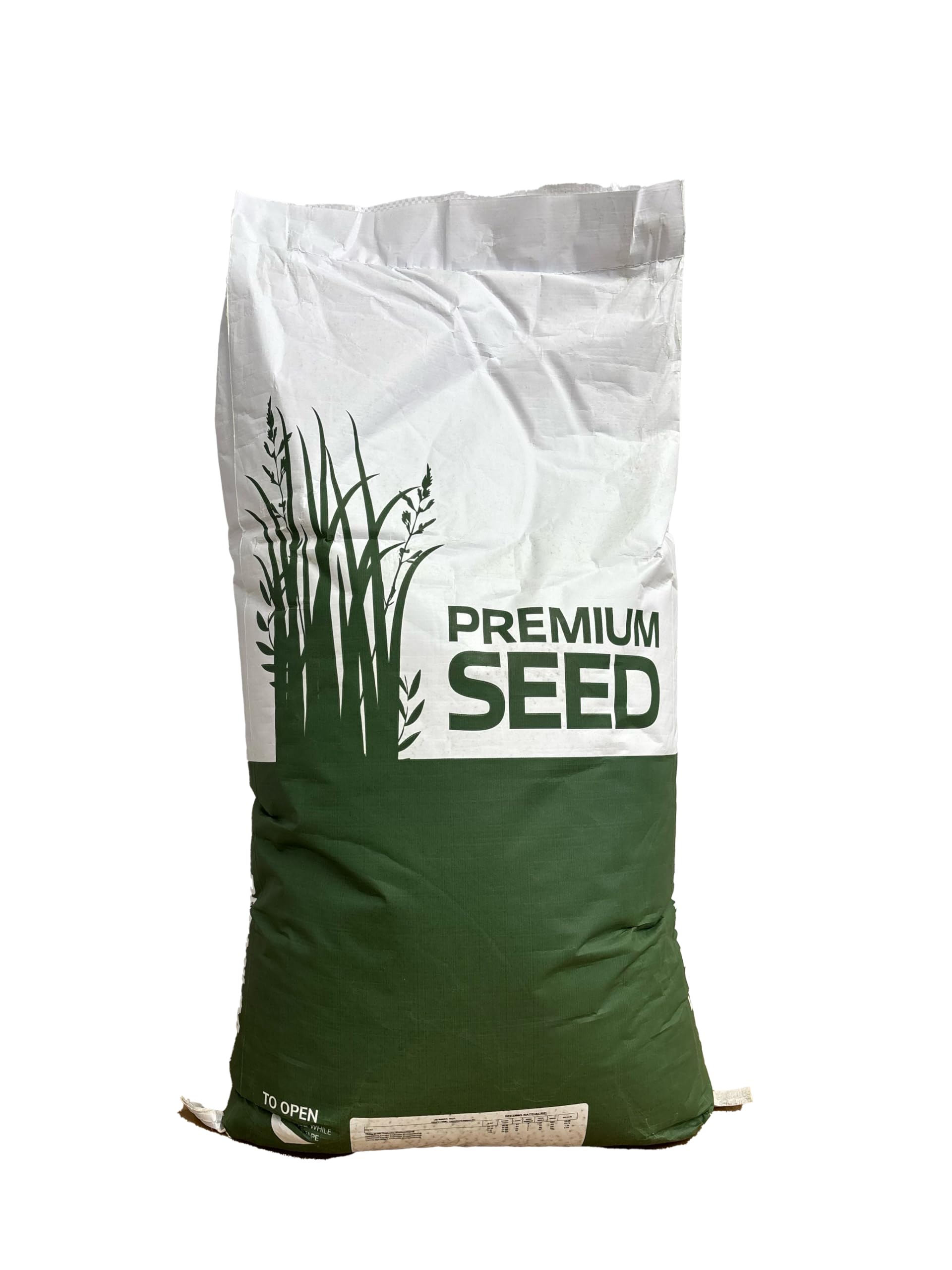
If your primary goal is a high-protein food plot for deer, this Hale Habitat soybean mix is a top-tier choice. These non-GMO soybeans can grow up to 5 feet tall, providing excellent cover and forage. Each 5-pound bag (part of a larger bulk orderable set) plants approximately 1/10 acre. The soybeans are certified for high germination and are highly preferred by deer, especially in late summer when other food sources dwindle.
User reports are mixed but instructive: one plot grew “incredible” to 2-3 feet high, while another failed to germinate. The difference likely comes down to soil preparation and inoculant use — soybeans require specific rhizobia bacteria for nitrogen fixation. Adding an inoculant before planting dramatically increases success rates.
This bag is not a wildflower mix. It’s a dedicated forage legume. Use it for hunting plots or livestock supplemental feeding. Its real strength is the incredible attraction it creates for deer, which is exactly what a food plot manager needs.
Why it’s great
- High-protein, non-GMO forage highly preferred by whitetail deer.
- Certified seed with high germination rate for reliable stands.
- Can grow up to 5 feet tall, offering excellent cover.
Good to know
- Requires inoculation with rhizobia bacteria for best nitrogen fixation.
- Not a wildflower mix; dedicated food plot legume.
7. Hale Habitat & Seed Buckwheat Food Plot Seed (50 lb Bulk)
Buckwheat is one of the fastest-growing summer annuals, and Hale Habitat’s certified seed delivers on that promise. It’s commonly planted for summer forage, weed suppression, and soil health. The 50-pound bag (sold in 5 lb units that can be ordered in bulk) can cover a significant area. It produces delicate white flowers that are attractive to bees and other pollinators — so it does double duty as a short-term cover and a pollinator attractant.
User reviews highlight near-perfect germination within a few days with proper soil prep (glyphosate, lime, and fertilizer). One customer hand-spread 10 pounds on a 1/8–1/4 acre and reported excellent results. However, a minority report no germination at all, which may be due to planting too deep (buckwheat requires shallow seeding and light for germination).
This is the best option for a quick, temporary summer plot that suppresses weeds and feeds pollinators. It will not persist through winter, making it a seasonal placeholder rather than a permanent planting. Use it to condition soil before a fall perennial seeding.
Why it’s great
- Extremely fast germination (3-5 days) with near-perfect rates.
- Excellent weed suppression and soil health improvement.
- White flowers attract bees and pollinators during summer.
Good to know
- Annual crop — dies with frost; requires replanting each season.
- Requires shallow planting; deep burying prevents germination.
FAQ
How many acres will a 50-pound bag of wildflower seeds cover?
Should I choose an annual or perennial wildflower mix for my 50 lb bag?
How do I prepare soil for a 50 lb wildflower seeding?
Final Thoughts: The Verdict
For most users, the 50 lb bag of wildflower seeds winner is the Eden Brothers All Perennial Mix because it balances exceptional species diversity (19 varieties) with the long-term value of a permanent, returning meadow across the widest range of USDA zones. If you need immediate first-season color and live in the Northeast, the Northeast Wildflower Seed Mix with its 60% annual component is your best bet. And for soil-building before planting, nothing beats the Outsidepride Sunn Hemp for rapid nitrogen fixation and weed suppression.