
Our readers keep the lights on and my morning glass full of iced black tea. As an Amazon Associate, I earn from qualifying purchases.
Specs are compiled from manufacturer listings and verified buyer reviews and can change over time — please confirm the key details on the product page before buying.
You grab a 56-degree sand wedge when you are in a bunker, chipping near the green, or taking a full swing from the fairway. The key difference between a good wedge and a great one is how much spin it creates and how confidently you can hit it from different lies. This guide covers six right-handed 56-degree sand wedges, from budget-friendly to premium, so you can pick the one that fits your game without sorting through marketing claims.
I’m Min — the founder and writer behind Gadgets Feed. This guide is built by comparing the manufacturers’ published specifications and the patterns across verified customer reviews, so you get each pick’s real strengths and trade-offs instead of marketing spin.
If you are a weekend golfer trying to save strokes around the green or a mid-handicapper wanting more stopping power, knowing bounce angle (the angle that helps the club slide through sand or grass), face technology, and feel will help you find the right 56 degree sand wedge for your bag without overpaying.
Quick Picks
- Cleveland Golf RTZ Wedge — Top Performer
- Orlimar Spin Tech Full Face Golf Wedge — Best Looking
- Gowolf Forged Golf Wedge — Best Value
- ALVO GOLF Premium Full Face Golf Wedge — Forgiving Pick
- Yamato Golf Wedge — Budget Champion
- Full Choice CNC Milled Golf Wedge — Entry-Level Value
How To Choose The Best 56 Degree Sand Wedge
Finding the right 56-degree wedge is about matching the club’s design to the shots you hit most often. A higher bounce angle helps you glide through soft sand and lush rough, while a lower bounce works better on firm turf and tight lies. The face texture determines how much spin you get, and the head shape affects how forgiving the club feels on mis-hits.
Bounce Angle and Your Playing Conditions
The bounce angle is the curve on the bottom of the clubhead that keeps it from digging into the ground. A bounce angle of 12 degrees, like you see on the Full Choice and Orlimar wedges, is a solid all-around choice if you play on softer courses or spend time in bunkers. A 10-degree bounce, found on the Yamato wedge, is better if you usually play firmer conditions and want more versatility on tight fairway lies.
Face Technology and Spin
Most modern wedges use CNC milling or laser etching to create a rough surface that grabs the ball and produces backspin. Deeper, sharper grooves can generate tremendous spin, but buyers report that they also tend to “shred” or remove the paint from golf balls after a few rounds. If you play with premium urethane-covered balls, the wear is less of an issue. If you use cheaper two-piece balls, consider a wedge with a less aggressive face texture.
Forgiveness and Feel
Cavity-back wedge heads, like the Orlimar Spin Tech and the Alvo Golf, shift weight to the perimeter of the clubhead, which makes them more stable on off-center hits. Blade-style heads, like the Yamato and the Gowolf, offer a more traditional look at address and give you more feedback on where you struck the ball, but they require a cleaner strike for consistent results.
Quick Comparison
| Model | Best For | Bounce Angle | Face Technology | Head Type | Amazon |
|---|---|---|---|---|---|
| Cleveland Golf RTZ | Premium all-around performance | Not specified | HydraZip + UltiZip grooves | Cavity Back | $169.99$179.99Amazon |
| Orlimar Spin Tech | Budget-friendly with premium features | 12 Degrees | Full Face Grooves | Cavity Back | $66.37$89.99Amazon |
| Gowolf Forged | Maximum spin and control | Not specified | CNC Milled Full Face | Blade | $43.69$45.99PrimeAmazon |
| ALVO GOLF Premium | Consistency and forgiveness | Not specified | Full Face Grooves | Cavity Back | $49.99Amazon |
| Yamato Golf Wedge | Low-cost entry with high spin | 10 Degrees | Wave Scoring Lines | Blade | $40.49$45.99Limited time dealAmazon |
| Full Choice CNC Milled | Ultra-budget for new golfers | 12 Degrees | CNC Milled | Blade | $39.99$41.99Amazon |
In‑Depth Reviews
1. Cleveland Golf RTZ Wedge
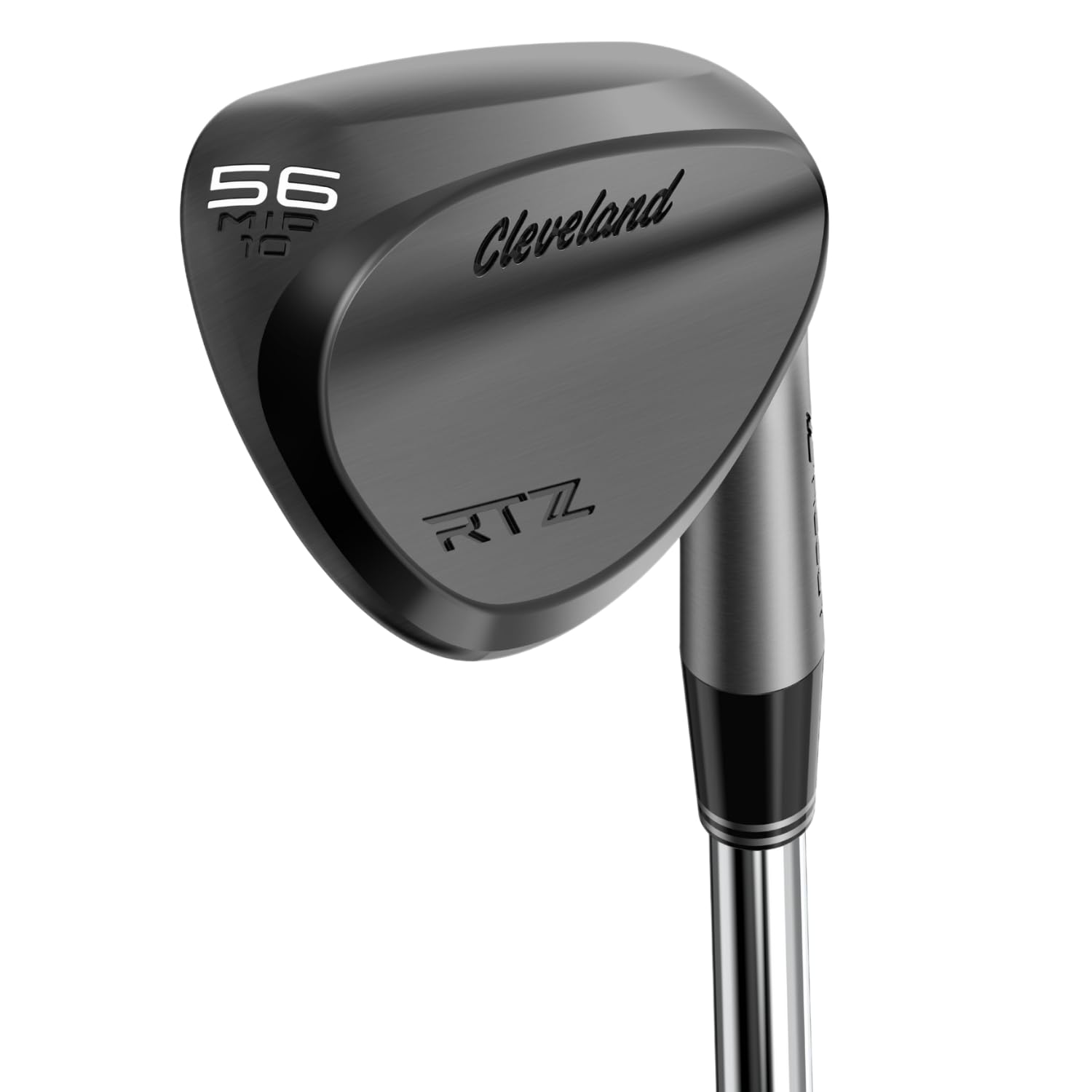
A premium tournament-ready wedge with face tech that grabs the ball even in wet weather.
This wedge justifies its premium position through a set of proprietary technologies that work together. The HydraZip system uses a unique combination of face blasts and laser-milled lines to boost spin specifically under wet conditions, a real advantage if you play early mornings or in light rain. Cleveland’s UltiZip grooves are both sharper and deeper than standard grooves, which means they cut through grass and debris at impact to maintain consistent spin from the fairway, rough, or bunker. The ZipCore technology replaces heavier material in the heel and hosel with a lightweight, low-density material, shifting the center of gravity closer to where you actually strike the ball while increasing forgiveness on mis-hits.
The club is built from Z-Alloy, a new steel that is softer, lighter, and more durable than standard wedge steel, giving it a noticeably better feel at impact according to the manufacturer. It comes in a Black Satin finish that resists rust. The RTZ is available in a Stiff flex shaft, which suits players with faster swing speeds who want control over feel-oriented golfers. Owners mention that the 52 and 56 degree versions put “great spin on the ball” and that the wedge feels phenomenal.
Compared to the Gowolf Forged wedge below, the Cleveland RTZ is significantly heavier in your hands and in your wallet, but it brings genuine tour-level technology that the value options do not offer. The Cavity Back head provides more forgiveness than a blade on off-center strikes. If you take your short game seriously and want a wedge that will last multiple seasons without losing its spin, this is the one to beat.
What improve it
- HydraZip face boost spin in wet conditions
- ZipCore technology moves the center of gravity for better forgiveness
- Z-Alloy steel provides a softer, more responsive feel
- UltiZip grooves are sharper and deeper than standard
The trade-offs
- Premium price well above the rest of this list
- Stiff flex shaft may not suit slow or moderate swing speeds
- Bounce angle not specified for direct comparison
Who it fits: The golfer who plays a lot, cares about spin consistency in all conditions, and is ready to invest in a wedge that brings tournament-level feel and durability.
The honest catch: At the top of the price range here, it is three to four times more expensive than the value picks. You pay for the R&D in the Z-Alloy steel and HydraZip face.
2. Orlimar Spin Tech Full Face Golf Wedge
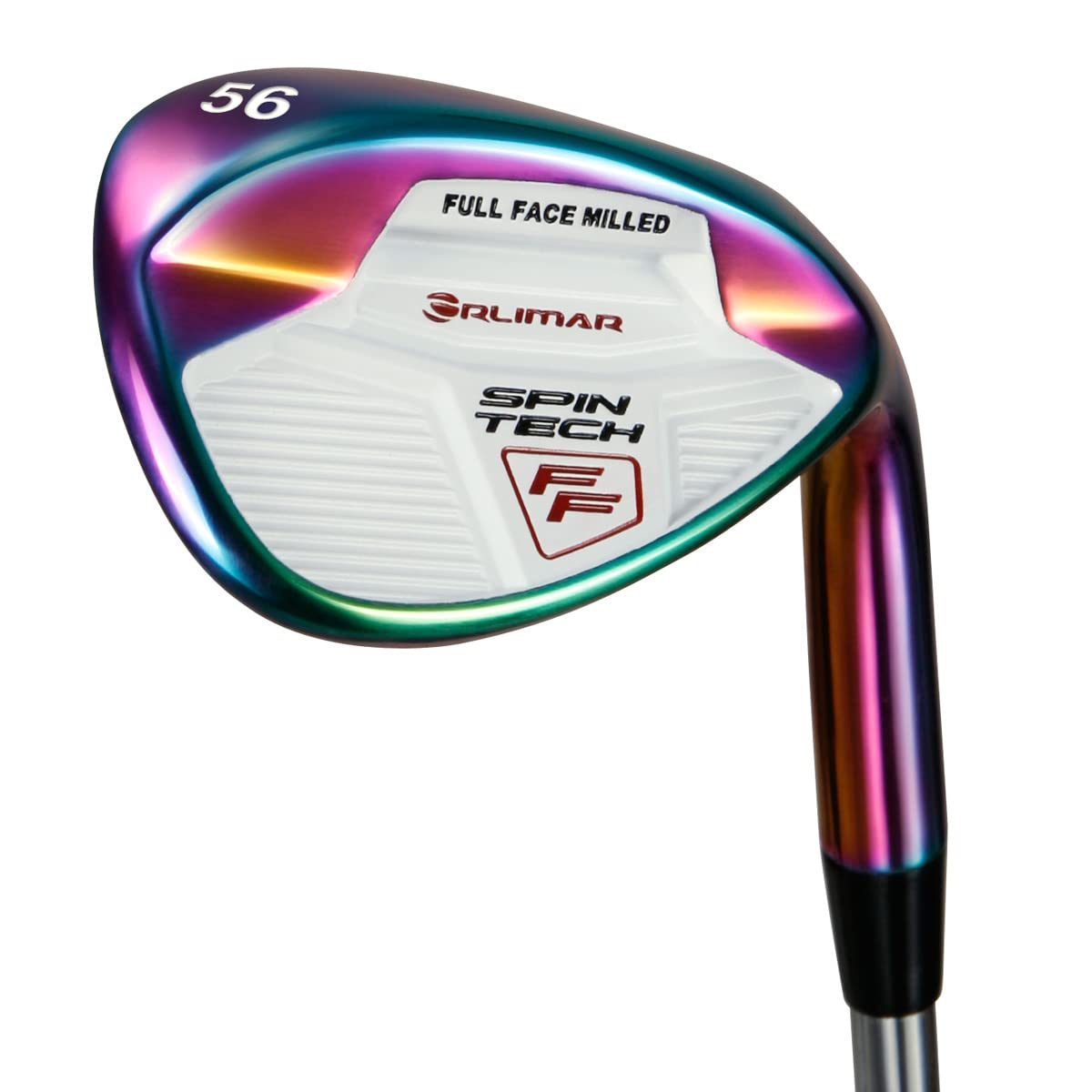
A cavity-back wedge with a striking rainbow finish and all the forgiveness a mid-handicapper needs around the green.
Orlimar packs game-improvement features into a wedge that stands out in your bag. The Spin Tech FF uses a cavity-back head design, which shifts weight to the perimeter so off-center hits lose less distance and feel more stable. Full-face grooves run across the entire striking surface, which is especially useful when you open the face for a flop shot and need spin from the toe area. With a 56-degree loft and 12 degrees of bounce, it is a versatile combination for soft conditions and bunker play. The club measures 35.5 inches in length and comes with a Uniflex steel shaft that suits a wide range of swing speeds.
The iridescent PVD (Physical Vapor Deposition) finish gives this wedge a rainbow-like oil-slick look that stands out from every other wedge here. Customers note that the large balance and aggressive milling (the pattern cut into the face) produce a high spin rate. One reviewer noted the club made them “suck less” at golf and praised its durability. Another noted that the “oil slick finish comes off the club face where the ball is struck” over time — a cosmetic trade-off, not a performance problem.
The 12-degree bounce and cavity-back head make it more forgiving than the blade-style wedges from Yamato and Gowolf below, especially if you tend to catch the ground before the ball. It comes with Orlimar’s custom rubber grip, which is good enough from the start that several users said they kept it instead of regripping. For the price, you get features usually found on wedges costing twice as much.
Standout feature: The full-face grooves and cavity back give you the widest effective hitting area in this list, making it the most forgiving option for players who do not strike the center of the face every time.
Single caveat: The iridescent finish will wear off the center of the face with consistent use, though the performance and grooves underneath remain unaffected.
3. Gowolf Forged Golf Wedge
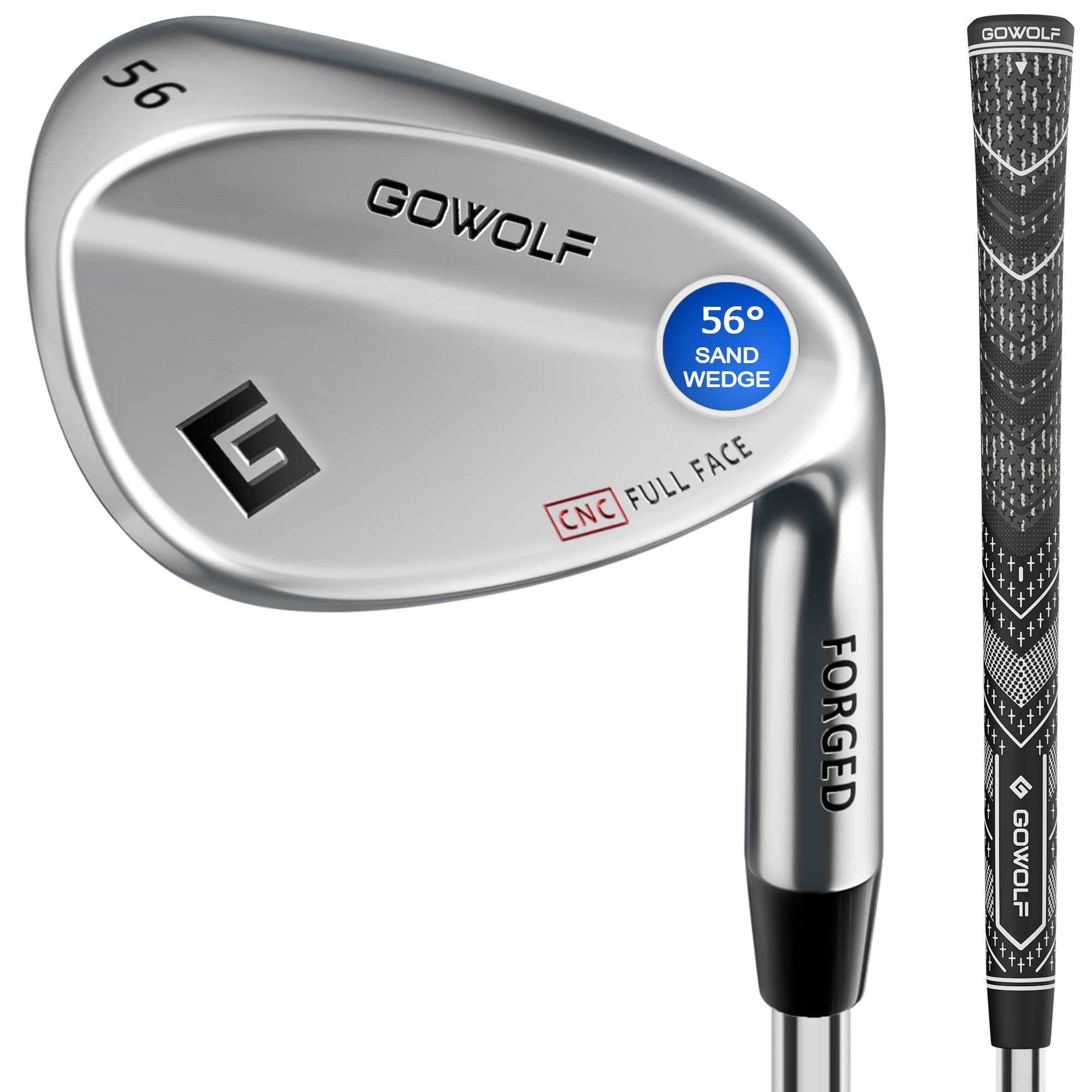
A forged blade that delivers spin so aggressive it can outspin wedges costing three times as much.
The Gowolf Forged wedge is one of the lightest options here at 0.48 kilograms — a full 0.43 kilograms lighter than the Full Choice wedge — which makes it easy to swing and helps with distance control. Its full-face CNC milling creates deep, sharp grooves that extend across the entire clubface, producing maximum spin even when you catch the ball toward the toe or heel. This is the wedge for players who want the highest possible spin rate without stepping up to a premium brand price tag.
Reviewers point out specific distances: one reviewer measured consistent yardages of 89 yards with the 56-degree, 110 yards with the 52-degree, and 60-75 yards with the 60-degree. A 6-handicap user compared the feel and grind (the sole shape that affects turf interaction) of the Gowolf wedge favorably to Titleist SM9s, noting that the price “for a set is less than one SM9.” The same buyer recommended the wedge for 10-20 handicaps and said you could buy one annually for three years for the cost of one SM9 set.
The trade-off is that these aggressive grooves tear up golf balls. Multiple shoppers say that the “sandpaper-like face grips balls but beats them up” and that the “deep, sharp grooves shred golf balls” after just one range session. The grips are thin, and some users replaced them with Golf Pride grips. The Chrome 56-degree finish looks clean at address, but the action on the ball speaks louder than the appearance.
Why it stands out
- Full-face CNC milled grooves produce exceptional spin
- Light weight (0.48 kg) makes it easy to swing all day
- Buyers report consistent yardages (56°: 89yds)
- Feels comparable to Titleist SM9s at a fraction of the cost
The downsides
- Grooves are so aggressive they shred golf balls quickly
- Stock grips are thin and many users replace them
- Long-term durability of the face finish is unconfirmed
Reach for this if: You want maximum spin for your short game and do not mind swapping out a golf ball more often, or you want forged feel without paying forged prices.
Look elsewhere if: You play with soft, affordable two-piece balls that will wear down quickly, or you want a club that keeps its original look for many rounds.
4. ALVO GOLF Premium Full Face Golf Wedge
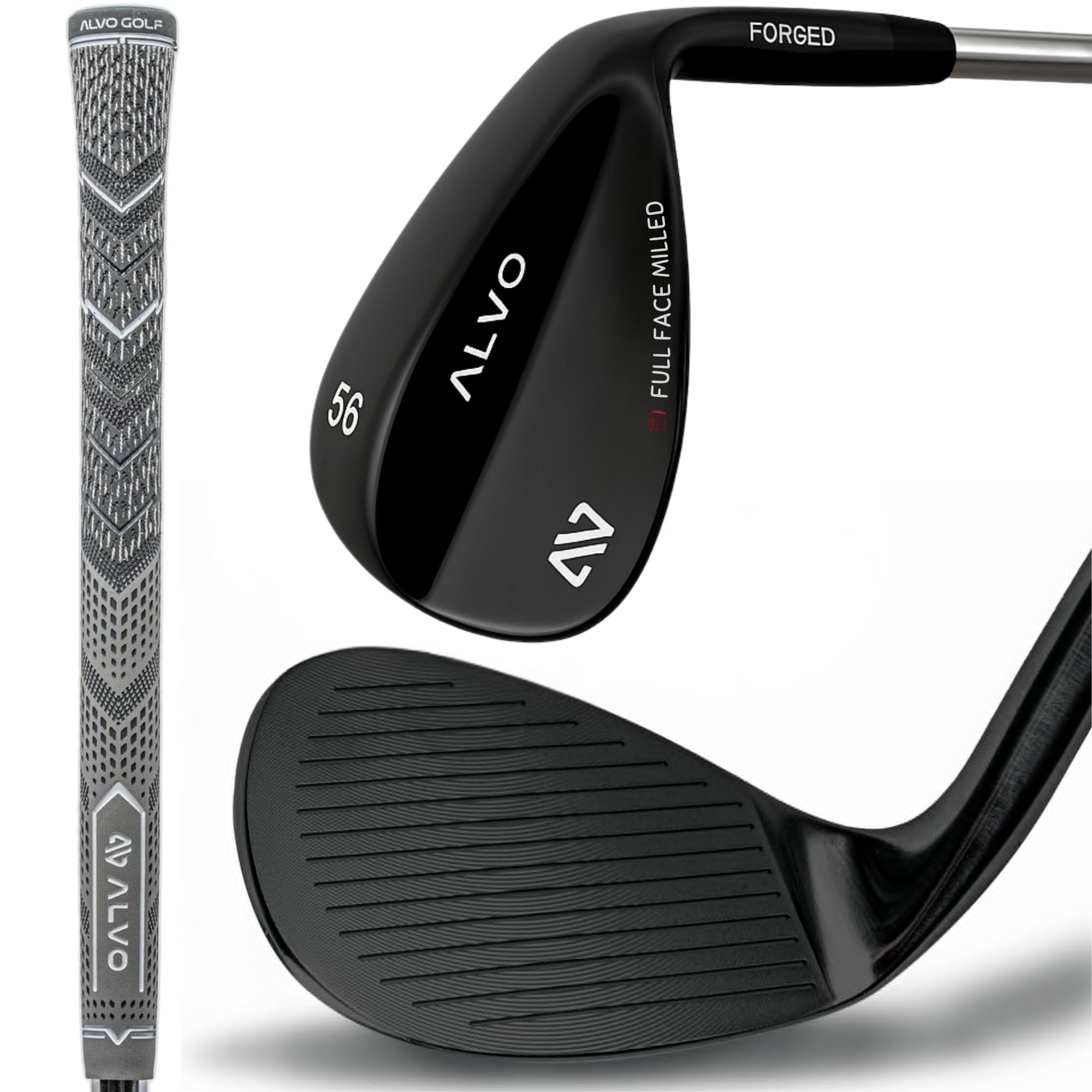
A cavity-back wedge with a premium corded grip that gives weekend golfers consistency across different lies and turf conditions.
The ALVO wedge is designed around consistency. The head uses a cavity-back construction, which makes it more stable on mis-hits than a traditional blade. The full-face grooves are precision-milled to extend across the entire hitting surface, so you get spin even when you strike the ball toward the heel or toe. The unique bounce and grind configuration is engineered to perform reliably on sand shots, deep roughs, and tight fairway lies, which is exactly where most weekend golfers lose strokes.
At 0.48 kilograms, it matches the Gowolf wedge for weight, but the feel is different. The ALVO uses a corded grip with “brushed cotton wire technology in the upper for breathability, and firm rubber in the lower hand for optimal control,” according to the manufacturer. Several buyers noted the grips are surprisingly good for a mid-priced wedge, calling them a “solid feel” and saying no regrip was needed. One buyer mentioned getting 2,000 more RPM of spin on full shots compared to decade-old Pings, though they noted the “forged” claim is unverified.
The honest catch: the wedge does not appear to be USGA (United States Golf Association) conforming for tournament play. One buyer stated, “The only issue I have is that don’t appear to be USGA Confirming. If you have no interest in tournaments, you should be fine.” Another reviewer said the grooves are “borderline USGA legal.” For casual rounds and league play, this is fine, but it matters if you compete in sanctioned events.
Best feature: The dedicated bounce and grind configuration gives you reliable turf interaction from sand, rough, and tight lies, making it a true problem-solver around the green.
Best left unsaid: The head is shaped for consistency across all types of lies, but the club may not pass USGA groove rules for tournament or competitive play.
5. Yamato Golf Wedge

A forged carbon steel wedge at a throwaway price that brings surprising spin and a clean traditional look.
The Yamato wedge has a blade-style head and a 10-degree bounce angle (the angle that helps the club slide through sand or grass), so it works well on firm fairways and tight lies where you do not need the club to dig under the ball aggressively. The “wave scoring lines” are designed to create backspin for stopping power, and the forged carbon steel construction gives a softer feel than cheaper stainless steel options. It comes with a synthetic rubber grip and a Regular flex shaft, suiting moderate swing speeds. The Tarnish finish reduces glare when you address the ball.
Owners mention that the milled face provides “great spin and control on chips, pitches, and bunker shots” and that it “performs as well as much pricier options.” One owner reported it is not PGA legal because the grooves are so aggressive, adding that it “removes paint from balls quickly; dimples wear after 4 months.” Another buyer said that after 7-8 rounds, the club felt “slightly heavy” compared to their expectations. The aggressive grooves produce tremendous spin that helps learning, but at the cost of faster ball wear.
At 10 degrees of bounce, the Yamato sits 2 degrees lower than the Full Choice wedge below it. This means it will dig into softer turf a bit more, making it less ideal for fluffy bunkers but more versatile on tight fairway lies where you want clean contact. If you are on a tight budget but want a forged feel and real spin, the Yamato is a strong contender.
What works
- Forged carbon steel gives a softer feel than standard stainless steel for the price
- Wave scoring lines generate impressive spin on chips and pitches
- 10-degree bounce suits firm turf conditions and tight lies
- Tarnish finish reduces glare and looks distinctive at address
What holds it back
- Grooves remove paint from balls quickly, with dimples wearing after about 4 months
- Some users find the club feels slightly heavy after several rounds
- Not USGA/PGA legal for tournament play due to aggressive groove depth
Grab it if: You are learning your wedge game and want a forged carbon steel feel without spending over, and you do not compete in USGA-sanctioned events.
skip it if: You play premium golf balls you want to last multiple rounds, or you mainly play on soft courses with thick rough and fluffy sand where lower bounce can dig too much.
6. Full Choice CNC Milled Golf Wedge
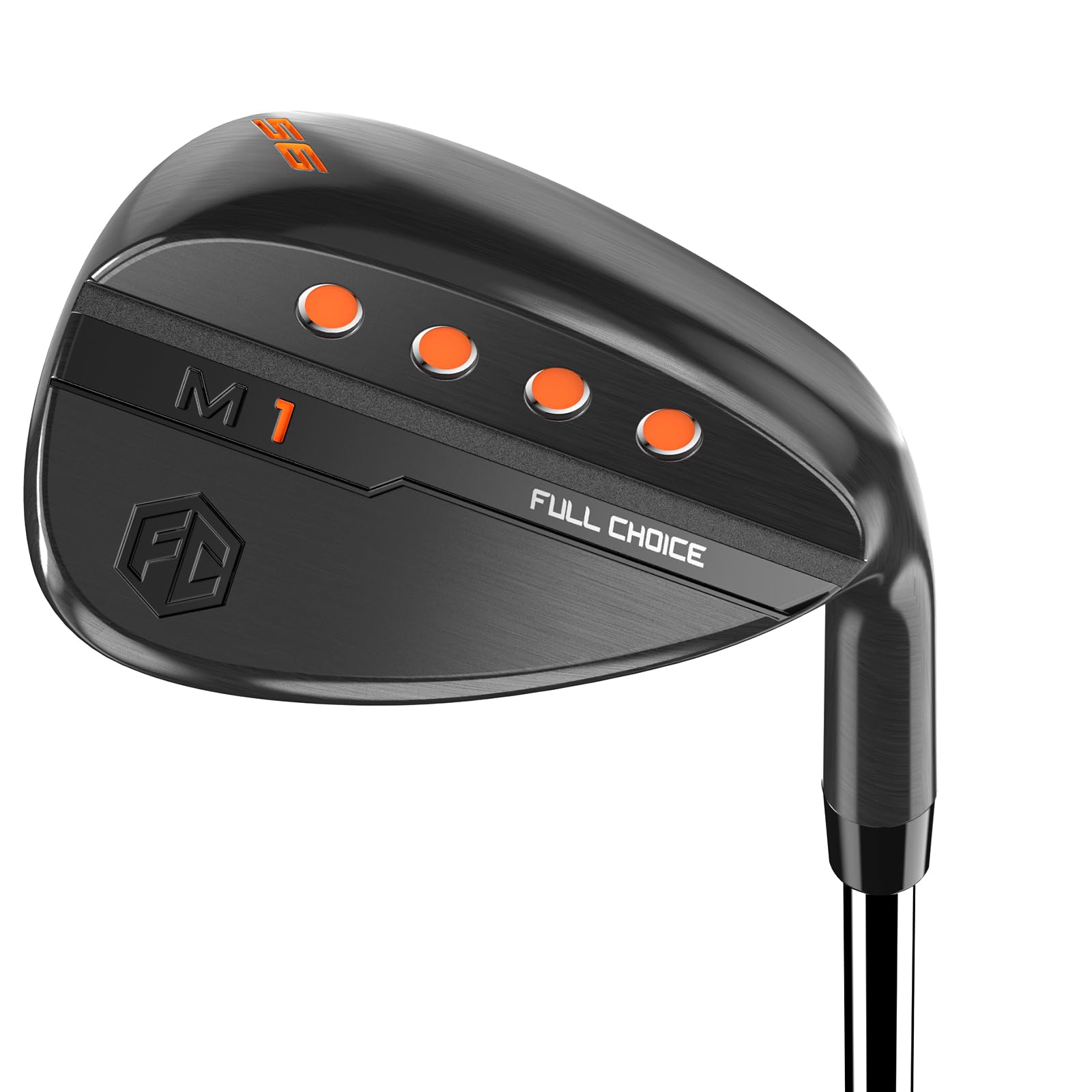
The cheapest 56-degree wedge in the lineup, but with a 12-degree bounce that suits medium-to-soft course conditions surprisingly well.
The Full Choice wedge is the heaviest option on this list at 0.91 kilograms — nearly double the weight of the Gowolf and ALVO wedges. That extra weight can help you feel the clubhead more during the swing, which some players prefer for rhythm and tempo. It uses CNC-pression milled grooves to increase friction for spin and control, and the unique face texture is designed to reduce slip across different turf conditions. The 12-degree bounce angle is the highest in this lineup, matching the Orlimar, which helps the club glide through soft sand and thick rough without digging in.
Buyers are pleasantly surprised by the build quality for the price. One customer observed, “Very impressed with the engineering and quality materials used to make this club. Just needed a cheap sand wedge I wouldn’t be worried about scratching up. This club is cheap, but far from ‘cheap’!” Another noted the wedge has a “nice weight and feel” and improved their chipping. The step-shaped shaft and anti-slip grip are designed to reduce vibrations, giving you more comfort on off-center hits. However, some wear is expected — one user highlighted after a while, “The paint comes off quickly. You get what you pay for.”
Compared to the Yamato wedge above it, the Full Choice has higher bounce (12 degrees vs 10 degrees) and is heavier (0.91 kg vs 0.48 kg). The higher bounce makes it a better choice for softer courses and bunker play, but the extra weight may feel cumbersome to some players over a full round. If you are looking for a club to stuff in your bag for occasional use without worrying about scratches, this wedge is a solid option.
What it does well: The 12-degree bounce and CNC-milled face give it genuine performance in sand and thick rough at a price point that makes it nearly disposable.
The honest trade-off: At 0.91 kilograms, it is the heaviest wedge here, and the paint finish will show wear faster than pricier options. It is a tool, not an heirloom.
Understanding the Specs
Bounce Angle
Bounce is the curved area on the bottom of the clubhead that determines how the wedge interacts with the ground. A higher bounce angle, like 12 degrees, helps the club slide through soft sand and thick grass without digging in. A lower bounce angle, like 10 degrees, is better for firm turf and tight lies where you need cleaner contact. For a 56-degree sand wedge, 10 to 12 degrees is standard, but the right choice depends on the courses you play most often.
Face Technology and Spin
CNC milling and laser etching create microscopic grooves and texture on the clubface that grip the ball at impact, producing backspin. Deeper and sharper grooves, like those found on the Gowolf and Yamato wedges, generate higher spin rates but can also scuff or remove the paint from golf balls more quickly. For players who use premium urethane-covered balls, this is less of a concern. For players using two-piece distance balls, a less aggressive face texture may be more practical.
Weight and Feel
A heavier wedge, like the Full Choice at 0.91 kilograms, gives you more clubhead feel during the swing and can help with tempo, but it might feel tiring over a full round. A lighter wedge, like the Gowolf or ALVO at 0.48 kilograms, is easier to swing all day and may help with distance control, especially on partial shots. The material also affects feel: forged carbon steel (Yamato) tends to feel softer at impact, while stainless steel (Full Choice, Gowolf) is more durable with a firmer feel.
Head Shape and Forgiveness
Blade-style heads (Yamato, Full Choice, Gowolf) offer a traditional look at address and maximum feedback, but they require a clean strike for consistent results. Cavity-back heads (Orlimar, ALVO, Cleveland RTZ) have weight distributed around the perimeter, which makes the club more stable on off-center hits and more forgiving for mid-to-high handicap players. If you often miss the center of the face, a cavity-back wedge will save you strokes more consistently than a blade.
FAQ
What does bounce angle mean on a 56 degree sand wedge?
What is the difference between a sand wedge and a lob wedge?
How many yards should I hit a 56 degree wedge?
Is a 56 degree wedge good for chipping?
What does CNC milling do on a golf wedge?
Will a 56 degree wedge fit in my existing golf bag?
What is the difference between forged and cast wedges?
How often should I replace my 56 degree sand wedge?
Can left-handed golfers use these 56 degree wedges?
What does bounce angle mean on a 56 degree sand wedge?
Final Thoughts: The Verdict
For most golfers, the best 56 degree sand wedge is the Gowolf Forged Wedge because it delivers maximum spin and forged feel at a price that beats the competition handily, though you trade ball durability for that spin. If you want the most forgiving wedge that handles wet conditions and off-center hits, the Cleveland Golf RTZ is the investment pick with tour-level technology. And for an entry-level price with real performance features, the Orlimar Spin Tech gives you the best balance of forgiveness and visual appeal while staying affordable.
How We Picked
We do not accept paid placement. Every pick is matched to a real buyer and a real use-case; we do not hands-on test units.
Sources & Methodology
Specifications: manufacturer listings and product documentation. Review insights: verified customer reviews, as of July 2026. Pricing: not shown on this page (it changes often); check the current price via the retailer link.
As an Amazon Associate, Gadgets Feed earns from qualifying purchases. This does not affect which products we feature.
Related Guides
Product prices and availability are accurate as of the date/time indicated and are subject to change. Any price and availability information displayed on Amazon at the time of purchase will apply to the purchase of this product. As an Amazon Associate I earn from qualifying purchases.
CERTAIN CONTENT THAT APPEARS ON THIS SITE COMES FROM AMAZON. THIS CONTENT IS PROVIDED "AS IS" AND IS SUBJECT TO CHANGE OR REMOVAL AT ANY TIME.
Amazon and the Amazon logo are trademarks of Amazon.com, Inc. or its affiliates.