
A 6-foot baseboard heater is a serious piece of home infrastructure. Whether you are replacing a rusted-out electric unit that has finally given up or upgrading an old hydronic cover that looks like it survived a flood, the wrong choice means uneven heat, a room that never gets warm, or a safety hazard hiding against your wall. The difference between a heater that silently works for a decade and one that rattles, bends, or fails mid-winter comes down to a handful of non-negotiable specs: the gauge of the steel, the type of heating element, and whether the manufacturer still stands behind it.
I’m Min — the co-founder and writer behind Gadgets Feed. I’ve spent hundreds of hours cross-referencing technical spec sheets, customer failure reports, and installation guides for electric and hydronic baseboard heaters to help you buy the right unit the first time.
A good 6 baseboard heater balances power output with build quality, whether you need a 1500-watt electric unit for a bedroom or a heavy-duty hydronic cover that resists rust in a damp bathroom.
How To Choose The Best 6 Baseboard Heater
Buying a 6-foot baseboard heater means matching the unit or cover to your specific heating system. Electric units need the correct voltage and a dedicated circuit. Hydronic covers need precise measurements and the right material to avoid trapping heat. Making the wrong call on either front leads to poor performance or a damaged heater.
Match Voltage Before Wattage
Electric baseboard heaters sold in 6-foot lengths typically output 1500 watts. That wattage can come as a 120-volt unit drawing 12.5 amps or a 240-volt unit drawing just 6.25 amps. The 120-volt version requires a dedicated 20-amp circuit, while the 240-volt version can run on a 15-amp circuit. Wiring a 120-volt heater into a shared circuit is a common and dangerous mistake. Check your breaker panel before buying.
Hydronic Covers Are Not Electric Covers
A hydronic (hot water) baseboard heater runs at a lower surface temperature than an electric unit. Slip-on covers sold for hydronic systems use galvanized steel with a powder-coated finish. Using a hydronic cover on an electric heater blocks airflow and can cause the internal safety cutout to trip repeatedly — or worse, create a fire risk. If you are buying a cover, confirm the product is rated for your system type.
Steel Gauge and Finish Determine Lifespan
Thicker steel resists denting and bending during shipping and installation. A 22-gauge or 21-gauge cover will feel noticeably sturdier than a 24-gauge or 25-gauge option. The finish matters just as much: a baked-on powder coat or stoving varnish resists humidity and cleaning chemicals far better than a simple spray paint. Some manufacturers offer a lifetime rust protection guarantee, which is worth paying for if the heater sits in a bathroom or basement.
Quick Comparison
On smaller screens, swipe sideways to see the full table.
| Model | Category | Best For | Key Spec | Amazon |
|---|---|---|---|---|
| Cadet 6F1500A (06511) | Electric Heater | 240V Bedroom Heating | 1500W / 1125W (240V/208V) | Amazon |
| King 6K2415BW | Electric Heater | Quiet Primary Heat | Aluminum Ribbon Fin Element | Amazon |
| King 6K1215BW | Electric Heater | 120V Localized Heat | Dent-Resistant Die Form Cover | Amazon |
| Cadet 6F1500-1W (05536) | Electric Heater | Budget 120V Replacement | 1500W / 12.5A | Amazon |
| Fahrenheat F2546 | Electric Heater | Wall or Floor Mounting | Steel Case, Large Wiring Compartment | Amazon |
| Baseboarders BC001-72 | Hydronic Cover | Lifetime Rust Protection | 22–24 Gauge Galvanized Steel | Amazon |
| Saree 6FT Kit | Hydronic/Electric Cover | Versatile Fit Guarantee | 3-Year Rust Protection | Amazon |
| Gekufa YY26 | Hydronic Cover | DIY Trim-to-Fit | 8.23 lbs, Baked-on Finish | Amazon |
| SDSNTE 6ft Cover | Hydronic Cover | Budget Facelift | 21-Gauge Steel, 16-Gauge Endcaps | Amazon |
In‑Depth Reviews
1. Cadet 6F1500A (06511)
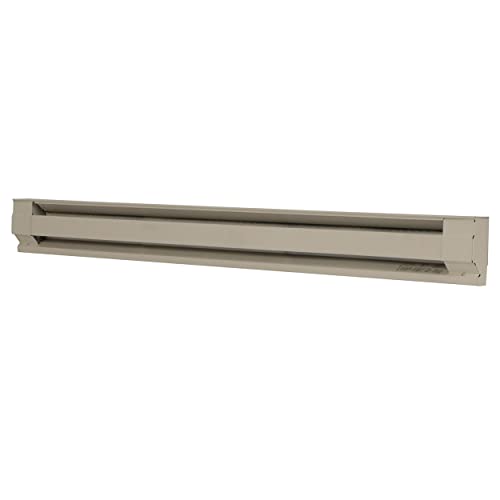
The Cadet 6F1500A is a 240-volt electric baseboard heater built with an all-metal, powder-coated body. It outputs 1500 watts at 240 volts and 1125 watts at 208 volts, drawing only 6.25 amps — light enough to run on a standard 15-amp circuit. The 20-gauge junction box includes a ground screw, and the unit ships ready for hardwire installation. It is manufactured in the United States.
This heater requires a separate thermostat, which is standard for permanent baseboard installations. The slim profile and almond color blend into walls better than stark white units, especially in rooms with warm paint tones. The 12-pound weight and metal construction signal durability, though buyers report that shipping damage is a recurring issue when the box lacks internal padding.
If you are replacing an older 240-volt baseboard heater and want a straightforward swap, the 6F1500A offers the most reliable performance in its voltage class. The lower amperage draw compared to 120-volt models reduces strain on your electrical panel and makes this the smarter long-term choice for whole-room heating.
Why it’s great
- All-metal powder-coated body resists scratches and corrosion.
- Low 6.25-amp draw allows installation on a standard 15A circuit.
- Made in the USA with a 20-gauge junction box for secure wiring.
Good to know
- Arrives with minimal packaging — inspect for dents immediately.
- Does not include a thermostat; requires separate purchase and wiring.
2. King 6K2415BW

The King 6K2415BW uses an aluminum ribbon fin element that expands and contracts silently, eliminating the popping and pinging sounds common in steel-element heaters. It delivers 1500 watts at 240 volts and 1125 watts at 208 volts, with a full-length safety cutout that shuts the unit down if airflow is blocked. The die-formed cover resists denting better than rolled steel, maintaining a clean appearance over years of use.
Natural convection heat rises evenly from the 6-foot length, avoiding the hot-and-cold spots that shorter units create. The bright white finish reflects light well, and the rectangular form factor sits flush against the wall. Installation is straightforward, with wiring compartments accessible from either end. Some buyers note a machine oil smell on the first firing — this burns off within an hour and is normal for sealed heating elements.
For homeowners who want a primary heating source that does not click, pop, or whistle when the thermostat kicks on, the King 6K2415BW delivers hotel-quiet operation with consistent output. Pair it with a programmable 240-volt thermostat for zone-controlled comfort in a living room or basement.
Why it’s great
- Aluminum ribbon fin element eliminates expansion noise.
- Full-length safety cutout provides reliable overheat protection.
- Dent-resistant die-formed cover stays straight after installation.
Good to know
- Initial burn-off of machine oil may trigger smoke detectors.
- Thermostat sold separately — compatible with most line-voltage models.
3. King 6K1215BW

The King 6K1215BW is the 120-volt sibling of the 6K2415BW, sharing the same aluminum ribbon fin element and dent-resistant die-formed cover. It produces 1500 watts at 120 volts, drawing 12.5 amps — which means it needs a dedicated 20-amp circuit. The crushproof element design prevents damage during installation, and the full-length safety cutout provides the same overheat protection as the 240-volt model.
At 14.79 pounds, this unit feels substantial. The bright white finish matches standard trim, and the flat panel profile sits close to the wall. Wiring is accessible from either end, and the instructions are clear enough for a confident DIYer. Some units arrive with minor dents due to thin packaging, so inspect the box before signing for delivery.
If your home runs on 120-volt baseboard heaters and you are replacing a worn-out unit, the King 6K1215BW is the most reliable option in this voltage tier. The aluminum element and solid construction justify the premium over budget alternatives — especially in a room where you expect the heater to run daily for half the year.
Why it’s great
- Aluminum ribbon fin element runs quieter than stamped steel elements.
- Crushproof element withstands rough handling during transport.
- Full-length safety cutout meets modern electrical safety standards.
Good to know
- Requires a dedicated 20-amp circuit — do not share with other outlets.
- Thin corrugated packaging offers limited protection during shipping.
4. Baseboarders BC001-72
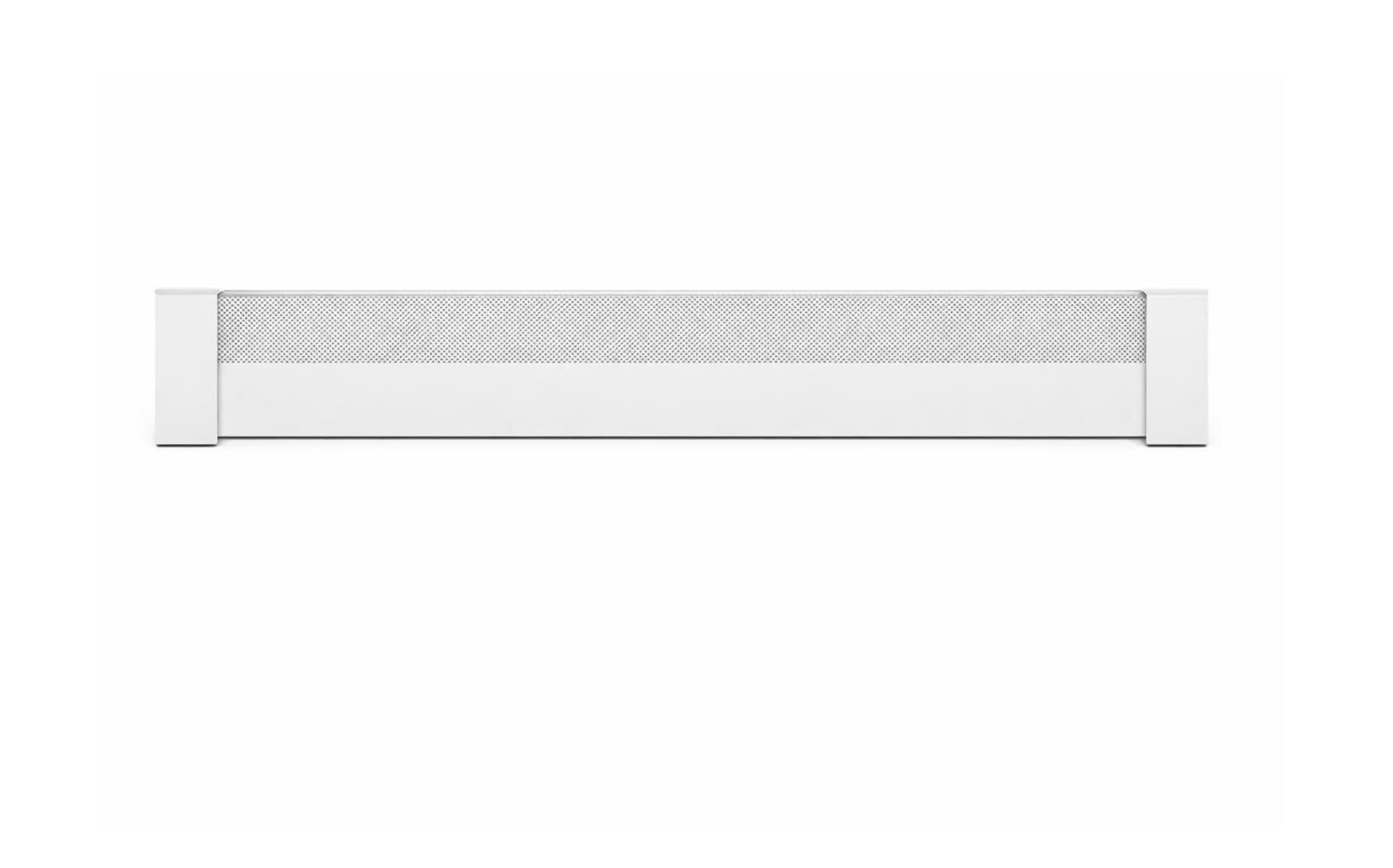
The Baseboarders BC001-72 is a slip-on galvanized steel cover designed specifically for hydronic (hot water) baseboard systems. It uses heavy-duty 22-to-24-gauge steel with a corrosion-resistant white finish backed by a lifetime rust protection guarantee. The cover installs in minutes with no tools: remove the old cover, slide the new one onto the existing backplate, and snap on the end caps.
Unlike plastic covers that warp or crack under heat exposure, the conductive steel surface allows heat to pass through freely without blocking the heater’s output. The smooth edges and child-safe design keep sharp fins hidden, making this a strong choice for homes with kids or pets. Buyers consistently rate the installation ease and visual upgrade as the standout features, with many calling it a 5-minute refresh for outdated rentals.
At nearly 10 pounds, the BC001-72 feels premium in hand. The package includes the main panel and left/right endcaps, and the company recommends using three mounting brackets for 6-foot panels. If you have an ugly hydronic baseboard heater that drags down the look of a room, this cover is the most permanent fix short of replacing the entire system.
Why it’s great
- Lifetime rust protection guarantee — replace it once and forget it.
- No-tools slip-on installation works over most existing hydronic backplates.
- Conductive steel does not trap heat or reduce heater efficiency.
Good to know
- Rated for hydronic systems only — do not use on electric baseboard heaters.
- Premium price reflects the lifetime warranty and thicker steel.
5. Saree 6FT Baseboard Heater Cover Kit
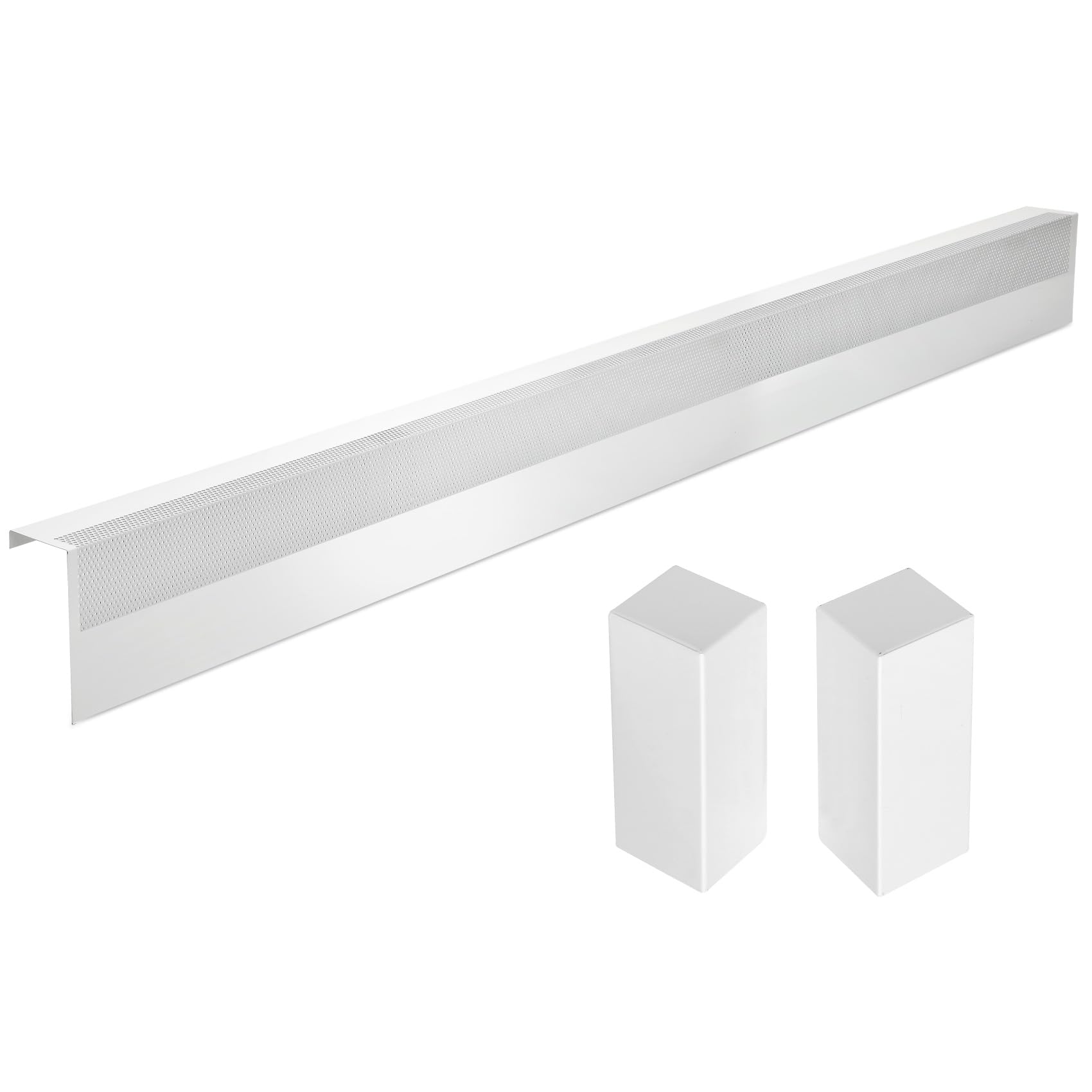
The Saree 6FT cover kit is built from 24-gauge galvanized steel with 22-gauge end caps, all finished in a vibrant white enamel. It fits units with a backplate height up to 7.5 inches and an element depth under 3.25 inches, covering both hydronic and electric systems. The 3-year protection guarantee against rust and normal use adds peace of mind for long-term installation.
Installation follows the standard slip-on method, though some buyers note that the end caps are not customizable — if your heater has unusual proportions, you may need to trim the panel with tin snips. The white enamel leans slightly blue-white compared to some existing covers, so matching an older unit may require replacing all covers in the same room for consistency.
For homeowners who need a cover that works with both hydronic and electric systems, the Saree kit offers the most flexible fit while staying under the premium price point. The included end caps and 3-year rust coverage make it a safer buy than unbranded no-name covers sold at similar prices.
Why it’s great
- Compatible with both hydronic and electric baseboard systems.
- 3-year rust protection guarantee covers normal indoor use.
- 24/22-gauge steel construction feels solid during installation.
Good to know
- White enamel has a slight blue tint that may not match older covers.
- End caps are fixed style — no customized shapes available.
6. Cadet 6F1500-1W (05536)
The Cadet 6F1500-1W is a straightforward 120-volt electric baseboard heater rated at 1500 watts with a 12.5-amp draw. It uses 25-gauge steel construction with a powder-coated white finish and a 20-gauge junction box that includes a ground screw. The heater requires a separate thermostat and is UL listed for safety compliance.
At 1500 watts, this unit puts out enough heat for a standard 150-square-foot room. The convection heating method is silent during normal operation, though some units have been reported to run hotter than expected — a dedicated 20-amp circuit is essential, and the product literature does not explicitly call this out. The metal body feels light compared to thicker-gauge competitors, which correlates with the lower price.
If you need a 120-volt electric baseboard heater and want a recognizable brand at the lowest possible entry cost, the Cadet 05536 gets the job done with the backing of a major manufacturer. Just budget for a dedicated circuit installation if your room does not already have one.
Why it’s great
- UL listed with a grounded 20-gauge junction box for safe wiring.
- Brand-name reliability at an entry-level price point.
- Convection heating provides silent, draught-free warmth.
Good to know
- Requires a dedicated 20A circuit that is not mentioned in product specs.
- 25-gauge steel is lighter and more prone to denting than thicker alternatives.
7. Fahrenheat F2546

The Fahrenheat F2546 is a 6-foot electric baseboard heater with a steel case finished in an attractive Northern white enamel that is paintable if you need to match an exact trim color. It supports both wall and floor mounting, with one angled screw that provides easy access to the large wiring compartment — even when the unit is installed over carpet. The heater can be wired from either end for flexible installation.
Designed for quiet operation, the F2546 minimizes the popping and pinging sounds that plague cheaper baseboard units. The large compartment includes a ground screw and enough space to accommodate a unit-mount thermostat (model FTA-2A) inside the housing. Buyers report that shipping damage is the main risk, with some units arriving bent due to insufficient packaging.
For installations where the heater sits on the floor rather than the wall, the Fahrenheat F2546 offers mounting versatility that few competitors match. The paintable finish is a practical bonus for homeowners who want the heater to disappear into the wall color rather than contrast with it.
Why it’s great
- Supports both wall and floor mounting for flexible placement.
- Paintable Northern white finish matches any trim color.
- Angled screw access makes wiring easier over carpeted floors.
Good to know
- Inconsistent packaging leads to bent units in transit.
- Does not include a thermostat — compatible with FTA-2A sold separately.
8. Gekufa YY26
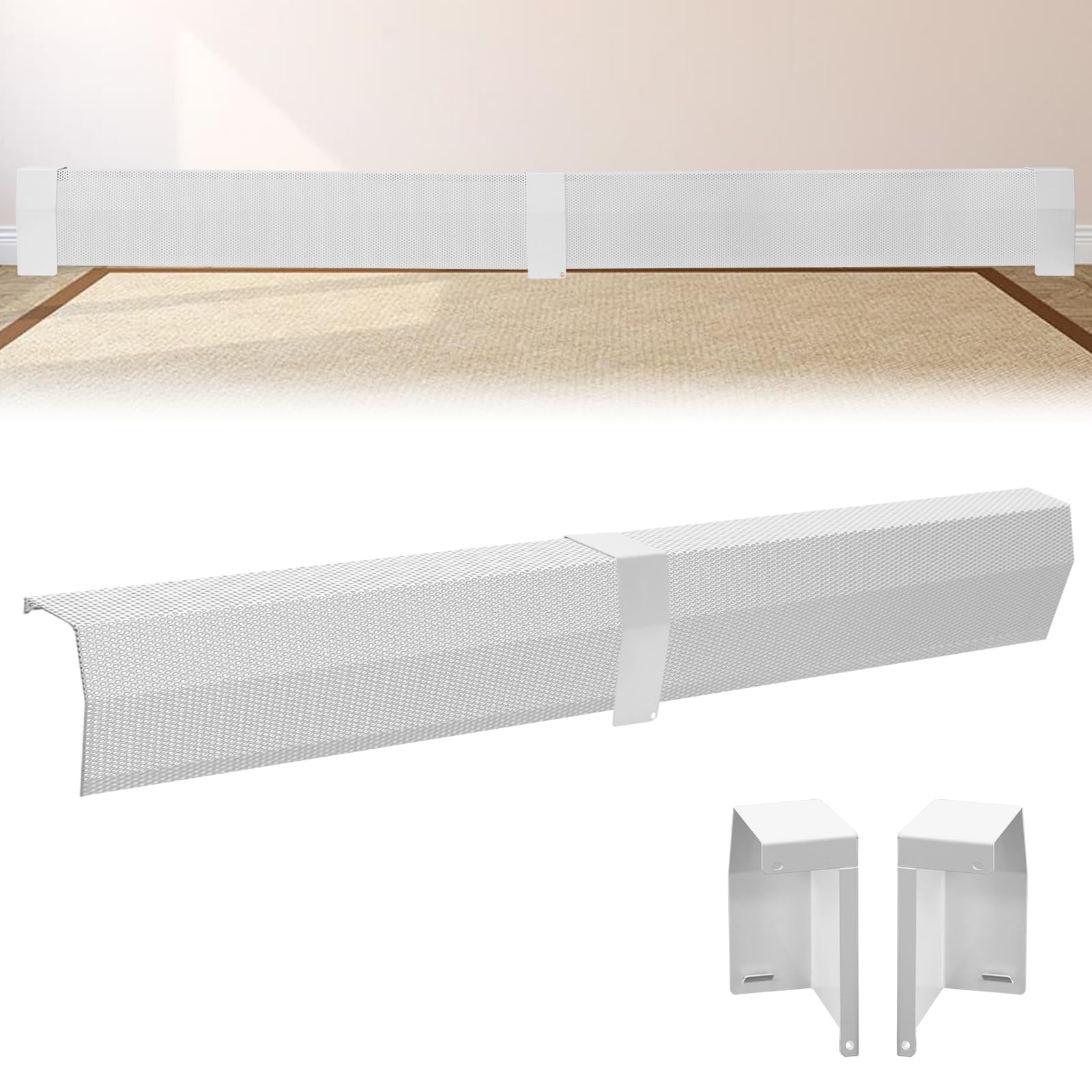
The Gekufa YY26 is a 6-foot galvanized steel cover built for hydronic systems, sold with left and right end caps that snap on for a finished appearance. The baked-on powder-coated white finish resists humidity, and the heavy-duty steel body weighs 8.23 pounds. This cover is designed to be trimmed by the installer using tin snips or a fine-tooth saw, making it ideal for slightly non-standard heater lengths.
The panel ships as a single 72-inch piece, and the end caps add a combined 3.5 inches, so you should measure your heater’s pipe-to-pipe length and subtract the cap width before cutting. Gekufa recommends sanding cut edges and applying rust-resistant primer to prevent corrosion in humid rooms. The complete kit approach avoids buying separate end caps, and the price is noticeably lower than premium-brand covers.
For budget-conscious renovators who are comfortable with basic DIY cutting, the Gekufa YY26 delivers a clean, updated look for a fraction of the cost of a full-replacement cover. Just be prepared to spend 15 minutes measuring, cutting, and sanding — the trade-off for the lower price is that the panel is not pre-cut to your exact dimensions.
Why it’s great
- Trim-to-fit design accommodates non-standard hydronic heater lengths.
- Complete kit includes panel and both end caps — no extra purchases needed.
- Baked-on powder coat resists rust better than spray-painted alternatives.
Good to know
- Not pre-cut — requires tin snips and sanding for custom fit.
- Rated for hydronic systems only; not safe for electric baseboard heaters.
9. SDSNTE 6ft Cover
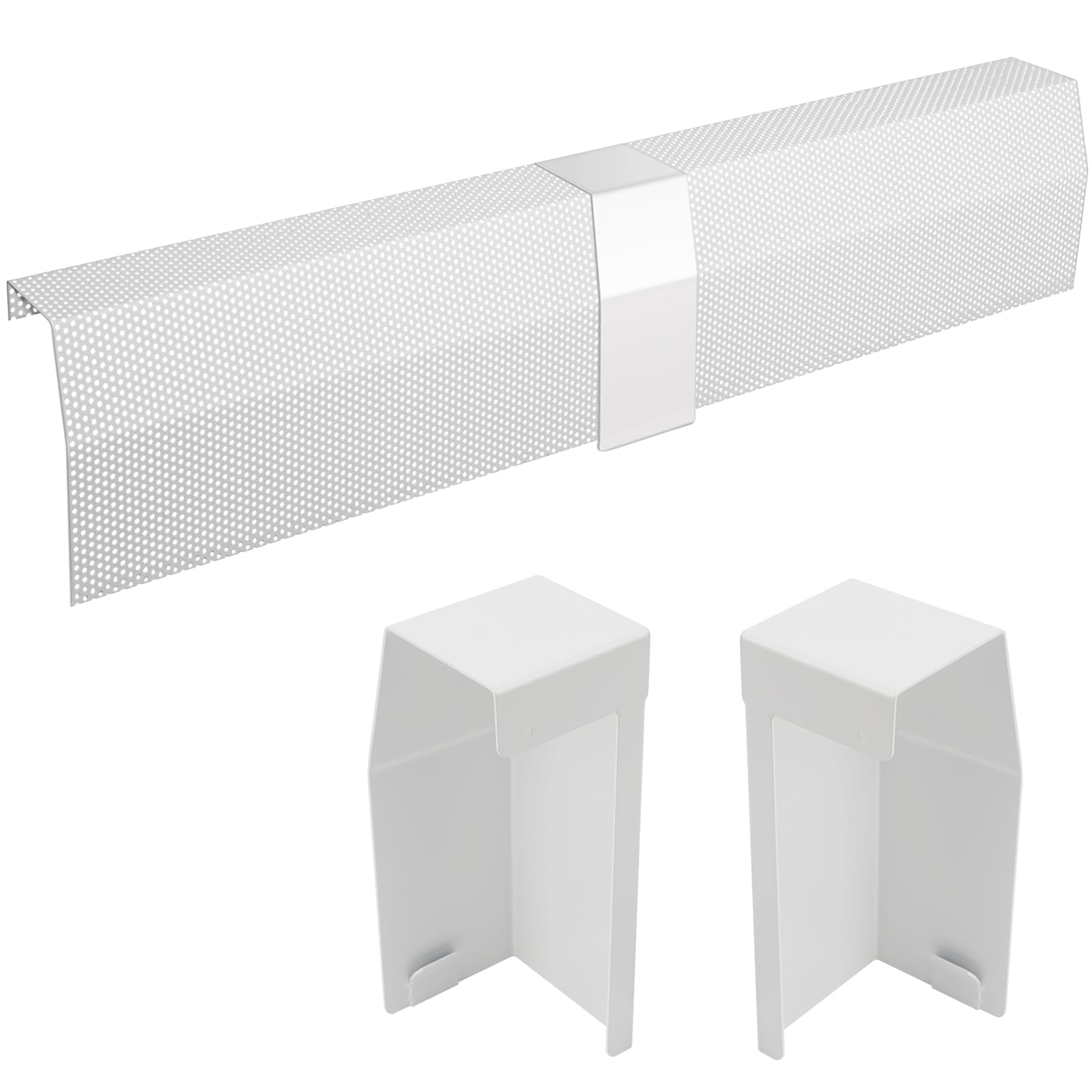
The SDSNTE 6ft cover uses 21-gauge steel with 16-gauge end caps, making it one of the thickest covers available at the lowest price point. The white stoving varnish finish provides a durable, scratch-resistant surface, and the two-piece construction (two 3-foot panels with a coupler) simplifies shipping and handling. The slip-on installation requires no tools — just slide it over the heating element and snap on the end caps.
Heat distribution is effective thanks to the full-length vent holes that allow convection airflow. The thicker steel resists bending during installation, though the two-piece design means the seam is visible if the panels are not perfectly aligned. Some buyers note the white finish leans slightly warm compared to pure white trim, so use this in rooms where the cover does not sit directly next to bright white baseboards.
If you need to update multiple rooms on a tight budget, the SDSNTE cover offers the best steel thickness per dollar in the 6-foot hydronic cover category. The 16-gauge end caps are a notable upgrade over the 22-to-24-gauge caps found on competitors, adding durability at the vulnerable corners where covers typically dent first.
Why it’s great
- 21-gauge steel with 16-gauge end caps provides exceptional durability.
- No-tools slip-on installation takes under 5 minutes per panel.
- Two-piece design is easier to handle during shipping and installation.
Good to know
- Two-piece construction leaves a visible seam at the midpoint.
- White finish has a slight warm tint — may not match pure white trim.
FAQ
Can I use a hydronic baseboard cover on an electric heater?
Does a 6-foot 1500-watt heater need a dedicated circuit?
How do I measure my old baseboard heater for a replacement cover?
Final Thoughts: The Verdict
For most users, the 6 baseboard heater winner is the Cadet 6F1500A because it combines US-made build quality, a low 6.25-amp draw on standard 240-volt wiring, and an all-metal powder-coated body that will outlast cheaper stamped-steel alternatives. If you want silent, rattle-free operation, grab the King 6K2415BW for its aluminum ribbon fin element. And for updating an old hydronic system without replacing the entire assembly, nothing beats the Baseboarders BC001-72 with its lifetime rust protection guarantee and tool-free installation.