
Our readers keep the lights on and my morning glass full of iced black tea. As an Amazon Associate, I earn from qualifying purchases.
Specs are compiled from manufacturer listings and verified buyer reviews and can change over time — please confirm the key details on the product page before buying.
Picking a 60-meter climbing rope is the biggest safety choice you will make before your next lead climb, top-rope session, or alpine trip. Get it wrong — a rope that is too stiff, too bouncy, or too heavy — and every belay feels awkward, every carry feels exhausting, and you replace gear too often. This guide looks at dynamic ropes (ropes designed to stretch and absorb fall energy) built for real use: ropes that feed smoothly through a Grigri (a popular assisted-braking belay device), catch a big whipper (a long, hard fall) with a soft catch, and still hold up after a season of rough rock.
I’m Min — the founder and writer behind Gadgets Feed. This guide is built by comparing the manufacturers’ published specifications and the patterns across verified customer reviews, so you get each pick’s real strengths and trade-offs instead of marketing spin.
After looking at diameter, weight, sheath construction (the woven outer layer), impact force ratings, and real-world buyer experiences, these five picks cover the honest range of the best 60 meter climbing rope options available now.
Quick Picks
- Petzl MAMBO 10.1mm 60M — Best Overall
- BLACK DIAMOND 9.9mm 60M — Premium Versatile
- Sterling VR9 9.8mm 60M — Lightest Pick
- X XBEN 10.5 mm 60M — Budget Champion
- MaxS 10mm Static Rope 60M — Rescue & Static Specialist
How To Choose The Best 60 Meter Climbing Rope
Choosing a 60m rope depends on balancing diameter, weight, and how you plan to climb. A thinner rope (around 9.8mm) is lighter and feeds through quickdraws faster, but it wears out more quickly on gritty rock. A thicker rope (10.5mm) is tougher and easier to grip when you are lowering off, but it is noticeably heavier to carry up a multi-pitch route. For most gym and single-pitch sport climbers, a 9.9mm or 10.1mm diameter hits the balance between handling and longevity. The UIAA fall rating (the number of severe lab-test falls a rope survives) tells you how many big falls the rope can handle: look for at least 5 falls for a rope that will see regular use. Impact force (measured in kilonewtons, or kN) tells you how hard a fall will yank on your harness and gear — a lower number, like 8.8 kN, means a softer catch that is easier on your body and your protection.
Dynamic vs. Static Rope: Why It Matters for Lead Climbing
A dynamic rope is designed to stretch under load, absorbing the energy of a fall so your body and gear do not take the full shock. A static rope (often used for rappelling or hauling bags) stretches very little, which means a fall onto a static rope could seriously injure you. Most picks on this list are dynamic single ropes, certified to UIAA (International Climbing and Mountaineering Federation) and EN 892 (European safety standard) standards, so you get the stretch that keeps a leader fall from turning into a major impact injury. The MaxS is the exception: it is a static rope for rescue, hauling, rappelling, and fixed-line use, not lead climbing.
Sheath Construction and Durability Realities
The sheath is the woven outer layer that protects the core from abrasion. A higher sheath percentage (like 35% on the Sterling VR9) generally means tougher wear resistance against sharp rock, but a thicker sheath also makes the rope stiffer and slightly heavier. Some ropes come with a dry treatment that resists water and dirt absorption — this matters if you climb in wet conditions or on gritty sandstone where dirt accelerates wear. One common buyer complaint across multiple rope brands is sheath slippage, where the outer layer shifts relative to the core over time. That is a sign the rope is approaching the end of its safe service life. Check your sheath regularly, and retire the rope if you see visible bunching or a soft, mushy core.
Quick Comparison
On smaller screens, swipe sideways to see the full table.
| Model | Best For | Diameter | Weight | Impact Force | Amazon |
|---|---|---|---|---|---|
| Petzl MAMBO 10.1mm | Tough gym & crag workhorse | 10.1 mm | 9.9 lbs (4.5 kg) | — | $229.95$249.95Amazon |
| BLACK DIAMOND 9.9mm | All-around sport & trad climber | 9.9 mm | ~4.5 lbs | — | $196.53Amazon |
| Sterling VR9 9.8mm | Soft catch & dry-core performance | 9.8 mm | 4 lbs | 8.8 kN | $189.99Amazon |
| X XBEN 10.5mm | Budget all-rounder for top-roping & hauling | 10.5 mm | 10.28 lbs | — | $109.99Amazon |
| MaxS Static 10mm | Rescue, hauling & rappel lines | 10 mm | 9.26 lbs | — | $189.99Amazon |
In‑Depth Reviews
1. Petzl MAMBO 10.1mm 60M
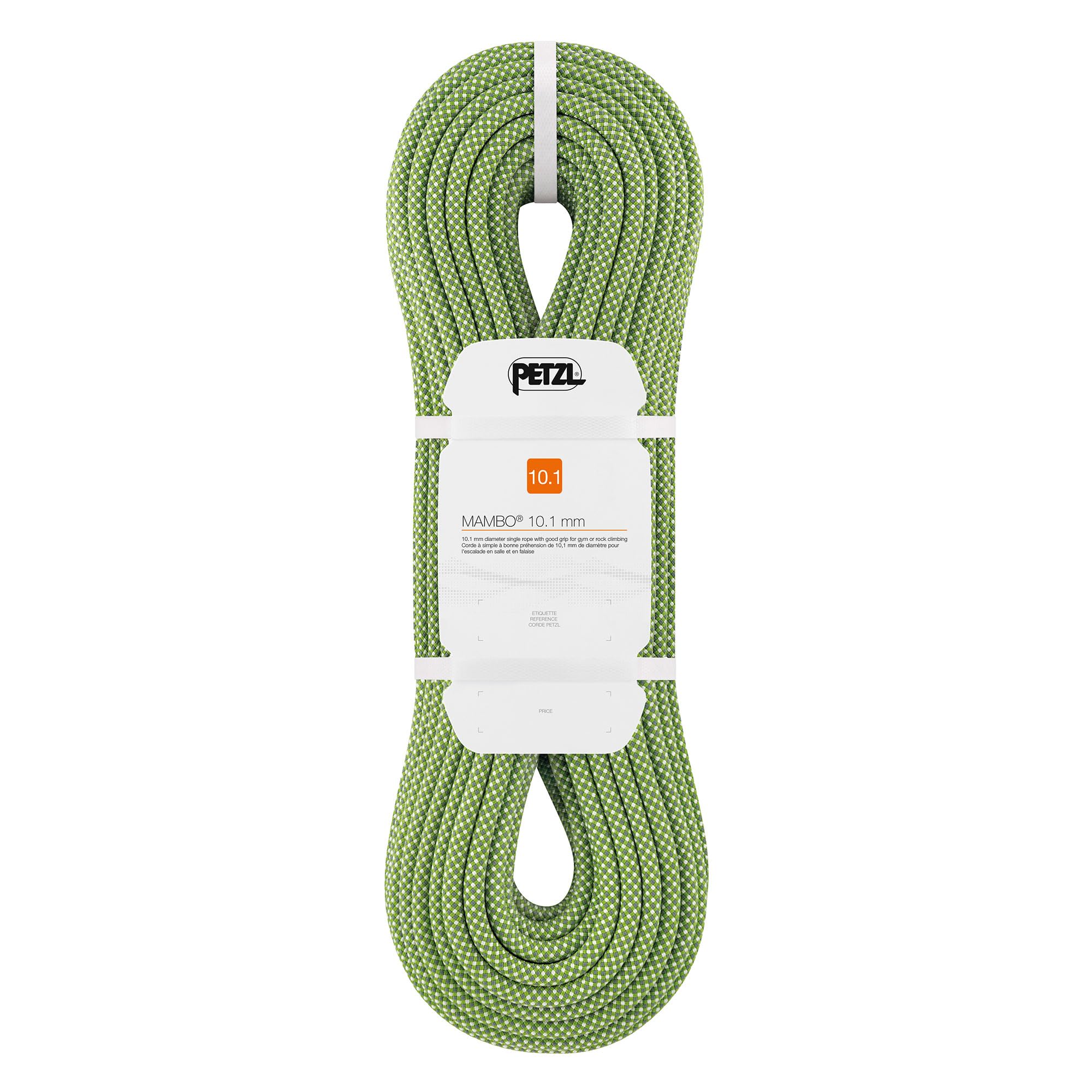
The Petzl MAMBO is built for climbers who do not baby their gear. Its 10.1 mm diameter is thick enough to shrug off repeated falls on rough gym edges and gritty crag rock, and Petzl’s EverFlex treatment — a specific thermal process that stabilizes the core strands — keeps the rope supple and consistent over months of use. The ClimbReady Coil means you can uncoil it and start climbing immediately without fighting memory kinks that make the first couple of belays a hassle. It weighs 9.9 lbs (4.5 kg) versus the Sterling VR9 at 4 pounds, so you feel that weight on approaches, but for gym and single-pitch sport climbing, this toughness pays off.
Buyers report that the MAMBO works well with every belay device they own and that the 40-carrier sheath (the number of interwoven strands) gives you a reassuring grip when lowering off. At 9.9 pounds (4.5 kg), it is heavier than thinner ropes like the Sterling VR9 (4 lbs), so it is not the best choice if you are carrying it up a long alpine approach. But for gym sessions, single-pitch sport climbing, and any scenario where durability matters more than pack weight, this rope is built to last. The UltraSonic Finish bonds the core and sheath at both ends to prevent fraying — a detail that adds longevity to a rope that already feels like a tank. The MAMBO is the pick for someone who wants one rope for years of hard use and does not care about saving a few ounces on the trail.
The Tough Stuff
- Exceptional abrasion resistance from the 10.1 mm thick sheath
- EverFlex thermal treatment keeps handling consistent over time
- ClimbReady Coil eliminates annoying first-use memory issues
The Trade-Off
- Heavier than thinner dynamic ropes at 9.9 lbs (4.5 kg) versus the Sterling VR9 at 4 pounds
- No published impact force or UIAA fall count in the specs
Who it fits: The climber who wants one rope for the gym and the crag and values longevity over a few saved ounces. If you pack for alpine approaches, the Sterling VR9’s lighter weight makes more sense.
2. BLACK DIAMOND 9.9mm 60M

BLACK DIAMOND’s 9.9 mm is arguably the most versatile diameter on the market — thick enough to resist fraying on sharp rock and thin enough to feed smoothly through a Grigri or ATC (a standard tube-style belay device) without snagging. One buyer new to climbing said they were right to pick this as their first rope, praising its halfway marker, the secure bite from belay devices, and the fact that it rarely snags while clipping. The sheath resists fraying well, and the rope holds knots cleanly without excessive stiffness.
The 9.9 mm sits in a smart middle ground compared to other picks in this guide. It is more durable than the thinner Sterling VR9 (9.8 mm) for everyday gym and rock use, while still being lighter and more nimble than the Petzl MAMBO (10.1 mm) or the X XBEN (10.5 mm). Buyers describe it as “supple” and “smooth,” with a consistent feel through belay devices. This is the rope to grab if you want a single line that handles indoor training, outdoor sport projects, and trad climbs without excelling at any one thing — it covers every base reliably. It skips a dry-core treatment, so the Sterling VR9 handles moisture better for wet or sandy conditions.
The balanced choice: Does everything well — feeds smoothly, resists wear, and feels trustworthy from the start.
The honest gap: No dry-core treatment is mentioned in the specs, so if you climb in wet or abrasive sandy conditions regularly, the Sterling VR9’s Drycore technology may handle moisture better over the long haul.
Reach for this if: You are building your first rope rack or you want a dependable all-rounder that ages well while staying affordable. It is the smarter pick over the Petzl MAMBO if you want a lighter rope that still feels durable enough for mixed use.
3. Sterling VR9 9.8mm 60M
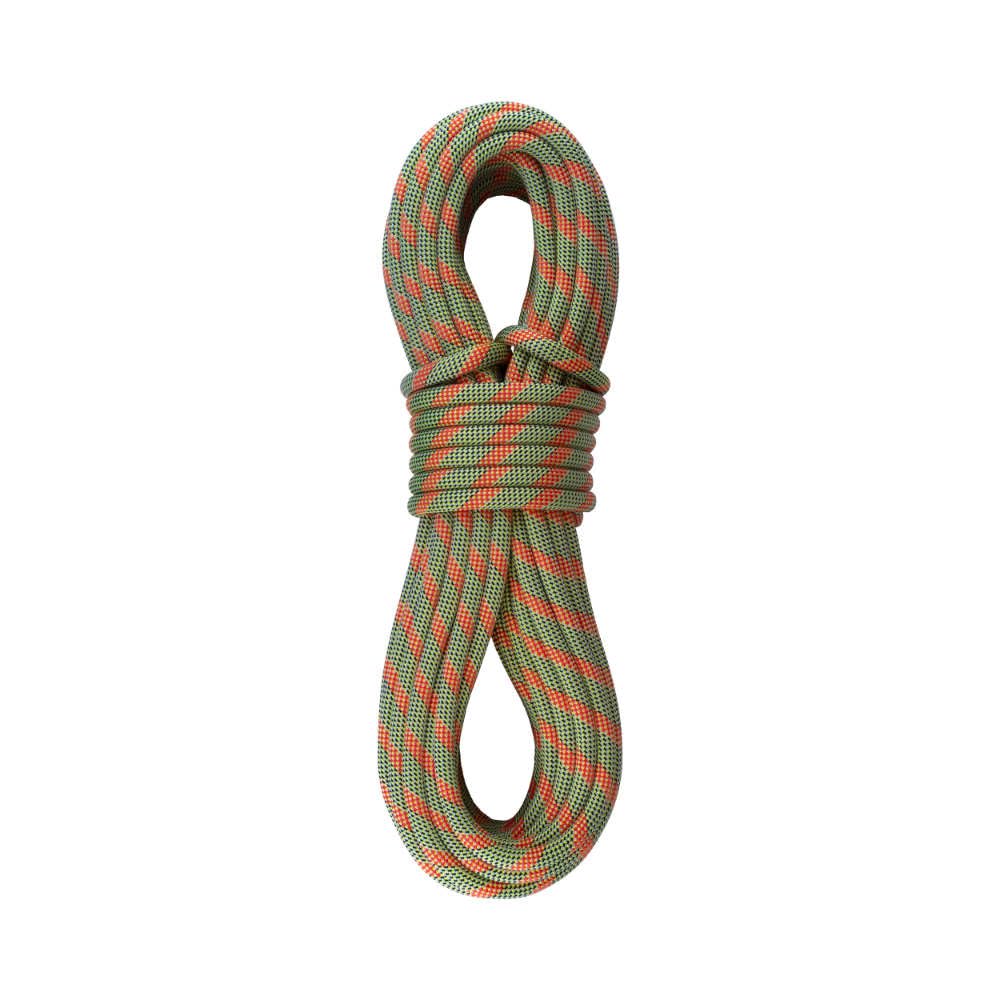
At 4 pounds, the Sterling VR9 is much lighter than the X XBEN 10.5 mm at 10.28 pounds, and you feel that difference on every long approach and every carry to the crag. The 9.8 mm diameter is the thinnest in this lineup, and it clips through quickdraws with minimal resistance. Sterling’s Drycore technology (a treatment applied to the core fibers to repel moisture and dirt) prevents moisture absorption and particle abrasion, making this rope a strong choice for wet or gritty environments. With an impact force of 8.8 kN (kilonewtons — a unit of force; lower means a softer catch) and a dynamic elongation (the amount the rope stretches during a fall) of 26.4%, the VR9 delivers a noticeably soft, forgiving catch that is easier on your body and your gear placements. It is rated for 6 UIAA falls, giving you a strong safety margin for regular use.
The catch, based on buyer reports, is durability. One reviewer noted sheath slippage and a soft core after less than three years of gym-only use (1-2 outings per month), and Sterling denied the warranty claim, citing gym use as “extensive use.” The sheath percentage is 35%, which is high, but the thin diameter naturally accelerates wear compared to a 10.1 mm or 10.5 mm rope. If you climb primarily on sharp rock or in the gym multiple times per week, you may find the VR9’s lifespan shorter than a beefier rope like the Petzl MAMBO. Buyers also note the VR9 handles well through whippers and that the middle mark is a helpful reference. This rope is for trad or multi-pitch climbers who prize a light pack and a soft catch over maximum longevity.
The Lightweight Advantage
- Only 4 lbs — the lightest rope in the guide, versus 10.28 lbs for the X XBEN 10.5 mm
- Drycore technology repels moisture and dirt
- 8.8 kN impact force gives a soft, body-friendly catch
- 6 UIAA falls rated
The Durability Concern
- Owners mention sheath slippage and core softening in gym-only use under 3 years
- Thin 9.8 mm diameter wears faster on rough rock than 10.1 mm or 10.5 mm ropes
Perfect for: Trad climbers and multi-pitch enthusiasts who prioritize a lightweight pack and a soft catch over raw durability. skip it if you climb weekly in the gym or on gritty sandstone — the BLACK DIAMOND 9.9 mm will last longer under that abuse.
4. X XBEN 10.5 mm 60M
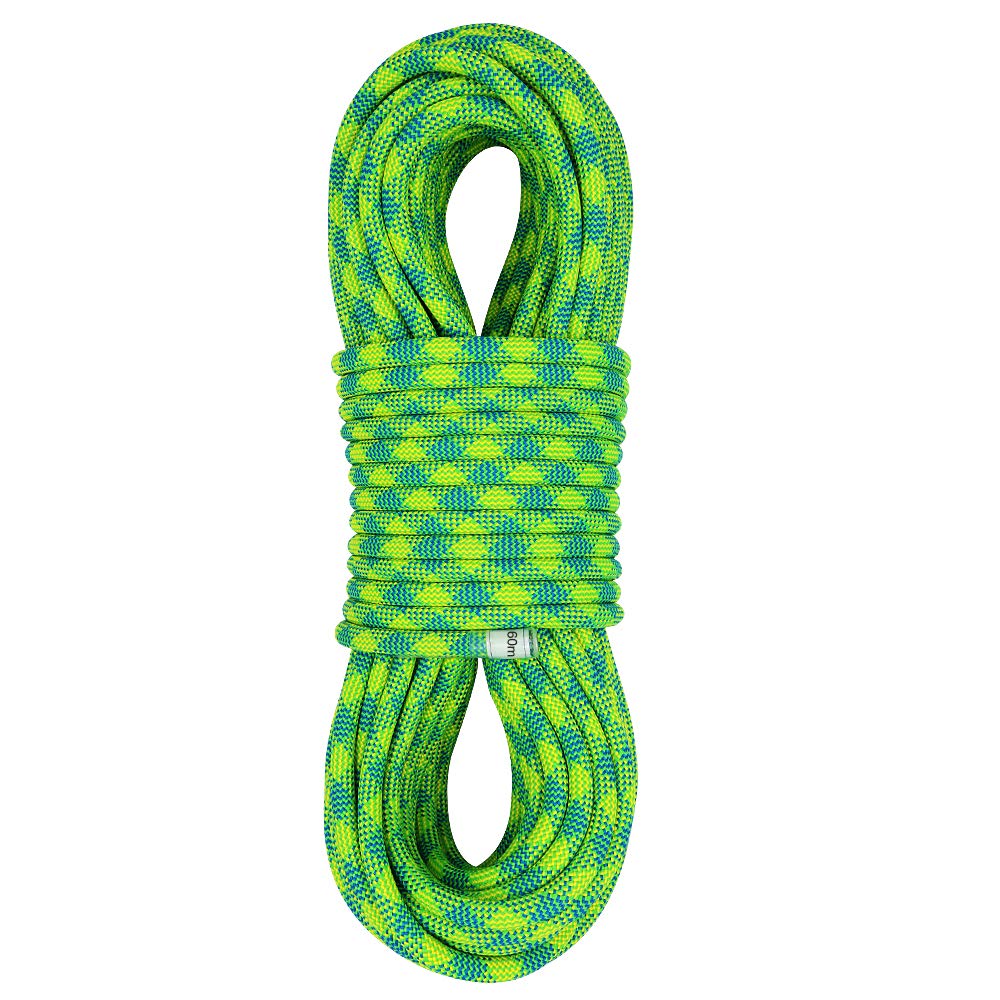
The X XBEN 10.5 mm is the budget-friendly entry into dynamic 60m ropes. Its 10.5 mm diameter is the thickest on this list, which means it is tough, easy to grip during lowering, and very resistant to sheath damage on sharp edges. The breaking strength is rated at 25 kN (well above UIAA requirements), and the rope is CE certified to EN 892 safety standards. For new climbers or anyone using a rope primarily for top-roping, rappelling, tree work, or general safety lines, this rope offers excellent value for the price — far more affordable than the Petzl MAMBO or BLACK DIAMOND while still being a certified dynamic rope.
Customers note some quirks worth noting. One 130-pound climber said there was little to no bounce or stretch, and that the rope is very flexible — but other users mention the rope tends to coil during lowering, causing jerky drops, and that its rigidity may cause knots to loosen. The weight is the biggest trade-off: at 10.28 pounds versus 4 pounds for the Sterling VR9, you feel every meter when hauling it up a multi-pitch route. It is better suited for gym top-roping, fixed lines, and scenarios where the extra weight is not a burden. If you plan to lead climb, the BLACK DIAMOND 9.9 mm feeds far better through a belay device.
Good for the Budget
- Very affordable for a CE-certified 60m dynamic rope
- Thick 10.5 mm diameter provides excellent durability and easy grip
- 25 kN breaking strength is well above minimum safety standards
Real-World Shortfalls
- Heavy at 10.28 lbs versus 4 lbs for the Sterling VR9
- Reviewers point out jerky lowering due to coiling; knots may loosen due to stiffness
- Not ideal for lead climbing where a soft catch and smooth feed matter most
The value move: A safe, certified dynamic rope for beginners or for non-lead use like top-roping, tree work, or rescue at a fraction of the price of premium picks. It is the rope to buy when you need something safe and cheap, knowing it will not handle like the BLACK DIAMOND or Sterling.
5. MaxS 10mm Static Rope 60M

A static work rope for rescue, hauling, and rappelling — not for leading.
The MaxS 10 mm static rope is fundamentally different from the other picks: it is a static (low-stretch) rope designed for rescue operations, altitude work, rappelling, and hauling heavy loads. With a max tensile force of 24 kN (about 2.4 tons), it is very strong, and the polyester sheath is tightly woven to resist dirt and abrasion. At 9.26 pounds, it is heavy, though slightly lighter than the X XBEN 10.5 mm dynamic rope (10.28 lbs). It is the rope to buy if you are a Scout leader teaching basic knots, a tree climber setting a fixed line, or a rescue team member who needs a static rope for technical lowering. One buyer mentioned it comes with a storage bag, which is convenient for keeping it organized.
A key buyer warning: the rope sheath tends to bunch up inside belay devices, which becomes annoying if you try to use it through a standard belay plate or GriGri. Another buyer described it as “mediocre” compared to their Sampson Predator rope, noting the bunching issue appeared after only a few uses. For any climbing that involves a dynamic catch, choose the Petzl MAMBO or BLACK DIAMOND instead.
For Its Actual Job
- Strong static construction with 24 kN max tensile force
- Polyester sheath is dirt-resistant and easy to clean
- Comes with a storage bag for organization
Not for Climbing
- Bunching sheath inside belay devices reported by multiple buyers
- Static rope — never use for lead climbing; no dynamic stretch means a fall is dangerous
- Heavier than dynamic ropes designed for climbing (9.26 lbs)
Best used for: Rescue, rappelling, fixed lines, tree climbing, or as a teaching rope for knot practice — any scenario that needs a low-stretch strong line. Do not buy this if you plan to lead climb or even top-rope with a dynamic belay — a static rope is dangerous for that purpose.
Understanding the Specs
Diameter & Sheath Percentage
Diameter is the most visible spec on a climbing rope, but it only tells part of the story. A 10.5 mm rope like the X XBEN is tougher and grips better in your hands, but it also feeds slower through quickdraws and is noticeably heavier. A 9.8 mm rope like the Sterling VR9 is lighter and faster, but the thinner sheath means it wears faster on rough rock. The sheath percentage (the proportion of the total rope weight made up by the outer layer) is a deeper durability signal: a higher percentage, like 35% on the Sterling VR9, suggests a thicker, wear-resistant outer layer relative to the core. But even a high sheath percentage cannot fully compensate for a thin diameter when you are scraping across sharp sandstone every weekend.
Impact Force & UIAA Falls
Impact force (measured in kilonewtons, kN) tells you how hard the rope pulls on your harness and gear during a fall. A lower number like 8.8 kN (Sterling VR9) means a softer, more forgiving catch — easier on your body and on marginal protection pieces. A higher number means a harsher catch that could rip gear or strain your back. UIAA falls refers to how many severe falls the rope can survive in a standardized lab test before failing. Ropes rated for 6 or more falls are built for regular abuse. While breaking strength (like 25 kN on the X XBEN) sounds impressive, it is the impact force and the fall count that tell you how the rope behaves when you actually whip on it — breaking strength by itself is a relative spec that almost every dynamic rope meets.
FAQ
Can I use a static rope for lead climbing?
How do I tell when my climbing rope is worn out and needs replacing?
What is the difference between a 9.8 mm and a 10.5 mm rope for an average climber?
Does a dry-treatment rope really matter if I only climb in the gym?
How many UIAA falls should a good 60m climbing rope handle?
What does a middle mark do, and why should I care?
Can I use a 60m rope for any type of climbing, or do I need different lengths?
What causes sheath slippage, and how do I check for it?
Is a thicker rope always safer?
Final Thoughts: The Verdict
For most climbers, the best 60 meter climbing rope winner is the Petzl MAMBO 10.1mm because it delivers the best balance of durability, handling, and daily toughness for gym and crag use. If you want a lightweight rope for long approaches and trad climbing, grab the Sterling VR9 9.8mm. And for a reliable all-rounder that makes a perfect first rope, the standout is the BLACK DIAMOND 9.9mm.
How We Picked
We do not accept paid placement, and we did not hands-on test every unit. Instead, we match each pick to a real buyer and use-case by comparing the manufacturers’ published specifications against the patterns in verified customer reviews — so you get each pick’s real strengths and trade-offs instead of marketing copy.
Sources & Methodology
Specifications: manufacturer listings and product documentation. Review insights: verified customer reviews, as of July 2026. Pricing: not shown on this page (it changes often); check the current price via the retailer link.
As an Amazon Associate, Gadgets Feed earns from qualifying purchases. This does not affect which products we feature.
Product prices and availability are accurate as of the date/time indicated and are subject to change. Any price and availability information displayed on Amazon at the time of purchase will apply to the purchase of this product. As an Amazon Associate I earn from qualifying purchases.
CERTAIN CONTENT THAT APPEARS ON THIS SITE COMES FROM AMAZON. THIS CONTENT IS PROVIDED "AS IS" AND IS SUBJECT TO CHANGE OR REMOVAL AT ANY TIME.
Amazon and the Amazon logo are trademarks of Amazon.com, Inc. or its affiliates.