
A 65-inch screen is the sweet spot for most living rooms, but the gulf between an entry-level panel and a premium Mini-LED or QLED set has never been wider. The wrong choice here means washed-out blacks during dark scenes, motion blur during fast sports, or a smart interface that slows to a crawl within months. A serious buyer needs to look past the sticker and focus on the dimming zones, refresh rate, and processor power that define long-term satisfaction.
I’m Min — the co-founder and writer behind Gadgets Feed. I’ve analyzed deep-market shifts and technical specifications across hundreds of TV models, from budget Fire TV implementations to Sony’s XR-driven Mini-LEDs, to build a guide that separates genuine performance from marketing noise.
This guide cuts through the noise to help you find the right 65 inch 4k tv based on real-world benchmarks and user experience, not just retail hype.
How To Choose The Best 65 Inch 4K TV
Navigating the modern TV landscape requires understanding which hardware specs translate to real viewing pleasure. A 65-inch panel is a large investment, so focus on these three pillars to make the right decision.
Panel Technology and Local Dimming
Standard LED edge-lit TVs offer poor contrast in dark rooms — blacks appear gray. Mini-LED backlighting with hundreds or thousands of local dimming zones delivers deep, inky blacks and bright highlights without the burn-in risk of OLED. For mixed-use rooms with ambient light, a Mini-LED or QLED panel is the most practical choice. The higher the zone count, the more precise the control over light bloom.
Refresh Rate and Motion Handling
Native 60Hz panels handle casual streaming and news fine, but fast-paced sports and console gaming benefit from a native 120Hz or 165Hz panel. A higher refresh rate reduces motion blur and allows for smoother panning shots. Combined with Variable Refresh Rate (VRR) and HDMI 2.1 ports, you get tear-free gameplay at high frame rates — essential for PlayStation 5 or Xbox Series X owners.
Smart Platform and Processor Power
The operating system determines your daily experience. Google TV offers broad app support and voice control, while Roku provides a snappy, ad-heavy interface. Fire TV is feature-rich but can feel sluggish on lower-end hardware. More important than the OS is the processor — a TV with a weak chip will lag, buffer, and fail to upscale HD content effectively. Look for AI-powered processors like Sony’s XR or TCL’s AIPQ Pro for better real-time image enhancement.
Quick Comparison
On smaller screens, swipe sideways to see the full table.
| Model | Category | Best For | Key Spec | Amazon |
|---|---|---|---|---|
| TCL QM7K Series | Premium | Bright rooms & gaming | LD2500 Mini-LED zones | Amazon |
| Hisense U8 Series | Premium | Home theater with 4.1.2 sound | 5600 dimming zones | Amazon |
| Hisense U7 Series | Premium | Anti-glare & sports | Native 165Hz panel | Amazon |
| TCL QM8K Series | Premium | Highest brightness near-OLED | 5000 nits peak brightness | Amazon |
| Sony BRAVIA 5 | Premium | AI upscaling & PS5 synergy | XR Processor with AI | Amazon |
| Samsung Neo QLED QN70F | Premium | AI upscaling & sleek design | NQ4 AI Gen2 20 neural networks | Amazon |
| TCL T7 Series | Mid-Range | 120Hz gaming on a budget | 144Hz native refresh rate | Amazon |
| Sony BRAVIA 2 | Mid-Range | PS5 without premium spend | 4K Processor X1 | Amazon |
| Roku Plus Series | Mid-Range | Easiest OS & built-in subwoofer | Mini-LED QLED combo | Amazon |
| Panasonic W70 Series | Budget | Fire TV ecosystem on a budget | MEMP smooth motion | Amazon |
| Sony BRAVIA 7 85″ | Premium | Massive screen, Sony processing | XR Backlight Master Drive | Amazon |
In‑Depth Reviews
1. TCL QM7K Series (65QM7K)
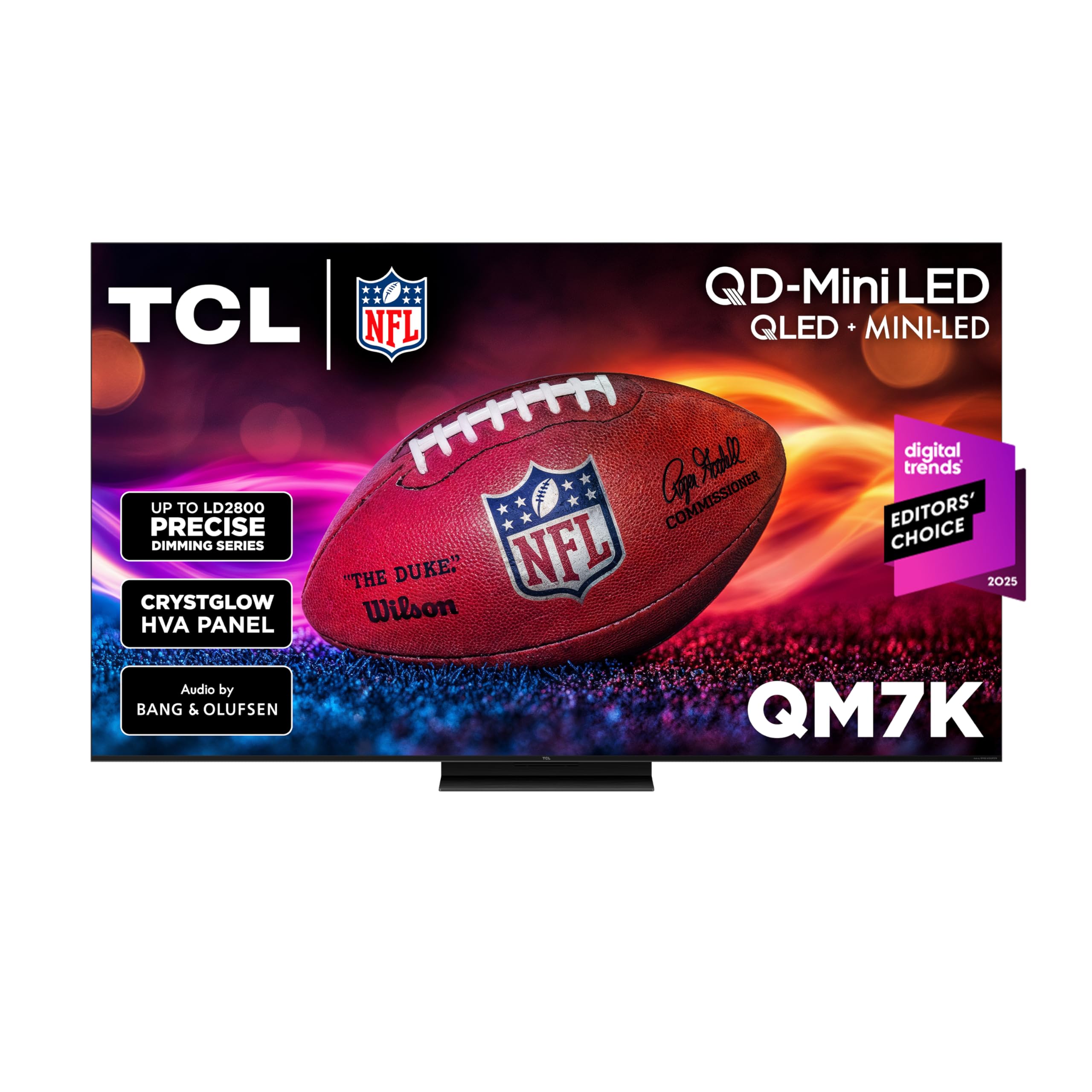
The TCL QM7K is the most balanced premium performer for 2025, combining a QD-Mini LED panel with up to 2500 local dimming zones. This configuration delivers near-OLED black levels with significantly higher brightness — ideal for living rooms with windows or ambient light. The 144Hz native refresh rate and 288Hz variable refresh rate ensure butter-smooth motion in sports and competitive gaming, with minimal halo artifacts thanks to TCL’s Halo Control System.
Real-world picture quality is striking: HDR highlights punch well above the price tier, and the CrystGlow HVA panel effectively reduces reflections. The built-in Onkyo audio is adequate for casual viewing, but pairing with a soundbar unlocks the full potential of Dolby Atmos content. The Google TV interface is responsive, though the included remote feels cheap compared to the TV’s build quality.
For a family room used for a mix of streaming, sports, and 4K gaming, the QM7K delivers performance that rivals sets costing significantly more. The high zone count eliminates the blooming that plagues lesser Mini-LED TVs, making it a standout choice for dark room movie nights without sacrificing daytime watchability.
Why it’s great
- High 2500 local dimming zones for deep contrast
- 144Hz native panel with VRR up to 288Hz
- Excellent anti-reflective coating
Good to know
- Stock speakers are mediocre
- Cheap-feeling remote control
- Google TV has some bloatware
2. Hisense U8 Series (65U8QG)
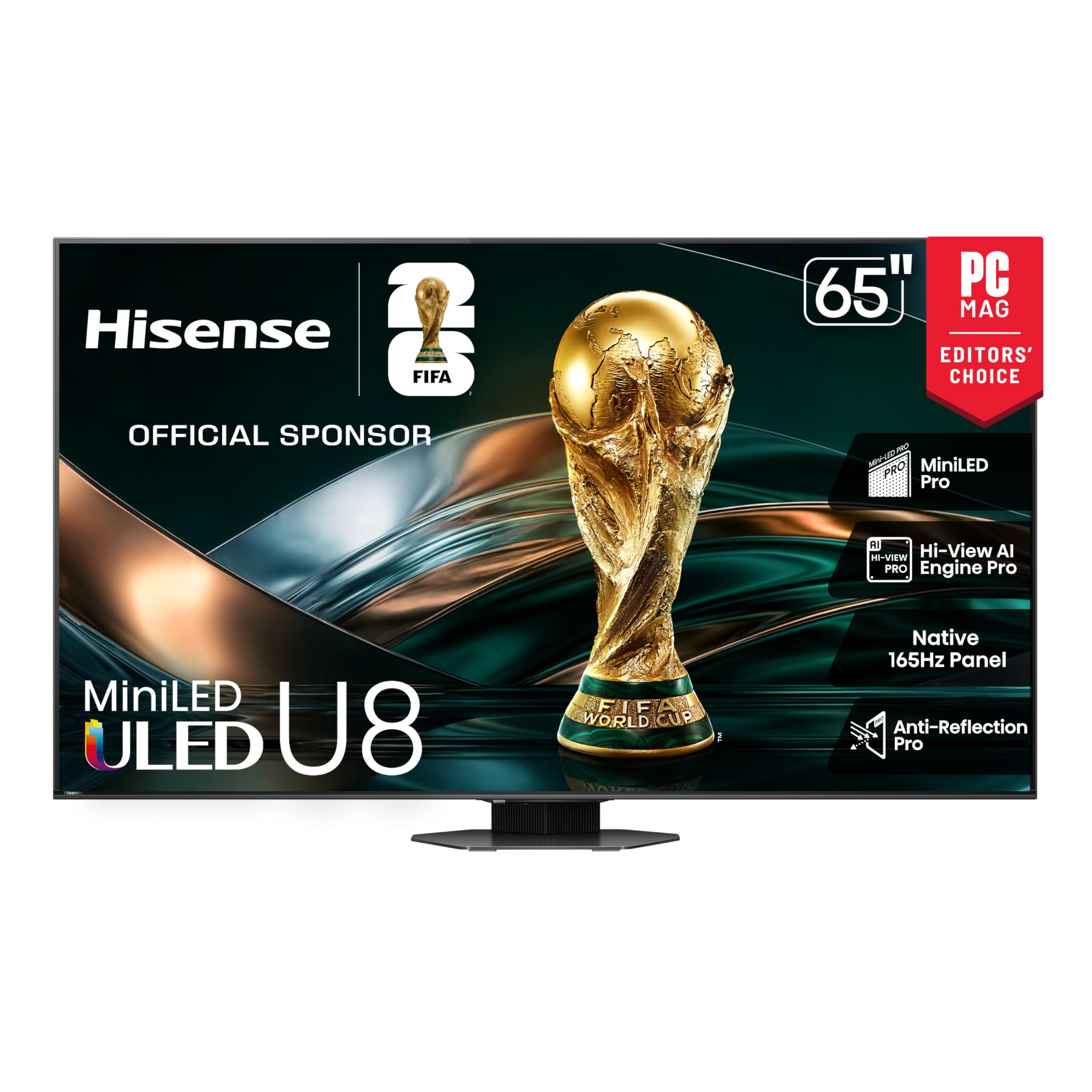
The Hisense U8 represents the most aggressive spec sheet in its price bracket, featuring up to 5600 local dimming zones and a peak brightness of 5000 nits. This combination yields staggering HDR performance — specular highlights in movies like “Blade Runner 2049” are searingly bright while shadows remain absolute black. The native 165Hz panel with VRR 288 makes it a monster for fast-paced PC and console gaming, with AMD FreeSync Premium Pro support eliminating screen tearing.
Audio is a major differentiator here: the built-in 4.1.2 channel system with two up-firing speakers creates a genuinely immersive soundstage without a soundbar. Dialogue is clear, and the integrated subwoofer adds weight to explosions and soundtracks. The Anti-Reflection Pro coating handles bright rooms effectively, though the panel is not quite as effective as the TCL QM8K in direct sunlight.
The primary drawback reported by some users is software reliability — occasional system freezes requiring a factory reset have been noted. However, when working correctly, the Google TV interface is fast and feature-rich. For the home theater enthusiast who wants cinematic picture and sound from a single package, the U8 is a powerhouse.
Why it’s great
- Extreme 5000 nit peak brightness
- 5600 dimming zones for micro-contrast
- Powerful 4.1.2 integrated sound system
Good to know
- Software bugs reported by some
- Heavy unit, requires sturdy stand
- Remote control is basic
3. Hisense U7 Series (65U7SG)
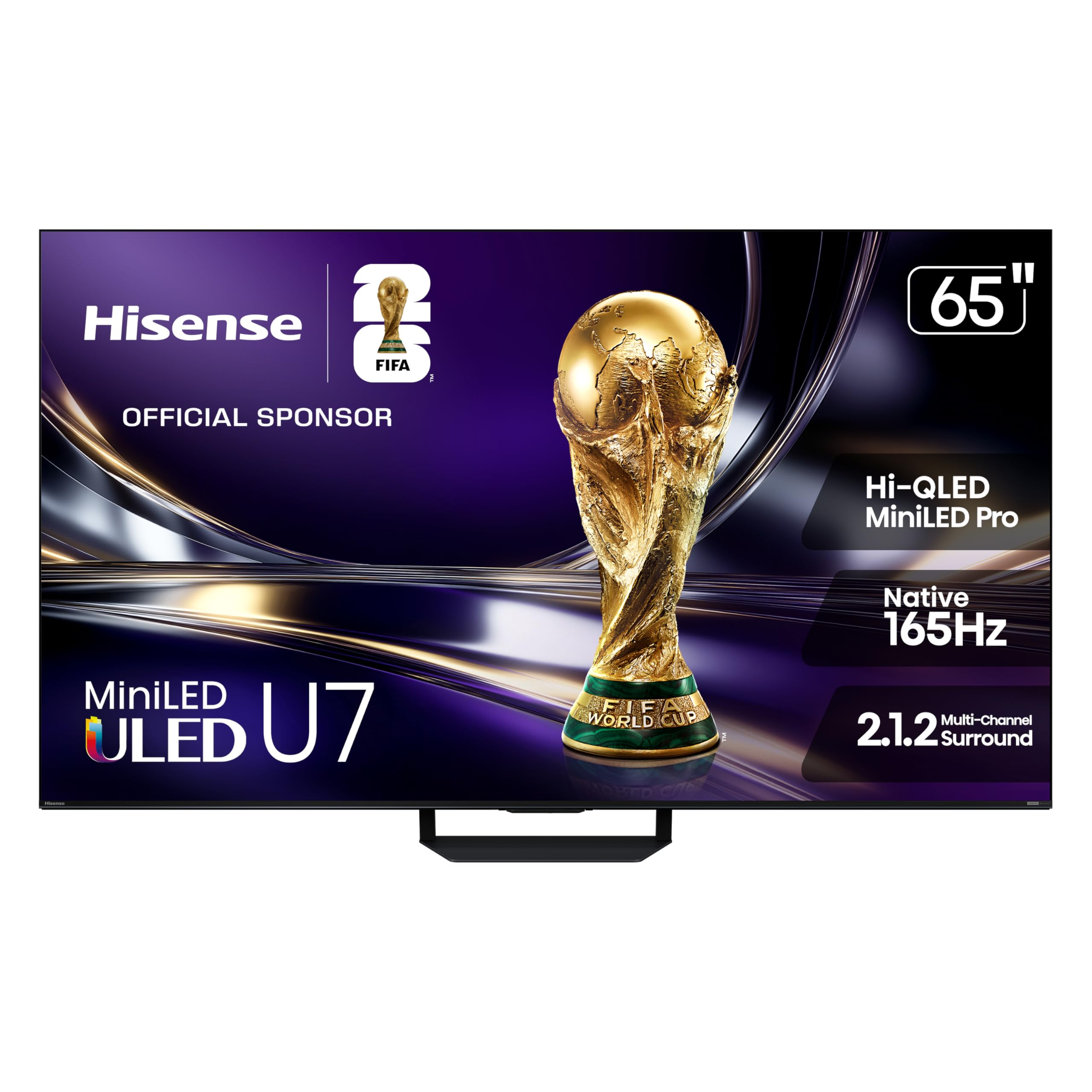
The Hisense U7 is built for bright rooms. Its dual-layer anti-glare screen treatment virtually eliminates reflections from windows and overhead lights, maintaining contrast and detail where other TVs wash out. The native 165Hz panel with up to 3000 local dimming zones and 3000 nits peak brightness ensures smooth motion and punchy HDR highlights, even in challenging lighting.
Gamers will appreciate the low input lag and the high refresh rate, which pairs well with both PC and console titles. The Hi-QLED MiniLED Pro delivers vibrant colors across the DCI-P3 spectrum, and the Hi-View AI Engine Pro continuously optimizes picture settings based on content. The built-in 2.1.2 channel audio is decent but doesn’t rival the U8’s system — a soundbar is recommended for serious movie watching.
Setup is straightforward with Google TV, and the remote is functional if not premium. For buyers who place their TV in a sun-drenched living room or a patio area, the U7’s reflection handling is a genuine game-changer. It sacrifices some contrast extremeness compared to the U8 but gains day-long usability.
Why it’s great
- Exceptional anti-glare for bright rooms
- Native 165Hz with VRR 330
- 3000 nits peak brightness
Good to know
- Built-in audio is average
- Not as many dimming zones as U8
- Glare-free coating narrows viewing angle
4. TCL QM8K Series (65QM8K)
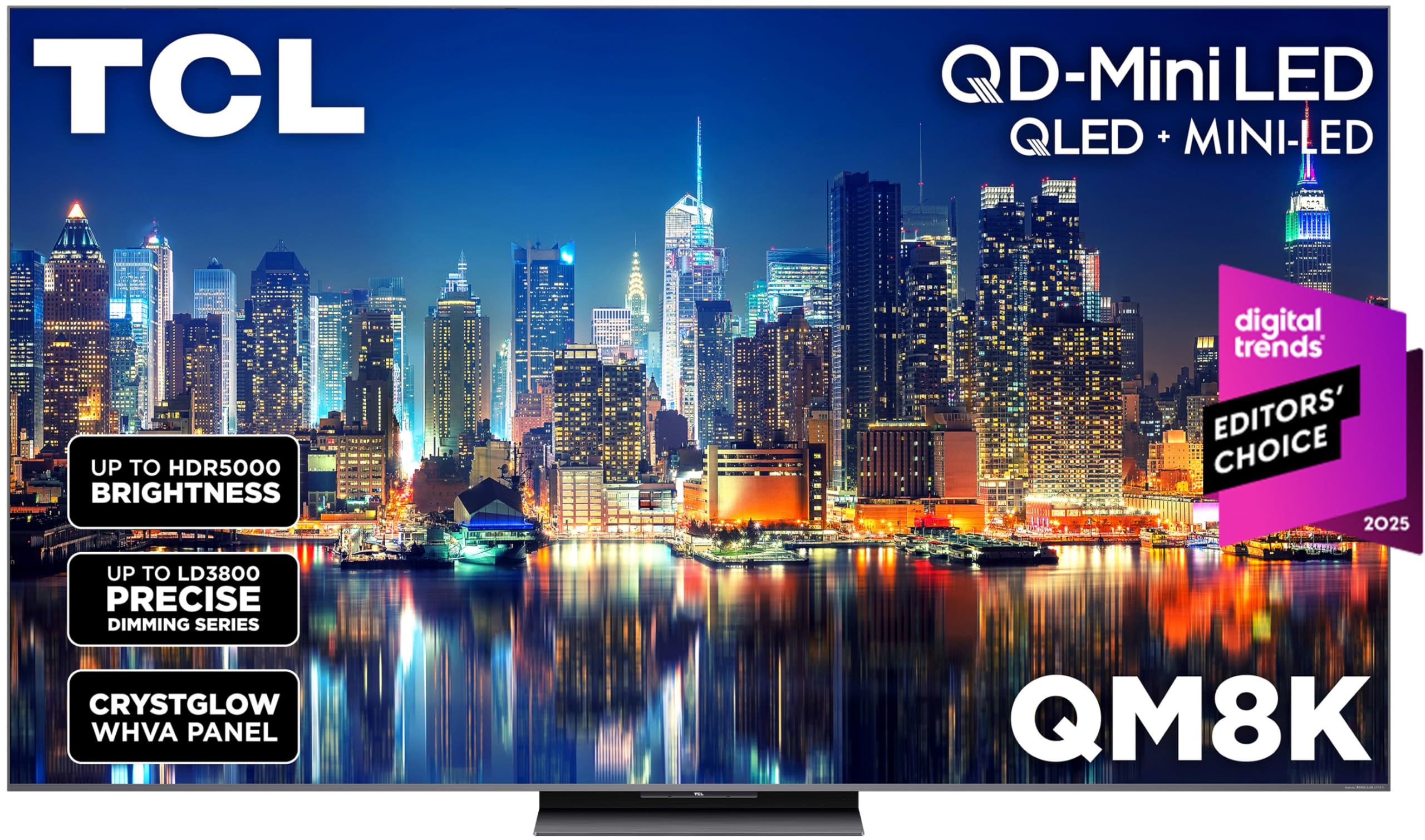
The TCL QM8K is the pinnacle of TCL’s 2025 lineup, pushing peak brightness to 5000 nits — enough to make HDR content look dazzlingly realistic. The QD-Mini LED panel with the Halo Control System manages blooming exceptionally well, producing near-OLED contrast in a package that can fill a bright room with light. The 144Hz panel and 288Hz Game Accelerator make it a top choice for high-frame-rate gaming.
The CrystGlow WHVA panel provides wide viewing angles and an anti-reflective finish that works well in most lighting conditions. Built-in Bang & Olufsen-tuned speakers deliver clear audio with decent bass, though purists will still want a dedicated sound system. The Google TV interface is smooth, and the backlit premium voice remote is a nice touch over the standard QM7K remote.
Where the QM8K truly shines is in its ability to balance extreme brightness with controlled contrast. Blacks remain deep even when bright objects are on screen, thanks to the high zone count. For buyers who want the most visually arresting HDR experience without moving to OLED, the QM8K is the benchmark.
Why it’s great
- 5000 nits for spectacular HDR
- Excellent blooming control
- Backlit premium remote included
Good to know
- Premium price within TCL lineup
- Some apps (Hulu) have reported sync issues
- Heavy panel needs strong wall mount
5. Sony BRAVIA 5 (K-65XR50)

Sony’s BRAVIA 5 leverages the XR Processor with AI to deliver the best upscaling in the business. Low-bitrate streaming on Netflix or YouTube is cleaned up with astonishing effectiveness — lost texture and detail are restored, making compressed content look sharper and more natural than on any competitor. The Mini-LED panel, controlled by XR Backlight Master Drive, provides excellent brightness and contrast with minimal blooming.
PlayStation 5 owners get exclusive perks: Auto HDR Tone Mapping and Auto Genre Picture Mode automatically optimize settings for gaming and streaming. The built-in Sony Pictures CORE app includes free movie credits, including IMAX Enhanced titles. The Google TV interface is fluid, and the tool-free leg installation makes setup a breeze.
The main compromise is audio — while clear and adequate, the built-in speakers don’t match the immersive 4.1.2 system of the Hisense U8. Additionally, only two of the four HDMI ports support HDMI 2.1. For buyers who watch a mix of 4K Blu-rays and streaming content and want the best possible image processing, the BRAVIA 5 is a top-tier choice.
Why it’s great
- Best-in-class AI upscaling for streaming
- Seamless PS5 integration
- Superior motion clarity with XR Motion Clarity
Good to know
- Only 2 HDMI 2.1 ports
- Built-in audio is average
- Premium price point
6. Samsung Neo QLED QN70F

Samsung’s QN70F combines Mini-LED backlighting with the NQ4 AI Gen2 processor, which uses 20 neural networks to upscale content to near-4K quality. The Quantum Matrix Technology precisely controls the Mini-LEDs, delivering sharp contrast with minimal blooming. The slim profile and clean design make it an attractive wall-mount option.
Motion handling is a highlight — the Motion Xcelerator 144Hz provides smooth visuals for sports and racing games, and the AI-powered processing enhances SDR content to HDR-like quality with brighter highlights and more vibrant colors. The Samsung TV Plus platform offers thousands of free channels, adding value for cord-cutters.
Color accuracy out of the box is strong, but the real strength is the upscaling of HD content. Older broadcast TV and YouTube videos look noticeably better than on lesser processors. The built-in speakers are decent for a slim TV, but deeper bass requires an external soundbar. For a stylish TV with excellent processing and free channel support, the QN70F is a solid mid-premium pick.
Why it’s great
- 20 neural network AI upscaling
- Slim, modern design for wall mounting
- Motion Xcelerator 144Hz for sports
Good to know
- No Dolby Vision support
- Audio lacks bass depth
- Samsung Tizen OS has less app variety than Google TV
7. TCL T7 Series (65T7)
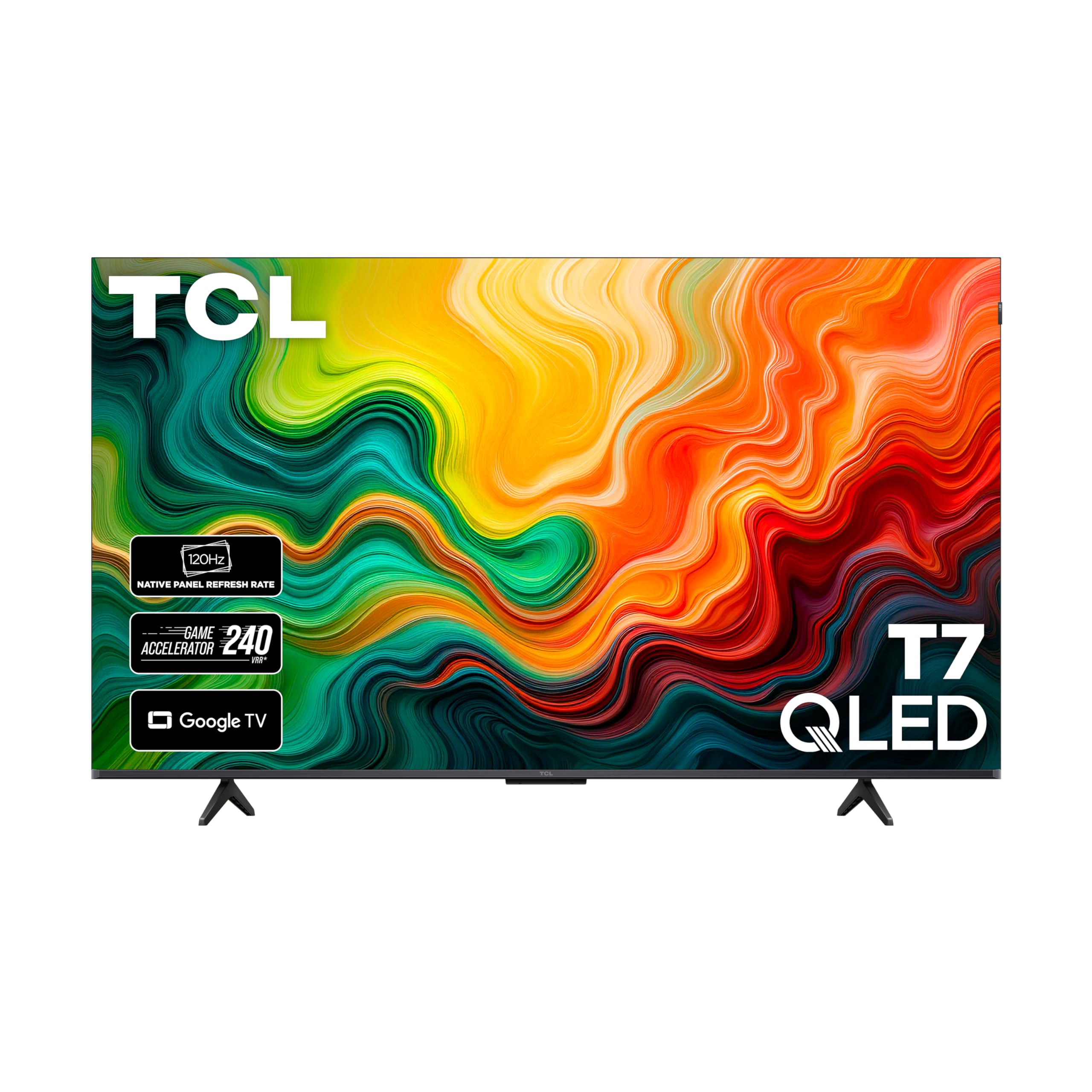
The TCL T7 Series is an Amazon exclusive that punches well above its price point by offering a native 144Hz refresh rate and QLED color at a fraction of the cost of premium competitors. The high refresh rate makes a tangible difference in fast-paced games like “Call of Duty” or racing sims, where motion blur is virtually eliminated. The TCL AIPQ Pro processor handles basic upscaling competently for streaming content.
The bezel-less FullView 360 design with adjustable-height feet gives it a modern look that fits various TV stands and soundbar placements. The Google TV interface is responsive, and the inclusion of four HDMI inputs (one with eARC) provides plenty of connectivity for consoles and set-top boxes. The built-in speakers are passable but lean toward the tinny side — a budget soundbar is a worthwhile upgrade.
On the downside, the T7 lacks the deep black levels of Mini-LED competitors, as it uses standard edge-lit backlighting. Local dimming is absent, so dark scenes in movies show the characteristic grayish blacks of entry-level LCDs. For the budget-conscious gamer who prioritizes 120Hz+ fluidity over absolute contrast, the T7 is a killer deal.
Why it’s great
- Native 144Hz panel for smooth gaming
- Excellent value for QLED color
- Bezel-less design with adjustable feet
Good to know
- No local dimming, blacks are gray
- Speakers are underwhelming
- HDMI 2.1 bandwidth limited on some ports
8. Sony BRAVIA 2 (K-65S20M2)

The Sony BRAVIA 2 is an entry-level model designed around PlayStation 5 synergy. The 4K Processor X1 delivers accurate colors and decent upscaling for its class, while the exclusive PS5 features — Auto HDR Tone Mapping and Auto Genre Picture Mode — ensure the console outputs optimal picture quality automatically. The Motionflow XR technology reduces blur in fast-moving scenes.
Picture quality is respectable for a standard LED panel, with wide color coverage and acceptable contrast in moderately lit rooms. The Google TV interface provides access to all major streaming apps, and the inclusion of Apple AirPlay 2 and Google Cast makes sharing content effortless. Energy efficiency is a bonus — it consumes less power than older LCDs and runs cool.
However, the BRAVIA 2 is a 60Hz panel, which limits its appeal for high-refresh-rate gaming. It also lacks local dimming, so black levels are typical of entry-level Sony sets. Some users have reported software freezing issues. For the PS5 gamer on a strict budget who values brand reliability and motion handling, it’s a functional choice that skips high-end frills.
Why it’s great
- Seamless PS5 Auto HDR and Genre modes
- Good color accuracy for the price
- Low power consumption
Good to know
- 60Hz panel only, no high-refresh gaming
- No local dimming
- Software freezing reported
9. Roku Plus Series (65-Inch)
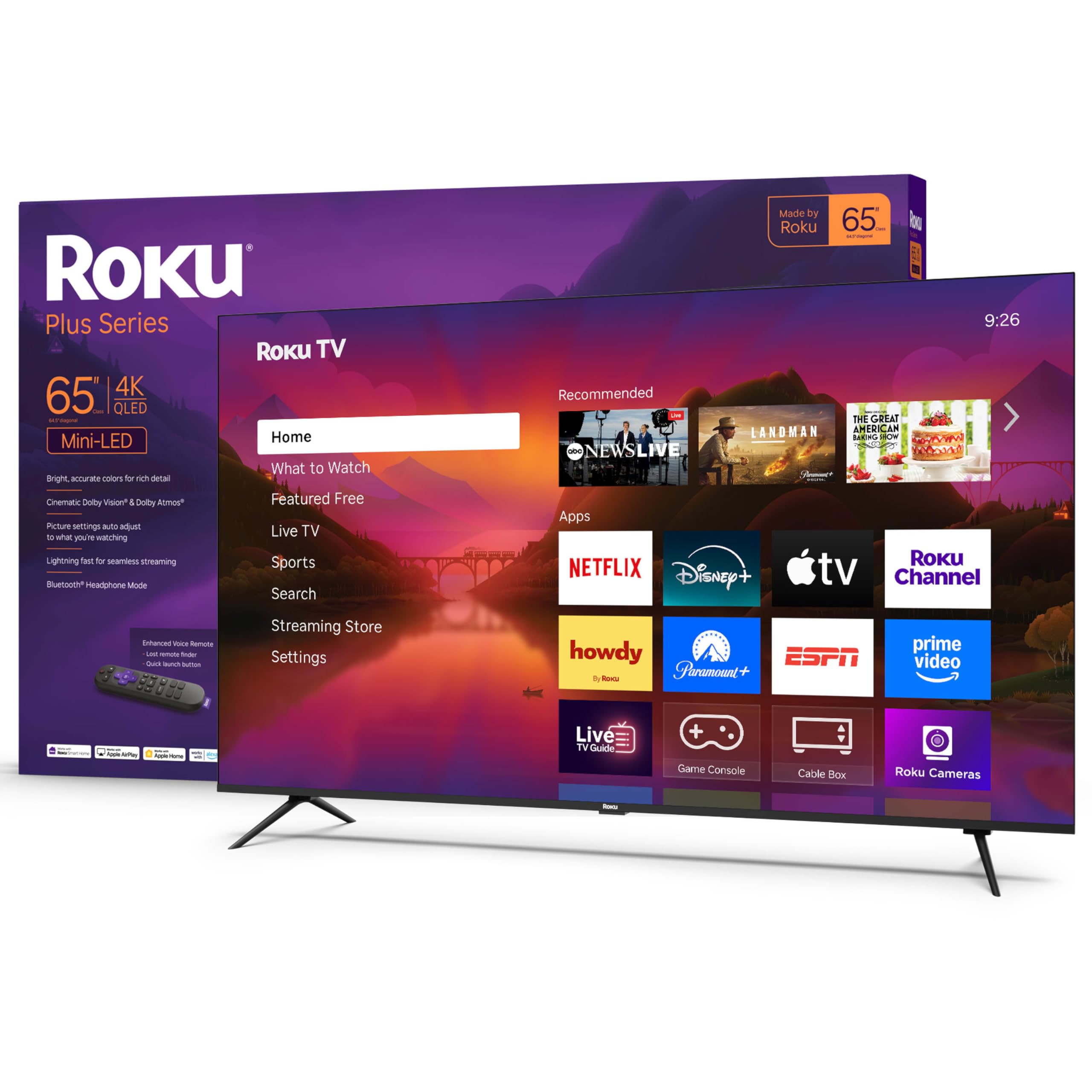
The Roku Plus Series combines Mini-LED backlighting with QLED quantum dot color and Dolby Vision, producing a picture that rivals more expensive competitors. The 60Hz panel is sufficient for most streaming and casual sports viewing, and the Roku OS is widely praised for its simplicity, speed, and regular updates. The Enhanced Voice Remote includes a lost remote finder and personal shortcuts.
The built-in sound system includes a subwoofer, delivering surprisingly robust audio with clear dialogue and decent bass — enough to skip a soundbar in smaller rooms. The AI-powered Roku Smart Picture Max automatically optimizes picture settings in real-time, adjusting for different content types. The Roku Channel provides 500+ free live TV channels, adding value for cord-cutters.
The main limitation is the 60Hz panel, which means no 120Hz gaming support. The settings menu is also more basic than competing platforms, offering fewer fine-tuning options for enthusiasts. For buyers who value ease of use, free content, and solid all-around performance without needing high-refresh gaming, the Roku Plus Series is a top mid-range pick.
Why it’s great
- Roku OS is the simplest, fastest smart platform
- Built-in subwoofer for decent audio
- Mini-LED + QLED + Dolby Vision combo
Good to know
- 60Hz panel, no high-refresh gaming
- Basic settings menu for enthusiasts
- No USB port included
10. Panasonic W70 Series (65W70BP)

The Panasonic W70 Series brings Fire TV to a 65-inch panel at a wallet-friendly price, offering access to Alexa, Apple AirPlay, and thousands of apps. The HDR Bright Panel with the 4K Studio Color Engine delivers decent picture quality with HDR10+ support, and the MEMC motion technology helps smooth out fast-moving content. Four HDMI ports including one 2.1 input provide solid connectivity.
Setup is straightforward for existing Fire TV users, and the built-in Alexa functionality allows voice control of the TV and connected smart home devices. The included Bluetooth 5.0 support lets users pair wireless headphones for private listening. The chassis is sturdy with metal stands, giving it a more premium feel than the price suggests.
Performance, however, can be inconsistent. Multiple user reports mention a slow Fire TV interface, frequent buffering, and occasional system crashes. The panel lacks local dimming, resulting in washed-out blacks in dark scenes. For a secondary bedroom TV or a budget-conscious first 4K set, it works, but reliability concerns make it a risky primary living room TV.
Why it’s great
- Fire TV OS with full Alexa integration
- HDR10+ and MEMC motion support
- Sturdy build with metal stands
Good to know
- Slow interface and occasional freezing
- No local dimming for contrast
- Mixed reliability from user reviews
11. Sony BRAVIA 7 (K-85XR70)

The Sony BRAVIA 7 in 85 inches is the ultimate expression of Sony’s Mini-LED technology, combining a massive screen with the XR Processor and XR Backlight Master Drive. The result is a picture that is both incredibly bright and precisely controlled, with QLED color reproduction and deep black levels that approach OLED territory. The 120Hz panel, Dolby Vision, and IMAX Enhanced support make it a cinematic powerhouse.
PS5 integration is seamless, with exclusive Auto HDR Tone Mapping ensuring the console’s output is optimized automatically. The built-in Sony Pictures CORE app provides access to a library of 4K UHD movies, including IMAX Enhanced titles. The Acoustic Multi-Audio system creates a wide soundstage that matches the on-screen action, though a dedicated surround system still improves the experience.
Some trade-offs exist: the narrow viewing angle means the picture degrades off-center, and the screen is not entirely anti-reflective, showing lamp reflections in dark rooms. The premium price also reflects its flagship status. For those who want a monumental screen with Sony’s processing excellence and don’t mind the caveats, the BRAVIA 7 is the reference standard.
Why it’s great
- Massive 85-inch screen with precise Mini-LED control
- Superb XR processor upscaling
- Seamless PS5 integration
Good to know
- Narrow viewing angle (~30 degrees)
- Screen shows reflections in dark rooms
- Premium price reflects flagship tier
FAQ
Is a 60Hz panel good enough for a 65-inch TV?
How important is Dolby Vision support on a 65-inch TV?
What does HDMI 2.1 mean for a 65-inch TV?
Final Thoughts: The Verdict
For most users, the 65 inch 4k tv winner is the TCL QM7K Series because it offers the best balance of high zone count Mini-LED contrast, 144Hz gaming performance, and bright-room usability at a price that undercuts the premium tier. If you want extreme brightness and a built-in home theater sound system, grab the Hisense U8 Series. And for the ultimate big-screen experience with unbeatable AI upscaling, nothing beats the Sony BRAVIA 5.