
Our readers keep the lights on and my morning glass full of iced black tea. As an Amazon Associate, I earn from qualifying purchases.
Specs are compiled from manufacturer listings and verified buyer reviews and can change over time — please confirm the key details on the product page before buying.
A 75-inch screen transforms movies, sports, and games into rich, theater-like experiences. Choosing the right 75-inch TV requires understanding how Mini-LED, QLED, and standard LED affect picture quality for your room and budget. This guide reviews top 75-inch models, focusing on real buyer experiences and key specs to help you find the best fit.
I’m Min — the founder and writer behind Gadgets Feed. This guide is built by comparing the manufacturers’ published specifications and the patterns across verified customer reviews, so you get each pick’s real strengths and trade-offs instead of marketing spin.
Whether you prioritize cinematic HDR, blazing-fast gaming refresh rates, or a budget-friendly balance of size and features, you’ll find the best 75in smart tv for your living room by matching its core specs to what you actually watch and play.
Quick Picks
- Samsung 75-Inch Class Neo QLED 4K QN90F Series — Best Overall
- TCL Amazon Exclusive 75 Inch Class T7 Series — Best Value
- Sony BRAVIA 5 75 Inch TV, Mini LED (K-75XR50) — Premium Choice
- Hisense 75″ U8 Series ULED Mini-LED 4K UHD — Gaming Powerhouse
- Sony 75 Inch Mini LED QLED 4K Ultra HD TV — Sony Excellence
- Samsung 75-Inch Class Neo QLED QN70F 4K Mini — Premium Entry
- Toshiba 75″ Z670 Series Mini-LED 4K UHD Smart — Versatile Performer
- Hisense 75” Hi-QLED S7 CanvasTV Series 4K UHD — Lifestyle Choice
- Amazon Ember 75″ QLED Series with Fire TV — Amazon Ecosystem
- TCL 75-Inch Class S5 UHD 4K LED Smart TV — Budget Entry
- Panasonic W70 Series (2025 Model) 75″ LED 4K — Budget Option
How To Choose The Best 75In Smart TV
The technology inside 75-inch TVs varies significantly, so understanding key specs is crucial. Your ideal TV depends on your viewing habits and room lighting. Focus on these three specs to define your viewing experience.
Display Technology and Light Control
Panel type determines black levels, the most critical aspect of picture quality. Standard LED TVs use a single backlight layer, so blacks can appear grayish in dark rooms. QLED (Quantum Dot) improves color volume and brightness by using a layer of tiny nanoparticles. Mini-LED takes that further by shrinking the backlight LEDs, allowing for hundreds or thousands of local dimming zones. This gives you deeper blacks and brighter highlights, mimicking an OLED’s contrast without the same price. Mini-LED models like the Hisense U8 deliver elite brightness (up to 5000 nits in that model) and precision, while QLED models like the TCL T7 Series offer vibrant color at a lower cost.
Refresh Rate and Gaming Features
For fast-paced gaming on PS5, Xbox Series X, or PC, a high refresh rate is essential. A standard 60Hz panel refreshes the image 60 times per second, which is fine for movies but can look blurry in fast action. A native 120Hz or 144Hz panel delivers buttery-smooth motion. For gaming, look for Variable Refresh Rate (VRR), which syncs the screen with the console to eliminate screen tearing, and Auto Low Latency Mode (ALLM), which automatically switches the TV to its lowest-lag gaming mode. The Samsung Neo QLED QN90F goes up to 4K 165Hz, while the Sony BRAVIA 5 excels with exclusive features for PlayStation 5.
Smart Platform and Ecosystem
Your TV’s operating system is what you interact with daily. Google TV, used by Sony, Hisense, and the premium TCL model, is known for its clean interface, personalized recommendations, and deep integration with Google Assistant and Chromecast. Fire TV, found on Panasonic, Toshiba, and TCL S5 models, is tightly tied to Amazon’s ecosystem with Alexa built-in and easy access to Prime Video. Samsung runs its own Tizen platform, which is fast and packed with free channels via Samsung TV Plus. Your choice should match the smart home assistants and streaming services you already use.
Quick Comparison
| Model | Best For | Panel / Backlight | Native Refresh Rate | Peak Brightness (claimed) | Amazon |
|---|---|---|---|---|---|
| Samsung 75″ Neo QLED QN90F | Ultimate Picture & Glare-Free Viewing | Mini-LED / Neo QLED | 165Hz | Premium (HDR) | $1,697.99Amazon |
| Hisense 75″ U8 Series | Cinematic Brightness & 165Hz Gaming | Mini-LED / ULED | 165Hz | 5000 nits | $1,298.99$1,698.00Amazon |
| Sony BRAVIA 5 (75XR50) | AI Processing & PS5 Perfection | Mini-LED | 120Hz | Premium (HDR) | $1,898.00$1,999.99Amazon |
| Sony BRAVIA 7 (75XR70) | QLED Colors & Sony Upscaling | Mini-LED / QLED | 120Hz | Premium (HDR) | $1,999.99Amazon |
| Samsung 75″ Neo QLED QN70F | AI-Powered 4K on a Budget | Mini-LED / Neo QLED | 144Hz | Premium (HDR) | $1,197.99Amazon |
| TCL 75″ T7 Series (QLED) | High-Speed Gaming on a Budget | QLED | 144Hz | High (HDR) | $739.99Amazon |
| Toshiba 75″ Z670 Series | Mini-LED with a Japanese-Designed Engine | Mini-LED / QLED | 144Hz | High (HDR) | $897.99$1,499.97Limited time dealAmazon |
| Amazon Ember 75″ QLED | Deep Amazon Ecosystem Integration | QLED | 60Hz | Standard (HDR) | $1,049.99$1,199.99Limited time dealAmazon |
| Hisense 75″ CanvasTV (S7) | Art Mode & Aesthetic Design | QLED | 144Hz | Standard (HDR) | $1,397.99$2,499.99Amazon |
| Panasonic W70 Series | Budget Entry with Fire TV | LED | 60Hz | Standard (HDR) | $647.98Amazon |
| TCL 75″ S5 Series | Deep Budget Value | LED | 60Hz | Standard (HDR) | $559.99Amazon |
In‑Depth Reviews
1. Samsung 75-Inch Class Neo QLED 4K QN90F Series

The refined screen that fights room glare while delivering elite gaming and cinematic HDR.
Samsung’s flagship Neo QLED QN90F is the full-package 75-inch TV. Its Mini-LED backlight, controlled by a powerful NQ4 AI Gen2 processor running 128 neural networks, delivers deep blacks and stunning brightness. The standout feature is the Glare Free matte finish — reviewers consistently note that you can watch with lights on or sunlight streaming through windows without distractions. For gamers, the panel hits up to 4K 165Hz VRR, making motion on fast-paced titles silky smooth and tear-free. The Object Tracking Sound+ with Dolby Atmos creates an audio bubble that follows action on screen.
Buyers report an excellent, sharp, vibrant picture with great anti-glare performance and easy setup. A few note the remote is small and the base can feel a little wobbly, but these are minor quirks next to the premium performance. The AI upscaling is particularly praised for improving older content to near-4K quality, making it a versatile choice for mixed viewing habits.
Why It Leads
- Premium 4K AI Upscaling with 128 neural networks
- Exceptional anti-glare screen works in bright rooms
- Up to 4K 165Hz VRR for high-end gaming
- Object Tracking Sound+ with Dolby Atmos
Trade-Offs
- Very heavy unit requires two people to set up
- Only one small remote included, base feels wobbly
Ideal For: The buyer who wants the most feature-complete, future-proof 75-inch TV for movies, sports, and PS5/Xbox gaming without screen reflections.
A Caveat: The premium price and heavy weight (owners mention it is “3x old 65″”) mean you should plan wall mounting or a sturdy stand with help.
2. TCL Amazon Exclusive 75 Inch Class T7 Series | 4K QLED
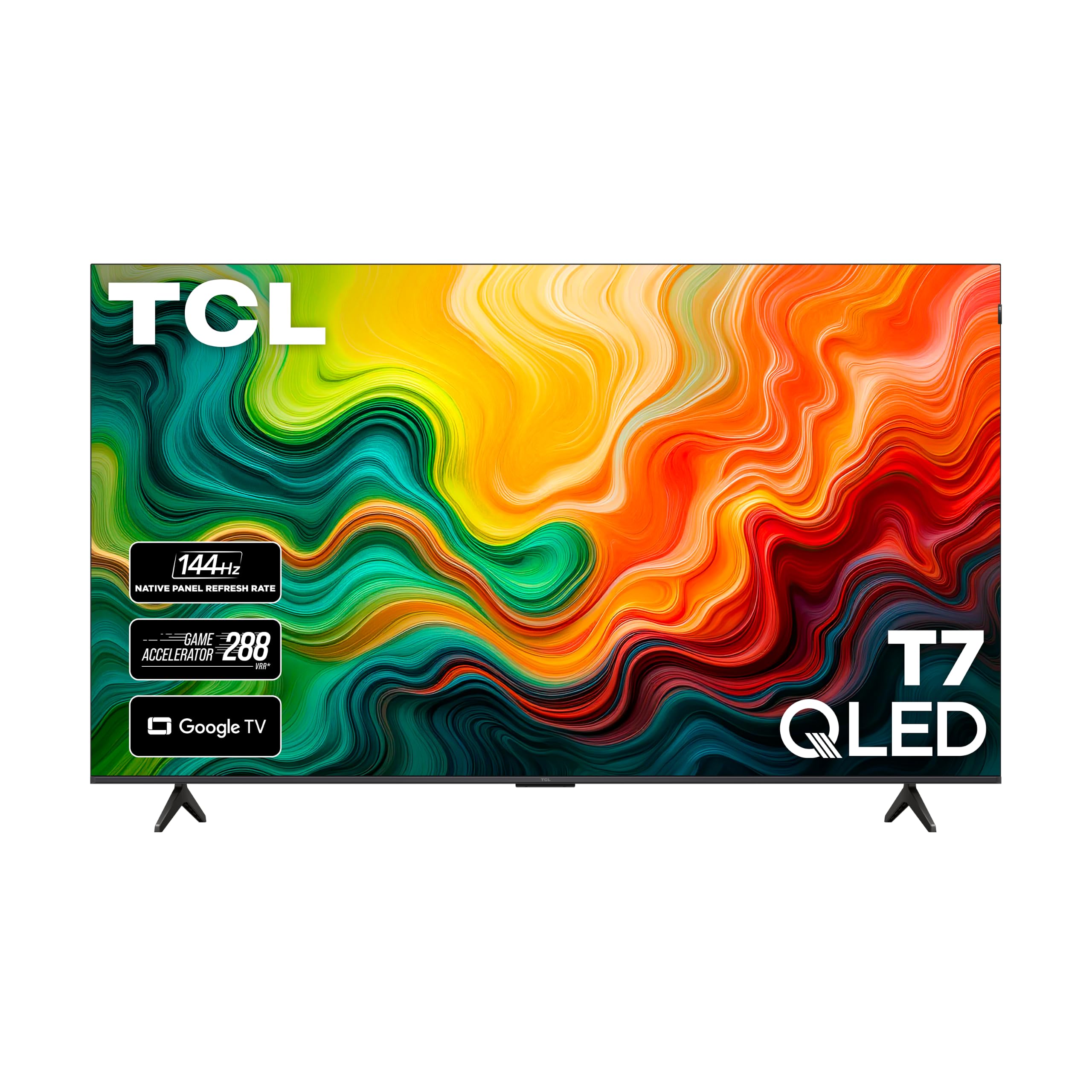
The budget gamer’s dream: QLED color with a 144Hz panel and a motion rate of 480.
TCL’s T7 Series brings high-refresh gaming to a more accessible price point without cutting corners on picture quality. The QLED panel covers nearly the entire DCI-P3 color space, producing vibrant, rich images. It’s also a rare find at this price: a native 144Hz panel with a Motion Rate 480 (MEMC frame insertion), making sports and fast-action movies exceptionally smooth. One buyer called PC gaming on it “no lag/blur,” specifically praising its performance with demanding titles like Crimson Desert. The FullView 360 metal bezel-less design and height-adjustable feet add a premium feel to the build. The 4K QLED panel offers vibrant color, while the 144Hz refresh rate gives it a fluidity that beats every standard 60Hz TV in its class.
Customers note a slight learning curve moving to Google TV from other platforms, but generally find the interface responsive. A minor quibble from a few PC users involves wake-from-sleep over HDMI, but the overall sentiment is overwhelming praise for the value.
Standout Spec: This TCL delivers a 144Hz native panel and a Motion Rate of 480 — double the motion clarity of the TCL S5’s 240 — at a price that undercuts most competitors with similar specs.
One reviewer noted: “PC gaming (Crimson Desert) no lag/blur. PS5 (Ghost of Yotei) amazing. 4K discs stunning picture: crisp, ultra smooth.”
Reach for This If: You are a PC or console gamer on a budget who refuses to compromise on refresh rate and color accuracy; this is the best gaming value on the list.
Look Elsewhere If: You need a TV primarily for a very bright living room, as some reviewers point out slight glare — the Samsung QN90F handles reflections better.
3. Sony BRAVIA 5 75 Inch TV, Mini LED (K-75XR50)

Sony’s AI-driven Mini-LED that improve every source to near-cinematic clarity.
The Sony BRAVIA 5 is a showcase for processing technology. Its XR Processor uses AI and multiple neural networks to analyze every scene in real-time, boosting color, contrast, and clarity. The Mini-LED backlight, controlled by XR Backlight Master Drive, delivers authentic contrast with deep blacks. But Sony’s magic is in upscaling — it makes HD and standard streaming content look remarkably close to native 4K. For PlayStation 5 owners, exclusive features like Auto HDR Tone Mapping and Auto Genre Picture Mode mean you get optimal picture settings instantly. Buyers confirm the picture quality is “fantastic” with their PS5.
Reviewers love the instant power-on, the smooth Google TV interface, and the impressive Dolby Vision HDR. The catch? Only two of the four HDMI ports support the full 2.1 spec, which might matter to multi-console gamers. The built-in sound is decent but not on the level of dedicated systems.
Key Strengths
- Industry-leading AI upscaling and processing
- Perfect for PlayStation 5 with exclusive features
- Studio-calibrated picture modes for Netflix and Prime Video
- Supports Dolby Vision, Atmos, IMAX Enhanced, and DTS:X
Considerations
- Only 2 of 4 HDMI ports are 2.1
- Remote lacks backlighting
The Verdict: If you value processing and upscaling above all else and are heavily invested in the Sony ecosystem, this is the most intelligent TV you can buy.
Skip If: You require all four HDMI ports to support 4K 120Hz for multiple gaming consoles and a soundbar.
4. Hisense 75″ U8 Series ULED Mini-LED 4K UHD Smart Google TV
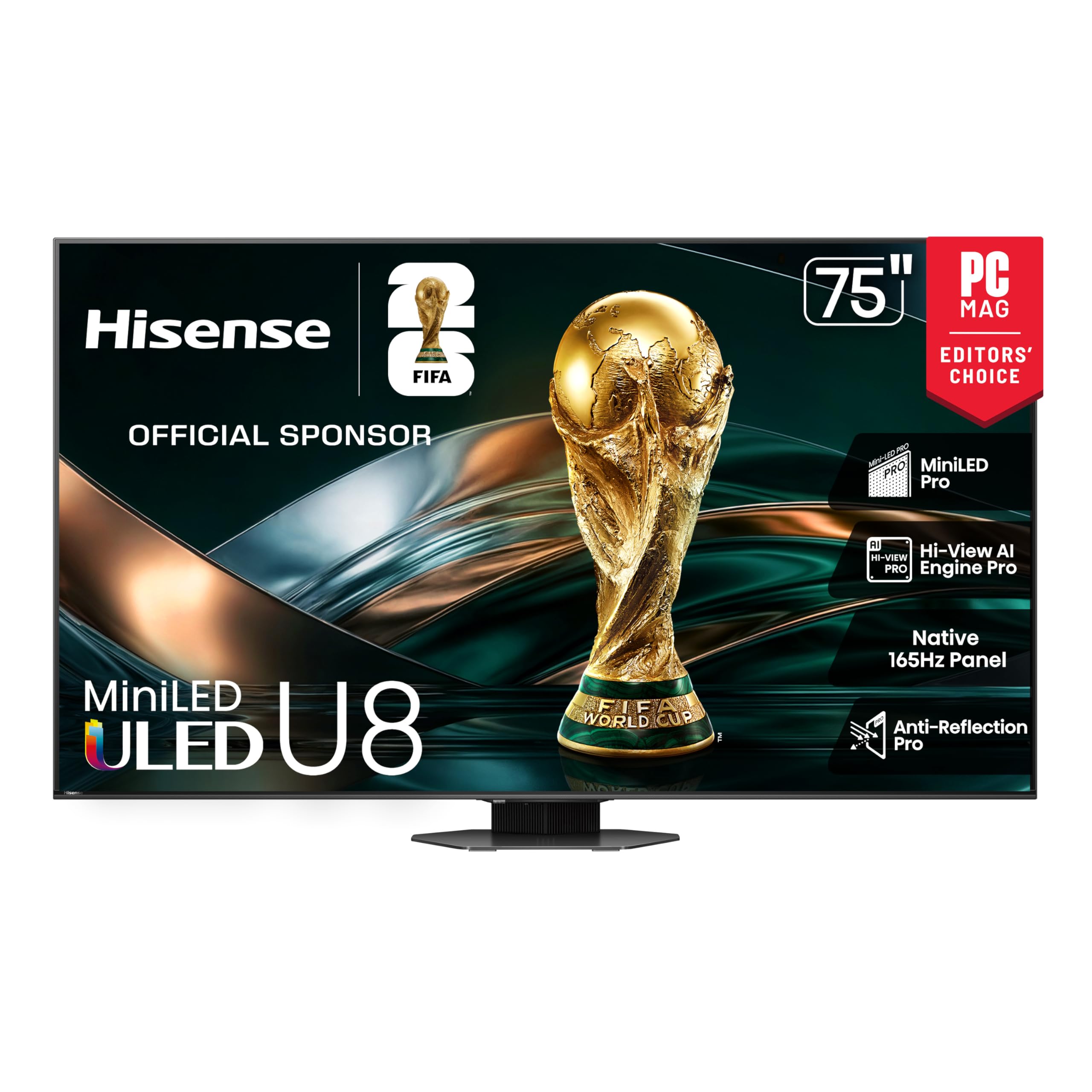
A blindingly bright Mini-LED screen with a revolutionary 165Hz panel for the ultimate gaming rig.
The Hisense U8 is a technical beast that rivals sets costing twice as much. It boasts up to 5000 nits peak brightness and up to 5600 local dimming zones, meaning you get incredible HDR highlights and virtually no blooming, bringing content to life with stunning realism. The native 165Hz panel (VRR up to 288Hz) is the highest on this list, making it a top choice for competitive PC gamers. The built-in 4.1.2 channel audio system with Dolby Atmos is the best built-in sound on this list, with two up-firing speakers for true immersion. Buyers describe the picture as “as clear and vibrant as OLED” and praise the anti-glare screen.
A minority of shoppers say occasional software glitches requiring factory resets, a known pain point with Hisense’s Google TV implementation. The built-in sound, while excellent for a TV, still benefits from a separate soundbar for serious home theater.
what separates it
- Up to 5000 nits peak brightness and 5600 dimming zones
- Native 165Hz panel with VRR up to 288Hz
- 4.1.2 multi-channel audio with Dolby Atmos
- Anti-glare Pro screen coating
Watch For
- Some users report software stability issues
- Requires a good soundbar to match the picture quality for audio purists
Best For: The enthusiast who wants absolute peak brightness for Dolby Vision content and the highest refresh rate for PC gaming, all at a more accessible price than OLED.
Not For: Anyone who prioritizes a perfectly stable out-of-box software experience above raw HDR performance.
5. Sony 75 Inch Mini LED QLED 4K Ultra HD TV BRAVIA 7 (K-75XR70)

Sony’s QLED takes on Mini-LED, pairing billions of colors with powerful AI upscaling.
The Sony BRAVIA 7 is the balance for those who want both QLED’s wide color gamut and Mini-LED’s precise contrast. The XR Triluminos Pro delivers “billions of accurate real-world colors,” while the XR Backlight Master Drive provides high brightness and excellent black levels. As with all Sony BRAVIAs, the XR Processor handles upscaling superbly, making even 1080p content look crisp. It’s also perfect for PS5, with Auto HDR Tone Mapping and a dedicated Game Menu. Reviewers praise the excellent picture quality and clarity for mixed content.
Some buyer feedback points to a narrow viewing angle compared to OLED, meaning the picture degrades if you sit far to the side. The TV is also thick and somewhat heavy, and the minimalist remote is not backlit. One owner reports the unit died after six weeks, though this appears to be an outlier in an overwhelmingly positive review set.
Why It Shines
- QLED color with Mini-LED contrast for vibrant, accurate HDR
- Excellent AI upscaling via XR Clear Image
- Supports ATSC 3.0 (NextGen TV)
- Great value vs. the top-tier BRAVIA 9
Drawbacks
- Narrow viewing angle and some reflections in bright rooms
- TV is thick and heavy; remote is basic and not backlit
Ideal For: The Sony loyalist who wants the best possible color accuracy and upscaling in a Mini-LED package without stepping up to the highest-tier model.
Keep In Mind: This set is best for front-on viewing in a light-controlled room; it’s not as reflection-resistant as the Samsung QN90F.
6. Samsung 75-Inch Class Neo QLED QN70F 4K Mini LED Smart TV

Samsung’s entry-level Neo QLED that brings Mini-LED contrast to a more manageable price.
The Samsung QN70F is the gateway into Mini-LED technology, offering a significant step up in contrast from standard LED TVs. It uses an NQ4 AI Gen2 processor with 20 neural networks to upscale content to 4K, ensuring sharp and smooth picture quality across all sources. The Motion Xcelerator 144Hz provides excellent motion handling for sports and gaming. With Mini LED lighting, bright highlights and deep blacks create a dynamic picture that outperforms standard QLED screens. Buyers report a very clear picture, excellent sound, and love the picture quality for gaming.
The design is slim and modern, but the chassis is delicate, so care is needed during wall mounting. The main limitation is Samsung’s Tizen operating system, which lacks Dolby Vision support (Samsung uses HDR10+ instead). This means you miss out on Dolby Vision streaming from platforms like Netflix and Disney+.
Smart Buy For: Someone who wants the core benefit of Mini-LED (deep blacks, bright highs) and a fast 144Hz panel but wants to stay at a more accessible price point than the QN90F.
The Missing Piece: No Dolby Vision HDR support — if that’s a deal-breaker, look at the Hisense U8 or Sony BRAVIA models. While great for gaming, Samsung Vision AI is not a full Dolby Vision replacement.
Reach for This If: You are a Samsung fan on a mid-range budget who values bright, accurate HDR and smooth gaming performance from a reliable brand.
Look Elsewhere If: Dolby Vision is a must-have for your streaming library; this TV only supports HDR10+.
7. Toshiba 75″ Z670 Series Mini-LED 4K UHD Smart Fire TV
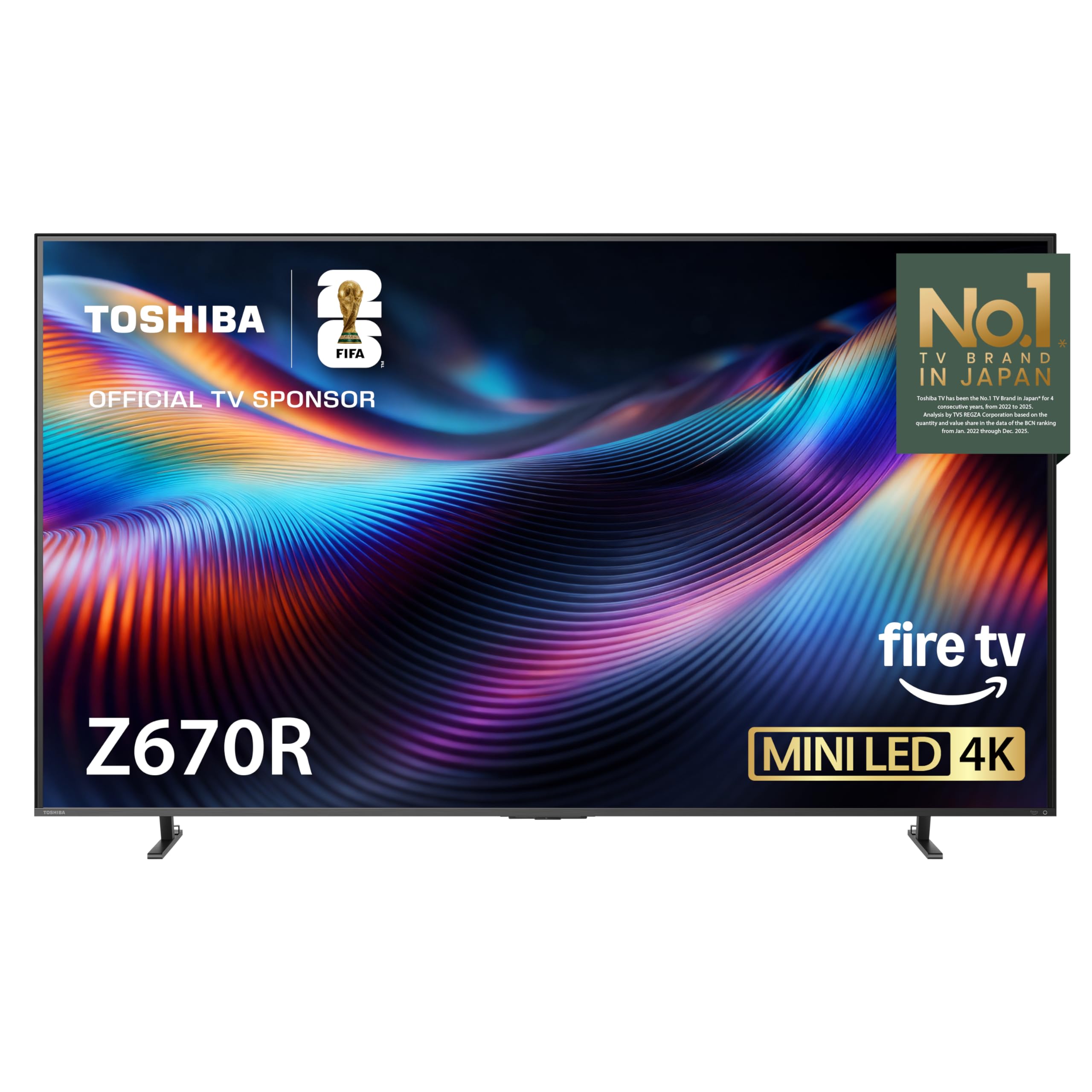
Toshiba’s Mini-LED answer combines Japanese-tune AI with a smooth 144Hz screen for a balanced package.
The Toshiba Z670 Series is a compelling Mini-LED offering with a unique twist: the REGZA Engine ZRi Gen3, an AI processor fine-tuned by Toshiba engineers in Japan. This engine tune clarity, contrast, and audio scene by scene. The Mini-LED with Full Array Local Dimming delivers deep blacks and bright highlights, while the native 144Hz panel with AMD FreeSync Premium ensures tear-free gaming. Buyers upgrading from older sets notice a “big difference” in dark scene performance and smooth motion, calling it a “solid upgrade.” The sturdy audio system, REGZA Power Audio Pro with a built-in bass woofer, delivers impressive room-filling sound.
One early buyer reported issues with a very slow Fire TV interface and a defective unit, raising some reliability flags for a new 2026 model. The design is functional but not as sleek as the Samsung or Hisense competitors.
What You Get
- Full Array Local Dimming with Mini-LED for deep blacks
- Native 144Hz panel, FreeSync Premium, and VRR 144Hz for gaming
- REGZA Engine ZRi Gen3 for AI-powered picture optimization
- Power Audio Pro with a dedicated bass woofer for rich sound
Risks
- Some early units appear to have quality control or software speed issues
- Fire TV OS can feel sluggish according to some reports
Ideal For: Gamers and streamers looking for a capable Mini-LED with good sound and smooth motion, backed by Toshiba’s specific AI picture-tuning.
Proceed with Caution if: You need a perfectly stable, proven platform right now; this 2026 model has some early adopter risk.
8. Hisense 75” Hi-QLED S7 CanvasTV Series 4K UHD Google Smart Art TV
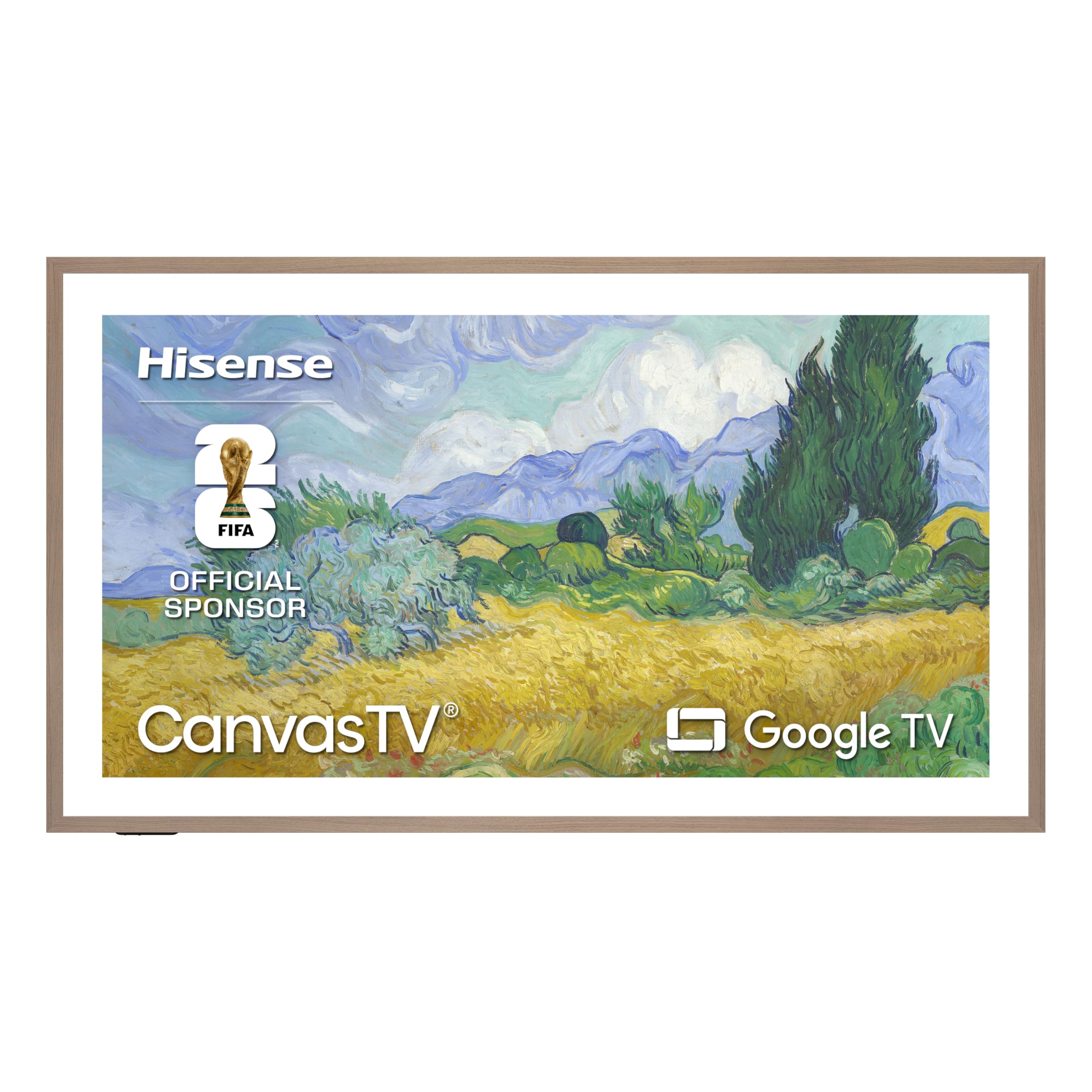
A TV that disappears into your wall as art, then reveals a vibrant 144Hz QLED screen.
The Hisense CanvasTV is designed for those who want their TV to be an aesthetic part of the room. When off, it uses an Art Mode to display over 1,000 complimentary artworks on a Hi-Matte anti-glare display, fooling the eye into thinking it’s a framed painting. A bundled magnetic Teak Frame and an ultra-slim wall mount make it look flush against the wall. But it’s not just a pretty face — it’s a native 144Hz QLED panel with AI Smooth Motion. Buyers love that it’s “half the price of the Samsung Frame” and praise the excellent picture quality and easy installation.
The contrast ratio (4000:1) is good for a QLED, but it lacks the deep black levels of Mini-LED models on this list. The built-in 2.0.2 sound is decent but can’t match the room-filling audio of the Hisense U8. Its core purpose is to blend design and function, and it does that brilliantly.
Design Wins
- Hi-Matte anti-glare screen eliminates reflections in Art Mode
- Includes magnetic Teak frame and ultra-slim wall mount
- Motion detector for on/off automation
- Half the price of similar Samsung Frame models
Performance Limits
- Lacks the contrast depth of Mini-LED or OLED panels
- Built-in sound is good, not great
Perfect For: Design-conscious homeowners who want a large screen without a black rectangle dominating their living space, and who also want solid performance for sports and gaming.
Not For: The hardcore videophile who prioritizes absolute black levels and reference-level HDR over form factor.
9. Amazon Ember 75″ QLED Series with Fire TV
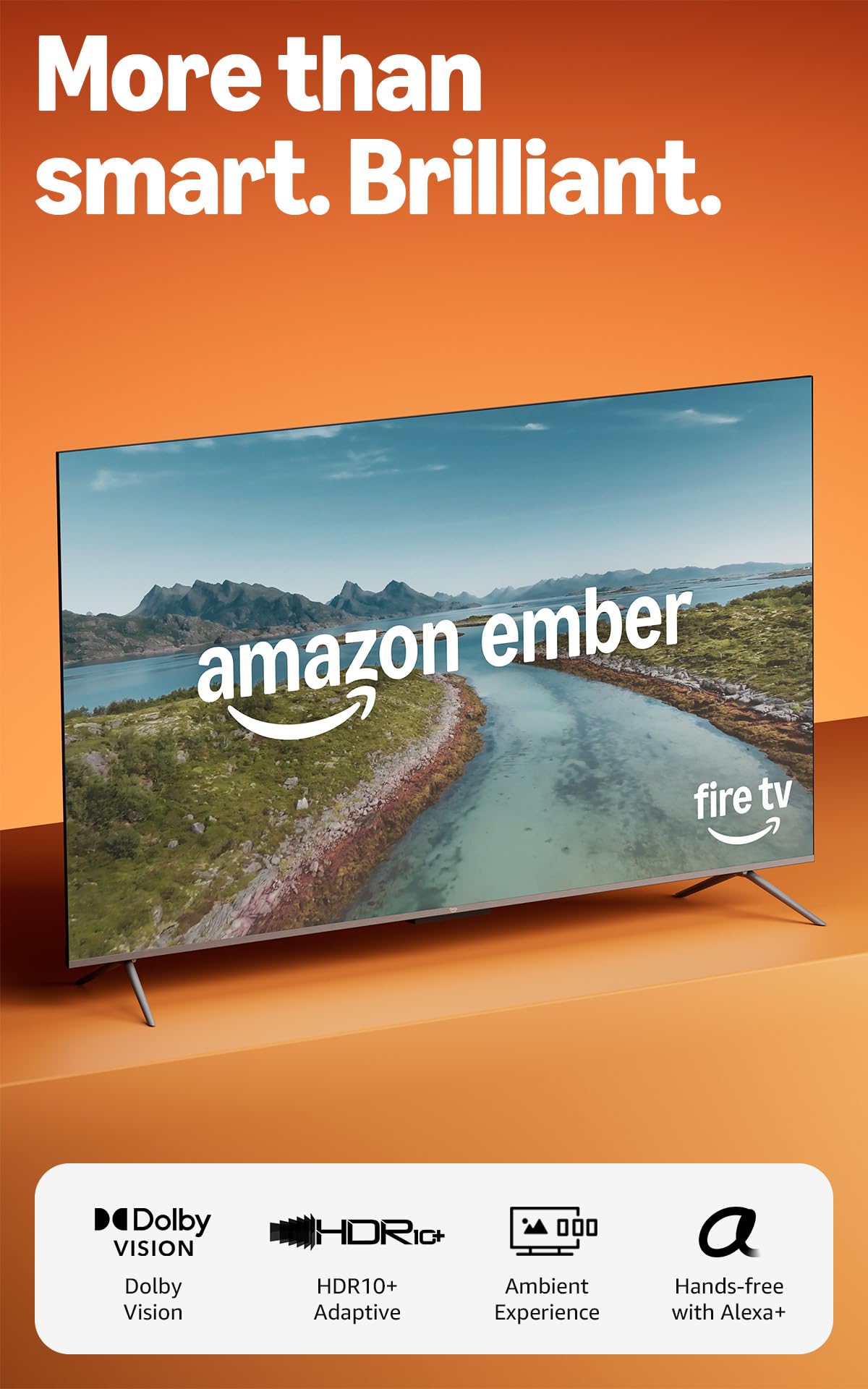
The AI-powered QLED that integrates perfectly into the Alexa and Amazon Prime ecosystem.
The Amazon Ember QLED is built from the ground up around the Fire TV experience. This 2026 model features a new Omnisense technology that wakes the display when you enter the room and a quad-core processor with Wi-Fi 6 for fast app loading. The QLED display uses Dolby Vision and HDR10+ Adaptive with full-array local dimming for good contrast. The biggest draw is the deep integration with Alexa+ — you can talk naturally to find shows, control smart home devices, and even stream games via Amazon Luna without a console. Buyers love the vibrant colors and easy, responsive setup.
But the picture quality is not on the same level as the Mini-LED heavyweights, and the built-in audio is weak enough that a soundbar is recommended. Some owners mention that certain apps can be buggy, requiring a reset, and the value proposition is only good at sale prices.
Who It Serves: Prime members and Alexa users who want the snappiest, most integrated Fire TV experience available, with a solid QLED panel for casual-to-moderate viewing.
The Catch: It’s a lifestyle smart TV first and a premium picture performer second. For dedicated movie or gaming nights, the TCL T7 or Samsung QN70F offer more raw performance per dollar.
Ideal For: The Amazon-centric household that lives in Prime Video, uses Alexa for everything, and wants a “just works” experience with a beautiful QLED screen.
Skip If: You primarily watch physical media or high-bitrate streaming and need the superior contrast and brightness of a Mini-LED panel.
10. TCL 75-Inch Class S5 UHD 4K LED Smart TV with Fire TV (75S551F)

A huge 4K screen at a price that’s hard to ignore, with surprising gaming features.
The TCL S5 is the value king of the 75-inch range. It offers a massive 4K screen with Dolby Vision and HDR Pro+ support for enhanced contrast and color. While the LED backlight is standard (no local dimming), it still delivers a bright picture. For gamers, it surprises with a Game Accelerator 120 that supports up to 120Hz VRR, making it a legitimate option for budget-conscious console players. The Fire TV interface is intuitive and has Alexa built-in. Buyers describe it as a “big, beautiful, amazing value” that is easy to set up and great for the price.
Reviews are a mixed bag for long-term satisfaction. One buyer mentioned “regret purchase after 5 months,” citing slow interface speeds and bugs like black screens with a PS5. The Fire TV OS has been criticized for showing Amazon ads on the home screen. The sound is average, requiring the volume to be turned up high.
Why It’s Cheap
- Lowest entry price for a 75-inch 4K screen
- Game Accelerator 120 with VRR and ALLM for decent gaming
- Simple, straightforward setup
The Trade-Off
- Multiple reports of a very slow interface and glitches after a few months
- Standard LED backlight means grayish blacks in dark scenes
- Sound quality is average at best
Best For: A guest room, basement, or a first-time 75-inch buyer on a very strict budget who doesn’t mind a slower smart TV experience for the sheer size.
A Strong Warning: Based on buyer feedback, this is a high-risk pick for a primary living room TV. For a bit more, the TCL T7 Series offers a much more reliable and superior experience.
11. Panasonic W70 Series (2025 Model) 75″ LED 4K Ultra HD Smart Fire TV
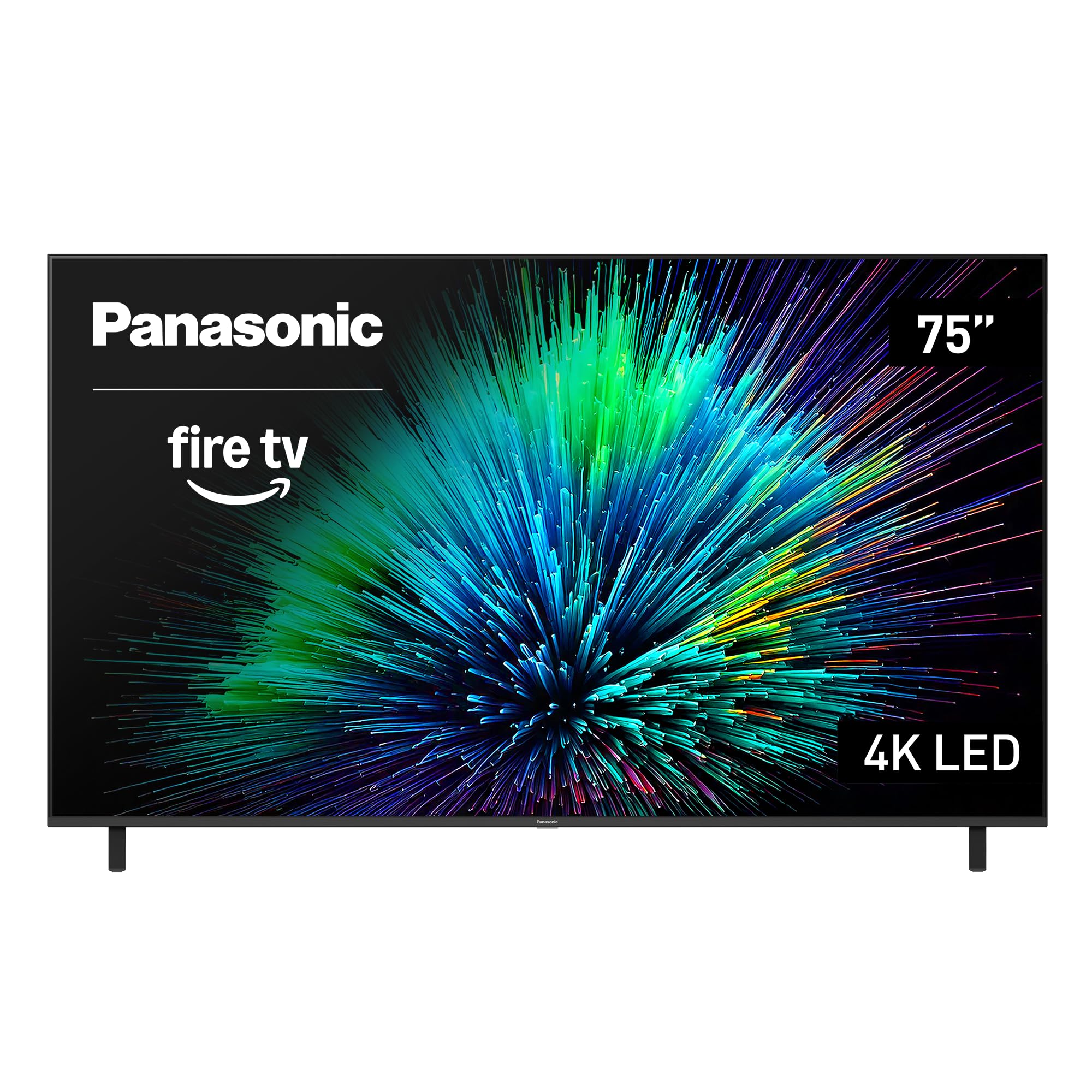
A brand-name LED TV with Fire TV and HDMI 2.1 that aims for the budget balance.
The Panasonic W70 Series brings a trusted brand name to the large-screen budget segment. It features a 4K UHD HDR Bright Panel powered by a 4K Studio Color Engine with MEMC for smooth motion. The inclusion of an HDMI 2.1 port is a notable bonus for next-gen gaming connectivity. The Fire TV interface provides easy access to streaming apps and allows for hands-free Alexa voice control. Buyers who had a trouble-free unit report excellent picture and sound quality, easy setup, and great value.
However, the reviews reveal a significant risk. One buyer’s detailed account describes receiving two defective units: “First unit had black screen; second unit has extremely slow Fire TV, frequent buffering/freezing. After months, TV turns on randomly, crashes on navigation, remote power button failed.” Other customers note the Fire TV OS is “kinda slow” and that the TV has a bulky design.
What It Offers
- Large screen with a well-known, reputable brand
- Includes an HDMI 2.1 port for gaming
- MEMC technology for smoother motion
Red Flags
- Multiple verified reports of defective units and software crashes
- Fire TV interface runs slowly on this hardware
- Bulky design with lower build quality than competitors
Reach for This If: You are on a razor-thin budget and are willing to gamble for a large screen from a trusted brand, accepting that you may need an external streaming device.
Don’t Buy If: Reliability is your top priority. The buyer feedback suggests significant quality control issues that make it a less safe bet than the TCL S5.
Understanding the Specs
Local Dimming Zones
Local dimming refers to the TV’s ability to darken specific areas of the screen independently while keeping bright areas bright. On standard LED TVs, the backlight is a single sheet, so bright objects on a dark background appear washed out. Mini-LED TVs use thousands of tiny LEDs grouped into zones. A high number of zones (like the 5600 on the Hisense U8) allows for extremely precise control of light, resulting in deep blacks, bright highlights, and minimal blooming (the halo effect around bright objects). This is the single biggest factor in HDR picture quality after peak brightness.
Refresh Rate (Hz) and VRR
A TV’s refresh rate is how many times per second the image is redrawn. A standard 60Hz panel is fine for movies and TV shows. For gaming and sports, a native 120Hz or 144Hz panel makes a massive difference, rendering fast motion with far less blur. Variable Refresh Rate (VRR) syncs the TV’s refresh rate to the frame rate of your game console or PC. Without VRR, you see screen tearing (a horizontal split in the image) or stuttering. ALLM (Auto Low Latency Mode) is another gaming feature that automatically switches the TV to its lowest-lag mode when you start a game.
FAQ
Will a 75-inch TV fit in my living room?
What is the difference between QLED and Mini-LED?
Is Dolby Vision important for a 75-inch TV?
Do I need a soundbar with a 75-inch TV?
How heavy is a 75-inch TV, and can I mount it alone?
What is a Motion Rate or effective refresh rate?
Is Google TV better than Fire TV for a large screen?
Can I use a 75-inch TV as a computer monitor?
What does HDR10+ Adaptive do?
Does the brand affect the smart TV’s lifespan?
Final Thoughts: The Verdict
For most people, the best 75in smart tv winner is the Samsung Neo QLED QN90F because it combines the best overall package of Mini-LED picture quality, industry-leading anti-glare, and elite gaming performance — a true do-everything set. If you want the absolute brightest HDR and highest refresh rate for gaming, grab the Hisense U8 Series. And for the best value in a high-refresh gaming screen without the premium price, the standout is the TCL T7 Series.
How We Picked
We do not accept paid placement. Every pick is matched to a real buyer and a real use-case; we do not hands-on test units.
Sources & Methodology
Specifications: manufacturer listings and product documentation. Review insights: verified customer reviews, as of July 2026. Pricing: not shown on this page (it changes often); check the current price via the retailer link.
As an Amazon Associate, Gadgets Feed earns from qualifying purchases. This does not affect which products we feature.
Related Guides
Product prices and availability are accurate as of the date/time indicated and are subject to change. Any price and availability information displayed on Amazon at the time of purchase will apply to the purchase of this product. As an Amazon Associate I earn from qualifying purchases.
CERTAIN CONTENT THAT APPEARS ON THIS SITE COMES FROM AMAZON. THIS CONTENT IS PROVIDED "AS IS" AND IS SUBJECT TO CHANGE OR REMOVAL AT ANY TIME.
Amazon and the Amazon logo are trademarks of Amazon.com, Inc. or its affiliates.