
Our readers keep the lights on and my morning glass full of iced black tea. As an Amazon Associate, I earn from qualifying purchases.
Specs are compiled from manufacturer listings and verified buyer reviews and can change over time — please confirm the key details on the product page before buying.
An 85-inch TV is not just a screen — it is a home-cinema investment that changes how you watch movies, play games, and host friends. The real challenge is not finding a big TV; it is picking one where the picture stays crisp, the blacks stay deep, and the motion does not blur, all without your living room turning into a glare-ridden mess. This guide breaks down the top 85-inch models across mini-LED, QLED, and premium Neo QLED technologies, comparing the specs that actually matter so you know exactly what you are buying before you click.
I’m Min — the founder and writer behind Gadgets Feed. This guide is built by comparing the manufacturers’ published specifications and the patterns across verified customer reviews, so you get each pick’s real strengths and trade-offs instead of marketing spin.
if you need a bright living-room powerhouse or a glare-free art display, here is your trusted rundown of the best 85 inch tv options on the market right now.
Quick Picks
- Samsung 85-Inch Class Neo QLED 4K QN90F Series — Top Performer
- Hisense 85″ U8 Series ULED Mini-LED 4K UHD Smart Google TV — Brightness Beast
- Sony 85 Inch Mini LED QLED 4K Ultra HD TV BRAVIA 7 — Processor King
- Sony BRAVIA 5 85 Inch TV, Mini LED, 4K Smart Google TV — Premium Balance
- TCL 85 Inch Class QM8L Series SQD-Mini-LED QLED Smart TV — Ultimate Brightness
- LG 85-Inch QNED evo AI Mini LED 4K Smart TV — AI Cinema
- Samsung 85-Inch Class Neo QLED QN70F 4K Mini LED Smart TV — Mid-Range Neo
- TCL 85 Inch Class QM7K Series Mini LED QLED 4K HDR Smart Google TV — Value Mini-LED
- Toshiba 85″ Z670R Series Mini-LED 4K UHD Smart Fire TV — Gaming Fire TV
- Hisense 85″ Hi-QLED 4K S7 CanvasTV Series Google Smart Art TV — Art TV
- Samsung 85-Inch Class The Frame Pro LS03HW Series — Glare-Free Art
How To Choose The Best 85 Inch TV
Picking an 85-inch TV depends on three decisions: how you handle ambient light in your room, what kind of content you watch most, and whether gaming features like high refresh rates matter. Here is what to focus on.
Mini-LED vs QLED vs Neo QLED
Mini-LED is the current balance — thousands of tiny LEDs behind the screen that can dim individually, giving you deep blacks and bright highlights without the burn-in risk of OLED. QLED uses a quantum dot layer on top of a standard LED backlight to boost color volume. Neo QLED is Samsung’s branding for its mini-LED implementation with a more advanced processor. For an 85-inch screen, mini-LED (or Neo QLED) delivers the best balance of brightness, black levels, and longevity.
Refresh Rate and Gaming Features
Native refresh rate determines how many frames per second the screen can display. Most 85-inch TVs run at 120Hz, which is perfect for smooth sports and PS5/Xbox Series X gaming. Some newer models push to 144Hz or even 165Hz — useful if you have a high-end gaming PC. Look for Variable Refresh Rate (VRR) and Auto Low Latency Mode (ALLM) if you game, as they eliminate screen tearing and reduce input lag.
Anti-Glare and Room Lighting
An 85-inch panel covers a lot of wall space, which means it catches a lot of light. If your TV sits opposite windows or under bright recessed lights, an anti-glare coating is critical. Some models (like the Samsung QN90F and The Frame Pro) use glare-free technology that makes reflections virtually disappear, so you do not have to close curtains every time you watch a movie.
Quick Comparison
| Model | Best For | Display Tech | Native Refresh | HDR Support | Amazon |
|---|---|---|---|---|---|
| Samsung QN90F | Premium bright-room viewing | Neo QLED Mini-LED | 165Hz | Neo Quantum HDR+ | Amazon |
| Hisense U8 Series | Maximum brightness & zones | Mini-LED ULED | 165Hz | Dolby Vision IQ, HDR10+ | Amazon |
| Sony BRAVIA 7 | Best upscaling & PS5 | Mini-LED QLED | 120Hz | Dolby Vision, IMAX Enhanced | Amazon |
| Sony BRAVIA 5 | Balanced premium features | Mini-LED | 120Hz | Dolby Vision, IMAX Enhanced | Amazon |
| TCL QM8L | Ultra-bright halo-free image | SQD-Mini-LED | 144Hz | Dolby Vision, HDR10+ | Amazon |
| LG QNED evo | AI-enhanced home cinema | Mini-LED | 144Hz | Dolby Vision, HDR10 Pro | Amazon |
| Samsung QN70F | Great picture at mid-range | Neo QLED Mini-LED | 144Hz | Quantum HDR | Amazon |
| TCL QM7K | Value mini-LED performance | QD-Mini LED | 120Hz-144Hz | Dolby Vision, HDR10+ | Amazon |
| Toshiba Z670R | Gaming & fast Fire TV | Mini-LED QLED | 144Hz | Dolby Vision IQ, HDR10+ | Amazon |
| Hisense CanvasTV | Art display + TV hybrid | Hi-QLED | 144Hz | Dolby Vision HDR | Amazon |
| Samsung The Frame Pro | Glare-free art TV | Neo QLED Mini-LED | 120Hz | Quantum HDR | Amazon |
In‑Depth Reviews
1. Samsung 85-Inch Class Neo QLED 4K QN90F Series

The bright-room champion that kills reflections and delivers stunning 4K visuals.
The QN90F is Samsung’s top-tier 2025 Neo QLED model, and it earns the spotlight with two standout features: a glare-free screen that handles direct sunlight without washing out the picture, and the NQ4 AI Gen2 processor running 128 neural networks to upscale everything to sharp 4K resolution. Buyers report the glare reduction alone is “worth the price of admission,” letting you keep lamps and windows open while still enjoying deep blacks and bright highlights. The native 165Hz refresh rate with VRR also makes this a serious gaming panel — smoother than most 144Hz competitors.
One honest catch: at 85 inches, this TV is noticeably heavy — one owner mentioned it was “probably 3x the weight of my old 65-inch Vizio,” so plan for a two-person setup or an installer if you are wall-mounting. The included slim remote takes a little getting used to, but the interface is fast and the anti-glare performance is genuinely transformative compared to the Samsung QN70F below.
If you watch a lot of live sports with lights on, or you want a future-proof gaming TV, this is the pick that ticks every box without compromise.
Brightest HDR highlights
- Glare-free screen works brilliantly in bright rooms — one of the best anti-reflection coatings available
- 128-neural-network AI processor upscales HD streams to crisp 4K
- Native 165Hz VRR for tear-free PC and console gaming
- Object Tracking Sound+ with Dolby Atmos fills the room without a dedicated soundbar
Less accurate colors
- Very heavy — be prepared for a challenging setup, especially if wall-mounting
- Single remote design is minimalist but takes adjustment
Brightest HDR: you want the best all-around 85-inch TV for a bright room with no glare, and you value top-tier gaming specs.
Color accuracy: you need a heavier focus on Dolby Vision content (go Sony) or your room is already dark and you want the absolute cheapest entry point.
2. Hisense 85″ U8 Series ULED Mini-LED 4K UHD Smart Google TV
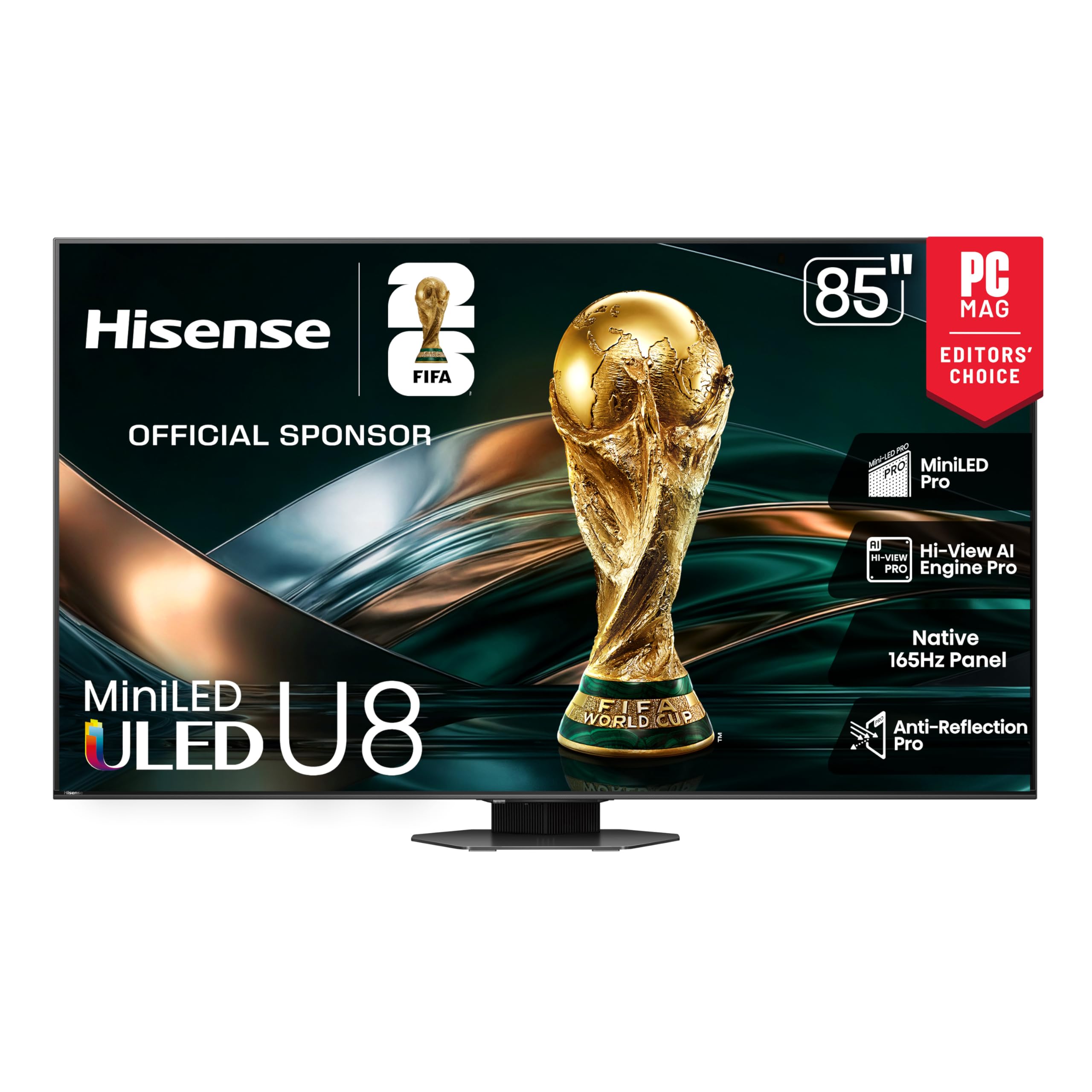
A blindingly bright mini-LED panel with more dimming zones than anything near its price.
The Hisense U8 series is the brightest TV on this list, hitting a peak brightness of 5000 nits — enough to make HDR content pop even in a sun-drenched room. It packs up to 5600 local dimming zones, which is significantly more than most competitors in this tier, so you get very precise control over blacks and highlights without the halo effect. The native 165Hz panel with VRR up to 288Hz (using the Game Booster feature) makes it a dream for competitive PC gaming, and the 4.1.2-channel Dolby Atmos audio system with built-in subwoofer means you may not need a soundbar for solid immersion.
Compared to the Samsung QN90F above, the U8 has higher peak brightness and more zones, but the Hisense lacks the same level of refined anti-glare coating that makes the Samsung shine in direct light. Buyers who have tested both note the Hisense is better in a controlled dark room for sheer punch.
Great value brightness
- 5000 nits peak brightness — among the brightest TVs on the market
- Up to 5600 local dimming zones for deep, precise blacks
- Native 165Hz with VRR 288 for ultra-smooth gaming
- Built-in 4.1.2-channel audio with Atmos
Mediocre upscaling
- Anti-reflection coating is less effective than the Samsung QN90F
- Google TV interface can feel cluttered
Value brightness: HDR enthusiasts and PC gamers who want maximum brightness and the most precise dimming zones in this price bracket.
Upscaling quality: your room has direct sunlight hitting the screen most of the day — you’ll prefer the QN90F’s glare-free tech.
3. Sony 85 Inch Mini LED QLED 4K Ultra HD TV BRAVIA 7

Sony’s XR processor makes this the best TV for upscaling old content and a perfect PS5 partner.
The Sony BRAVIA 7 is powered by the XR Processor, which uses AI to analyze and enhance every scene in real time — boosting color, contrast, and clarity on everything from 1080p cable to 4K Blu-rays. This makes it the go-to pick if your viewing mix includes older DVD content or standard HD streams, as the upscaling is noticeably better than the TCL QM7K or Samsung QN70F. It also features exclusive PlayStation 5 features like Auto HDR Tone Mapping and Auto Genre Picture Mode, which automatically tune picture settings when you switch from a movie to a game.
The XR Backlight Master Drive controls thousands of mini LEDs to deliver authentic contrast with minimal blooming. While the BRAVIA 7’s native refresh rate is 120Hz (not 144Hz like several others here), PS5 games rarely exceed 120fps, so the real-world gaming experience is just as smooth. One trade-off: the base width (61.65 inches) is quite wide, so measure your TV stand before purchasing.
Best motion handling
- XR Processor delivers top-tier upscaling for non-4K content
- Exclusive PS5 features: Auto HDR Tone Mapping and Auto Genre Picture Mode
- Studio-calibrated picture modes for Netflix, Prime Video, and Sony Pictures CORE
- Dolby Vision, Atmos, and IMAX Enhanced support
Expensive for specs
- Native refresh rate is 120Hz, not 144Hz or 165Hz
- Wide base requires a substantial stand
Motion clarity: PS5 owners and anyone who watches a mix of old and new content — the processor handles everything gracefully.
Budget choice: you need a 144Hz+ panel for high-frame-rate PC gaming.
4. Sony BRAVIA 5 85 Inch TV, Mini LED, 4K Smart Google TV

Sony’s mid-range mini-LED that brings PS5-tune features without the flagship price.
The BRAVIA 5 sits just below the BRAVIA 7 in Sony’s lineup, but it still packs the same XR Processor with AI technology and XR Triluminos Pro for billions of accurate colors. Owners mention that the Dolby Vision HDR is “impressive” and the mini-LED backlight delivers “much deeper blacks in movies and games.” It shares the PS5-exclusive features of its bigger sibling, including Auto HDR Tone Mapping, so switching from streaming to gaming feels smooth. The built-in speakers sound decent in a modest room, as one owner noted, though a soundbar is a future upgrade worth planning for.
A key difference from the BRAVIA 7: only two of the four HDMI ports are 2.1, which means if you need multiple high-bandwidth devices (PS5, PC, soundbar), you’ll have to prioritize. The 120Hz panel is standard for this tier, and the simple click-in leg setup requires no tools. If you want Sony’s processing and PS5 integration at a lower entry point than the BRAVIA 7, this is the spot.
Smart TV features
- XR Processor with AI upscaling at a more accessible price than BRAVIA 7
- PS5 Auto HDR Tone Mapping and Auto Genre Picture Mode
- Quick setup with tool-free leg installation
- Google TV interface is fast and responsive — one reviewer noted it is “miles ahead” of Fire TV
Lower peak brightness
- Only 2 of 4 HDMI ports are 2.1
- Remote lacks backlighting, which can be annoying in a dark room
Smart features: you want Sony’s excellent picture processing and PS5 features but your budget does not stretch to the BRAVIA 7.
Brightness: you need four full HDMI 2.1 ports for a multi-device gaming setup.
5. TCL 85 Inch Class QM8L Series SQD-Mini-LED QLED Smart TV
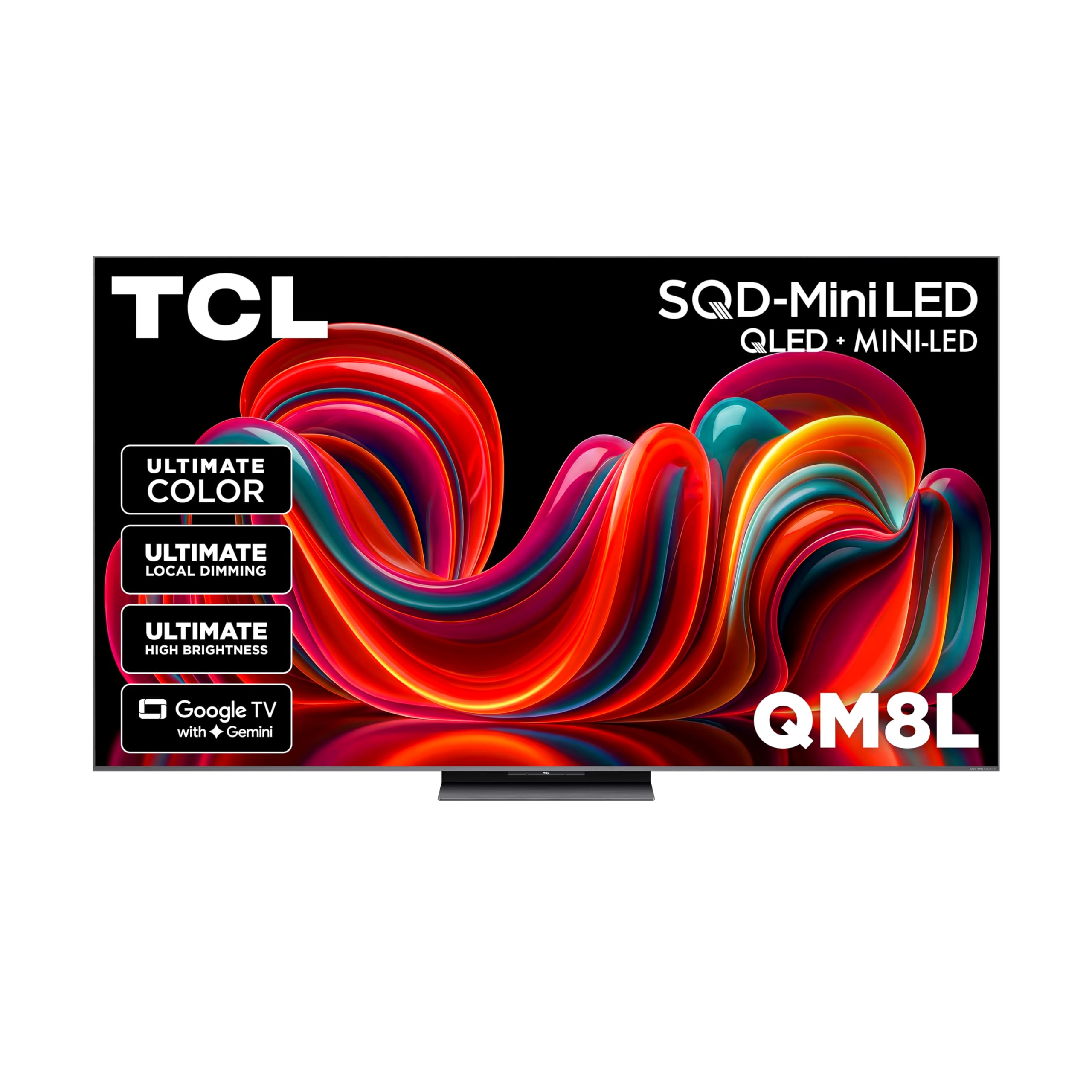
TCL’s flagship 2026 model pushes 6000 nits with over 4000 dimming zones for a halo-free image.
The TCL QM8L is a beast on paper: up to 6000 nits peak brightness and over 4000 discrete dimming zones, which puts it right alongside the Hisense U8 in the ultra-bright category. It uses TCL’s SQD-Mini-LED technology with the Halo Control System to keep the halo effect around bright objects to an absolute minimum. The 144Hz panel with Game Accelerator 288 VRR and AMD FreeSync Premium Pro makes it a legitimate gaming contender, and customers note it pairs “beautifully” with a PS5 and a Samsung Q990F soundbar. The audio by Bang & Olufsen is also a step up from most built-in TV speakers.
The main difference vs the TCL QM7K (reviewed below) is the QM8L’s superior brightness, wider viewing angles, and the Ultra Color Filter with 5 nanometer particles for more precise color accuracy. If you watch a lot of HDR content in a well-lit room, this justifies the step up.
Mini-LED density
- Up to 6000 nits peak brightness — class-leading HDR punch
- Over 4000+ dimming zones for deep blacks with minimal halo
- Audio by Bang & Olufsen with optional wireless subwoofer support
- Wide viewing angles maintain color from the side
Software glitches
- Priced at the premium end of the TCL lineup
- Minor OS glitches reported by some buyers
Mini-LED count: the absolute best HDR brightness and zone control at this screen size — a true halo-free experience.
Software stability: you want TCL’s mini-LED quality but need to spend less to fit your budget.
6. LG 85-Inch QNED evo AI Mini LED 4K Smart TV
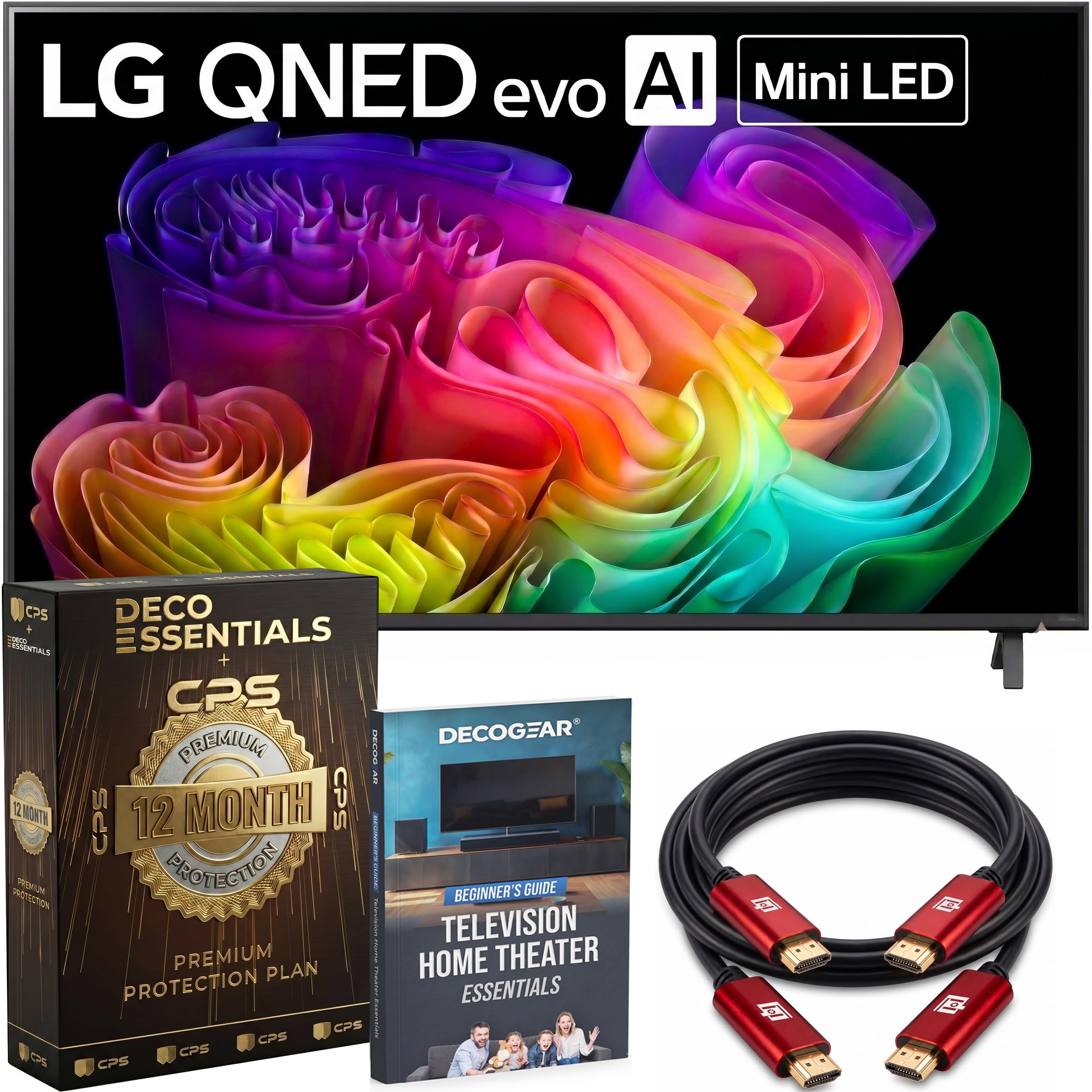
LG’s a8 AI Gen3 processor learns your content and adjusts both picture and sound for a polished experience.
The LG QNED evo uses the a8 AI Processor 4K Gen3, which deep-learning analyzes what you are watching and tune brightness, contrast, and audio in real time. This cognitive approach, combined with Dynamic QNED Color Pro and Dolby Vision/Atmos, delivers a cinematic feel that competes directly with the Sony BRAVIA 5. The 144Hz VRR panel with Motion Booster 288 ensures smooth sports and gaming motion, and the slim bezel design keeps the focus on the picture. The bundle includes a 1-Year CPS Enhanced Protection Pack and two premium 4K HDMI cables, which adds tangible value.
The main knock is that the webOS smart platform, while responsive, is not as universally app-rich as Google TV or Fire TV. If you are deep in the Apple or Google ecosystem, you may prefer one of the other picks.
Wide viewing angle
- a8 AI Gen3 processor tune picture and sound per scene
- 144Hz native with Motion Booster 288 for superb motion clarity
- Dolby Vision and Atmos with Filmmaker Mode
- Includes 1-year extended protection and HDMI cables
Modest contrast
- webOS platform is good but not as comprehensive as Google TV
- Annual energy consumption is 483 kWh — among the higher on this list
Wide viewing: home cinema lovers who want AI-driven picture tuning and a bundled protection plan for confidence.
Contrast ratio: you prefer Google TV’s broader app ecosystem.
7. Samsung 85-Inch Class Neo QLED QN70F 4K Mini LED Smart TV

A more accessible Neo QLED that brings Samsung’s mini-LED quality and AI upscaling to a broader budget.
The QN70F is the entry point into Samsung’s 2025 Neo QLED lineup, but it still packs serious hardware: the NQ4 AI Gen2 processor with 20 neural networks upscales content to 4K, and the mini-LED backlight delivers “deep blacks, bright highlights, and very vibrant colors with little to no blooming,” as one buyer who moved from a standard LED put it. The 144Hz Motion Xcelerator keeps sports and fast action smooth, and the Samsung TV Plus platform gives you 2700+ free channels from the start — a nice bonus if you are cutting cable.
Compared to the premium QN90F, the QN70F has fewer dimming zones and no glare-free coating, so it is less suited to very bright rooms. One buyer mentioned the remote feels a bit small at first, and the panel is quite thin, so handle it carefully during setup. It is a smart choice if you want Samsung’s excellent picture processing and smart features without the top-tier price.
Affordable mini-LED
- NQ4 AI Gen2 processor with 20 neural networks for sharp upscaling
- 144Hz native for smooth sports and gaming
- Free access to 2700+ channels via Samsung TV Plus
- Neo QLED mini-LED delivers excellent contrast for the price
No HDR pop
- No glare-free coating — reflections may bother you in a bright room
- Thin panel requires careful handling during unpacking
Budget mini-LED: you want Samsung’s Neo QLED picture and 144Hz gaming support but are conscious of spending.
HDR impact: your living room is bright and you need anti-glare to enjoy daytime viewing.
8. TCL 85 Inch Class QM7K Series Mini LED QLED 4K HDR Smart Google TV
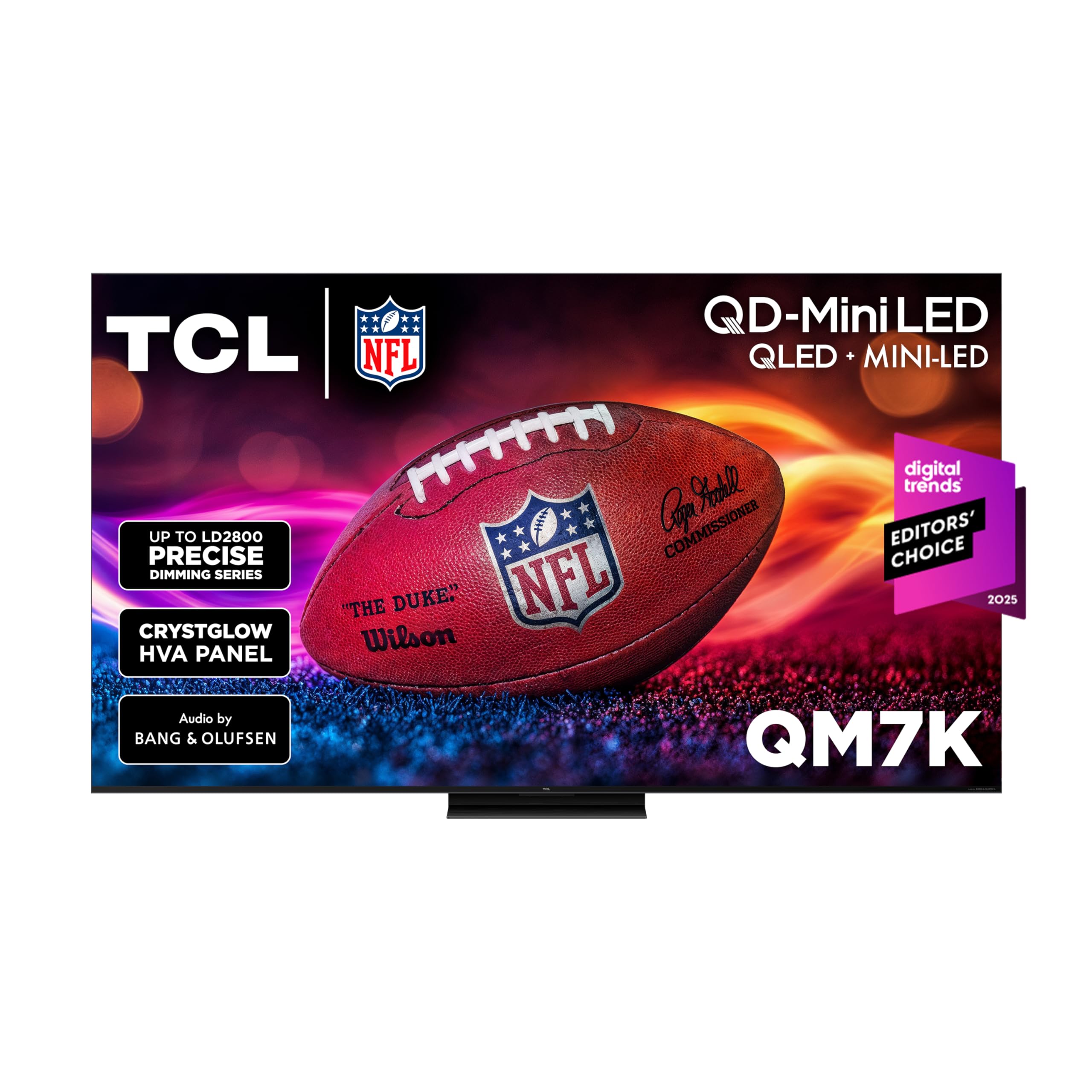
TCL’s QD-Mini LED brings excellent brightness and solid blacks at a price that undercuts the competition.
The TCL QM7K is the value king of mini-LED, combining QLED and mini-LED tech to deliver “excellent brightness, solid blacks” that work well even in bright rooms — a contrast to the standard edge-lit LED you may be upgrading from. It features up to LD2500 Precise Dimming (2500 zones), which is generous for this price point, and the CrystGlow HVA panel blocks reflections to keep details clear. The Google TV interface is responsive, and reviewers point out the built-in audio (with Dolby Atmos) is a step up from TCL’s previous QMK6 model, with good bass presence.
The trade-offs: the included remote feels cheap, and Google TV has some pre-installed apps you may not want. A 20-year TV support pro who reviewed this called it “a solid buy for the price.” The Bluetooth version is 5.4, giving it a small connectivity edge over the Toshiba Z670R’s Bluetooth 5.
Good gaming specs
- QD-Mini LED with up to 2500 dimming zones — impressive for the price
- CrystGlow HVA panel reduces reflections in bright rooms
- Google TV is fast and easy to navigate
- Built-in Dolby Atmos audio with good bass from Onkyo tuning
Average build
- Remote is lightweight and feels cheap compared to competitors
- Google TV can feel cluttered with bloatware
Gaming input: you want real mini-LED performance — bright HDR, controlled blacks — without spending premium money.
Build quality: you need more zones and higher peak brightness for a dedicated home theater.
9. Toshiba 85″ Z670R Series Mini-LED 4K UHD Smart Fire TV

A mini-LED Fire TV with native 144Hz and a surprisingly fast boot, designed in Japan.
The Toshiba Z670R is a fresh 2026 model that leans into two things: gaming and smart-TV speed. The native 144Hz refresh rate with AMD FreeSync Premium and VRR makes it a capable gaming partner for consoles and PCs, and the Fire TV platform boots in “~2 seconds” according to buyers, which is noticeably faster than some Google TV implementations. The REGZA Engine ZRi Gen3, fine-tuned by Toshiba engineers in Japan, handles AI picture optimization and includes Dolby Vision IQ and HDR10+ Adaptive support.
One potential drawback: the Fire TV interface can feel more ad-cluttered than Google TV (one reviewer called it “cluttered”), and the built-in audio is good but not at the level of the TCL QM8L with Bang & Olufsen. The anti-glare matte finish is a plus for daytime viewing. The Bluetooth version is 5 — a minor step behind the TCL QM7K’s Bluetooth 5.4.
Fire TV integration
- Native 144Hz with VRR and AMD FreeSync Premium for tear-free gaming
- Fire TV boots in approximately 2 seconds — very responsive
- REGZA Engine ZRi Gen3 for AI-powered picture tuning
- Dolby Vision IQ and HDR10+ Adaptive support
Limited dimming zones
- Fire TV interface can feel cluttered with ads
- Bluetooth version 5 is a generation behind some competitors
Fire TV: gamers who want a snappy smart-TV experience at a reasonable price, and buyers who prefer the Fire TV ecosystem.
Dimming zones: you prefer Google TV and want Bluetooth 5.4.
10. Hisense 85″ Hi-QLED 4K S7 CanvasTV Series Google Smart Art TV
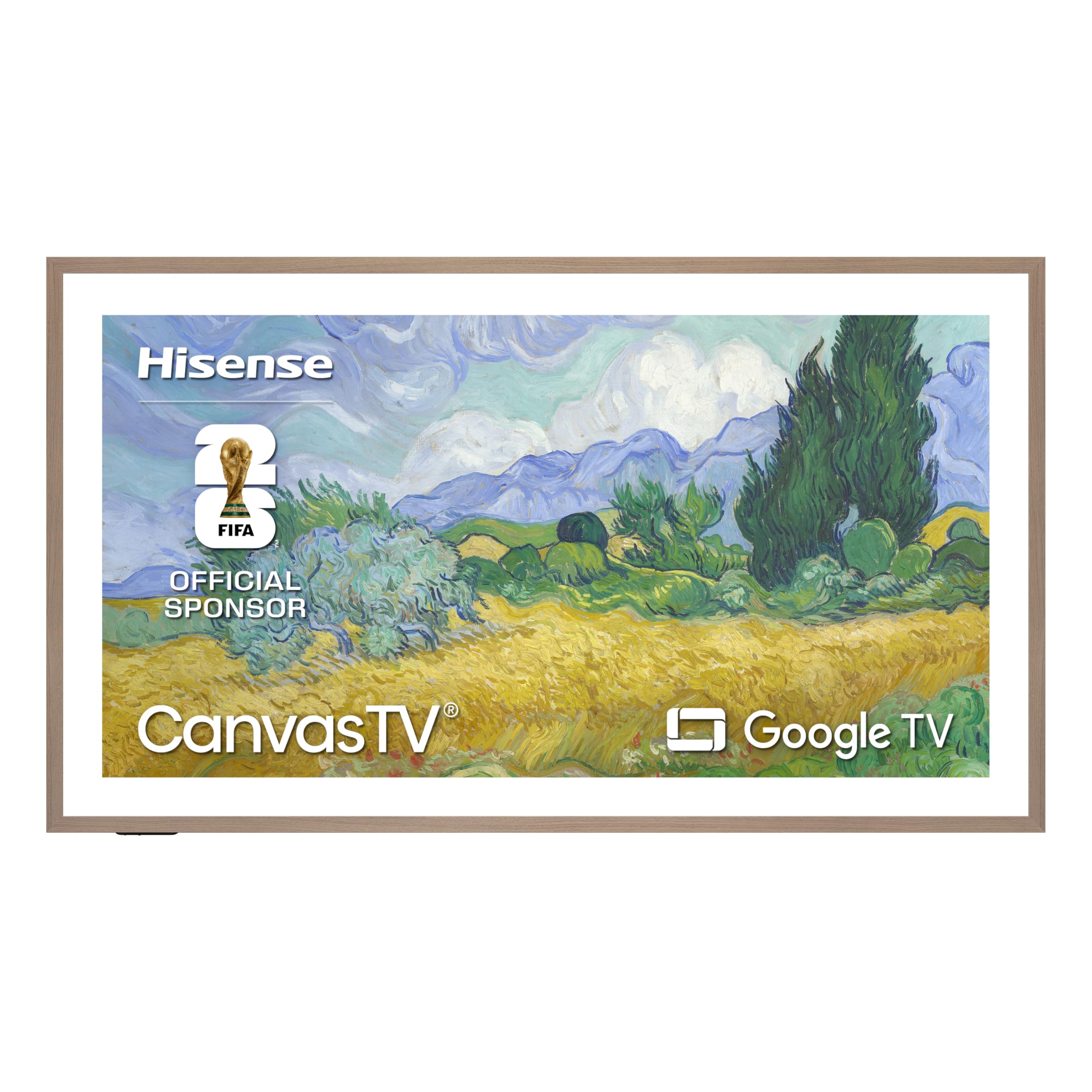
A TV that doubles as a curated art gallery, with a matte display that kills reflections even in daylight.
The Hisense CanvasTV is a lifestyle TV first: when you are not watching, it displays over 1000 complimentary artworks from a curated library, and the included Teak Frame and UltraSlim Wall Mount make it look like a real framed piece on your wall. The Hi-Matte anti-glare display ensures that artwork looks natural and reflection-free even with sunlight streaming in — a trick it shares with the Samsung The Frame Pro below, but at a more accessible price. It also pulls double duty as a solid performer: native 144Hz refresh rate, AI Smooth Motion, and 2.0.2 multi-dimensional sound with DTS Virtual:X.
The compromise is that the CanvasTV trades raw mini-LED brightness (it is Hi-QLED, not mini-LED) for the matte aesthetic, so HDR highlights are not as punchy as the TCL QM8L or Hisense U8. If you want a TV that blends into your decor and you prioritize art mode over peak nits, this is a unique and compelling option.
Art mode display
- Art Gallery mode with 1000+ free artworks and included Teak Frame
- Hi-Matte anti-glare display eliminates reflections effectively
- UltraSlim Wall Mount included for flush gallery-style mounting
- Native 144Hz with AI Smooth Motion for smooth action
Mediocre HDR
- Hi-QLED brightness is lower than dedicated mini-LED panels
- No Dolby Vision IQ or high-nit HDR — better for art than intense HDR movies
Art display: design-conscious buyers who want a TV that disappears into the decor and looks beautiful even when off.
HDR performance: you prioritize explosive HDR brightness for movie nights.
11. Samsung 85-Inch Class The Frame Pro LS03HW Series
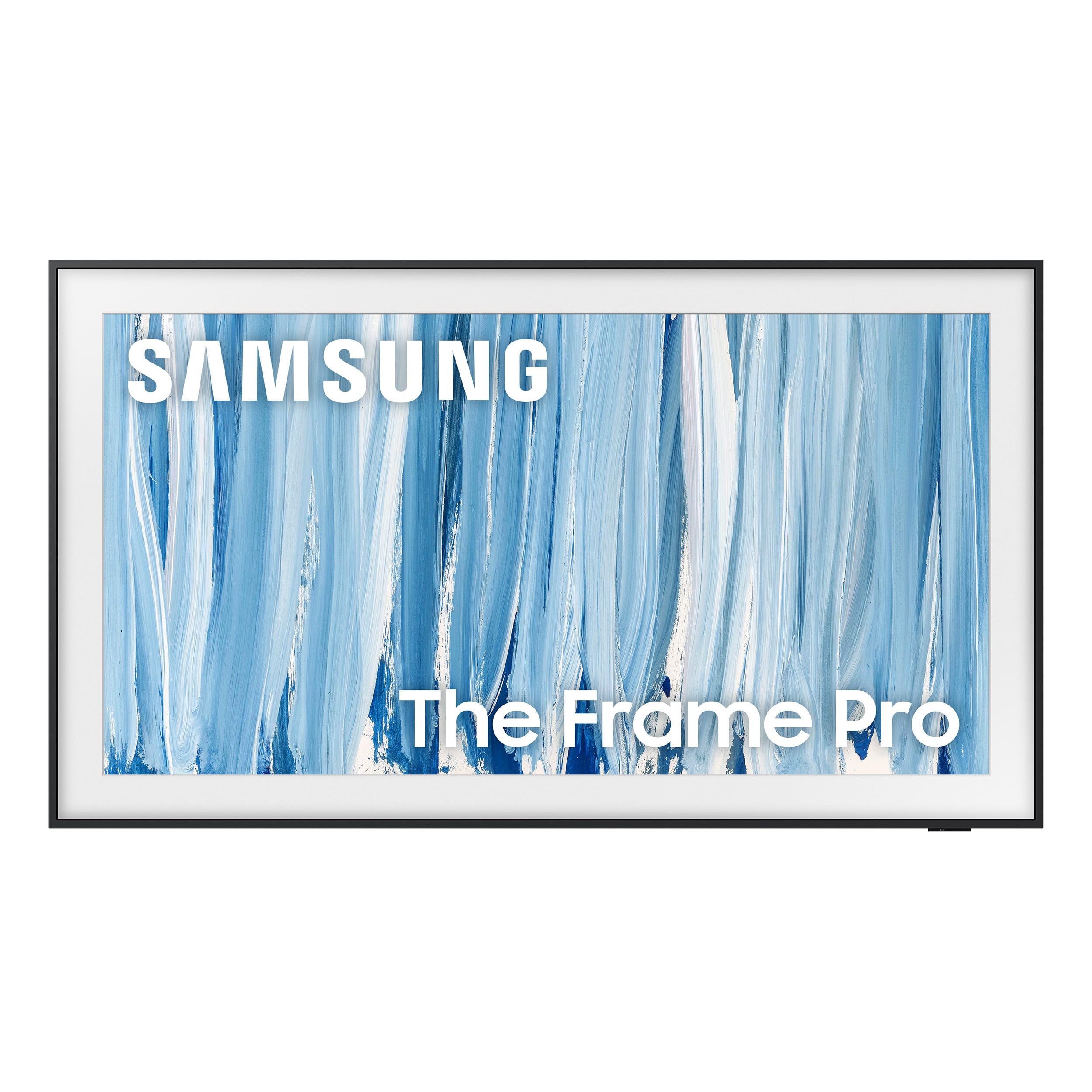
Samsung’s premium art TV with Neo QLED mini-LED and a wireless connection hub for a clean look.
The Frame Pro is Samsung’s latest 2026 evolution of its popular art-TV concept, but this version upgrades to Neo QLED mini-LED for a much better picture than previous Frame models. It features a Glare Free coating with mini-LED precision lighting, so artwork in Art Mode looks like a real canvas — not a glowing screen — and the 5000+ artworks in the Art Store give you a massive library to cycle through. The Wireless One Connect box lets you plug all your devices into a separate hub, and the included Slim Fit Wall Mount makes the TV sit flush against the wall with zero gap.
The trade-off is the 120Hz native refresh rate (vs 144Hz on many competitors here), which is still fine for most content but not ideal for high-frame-rate PC gamers. The price is also the highest on this list. If you want a TV that is also a statement piece, the Frame Pro delivers a cleaner look than the Hisense CanvasTV, with the benefit of Samsung’s mini-LED backlight.
Frame design
- Glare Free Neo QLED makes art look natural and reduces reflections dramatically
- Wireless One Connect hub eliminates cable clutter from the TV
- Slim Fit Wall Mount included for a flush, gallery-style installation
- Pantone Validated ArtfulColor for accurate art reproduction
Lower brightness
- Native 120Hz is lower than the 144Hz/165Hz panels on this list
- Premium price — the most expensive 85-inch option here
Design aesthetics: you want the best-looking art TV on the market with a clutter-free setup and genuine mini-LED picture quality.
Brightness level: you want a similar concept but need to stay in a more comfortable budget bracket.
Understanding the Specs
Local Dimming Zones
The number of zones controls how precisely the TV can dim parts of the screen independently. More zones (like the 5600 on the Hisense U8 or 4000+ on the TCL QM8L) means deeper blacks next to bright objects with less of a halo effect. Models with fewer zones may show a glow around bright subtitles on a dark scene — so if you watch a lot of letterboxed movies, more zones matter.
Native Refresh Rate and VRR
Native refresh rate (120Hz, 144Hz, or 165Hz) is the maximum frames per second the panel can display natively. VRR (Variable Refresh Rate) syncs the TV’s refresh rate to your game console or PC to eliminate screen tearing. For PS5 and Xbox Series X, 120Hz is plenty. For a high-end gaming PC pushing high frame rates, a 144Hz or 165Hz panel is a better match. The Game Booster 288 feature on the Hisense U8 doubles the effective VRR range for supported games.
FAQ
Will an 85-inch TV fit through my door and on my wall?
Is mini-LED better than OLED for an 85-inch TV?
What is the difference between 120Hz and 144Hz for gaming?
Do I need a soundbar with these 85-inch TVs?
How important is Dolby Vision vs HDR10+?
What is the best TV platform: Google TV, Fire TV, or Samsung Tizen?
Can I mount an 85-inch TV on a standard drywall wall?
How long do mini-LED 85-inch TVs typically last?
Final Thoughts: The Verdict
For most people, the best 85 inch TV winner is the Samsung QN90F because it combines a glare-free screen, the brilliant NQ4 AI Gen2 processor, and a 165Hz gaming panel into a package that handles any room and any content. If you want maximum brightness and the most dimming zones at this size, grab the Hisense U8. And for a TV that doubles as a museum-quality art display, the standout is the Samsung The Frame Pro.
How We Picked
We do not accept paid placement. Every pick is matched to a real buyer and a real use-case; we do not hands-on test units.
Sources & Methodology
Specifications: manufacturer listings and product documentation. Review insights: verified customer reviews, as of July 2026. Pricing: not shown on this page (it changes often); check the current price via the retailer link.
As an Amazon Associate, Gadgets Feed earns from qualifying purchases. This does not affect which products we feature.