
The gap between a fitness tracker that merely records steps and one you can actually trust for heart rate, sleep staging, and calorie burn is measured in sensor quality, not marketing claims. This guide exists to separate the trackers that deliver clinically relevant data from those that just display a number that looks good on the box.
I’m Min — the co-founder and writer behind Gadgets Feed. I’ve spent countless hours cross-referencing optical heart rate sensor architectures, GPS chipset generations, and sleep algorithm validation studies to build this guide around the single question that matters most: does this device produce data you can act on?
Whether you’re training for a marathon, managing a health condition, or just want reliable insight into your daily recovery, finding a genuinely accurate fitness tracker requires looking past the headline features and into the sensor hardware and firmware maturity that define real-world performance.
How To Choose The Best Accurate Fitness Tracker
Accuracy in a fitness tracker isn’t a single spec — it’s the sum of the optical sensor’s photodiode count, the GPS chipset’s frequency support, the accelerometer’s sampling rate, and the algorithm that fuses these signals into a cohesive metric. A device that nails step counting can completely fail at heart rate during a HIIT session. Understanding the sub-components that drive each measurement type is the only way to avoid false confidence in your data.
Optical Heart Rate Sensor Tier
The most critical hardware inside any wrist-based accurate fitness tracker is the photoplethysmography (PPG) sensor array. Budget trackers typically use a single green LED and one photodiode, which struggles with motion artifact and darker skin tones. Mid-range and premium devices now employ multi-LED arrangements (green, red, infrared) with multiple photodiodes, enabling them to cancel out motion noise and maintain lock during interval training. The sensor generation — first, second, or third — often correlates more strongly with real accuracy than the brand name.
GPS and Motion Processing Chain
For outdoor runners and cyclists, GPS accuracy is just as important as heart rate. Single-band GPS relies on L1 frequency only and can drift significantly in urban canyons or under heavy tree cover. Dual-band GPS (L1+L5) and multi-constellation support (GPS+GLONASS+Galileo+BeiDou) are the markers of premium hardware that maintains sub-5 meter accuracy in challenging environments. Pair this with a 6-axis IMU (accelerometer+gyroscope) running dead-reckoning algorithms, and you get reliable pacing even when GPS signal drops momentarily.
Sleep Algorithm Maturity
Sleep tracking accuracy is the hardest to evaluate because it requires validation against polysomnography (clinical sleep study) data. Brands with large longitudinal datasets — usually those with millions of users contributing ground-truth sleep logs — tend to have better-tuned algorithms. The critical distinction is between devices that detect sleep vs. wake and devices that attempt to stage sleep (light, deep, REM). Accurate sleep staging demands a combination of heart rate variability analysis, accelerometer data, and SpO2 dips, not just movement detection alone.
Quick Comparison
On smaller screens, swipe sideways to see the full table.
| Model | Category | Best For | Key Spec | Amazon |
|---|---|---|---|---|
| Apple Watch Ultra 3 | Premium | Adventure & Multisport | Dual-band L1+L5 GPS, 49mm | Amazon |
| Apple Watch Series 11 | Premium | iPhone Ecosystem Integration | 64GB storage, ECG, 46mm | Amazon |
| Amazfit Active Max | Premium | Battery & Outdoor Navigation | 3000-nit AMOLED, 25 days | Amazon |
| Fitbit Charge 6 | Mid-Range | Google Ecosystem & ECG | Built-in GPS, ECG sensor | Amazon |
| Google Fitbit Air | Mid-Range | Minimalist Screenless Design | Screenless, 7-day battery | Amazon |
| Fitbit Inspire 3 | Mid-Range | Basic Step & Sleep Tracking | 10-day battery; SpO2 | Amazon |
| Jugeman Smart Watch | Budget | Large Display & Bluetooth Calls | 1.91″ HD, IP68, Alexa | Amazon |
In‑Depth Reviews
1. Apple Watch Ultra 3 [GPS + Cellular 49mm]
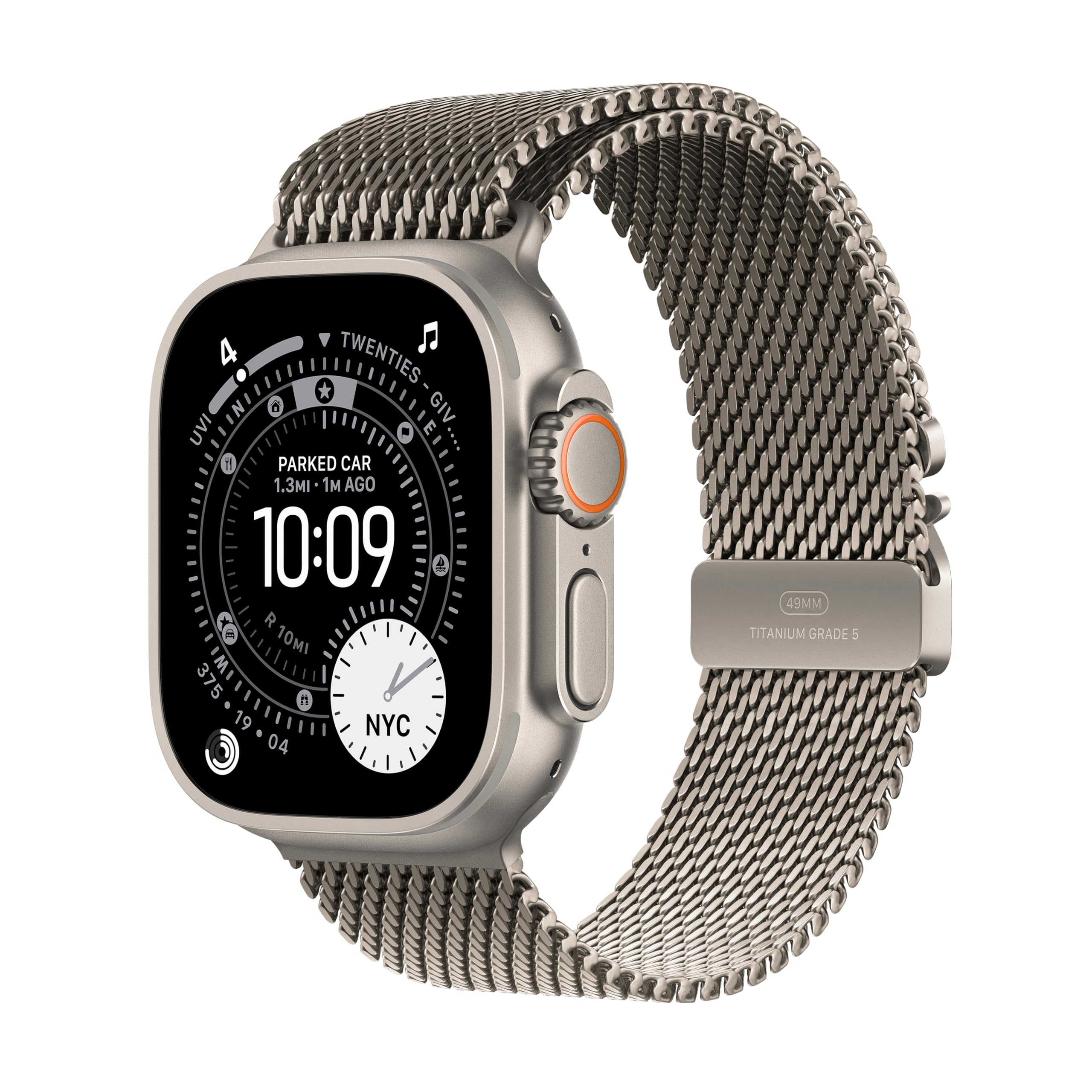
The Apple Watch Ultra 3’s dual-frequency L1+L5 GPS is the gold standard for outdoor route accuracy, maintaining lock under heavy canopy and in urban environments where single-band units drift. The 49mm titanium case houses a sapphire crystal display that resists scratches during trail runs and rock scrambles, while the precision dual-frequency GPS tracks running power and pace with sub-2 meter accuracy even in high-interference areas.
Health tracking extends to blood oxygen monitoring, ECG, and sleep apnea detection via the Vitals app — all powered by a third-generation optical sensor array that uses green, red, and infrared LEDs across multiple photodiodes to cancel motion artifact. The Action Button provides physical control to start a workout or mark a lap without glancing at the screen, a critical advantage during race conditions or heavy rain.
Battery life reaches 42 hours in normal use and 72 hours in Low Power Mode, with 20 hours of full GPS and heart rate tracking in that mode. The built-in cellular connectivity with 5G means you can leave your phone behind on long runs and still stream music or call for help via satellite if service drops. This is the reference standard for multisport athletes who demand clinical-grade data in a rugged package.
Why it’s great
- Dual-frequency GPS maintains accuracy under tree cover and in cities
- Sapphire crystal display resists scratches during outdoor activities
- Action Button provides physical control without screen interaction
- Satellite SOS for safety when out of cellular range
Good to know
- Weightlifting gloves may accidentally press the Action Button
- Metal bands can scratch the titanium case without a screen protector
- Requires iPhone for full setup and functionality
2. Apple Watch Series 11 [GPS 46mm]
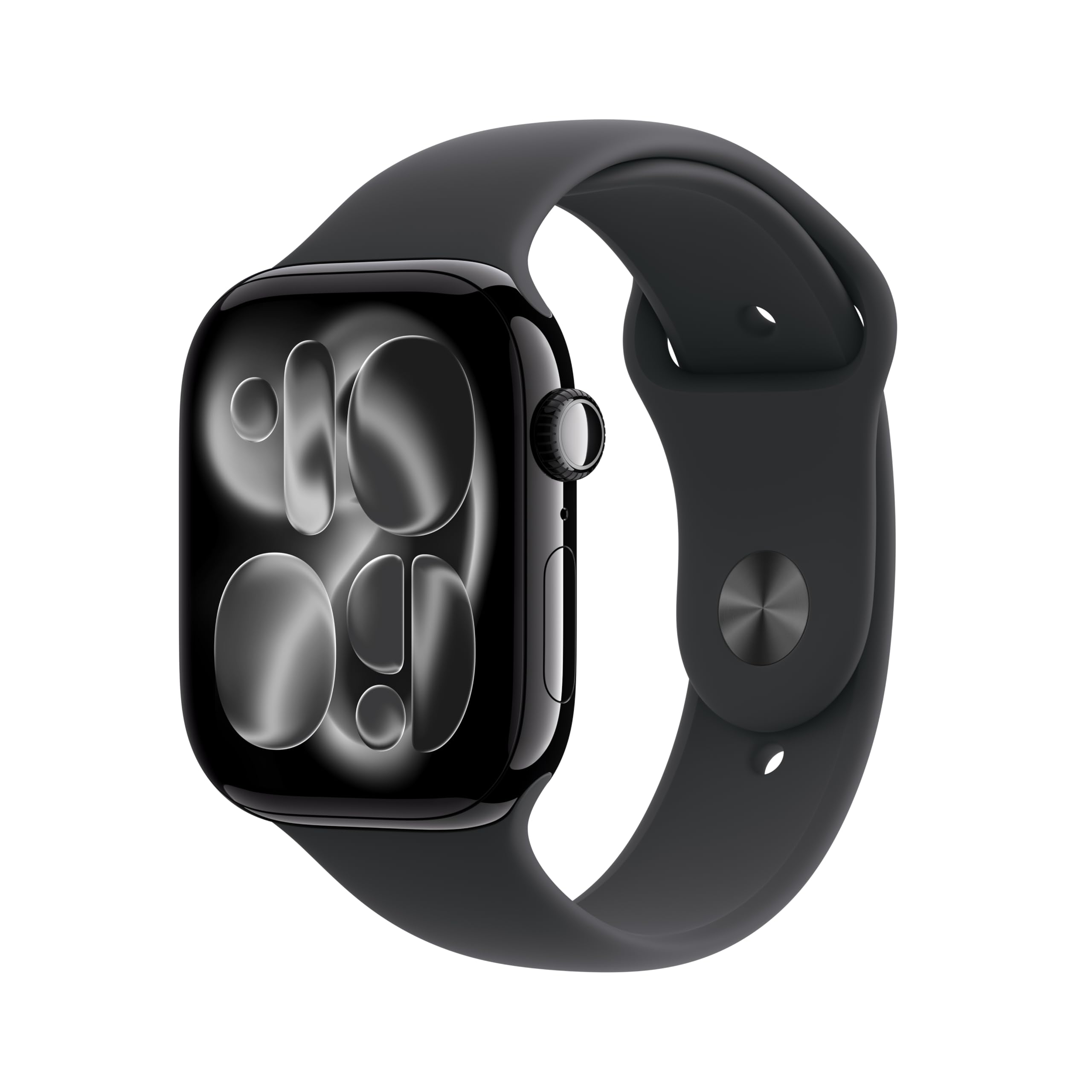
The Apple Watch Series 11 delivers the same core health sensor package as the Ultra 3 — ECG, blood oxygen, sleep apnea detection, and hypertension notifications — in a lighter 46mm aluminum case that is comfortable for 24/7 wear. The third-generation optical heart rate sensor uses a four-LED arrangement with green, red, and infrared wavelengths that maintain accurate readings during intense interval training and on tattooed skin where single-LED sensors fail.
Sleep staging accuracy benefits from the Vitals app’s overnight analysis, combining heart rate variability, respiratory rate, and wrist temperature into a coherent sleep score. The dual-core S-series processor runs watchOS and enables fast on-device Siri processing for workout commands without needing an internet connection. Fast charging reaches 8 hours of use from a 15-minute charge, mitigating the 24-hour battery cycle.
The 2x scratch-resistant glass display is tested against the Series 10 and survived direct comparisons in customer reviews. Water resistance to 50 meters with IP6X dust resistance makes it suitable for pool swimming and paddleboarding without worry. For iPhone users who want the most accurate fitness tracking available without the bulk of the Ultra 3, this is the pragmatic pick.
Why it’s great
- ECG and blood oxygen sensors provide clinically relevant health data
- Fast charging gives 8 hours of use from a 15-minute charge
- Third-gen optical sensor works reliably on tattooed skin
- Lightweight 46mm aluminum case comfortable for sleep tracking
Good to know
- Daily charging required for 24-hour usage cycle
- No steps displayed on the watch face by default
- Requires iPhone for setup and core functionality
3. Amazfit Active Max Smart Watch

The Amazfit Active Max challenges the assumption that premium accuracy requires daily charging. Its 200mAh battery delivers up to 25 days of normal use, and the 1.5-inch AMOLED display at 3000 nits remains readable under direct sunlight — a spec that exceeds many dedicated GPS watches costing twice as much. The BioCharge monitoring system calculates readiness based on heart rate variability and stress levels, providing a daily training recommendation that adapts to your recovery state.
On the GPS front, the Active Max uses five satellite system positioning (GPS+GLONASS+Galileo+BeiDou+QZSS) with offline map storage via 4GB of onboard memory. This allows turn-by-turn navigation without a phone, and the maps include terrain and ski overlays for off-grid adventures. Customer reviews confirm heart rate and SpO2 readings that track within 2-3 beats per minute of medical-grade reference devices during steady-state cardio.
The Zepp Coach integration provides AI-driven training plans for distances from 3K to full marathon, adjusting based on your performance and recovery data. For runners and hikers who need accurate GPS tracking and reliable heart rate data across multi-day trips without carrying a charger, the Active Max delivers performance that rivals devices in a higher tier.
Why it’s great
- 3000-nit AMOLED display is readable in direct sunlight
- 25-day battery life eliminates charging anxiety on long trips
- Offline maps with 4GB storage for phone-free navigation
- Heart rate accuracy confirmed within 2-3 bpm of medical reference
Good to know
- Zepp Coach running plans require app subscription for full features
- Some users prefer a larger case diameter for wrist presence
- Magnetic charging base is proprietary, not USB-C
4. Fitbit Charge 6 Fitness Tracker

The Fitbit Charge 6 brings ECG capability and built-in GPS to a sub- form factor that competes with devices in the + range for core accuracy metrics. The optical heart rate sensor uses a multi-path architecture that improves real-time display on compatible gym equipment — treadmills, ellipticals, and bikes can pull your heart rate directly from the tracker via Bluetooth. This integration reduces the need for chest straps in indoor gym settings.
Sleep tracking is a strong suit, with automatic detection of sleep stages (light, deep, REM) and a Sleep Score that correlates well with subjective sleep quality. The Daily Readiness Score uses heart rate variability, recent sleep data, and activity load to tell you whether to push hard or recover. Customer reviews note 6-7 days of battery life with the always-on display disabled, and the 1.04-inch AMOLED screen is bright enough for outdoor visibility.
The trade-off is that the built-in GPS shows inconsistent distance accuracy on ellipticals and indoor tracks, where some users report 0.3 miles tracked compared to 1 actual mile. The Google Maps turn-by-turn navigation and YouTube Music control features are functional but occasionally drop connection mid-workout. For everyday heart rate, sleep, and step tracking with ECG as a bonus, the Charge 6 offers exceptional value.
Why it’s great
- ECG sensor at a sub- price point
- Links to gym equipment for real-time heart rate display
- 6-7 day battery life with always-on display turned off
- Daily Readiness Score based on HRV and sleep data
Good to know
- GPS distance tracking shows significant error on indoor equipment
- Google Maps and YouTube Music connectivity can be unreliable
- App calorie count can be exaggerated, affecting deficit calculations
5. Google Fitbit Air
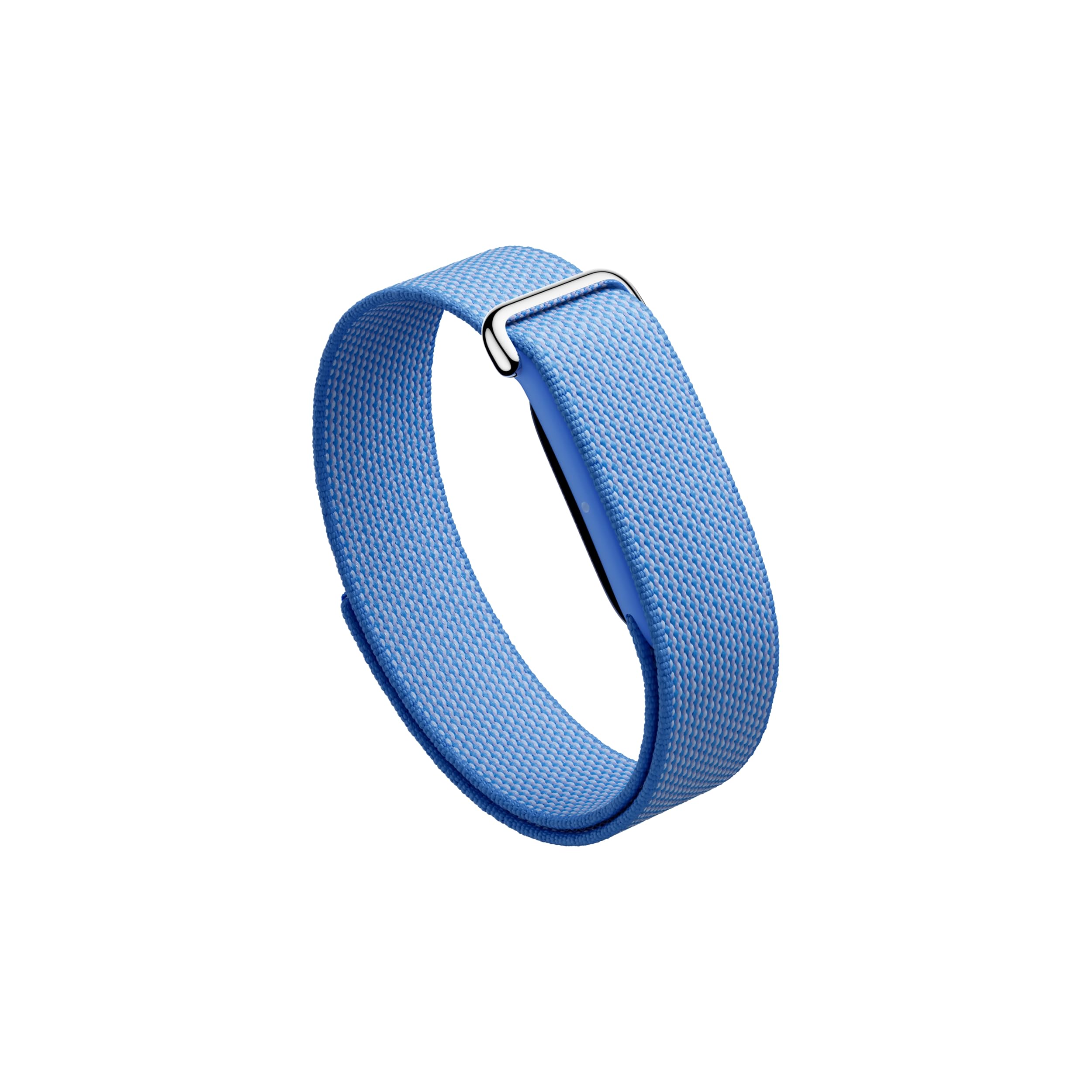
The Google Fitbit Air discards the screen entirely, forcing you to rely solely on the Zepp app for data review — a design choice that eliminates screen distraction and extends battery life to a full week. The core promise is sensor quality over display convenience: the Air uses advanced optical sensors and new algorithms that Google claims improve accuracy over screen-based Fitbit models by reducing wrist movement artifacts caused by screen-checking gestures.
The Pebble form factor is micro-adjustable from 130-210mm and designed to be worn 24/7, including during sleep, without the bulk of a traditional smartwatch. Google Health Coach provides personalized fitness plans and recovery guidance using the AI-powered Gemini model, adapting plans based on your sleep, activity, and readiness data. The one-size design changes looks by swapping the pebble into different band styles — bracelet, workout band, or sleep band.
Fast charging delivers one day of battery in five minutes, which means a quick charge during a morning shower covers an entire day of tracking. The lack of a screen means no GPS maps, no Bluetooth calling, and no on-wrist statistics — everything is accessed through the phone app. This device is for users who value consistent, accurate data logging and zero wrist distraction over interactive features.
Why it’s great
- Screenless design removes distraction and improves battery life
- 5-minute fast charge provides a full day of tracking
- Micro-adjustable band fits securely for 24/7 wear
- Google Health Coach provides adaptive AI-powered fitness plans
Good to know
- No on-wrist data display requires phone app for all metrics
- No built-in GPS for outdoor route tracking
- Premium subscription required for full coaching features
6. Fitbit Inspire 3 Health & Fitness Tracker

The Fitbit Inspire 3 delivers accurate step counting and reliable heart rate tracking in a package that charges only two to three times per month. Customer reviews consistently cite step accuracy as a strength, with one user reporting the tracker matched manual step counts during a controlled test. The 24/7 heart rate sensor uses Fitbit’s mature PurePulse technology, which has been validated across multiple firmware iterations to provide consistent resting heart rate and moderate exercise readings.
Sleep tracking is automatic and produces a Sleep Score based on duration and quality, though several reviewers note the device sometimes misclassifies lying awake as light sleep — a common limitation of accelerometer-primary sleep staging algorithms. The SpO2 sensor provides overnight blood oxygen estimates that offer a general trend but should not be considered medically precise, as one customer compared the readout to hospital-grade pulse oximeters and found variance.
The 10-day battery is achieved by disabling the always-on display, which users report as worth the trade-off for the extended runtime. The proprietary charging cable is a potential failure point — if lost or damaged, the device is unusable until replaced. For users who need basic but reliable step, heart rate, and sleep data without the complexity of a full smartwatch, the Inspire 3 provides the best balance of accuracy and simplicity in its class.
Why it’s great
- Step counting accuracy verified by customer manual tests
- Battery lasts 10 days with always-on display disabled
- Automatic sleep tracking with daily Sleep Score
- Lightweight and durable, survived scuffs without functional damage
Good to know
- SpO2 readings can vary compared to medical-grade equipment
- Sleep staging occasionally confuses awake time with light sleep
- Proprietary charging cable is a single point of failure
7. Jugeman Smart Watch
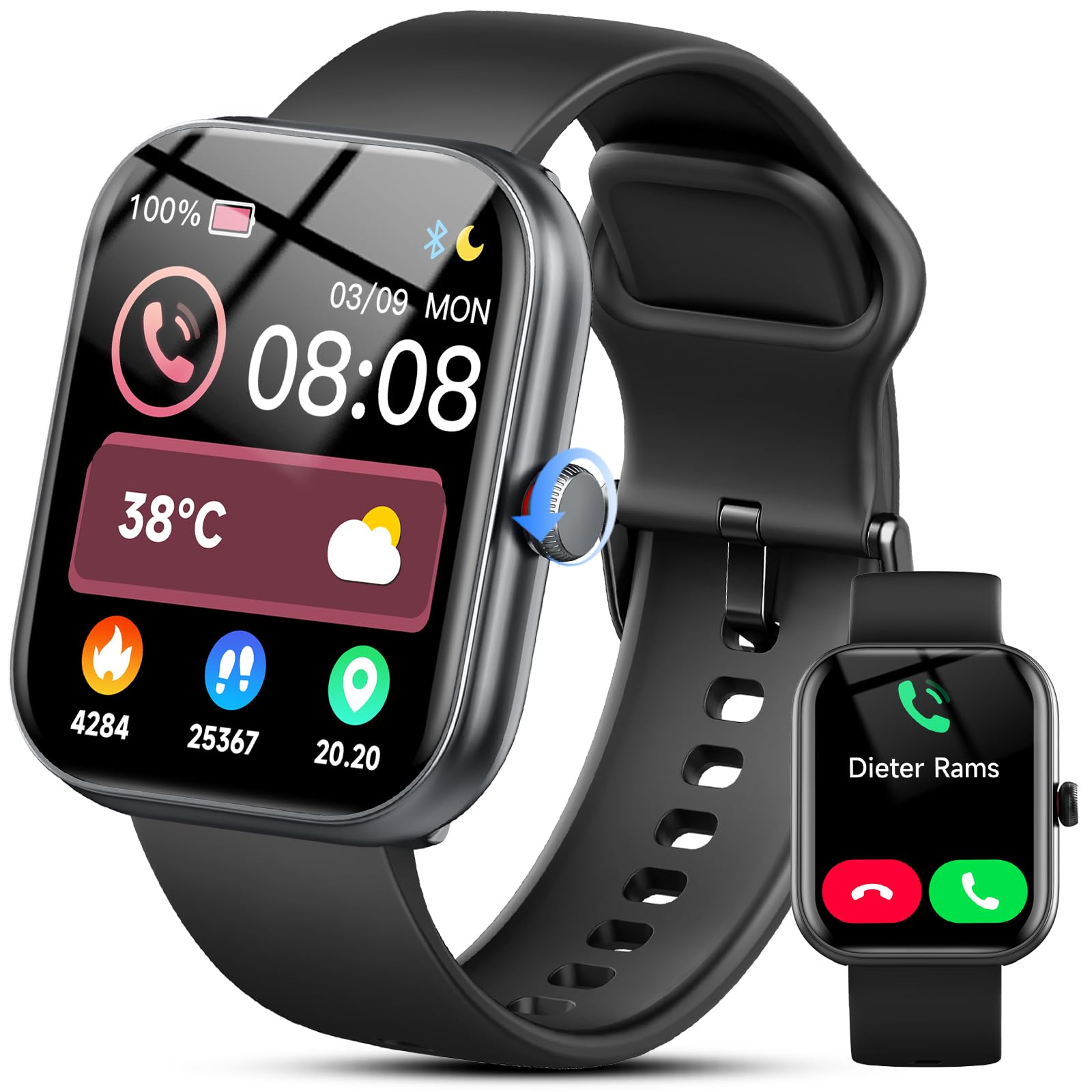
The Jugeman Smart Watch occupies the budget tier with a 1.91-inch TFT LCD display that offers a crisp 320×385 resolution — surprising for the price point. It supports Bluetooth calling with a built-in speaker and microphone, allowing hands-free phone calls from the wrist. Alexa integration enables voice control for setting alarms, checking weather, and controlling smart home devices, adding smartwatch utility to what is primarily a fitness tracker.
Health tracking covers heart rate, SpO2, sleep, and stress monitoring via the HryFine app. Customer reviews report that the heart rate sensor provides plausible readings for daily activity but lacks the validation data and multi-LED architecture of higher-tier trackers — users should expect general trend data rather than clinically precise measurements. The IP68 water resistance rating protects against sweat, rain, and splashes, though it is not certified for swimming depth tracking.
The 2.5-hour full charge yields 5-7 days of typical use, and the 100+ sports modes cover everything from running to yoga. The watch faces are customizable from an online catalog, and the find-my-phone feature is practical for daily use. For buyers who prioritize a large, readable screen, Bluetooth calling, and voice assistant integration over the highest sensor accuracy, the Jugeman delivers an impressive feature set at the entry level.
Why it’s great
- Large 1.91-inch HD display with bright, clear visibility
- Bluetooth calling with built-in speaker and microphone
- Alexa integration for voice assistant control
- IP68 water resistance handles sweat, rain, and splashes
Good to know
- Heart rate sensor lacks validation for high-intensity intervals
- No built-in GPS for outdoor route tracking
- Sleep staging algorithms are less mature than Fitbit or Apple
FAQ
How many LEDs does a reliable fitness tracker need for accurate heart rate during exercise?
Can a fitness tracker replace a medical-grade pulse oximeter for SpO2 readings?
What is the difference between single-band and dual-band GPS in a fitness tracker?
Final Thoughts: The Verdict
For most users, the accurate fitness tracker winner is the Fitbit Charge 6 because it delivers ECG sensor quality and built-in GPS at a price that undercuts premium alternatives while maintaining reliable everyday accuracy for heart rate, sleep, and readiness. If you want the absolute best sensor hardware with dual-band GPS and clinical-grade health features, grab the Apple Watch Series 11. And for multi-day expeditions where battery life and offline mapping are non-negotiable, nothing beats the Amazfit Active Max with its 25-day runtime and 3000-nit AMOLED display.