
Adaptive clothing tackles a daily reality many families face: getting a loved one dressed without a fight. The wrong shirt means wrestling with stiff arms, difficult snaps, or a top that rides up on a wheelchair-bound body. The right design preserves dignity, reduces caregiver strain, and speeds up the entire routine.
I’m Min — the co-founder and writer behind Gadgets Feed. I’ve spent hours analyzing fabric compositions, zipper durability reviews, and closure types to separate truly functional adaptive wear from gimmicky products that add more frustration than relief.
Reading through hundreds of caregiver reports and spec sheets, a clear picture emerged of what reliable adaptive clothing for elderly actually looks like in daily use.
How To Choose The Best Adaptive Clothing For Elderly
Selecting adaptive clothing means balancing anti-strip effectiveness with caregiver access and user comfort. Features that win at one often trade off against the others.
Closure Type: Zipper Access Points
Back-zipper designs offer the strongest anti-strip protection — a user with dementia cannot reach behind to open the zipper. U-zipper tops with a frontal opening work better for wheelchair-bound users who stay seated upright. Look for zippers with locking pull tabs or button covers that prevent a determined user from reaching the zipper slider. YKK-brand zippers consistently outlast generic alternatives in heavy daily use.
Fabric Composition for Sensitive Skin
Elderly skin tears easily. Cotton-spandex blends with at least 95% cotton provide breathability and gentle stretch without trapping heat. Avoid polyester-dominant fabrics for full-coverage jumpsuits — they trap moisture against the skin and increase irritation risk for bedridden users. Machine-washability is non-negotiable given the high soiling frequency.
Anti-Strip vs. Caregiver Access Tradeoff
A jumpsuit that prevents a dementia patient from removing their own diaper may also require full undressing for incontinence pad changes. Some designs add a leg zipper or snap-crotch panel for mid-body access without removing the entire garment. Evaluate whether your caregiver routine prioritizes total anti-strip security or quick bathroom access.
Quick Comparison
On smaller screens, swipe sideways to see the full table.
| Model | Category | Best For | Key Spec | Amazon |
|---|---|---|---|---|
| Silverts Open Back Long Sleeve Top | Mid-Range | Bedridden & wheelchair users | Back snaps with overlapping flap | Amazon |
| Anti-Strip Cotton Jumpsuit | Mid-Range | Dementia anti-strip | 100% cotton, back-zipper closure | Amazon |
| Adaptive Back-Zip Jumpsuit | Mid-Range | Skin picking & restless users | Long sleeves with tight wrist cuffs | Amazon |
| Women’s Anti-Strip Jumpsuit (Back-Zip) | Premium | Dignified post-surgery recovery | YKK zipper with button covers | Amazon |
| Gertex Adult Adaptive Sleepwear | Premium | Durable overnight wear | U-Zip and Back-Zip dual closure | Amazon |
| Wings Pants Dressing Tool | Premium | Independent dressing aid | Rigid frame with belt loop hooks | Amazon |
| Silverts Open Back Half Zip Track Jacket | Premium | Cool weather layering | Quilted shell, princess seam fit | Amazon |
In‑Depth Reviews
1. Women’s Adaptive Anti-Strip Jumpsuit with Long Sleeve Back-Zip
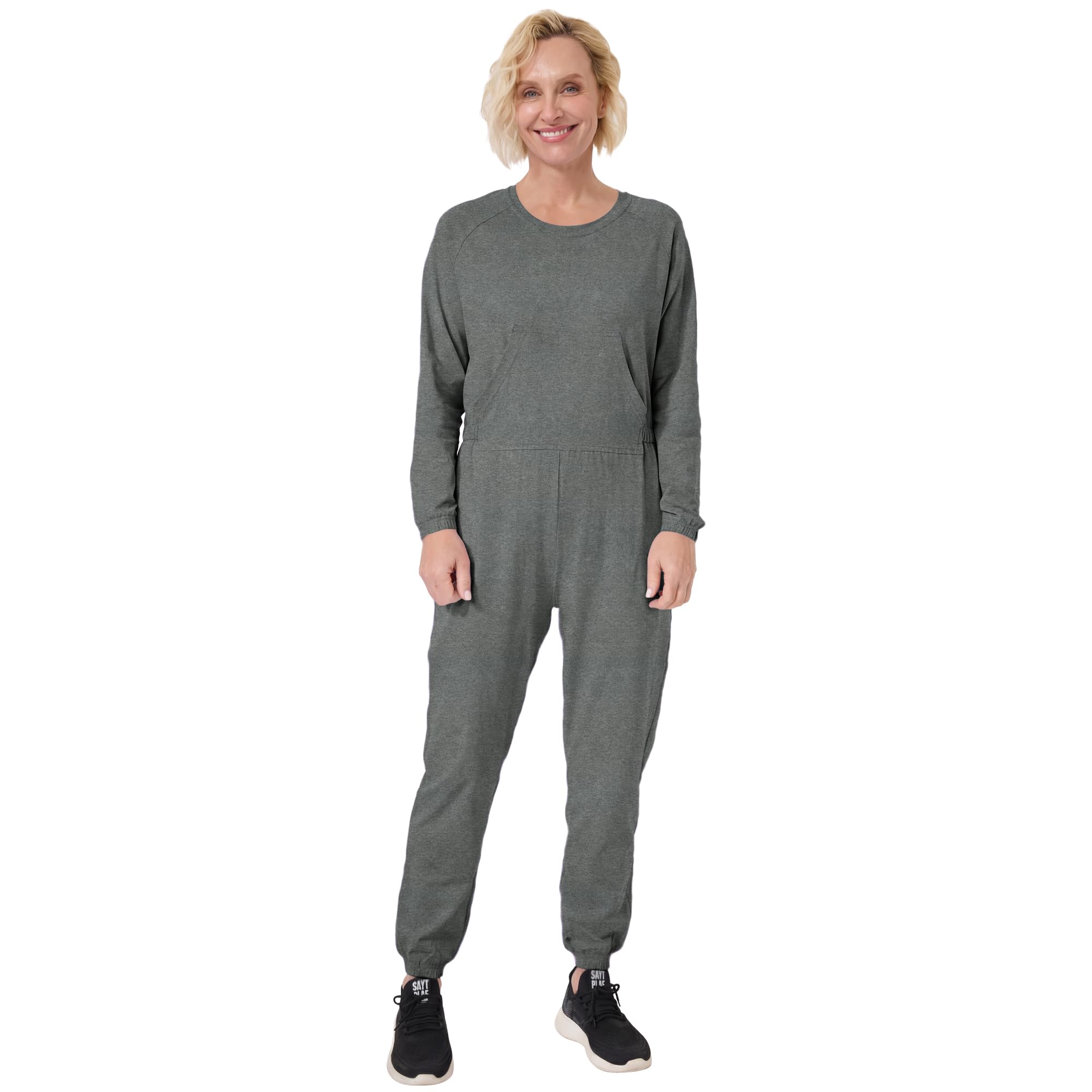
This jumpsuit uses a sturdy YKK back zipper with button covers at both the top collar and the waistline, creating two physical barriers against disrobing. The 95% cotton and 5% spandex blend stretches enough to accommodate diapers without adding bulk, while the elastic waistband (34–44 inch range) and elastic cuffs prevent the garment from twisting during sleep or wheelchair movement.
Caregivers praise the kangaroo pocket for holding a phone or remote, which makes the one-piece feel less clinical. The long sleeves provide arm coverage for users who get cold easily, and the crew neck avoids the choking sensation some adaptive tops create when the wearer reclines. Multiple reviewers noted the peach color runs lighter than expected, and the fabric is slightly see-through — pairing with a camisole or leggings solves this for daytime wear.
The anti-strip performance earns high marks: the back zipper sits out of reach, and the elastic cuffs prevent the wearer from pulling arms inside to wriggle out. This design works best for full-assist users who cannot independently dress or undress.
Why it’s great
- Dual button covers on zipper prevent determined self-stripping
- Soft 95/5 cotton-spandex blend breathes well for all-day wear
- Kangaroo pocket and elastic waist offer practical comfort
Good to know
- Fabric is somewhat see-through — needs an underlayer
- Sizing runs large; a Medium fits US size 0–4 loosely
- No snap-crotch or leg zipper for mid-body pad changes
2. Silverts Women’s Adaptive Open Back Half Zip Track Jacket
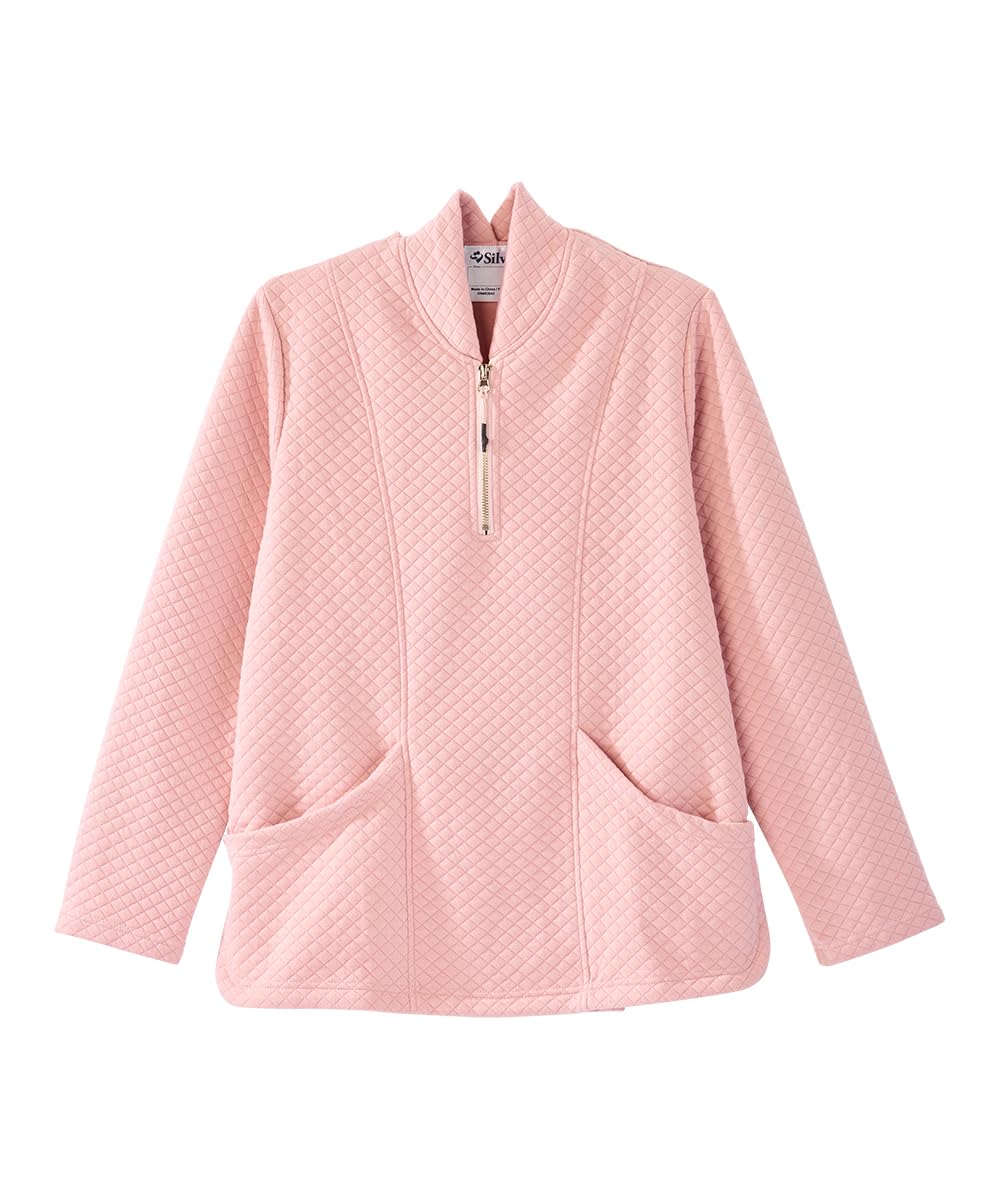
Silverts brings a tailored look to adaptive clothing with this quilted half-zip jacket — the princess seams create a fitted silhouette that avoids the baggy medical-apparel look. The half-zip opens from the front, making it easy to slide onto a seated wheelchair user, while the open back design accommodates reclined users who cannot lift their arms overhead.
Weighted lightly for fall and cool indoor temperatures, the shell traps heat without being heavy enough to restrict breathing during sleep. The collar stands up straight, which some neuro-sensitive wearers found irritating against the back of the neck — a simple scarf or folded towel solves this if needed. Size L fits 5’3″ and 138 lbs well, though several reviewers noted this specific style runs smaller than other Silverts tops and recommend ordering one size up.
Machine washing holds up with hang drying recommended; the quilted stitching did not separate after repeated washes. For caregivers looking for a presentable daytime layer that does not scream “medical garment,” this jacket maintains dignity while delivering easy dressing access.
Why it’s great
- Princess seam tailoring provides a non-boxy, feminine fit
- Quilted weight adds warmth without breathing restriction
- Front half-zip with open back is easy for wheelchair dressing
Good to know
- Runs small — go up one size from your usual Silverts size
- Stand collar may irritate sensitive necks
- Price is higher than most adaptive tops
3. Wings Pants Dressing Tool for Pants

This is not a garment — it is a rigid dressing framework that holds pants, underwear, and incontinence briefs open so a user with limited mobility can step into them without bending. The frame hooks onto belt loops and keeps the waistband suspended while the user guides their feet through the legs. A 98-year-old user in assisted living regained independent morning dressing thanks to this device.
The design works best for users with moderate mobility who can stand briefly but cannot bend to the floor. The rigid plastic frame has a fixed opening width — it accommodates up to roughly XL waistbands but large-size pants (2XL+) tend to slide off because the frame cannot expand further. Some reviewers noted rough edges that scratched bare legs and needed light sanding to smooth out.
For caregivers, this tool reduces back strain by eliminating the need to kneel and guide trousers onto uncooperative feet. The pole length is shorter than expected (about 24 inches), making it best suited for seated or standing-desk use rather than floor-level dressing.
Why it’s great
- Restores dressing independence for users who can stand but not bend
- Hooks onto belt loops to keep pants open during foot insertion
- Reduces caregiver physical strain from bending and kneeling
Good to know
- Frame opening is too narrow for 2XL+ pants
- Rough edges may scratch sensitive skin
- Pole is short — designed for seated use, not floor-level
4. Gertex Adult Adaptive Sleepwear With U-Zip and Back-Zip
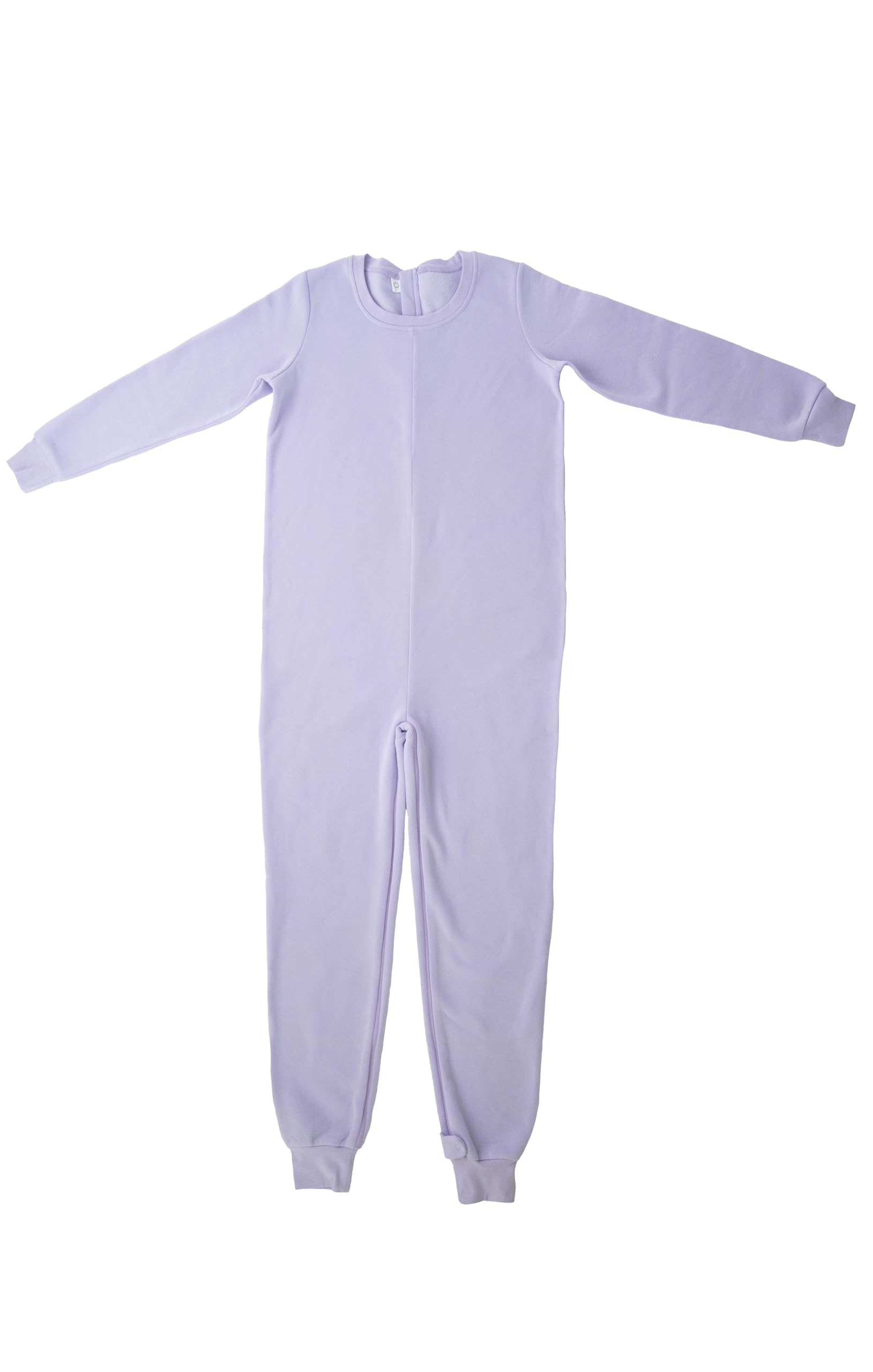
Gertex offers both a U-zipper (front) and back-zipper configuration in the same garment, giving caregivers flexibility depending on the user’s sleeping position. The full-body coverage keeps bedridden patients warm overnight, and the fabric holds up well through repeated machine washing without pilling or fading based on multiple washed-reports.
The primary concern is zipper durability. Several verified purchasers reported the zipper teeth breaking at the bottom stop after the first wear or second wash. This failure point is critical — if the zipper fails on a dementia garment, the anti-strip feature becomes useless. The manufacturer uses non-YKK zippers, and users who bought multiple units sometimes found one failed while another held strong, indicating inconsistent quality control across batches.
Diaper changes require full undressing because there is no snap-crotch or leg access panel. For users who need overnight incontinence pad changes, this means a complete undress-and-redress cycle that can wake the wearer fully. The garment works best for users who stay dry through the night and need only warmth and security.
Why it’s great
- Dual zipper options (U-zip and back-zip) for sleeping position flexibility
- Durable fabric survives frequent washing without fading
- Full coverage keeps bedridden users warm all night
Good to know
- Zipper quality is inconsistent — some units break quickly
- No snap-crotch access means full undressing for pad changes
- Price is high relative to zipper reliability concerns
5. Adaptive Clothing for Women, Anti-Strip Back-Zip Jumpsuit Cotton Romper
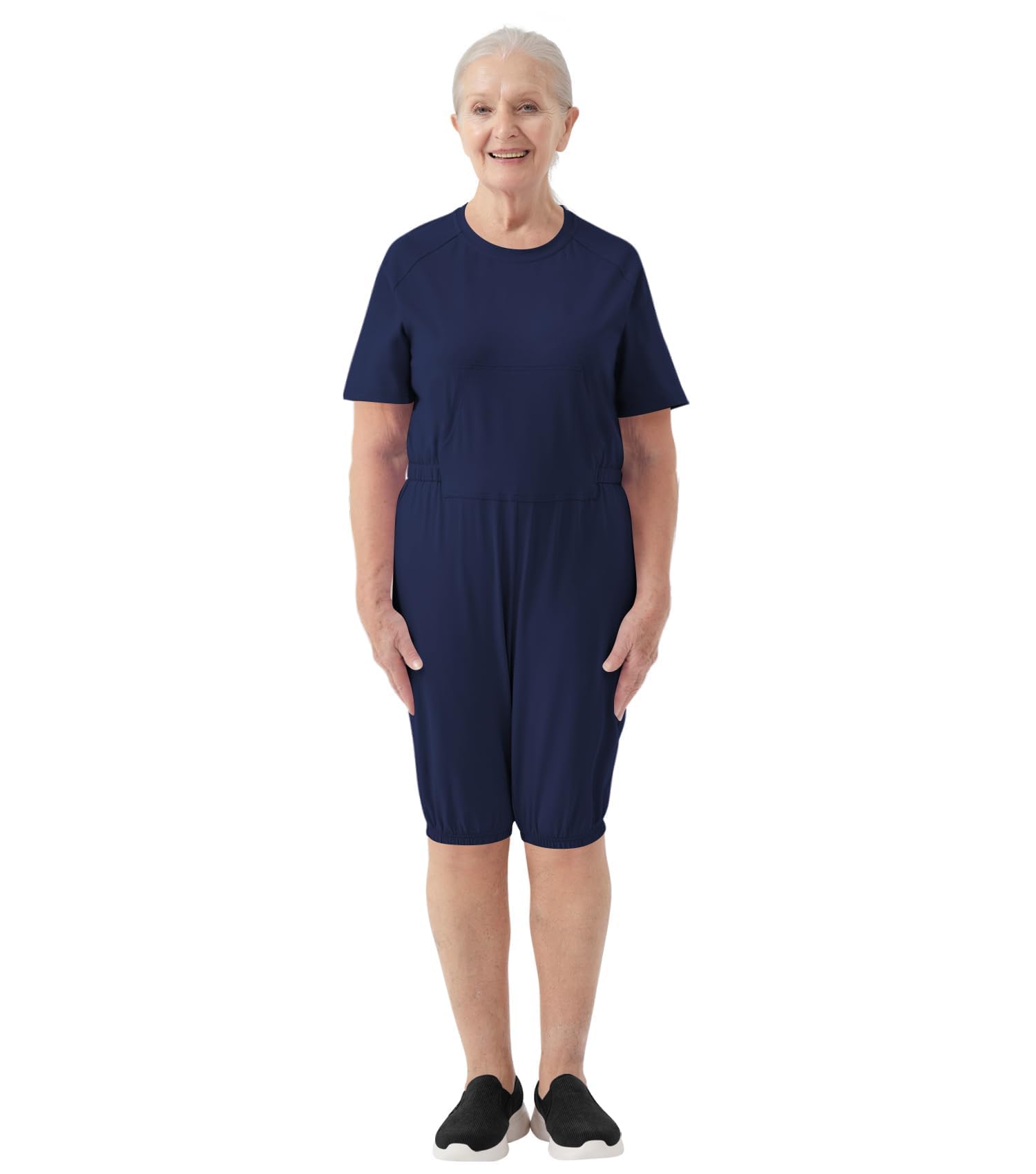
This cotton jumpsuit stops self-stripping effectively — the back zip sits completely out of reach for a dementia patient, and the generous fit accommodates adult diapers without looking bulky. Reviewers caring for Alzheimer’s patients reported the romper kept nighttime incontinence pads intact where previous pajamas had failed.
The fabric is soft and breathable 100% cotton, which reduces sweating and skin irritation for bedridden users. The sizing runs generous: an XS fits a true small frame, while the Medium has room for a diaper without visible bulk. Elastic cuffs at the wrists and ankles prevent the wearer from pulling the arms inside the garment to escape.
The tradeoff is caregiver access. Changing an incontinence brief requires removing the entire jumpsuit, which means the user must be fully undressed and redressed. Several reviewers mentioned wishing the zipper extended down one leg for mid-body pad swaps. This garment is ideal for overnight use where the user typically stays dry until morning, not for in-home care where multiple changes happen during the day.
Why it’s great
- Back zipper effectively prevents dementia patients from disrobing
- Soft 100% cotton is breathable and gentle on sensitive skin
- Generous fit accommodates diapers without looking bulky
Good to know
- No leg zipper — requires full undressing for pad changes
- XS sizing can still be loose on very petite frames
- Not ideal for daytime multi-change care routines
6. Silverts Women’s Adaptive Clothing Open Back Long Sleeve Top
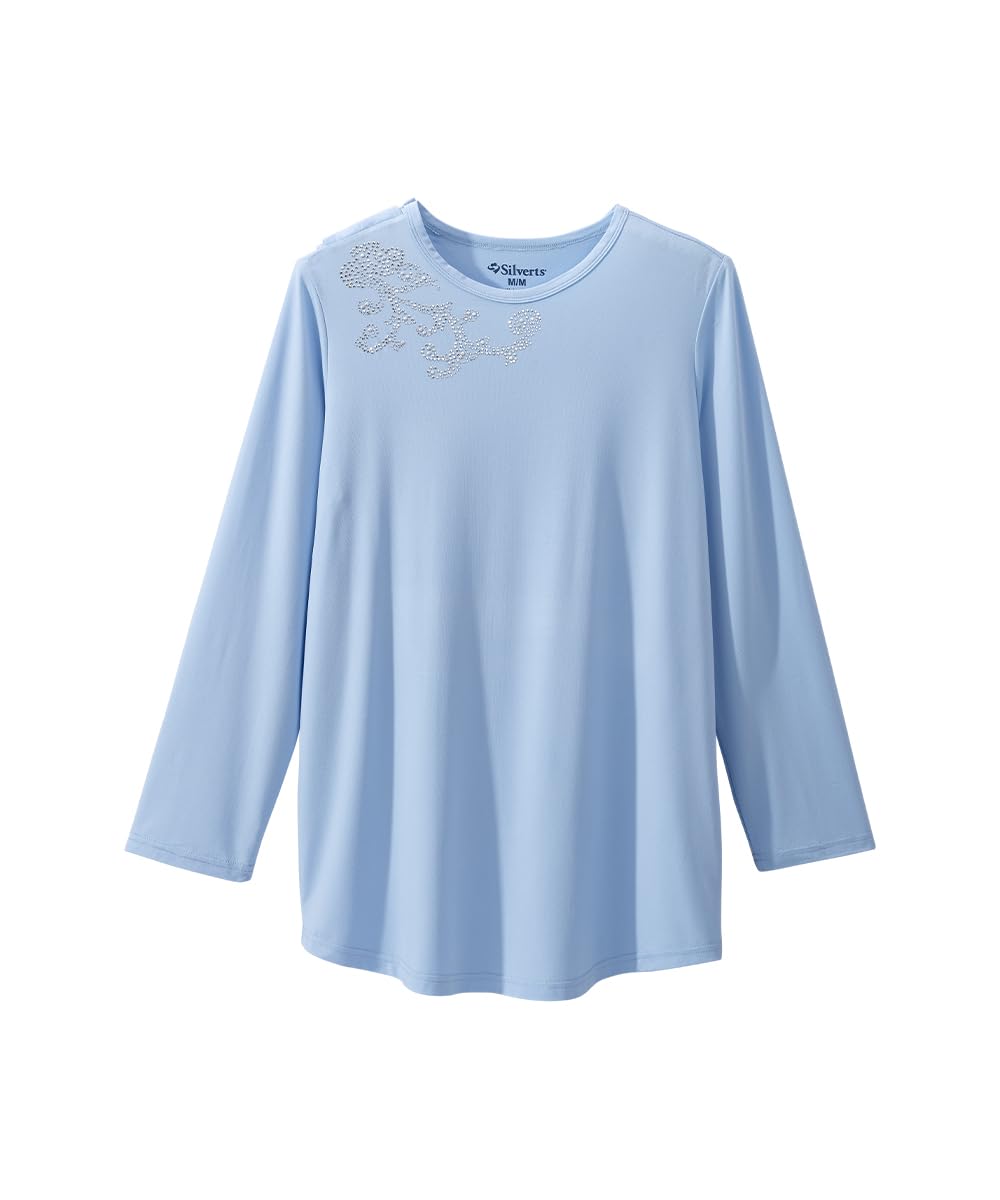
Silverts designed this top with overlapping back flaps secured by snaps rather than a single panel — this means the back stays fully covered even when the snaps are open, preventing cold air or exposure during dressing. The long sleeves keep bedridden users’ arms warm, and the sequined option adds an aesthetic dignity that caregivers appreciate for their loved ones.
The snap closure system is faster than zippers for caregivers who dress a bedridden patient multiple times daily. The fabric washed well with no shrinkage or color bleeding, and multiple caregivers noted the garment helped reduce the stress of dressing because the top could be laid flat, the arms guided through, and the back snapped without lifting the patient upright.
This is a top-only garment (no matching pants included), so it works best layered over an existing adaptive bottom or diaper. The fit runs true to size, and the overlapping flap design means there is no exposed gap even for users who toss and turn. Aesthetically, the sequin trim helps the wearer feel dressed rather than medicalized.
Why it’s great
- Overlapping back flaps prevent exposure during dressing or sleep
- Snap closure is faster than zippers for frequent changes
- Sequined options offer dignified, non-medical appearance
Good to know
- Top-only — must pair with separate bottoms or diaper
- Snaps may pop open if the user rolls aggressively in bed
- Limited color and style variety compared to jumpsuits
7. Adaptive Clothing for Women with Anti-Strip Design and Easy Back Access
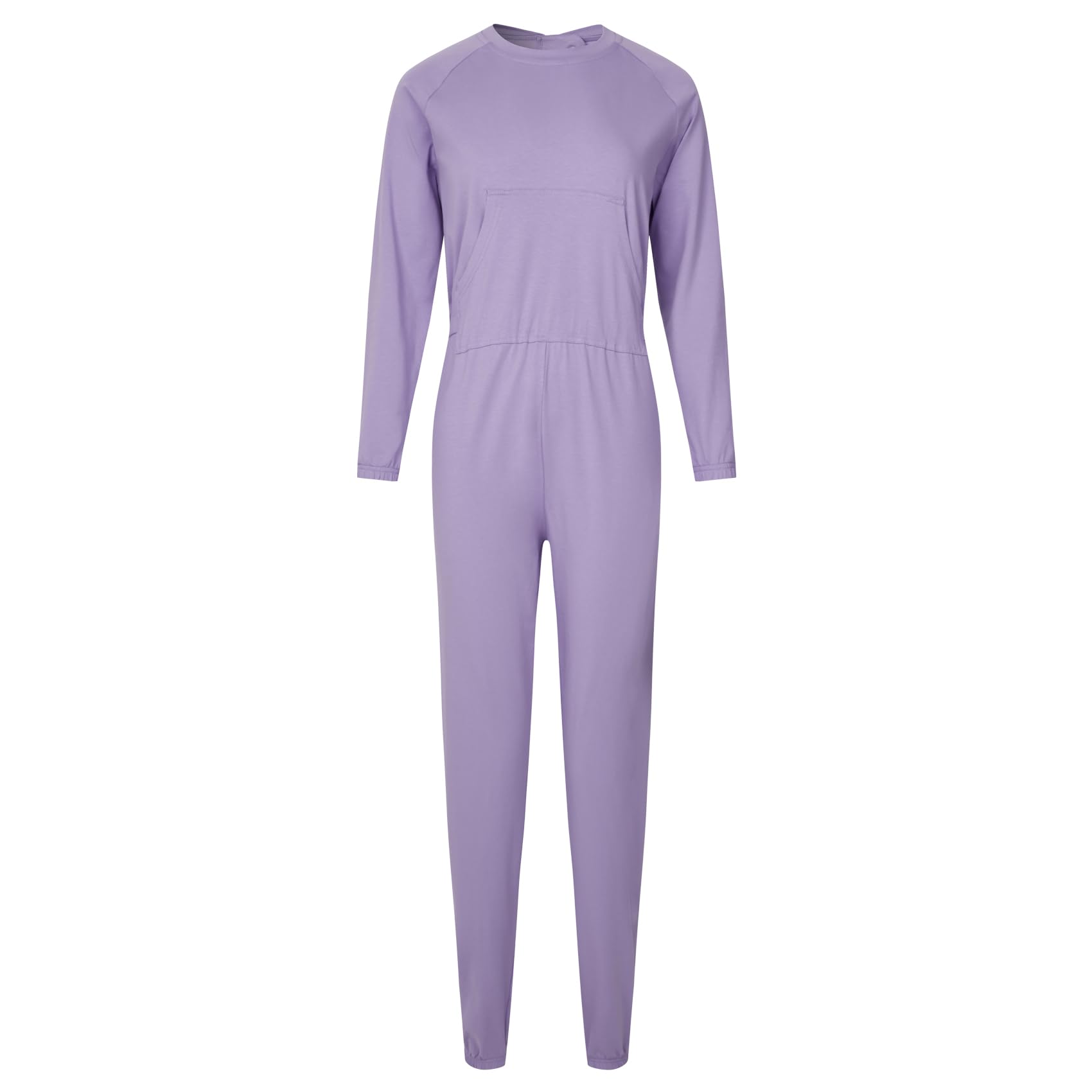
This jumpsuit specifically targets skin-picking behaviors — the tight wrist cuffs prevent the wearer from pulling their hands inside the sleeve to access skin, and the full back zipper makes the garment difficult to remove independently. The fabric is soft enough for sensory-sensitive users while remaining difficult to tear or manipulate from the inside.
Critically, the ankle cuffs are very constricted. Multiple reviewers, including a 95-pound petite 95-year-old wearing a Medium, reported the ankle elastic restricted blood flow and required cutting. The wrist cuffs are similarly tight by design, but some users found them uncomfortably restrictive rather than protective. Sizing appears inconsistent — larger sizes still have very tight ankle openings that may not suit users with swollen feet or poor circulation.
One verified review reported that an elderly user with only one functioning hand still managed to remove the garment within hours, which raises questions about the true anti-strip effectiveness for determined users. The garment works best for users whose primary behavior is skin-picking rather than disrobing, and where wrist coverage is the main goal.
Why it’s great
- Tight wrist cuffs effectively block skin-picking access
- Soft fabric is comfortable for sensory-sensitive users
- Full back zipper provides strong anti-strip protection
Good to know
- Ankle cuffs are extremely tight — may need to be cut
- Not truly anti-strip for determined users with hand mobility
- Wrist cuffs may be too restrictive for very thin arms
FAQ
Do back-zipper jumpsuits prevent all dementia patients from undressing?
How do I measure for adaptive clothing if the user is bedridden?
Can adaptive clothing be washed in a machine with bleach?
Final Thoughts: The Verdict
For most users, the adaptive clothing for elderly winner is the Women’s Adaptive Anti-Strip Jumpsuit with Long Sleeve Back-Zip because it combines YKK zipper durability with cotton-spandex comfort and dual button covers that genuinely stop self-stripping. If you want an independent dressing aid that preserves dignity, grab the Wings Pants Dressing Tool. And for cool-weather layering with a tailored fit that avoids medical-apparel looks, nothing beats the Silverts Open Back Half Zip Track Jacket.